Featured Recipe
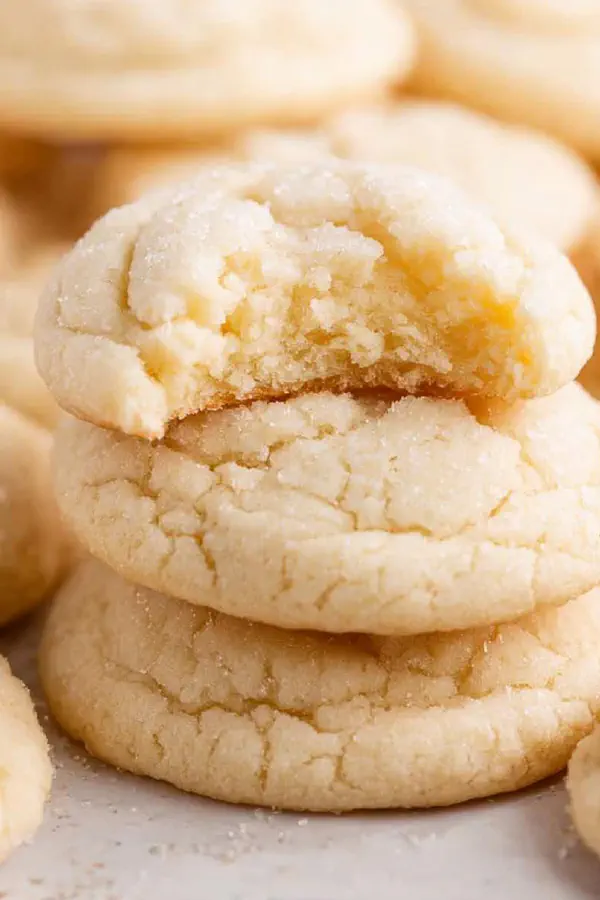
Amish Sugar Cookies Remix
By Kate
"
Classic Amish sugar cookies turned with a touch of maple syrup and almond extract swaps. Uses coconut oil instead of vegetable oil for a slight nutty depth and replaces cream of tartar with lemon juice to activate baking soda. Dough mixed gradually for texture control. Baking tuned for golden bottoms and soft centers. Simple ingredients, no fuss, just watch for cues: dough texture, oven sounds, cookie edge color. Makes about 50 cookies. Nutritional profile slightly altered due to ingredient swaps. Practical advice included on how to fix dry dough or spready cookies.
"
Prep:
35 min
Cook:
12 min
Total:
47 min
Serves:
50 servings
cookies
baking
desserts
Introduction
Starts with butter and oil fusion. Creaming sugars takes time to develop structure—no shortcuts. Maple syrup sneaks in a subtle sweet depth, almond extract sharpens aroma. Swapping cream of tartar for lemon juice alters acidity, key for lift and texture. Mixing dry ingredients separately ensures even distribution; don’t dump all at once. Folding flour slowly prevents tough cookies. Baking’s a sensory game: watch edges, smell changes; glossy middles become soft clouds, browned edges signal done. Cooling is vital; hot cookies fall apart but firm up off heat. Anticipate dough quirks—too dry, too wet, fix in mixing phase with simple adjustments. A cookie’s character is in these tweaks.
Ingredients
In The Same Category · Sweet Treats
Explore all →
Twisted Vanilla Crunch Cake
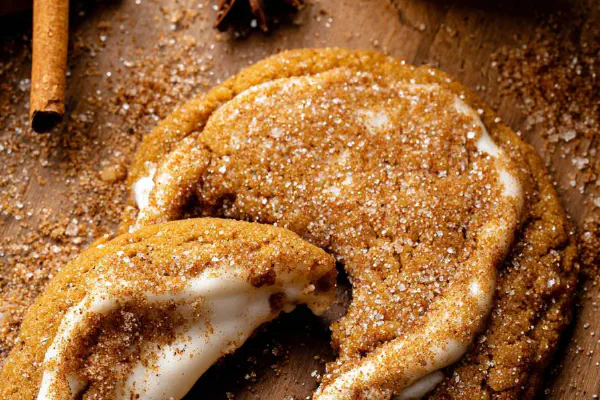
Pumpkin Cream Cheese Cookies
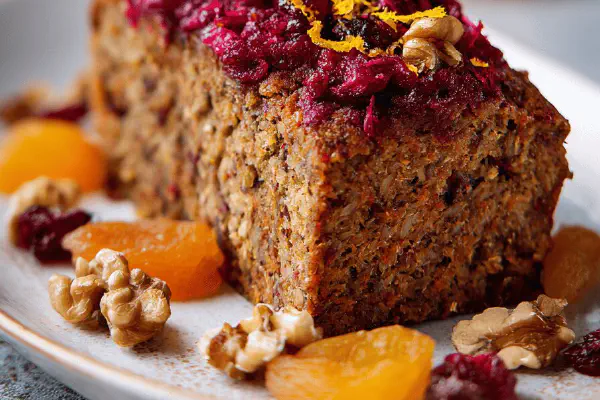
Spiced Beet Cake with Orange Zest

Twist Tie-Dye Cookies
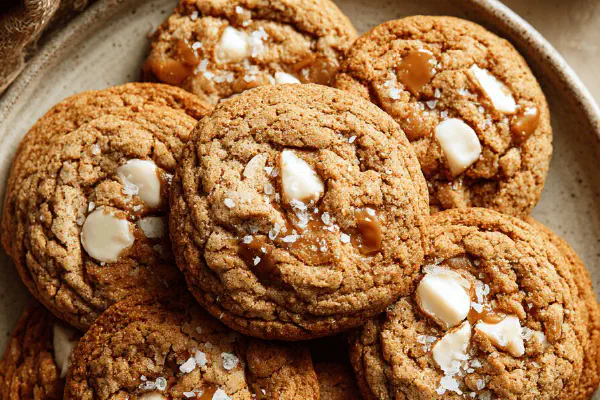
Salted Caramel White Chocolate Cookies
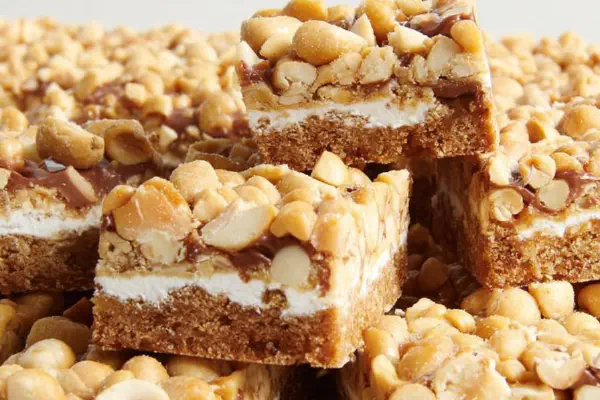
Salted Nut Rice Krispies Bars

Simple Brown Sugar Caramel
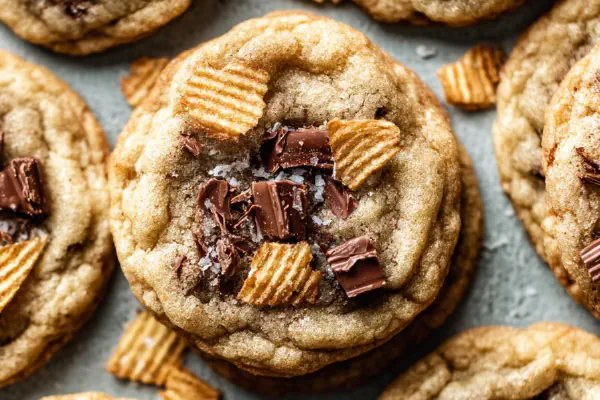
Chocolate Potato Chip Cookies

Citrus Poke Cream Cake
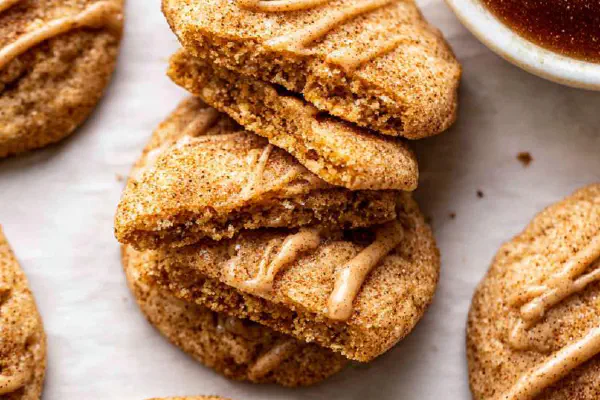
Apple Butter Snickerdoodles
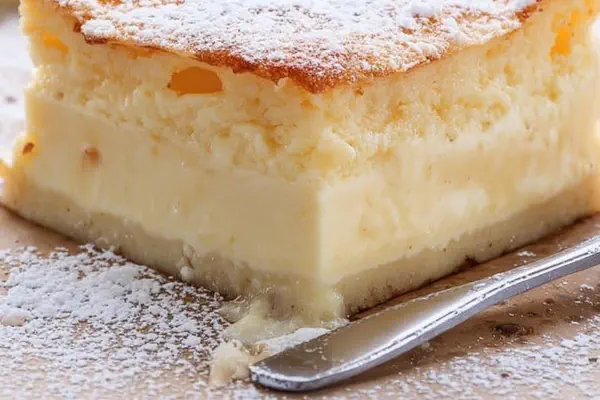
Twisted Magic Custard Cake

Holiday Almond Shortbread
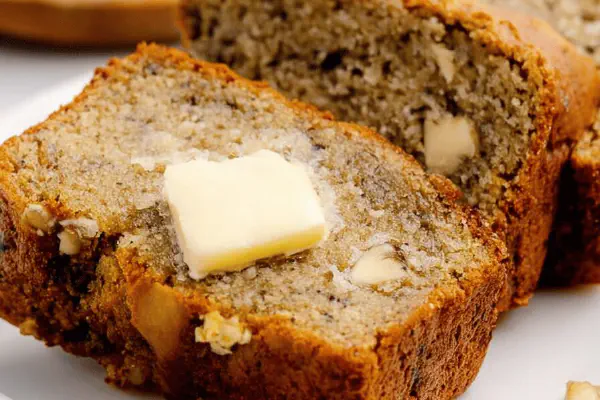
Air Fryer Walnut Banana Bread
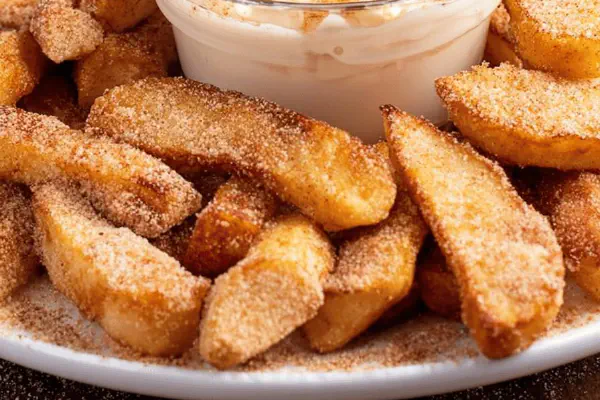
Crunchy Cinnamon Apple Fries

Twisted Cream Cheese King Cake

Strawberry White Choc Cookies

Salted Caramel Apple Twist
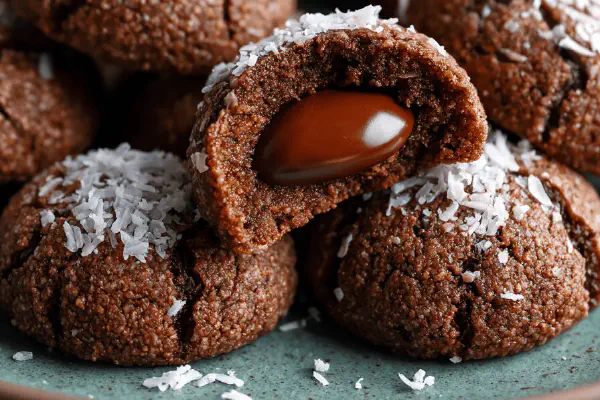
Cocoa Coconut Cookies

Caramel Pecan Cheesecake
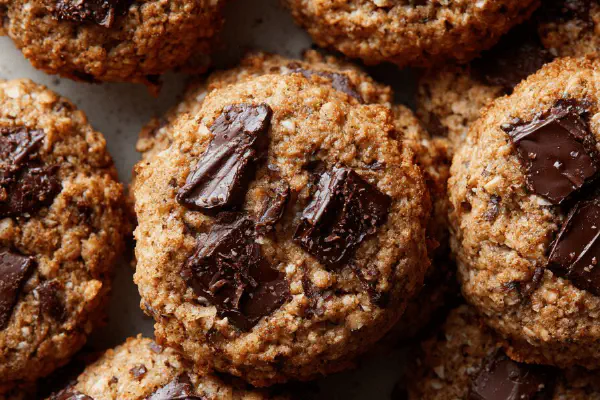
Soft Oat Chocolate Chip Cookies Light
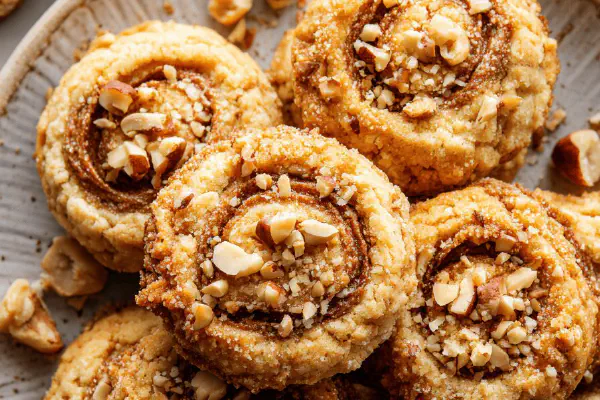
Crunchy Hazelnut Cookies
Billets with Berries and Coconut
Mint Oreo Brownies Reboot
Pumpkin Spice Rolls Remix

Strawberry Rhubarb Tart
Québec Color Cake Remix
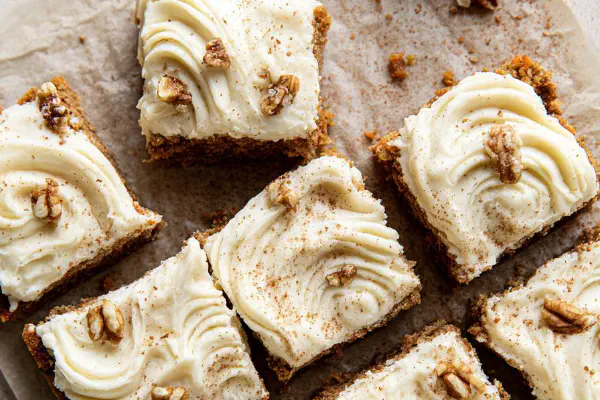
Spiced Carrot Cake Bars
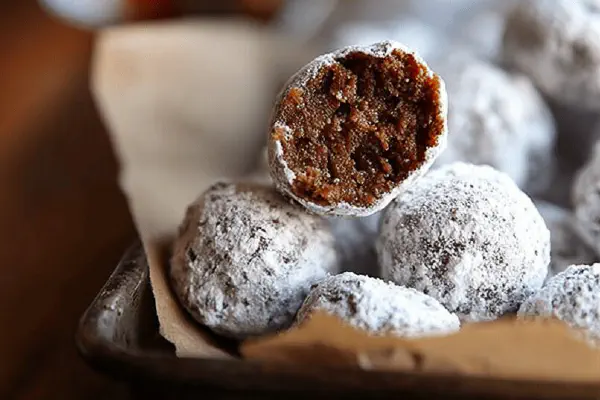
Boozy Cocoa Balls
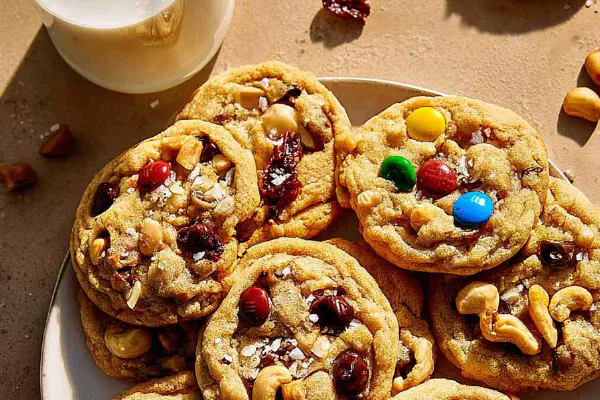
Chewy Trail Mix Cookies
About the ingredients
Butter should be softened, not melted, to trap air during creaming, which yields tender crumb. Coconut oil replaces vegetable oil for richer mouthfeel; use refined if extra neutral flavor is preferred. Maple syrup tops sweetness with a woody aroma—substitutable with honey or agave but flavor shifts will be noticeable. Almond extract is stronger than vanilla; balance carefully or omit for pure vanilla notes. Lemon juice activates baking soda instead of cream of tartar—fresh preferred for potency, bottled okay but measure conservatively. Flour must be sifted or whisked to avoid lumps, ensuring even rise. Powdered sugar helps cut grittiness and keeps dough soft; granulated sugar adds structure and crisp edges. Eggs at room temperature blend easier and help emulsify dough. Vegetable oil alternatives influence mouthfeel; coconut oil solidifies when cold, so store dough chilled if possible.
Method
Prepare
- Preheat oven to 370 degrees Fahrenheit. Line two cookie sheets with parchment or silicone mats. Set aside.
- In a mixer bowl, beat softened butter, then pour melted coconut oil while mixing. Add granulated and powdered sugar. Beat until creamy, smooth, and slightly fluffy - about 3-4 minutes but watch texture, not clock. Scrape sides often.
- Add eggs one at a time, beating about 90 seconds after last egg for glossy batter. Mix in vanilla and almond extract plus the maple syrup. This changes aroma and flavor balance—maple adds richness, almond sharpness. Scrape bowl edges to avoid flour streaks later.
- In separate bowl, whisk flour with baking soda and lemon juice. Lemon juice replaces cream of tartar to activate baking soda naturally, wrinkle your nose; it’s a subtle acidity kick.
- With mixer on low, gradually add flour mix a few spoonfuls at a time. Stop mixing as soon as fully combined. Dough texture should be soft but hold shape if pressed. Too dry? Add a teaspoon milk. Too sticky? Dust a little extra flour but careful or cookies toughen.
- Use a medium cookie scoop or spoon to place dough about 2 inches apart on trays. Flatten slightly with fingers if dough piles too high; cookies spread unevenly otherwise.
- Bake 9 to 13 minutes, listening for gentle crackling as oven heat shifts dough moisture. Edges lighten to a golden brown—bottoms should be evenly toasted but centers remain pale and pillowy.
- Let cookies rest on baking sheet 2 minutes post-oven; firm up and finish setting. Transfer carefully to wire racks; hot cookies are fragile. Store in an airtight container. Layer parchment to maintain texture.
- Dough too crumbly? Warm slightly or add splash milk. Spreading too much? Chill dough or check butter softness. Ovens vary; rely on color and feel, not just clocks.
Mixing Base Fats and Sugars
Eggs and Extracts
Dry Ingredients Combine
Incorporate Dry Ingredients
Scooping and Baking
Cooling and Storing
Troubleshooting Tips
Technique Tips
Step one, preheating is non-negotiable; cookies start cooking the second they hit a hot surface. Cream butter and sugars extensively until light and fluffy—this traps air, making cookies tender, not dense. Add eggs slowly to maintain emulsification; skipping can lead to greasy or crumbly dough. Incorporating dry ingredients gradually prevents flour clumps which dry out dough pockets, causing uneven texture. The lemon juice+baking soda reaction creates bubbles for lighter texture; immediate baking recommended after mixing. Scooping dough evenly maintains uniform baking. Flattening prevents cookies dome-ing excessively. Listen to the oven, smell the browning sugars; these sensory queues help know when they’re done better than timer. Cooling on pans firms cookies but leaving too long causes steam sogginess; wire racks prevent this. Store airtight to maintain moisture balance. Dough chill if baking delayed; too warm dough spreads uncontrollably, resulting in flat cookies. Fail-safes: too dry dough? A splash cream or milk; too wet? Rest in fridge 15 min before baking.
Chef's Notes
- 💡 Preheat oven - essential. Fluffy butter-sugar mixture - traps air. Watch the texture not the clock. Butter should be softened. Don't rush! Maple syrup brings depth—sugar shouldn't overpower. Consider alternatives like honey.
- 💡 Mix in eggs slowly. Each one matters. Too fast? You'll make a greasy dough. Scrape bowl sides often. Avoid flour clumps. Gradual mixing keeps it light and consistent. No lumps allowed when baking.
- 💡 For dry dough, think extra help. Just a splash of milk or cream can save it. Use cold milk for chill. If dough too sticky? Dust lightly with flour. Careful approach maintains cookie tenderness.
- 💡 When baking, listen. Oven crackling should tell you when to check. Edge color matters; golden brown signals readiness. Don't rely solely on time—vision and smell provide crucial cues.
- 💡 Cooling cookies is key. Hot cookies break easily. Move to wire racks for air circulation. Airtight storage prevents moisture loss. Layer parchment for texture preservation. Essential for cookie longevity.
Kitchen Wisdom
How to fix dry dough?
Add tiny milk splash. Work into dough. Too crumbly? Heat slightly in hands. Glue it back together. Alternatively, mix in egg white.
What if cookies spread too much?
Chill dough for 15 min. Watch butter softness—room temperature or too soft? Helps keep shape. Check that flour amounts were precise.
Best storage methods?
Choose airtight container or zip bags. Room temp works, chilling keeps freshness longer. Stack with parchment to avoid sticking. Layer it.
Can I use different oils?
Sure, but pay attention. Coconut oil offers nuttiness. Vegetable oil does less for flavor. Consider taste shifts if substituting. But balance carefully.
You’ll Love These Too
Explore all →
Rhubarb Hibiscus Spritz
Mint Oreo Brownies Reboot
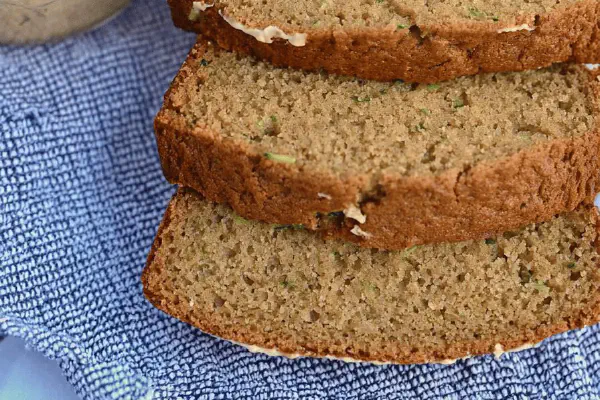
Spiced Apple-Zucchini Loaf
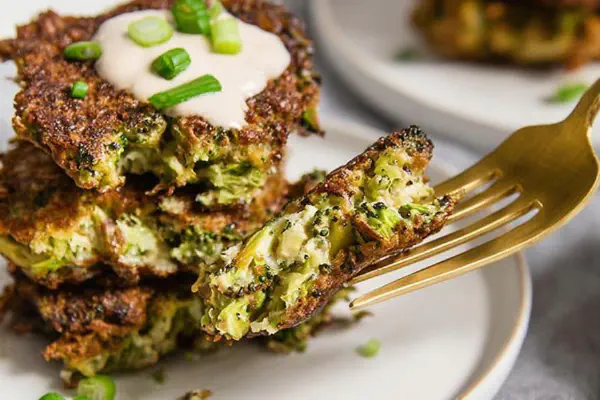
Broccoli Cheddar Fritters

Buffalo Chicken Cauliflower Bake

Funnel Cake Pops
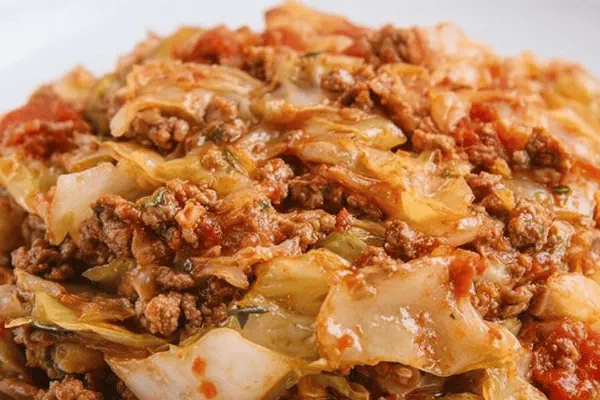
Hearty Cabbage Roll Bake

Korean Bogogi Beef Tacos
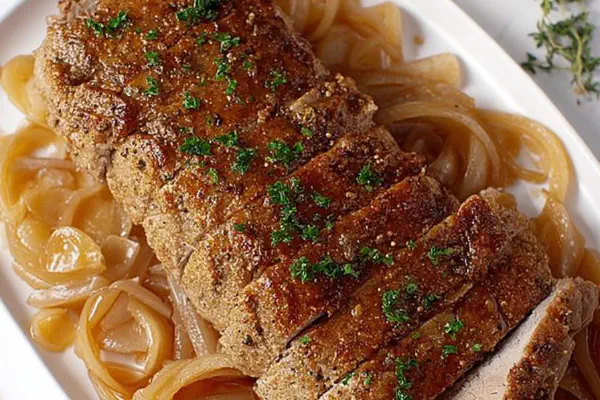
Slow Cooker Pork Roast Twist
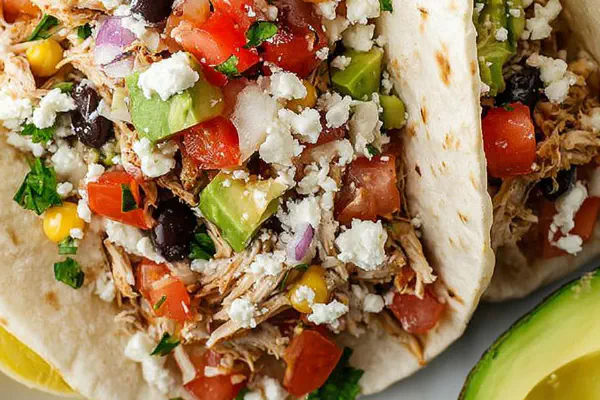
Slow Cooker Lime Chicken Tacos
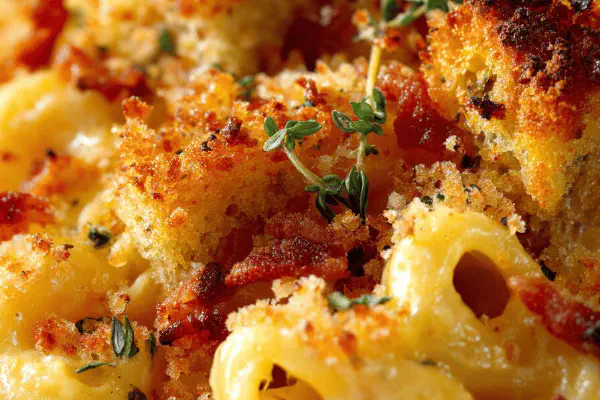
Cheesy Mac Bacon Crunch
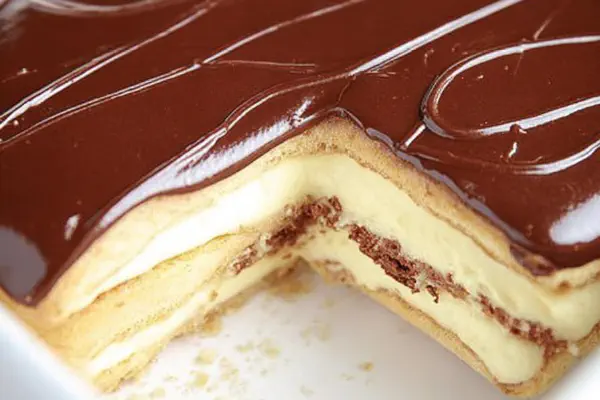
Layered Chocolate Eclair
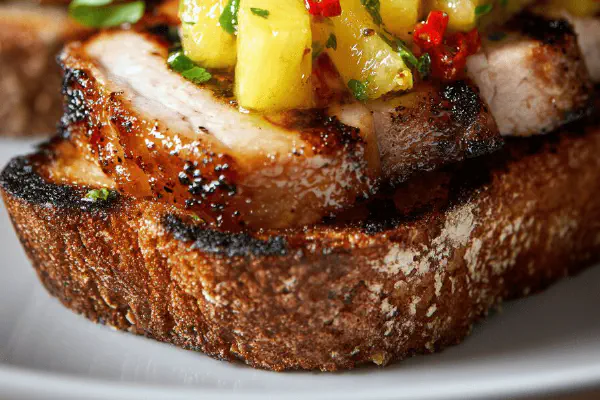
Pork loin tartines with pineapple chutney

Panettone French Toast Twist

Pistachio Raspberry Ice Cake

Peach-Verveine Kir
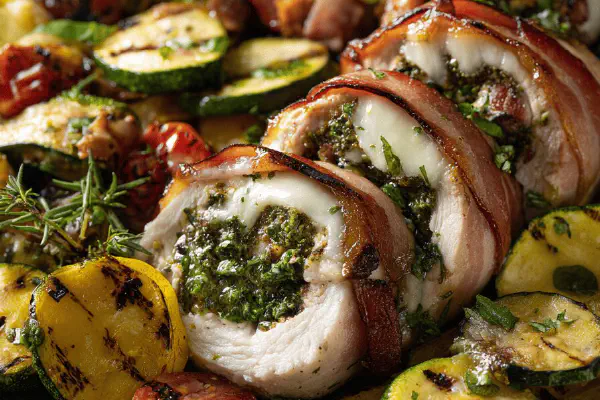
Chicken Roulades Sundried Tomato Parmesan
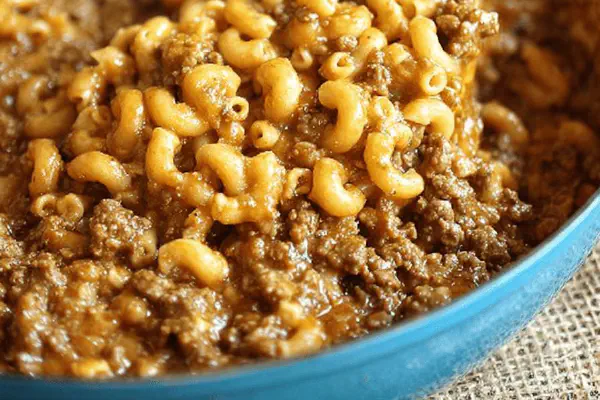
Cheesy Beef Pasta Skillet
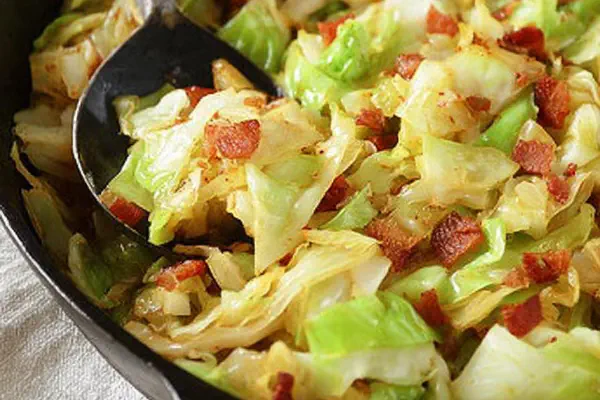
Southern Fried Slaw
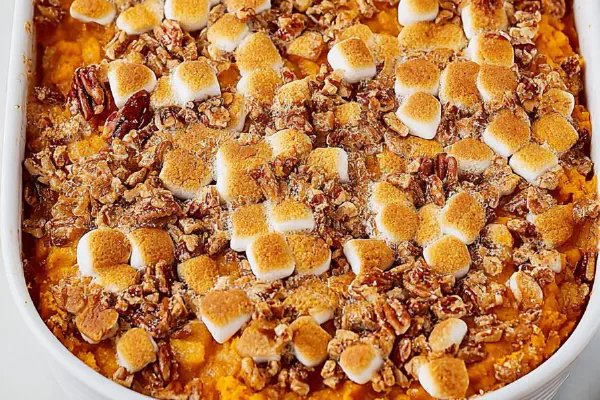
Sweet Potato Pecan Bake
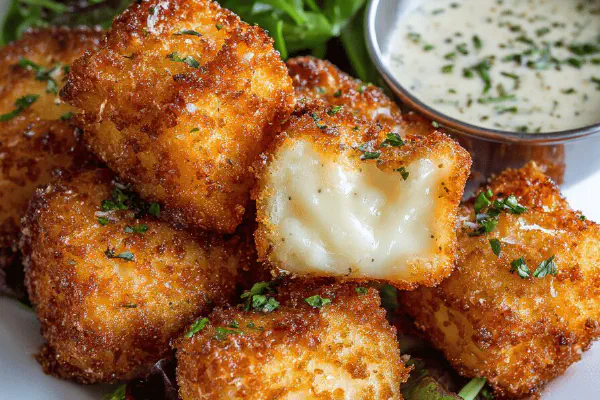
Triple Cheese Parmesan Fondue Bites
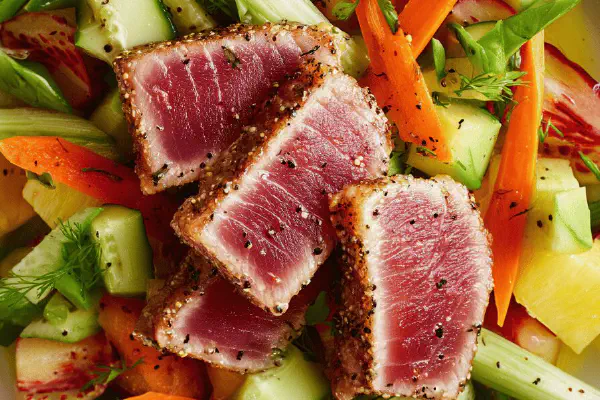
Sweet and Tangy Tuna Salad
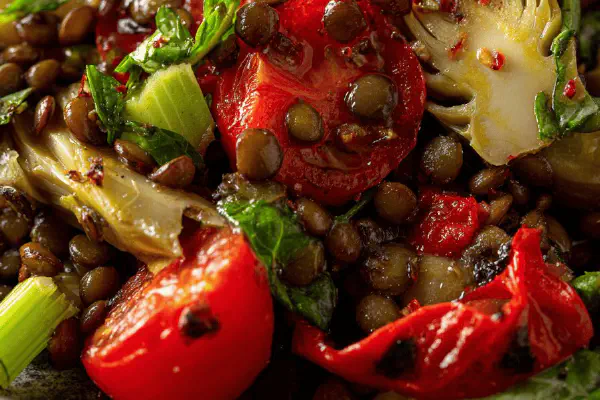
Lentil Veggie Salad Twist
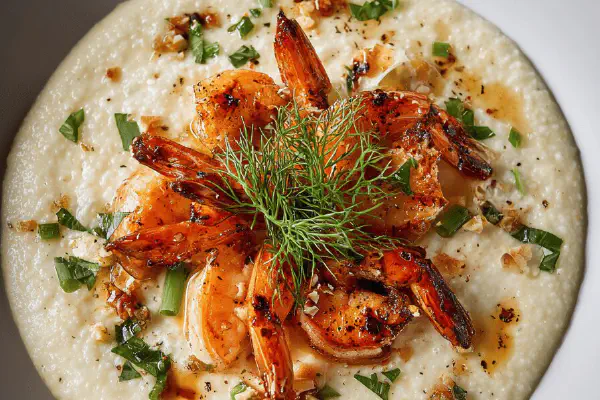
Shrimp with White Chocolate Cauliflower Purée
Cheddar Bacon Ranch Biscuits

Roasted Pumpkin Purée
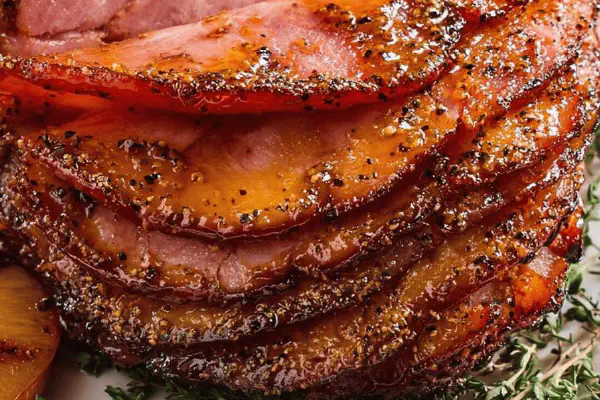
Riesling Peach Glazed Ham Remix
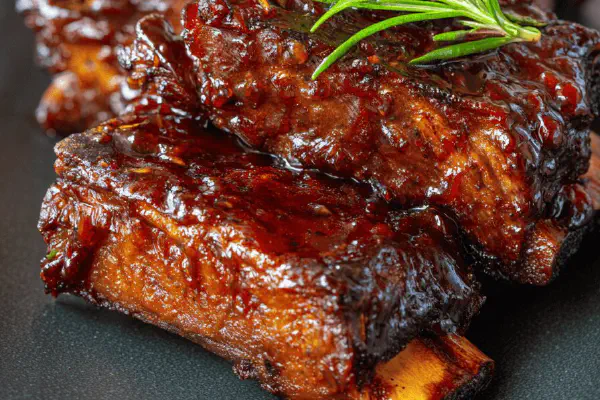
Beef Ribs Cola BBQ

Zesty Beef Frito Pie