Featured Recipe
Ancho Citrus Salmon Twist
By Kate
"
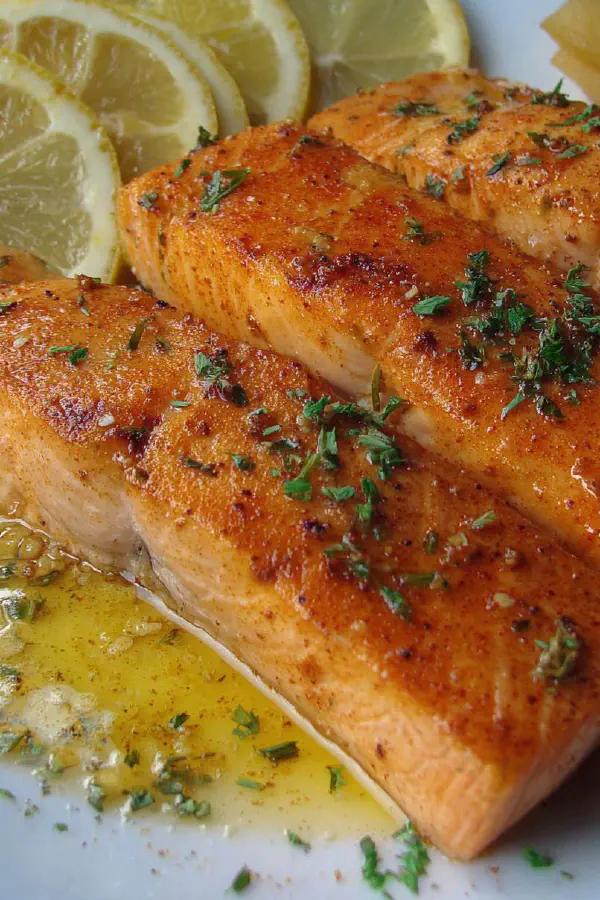
Salmon fillets roasted at moderate heat with a tangy, smoky glaze made from lime and grapefruit juices, honey instead of agave, plus a hint of smoked paprika in place of ancho chili powder. The glaze cooks down into a sticky coating that crisps slightly on the edges while keeping the fish moist inside. Broiling with ventilation speeds even cooking, letting the heat circulate and avoid soggy bottoms. Timing varies by thickness. Visual cues like translucent flesh turning opaque and flakes separating easily guide doneness better than clocks. Resting makes the juices settle and intensifies flavors. Substitute limes for lemons, grapefruit for orange concentrate. Simple, flexible, balanced flavors with a little smoky warmth and bright acidity.
"
Prep:
7 min
Cook:
15 min
Total:
22 min
Serves:
4 servings
American
seafood
healthy
Introduction
Citrusy, smoky, sticky glaze on salmon—no guesswork. The pan choice matters here; a vented broiler pan raises the game, lets heat circle so every inch cooks uniformly. Forget soggy bottoms. Watch the salmon closely—edges firm, flesh turns opaque, then flake test. Fish pulses in oven heat, changes texture, you hear the slight pop and hiss of glaze caramelizing. Not just timing but those sensory signs tell you when to pull. Three basting rounds build layers of flavor and texture. Resting—don’t skip. It settles juices and sharpens taste. Honey replaces agave, smoked paprika edges in cold, giving the glaze a deep smoky note that ancho can’t quite do here. Grapefruit juice brightens the mix. The twist makes it yours.
Ingredients
About the ingredients
Swapping lemon for lime sharpens acidity, adds subtle tang that cuts through salmon’s richness differently. Honey is a more common pantry player than agave, melts into glaze faster, yielding a silkier sheen. Smoked paprika’s low heat and bold smokiness layer complexity without overpowering. Grapefruit juice stands in for orange concentrate to punch citrus freshness up a notch; fresh juice preferred to canned for vivid flavor. Olive oil smooths and emulsifies glaze, makes it burn less quickly on fish surfaces. If no vented broiler pan, improvise with a wire rack in baking dish. Skin-on fillets hold moisture better but skin crisps less if pan isn’t vented. Dry fish thoroughly—wet skin steams, ruins texture. Invest 30 seconds to pat dry, worth it.
Method
Technique Tips
Heat regulation matters. Medium, not high. Too hot and glaze chars fast, fish undercooked within. Warm gently in a small pan, watch for honey dissolving and glaze uniting—do not boil. Each baste adds sticky layers, helps caramelization on skin and flesh. When first side basting, only glaze that side to avoid glaze pooling and sogginess beneath. Flip gently with fish spatula or wide spoon, keep skin intact if possible. Cooking in three rounds lets flesh firm gradually, reduces overcooked edges. Check doneness visually—translucence fades, opaque sets in, gentle flake test with fork tines. Resting crucial—redistributes juices for moistness. Final drizzle or side dip extends flavor, avoids soggy fillet. Alternative juices or spices tweak profile, so keep flexible; acidity and sweetness ratio key to glaze texture and taste.
Chef's Notes
- 💡 Pat the salmon dry, especially skin-on. Wet skin causes steaming, ruins the texture. Quick pat helps get that nice crisp crust. Vented pan makes it easier to avoid sogginess.
- 💡 Smoked paprika gives depth but use sparingly. Too much overpowers flavor. Honey adds sweetness, binds glaze; it melts well. If it solidifies, warm it slightly before using. Don’t rush it.
- 💡 Temperature control key. Medium heat prevents glaze from burning while the fish cooks through. If it's too hot, edges char before the inside cooks. Ideal balance is necessary.
- 💡 Keep an eye on visual cues: translucent to opaque. Squeeze the flesh gently with a fork. Flakes should separate easily. Timing depends on thickness, every piece unique.
- 💡 Resting time matters. Let salmon sit after cooking. Juices redistribute for moisture. Helps leftovers too. Just don’t rush—flavors deepen, consistency improves after resting.
Kitchen Wisdom
How to tell if the salmon is done?
Look for opaque flesh, edges firm. Fork test—gentle pressure, flake easily. Not too dry. If unsure, check at thinner parts.
Can I use other types of fish?
Yes, similar cooking times for cod or trout. Adjust glaze thickness for white fish, deeper flavors can work. Timing varies with size.
What if I don’t have grapefruit juice?
Substitute with fresh orange juice. Tart white grape juice also works; still bright. Adjust sweetness from honey if too tart.
How to store leftover salmon?
Keep in airtight container; refrigerate max three days. For longer, freeze. Thaw before reheating. Gently warm to avoid drying.