Featured Recipe
Banana Upside-Down Cake
By Kate
"
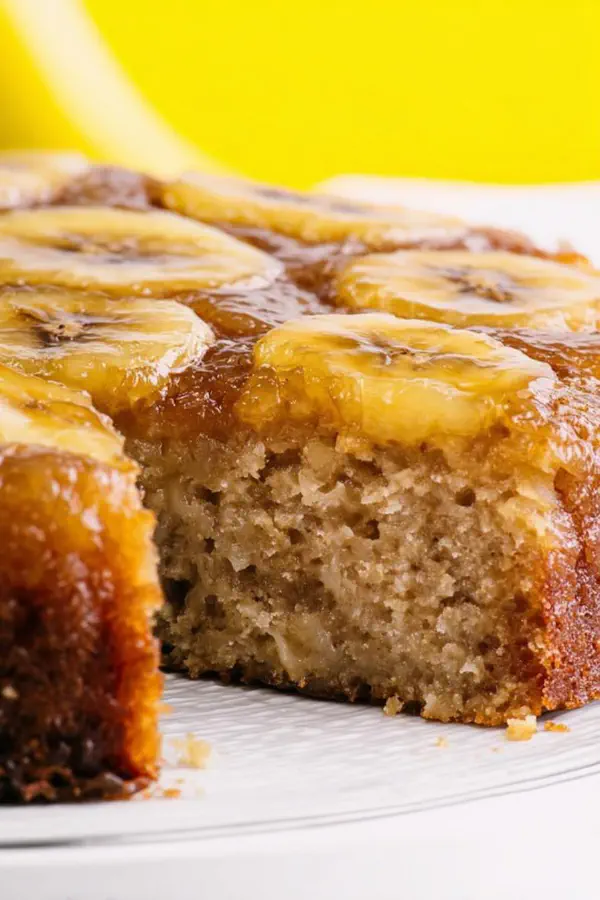
A caramelized banana topping with a tender, moist banana cake underneath. Brown sugar and butter meld into a sticky, shiny base. Slices of ripe banana soften and caramelize under the heat. Cake batter uses mashed bananas, buttermilk, and oil for moisture and tender crumb. Cinnamon adds warmth; baking soda and powder give lift and crumb structure. Baked carefully to avoid toughness. Flipped while warm so topping stays glossy and bananas shine on top. Adaptable with ingredient swaps and timing tweaks. Familiar but with a subtle twist in oil choice and added nutmeg.
"
Prep:
30 min
Cook:
50 min
Total:
Serves:
6 servings
dessert
cake
bananas
American
Introduction
Banana upside-down cake starts with a sticky, brown sugar and butter base that turns into a luscious caramel crust. Bananas slice thin—not thick clumps or mush. They caramelize under heat and stay visually intact after the flip. Cake itself loaded with ripe bananas and buttermilk. Oil keeps crumb tender. The dance of baking soda and powder lifts without over-aerating. Cinnamon warms, nutmeg adds depth. Mixing dry and wet separately is standard practice, folding carefully to avoid dense spots. Timing off by minutes won’t kill it, rely on smell and look. Flip gently. Presentation depends on that glossy banana shine flipped top-side. A little twist—nutmeg and oil swap—to keep interest. Serve warm, not hot, and watch the crowd swoon.
Ingredients
Topping
- 1 cup light brown sugar
- 8 tablespoons unsalted butter, melted
- 3 ripe bananas, sliced thin
- 1 1/4 cups all-purpose flour
- 1/2 teaspoon baking soda
- 3/4 teaspoon baking powder
- 1/4 teaspoon salt
- 1 teaspoon ground cinnamon
- 1/4 teaspoon ground nutmeg
- 3/4 cup brown sugar (packed)
- 1/4 cup white granulated sugar
- 1 cup mashed banana (about 2 large bananas)
- 2/3 cup buttermilk
- 1 teaspoon vanilla extract
- 1/3 cup vegetable oil (can swap with melted coconut oil)
- 2 large eggs
Cake
About the ingredients
Butter and brown sugar melts create the tricky part—need enough butter to melt sugar but not pool too much. Butter quantity here tuned for balance between caramelization and sogginess. Bananas must be ripe enough for sweetness but not so mushy the batter floods. Swapping coconut or canola oil adjusts flavor subtly without changing texture. Flours other than all-purpose don’t behave well here—recommend sticking to plain flour. Leaveners combo key for crumb lift with the acidity of buttermilk. Cinnamon mandatory; nutmeg adds extra layer but can omit. Sugars balanced between brown and white for moisture and lightness. Vanilla optional but aromatic uplift. Grease pan well or cake sticks hard. Springform pan recommended for easy flipping but wrap bottom if leaky. Lemon juice slice soak prevents early browning but drains sweetness slightly.
Method
Preparation
- Preheat oven to 340°F (adjusted slightly down). Grease a 9-inch springform pan thoroughly—makes flipping cleaner. No parchment here; butter and sugar handle release.
- Mix brown sugar and melted butter until combined but not bubbly. Pour this into the pan and spread evenly with a silicone spatula—get coverage corner to corner.
- Arrange banana slices in a single layer over butter-sugar mix. Overlap slightly but avoid thick clumps; even coverage caramelizes better.
- Whisk flour, baking soda, baking powder, salt, cinnamon, and nutmeg in a large bowl. Set aside.
- In a separate bowl, beat brown sugar, white sugar, mashed banana, buttermilk, vanilla, oil, and eggs with a hand mixer. Beat just until homogeneous—don’t aerate excessively or cake gets dense.
- Fold half the dry ingredients into wet. Use a spatula or wooden spoon with folding motions, not stirring. Add remaining dry ingredients and gently combine until no white streaks. Slight lumps okay. Scrape bowl edges.
- Pour batter gently over the banana layer. Spread gently to edges. Don’t disturb the banana slices beneath. Batter consistency slightly thick but pourable.
- Bake on center rack for 50 minutes or until toothpick inserted near center comes out with just a few moist crumbs. Crust should be golden, edges pulling slightly from sides. Aroma turns sweet and buttery.
- After baking, remove from oven. Cool in pan uncovered for 7 minutes—warm but stable. Run a thin knife gently around edges to loosen sides if needed.
- Place a large plate over the top of the springform pan; hold firmly and flip swiftly but carefully. Lift pan away once upside down; topping should glisten, bananas soft but intact.
- Serve warm. If not immediately, gently reheat in low oven to restore gloss. Store leftovers tightly wrapped, best eaten day of.
- Butter and brown sugar mix creates caramel base; use dark brown sugar for deeper flavor but risk bitter notes. Coconut oil in cake adds slight tropical hint, can swap for canola or light olive oil. Mashed bananas must be ripe but not too mushy; overripe turns cake gummy. Buttermilk acid reacts with baking soda for lift—whole milk plus 1 tsp vinegar can replace if needed.
- Don’t overmix batter or cake turns rubbery. Folding technique critical. Baking time can vary; rely on color and toothpick test rather than clock. Springform pans can leak; wrap bottom with foil if pan is leaky or place on baking sheet.
- Flipping while warm prevents topping sticking but cool cake is fragile. Use big plate and angle flip to maintain banana slices whole for presentation.
- If bananas brown too quickly during prep, toss slices with lemon juice to prevent oxidation. For crunch twist, sprinkle chopped toasted pecans over the topping before baking.
Topping
Cake
Notes and substitutions
Technique Tips
Step one not just preheat but prep pan well for neat release. Butter-sugar melt even distribution is critical for uniform topping texture and prevents spotting. Banana arrangement matters—single sliced layers caramelize evenly; stacked slices cook unevenly and can tear. Dry ingredients sift or whisk to distribute leaveners evenly; skip mixing too long to avoid gluten development—tough cake risk. Fold batters in stages—half dry first, mix gently, then finish folding. Use spatula not electric mixer here; mechanical overmix ruins texture. Bake with visual cues over timer: golden edges, set center but slight jiggle, toothpick with moist crumbs—not clean or wet batter. Cool briefly in pan for structure then flip when still warm for clean release. Cool too long and caramel hardens, making flipping risky. Presentation is about that shiny banana topping; rewarm gently if cooled. Leftovers retain shape better if stored covered but not airtight to prevent soggy fruit topping.
Chef's Notes
- 💡 Oven temp critical—lower to 340°F to prevent burning. Grease pan well or cake sticks. Springform pan ideal; butter-sugar combo vital for release.
- 💡 Banana prep matters—slice thin, prevent clumping. Thick layers won’t caramelize evenly. Arrange in single layer for perfect top. Lemon juice halts browning.
- 💡 Separate wet and dry ingredients. Fold gently—overmix ruins cake. Keep lumps if needed. Texture matters; incorporate air but avoid toughness.
- 💡 Watch baking time—50 minutes is a guideline. Look for golden crust and set edges, toothpick test crucial. Aroma should be sweet and inviting.
- 💡 After baking, cool in pan briefly. Flip while warm; late flip risks sticking. Presentation depends on shiny bananas. Reheat gently for gloss.
Kitchen Wisdom
How to ensure bananas don’t brown?
Toss slices in lemon juice. Works well. Prevents oxidation. Adds slight tang; sweetness affected though.
Can I substitute ingredients?
Yes. Coconut oil for neutral oil. Buttermilk replace with milk plus vinegar. Dark brown sugar deepens flavor.
Common baking issue?
Cake turns tough—overmixing usually. Watch folding technique. Keep aeration low. Baking time is also crucial.
How to store leftovers?
Wrap tightly but not airless. Avoid sogginess—humidity can be an issue. Refrigerate if needed; best eaten fresh.