Featured Recipe
Beef Lo Mein Remix
By Kate
"
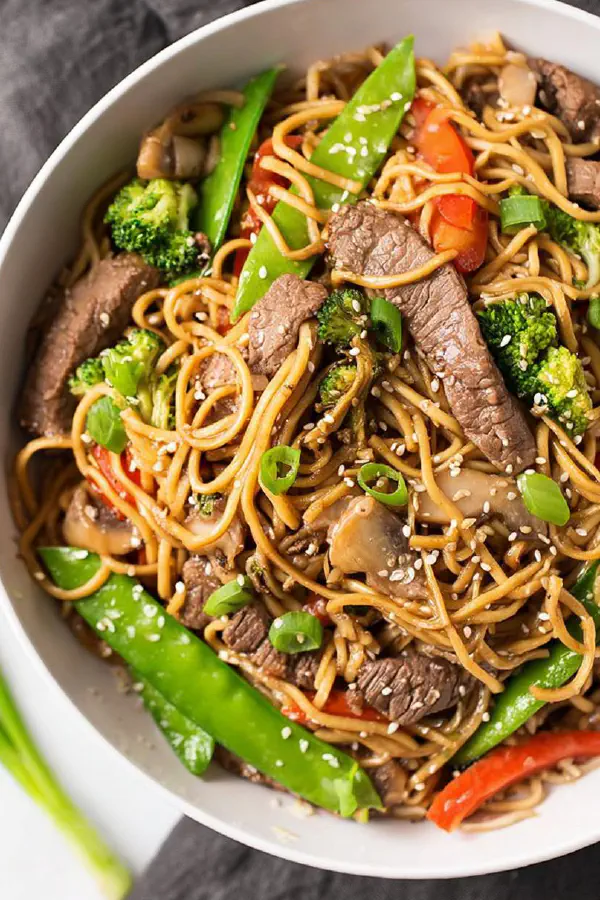
A savory beef lo mein tossed with a tangy ginger-lime sauce. Uses ground beef swapped for thin flank steak strips. Broccoli takes the place of bok choy for a crisp bite. Ginger adds a lively kick along with sriracha. Cornstarch thickens sauce slightly, keeping noodles slick and glossy. Noodles boiled till al dente, then stir-fried with garlic and mixed veggies. Sauce added last, heated until it clings just right. Topped with scallions and toasted sesame seeds. Simple adjustments bring fresh dimension while keeping to quick, well-timed wok steps. Flexible, forgiving method for busy home cooks. Serves 4.
"
Prep:
15 min
Cook:
16 min
Total:
31 min
Serves:
4 servings
dinner
stir-fry
Asian cuisine
quick meals
Introduction
Chopping steak thin, marinating flavors vibrant yet balanced, noodles slick but not soggy. Lo mein at home is all about timing and control of heat. Too much sauce and it’s a pool. Too little and it dries. Adding fresh ginger wakes it up, lime juice cuts richness. Broccoli replaces softer greens for crunch and slightly charred notes. Stir-frying beef first creates fond, layers flavor. Quick toss at the end melds everything. Garlic pops, sizzle sings. Watch for that wink when sauce thickens, noodles soft with a toothsome bite. Classic take, swapped bits, a little punch here, a little zing there. Failproof if you pay attention.
Ingredients
About the ingredients
Soy sauce can be swapped for tamari or coconut aminos if gluten-free. Brown sugar brings slight caramel notes; honey or maple syrup works but changes final sweetness. Toasted sesame oil is key for aroma—don’t substitute regular sesame oil as it’s bland. Sriracha can be adjusted; go lighter or boost heat with chili garlic sauce or fresh minced chiles. Cornstarch controls sauce thickness—too much gets gluey, too little stays thin. Use fresh ginger instead of powder for bright sharpness. Flank steak shines here — ground beef can be gritty, less tender, but can stand in with cinnamon in sauce for extra depth. Vegetable swaps are flexible; broccoli holds well, snap peas good too. Red bell pepper adds sweet crunch, swap for thin snow peas if you like.
Method
Sauce Mix
- Whisk soy sauce, brown sugar, sesame oil, sriracha, cornstarch, grated ginger, and lime juice in a small bowl until no lumps remain. Set aside.
- Bring a large pot of water to a roiling boil. Salt it lightly, like pasta water. Drop in noodles, cook according to package but aim for firm bite; typically 4-7 minutes with fresh noodles, longer for dry. Drain but keep a splash of noodle water to loosen sauce if needed later.
- Heat 1 tablespoon vegetable oil in wok or large deep skillet over high heat. Add beef in one layer. Don’t crowd; sear until brown edges, no pink inside—stirring briefly to prevent clumps. Beef should be just cooked, not dry. Remove beef; tent with foil to keep warm. Pour off excess juices to avoid sogginess.
- Add remaining 1 tablespoon oil. Toss in minced garlic, stir quickly until fragrant but not burnt. Immediately add broccoli, carrots, red peppers. High heat will cause faint sizzling sound, vegetables will brighten in color and soften slightly in 3-5 minutes. Listen for that soft crackle and watch for some blistering on broccoli tips.
- Return beef to pan with vegetables. Toss to redistribute heat and juices. Add drained noodles. Stir vigorously to combine, coating strands and mix well.
- Pour sauce over everything. Keep wok on medium-high, stir constantly. Sauce will bubble and thicken as cornstarch activates; about 2-3 minutes. If too thick, splash reserved noodle water a teaspoon at a time to loosen.
- Once sauce clings shiny and noodles glisten with flavor, remove from heat. Taste—adjust with soy or sriracha if blunt.
- Sprinkle with sliced scallions and toasted sesame seeds. Serve immediately to maintain noodle texture and veggie crispness.
Prep Noodles and Vegetables
Cook Beef
Stir-Fry Vegetables
Combine and Finish
Garnish and Serve
Technique Tips
Start enough water for noodles rolling boil—salt like pasta water for seasoning depth. Cooking noodles al dente matters—they finish in the wok, so cook slightly less than package if unsure. Beef sear quick and hot to keep juiciness without overcooking. Don’t overcrowd pan or meat stews. Deglazing pan with a splash of water or broth after beef removal can build flavor: scrape browned bits to loosen. Stir-fry veggies in remaining oil to pick up porky beef notes; garlic mustn’t burn or go bitter, toss quickly and add veggies. Cook veggies until you see color brighten, edges start to blister. Adding browned beef back unifies flavor and reheats gently without drying. Sauce—pour evenly, toss in a swirl, watch it bubble and thicken. Avoid over-thickening; loosen with reserved starchy noodle water to keep sauce glossy but not pasty. Final garnish—sesame seeds for nuttiness, scallions for a fresh pop. Serve hot, don’t let noodles sit or they clump and soften too much. A quick, efficient sequence delivers layered textures and balanced heat.
Chef's Notes
- 💡 Thin flank steak works great here; slice against grain—easier to chew. Ground beef shrinks, can get gritty. Marinate beef for deeper flavors but never too salty. Stir-fry over high heat, quick flashes of color—watch for sizzling sounds. Garlic? Mince but don't burn. Vegetables need quick toss—bright colors, slight blistering on edges signals doneness.
- 💡 Water should taste seasoned when cooking noodles. Salt like you mean it. Al dente is key; noodles finish in wok, adjust time for your product. Keep splash of noodle water; loosen sauce if it clumps. High heat, quick motions. Cook beef in one layer, no crowding or it stews. Remove before overcooking—just cooked, juicy bits should remain.
- 💡 Ginger in this dish? Fresh only. Powder lacks punch. Sauce needs thickening; cornstarch is your friend but too much? Gluey mess—avoid that. Just a hint of sriracha for heat but adjust as needed — single drop can transform. Mix in lime juice at the end for zing, brightens whole dish. Scallions top with color, freshness.
- 💡 Watch your pan. High heat is essential. Wok or large skillet—room for everything, no steam inside. Deglaze pan after cooking beef—scrape up browned bits for hidden flavors. Stir-fry vegetables immediately after garlic, keep moving. Holding back moisture makes a difference! Your goal—light and crispy, nothing mushy.
- 💡 Leftovers funkiness? Store tightly sealed, a drizzle of oil helps separation. Reheat slowly in pan with tiny splash of water—avoid microwaving; noodles get rubbery. Don’t rush techniques. Timing determines texture. If sauce too thin? More cornstarch, or if too thick, reserved noodle water works wonders. Don’t skip steps; flavors layer together.
Kitchen Wisdom
Can I use different noodles?
Yes you can. Try rice noodles. Just adjust cooking time. Egg noodles? They work also but slightly sweeter. Fresh or dry—both fit. Cook al dente.
What if beef gets tough?
Slice against grain, ensures tenderness. Simple trick. Overcooked? It can happen, no rescue after that. Flavor still holds but texture takes a hit.
Broccoli too hard?
Steam briefly before stir-frying if needed. Don't want to lose color, but kids often prefer softer. Snap peas, squash—fun swaps. Aim for some crunch.
How long leftovers keep?
In fridge, up to three days max. Do not let sit. Freeze if needed, best used within two months. Reheating? Use low heat, splash water helps revive sauce.