Featured Recipe
Birthday Crumb Delight
By Kate
"
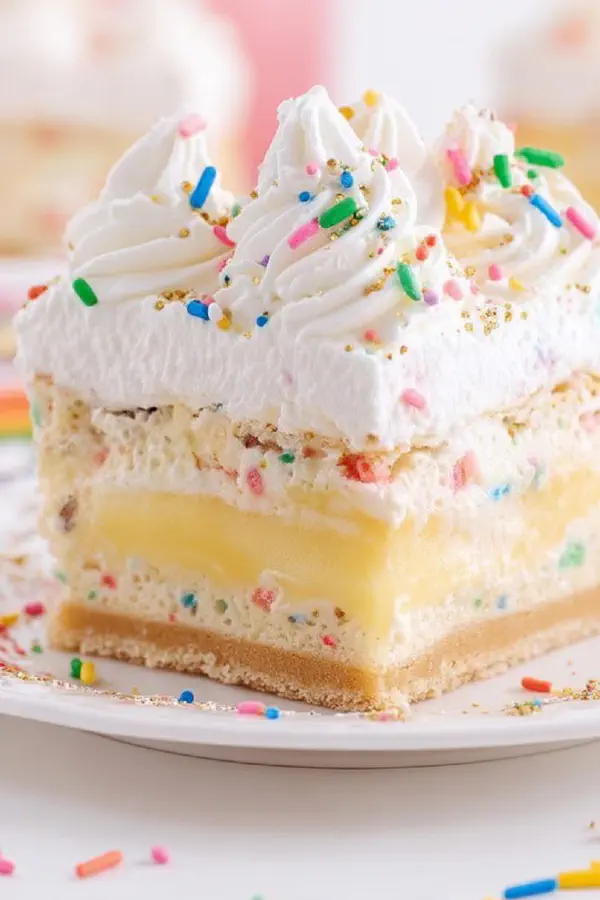
Layers of crushed cookies, tangy cream cheese mix, thick pudding, and whipped topping. Uses vanilla sandwich cookies crushed fine, melted butter to bind. Cream cheese beaten well with powdered sugar and frozen topping for fluffy base. Sprinkles add color, stirred gently not crushed. Pudding mix thickens quickly when whisked with milk and frozen topping, spread carefully over cream layer. Final touch whipped topping spread with spoon, swoops made visually inviting. Chill several times, layers must be cold for clean cuts and texture contrast. A few ingredient swaps tweak flavor and texture subtly. Make a visual colorful party treat with simple tools and patience.
"
Prep:
25 min
Cook:
0 min
Total:
2h 15min
Serves:
9 servings
layered dessert
cream cheese
birthday treat
Introduction
Crunchy cookie base holding firm under soft, tangy cream cheese layer mixed with sprinkles makes an inviting visual contrast. Instant pudding thickens with cold milk then folded with whipped topping builds the next layer, creamy yet structured. Whipped topping finish gets those swoops that catch light and lift from flat surface, giving dimension. Layers need chilling after assembly to avoid collapsing or sogginess—rush that and texture is off. Simple ingredients but technique counts. Frozen whipped topping folded carefully keeps volume. Sprinkles don’t get pulverized when folded; keep that pop of color. More butter in crust binds crumbs well but too much greases the dish and sogginess follows. Working quickly but gently between layers avoids breakdown. Repeat chill steps build stability. Use instant pudding—no cooking, less mess, near foolproof. Layered desserts need balance of texture and flavor with clean transition. Visual and tactile cues replace rigid timing. Cold feels as important as timing. Sounds of whipping, mixing, and spatula spreading fill kitchen, aromas mostly sweet dairy and vanilla underlay. Expect some sugar crumb mess but cleanup easier if freeze parts early. Start crumb crushing while butter melts, multitask. Little breaks in chilling let fridge do the work while cleaning or prepping next step.
Ingredients
In The Same Category · Sweet Treats
Explore all →
Jam-Swirled Puff Pastry
Mini Pecan Cheesecake Bites
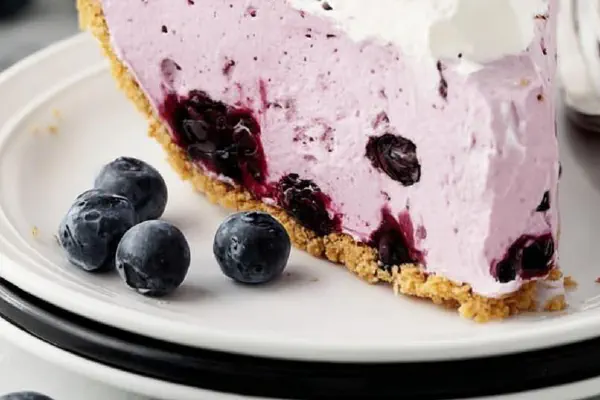
No Bake Berry Cream Pie
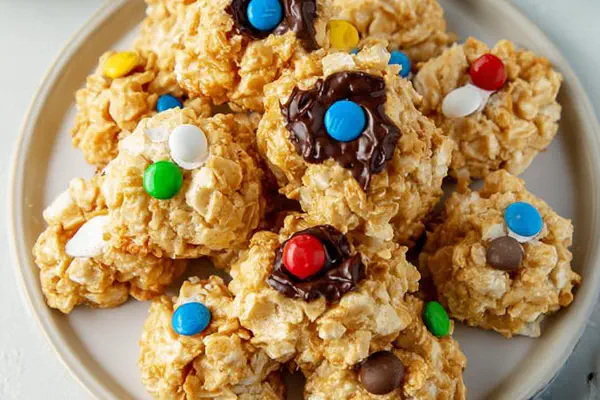
No-Bake Avalanche Squares
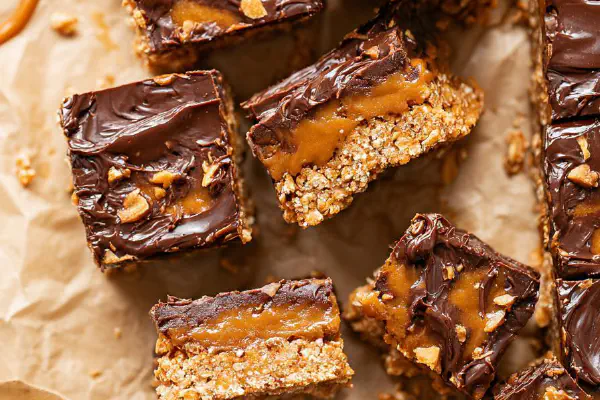
Biscoff Scotcheroos Remix

Persimmon Walnut Cookies
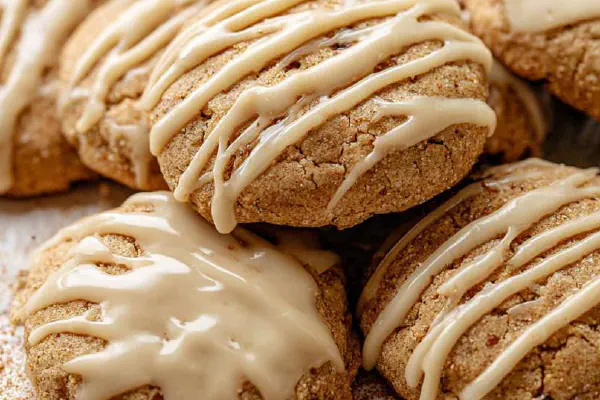
Maple Cinnamon Cookies
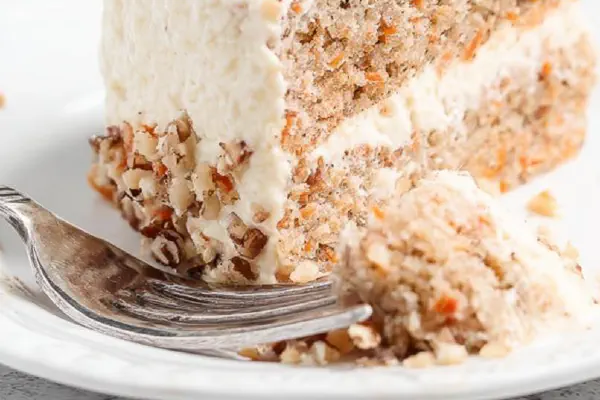
Carrot Cake Cheesecake Hybrid
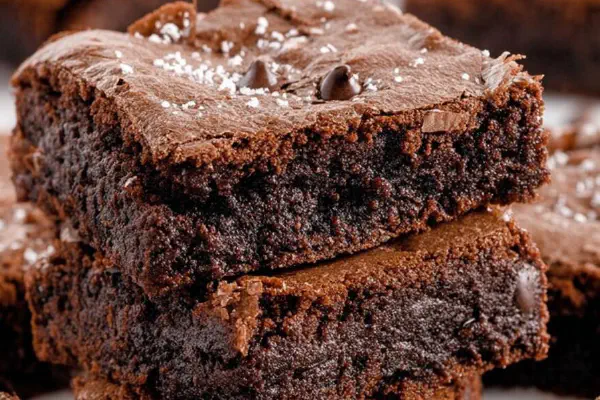
Cake Mix Brownies Twist
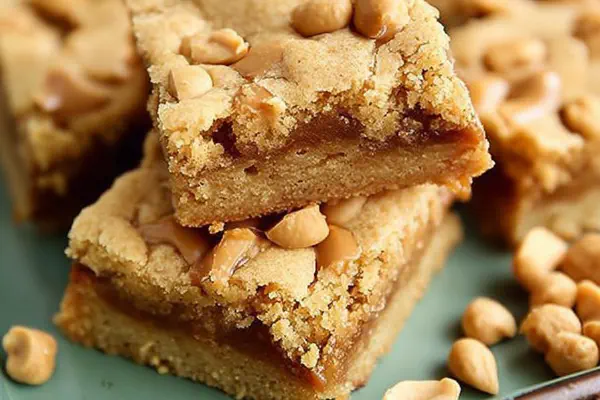
Chunky Peanut Bars
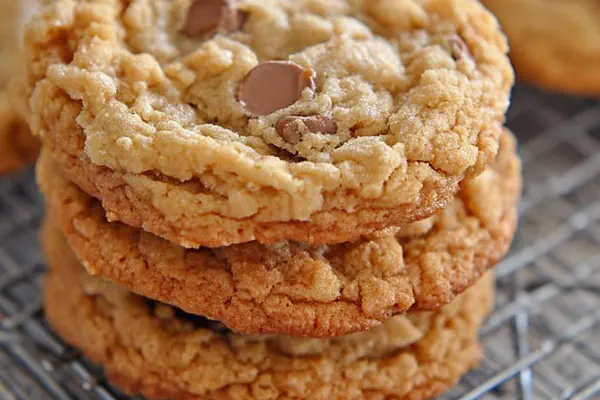
Flourless PB Chocolate Chip Cookies
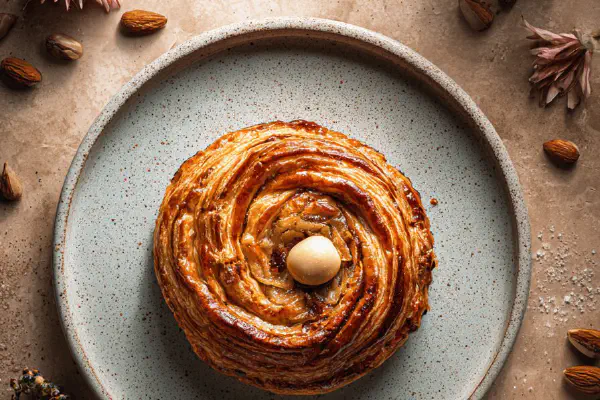
Galette Royale Twist

Pumpkin Spice Donut Bites
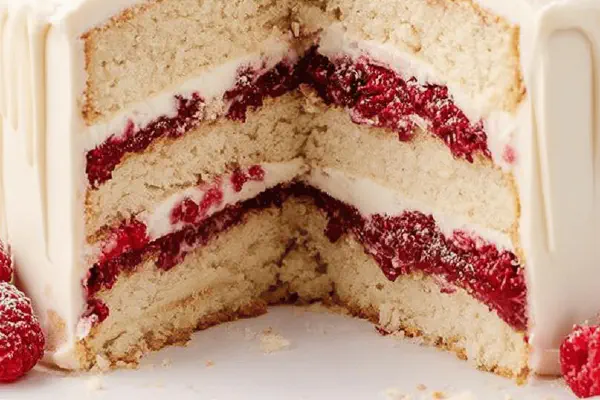
White Chocolate Raspberry Cake Remix
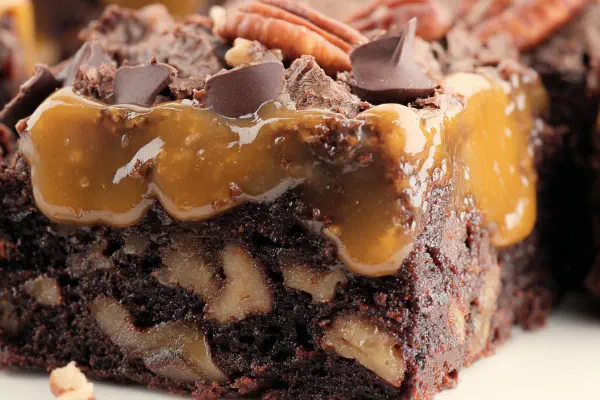
Twisty Turtle Brownies
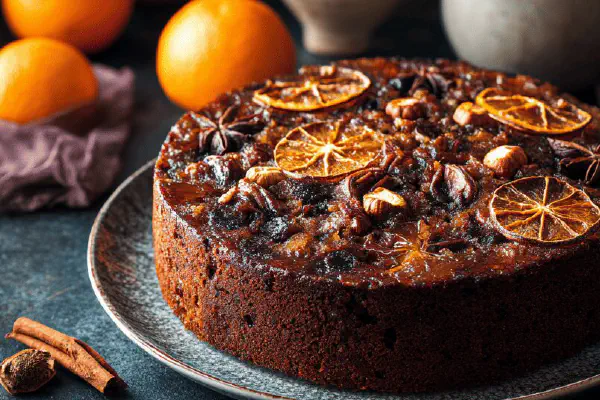
Skillet Fruit Cake Twist
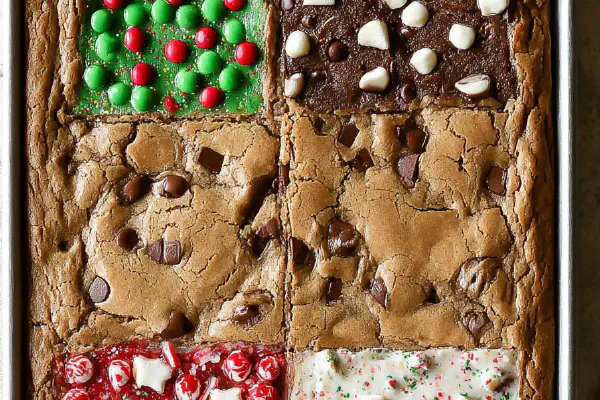
Sheet Pan Holiday Cookies
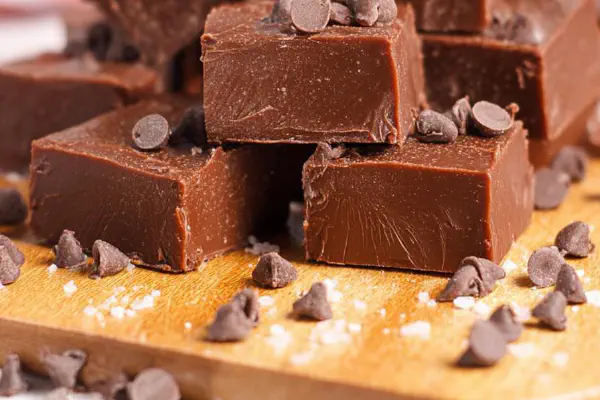
Rich Creamy Fudge

Chocolate Peanut Butter Crisps

Pear Upside-down Cakes Spiced Caramel
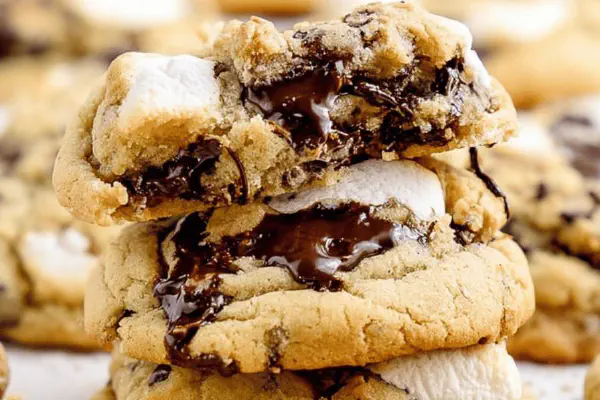
Chocolate Marshmallow Cookies
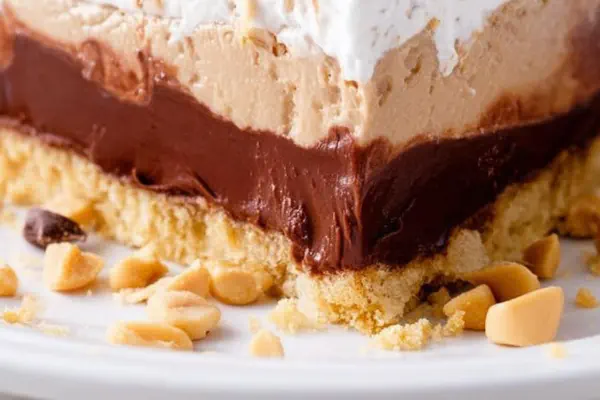
Choco-Peanut Lasagna Remix
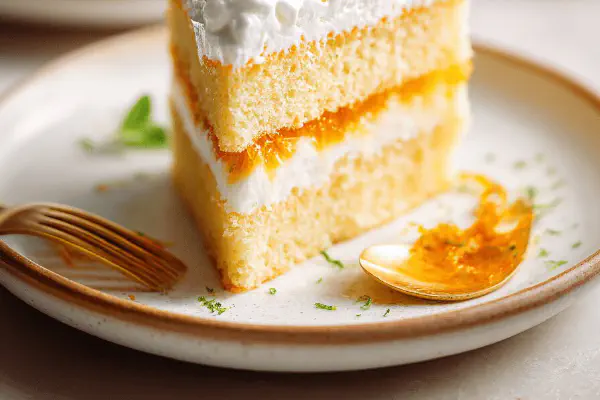
Orange Chiffon Cake Twist
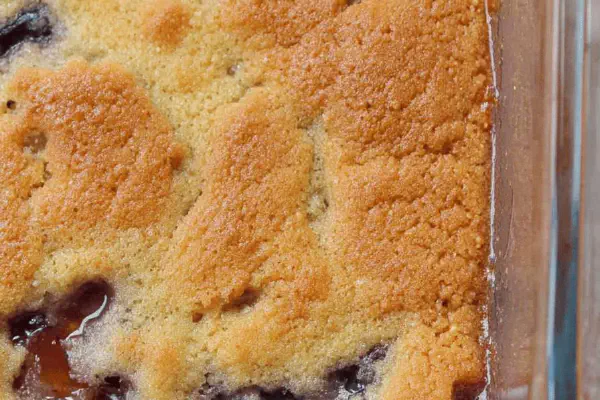
Peach Cherry Cobbler Remix
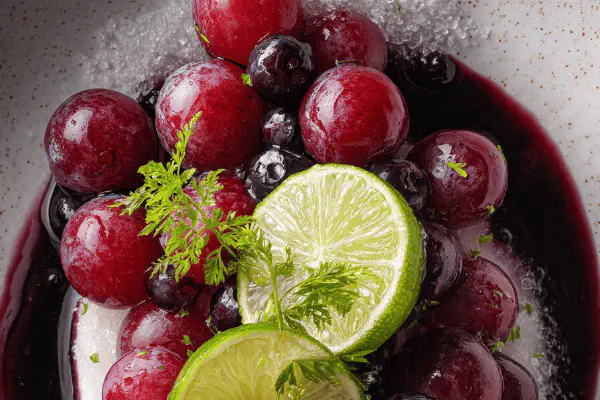
Concord Grape Jelly Twist

Blueberry Cream Fluff
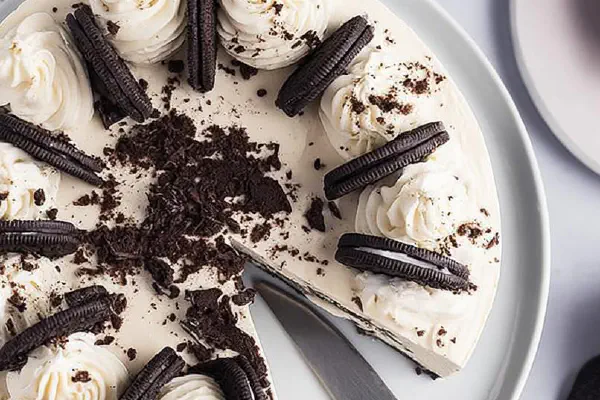
Twist Oreo Cheesecake
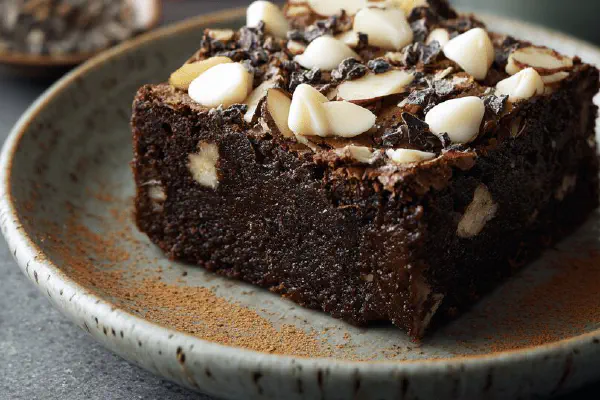
Microwave Brownie Mug Twist
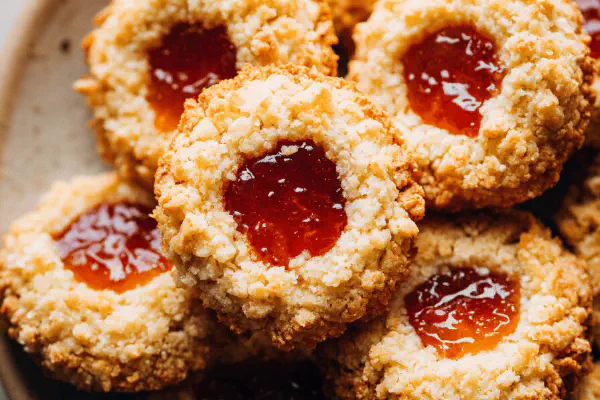
Jam Coconut Crunch Cookies
About the ingredients
Vanilla sandwich cookies are a solid base—get a brand with crisp cookies, not soggy. If allergies or preference arise, swap cookies for graham crackers or gluten-free sandwich cookies. Melt butter carefully; clarify if crumb mixture seems oily, especially if pressed too hard crust turns dense rather than crumbly. Cream cheese best at room temp ensures smooth blending; cold lumps destroy texture and hide under sweet cream. Powdered sugar blends better than granulated, no grainy feel. Almond extract instead of vanilla adds a subtle nutty lift to layers. Frozen whipped topping saves time but fresh whipped cream must be stabilized with a little gelatin if sitting longer than 2 hours to avoid weeping. Pudding mix can be mixed with half milk and half cream for richer mouthfeel. Milk must be cold for proper pudding thickening speed. Sprinkles folded last to keep shape; avoid overmixing or you lose color spots. Reserve some sprinkles for on top, adds good contrast to white topping. Greasing pan avoids sticking but parchment under sandwich crumb layer can make removal cleaner for serving.
Method
Mixing the base
- Pulse crushed cookies in food processor until fine crumbs. Avoid big chunks; texture matters. Add melted butter; pulse until clumps form. Should hold shape when pinched. Press firmly into greased 9x9 baking dish bottom. Get even, tight layer. Pop in freezer 8 minutes—to set, prevents sogginess later.
- Beat cream cheese, powdered sugar, and almond extract, not vanilla for a twist, until fluffy. At least 5 minutes using mixer at medium-high speed. Incorporate 1 cup thawed whipped topping. Fold in 1/4 cup sprinkles gently. Spread evenly over chilled crust. Return to freezer 12 minutes, not longer; must be firm, not frozen rock.
- Whisk pudding mixes with cold milk and 1 cup thawed whipped topping. Should thicken in 3–4 minutes. Watch for glossy sheen; that's peak consistency. Pour carefully over cream cheese layer; work fast but gently to avoid mixing layers. Refrigerate 35 minutes. Set but still jiggly. Don’t rush or pudding separates and weeps.
- Spread remaining whipped topping with spoon back to create swoops—pull up and down gently, don’t press hard. Texture gives height, interest. Scatter leftover sprinkles liberally. Return dish to fridge until serving time; minimum 45 minutes if layered properly. Store covered to avoid absorbing fridge smells.
- Vanilla pudding can swap for chocolate or banana instant for a flavor spin. Use cream cheese or mascarpone depending on tang preference. Frozen whipped topping can be fresh whipped cream but stabilize if makes ahead longer than 2h. If crust too crumbly, add 1 tbsp extra melted butter; too greasy means less butter next time. Chill times approximate; use visual cues—firm crust, creamy but set layers, swooped topping with light peaks.
Cream cheese layer
Pudding layer
Finishing touch
Tips & swaps
Technique Tips
Crushing cookies to consistent fine crumbs is key; chunks punch holes in base and prevent even setting. Butter needed to bind crumbs; warmth matters—too hot butter melts topping; too cool doesn’t mix well. Spread crust with flat-bottomed glass or measuring cup to compress well. Chill crust fully; if not cold, cream cheese layer slides and looks sloppy. Beat cream cheese mixture long enough to aerate but watch not to overmix or it curdles or separates; at least 5 minutes at medium-high speed is right. Folding whipped topping gently preserves volume and lightness; no heavy folding or spoon stabbing. Watch pudding thickening carefully; too thin runs through layers, too thick feels chalky. Thicken until clean whisk trails visible. Spread pudding over firm cream but do so carefully to avoid breaking layers. Final whipped topping swooping uses light upward strokes; watch for soft peaks, not flat finish. Chill few hours before cutting to get clean slices; warm or hot layers collapse and mixture blobs out. Chill uncovered first 10 minutes, then cover with plastic to avoid condensation pooling. Leftovers keep covered and cold; flavor can meld, texture stabilizes but crust softens after 24h. For serving, warm room temperature 10 minutes if too firm. Use sharp serrated knife for clean slice. Quick dips knife in hot water between cuts help.
Chef's Notes
- 💡 Chilling layers is crucial. After assembly, let each layer cool properly. Firm crust means no sogginess. Use clear visuals. Smooth surfaces signal readiness.
- 💡 Crushing cookies? Aim for fine crumbs. Use food processor, pulse till no chunks. Rough bits ruin good crust. Firmly press crust—tight base holds layers.
- 💡 Pudding thickening is key. Whisk cold milk fast with mixes. Watch for glossy look—don't let it get too thick or it feels chalky.
- 💡 Whipped topping needs finesse. Fold gently to keep volume. Overmix ruins fluffiness. Use light hands, spoon should glide not smash. Watch peaks form.
- 💡 For storage, cover tightly—avoid fridge smells. Layered textures meld flavors but crust softens overnight. If too firm, warm at room temp before serving.
Kitchen Wisdom
What if my crust is crumbly?
Maybe too little butter. Add more gradually. This binds crumbs properly. Or too fine? Adjust the crushing.
My pudding layer is too runny!
Let it sit longer. Whisk quick—watch for right thickness. Thin pudding mixes through layers.
Can I use different flavors for layers?
Sure—chocolate or banana pudding works. Cream cheese can also swap for mascarpone or ricotta. Test textures.
How to store leftovers?
Cover tightly. Store in fridge. Flavor improves, leads to soft crust after a day. Lasts a few days cold, but texture shifts.
You’ll Love These Too
Explore all →
Souvlaki Brochettes Twist

Honey Mango White Sangria
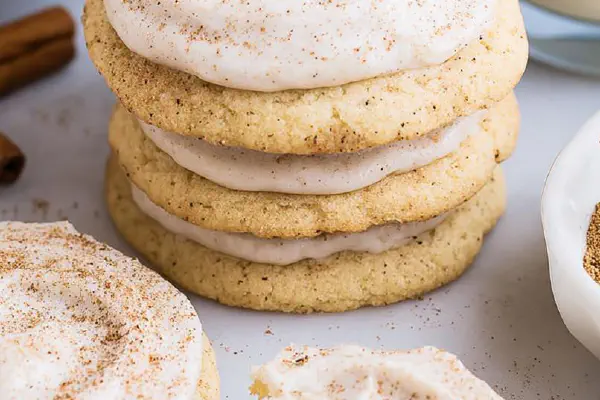
Spiked Eggnog Cookies

Crunchy Herb Chicken Strips
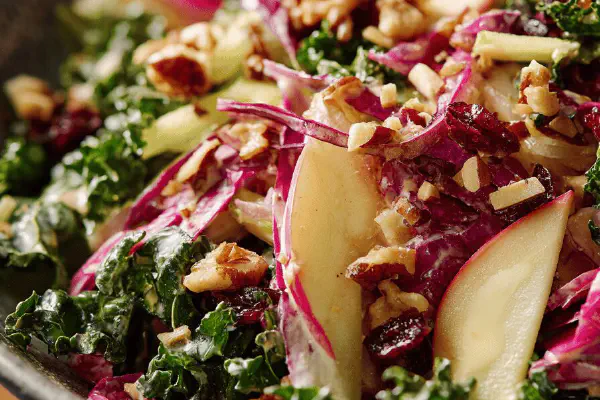
Kale Celery Waldorf Salad
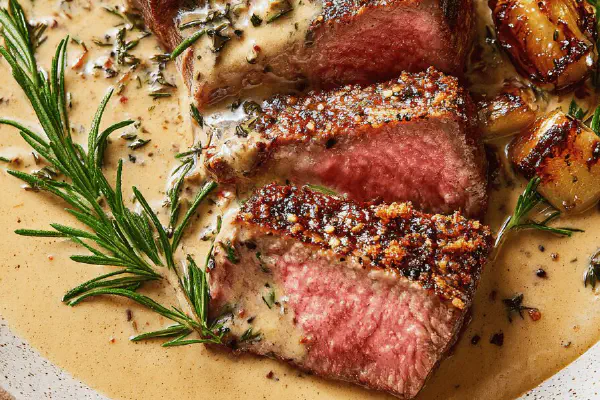
Grilled NY Steaks with Brown Butter Cream

Bold Zesty Skirt Steak
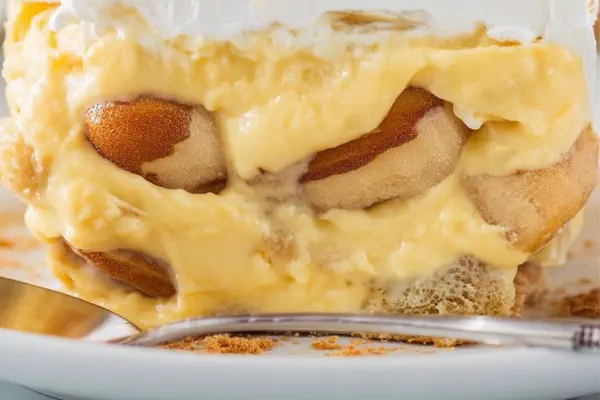
Layered Banana Pudding

Twisted Sweet Potato Pie
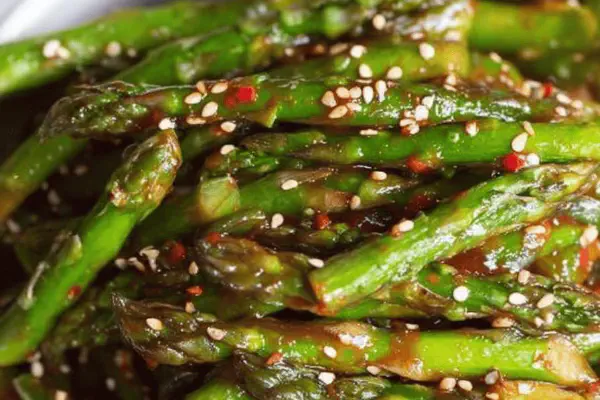
Asparagus Gochujang Glaze

Savory Farmhouse Quiche
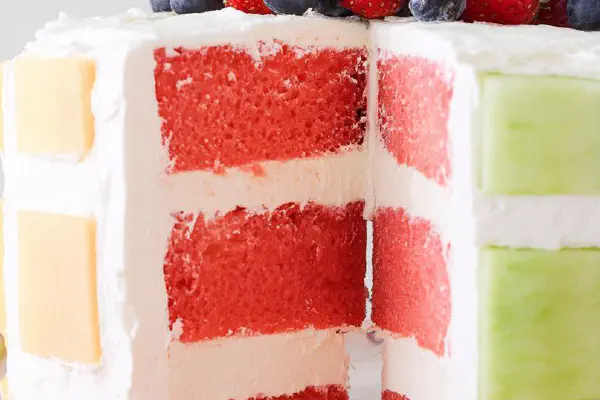
Layered Melon Stack

Mini Chocolate Cupcakes Remix
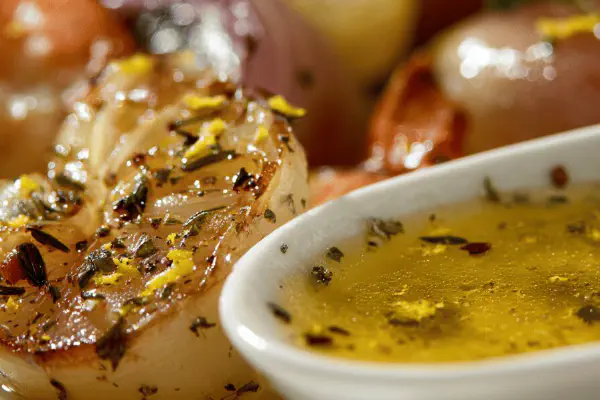
Twisted Beurre Blanc
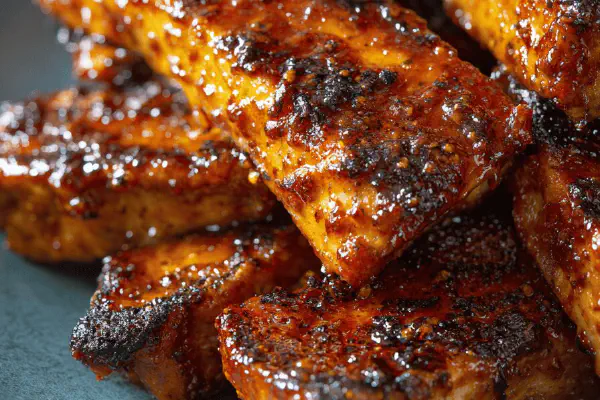
Honey Bourbon Glaze
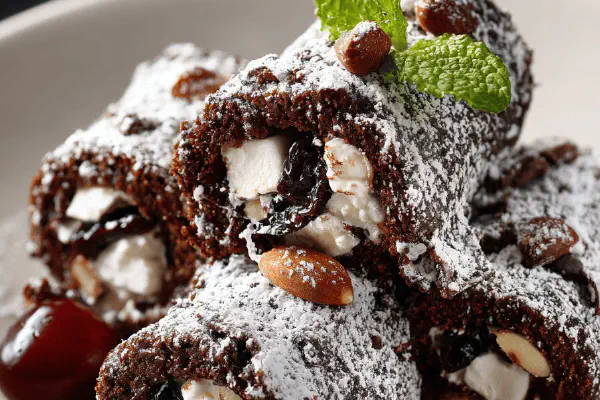
Chocolate Biscuit Logs
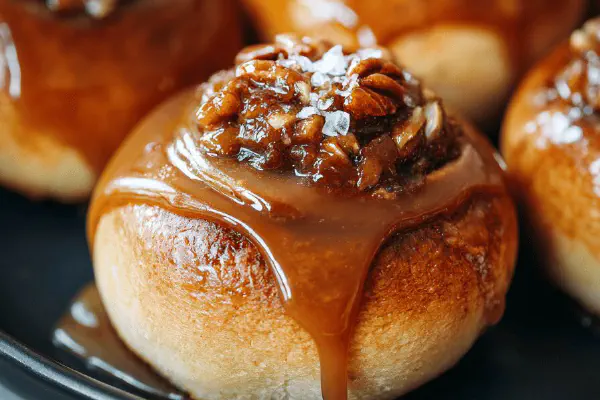
Vegan Caramel Brioches

Chunky Caramel Chocolate Cookies
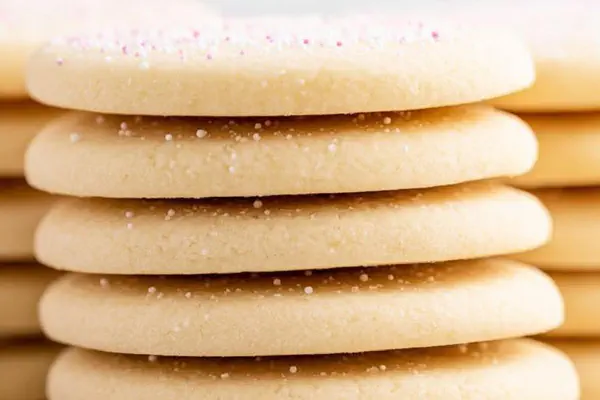
No Spread Sugar Cookies New
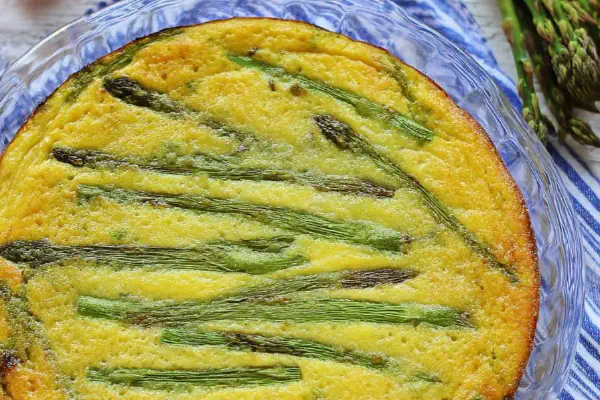
Swiss Asparagus Quiche Twist
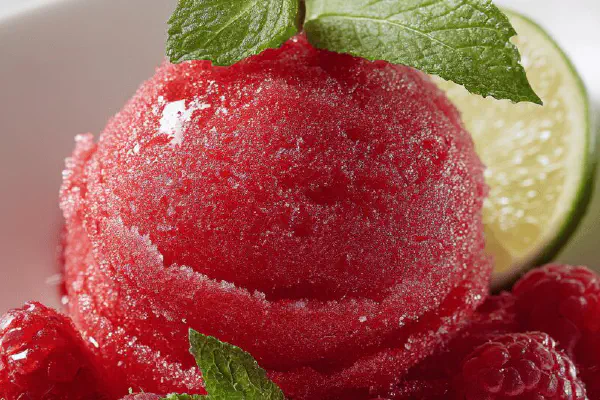
No-Cook Raspberry Lime Sorbet
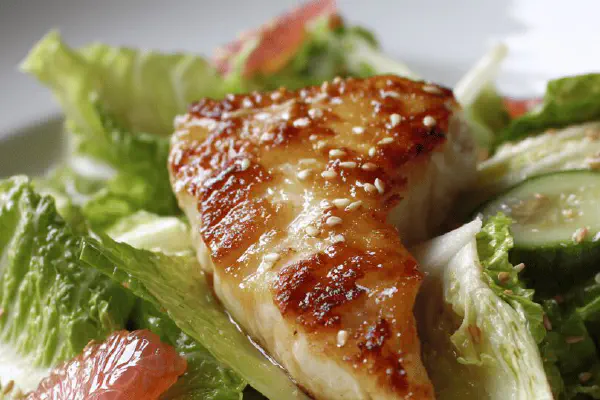
Citrus Tilapia Salad
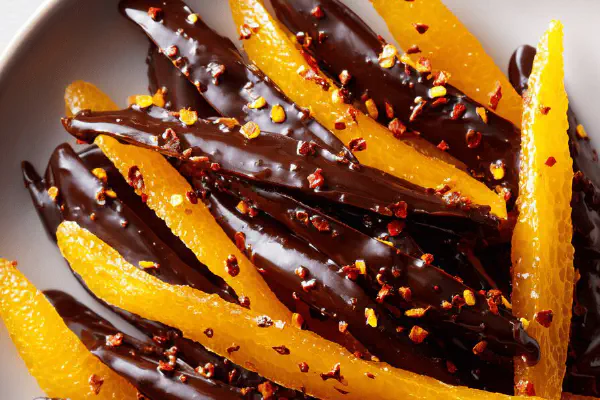
Chocolate-Covered Candied Orange Peels
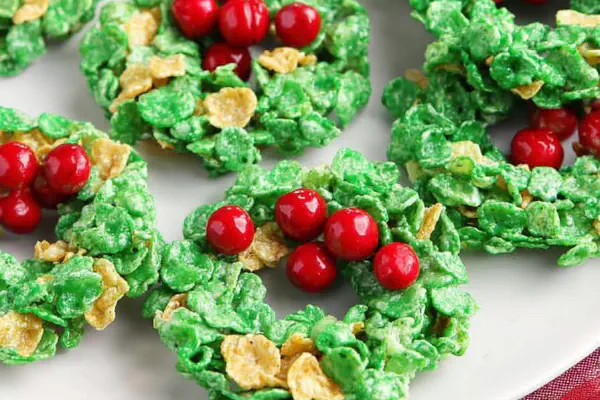
Cornflake Wreath Treats
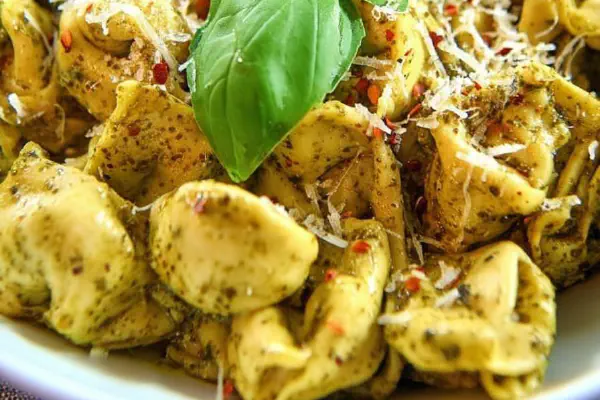
Spinach Ricotta Tortellini Pesto

Tropical Lime Cooler
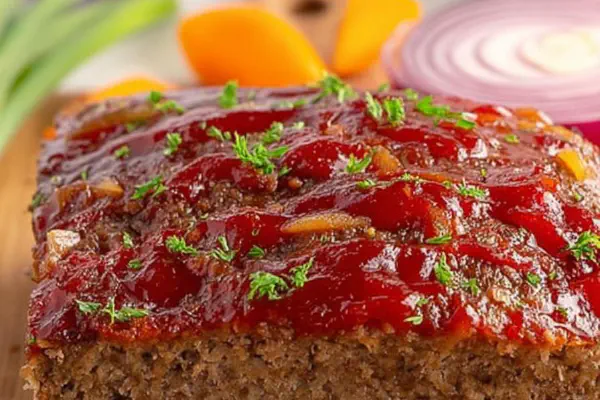
Tangy Onion Meatloaf
Mediterranean Tofu Veggie Stack

Twisted Negroni