Featured Recipe
Biscoff Scotcheroos Remix
By Kate
"
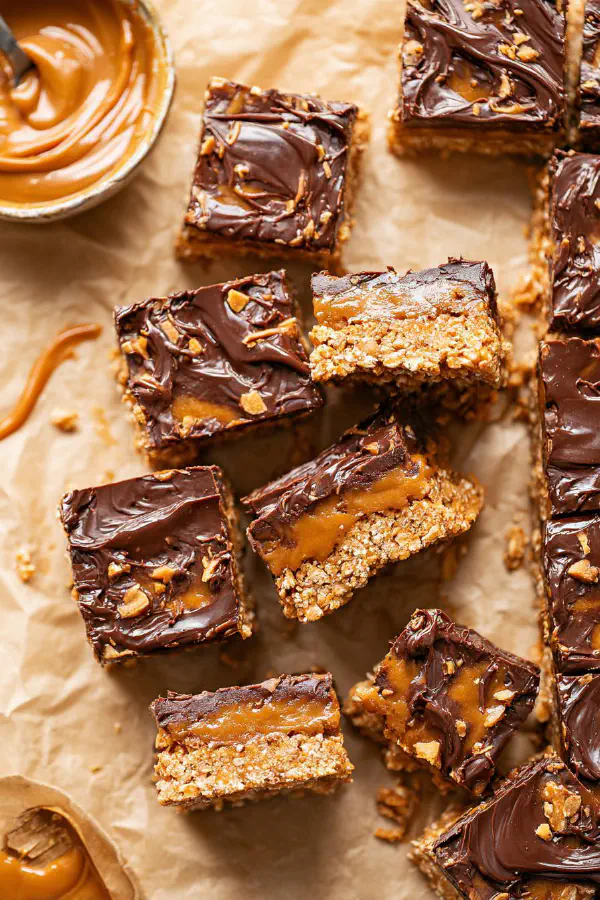
Crunchy bars blending crispy rice cereal with a sticky honey-caramel base, layered with melty chocolate and Biscoff spreads. Swirls of spiced cookie butter punctuate the top. Uses molasses for deeper notes and coconut oil for richness. Chill solidifies layers, flaky salt cuts sweetness. Fast-moving process once sauce heats. Adapt quantities, swap sugars or fats to avoid crystallization or tough texture. Watch melting points closely when warming chocolate or spreads. Practical tips for pressing bars, avoiding dry spots, and slicing once set but not too cold. Textural contrast and aroma cues key for timing and doneness.
"
Prep:
12 min
Cook:
16 min
Total:
1h 28min
Serves:
24 bars
dessert
bars
Biscoff
chocolate
Introduction
Sticky, sweet, crunchy layers. Biscoff adds spice, depth, complexity you don’t get from plain peanut butter. Honey and brown sugar fuse into caramel notes with nuance thanks to molasses swap. Coconut oil lends richness to chocolate topping, melts more gently than veg oil. Textural interplay between gooey caramel-coated cereal and firm, glossy chocolate matters—don’t rush pressing or chilling steps. Salt pops flavors amid sugary layers. Work fast with hot syrup and warm cookie butter or risk clumpy, dry mess. Watch and listen for bubbling textures and melting cues. These bars demand respect but pay off. Variations to consider if pantry limited or add crunch with nuts or toasty grains. Remember, temperature and timing trump timers—feel, smell, sight your way through key steps.
Ingredients
In The Same Category · Sweet Treats
Explore all →
Autocuiseur Apple Compote
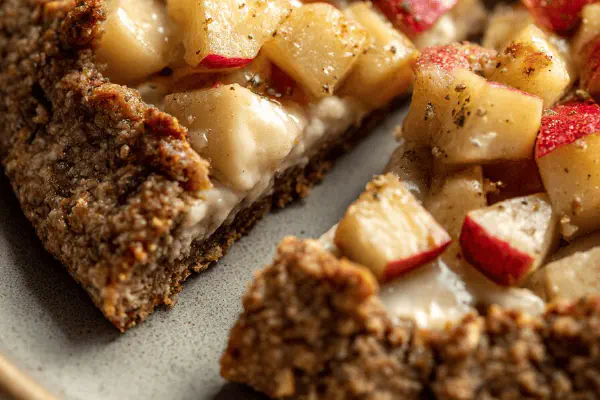
Apple Almond Galettes
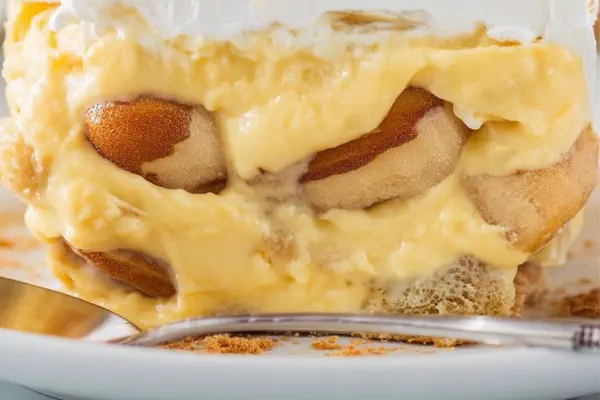
Layered Banana Pudding
Lemon Raspberry Cookies

Cookies Cream Bars Remix
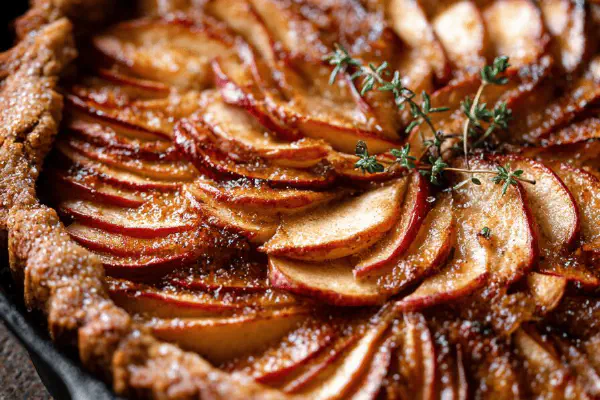
Skillet Apple Tart
Sweet Potato Cobbler Remix
Lemon Blueberry Quick Bread
Chocolate Cake Remix
Confetti Yogurt Dip
Soft Dulce de Leche Sandwiches
Plum Apple Flax Crisp
Rhubarb Spice Cake
Soft Chocolate Chip Cookies
Chunky Candy Fudge
Spiced Clementine Marmalade
Eggnog Spice Pound Cake

Mango Pitahaya Tart
Strawberry Crunch Cake Remix
Freezer Pecan Cookies
Cornflake Wreath Treats

Lemon Pavlova Twist

Air Fryer Apple Hand Pies
Four-Quarter Fruit Loaf
Chocolate Peanut Butter Poke Cake Deluxe
Chocolate Cherry Bread Pudding
Frozen Strawberry Puff Pastry
Chunky Chewy Choc Cookies
Apple Cheese Puff Braid
About the ingredients
Honey or substitute molasses pulls in deep rich tones. Brown sugar can switch to coconut sugar for different sugar profiles and slight earthiness. Cookie butter spiced with cinnamon adds warmth instead of vanilla if desired. Rice Krispies give light crisp crunch; puffed quinoa or toasted oats add nuttier textures if available. Coconut oil melts smoothly, avoids graininess sometimes found with veg oil. Dark chocolate above 60% cacao balances sweetness and cuts through sugar overload. Flaky sea salt indispensable for contrast. Press bars firmly but not smashed for best bite. Store bars airtight to keep crispness despite syrupy base.
Method
Technique Tips
Keep pot medium heat steady—too high burns sugar; too low slows dissolve. Watch syrup bubbling closely; bubbles getting large and glossy signal simmer point. Remove immediately, swirl in Biscoff to loosen caramel, but don’t overmix or sauce cools and thickens prematurely, leading to uneven coating. Fold cereal carefully to prevent sogginess. Press bars evenly but gently. Microwave melts chocolate in short bursts—overheating dulls shine, affects mouthfeel. Swirl cookie butter after warming briefly—too hot means blending in, no swirl definition. Salt garnish applied while spread still soft locks in flavor contrast. Chill at least one hour but remove bars to soften before cutting for clean squares. Sticky fingers expected; wax paper and sharp knife help. Timing cues reliant on tactile feel and visual sheen save from guesswork.
Chef's Notes
- 💡 Prep your pan—line it well or risk sticking. No parchment? Use non-stick spray. Pay attention to quantity; too much cereal and bars crumble.
- 💡 Keep an eye on your sugar—medium heat only. Watch for glossy bubbles before adding butter. Burnt sugar? No recovery. Smell the change.
- 💡 Fold Rice Krispies gently into the caramel mix. Over-mixing leads to mushy texture and gaps. Quick or careful—balance is key.
- 💡 Timing matters with chocolate. Microwave in short bursts. After melting, texture should be shiny and soft. If it clumps? Add oil to smooth.
- 💡 Swirling cookie butter? Warm it up first, just enough. Too hot? It blends and loses distinct flavor pockets. Aim for marbled effect.
Kitchen Wisdom
What if bars fall apart when cutting?
Could be too dry. Press firmly next time. Cereal amount might need adjusting. Stickiness checks doneness.
What's the best way to store these bars?
Airtight container keeps them fresh. Room temp for 4 days, fridge for longer. Bring to temp before serving.
Can I swap ingredients?
Absolutely. Coconut sugar for brown sugar works. Swap honey with light molasses for richer tones.
How to soften chocolate if it seizes?
Add small amounts of oil or cream, then stir briskly. Can try low heat briefly to loosen.
You’ll Love These Too
Explore all →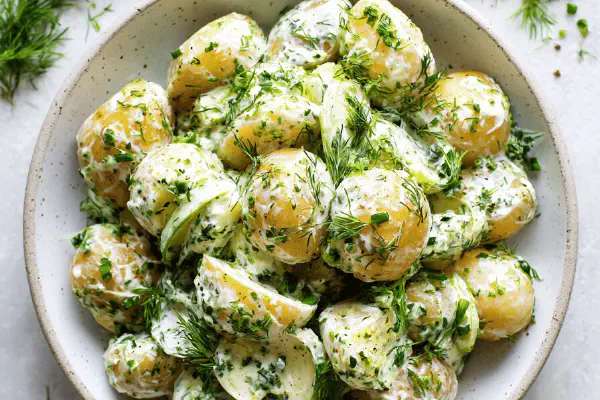
Herbed Creamy Potato Salad
Twisted Deviled Chickies
Savory Meatball Subs
Tangy Creamy Slaw
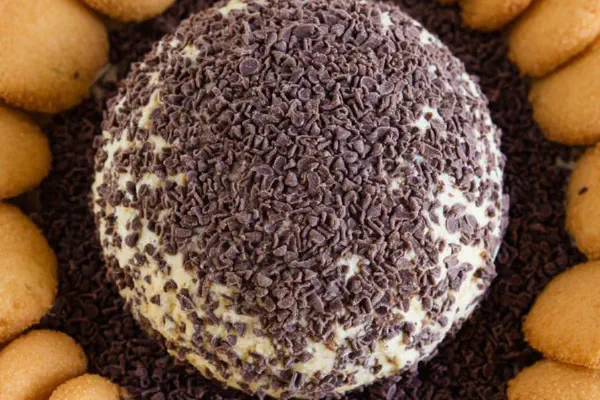
Chocolate Chip Cheeseball Remix
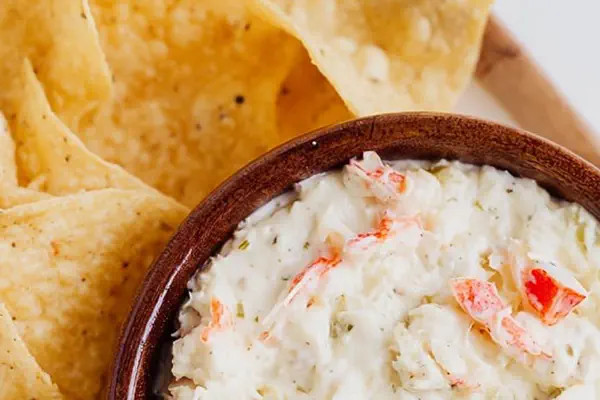
Creamy Crab Spinach Dip
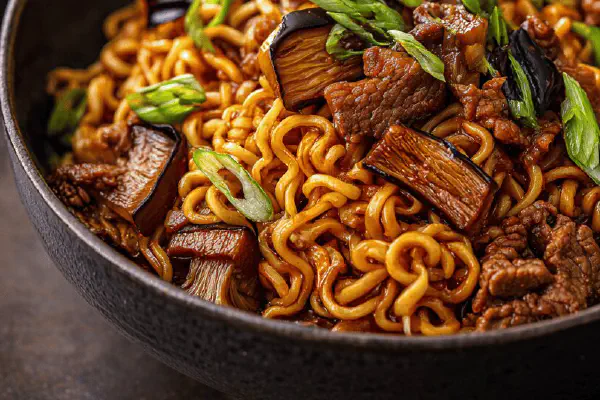
Beef Ramen Bowls with Eggplant & King Oyster Mushrooms
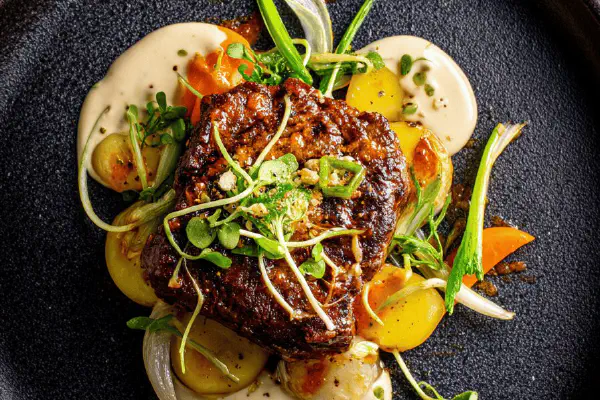
Maple Beer Aioli
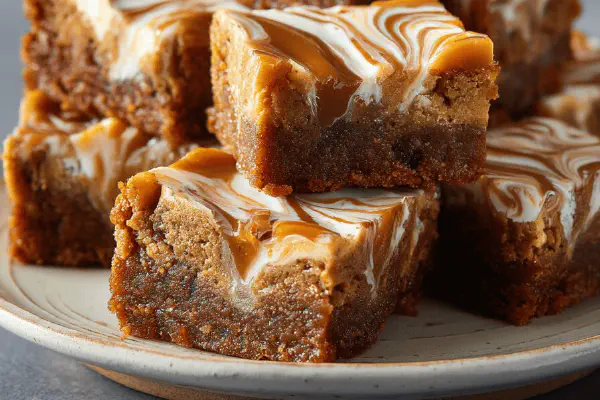
Brown Sugar Blondies with Creamy Swirl
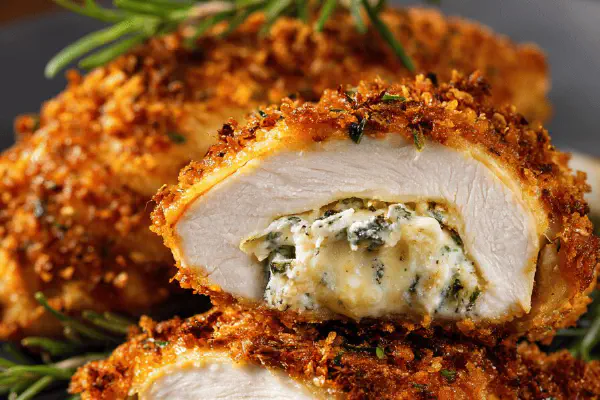
Herb Butter Chicken Kiev

Spicy Shrimp Pizza Twist
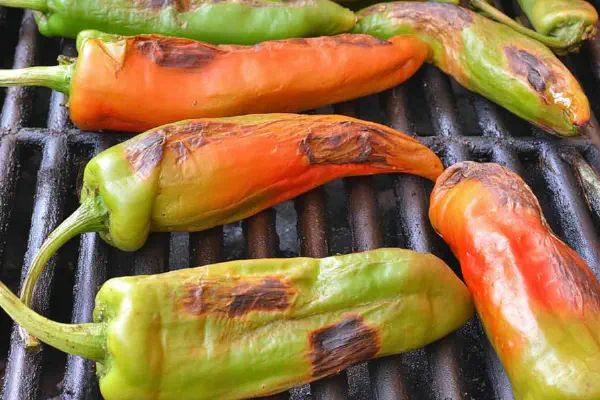
Roasted Hatch Chile Twist
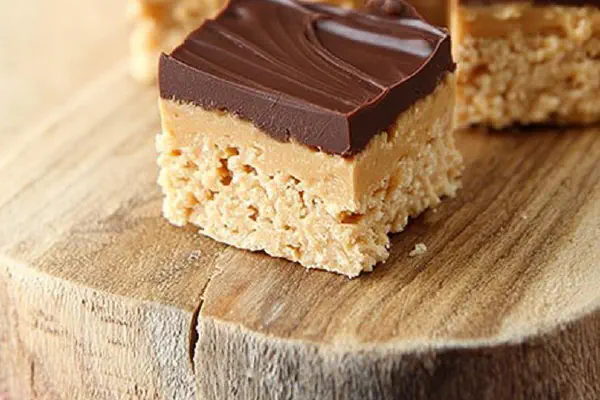
Peanut Butter Crunch Bars

Cheesy Biscuit Chicken Pot Pie

Zesty Garlic Butter Shrimp
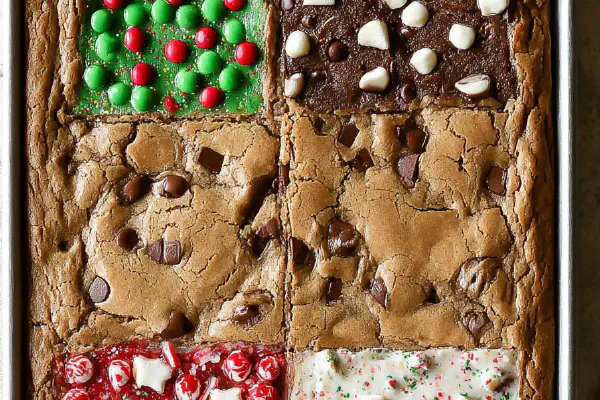
Sheet Pan Holiday Cookies
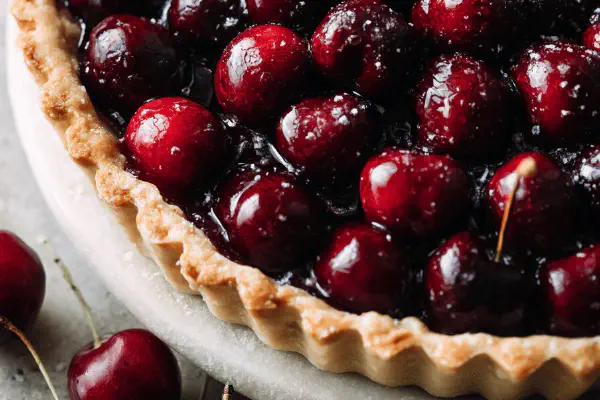
Rustic Morello Cherry Tart
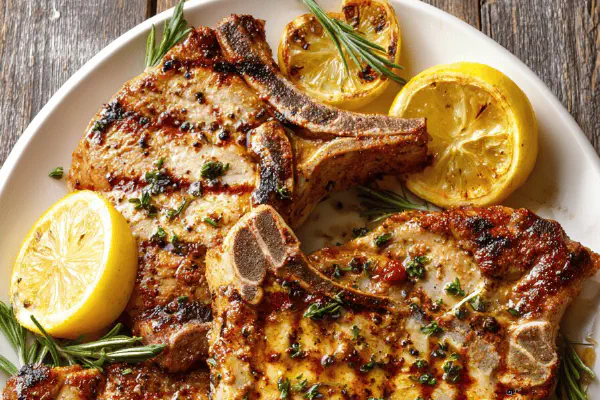
Buttermilk Pork Chops
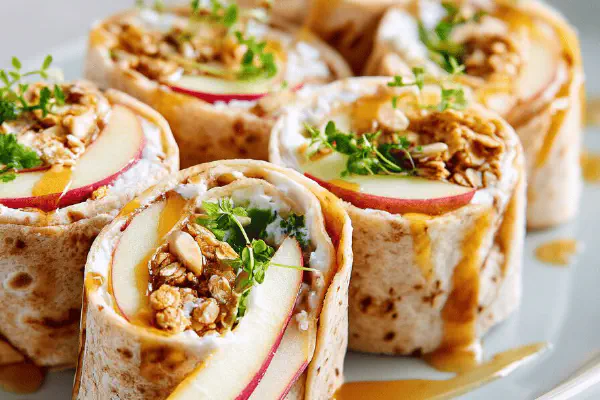
Crunchy Fruit Wraps
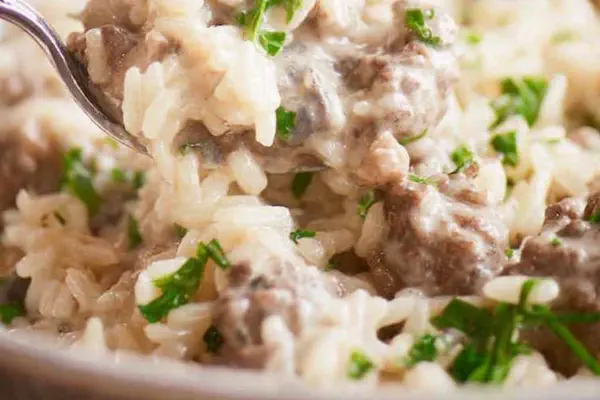
Savory Beef Stroganoff Casserole
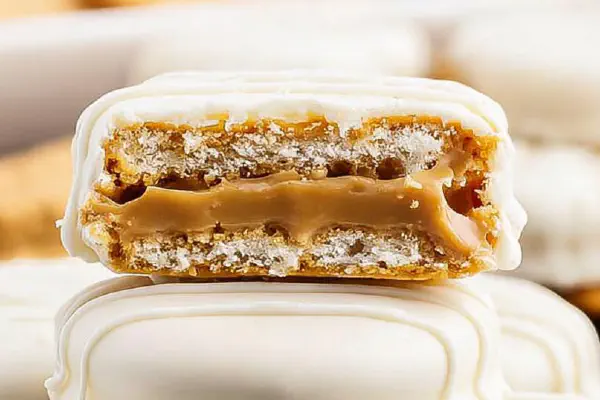
Peanut Butter Crackers Dipped
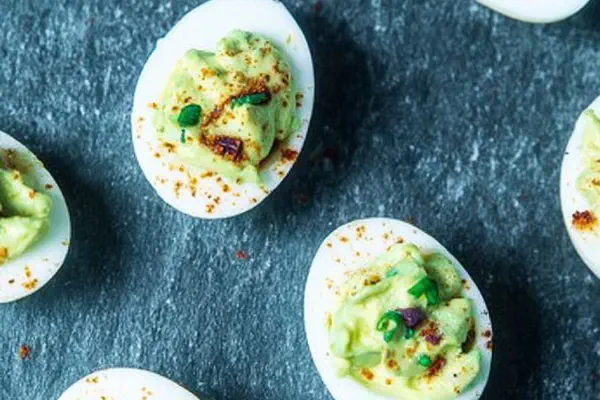
Twisted Avocado Deviled Eggs

Citrus Gin Fizz Twist
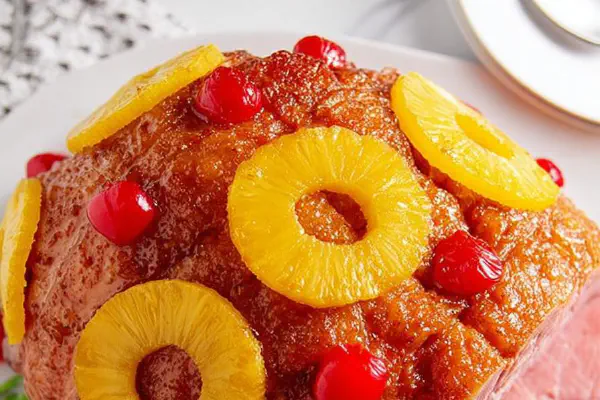
Maple Pineapple Ham
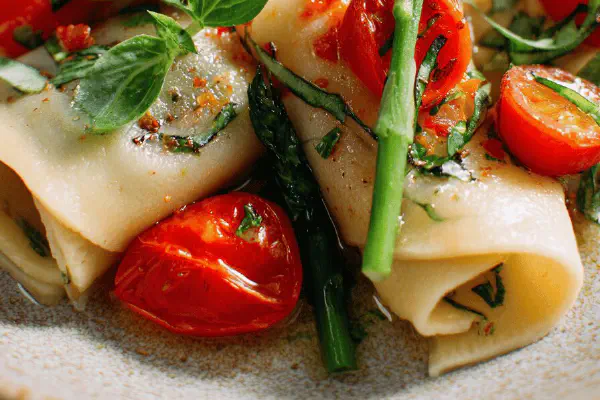
Rustic Tomato Basil Pici

Birthday Crumb Delight
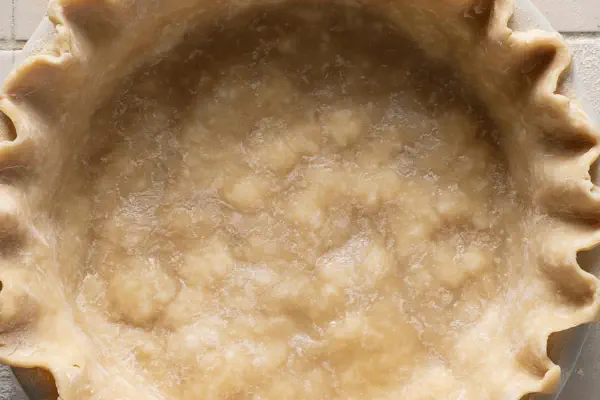
Flaky Butter-Shortening Crust
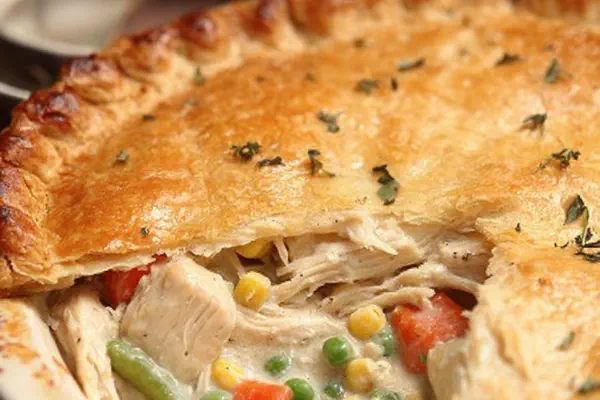
Creamy Chicken Pot Pie
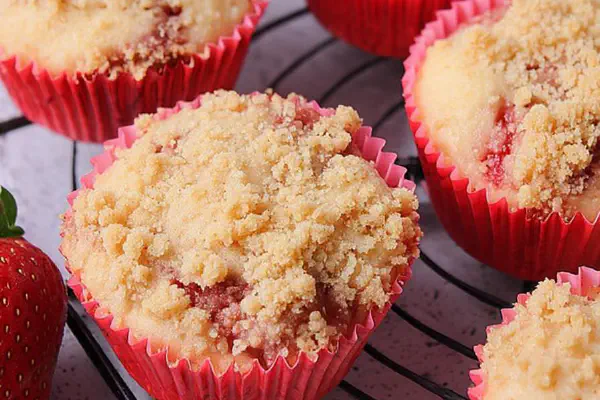
Strawberry Cream Cheese Muffins Revamped