Featured Recipe
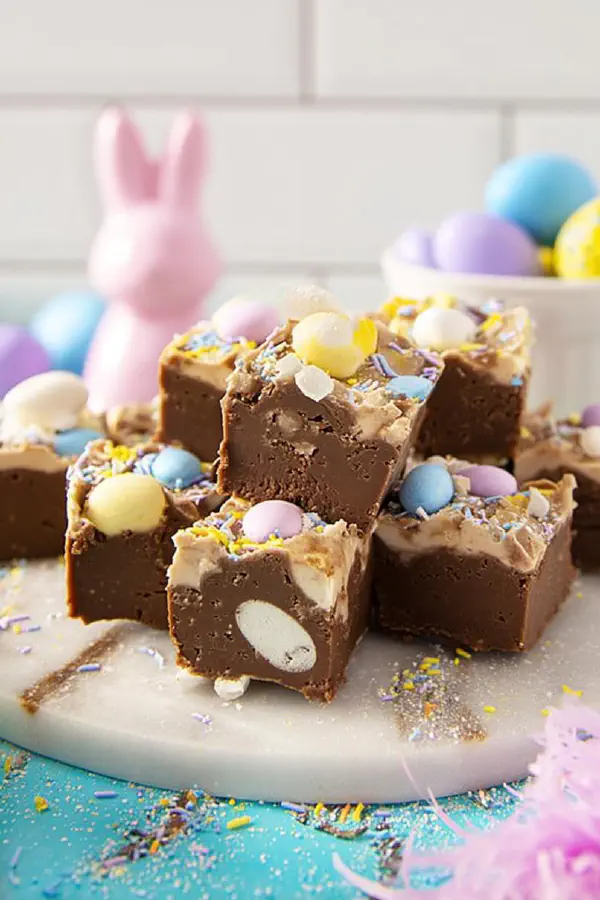
Cadbury Egg Fudge Remix
By Kate
"
Chunky fudge with chopped Cadbury creme eggs, layered with chocolate and white chocolate blends mixed into frosting bases. Set and swirled, topped with crushed mini eggs and festive sprinkles. A cheat’s approach to creamy, sticky, tactile candy bar style fudge. Uses almonds extract for a nutty note, nut butter swaps, and split melting times for even chocolate melt. Refrigerate until firm and slice into bite-sized squares.
"
Prep:
17 min
Cook:
10 min
Total:
27 min
Serves:
25 servings
fudge
chocolate
Easter
dessert
easy recipes
Introduction
Breaking down each step for candy success. Never trust a rushed melt or lazy stirring. Chocolate chips take longer but keep a close eye; burnt chocolate smells acrid, can kill fudge texture before it starts. Use chunks or chopped bars for white chocolate—chips have stabilizers making melting uneven. Frosting warms but doesn’t become hot lava, which prevents grainy separation when mixing. Almond extract cuts sweetness and adds complexity; vanilla or a pinch of salt swaps well. The creme eggs are luscious but tricky—chunk size affects bite and melting crossing layers, keep pieces chunky. Swirling folds taste and color, but overdoing turns through a huma mush. Crushed candy shells and sprinkles add welcome texture contrasts and color breaks. Patience matters. Let chill long enough or fudge crumbles when slicing.
Ingredients
In The Same Category · Sweet Treats
Explore all →
Apple Spice Cake Remix
Beetroot Cupcakes with Mascarpone Cream
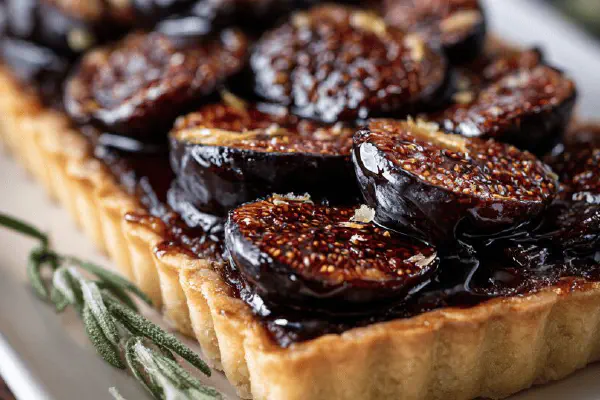
Fig Porto Frangipane Tart
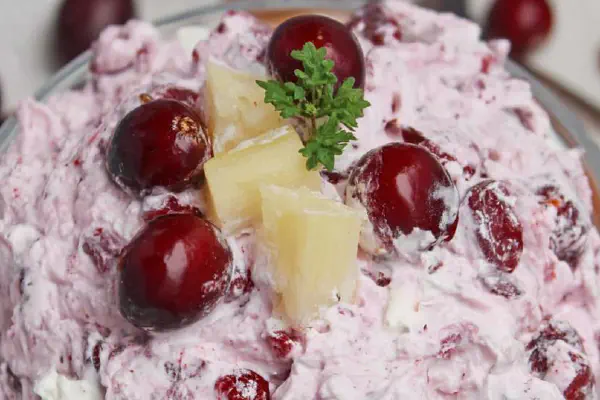
Tart Tropical Fluff
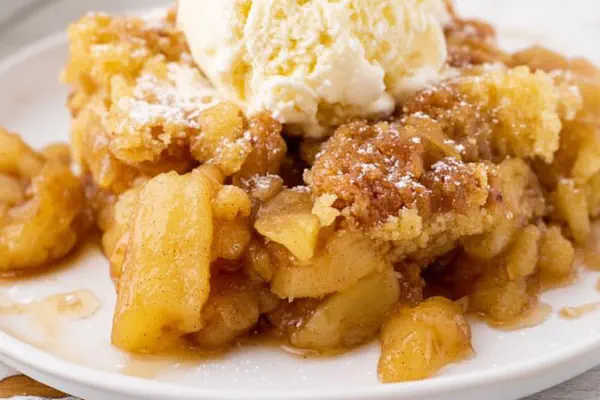
Spiced Pear Dump Cake

Twisted Nutmeg King Cake
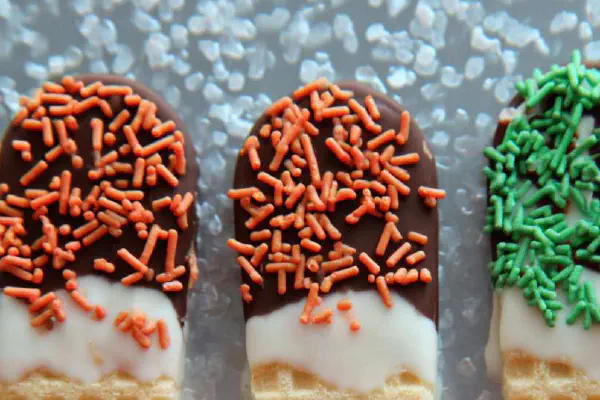
Choco-Almond Sugar Wafers

Cinnamon Maple Fried Bananas
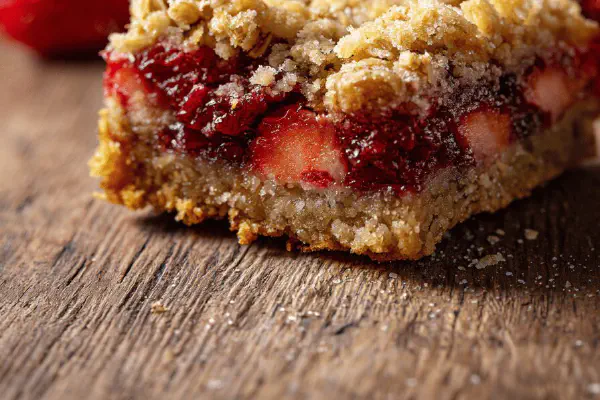
Strawberry Oat Crisps
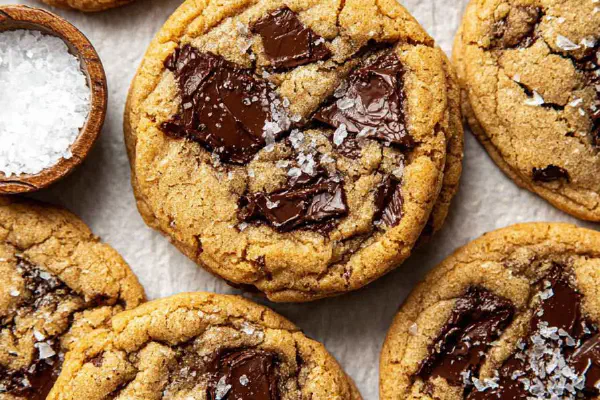
Brown Butter Almond Cookies
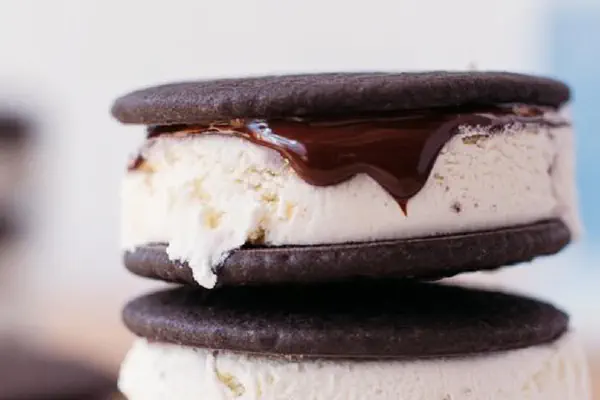
Chocolate Ice Cream Sandwiches

Golden Croissants with Rum Caramel
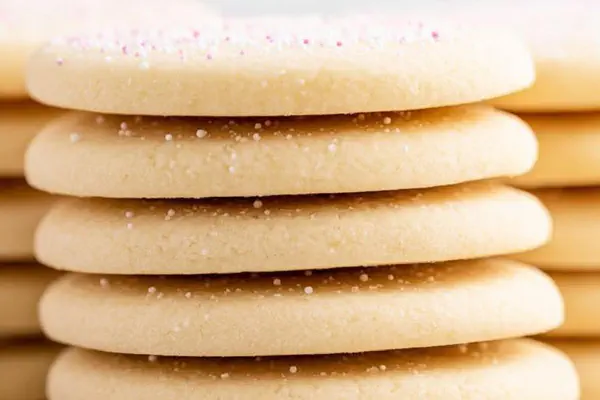
No Spread Sugar Cookies New
Blueberry Cream Crunch
Twisted Apple Tart
Angel Food Cake Remix
No-Bake Butterscotch Crunch
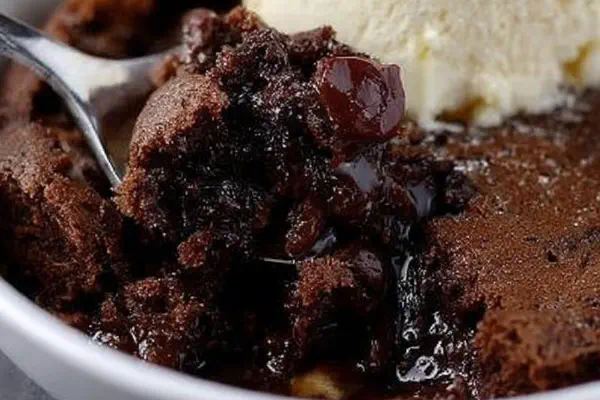
Chocolate Spoon Cake Remix
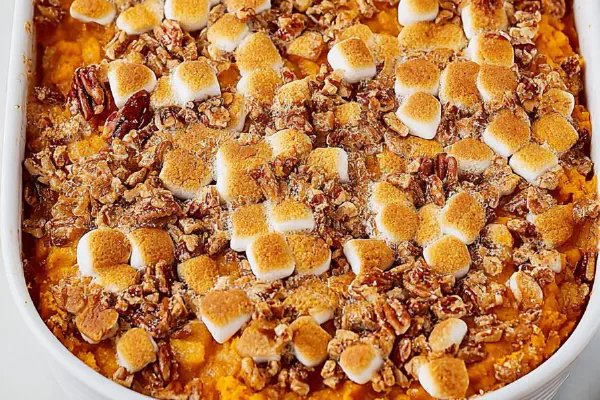
Sweet Potato Pecan Bake
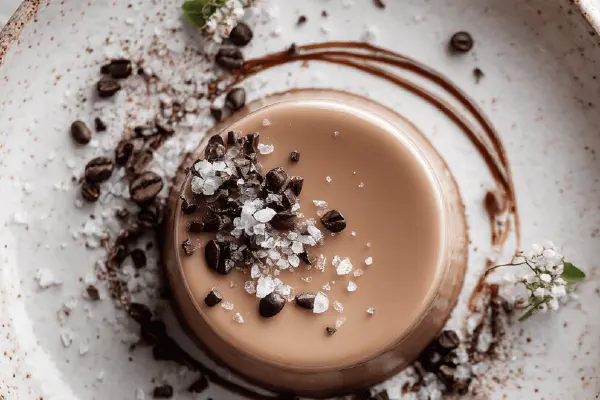
Milk Chocolate Panna Cotta
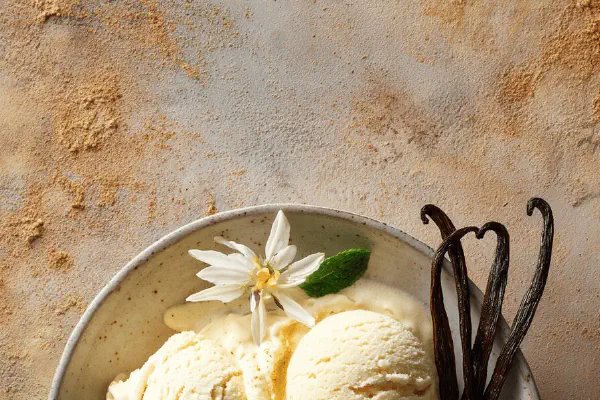
Vanilla Bean Ice Cream Twist
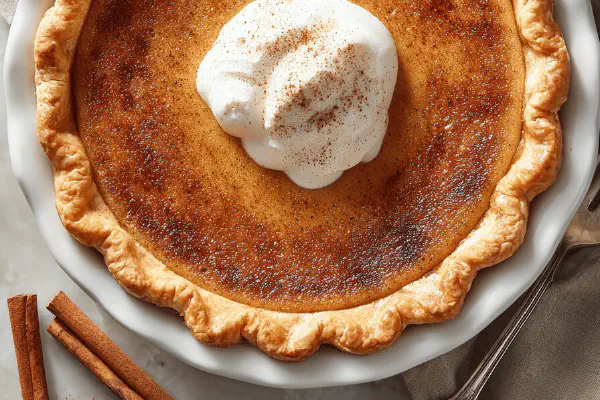
Maple Sugar Pie Twist
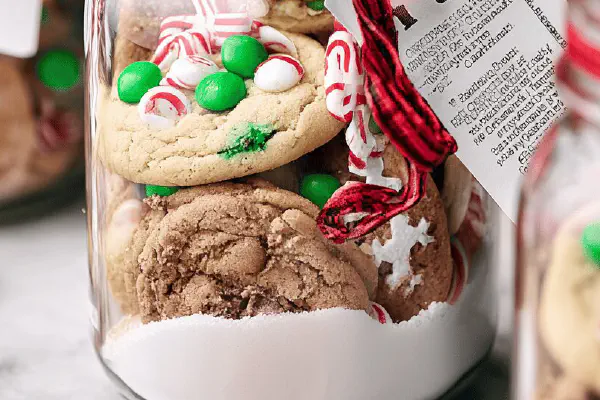
Holiday Cookie Mix Jar
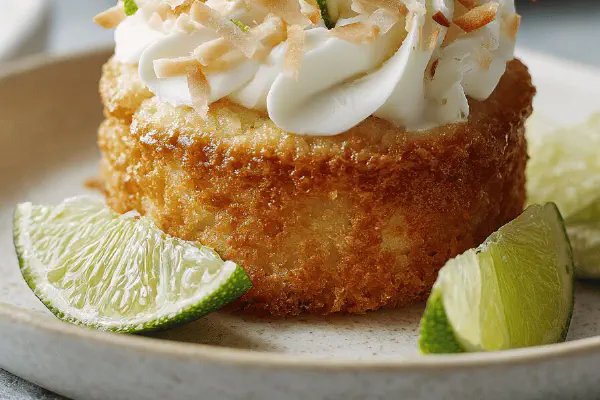
Lime Coconut Mini-Cakes
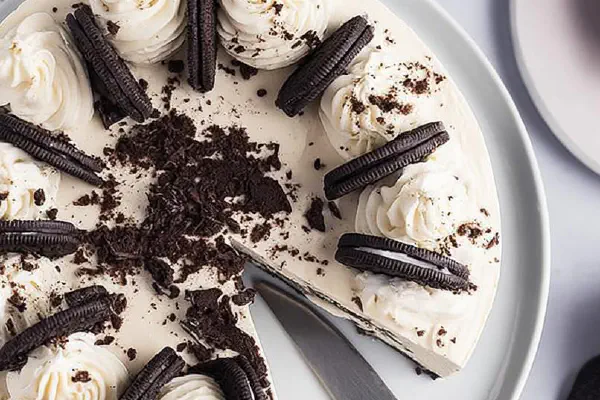
Twist Oreo Cheesecake
Banana Peanut Butter Cheesecake
Skillet Apple Tart
Almond Sugar Tart Dough
Crunchy Million Dollar Bars
About the ingredients
Milk or semi-sweet chocolate works fine instead of strictly chips. White chocolate best done with chopped bar or good quality chunks since chips often include stabilizers that hinder melted texture. Frostings should be smooth tubs not whipped or chunked—you need fluidity and even spread. Almond extract is a personal choice; vanilla extract or a touch of salt substitutes fine. If worried about nuts, skip extract and add a teaspoon vanilla plus salt pinch. Cadbury creme eggs available seasonally but bulk candy or caramels can replace for texture variation. Mini crushed candies for topping help add crunch; crushed toffee or chopped nuts fine alternatives. Timing for melting chocolate is critical, better to slow-melt with intervals than blast all at once to prevent seizing. Be gentle stirring, and ensure proper pan prep to lift fudge with minimal mess.
Method
Preparation
- Use an 8×8 or 9×9 pan. Line with parchment leaving at least 2 inches overhang on sides. This prevents saucey fudge grabs and doubles as a sling for easy removal.
- Put milk or semi-sweet chips in microwave-safe bowl. Set white chocolate chunks (or finely chopped bars) separately. Microwave one bowl at a time, 75 seconds initial, then stir every 20-25 seconds. Watch carefully. The chocolate should be shiny, thick yet fluid, no grainy lumps or scorched burnt smell. Stop when about 90% melted—residual heat finishes the job.
- Microwave the smooth vanilla and chocolate frostings separately, 50 seconds each on high. Stir to verify no clumps or cold pockets. You want fluid, flexible frosting, not scorching hot. This helps the final fudge texture stay soft but firm.
- Into the white frosting, stir in the almond extract. If using vanilla extract instead, same step. Almond counters sweetness and adds depth. No extract? Add a pinch of salt for balance.
- Mix the melted milk chocolate with the chocolate frosting bowl. Stir thoroughly. Repeat with white chocolate and vanilla frosting bowl. Both should feel luxurious; if too stiff, microwave 10 seconds and stir.
- Pour the darker chocolate mix evenly into the prepared pan. Tap sharply on counter to level and release any bubbles. While still tacky, scatter the large chopped Cadbury creme eggs evenly. These should sink in just a bit but remain visible and chunky.
- Next, pour the white chocolate frosting blend over the dark layer. Tap pan again to spread and even out. Take a skewer or butter knife, swirl the two layers at random intervals. Don’t overmix or you lose distinct colors and textures.
- While the white layer still holds tackiness, sprinkle crushed mini candy eggs along with your choice of sprinkles. Quantity judged by eye and enthusiasm. Adds crunch contrast and springtime colors.
- Place pan uncovered in fridge at least 3 hours or until firm but not rock-hard. Don’t cover—the fudge needs to breathe while chilling.
- Use the parchment sling to lift fudge block. Cut into 1-inch squares with a sharp knife. Clean the blade between cuts if needed to keep edges neat.
Chocolate-Melt Steps
Frosting Heat
Flavor Mix
Combine Ingredients
Assembly
Final Touch
Set
Serving
Technique Tips
Start with proper pan lining—key for easy fudge removal and clean cuts. Melt chocolates separately, stirring often for even consistency; watch for texture not time. Frostings warmed to flexible fluid, not hot lava, will blend with melted chocolate evenly for optimal fudge texture. Flavor layering via extracts is about balance. Slow assembly; pour dark dense layer first, evenly, then incorporate creme egg chunks while layer is sticky. Pour white fudge atop and swirl gently with skewer for marbled visual and taste contrast. Sprinkle toppings while layer tacky, enhancing crunch and color. Chill uncovered to set—covering can trap moisture and soften fudge undesirably. Slice once firm but avoid freezing; frozen fudge becomes crumbly. Knife cleaning between cuts prevents smear and uneven pieces. If fudge too soft room temp, chill longer to firm. Practice patience for right fudge texture—too hot mix yields grainy fudge; too cold leads to separation. Watch, feel, and sniff your chocolate melts; they tell you what they need.
Chef's Notes
- 💡 Ensure pans are lined properly. Leaves overhang. Helps with removal. Use parchment—don’t skip! Clean edges for pretty squares.
- 💡 Chocolate melting is key. Microwave in intervals. Watch carefully. Smell for burnt. Stir until shiny, avoid lumps. Finish melting with residual heat.
- 💡 Frostings should be warm but not boiling. Fluid is best. Cold lumps ruin texture. Microwave carefully for even consistency. Don't scorch.
- 💡 Use almond extract for complexity; skip if worried about nuts. Vanilla works fine too. Add salt if needed. Just enough balance.
- 💡 When pouring the layers, do it slowly. Dark layer first for weight. Sprinkle eggs while tacky helps them stick. Don't over swirl!
- 💡 Chilling is crucial—at least three hours. Uncovered. Cover traps moisture. Too soft? Just refrigerate longer. Avoid rushing—patience is key.
Kitchen Wisdom
How to ensure chocolate doesn't seize?
Stir often during melting. Do in short bursts. Lower heat helps. Ingredients have high sugar content.
Can I substitute Cadbury eggs?
Yes! Use caramel candies or chocolate pieces instead. For crunch, think toffee or nut pieces.
How to store fudge?
Wrap tightly in parchment, then foil. Use airtight containers. Lasts a week at room temperature—fridge extends freshness.
What if fudge turns out too soft?
Chill longer, let set more. Next time, adjust timing. Maybe lower heating for melting.
You’ll Love These Too
Explore all →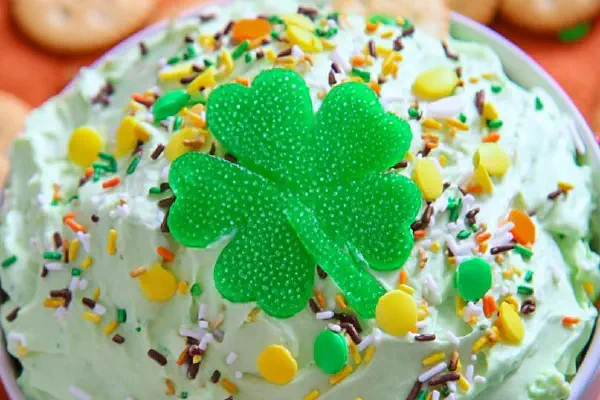
St Pat's Dip Remix
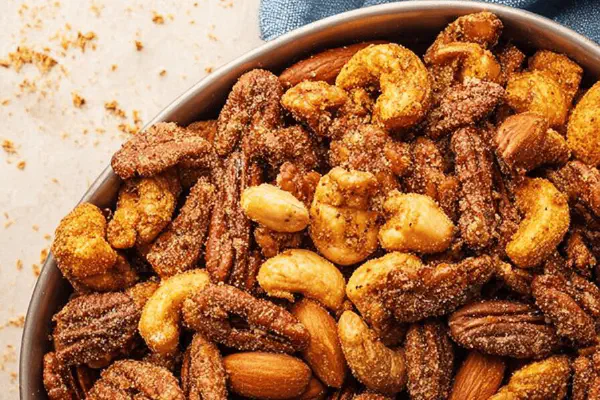
Smoky Spiced Nuts

Frozen Tropical Rum Mix
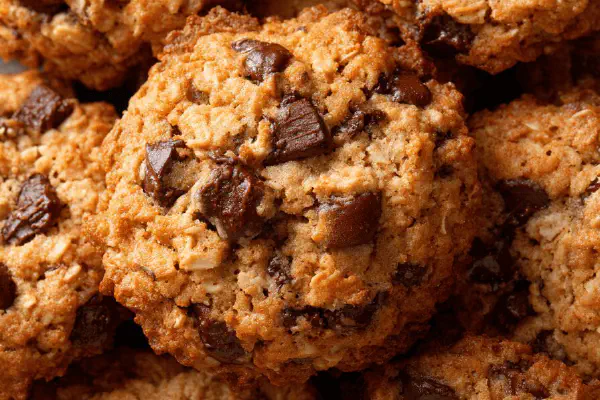
Oat Chocolate Chip Air Fryer Cookies
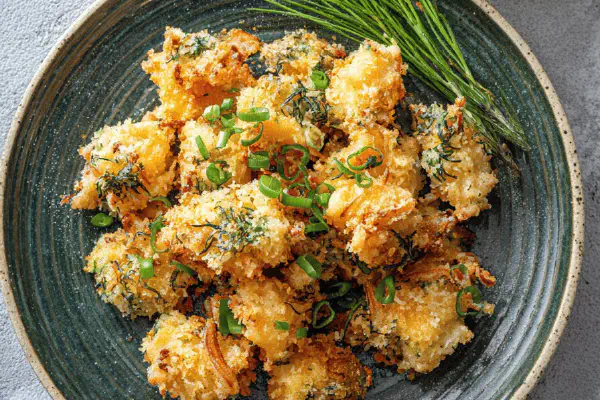
Spicy Crab Fritters
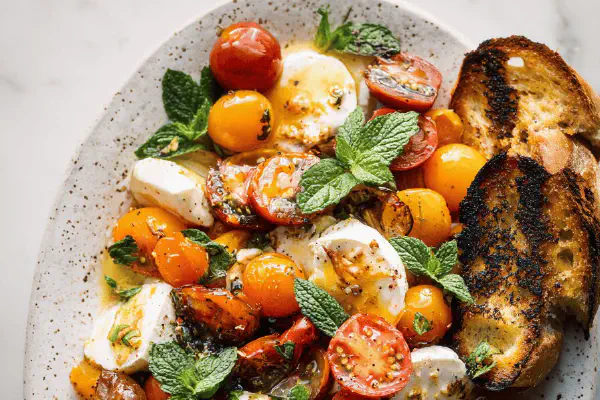
Silken Tofu Caprese Twist
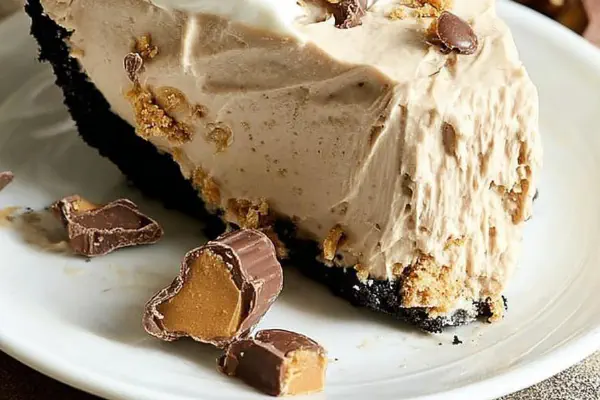
No-Bake Peanut Butter Pie
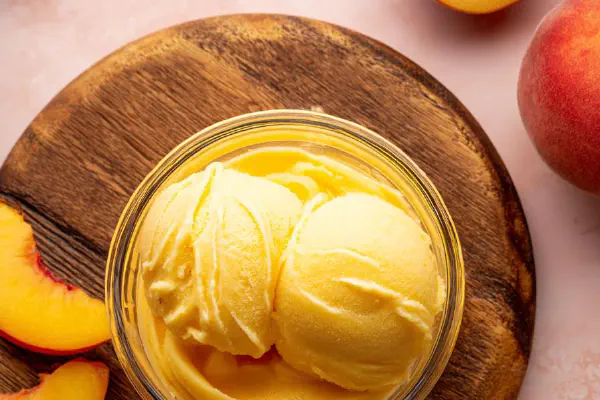
Tangy Nectarine Sorbet
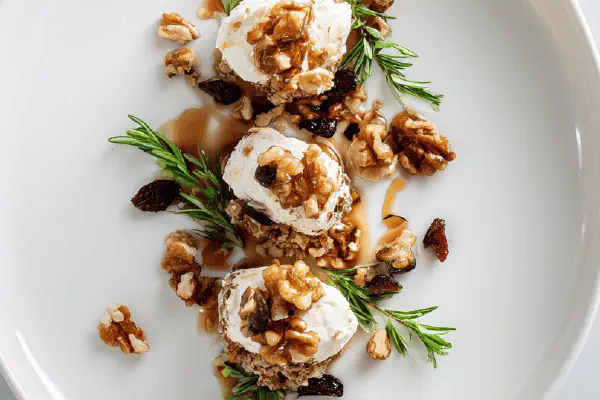
Cheese Crackers with Hiker Mix

Spicy Citrus Shrimp
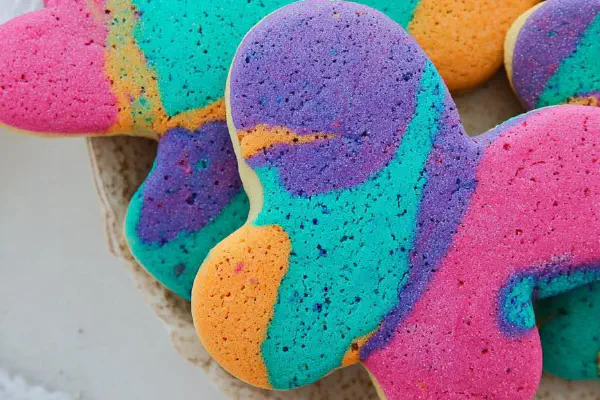
Twist Tie-Dye Cookies
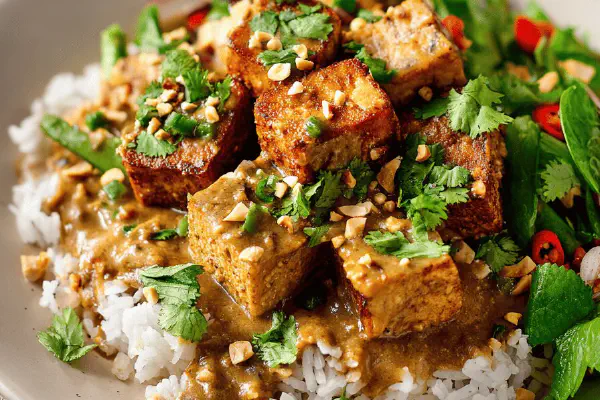
Air Fryer Spicy Tofu Satay

Twisted Espresso Martini

Blueberry Choc Chip Muffins Reimagined

Smoked Salmon Pinwheel Rolls
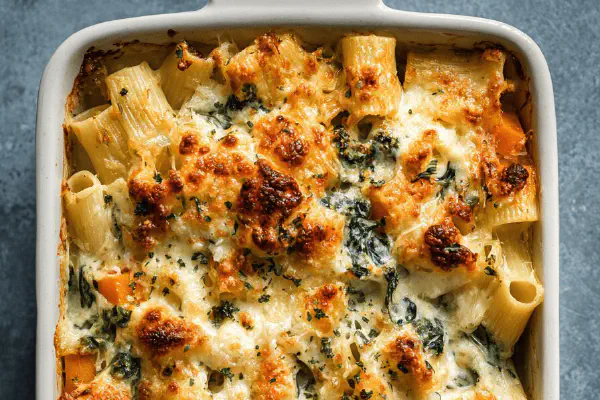
Leek Squash Rigatoni Gratin

Twisted Blue Hawaiian
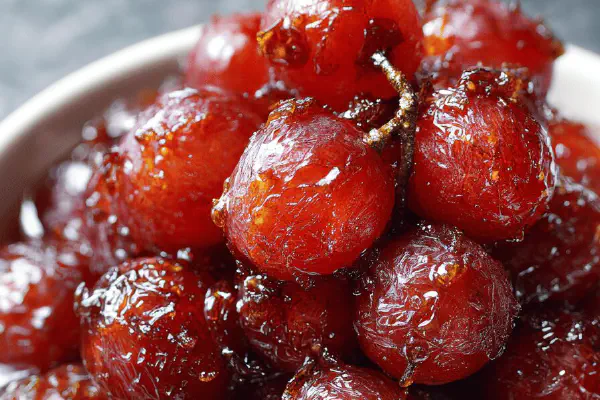
Poached Raisins Twist
Mustard-Infused Aioli
Chilled White Chocolate Coffee
Beef Ribs Cola BBQ
Keto Cloud Bread Twist

Grapefruit Ginger Syrup Twist
Angel Food Cake Remix
Smoky BBQ Beans Mashup
Apple Cinnamon French Toast
Tilapia & Veggie Stir-Fry
Tender Beef Veggie Stir Fry
Twisted Fry Sauce