Featured Recipe
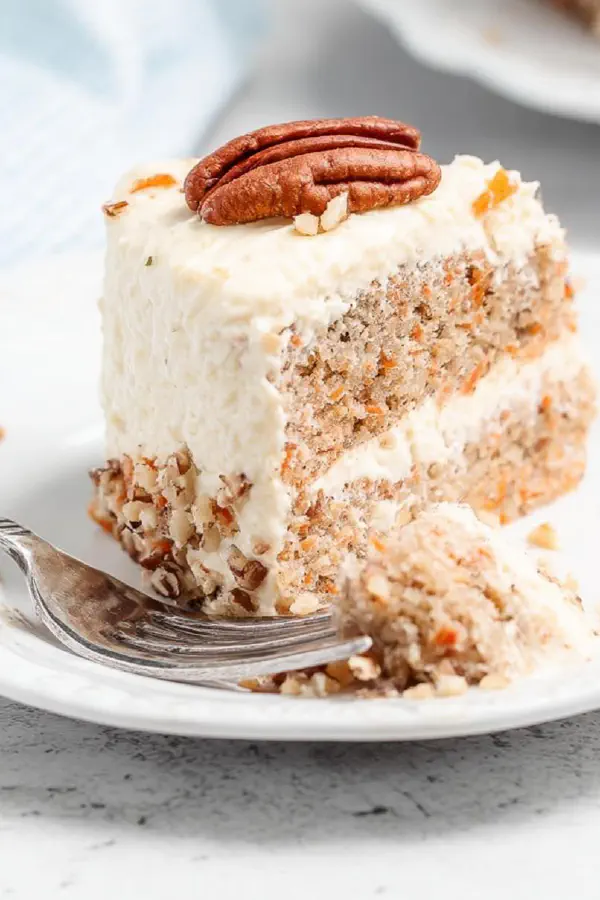
Carrot Cake Cheesecake Hybrid
By Kate
"
Dense, moist carrot cake layers sandwich a creamy cheesecake with cinnamon and a hint of nutmeg. Topped and crumb-coated with tangy cream cheese frosting mixed with pecans. Water bath for cheesecake ensures even baking, wrapped springform pan prevents leaks. Carrots add moisture, pecans crunch. Freeze steps ease assembly, trimming layers gives neat stack. Frosting thickens with powdered sugar, thinned with cream for spreadability. Swirls piped for texture and garnish with pecan halves. Balances sweet, spice, and cream tang. A multilayer dessert that demands patience and attention but yields complex flavors and textures. Technique matters. Timing means smell, jiggle, feel, not just numbers.
"
Prep:
70 min
Cook:
75 min
Total:
6h 20min
Serves:
16 servings
dessert
cake
baking
Introduction
You want a cake that challenges your skills, not your patience. A carrot cake with those warm spices but also that lush cheesecake center that adds creaminess, moisture, texture contrast. No shortcuts with water bath here; cheesecake must be tender, flawless or it’s flat-out disappointing. Frosting thick enough to hold but still silk-spreadable. Pecans add bite throughout—folded in, in the crumb coat and on top. Freezing layers before assembly helps handle the beast. It’s multi-step, sure—but every timed chill and texture check stacks up to something worth the effort. Baking this means feeling batter, testing jiggle, seeing exact crumb doneness, reading your oven.
Ingredients
Cheesecake
- 24 oz full fat cream cheese, softened
- 3/4 cup granulated sugar
- 1/4 tsp kosher salt
- 3 tbsp all-purpose flour
- 1 tsp ground cinnamon
- 1/2 tsp ground nutmeg
- 1 tbsp pure vanilla extract
- 3 large eggs
- 3/4 cup full fat sour cream
- 2 cups all-purpose flour
- 1 1/2 tsp baking powder
- 1/2 tsp baking soda
- 1 tsp ground cinnamon
- 1/2 tsp ground ginger
- 1/4 tsp fine salt
- 1 cup brown sugar, packed
- 1/2 cup granulated sugar
- 1 cup vegetable oil (can substitute for melted butter or coconut oil)
- 4 large eggs
- 2 tsp vanilla extract
- 1 1/2 cups finely grated carrots (about 3 medium carrots)
- 1 cup chopped pecans, plus more for frosting
- 8 oz cream cheese, room temp
- 1/2 cup unsalted butter, softened
- 1 tsp vanilla extract
- 3 1/2 cups powdered sugar, sifted
- 3-4 tbsp heavy cream
- 1/2 cup chopped pecans
Cake
Cream Cheese Frosting
In The Same Category · Sweet Treats
Explore all →
Frozen Strawberry Cream Puff Pastry
Cherry Almond Cupcakes
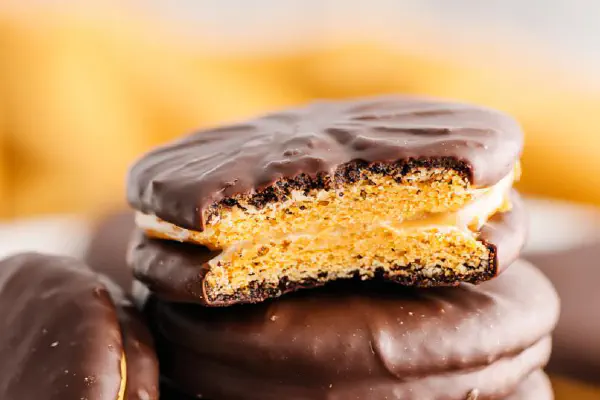
Chocolate Peanut Butter Crisps
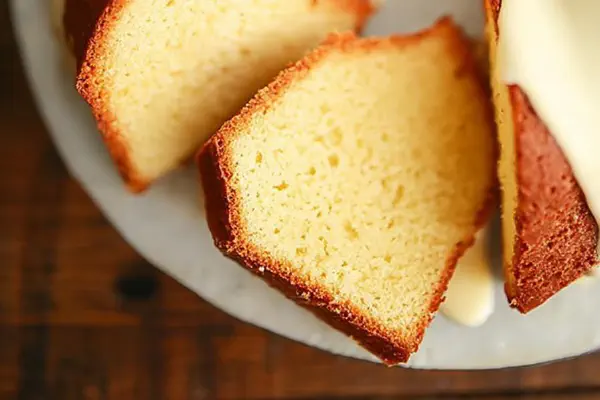
Eggnog Spice Pound Cake
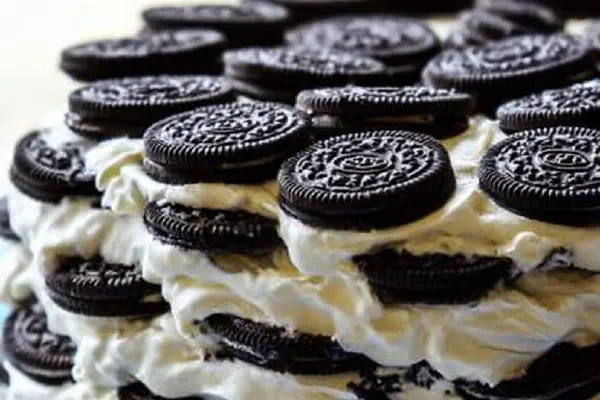
Oreo Cream Freeze Cake
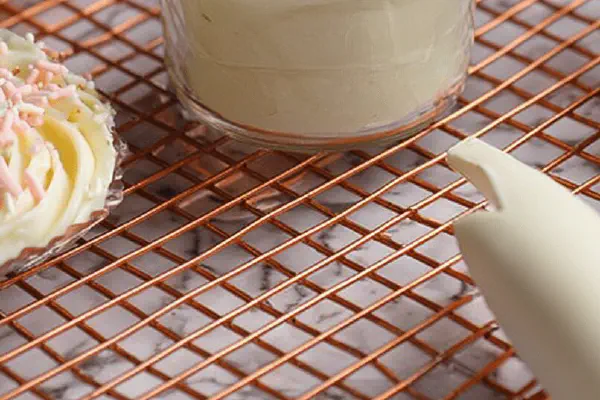
Tangy Cream Cheese Frosting

Poached Pears Dark Chocolate
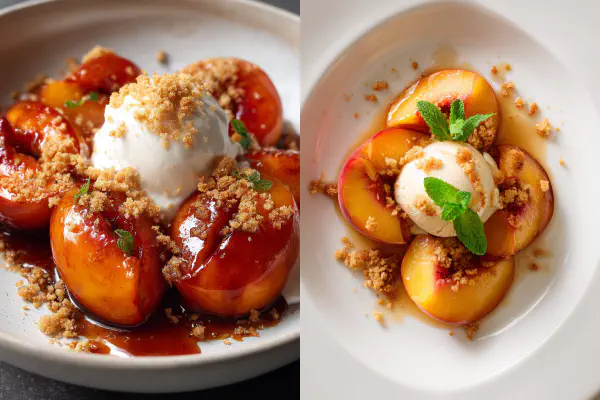
Honey Ginger Roasted Peaches
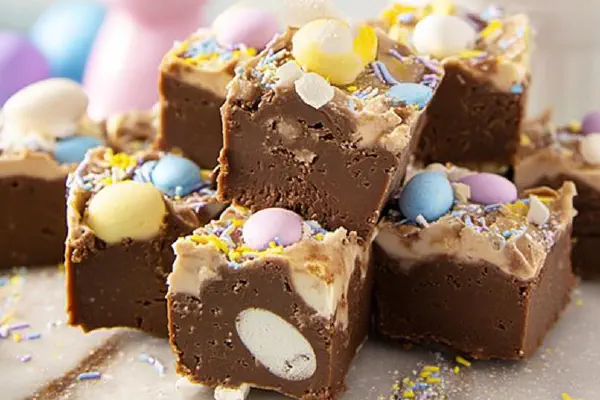
Cadbury Egg Fudge Remix
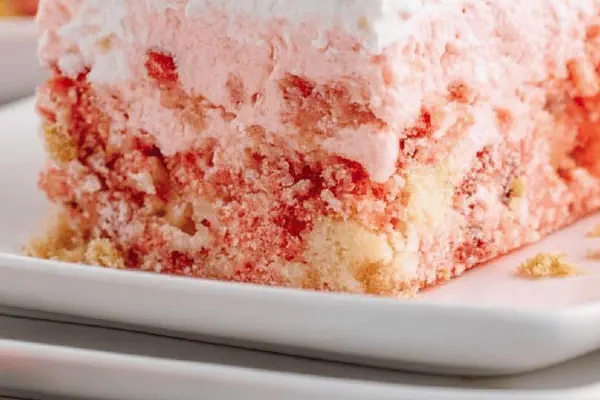
Strawberry Crunch Cake Remix
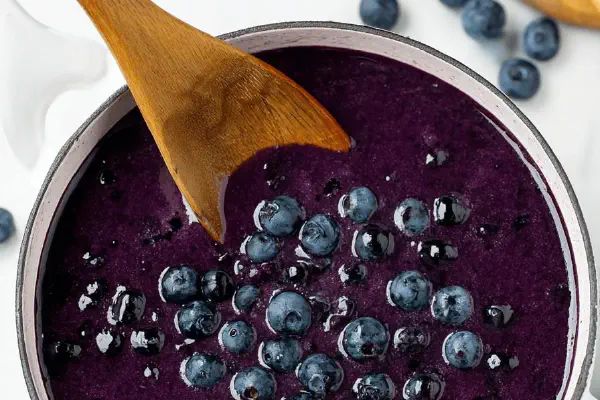
Creamy Blueberry Syrup Twist
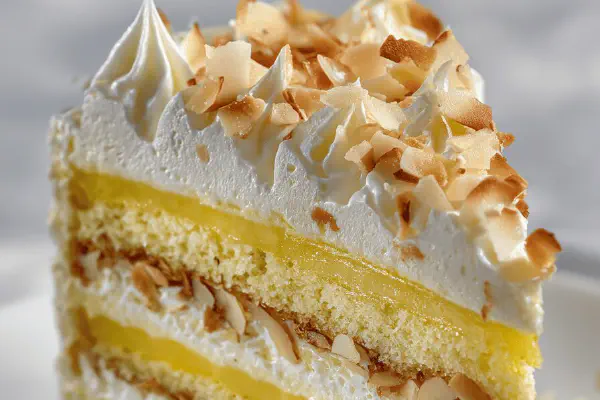
Lemon Chiffon Cake Remix
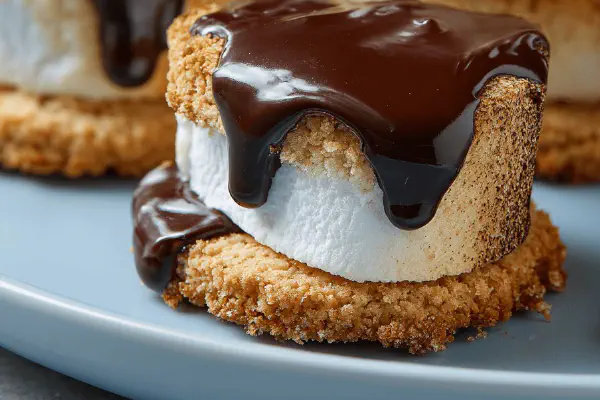
Marshmallow Chocolate Cookies
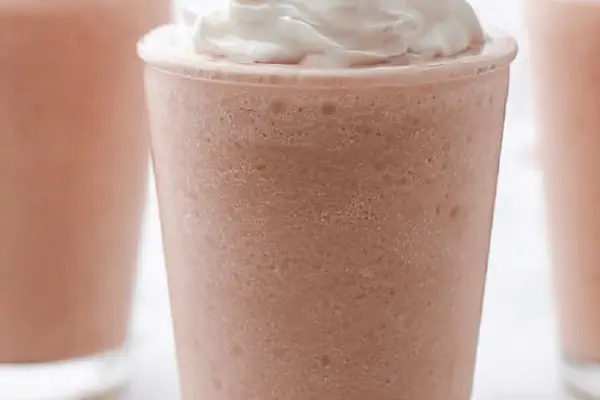
Chocolate Frozen Cream
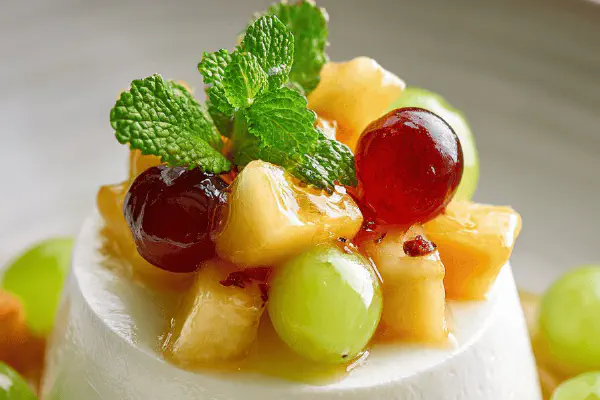
Light Yogurt Mousse with Fruit Salad
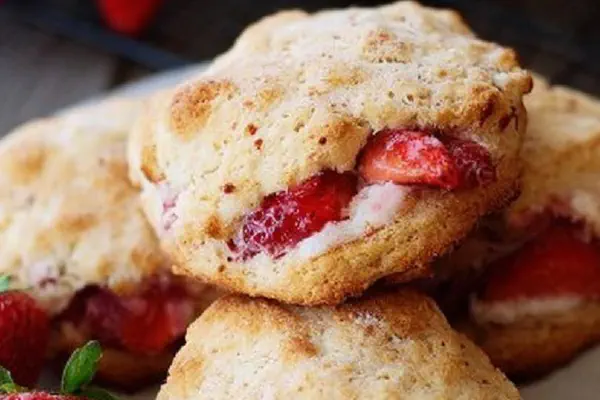
Strawberry Cream Scones
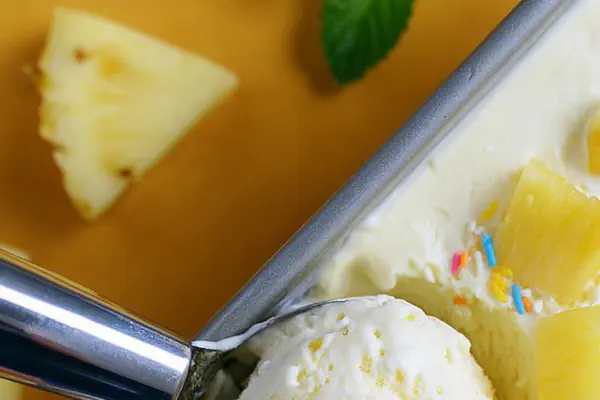
Pineapple Frozen Cream
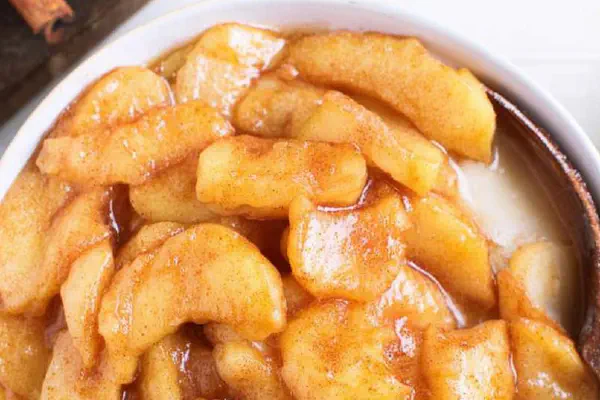
Skillet Cinnamon Pears
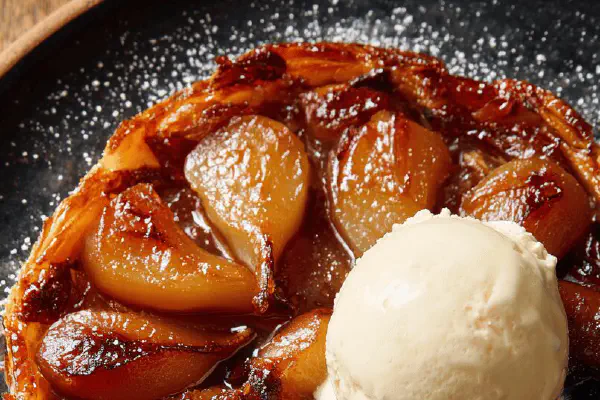
Twisted Tarte Tatin

Ricotta Chocolate Sicilian Turnovers
Twisty Turtle Brownies
Red Wine Fudge Cake
Simple Brown Sugar Caramel
Condensed Milk Chip Brownies
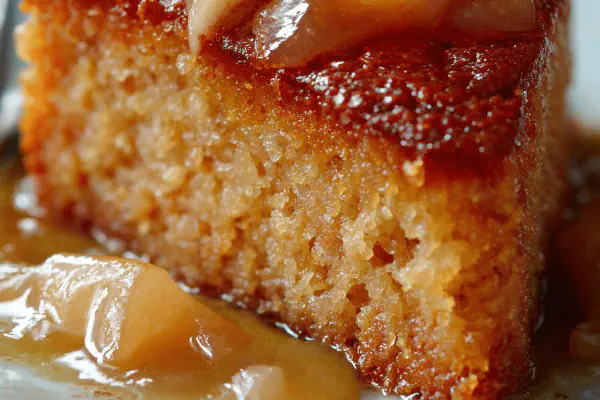
Maple Pear Pudding Cake
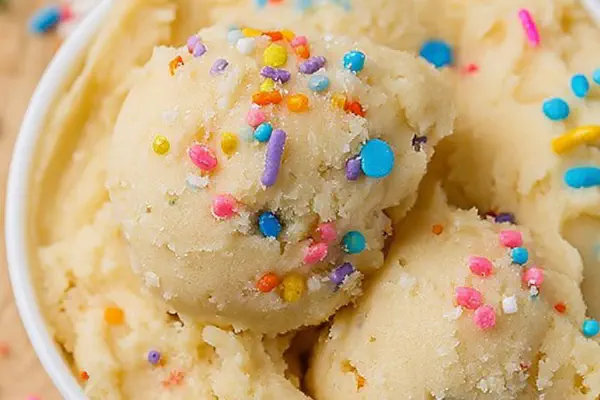
Single-Serve Twist Sugar Cookie Dough
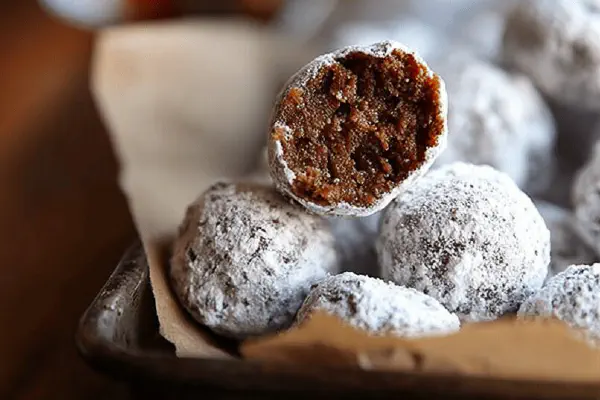
Boozy Cocoa Balls
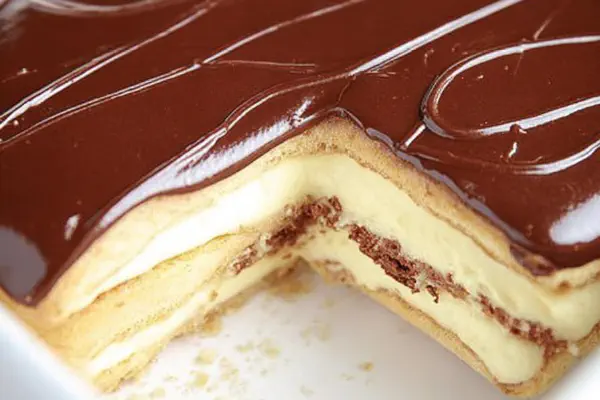
Layered Chocolate Eclair
Oatmeal Raisin Cookies Remix
About the ingredients
Softened cream cheese imparts creamy texture—avoid cold lumps in batter by letting it rest at room temp minimum 2 hours. Granulated sugar beaten well before flour makes cheesecake lighter. Flour adds body, prevents cracking but don’t over stir or toughness results. Freshly ground cinnamon and nutmeg provide warmth. Sour cream adds acidity for tang and moisture balance but use full fat. For carrot cake, vegetable oil keeps crumb moist and tender; buttery substitution yields richer flavor but may alter texture slightly. Wooden spoon folding instead of mixer for carrots and pecans prevents overworking batter, keeps tall crumb. Toasted pecans for frosting amplify nutty aroma and crunch. Heavy cream just enough to loosen frosting but not runny. Parchment lines pans for clean release, spraying ensures cake lifts without sticking. Two layers of foil wraps springform base—skip and risk water in cheesecake layer, ruining texture.
Method
Cheesecake Preparation
- Set a shallow roasting pan with warm water, 1 inch depth. Oven rack middle position. Wrap base of 9-inch springform pan in 2 layers heavy foil to prevent leaks; important. Line bottom with parchment paper.
- Preheat oven to 320°F. Slightly lower than usual to avoid cracking cheesecake surface.
- Beat cream cheese and sugars on medium speed until fluffy and combined. No lumps.
- Add salt, flour, cinnamon, nutmeg. Mix just enough to integrate, avoid overmixing—can cause toughness.
- Fold vanilla extract. Add eggs one at a time mixing slowly with spatula—no mixer—keeping air and smooth batter. Stir in sour cream gently until just combined. Batter will be thick but silky.
- Pour batter into prepared pan, smooth top gently with offset spatula.
- Place pan into foil-covered water bath carefully to avoid splashing into batter.
- Bake for 50 minutes, jiggle test after 45 minutes. Center should quake slightly when nudged but not liquid. Don’t overbake or dry edges form.
- Turn oven off, leave cheesecake inside with door closed 25 minutes to settle and prevent shrinkage cracks.
- Crack oven door slightly open, cool another 20 minutes. Then room temperature on rack until fully cooled, about 1 hour.
- Wrap tightly in plastic wrap; freeze min 2 hours for firm cutting and easier stacking.
- Increase oven temp to 355°F to accommodate cake's rise.
- Whisk together flour, baking powder, baking soda, cinnamon, ginger, salt in medium bowl.
- In large bowl, beat brown sugar, granulated sugar, eggs on medium-high until fluffy and paler, 2-3 minutes. Add vegetable oil and vanilla, beat till emulsified.
- Gradually add dry ingredients, mixing medium speed until combined. Batter thick and smooth.
- Fold in grated carrots and chopped pecans by hand. Uniformly dispersed but don’t overmix batter or it stiffens.
- Prepare two 9-inch round pans with parchment and spritz oil. Divide batter evenly using scale or by eye.
- Bake 20-22 minutes, test doneness with toothpick; few moist crumbs but no wet batter.
- Cool in pans 20 minutes minimum; then remove and transfer to racks until cool to touch.
- Wrap tight and freeze 2 hours to firm layers, easier to slice level.
- Beat cream cheese and butter on high till light and fluffy, 2-3 minutes.
- Add vanilla, continue mixing for smooth flavor blend.
- Add powdered sugar in increments, beating thoroughly after each addition. Thick and sweet.
- Drizzle heavy cream to adjust consistency. Should be spreadable but hold shape. Too thin? Add more powdered sugar.
- Reserve 1/2 cup frosting separately in piping bag fitted with star tip or Ziploc with snipped corner for decoration.
- Fold pecans into remaining frosting for textured crumb coat layer.
- Trim dome from cake layers using serrated knife to level. Flat layers stack better.
- Place first cake layer on platter. Spread thin even coat of pecan-frosting to anchor cheesecake layer.
- Transfer cheesecake layer from freezer to cake, place gently. Thin layer of frosting atop cheesecake to stick next layer.
- Place second cake layer on top, press lightly, spread thin frosting coat. Freeze entire stacked layers 1 hour minimum to set before final frosting.
- Remove cake from freezer. Mound remaining frosting on top and sides. Use offset spatula; smooth over entire cake. Work quickly so frosting stays spreadable, but no sliding.
- Pipe swirls around top edge about 1 inch apart. Each swirl gets a pecan half if using garnish.
- Keep refrigerated until serving, bring to room temp 30 minutes before slicing for best texture.
- Substitute mascarpone for half cream cheese in cheesecake for silkier texture. Watch baking time reduction by 5 minutes.
- Applesauce or crushed pineapple (drained) may replace oil in cake for less fat but expect denser crumb.
- Water bath essential to avoid cracked cheesecake; aluminum foil seals bottom prevent water intrusion. Tin foil tears lose water bath benefit.
- Chilling layers is not optional; firm layers reduce crumbs and slippage during frosting and stacking.
- If cheesecake cracks appear, gently cover with a thin layer of frosting on sides, or fill crack with chopped pecans before stacking cake.
- Use fresh grated carrots; shredded pre-packaged carrots often wet and affect batter consistency.
- If frosting too thick, add cream one teaspoon at a time; too thin? More powdered sugar patiently.
- To soften frozen layers quickly, unwrap and leave at room temp 20-30 minutes before assembling or serving.
Cake Layers
Cream Cheese Frosting
Assembly
Tips and Variations
Technique Tips
Water bath critical for cheesecake to avoid cracked tops, drying edges, uneven cooking—foil wrap seals pan bottom; test with drop of water before baking to check leak-proof. Slowing oven temp slightly from conventional 325°F to 320°F reduces bottom over-baking. Beat cream cheese and sugars well to remove lumps—hand mixing eggs avoids over aerating and cracking. Jiggle test over timer—center is done when shakes slightly like gelatin, edges set—too much movement means underbaked, too rigid means overbaked and crumbly. Cool cheesecake gradually in closed then cracked door oven prevents shock that causes cracks. Freeze cheesecake and cake layers so they firm up, making trimming easier and stacking neat. Spreading thin layers of frosting under cheesecake and cakes acts like glue but too thick and layers slip. Final cold frosting step ensures neat finish. Piping swirls with reserved frosting adds aesthetics and finger hold. Bring cake slightly to room temp before slicing; too cold and texture stiffens, too warm and frosting softens and slumps quickly.
Chef's Notes
- 💡 Use softened cream cheese, room temp for easy mixing. Don't skip. Avoid lumps or grainy texture. It matters. Beat sugar masks creaminess; mix until fluffy.
- 💡 Water bath key for cheesecake. Keeps it moist, prevents cracks. Double-wrap foil tightly; no leaks! Test with a drop before baking.
- 💡 Freeze layers, no shortcuts. Easier to slice. Neat stacking, firm and manageable. Trim tops before stacking. Uneven layers cause slippage.
- 💡 For frosting, beat cream cheese and butter high till fluffy but blend in powdered sugar slow. Too thick? Adjust with heavy cream, teaspoon by teaspoon.
- 💡 Use fresh grated carrots. Dried, packaged versions too wet. Alter batter consistency. Also, choose finely chopped pecans for texture; enhances crumb coat.
- 💡 If frosting seems too thin, add sugar patiently. Too thick? Cream thins it out. Just don't rush. Adjust little by little till ready.
Kitchen Wisdom
How to prevent cheesecake cracks?
Water bath crucial, keep temp low to steady bake. Gradually cool in oven. No sudden changes.
What if my cake layers wouldn’t stack?
Trim uneven tops, freeze, rest for proper slicing. If still slipping, check frosting consistency.
Can I store leftover cake?
Options here, wrap tightly or refrigerate. Alternately, freeze for later. Week-long in fridge, more in freezer.
Why did my frosting not hold?
Check cream cheese temp. Blend all ingredients thoroughly. Too thick or too thin? Adjust as needed, small amounts.
You’ll Love These Too
Explore all →
Rich Fudge Brownies with Mocha Glaze
Spicy Shrimp Avocado Flatbread
Creamy Chicken Pot Pie
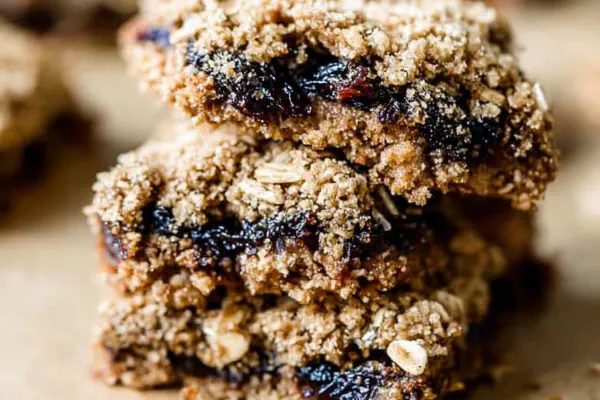
Prune Oatmeal Bars Twist
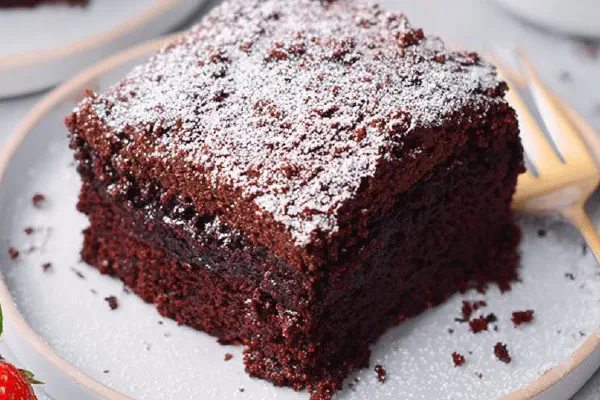
Beet Chocolate Cake Twist

Crunchy Asparagus Tuna Salad
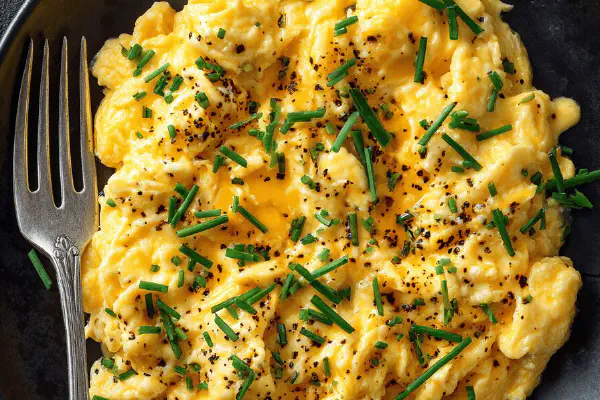
Creamy Soft Scramble
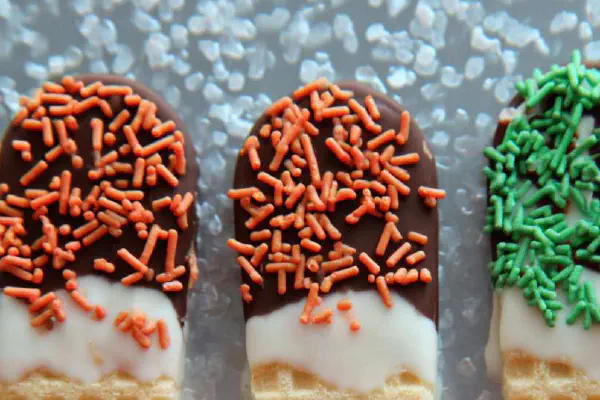
Choco-Almond Sugar Wafers

Tart Citrus Cream Pie
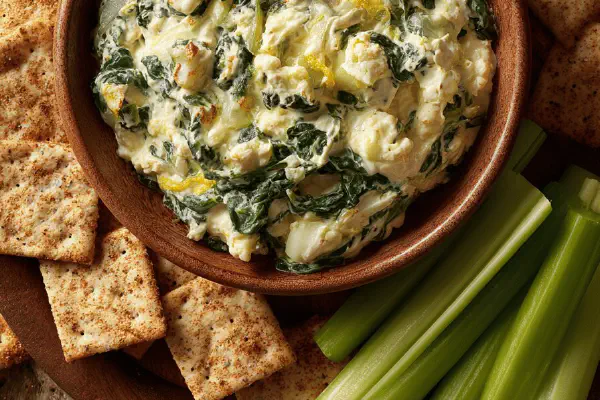
Warm Broccoli Cheddar Dip

Cheddar Jalapeño Cheese Ball
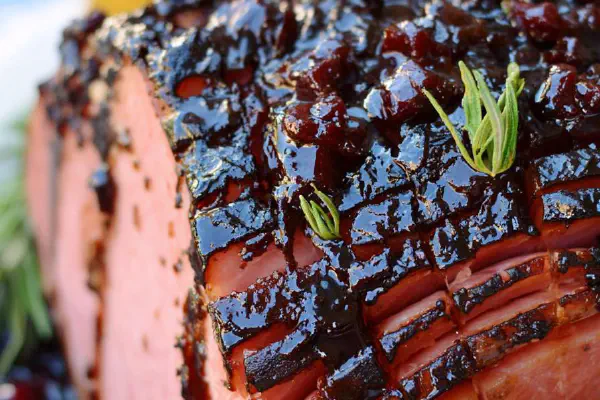
Balsamic Cherry Ham Glaze
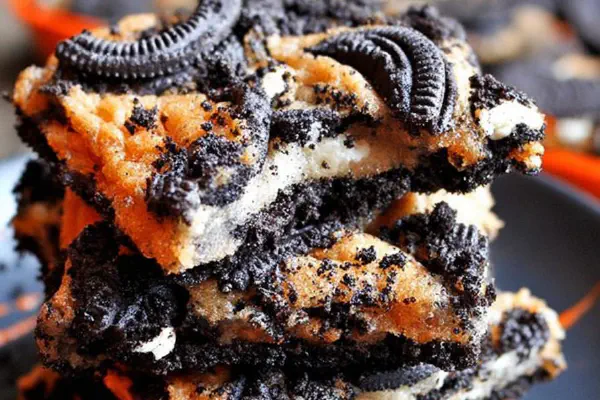
Oreo Chewies Remix

Honey Candied Walnut Shrimp
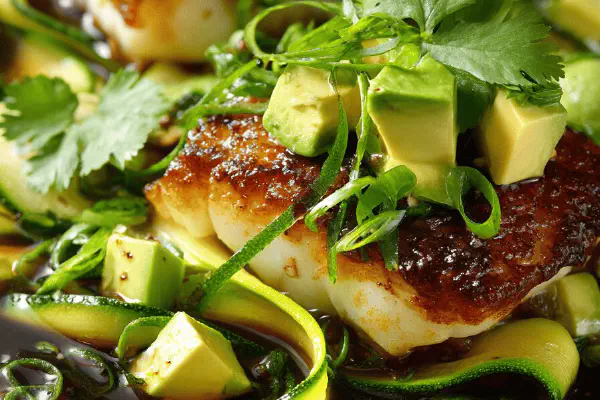
Pan-Seared Cod Ginger Zucchini
Banana Peanut Butter Cheesecake

Twisted Baked Rigatoni
Stuffed Chicken Rolls with Sun-Dried Ricotta
Chicken Ranch Pinwheels
Double Crust Cheesecake Rewrite

Raspberry Mint Iced Tea
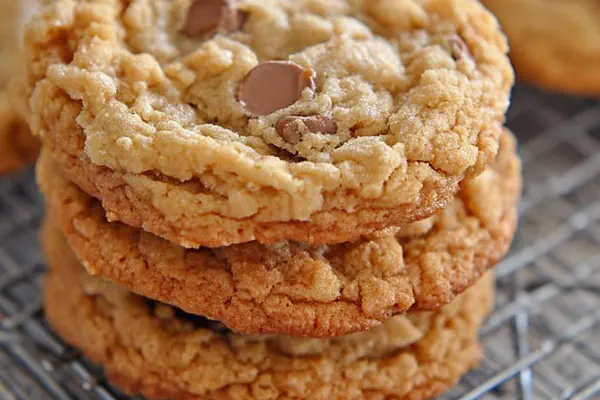
Flourless PB Chocolate Chip Cookies
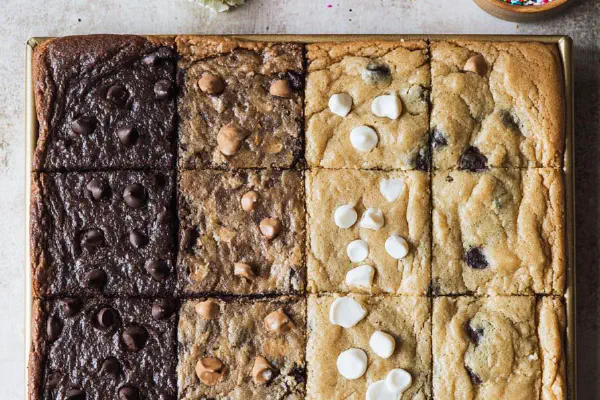
Sheet Pan Mix Cookies

Citrus-Spiced Strawberry Pie
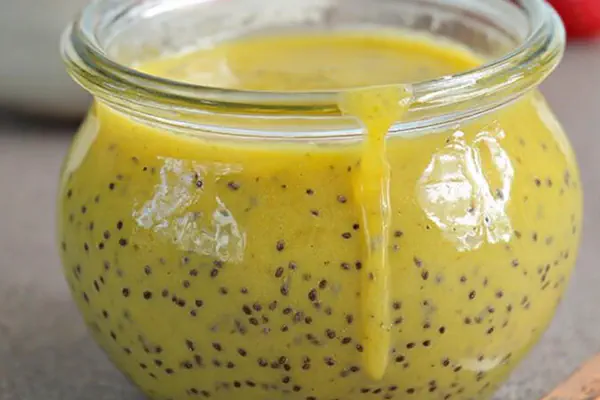
Tangy Poppy Seed Drizzle
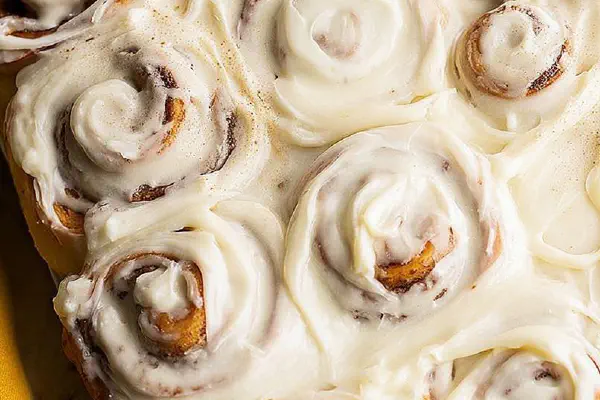
Sheet Pan Cinnamon Rolls Remix
Smoky Maple Bacon Beans

Spiced Shirley Smash
Creamy Marsala Chicken Pasta
