Featured Recipe
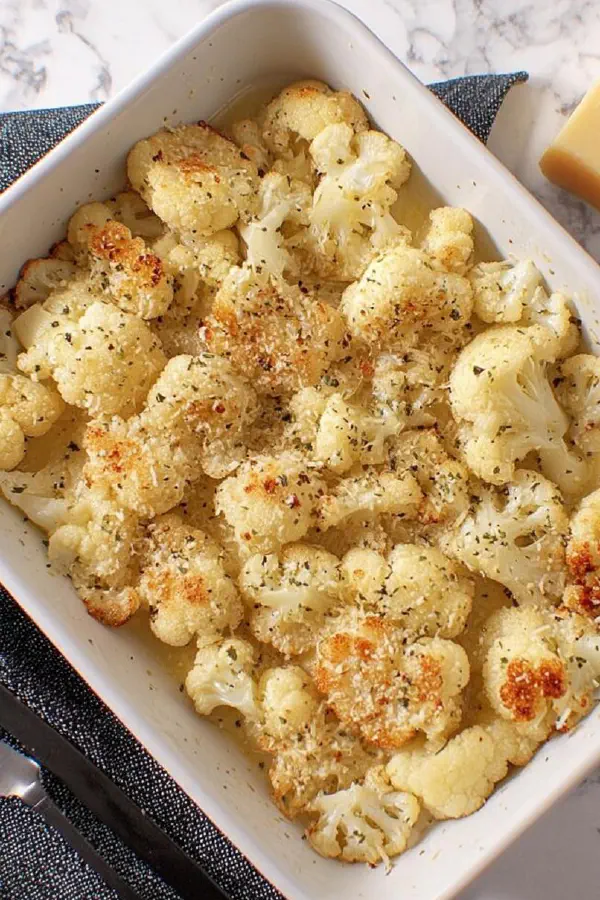
Cheesy Garlic Roasted Cauliflower
By Kate
"
Roasted cauliflower florets tossed in olive oil, aged Parmesan, fresh garlic, and herbs, then baked till tender and slightly crisp on edges. Uses key visual and tactile doneness cues, not just time. Adjust seasoning after roasting. Italian seasoning replaced with thyme and smoked paprika for a smoky twist. Roasting time varies with floret size and oven hot spots. Salt and pepper added after roasting to keep crisp texture. Substitutes include Pecorino Romano for Parmesan, and garlic powder if no fresh garlic. Practical tips on oil amount, roasting sheet selection, and avoiding sogginess included.
"
Prep:
15 min
Cook:
20 min
Total:
35 min
Serves:
4 servings
vegetarian
gluten-free
side dish
healthy
Introduction
Cauliflower roasting often ends in limp results if rushed or overcrowded. Start with the right floret size—medium pieces hold shape, cook evenly without turning mushy or burning. That crackling sound in the oven tells you moisture’s leaving; keep an eye to pull just when edges start to caramelize. Garlic intensity builds during initial whisking but mellows as it roasts—too much upfront garlic can burn and turn bitter. Cheese powder coats, crisps on baking; Pecorino adds sharper tang compared to usual Parmesan. Tossing after roasting with salt locks in contrast between crispy exterior and tender inside. Smoked paprika adds subtle depth, replacing traditional Mediterranean herbs, wakes up your palate with earthiness and warmth. Efficiently using one bowl cuts mess and helps oil distribute better. Parchment vs foil—parchment keeps bottom dry; foil can trap steam causing limpness. Oven temps matter; 410°F with convection speeds browning, but watch closely. Floret size, pan type, oven quirks all influence timing—trust texture, not the clock.
Ingredients
In The Same Category · Perfect Sides
Explore all →
Bacon Mushroom Cornbread Dressing
Green Bean Salad with Red Wine Dressing
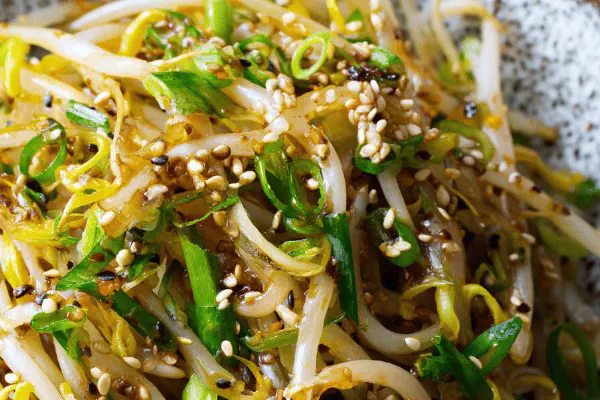
Quick Pickled Bean Sprouts

Potato Purée with Goose Fat
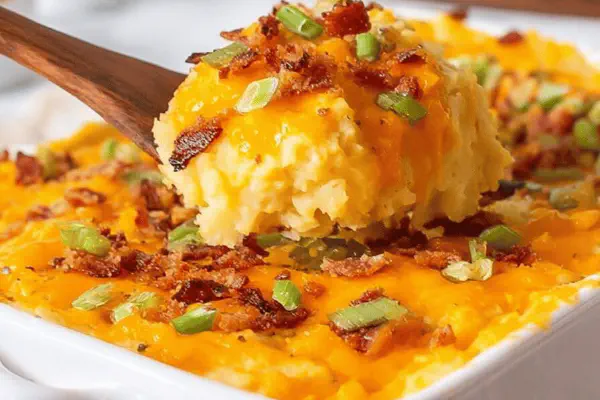
Loaded Twice-Baked Potato Bake
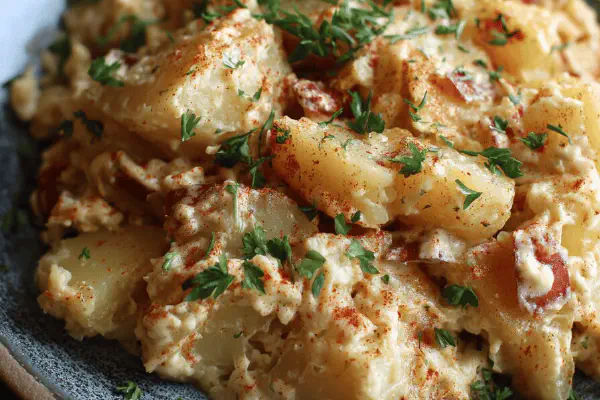
Turnip-Potato Mash Twist
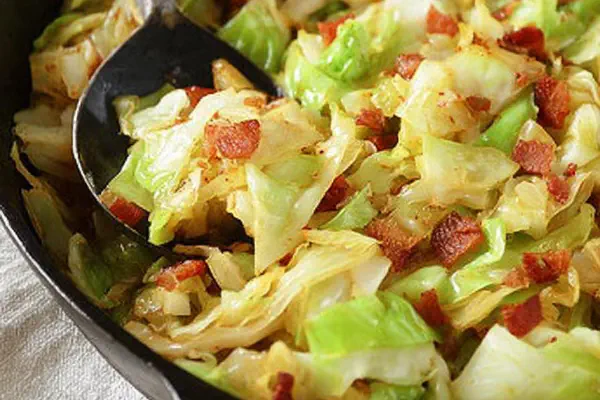
Southern Fried Slaw
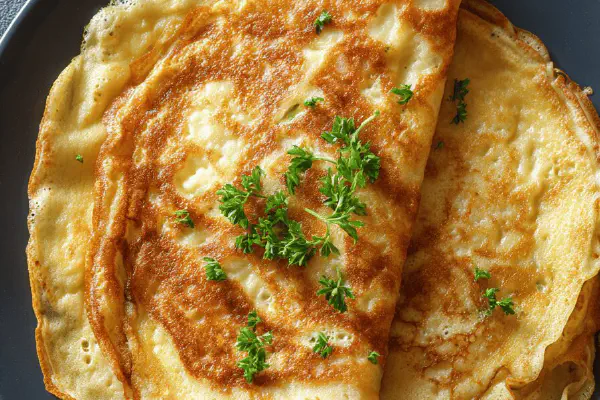
Potato Crêpes Twist

Cabbage Chorizo Slaw Remix
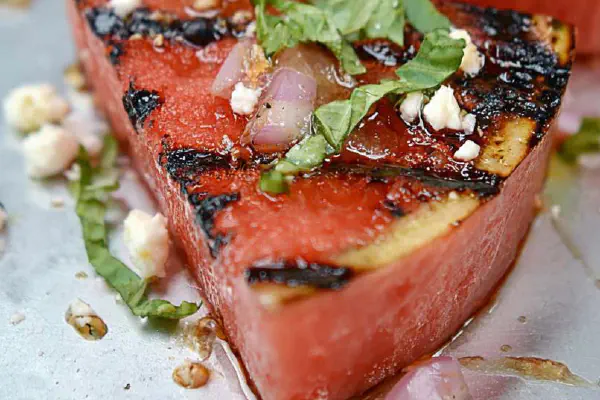
Charred Watermelon Slices
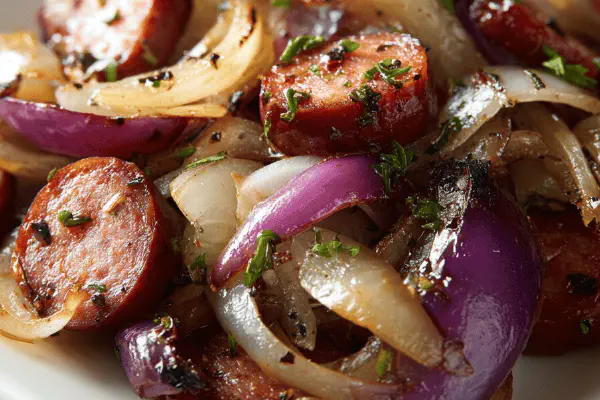
Sautéed Onions and Spicy Sausage
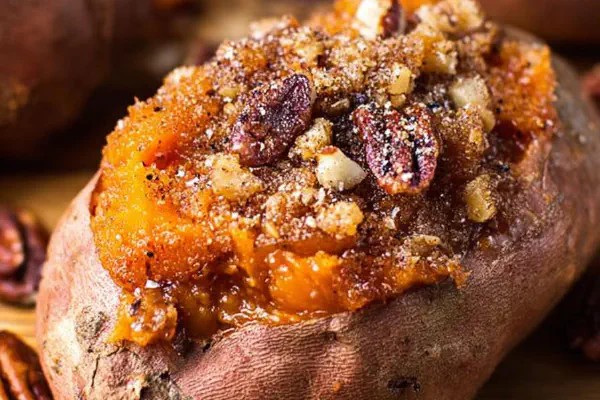
Apple Spiced Stuffed Sweet Potatoes
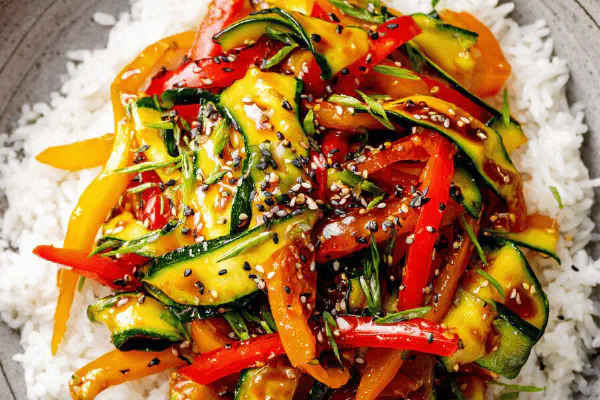
Korean-Style Quick Pickled Veggies
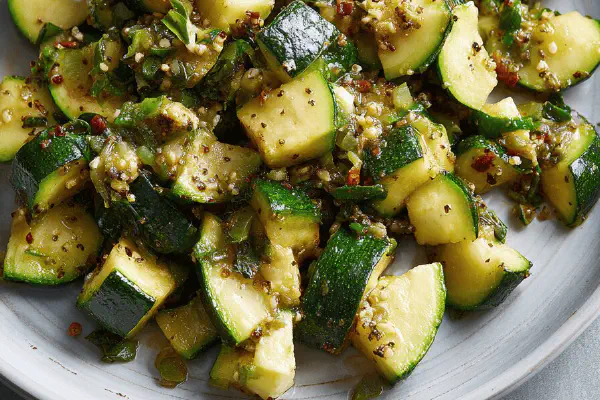
Garlic Sautéed Zucchini Medley
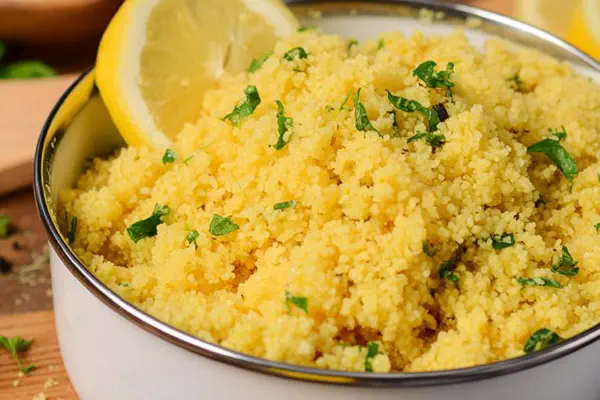
Zesty Herb Couscous
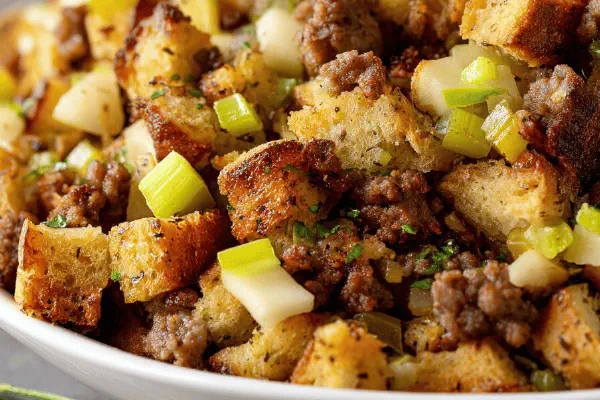
Apple Sausage Stuffing
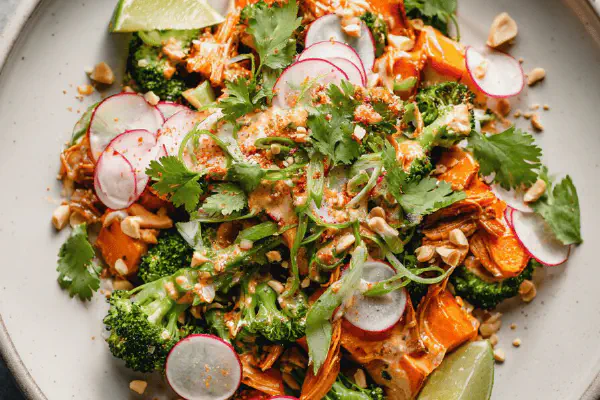
Sweet Potato Broccoli Salad
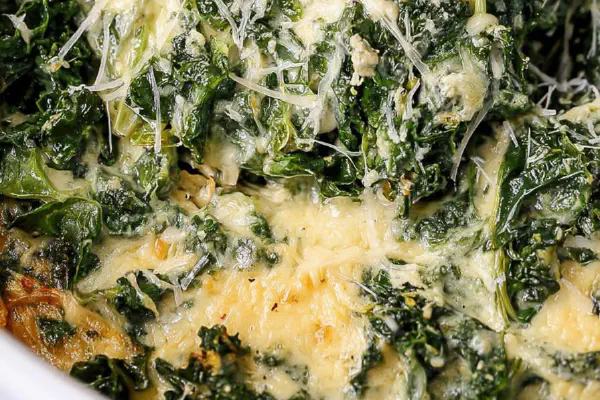
Creamy Kale Gratin Twist
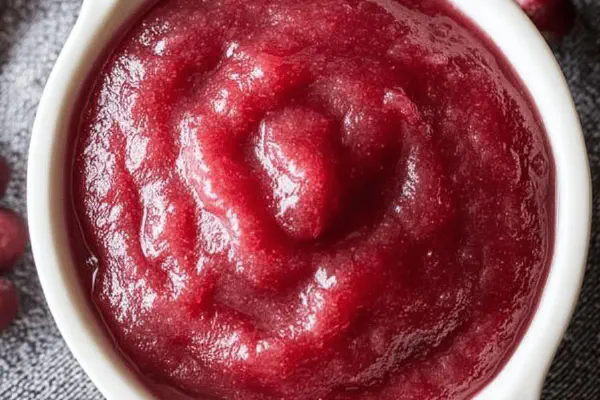
Spiced Cranberry-Apple Sauce
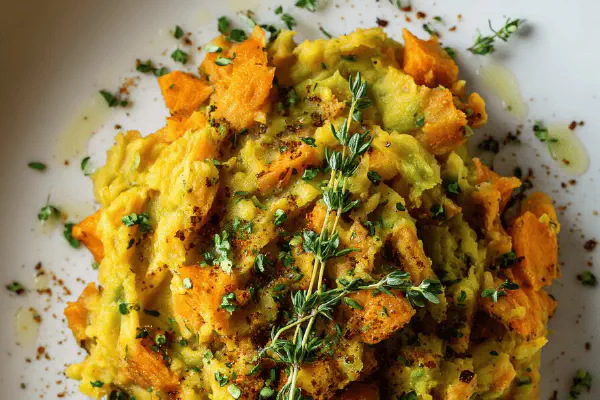
Olive Oil Potato Mash
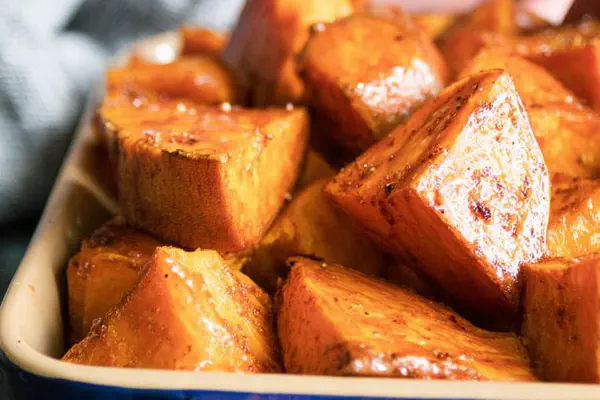
Honey Cinnamon Roasted Yams
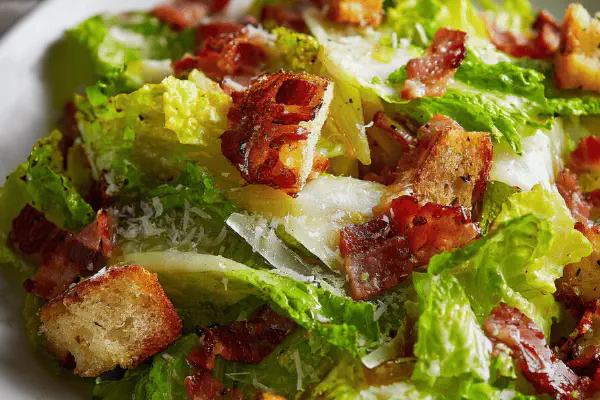
Iceberg Caesar Salad Remix
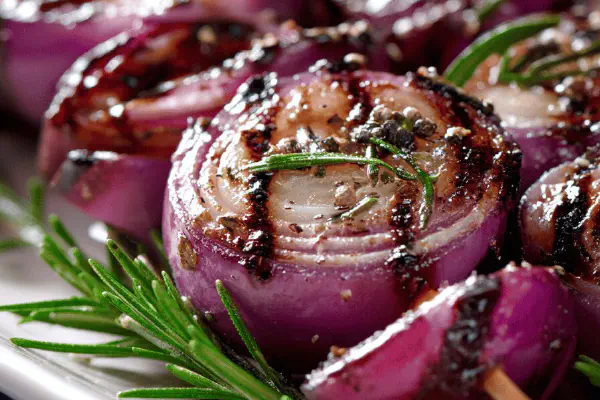
Charred Red Onion Skewers
Twisted Hashbrown Bake
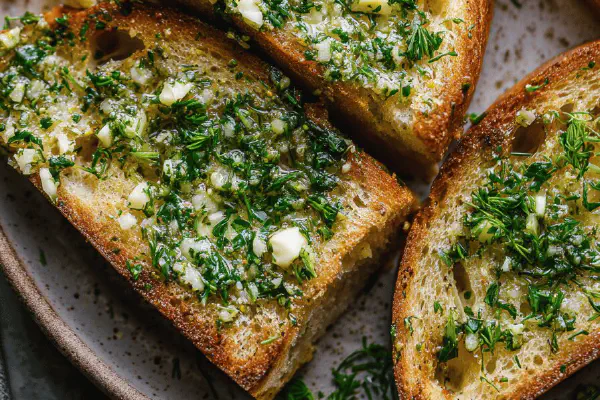
Garlic Herb Butter Toast
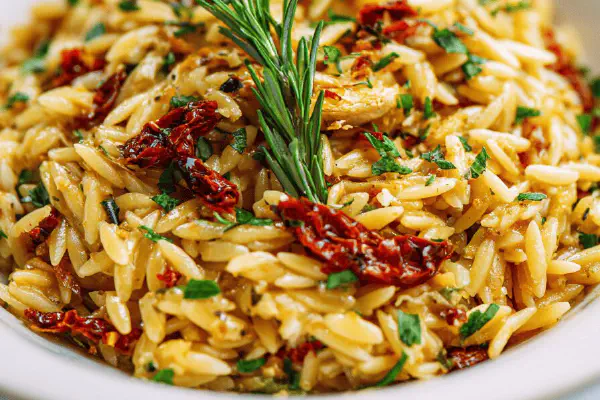
Orzo with sun-dried tomatoes
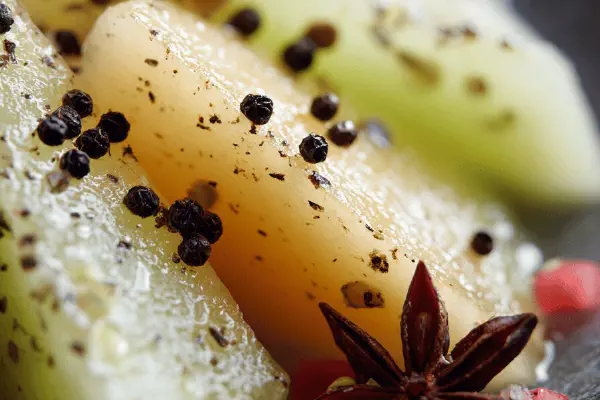
Marinated White Melon Julienne
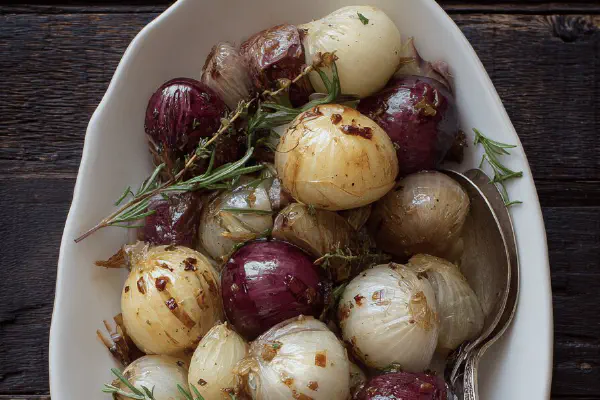
Papillote Trio Onions
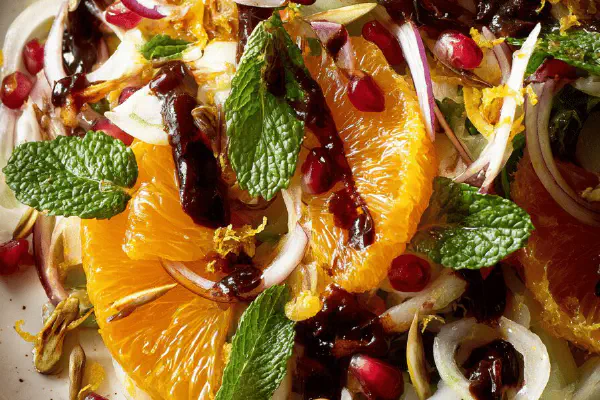
Bitter-Sweet Fennel Orange Salad
About the ingredients
Cauliflower selection matters. Firm heads with tight, unblemished florets roast best. Avoid overly wet or frozen; moisture hinders crispness. Substitute Pecorino Romano with Parmesan if sharper bite undesired. Olive oil must be good quality; bad oils produce off aromas when heated. Garlic can switch to granulated if fresh unavailable, adjust quantity to 1 teaspoon; flavor will be less robust but uniform. Thyme replaced common Italian seasoning bringing woodsy, less sweet notes; smoked paprika adds complexity missing in dried herb blends. Salt held back until roasting protects texture—adding prematurely draws moisture. If allergic to Pecorino or Parmesan, a mild mozzarella (low moisture) can work but expect less crisped topping. Floret size ideally 1.5–2 inches each—too small burns, too large slow roasting and drying. Pan should be wide and low-rimmed to allow air circulation. Don’t overcrowd or steaming dominates, lose that prized roasted bite.
Method
Technique Tips
Preheating oven fully key. Both high heat and dry air essential to caramelize cauliflower sugars releasing nutty aroma. Tossing florets with oil mixture helps distribute cheese and flavor evenly—too little oil yields dry florets, too much pools and steams. Use large enough bowl for tossing without crushing florets. Spread cauliflower in a single layer on parchment-lined sheet pan; promotes cleaner flip if needed, avoids sticking. Roasting 18 to 23 minutes total varies with oven calibration and floret size—check doneness visually and by fork test. Pull when centers pierce easily and edges golden to deep yellow/brown but not burnt. Removing from oven immediately and seasoning with salt and pepper prevents sogginess by avoiding water migration. Optionally add chile flakes post-roast for heat contrast. Reheating revives textures best in dry heat—oven or skillet preferable to microwave. Watch for smoky burnt garlic bits; if you find too bitter, reduce garlic next time or stir halfway through roasting. Work quickly from mixing to roasting to keep garlic pungent but not burned.
Chef's Notes
- 💡 Choose firm heads of cauliflower. Look for tight florets. Avoid wet or frozen; moisture spoils crisping. Cut into 1.5-2 inches. Small will burn, large slow cook.
- 💡 Use a large bowl for tossing. Helps distribute oil and cheese evenly. Too much oil? It'll steam. Too little and florets dry out. Balance is key.
- 💡 Watch oven temp. 410°F great for browning. Use convection if possible; traps heat better. Keep an eye on doneness. Timing varies with floret size.
- 💡 Seasoning after roasting counts. Salt draws moisture; adds only once out. Pepper, garlic intensity changes while cooking. Adjust post-roast for best flavor.
- 💡 Leftovers? Don't microwave. Oven or skillet revives texture. Crispy bits gone in the microwave. Use dry heat; retains that roasted edge.
Kitchen Wisdom
Why does my cauliflower get soggy?
Overcrowding is a main culprit. Steam builds up. Air circulation matters. Use parchment; avoids sticking.
What if I can't find Pecorino?
Parmesan can step in. Different flavor notes. Use similar amounts. Not as sharp but works fine. Even mozzarella for milder taste.
How can I ensure crispy edges?
Proper oil coating prevents steaming. Keep florets spaced. Watch for browning at edges; that's your texture indicator.
How should I store leftovers?
Fridge in an airtight container works. Lasts 3 days. For best texture, reheat in oven or skillet. Avoid the microwave.
You’ll Love These Too
Explore all →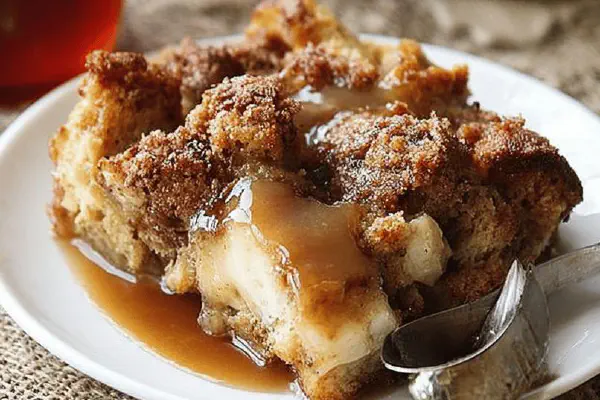
Twisted Bread Pudding
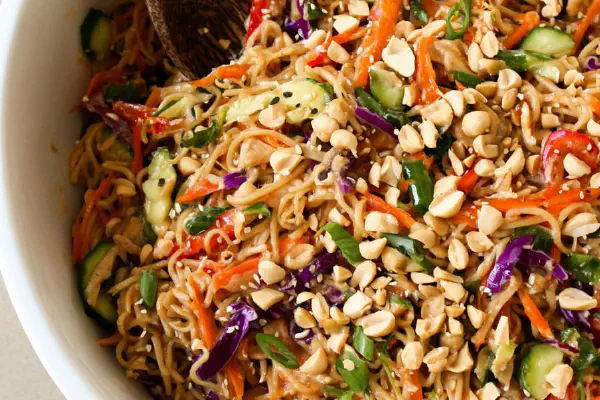
Chilled Peanut Noodle Salad

Lemon Raspberry Scones
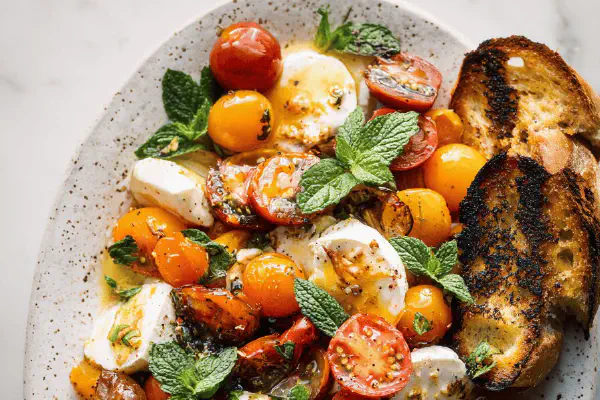
Silken Tofu Caprese Twist
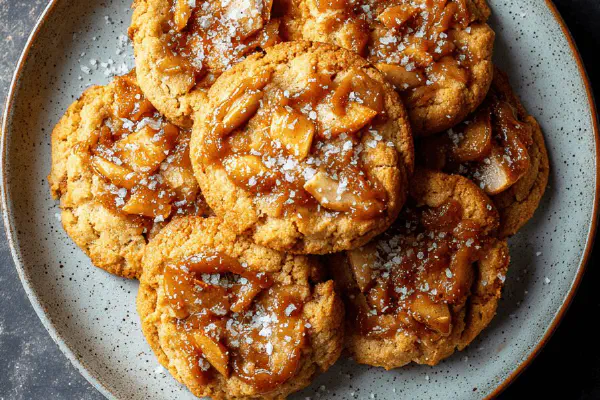
Apple Caramel Cookies Twist
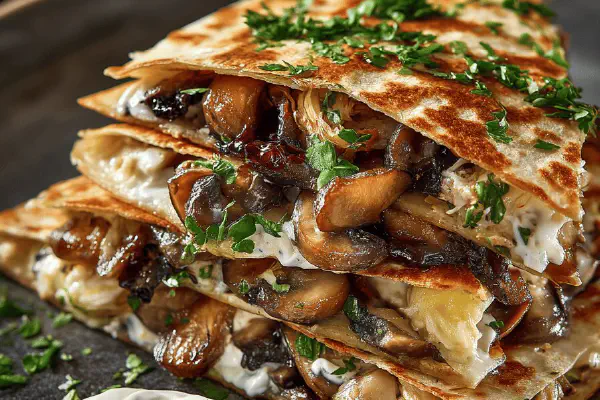
Turkey Mushroom Quesadillas
Smoky Lima Beans
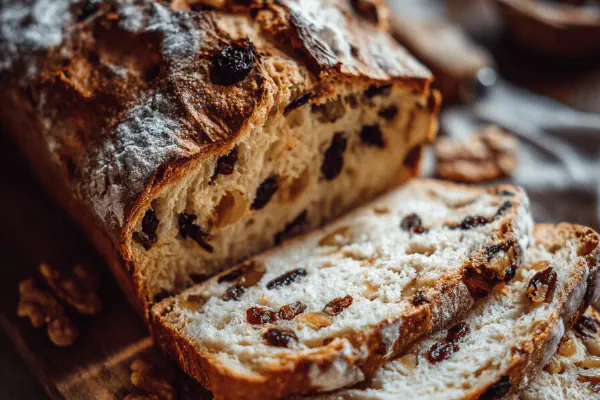
Twisted Kouglof

Frozen Citrus Tequila Slush

Spiced Rye Manhattan Twist
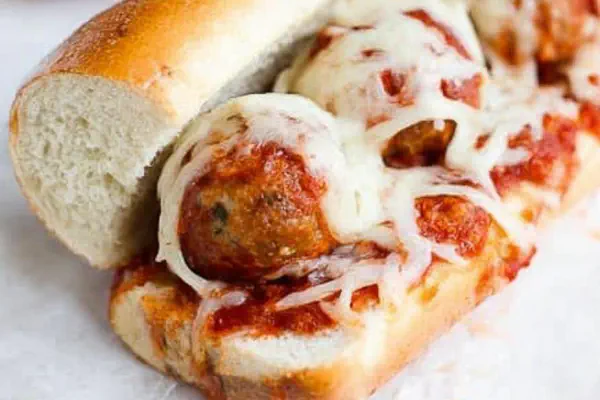
Savory Meatball Subs
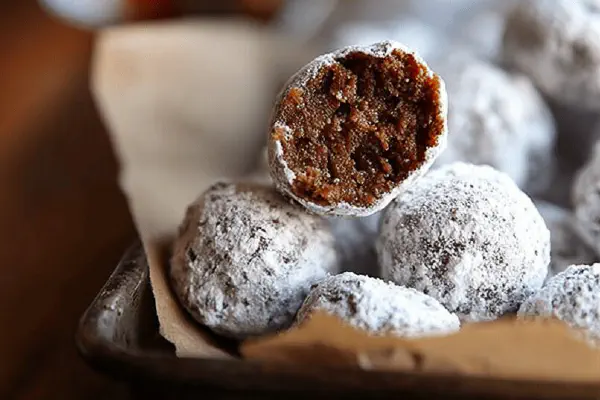
Boozy Cocoa Balls
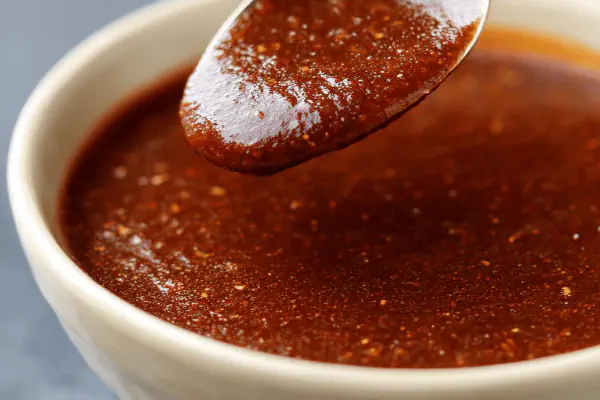
Smoky Kentucky BBQ Sauce

Cauliflower Cream Verrines
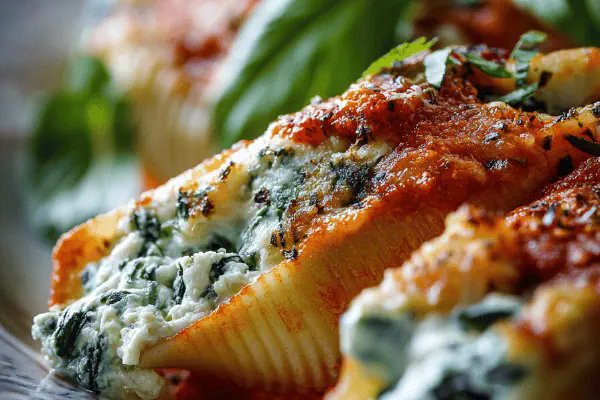
Stuffed Shells with Spinach Ricotta
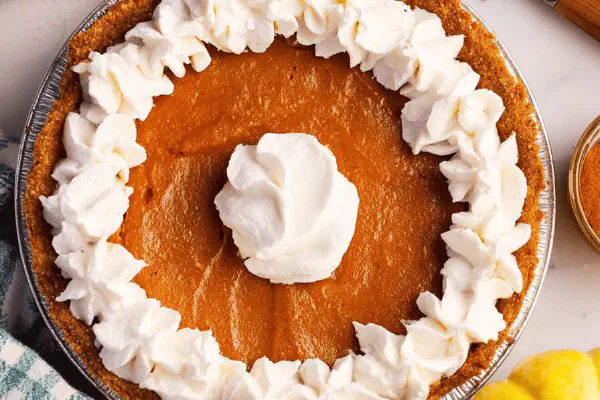
Sweet Potato Pie Twist
Korean-Style Quick Pickled Veggies

Garlic Citrus Emulsion
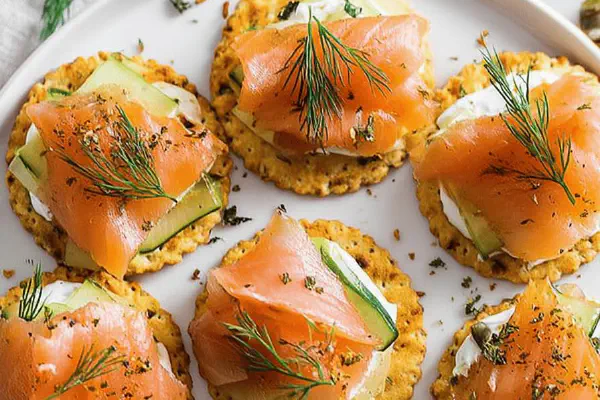
Smoked Salmon Pesto Bites
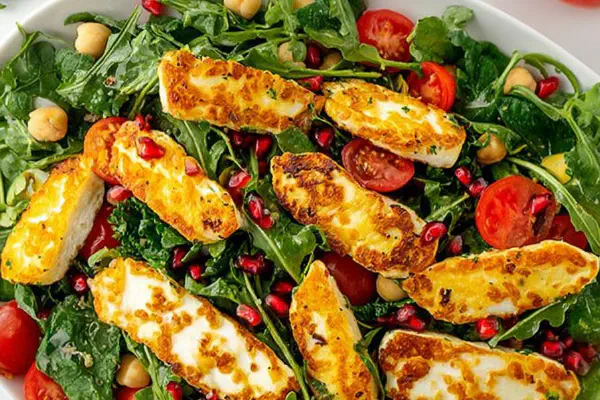
Crispy Halloumi Chickpea Salad

Grapefruit Ginger Tonic
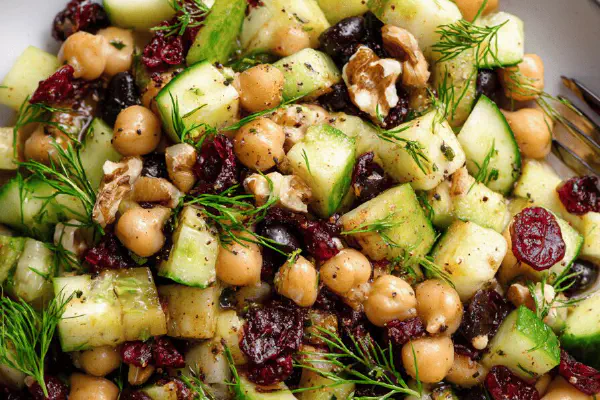
Legume Apple Cranberry Salad
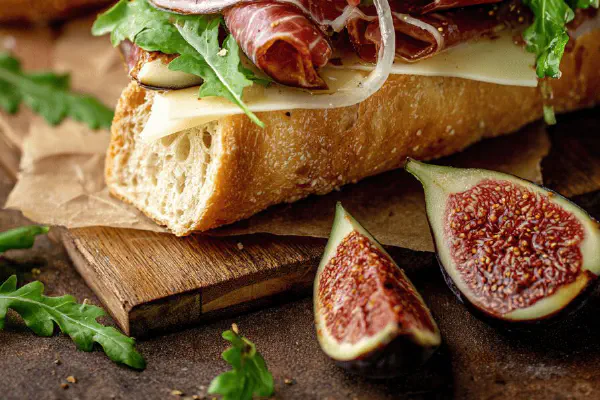
Fig Prosciutto Baguette
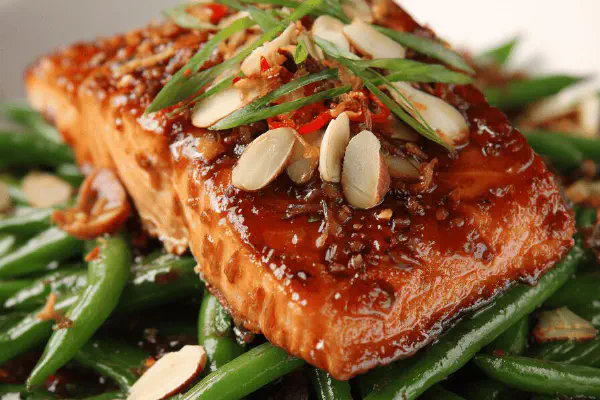
Salmon Teriyaki Twist
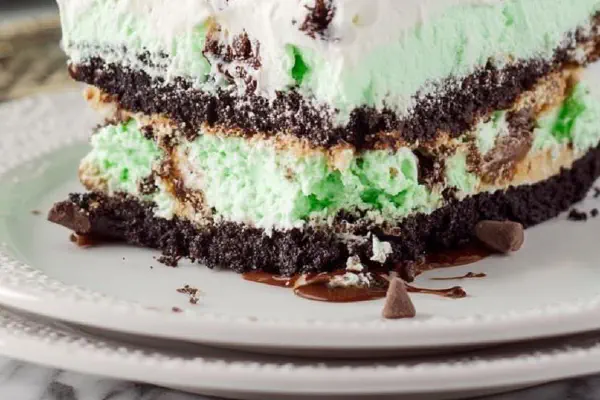
Mint Chocolate Chip Ice Cream Cake
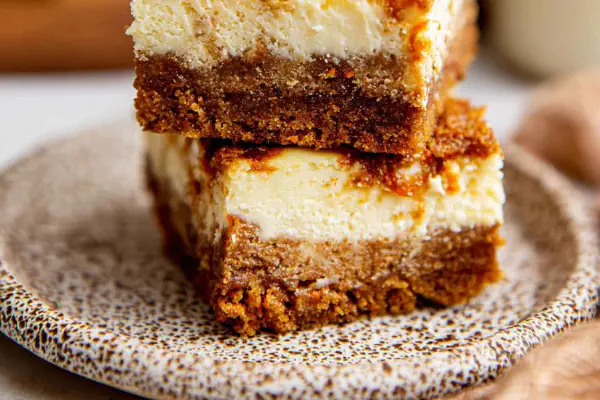
Spiced Carrot Cheesecake Bars
Lemon Blueberry Quick Bread

Sicilian Style Walleye Clams
Beer-Battered Fried Green Tomatoes