Featured Recipe
Cheesy Spinach Artichoke Pizza

By Kate
"
A crispy pan pizza topped with spinach and artichoke blended in cheeses plus a hint of mayo for creaminess. Fast roast at high heat for bubbly golden crust edges. Balanced sharp parmesan and melty mozzarella. Garlic powder and onion powder deepen flavor. Sauteed spinach drained to avoid sogginess. Artichoke hearts layered twice for texture and flavor contrast. Substitute Greek yogurt for mayo to cut fat or swap mozzarella for fontina for nuttier tone. Watch crust color and bubbling cheese not just time. Easy midweek pizza with pantry staples and fresh herbs. Serves eight hungry or four very hungry people.
"
Prep:
20 min
Cook:
25 min
Total:
45 min
Serves:
8 servings
pizza
italian-american
spinach
artichoke
weeknight meal
Introduction
Crisp crust, creamy cheesy spinach-artichoke blend for topping. Not your typical pizza with just marinara and cheese. Swap mayo with Greek yogurt if watching calories but mayo adds silk and browns nicely. Artichoke hearts double-layered for bite and to keep moisture under control. Spinach sautéed, press moisture out or dough slips into soggy territory. Don’t eyeball the bake time; watch crust and cheese bubbles. That golden edge snaps and cheese should bubble without turning brown like burnt rubber. Perfect for weeknights when you want decent home pizza without delivering local joint takeout. Prep straightforward, mixing flavors, rolling dough, layering thoughtfully. Easy to personalize. Parmesan lends pop and salt; mozzarella stretches and melts. Swap mozzarella with fontina or provolone for sharper taste. Parsley finish freshens the rich topping. Gluten-free dough works but expect texture change. Bake on stone or baking sheet with parchment makes cleanup easier and promotes even cooking. The difference between good and great pizza often in small details: drained spinach, loosened topping, edge rim thickness, and oven temp.
Ingredients
In The Same Category · Flatbread Creations
Explore all →About the ingredients
Use fresh or frozen spinach depending on what’s on hand. Frozen must be fully thawed and squeezed dry; extra water ruins crust texture. Artichoke hearts canned in brine preferred for flavor, but marinated can add extra zing—adjust salt accordingly. Cream cheese gives creaminess but swap for ricotta if you like chunkier texture. Mayonnaise adds moisture and browning, can be replaced with plain Greek yogurt to reduce fats; expect slightly less browning from yogurt due to different sugar content. Mozzarella choice important—low moisture whole milk mozzarella melts better and avoids oily pools. Parmesan freshly grated packs more punch versus pre-grated. Parsley garnish is not decorative fluff—adds freshness that cuts richness. Olive oil thinning helps make dough flexible when rolling and adds flavor; oil on crust edge pre-bake contributes crisp shade and slight chew. Salt and pepper quantities should be balanced to avoid overpowering the delicate artichoke. Garlic and onion powders build depth without lumps caused by fresh minced garlic which can burn. Adjust quantities flexibly when scaling servings.
Method
Technique Tips
Starting hot oven crucial; 460 degrees gives fast crust rise and crisp. Rolling dough too thin risks tearing and chewy crust. Creating thick edge traps toppings and offers a handle when eating. Sauteing spinach briefly removes raw bitterness and excess moisture while releasing aromas—you’ll smell it soften. Cooling spinach before mixing so cheese doesn’t melt prematurely keeps texture intact. Mixing cheeses with mayo and cream cheese creates a stable topping that won’t run off dough during bake. Spreading evenly but not overcrowded ensures crumb structure cooks through. Double cheese layering adds melty texture but keeps topping moist and visually appealing. Baking in center rack avoids overbrowning bottom or top. Visual cues matter more than exact time; golden caramelized crust edges with bubbly cheese underneath means done. Let rest on wire rack before cutting to firm up. Use serrated or bench knife if wheel drags toppings. Storing leftovers wrapped keeps freezing moisture out. Reheat using dry heat oven helps restore crispness versus microwave which softens crust. Troubleshoot soggy crust by pre-baking dough or using less wet toppings next time.
Chef's Notes
- 💡 Always preheat oven to 460 F. Hot means fast rise and crispness. Roll dough thick enough, 1 inch edge keeps toppings. Frozen spinach needs squeezing to avoid wet dough.
- 💡 Use low moisture whole milk mozzarella. It melts beautifully, avoids greasy puddles. Parmesan should be fresh grated. Swap cream cheese for ricotta if chunkier is more desired.
- 💡 Watch for visual cues. Cheese should bubble, not scorch. Crust edges need golden brown. Use a spatula to lift crust occasionally, check bottom for doneness, sogginess.
- 💡 Double check moisture levels. Too much will wreck crust texture. If pizza soggy, pre-baking crust a few minutes next time can help. Keep toppings spread out.
- 💡 Fresh parsley at the end brightens the rich topping. Garlic and onion powders deepen flavor without needing fresh. Olive oil drizzle around edges before baking adds crunch.
Kitchen Wisdom
Can I use frozen spinach?
Yes, but must squeeze out moisture first. Otherwise, the crust gets soggy. Choose thawed but dry.
What if my pizza crust is soggy?
Solution is two-fold. Pre-bake crust before adding toppings. Or don’t overdo wet ingredients.
Can I store leftovers?
Wrap tightly in the fridge, keeps moisture out. Reheat in the toaster oven. Avoid microwave; it softens crust too much.
What types of cheese can I substitute?
Swap mozzarella for fontina for nuttier flavor. Provolone can work too but taste shifts.
You’ll Love These Too
Explore all →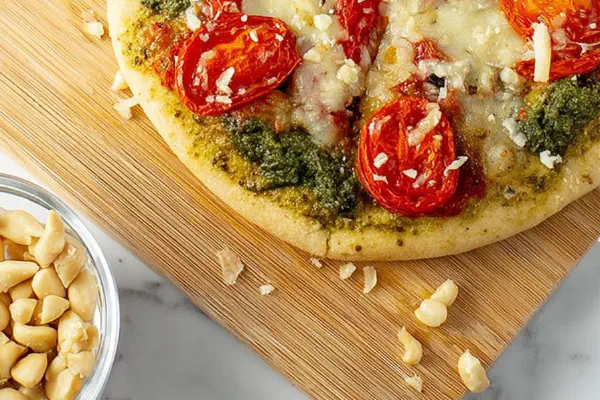
Spinach Tomato Pesto Pizza
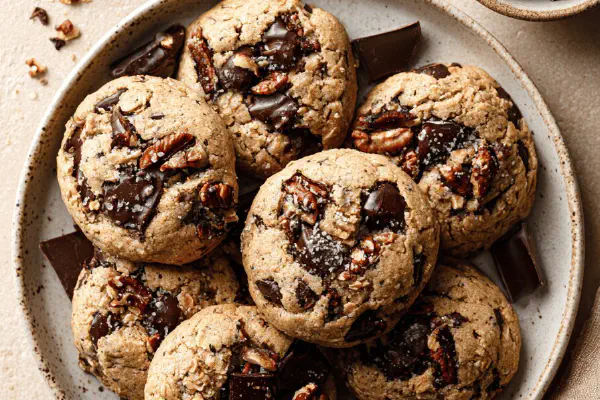
Soft Chocolate Chip Cookies

Scrambled Sausage Breakfast Tacos
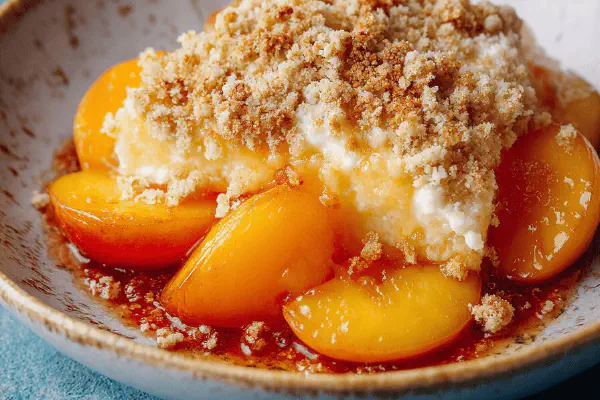
Nectarine Apricot Pouding-Croustade
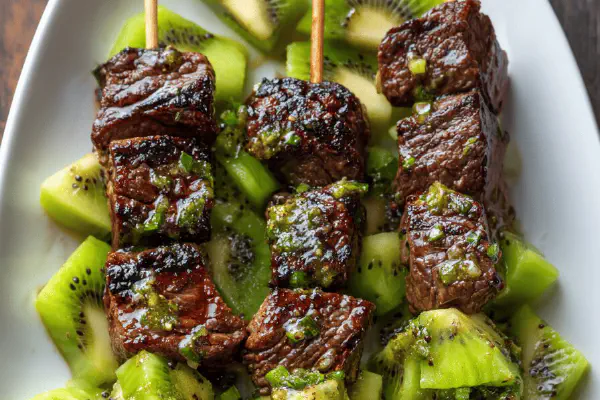
Korean Beef Kiwi Skewers
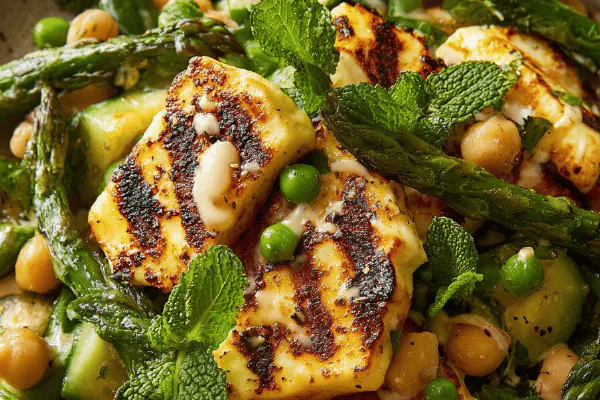
Grilled Halloumi Chickpea Salad
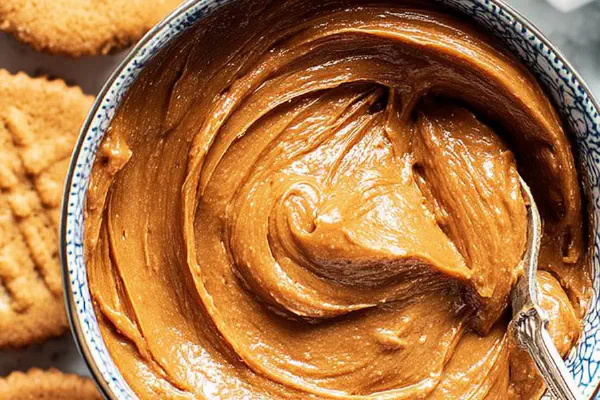
Crunchy Cookie Butter Spread
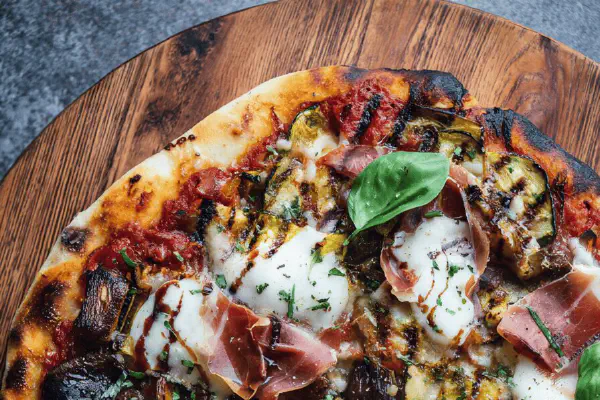
Grilled Veg & Prosciutto Pizza
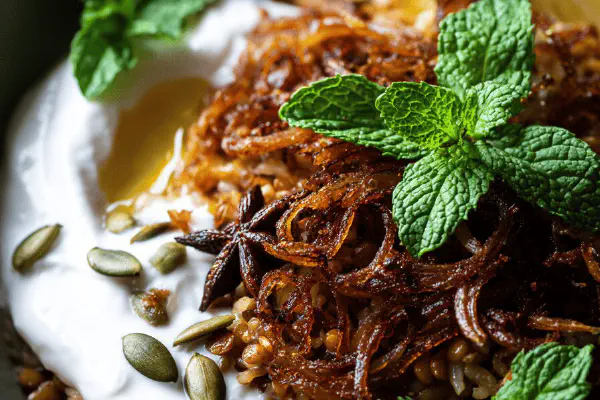
Brown Rice Lentil Bowl
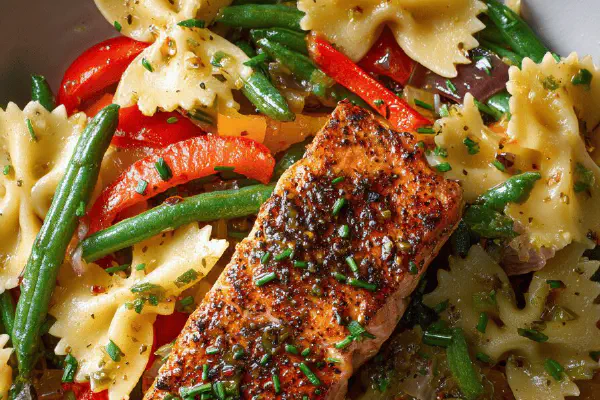
Farfalle with Salmon and Veggies
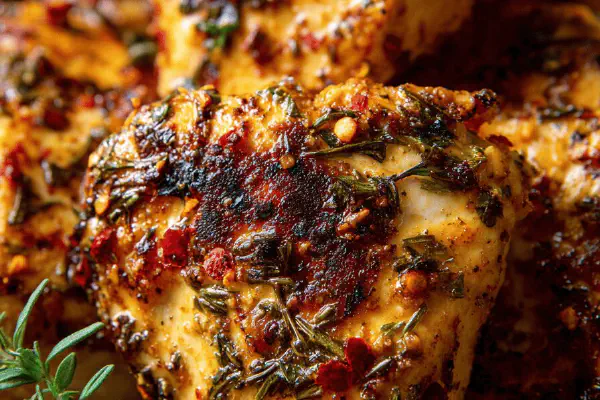
Twisted Shish Taouk Marinade
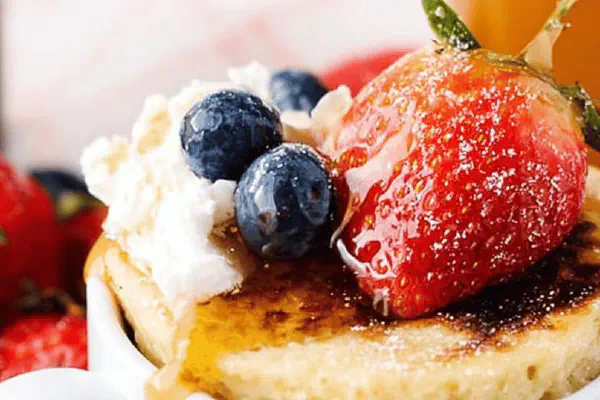
Microwave Mug Pancake Remix
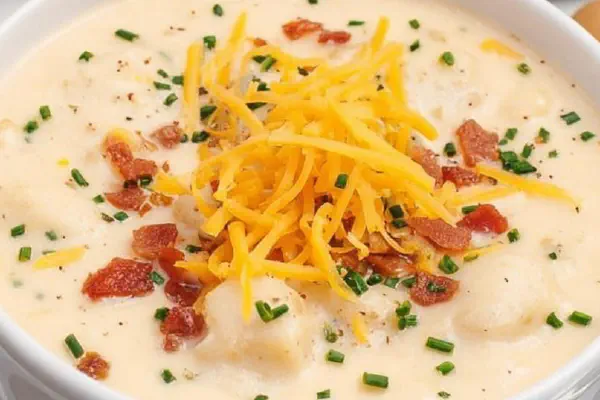
Hearty Crockpot Potato Chowder
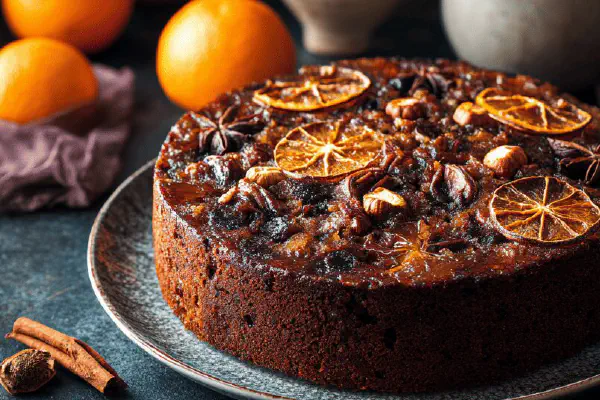
Skillet Fruit Cake Twist
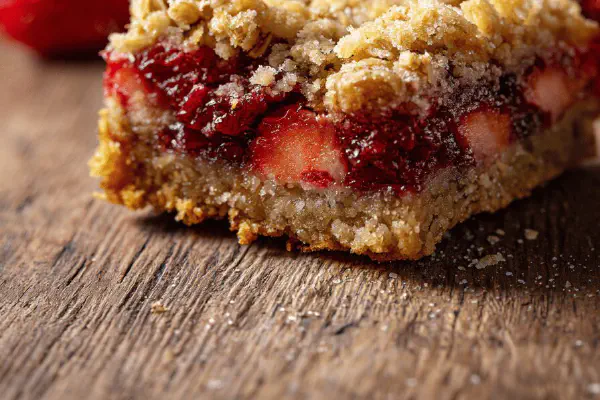
Strawberry Oat Crisps
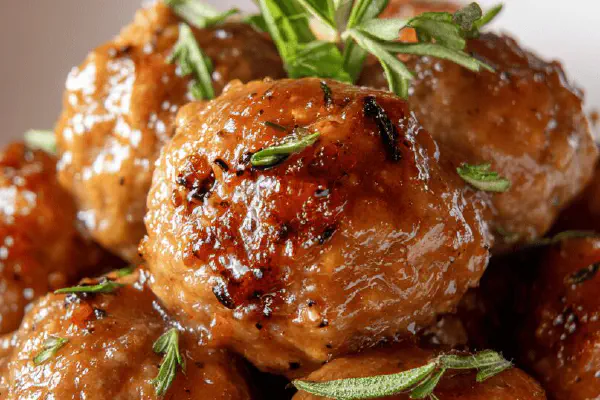
Honey-Glazed Turkey Meatballs with Apples

Spiced Maple Popcorn Mix
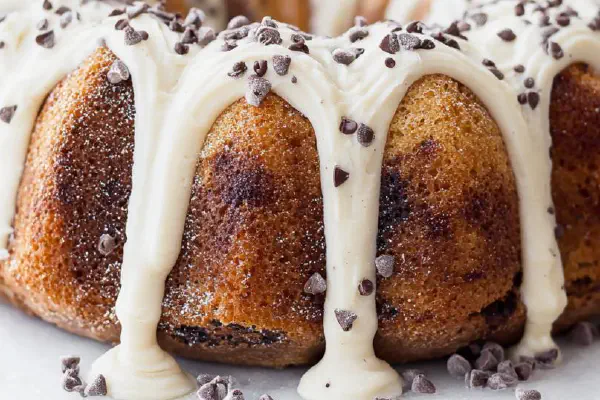
Chocolate Chip Swirl Bundt Cake

Amaretto Ginger Fizz
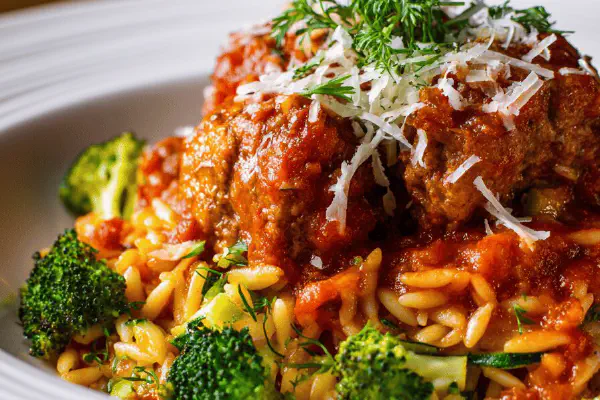
Sausage Zucchini Orzo Bake

Cinnamon Whiskey Truffles
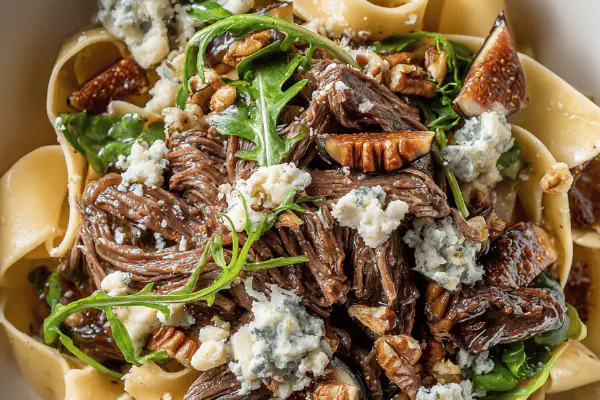
Braised Beef Pappardelles
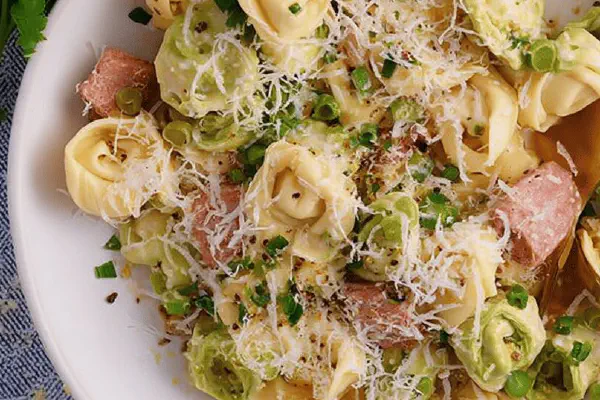
Creamy Tortellini Ham
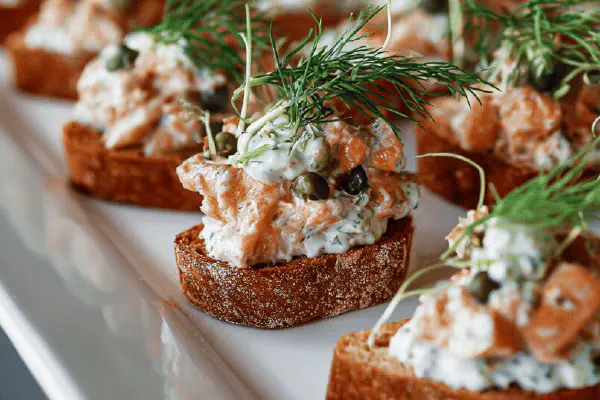
Salmon Rillette Canapés
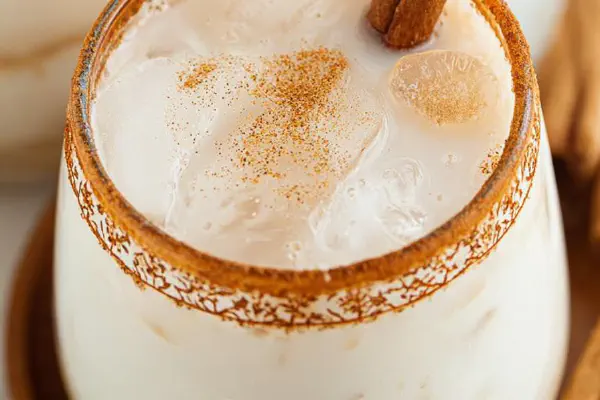
Cinnamon Almond Horchata
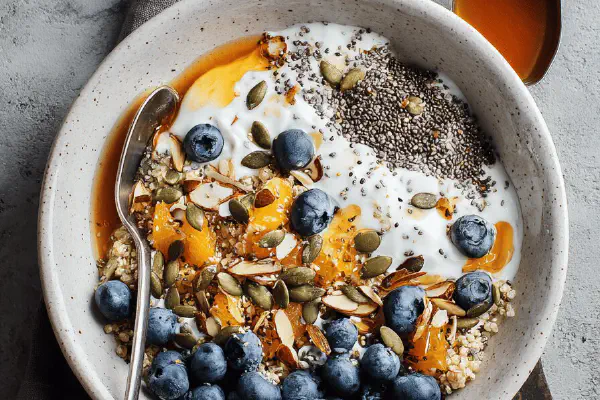
Kefir Berry Breakfast Bowls
Duck Breasts with Leeks and Roasted Onions

Twisted Espresso Martini
Tangy Herb Slaw