Featured Recipe
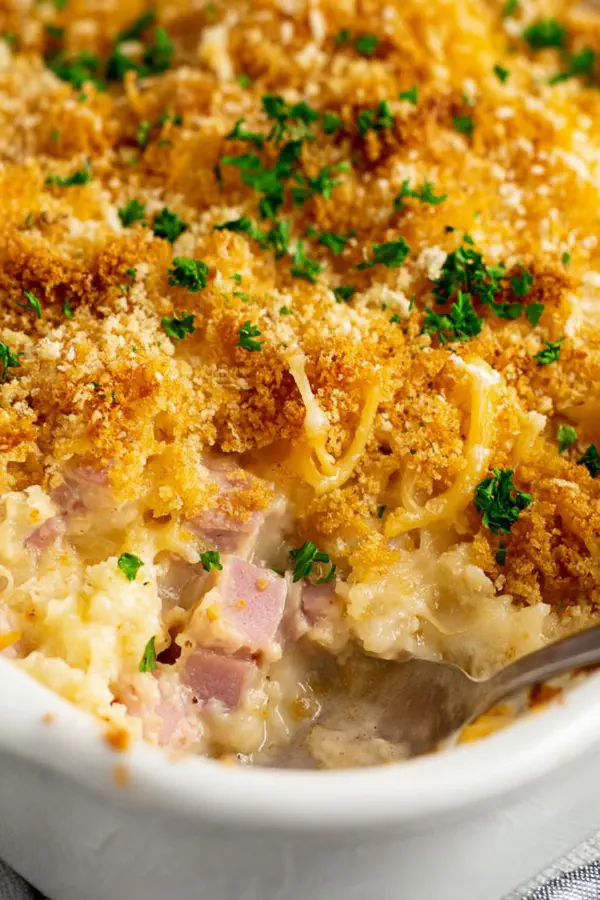
Chicken Ham Cheese Bake
By Kate
"
A hearty layered casserole combining cooked chicken and deli ham with a creamy, cheesy sauce spiked by Dijon mustard and lemon juice. It gets a crunchy butter-herb topping for texture contrast. Melt butter, sauté garlic, form a roux by whisking in flour, then add milk and seasonings for a velvety sauce base. Cheese folds in off heat to avoid curdling. Chicken and ham spread evenly, smothered in sauce. Optional crispy topping of butter, Italian herbs, garlic powder. Baked uncovered until bubbling and golden, then rested before serving. Practical substitutes suggested for cheese and mustard. Timing cues pegged to aroma, sauce thickness, and breadcrumbs golden hue.
"
Prep:
10 min
Cook:
35 min
Total:
45 min
Serves:
8 servings
dinner
casserole
comfort food
chicken dish
Introduction
Ditch sloppy sauces and soggy textures. Start with firm cooked chicken—leftover roast or poached works best; dry store-bought rotisserie okay, but add moisture elsewhere. Ham adds salty punch and bite contrast; thick-cut deli ham or finely diced cooked ham hocks both welcome. Sauce begins with a well-made roux, that whisk and bubble step critical to avoid lumps. Garlic sweats briefly releasing aroma; burnt garlic ruins sauce. Use full-fat milk for richness; skim makes sauce flat. Dijon and lemon juice add bright acidity to cut cheese heaviness. Combining Gruyere and Pecorino Romano substitutes Swiss and Parmesan with twists on nutty, tangy profiles. The butter-herb breadcrumb topping adds crunch, textural variation—don’t skip, but monitor closely to avoid blackened bitterness. Resting after baking isn’t just tradition—it firms sauce to avoid lava-like burns on first bite.
Ingredients
In The Same Category · Hearty Mains
Explore all →
Twisted Corned Beef Hash
Caprese Chicken Twist
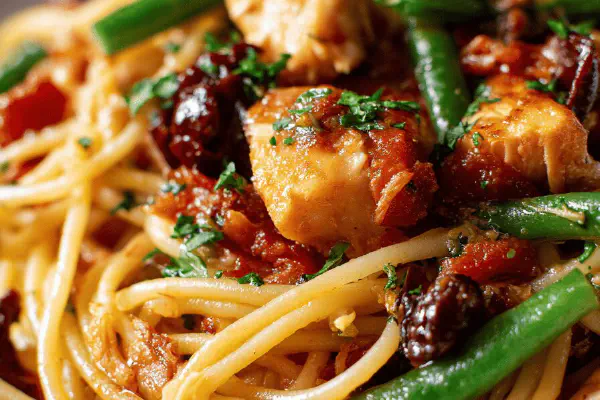
Cod Spaghettinis Green Beans
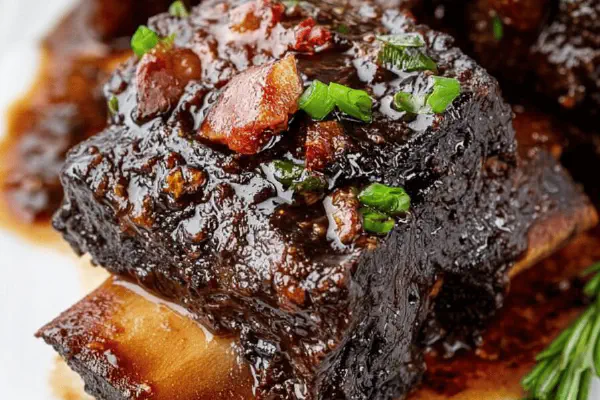
Honey Ginger Braised Ribs
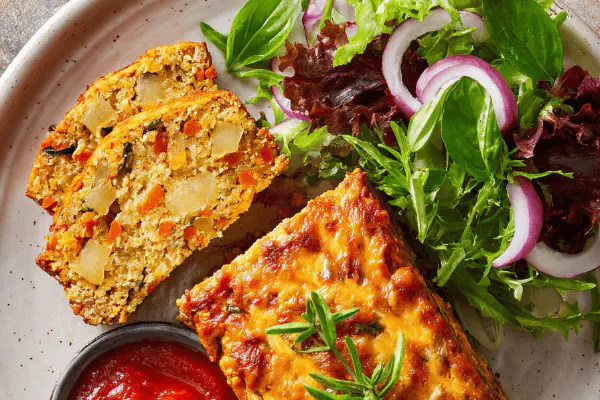
Cheesy Veggie Legume Loaf
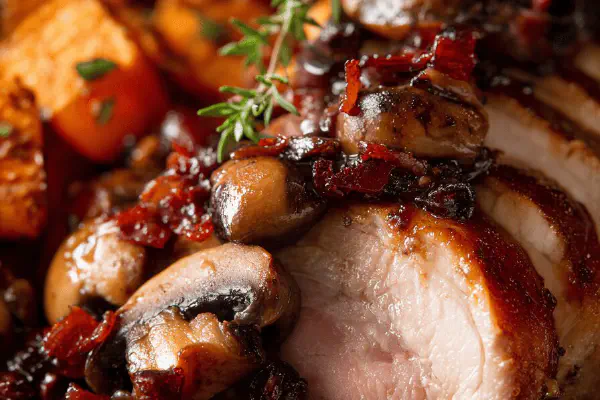
Pork Rack Squash with Mushroom-Cranberry Sauce
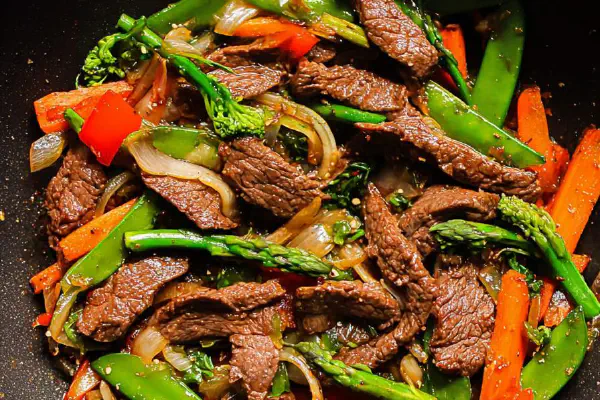
Tender Beef Veggie Stir Fry
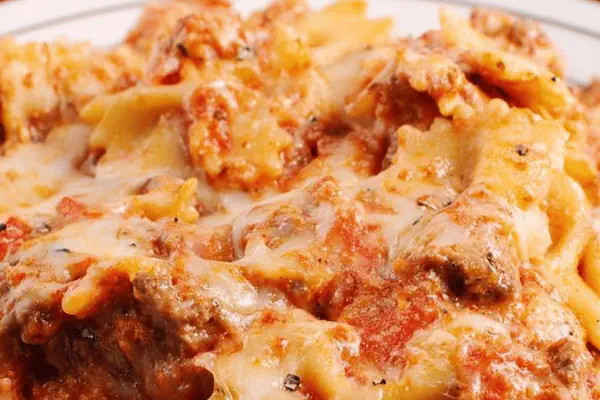
Twisted Bowtie Lasagna
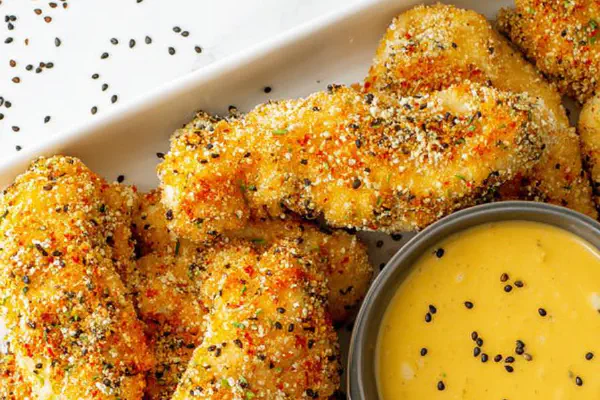
Crunchy Herb Chicken Strips
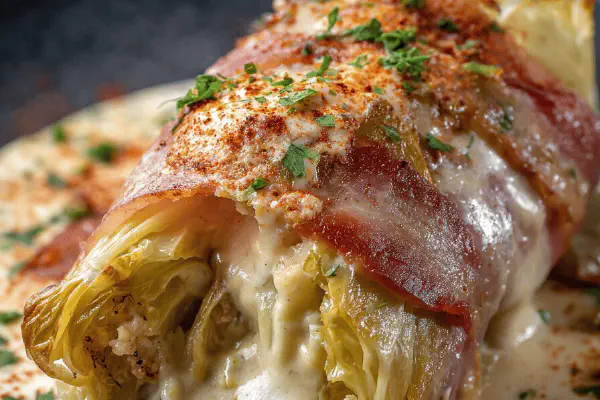
Ham Endive Gratin Twist

Oven-Baked Beef Patties
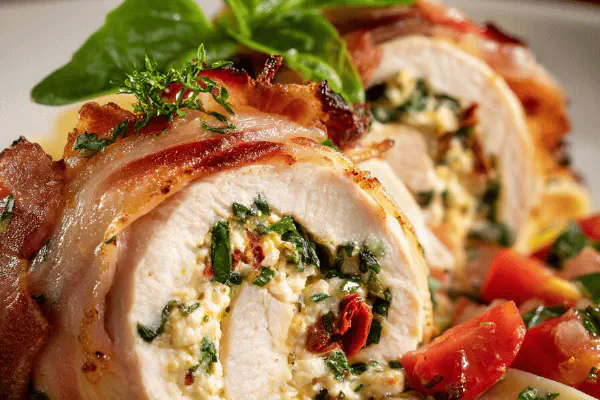
Stuffed Chicken Rolls with Sun-Dried Ricotta

Creamy Shrimp Alfredo Remix
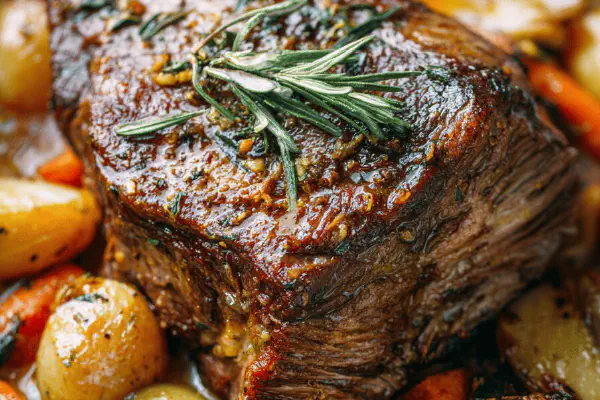
Veal Stew Sweet Potatoes
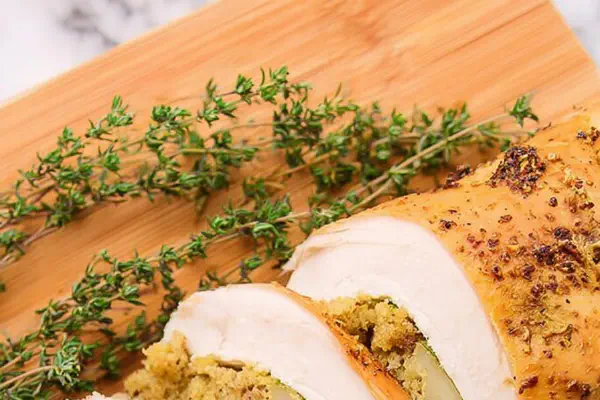
Stuffed Turkey Roulade
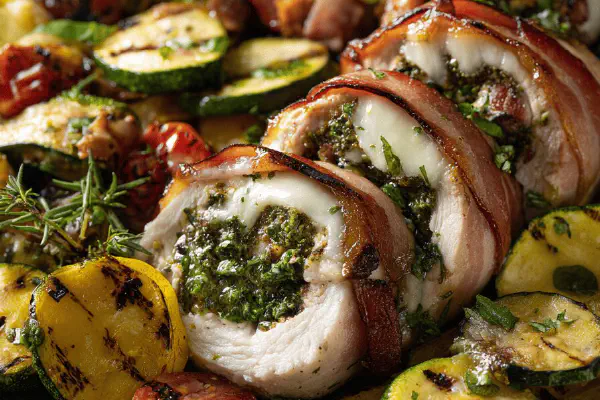
Chicken Roulades Sundried Tomato Parmesan
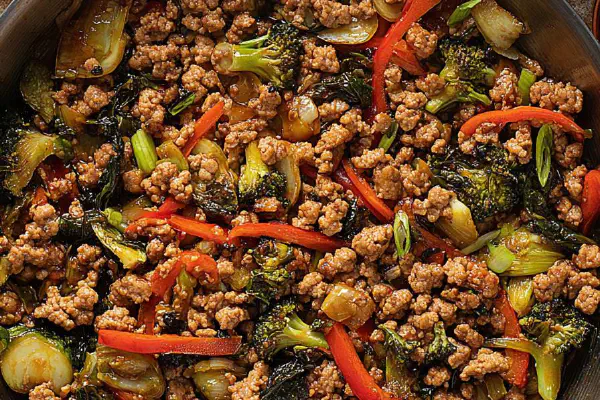
Ground Pork Stir Fry with Broccoli
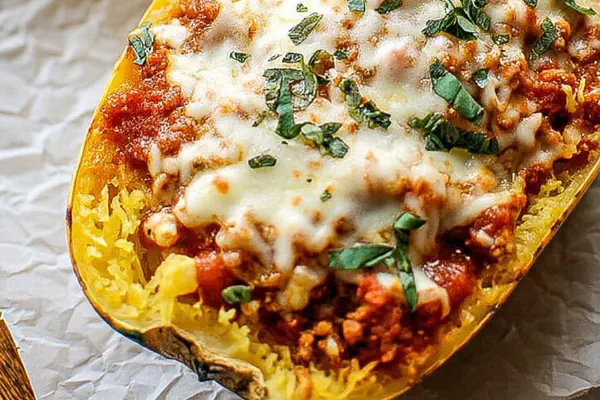
Turkey Spaghetti Squash Boats

Rustic Mexican Beef Pie
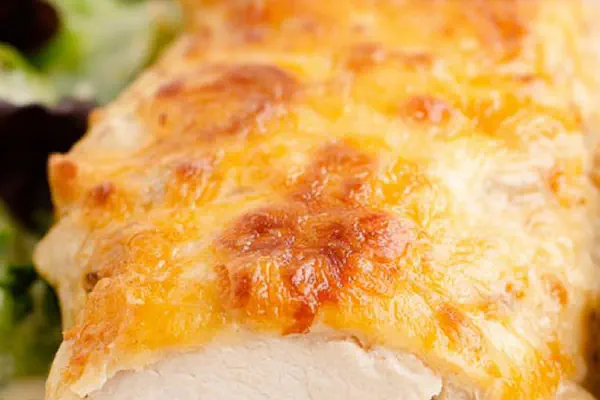
Garlic Cream Cheese Chicken
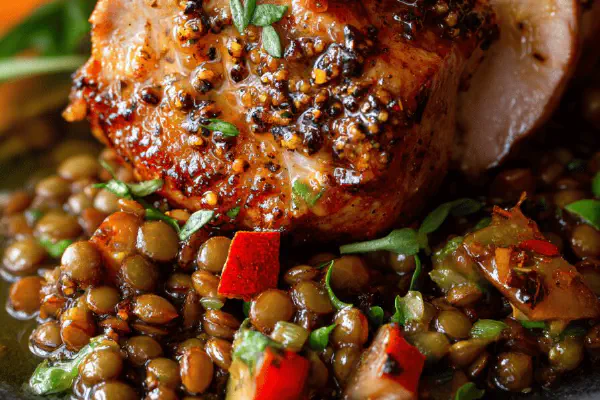
Pork Tenderloin Espelette
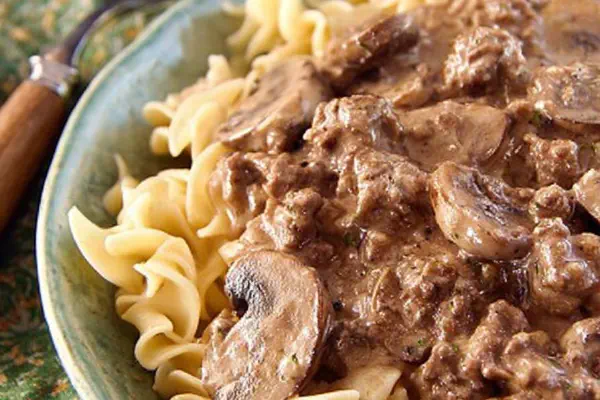
Ground Beef Stroganoff Twist
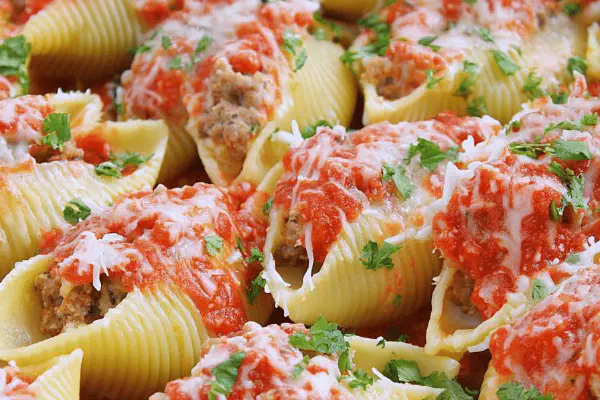
Sausage Pepper Shells
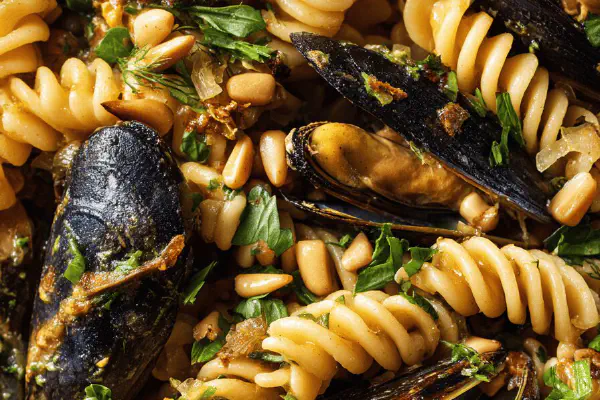
Curried Mussels Fusilli
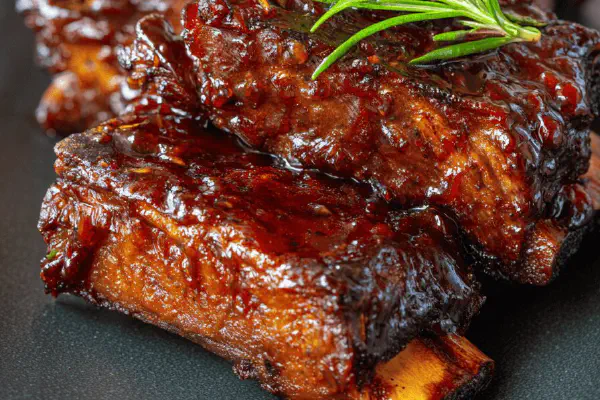
Beef Ribs Cola BBQ
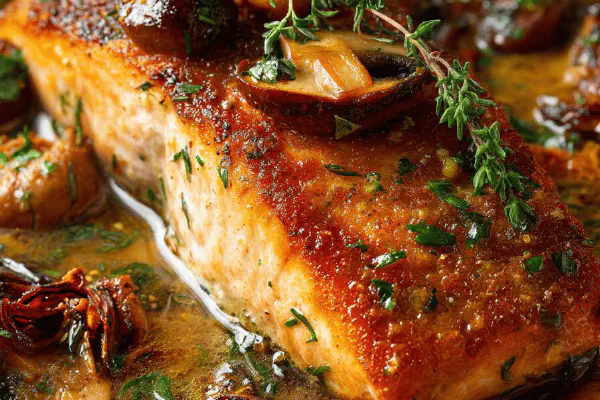
Citrus Salmon Mushroom Skillet
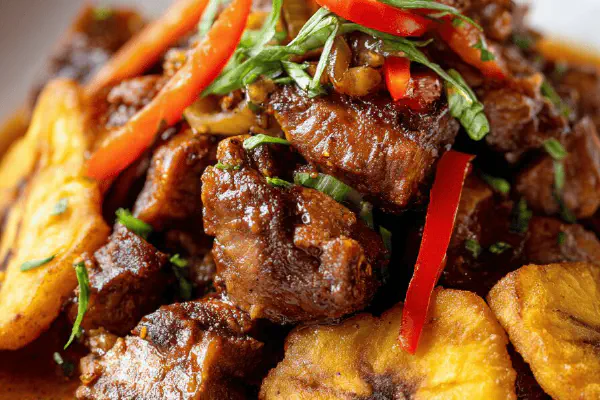
Twisted Griot du Agrikol
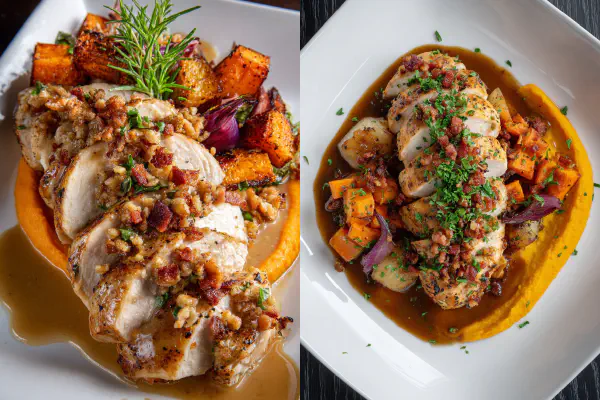
Roast Turkey Breast with Apples and Squash
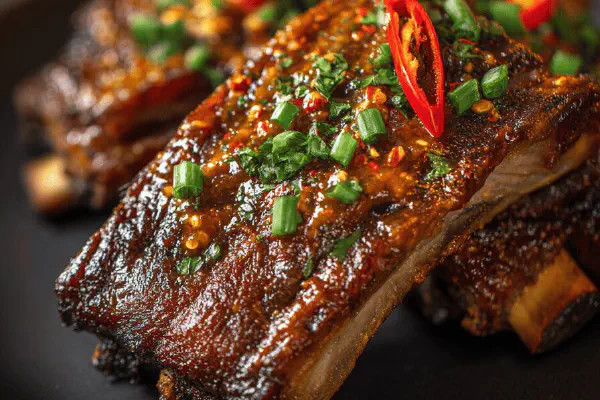
Tex-Mex Pork Ribs Remixed
About the ingredients
Substitutions throw you off? Go simple. American cheese or mozzarella replace Gruyere, though less nutty. Sharp cheddar can stand in for Pecorino Romano—but drop salt slightly. If Dijon mustard missing, dry mustard powder or yellow mustard works; taste and adjust acidity with an extra splash lemon juice. Garlic powder in topping can swap for finely minced fresh garlic if you want garlicky pop—toss in melted butter immediately. Panko breadcrumbs bring superior crunch; regular bread crumbs okay but expect slightly denser, less crispy crust. Butter substitute: use olive oil if avoiding dairy, but topping won’t brown as well. Milk can be substituted with half-and-half or cream diluted with water if richer mouthfeel preferred.
Method
Technique Tips
Avoid lumps by whisking flour into melted butter before adding liquid—don’t dump flour slowly into cold milk or you’ll get clumps. Adding cold milk gradually keeps sauce smooth. Whisk constantly especially first 5 minutes until sauce thickens visibly. Off-heat cheese addition protects against curdling, which looks grainy and oily. Stir cheese in small batches, allowing each to melt fully before next addition; control temperature. Even coating of chicken-ham prevents dry spots and ensures every bite is saucy. If omitting crispy topping, increase bake time until bubbling and edges golden, 25-30 minutes. Adding topping means bake shorter time prior to topping then toast topping under watchful eye to prevent burnt crumbs—burnt garlic or overly brown breadcrumbs introduce bitter flavors that overpower. Resting casserole gives cheese sauce time to thicken and bind, signals done. Serve after 5 minutes rest. Portion size best judged by density; tight bake means filling goes further.
Chef's Notes
- 💡 Pasta pot works for melting butter; use a whisk to avoid lumps. Cook garlic just until you smell it. A minute tops—don’t overdo it.
- 💡 Use any meat here. Turkey works if chicken gone. Or try another deli meat. Choices can affect taste but good options exist.
- 💡 For the sauce, keep whisking whole time. Cold milk will clump if you add wrong. Temperature is key but trust your instincts.
- 💡 Roux texture matters, too. Visual cues help; you want something thicker yet smooth. This is the base for higher tastiness.
- 💡 Breadcrumbs can change texture; panko brings crunch. Regular bread crumbs will work, but they'll be denser. Use what’s on hand.
Kitchen Wisdom
How do I make it if I have no Gruyere?
Try mozzarella or American cheese. Not the same creamy richness but holds together, still tasty.
Can I freeze leftovers?
Yes; keep it airtight; sauce can separate. When reheating, do slowly. Avoid direct heat changes.
What if I don't have Dijon mustard?
Use yellow mustard or dry mustard powder. Adjust with more lemon juice to keep flavor.
Got any tips for storage?
Fridge is best for a few days. Airtight containers seal in moisture. But watch for sauce separation.
You’ll Love These Too
Explore all →
Shrimp Fried Rice Sheet Pan
Bucatini Tomato Clams Twist
Savory Mushroom Mix
Rustic Mexican Beef Pie

Oysters with Citrus Mignonette

Lime Coconut Mini-Cakes
Cauliflower Ginger Curry Velouté

Zesty Cream Cheese Frosting

Velvet Red Cocoa Pancakes
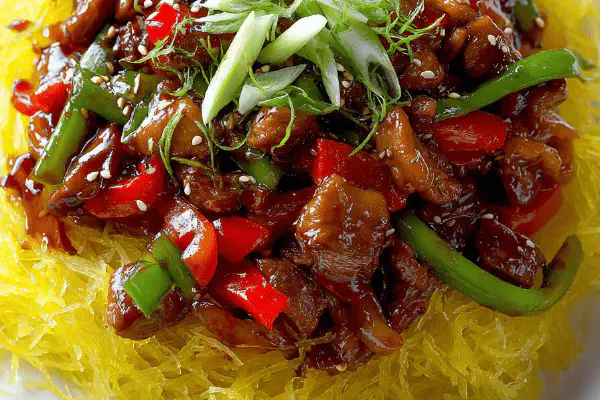
Spaghetti Squash Asian Pork Stir-Fry

Ultimate Crowd Mac Cheese
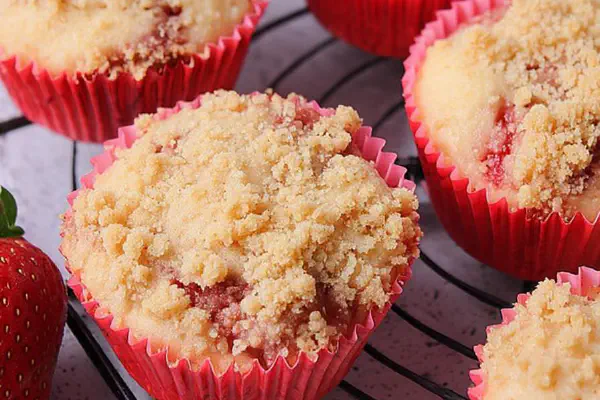
Strawberry Cream Cheese Muffins Revamped
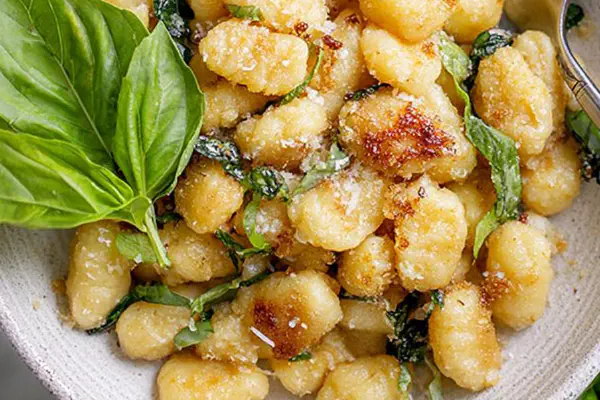
Spinach Pan-Fried Gnocchi Twist

Cheesy Garlic Pull-Apart
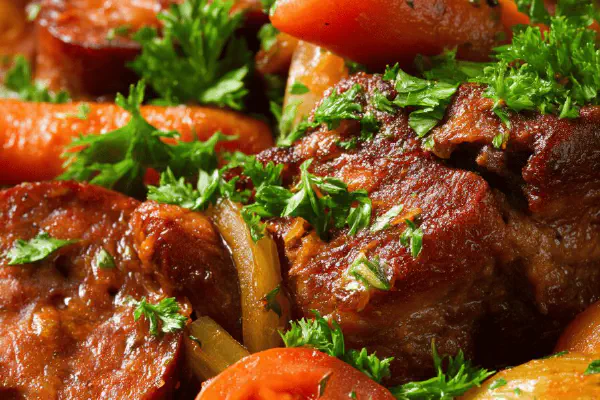
Slow-Braised Pork Shoulder Casserole

Strawberry Cream Scones
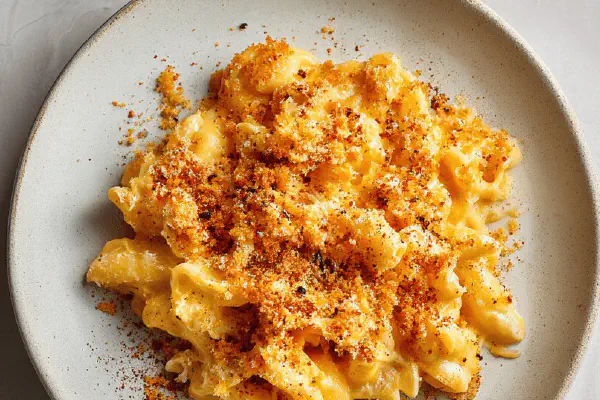
Twist Mac & Cheese

Mint Lime Margarita Twist
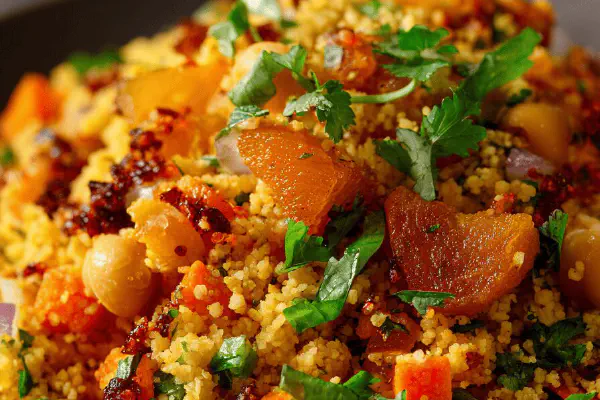
Couscous with Apricots Veggie

Cadbury-Stuffed Cupcakes
Smoky Gouda Pecan Bites
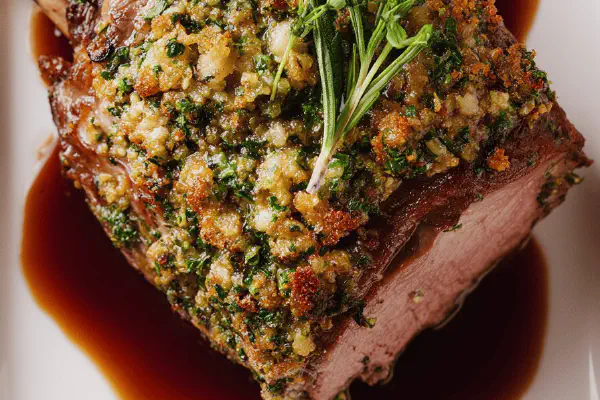
Lamb Leg with Herb Crust and Rosemary Jus

Souvlaki Brochettes Twist
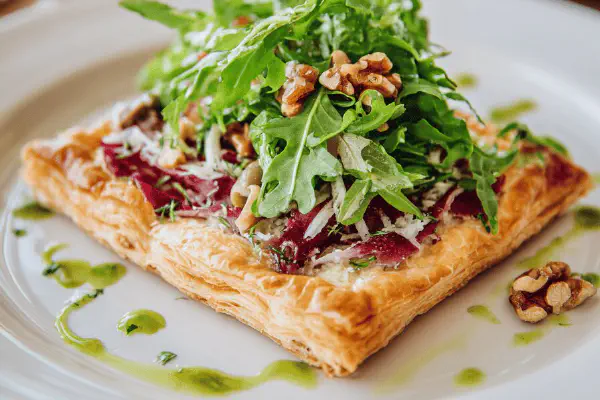
Prosciutto Tart Snack
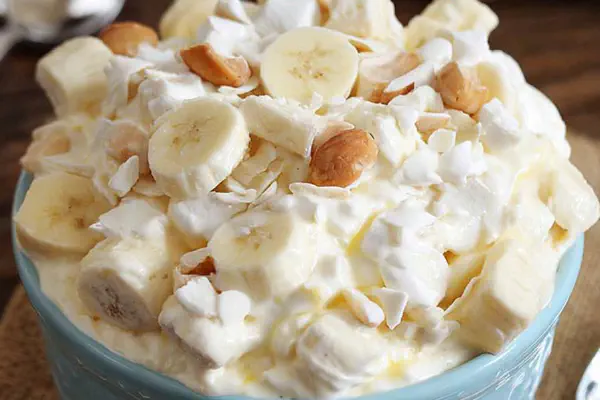
Twist Banana Pudding Fluff
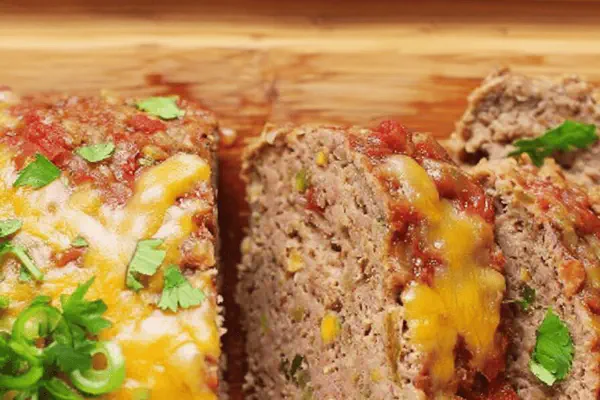
Tex-Mex Meatloaf Twist
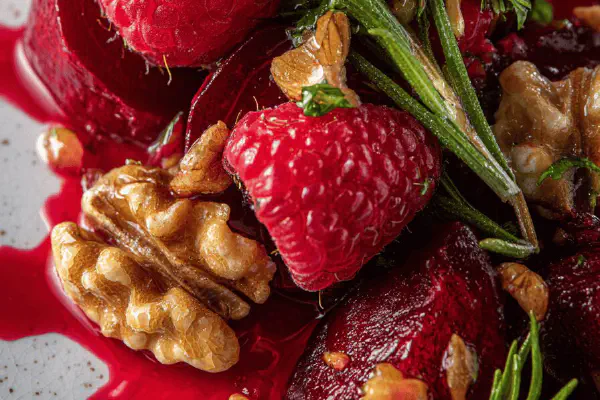
Beets Pickled with Raspberry Twist
Smoked Mackerel Veggie Tabouleh
Almond Paste Pear Cake