Featured Recipe
Chicken Pot Pie Pasta Bake
By Kate
"
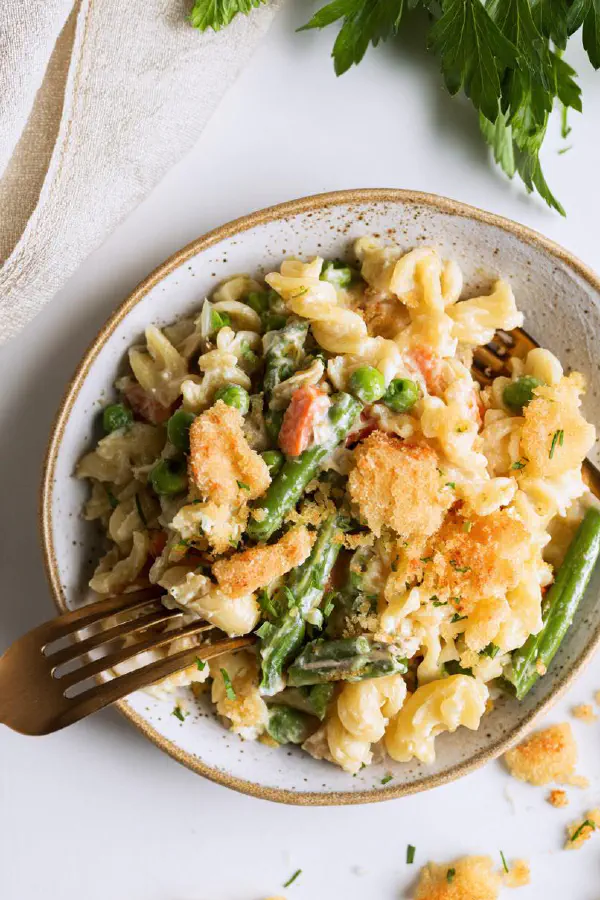
A baked casserole merging pasta, shredded chicken, and creamy vegetable sauce. Egg noodles cooked al dente provide chew, combined with a medley of peas, carrots, and green beans. Thickened sauce uses broth, dairy, and condensed soups, binding ingredients. Aromatic garlic, onion, and celery sautéed to soften. Finished with a crumbly topping for texture contrast. Practical weeknight comfort with a subtle herb touch of thyme. Serving eight, the dish balances protein, vegetables, and starch with savory notes and creamy richness. Baking until bubbling signals readiness and flavor melding. Adaptable with ingredient swaps and timing cues included.
"
Prep:
20 min
Cook:
35 min
Total:
55 min
Serves:
8 servings
chicken
pasta
casserole
bake
comfort food
Introduction
Noodles skinny but sturdy hold sauce better than weird pasta shapes. Shredded chicken adds protein punch and comfort factor without effort. Cream soups in cans get hate, but their thickening power and consistent flavor save time and giant clean-up. Vegetables not mushy — aim for tender-crisp, still some texture. Thymes aroma sneaks in corners, earthy. Cracker topping optional — adds much needed crunch contrast if lack bread nearby. Watch baking closely; too long and mixture loses juiciness; too short and sauce underdeveloped. Whole thing fills the kitchen with warmth, promises leftovers worth fridge space. Easy to customize — swap vegetables, soups, even herbs, but follow steps to keep creamy texture and balanced flavor. No fancy tools required, just control heat and timing like a boss.
Ingredients
In The Same Category · Hearty Mains
Explore all →
Roast Beef Ribeye Madeira Sauce
Air Fryer Chicken Parmesan Twist

Sun-dried Caprese Burger
Rustic Pork Pâté
Bacon Ranch Chicken Twist
Italian Style Meatloaf Twist
Quick Spiced Fish Stew
Veal Roast with Peppers Sage Lemon
Chicken Ham Cheese Bake
Grilled Chickpea Stuffed Eggplants
Thai Chicken Shrimp Soup

Crunchy Asparagus Tuna Salad
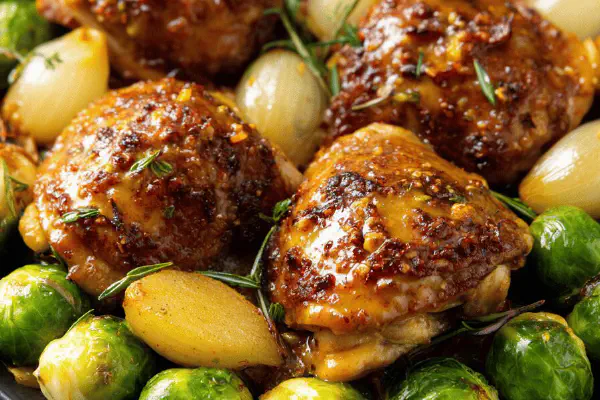
Honey Mustard Chicken Thighs
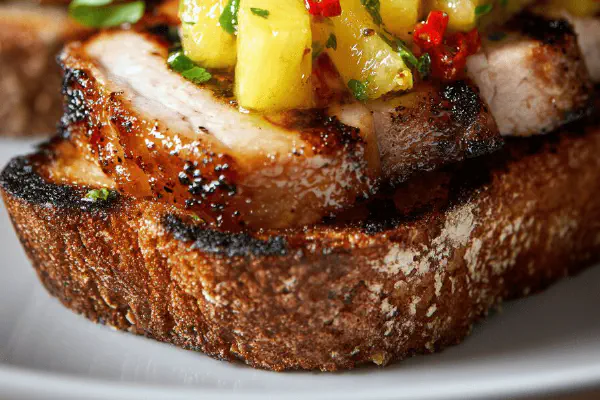
Pork loin tartines with pineapple chutney
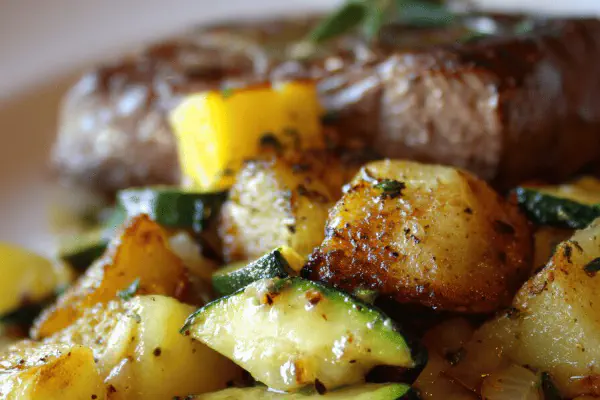
Beef Steak with Crispy Potato Zucchini
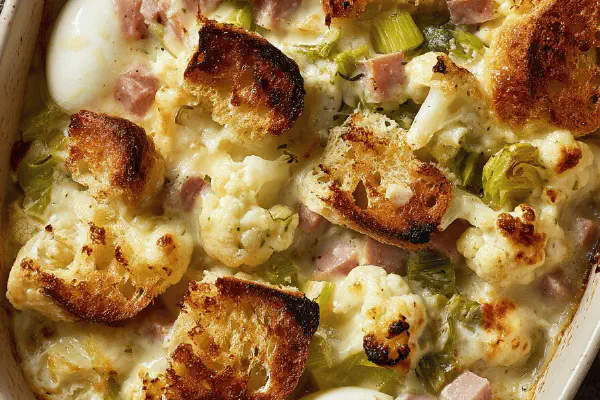
Cauliflower Ham Egg Gratin
Miso Ginger Chicken Twist
Pork Filet with Caramelized Pears
Beef Ribs Cola BBQ
Sous Vide Flank Steak Twist
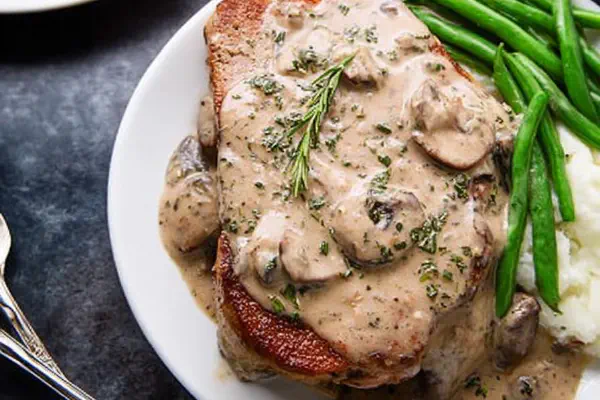
Creamy Slow Cooker Pork Chops
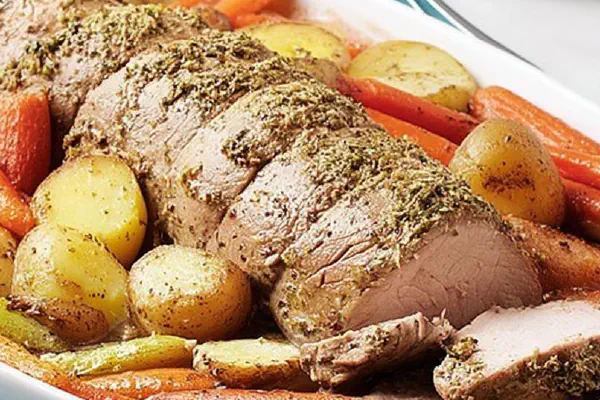
One-Pan Garlic Herb Pork
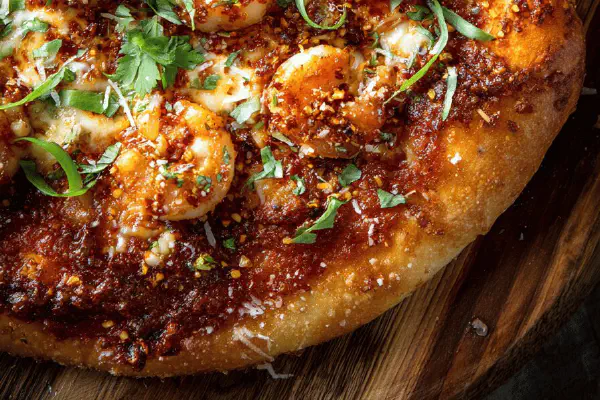
Spicy Shrimp Pizza Twist
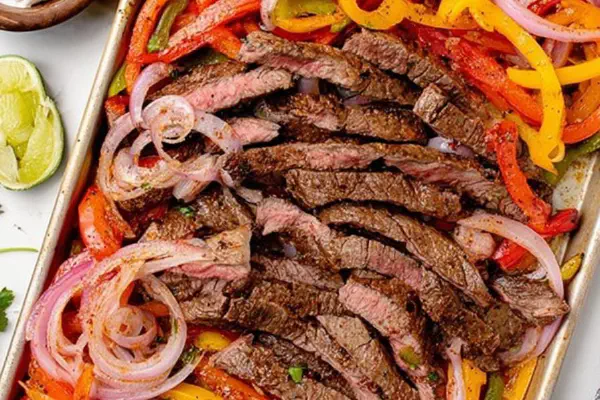
Sheet Pan Steak Fajitas
Veal Sweetbreads with Mushrooms

Slow Cooker Instant Oven Shredded Chicken
Herb Butter Chicken Kiev
Roast Stuffed Turkey with Sage Apple
Citrus Salmon Mushroom Skillet
About the ingredients
Butter and fresh garlic form aromatic base to build flavor. Onions and celery soften but resist browning; that’s key for mellow foundation without bitterness. Frozen peas, carrots, green beans can be fresh if you plan ahead; adjust cooking times to avoid mush. Use dried thyme for dry pantry staple longevity; fresh can be messy but fresher tasting. Flour dusting creates thick, velvety sauce — sprinkle in handfuls and stir, no clumps allowed here. Chicken broth needs salt balance; if too salty, dilute with water or milk in sauce step. Milk type affects creaminess — whole or 2% preferred, but non-dairy can work with textural tradeoffs. Cream soups substituted with homemade roux and seasonings but canned shortcut saves time. Shredded rotisserie chicken shortcut beats raw cooking; saved labor and perfectly cooked protein every time. Crackers topping optional; breadcrumbs perfectly fine or omit for comfort food softer texture.
Method
Technique Tips
Bringing water to full rolling boil before pasta stops it from sticking; toss noodles early and often to keep strands separate. Taste noodles early; don’t trust clocks, trust bite. Sweat garlic, onions, celery on medium heat, no hurry—brown onions turn bitter, not tasty. Add frozen vegetables and seasoning while still cold; heat wakes them slowly, preventing loss of structure. Flour coats veggies to thicken; stir into fat and vegetables 2-3 minutes to remove raw taste. Slowly add liquids off heat or low heat to avoid lumps. Bring sauce to gentle simmer, bubbles small and breaking evenly across surface as sign of doneness. Avoid overcooking vegetables here. Stir cream soups in off heat to prevent curdling. Layer pasta first, then chicken, then sauce; combining in dish saves mixing bowls. Crumbs top before baking create satisfying crunch crust, check for even coverage. Baking uncovered encourages evaporation to thicken sauce. Watch bubbling around edges, slight golden spots on crumbs, internal heat signals ready to eat. Use parsley at last moment for freshness and color. Leftovers store well; reheat gently to avoid drying. Substitute soup types or chicken with confidence but keep ratios similar to maintain texture.
Chef's Notes
- 💡 Use leftover chicken or rotisserie to save time. Shred by hand for a rustic feel. Chunk size should be medium for bites not to disappear. When boiling noodles, salt the water generously. This infuses flavor. Keep a timer for 5-6 minutes. Check every minute after that. Do not boil until mushy but al dente.
- 💡 Focus on onion and garlic in the skillet. Melt butter gently, let the aroma fill the kitchen. Sweat vegetables until they're tender but avoid browning. Adjust heat if needed. Frozen veggies can save prep time. Add straight from the freezer to the skillet with cold oils; they’ll thaw and warm as you sauté.
- 💡 Sprinkling flour over the sautéed veggies should mix in quick. Want to avoid lumps? Stir well, cook flour for 2-3 minutes to ditch raw taste. Gradually add chicken broth. Keep stirring! The sauce should start thickening. Watch closely for simmer; small bubbles show it’s close.
- 💡 Include crushed crackers or breadcrumbs on top if you want crunch. This contrast gives a nice texture change after baking. If omitting, let the creamy essence come forward. Baking time should be monitored; bubbling edges mean progress. Stir gently during assembly to distribute sauce evenly.
- 💡 Do not rush cooling for leftovers. Store in an airtight container in the fridge. Taste may intensify overnight. Reheat gently in the oven to retain moisture. Can also microwave but cover to avoid splatters. If too thick the next day, add a splash of milk while reheating.
Kitchen Wisdom
What's a good substitute for rotisserie chicken?
Use cooked chicken breast or thighs; shred or chop. Leftover BBQ chicken? Great variant. Keep size consistent for texture.
Can I use fresh vegetables instead of frozen?
Yes, just be cautious about cooking time. They might need earlier treatment in the skillet. Aim for tender-crisp.
How do I know if the sauce is thick enough?
Watch for bubbles; soft simmer means you’re there. Should coat the back of a spoon. If too thin, simmer longer; worries about clumps? Keep stirring.
Storage options for leftovers?
Best in the fridge for 3-4 days. Freezing? Sure, but maybe separate the topping. Reheat slowly; sauce thickens. You can mix a splash of broth if needed.
You’ll Love These Too
Explore all →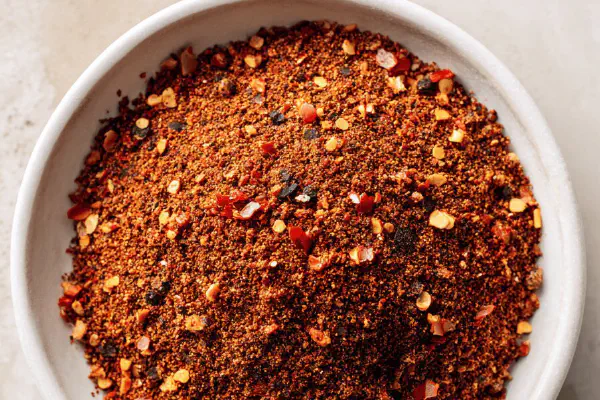
Montreal Style Steak Spice Mix

Zucchini-Corn Fritters
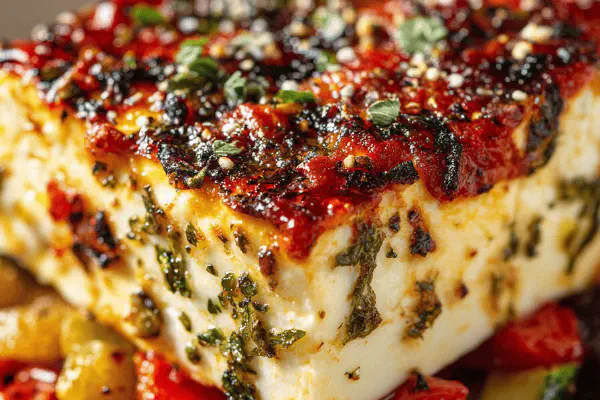
Oven-Baked Feta Medley

Mascarpone-Stuffed Brioche Toast
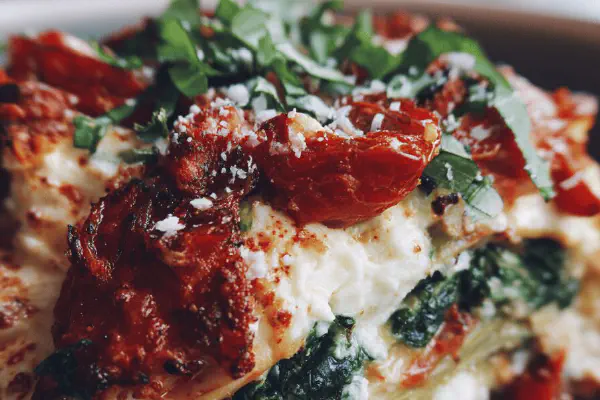
Pasta-Free Vegetarian Lasagna
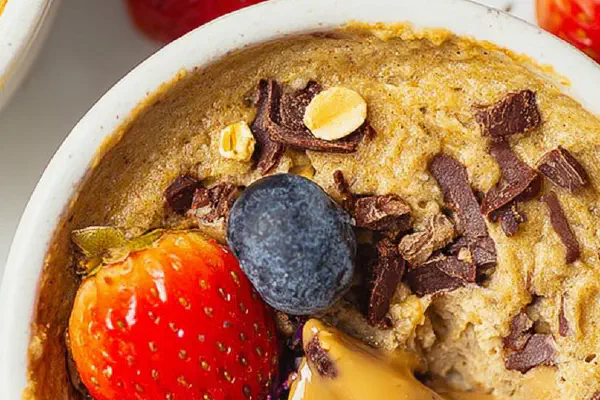
Banana Cocoa Baked Oats
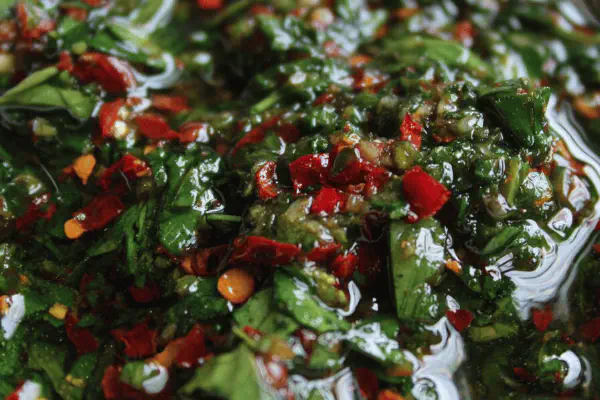
Spicy Chimichurri Twist
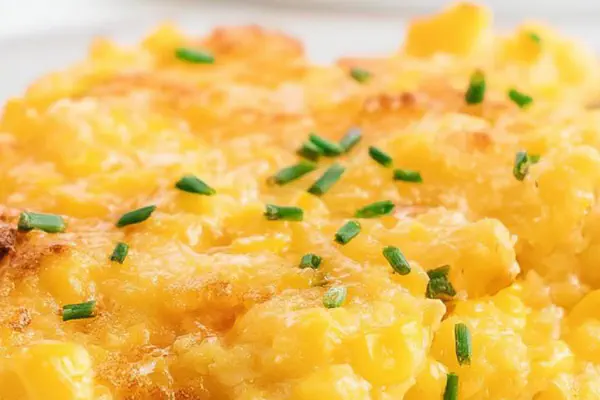
Cheesy Corn Bake

Raspberry Whoopie Pies Twist
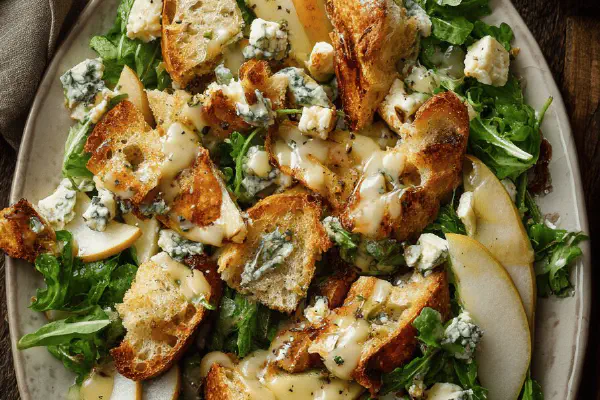
Warm Blue Cheese Salad
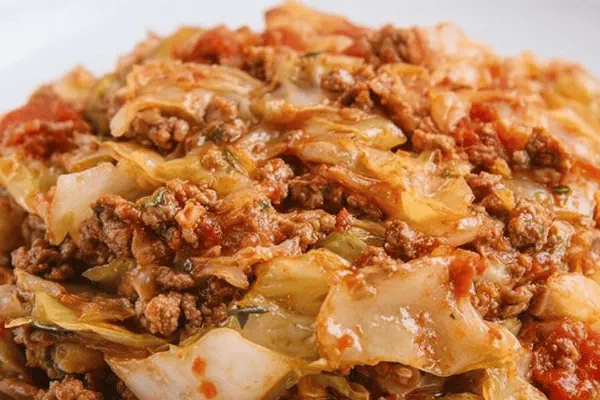
Hearty Cabbage Roll Bake
White Chocolate Pistachio Blondies
Steamed Snap Beans Twist
Caramelized Pork Ribs Greens

Chilled Lobster Roll Remix
Lentil Rice with Roasted Brussels Leaves

Cheesy Garlic Pull-Apart
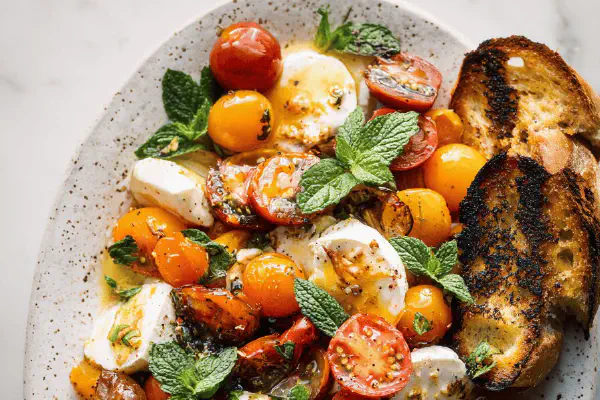
Silken Tofu Caprese Twist
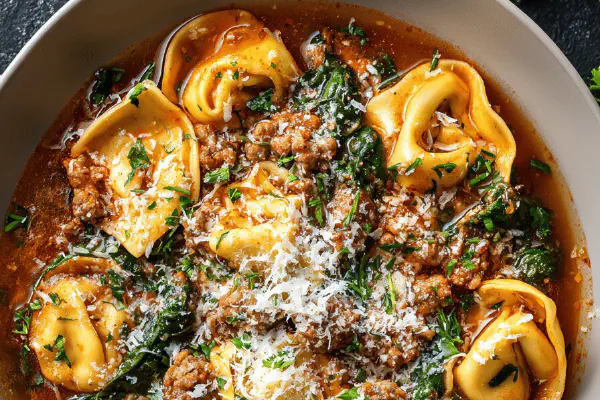
Sausage Tortellini Soup

Loaded Crispy Tot Nachos
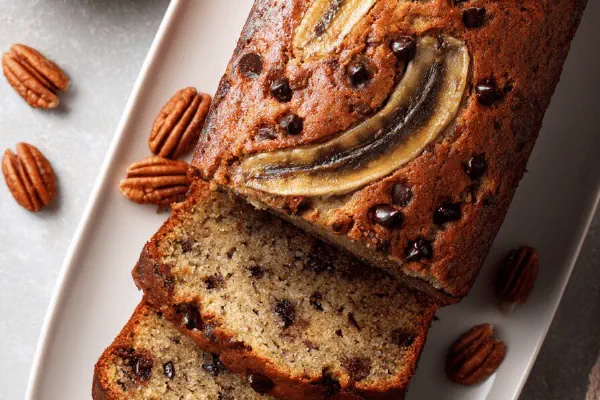
Banana Double Chocolate Loaf
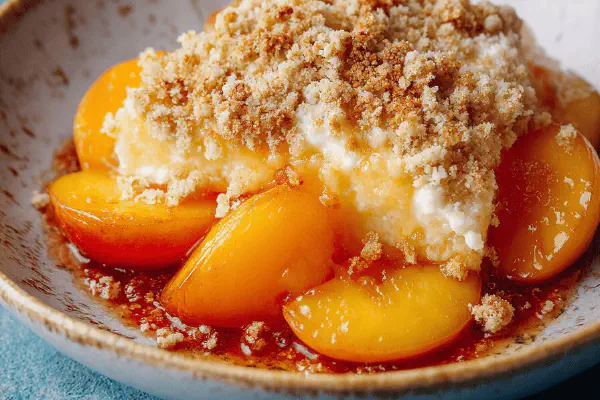
Nectarine Apricot Pouding-Croustade
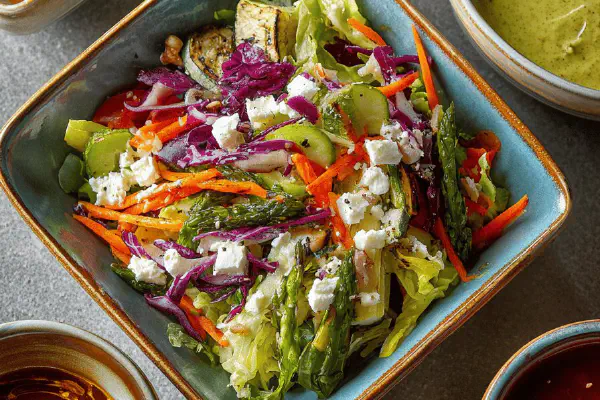
Rustic Vinaigrettes Mixup
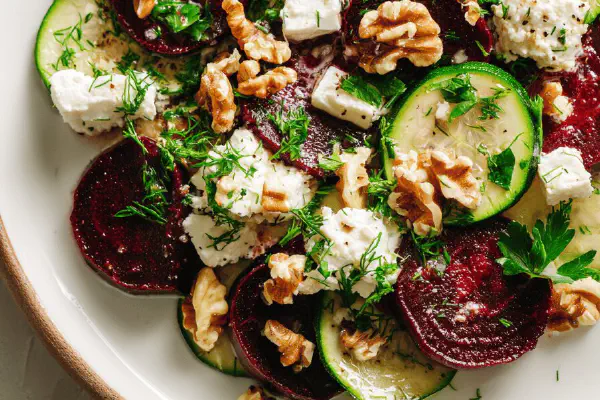
Beet and Feta Salad
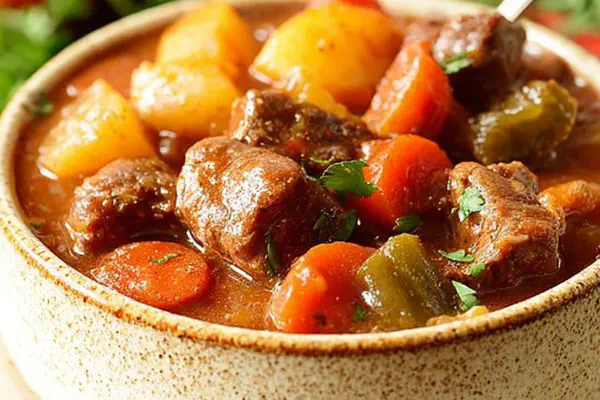
Slow Cooker Creole Beef Stew
Ham Cheese Waffles Twist
No-Bake Holiday Bars

Shrimp Cheese Pupusas
Hearty Veggie Egg Ragout