Featured Recipe
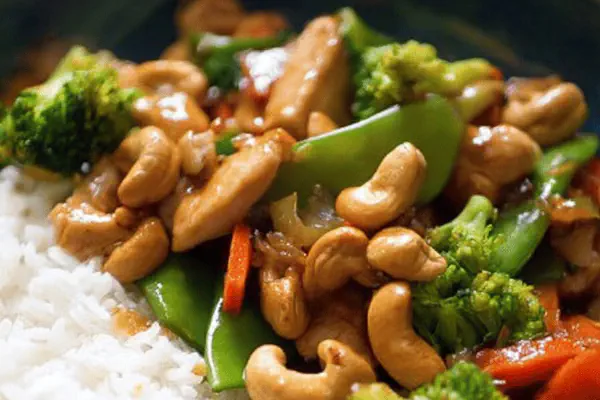
Chicken Veggie Stir-Fry
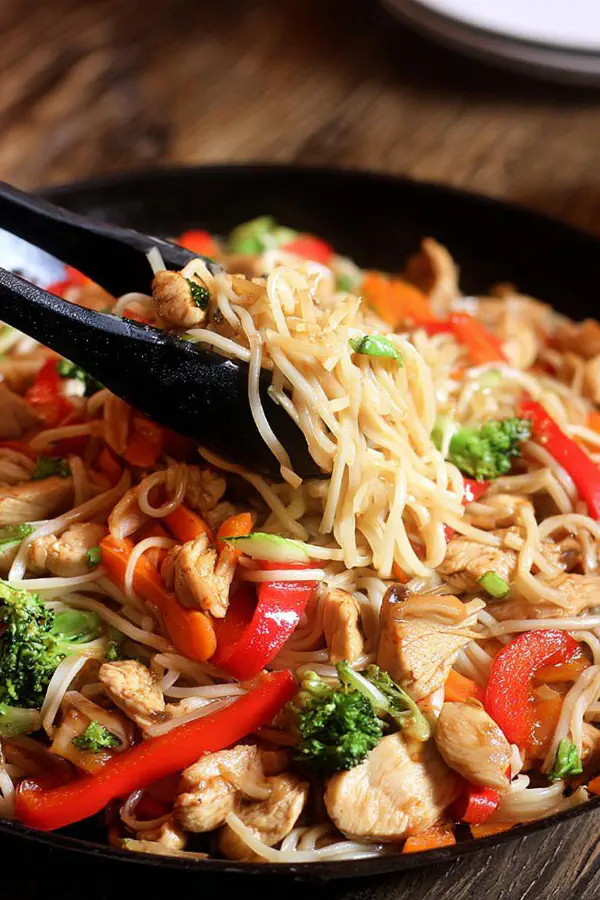
By Kate
"
Swap rice noodles for flat udon noodles, ginger replaced by fresh turmeric, and add snap peas for snap. Chicken breasts seasoned lightly with salt, pepper, and a pinch of smoked paprika. Vegetable mix stays but swap mushrooms for water chestnuts for crunch. Sauce thickened with arrowroot instead of cornstarch. Cook chicken and veggies separately for clean sear and tender bite. Watch for garlic browning fast; toss it in late. Sauce brought up to a low boil, thickening while coating everything evenly. Toss noodles gently to avoid breaking. Serve quick to keep noodles springy and veggies crisp.
"
Prep:
12 min
Cook:
23 min
Total:
35 min
Serves:
6 servings
stir-fry
chicken
noodles
quick meal
healthy
Introduction
Timing matters here. Under or overcook noodles and they throw off the texture entirely. Use flat udon to hold sauce better than slippery rice noodles. Slice chicken equally thin so it cooks evenly — uneven pieces and you get dry bits with raw ones lurking. High heat for searing, lower for simmering sauce. Vegetables must stay alive, not mush. Grab fresh turmeric if you can; adds earthiness and color without overpowering the dish. Arrowroot thickens clear unlike cornstarch that can cloud sauce and sometimes leave gumminess behind. Garlic is your flavor flashpoint, toss it last so it just wakes up sandwiching aromas without bitterness. Quick toss at the end; noodles must stay springy, coated, never soggy. Snap peas bring that fresh crunch and slight sweetness — add just before garlic so they don’t lose their bite. Get the balance right and you master everyday stir-fry that hits multiple notes with minimum fuss.
Ingredients
About the ingredients
Substitutions definitely shift the texture and flavor. Flat udon noodles stand up to stir-frying better than rice noodles which can go too limp or sticky. If dried turmeric isn’t on hand, use fresh ginger but note flavor sharpness increases; reduce quantity slightly. Arrowroot powder is a cleaner thickener than cornstarch with no resilience in leftovers — good for that slick sauce but can break down if reheated multiple times. Smoked paprika swapped in for some warmth and subtle smokiness; if not available, plain ground paprika will do. Water chestnuts replace mushrooms to amp crunch, but shiitakes or cremini mushrooms blend in better earthiness if desired. Snap peas are added to punch brightness and texture; can omit but results in softer vegetable medley. Use low sodium soy to better control salt; add extra cautiously afterwards. Don’t skip the rice vinegar — it’s key for acidity to balance sweetness and salt in sauce. Fresh garlic clove always beats pre-minced; more aroma, less bitterness risk.
Method
Technique Tips
Watch timing carefully. Noodles cooked slightly short keep shape better when stir-fried. If overcooked, they break apart or turn gluey. Chicken pieces sliced uniformly speed up even cooking and prevent dryness or underdone spots; pat dry to avoid oil splatter and improve browning. Chicken cooks in same pan to pick up fond, the browned bits left behind that carry flavor. Do not dump chicken and vegetables in simultaneously — sear first to build depth, then vegetables for crisp-tender finish. Stir vegetables occasionally but avoid constant tossing which lets them steam not sauté; aim for bright color and faint caramelization. Add garlic last minute to wake up the dish but watch close for burn. Sauce has starch, so bring it to slow boil stirring often to activate thickening; simmer too long and it breaks down. Toss noodles in last gently, folding to coat without tearing. Serve immediately; noodles soak sauce if left too long. Use slotted spoon for chicken removal to keep grease concentrated for flavor base in pan. Double the sauce ingredients if you like it sloppy, but that may weigh down noodles. Avoid over oiling the pan — too oily a wok ends with greasy bite. Quick sear and high heat preserve texture throughout.
Chef's Notes
- 💡 Noodles need care. Boil them, then rinse with cold water. If overcooked, they clump. Keep firm, avoid mush. Pull from heat slightly early. Use udon, they hold sauce.
- 💡 Chicken slices matter. Cut thin, uniform pieces. Helps them cook evenly. Season simply — salt, smoked paprika. Sear fast — high heat keeps it juicy. Don't overcrowd.
- 💡 Veggies need attention. Add them when the chicken's out. Cook bright, not mushy. Broccoli, bell pepper, snap peas should stay crisp. Garlic last minute; avoid burning.
- 💡 Make sauce correct. Whisk broth, turmeric, soy, vinegars together, then pour in. Bring to boil for thickness, watch closely. Stir often, activate arrowroot well.
- 💡 Serve right away. Noodles should be springy, and veggies crisp. If left too long, they soak too much sauce. A slotted spoon helps with chicken and keeps grease.
Kitchen Wisdom
What if noodles are sticky?
Rinse under cold water right after cooking. If you added too much oil, they might clump. Light drizzle of oil later helps.
What's the best way to store leftovers?
Separate components. Keep chicken, veggies, and noodles apart. Reheat gently; sauce can thicken. Add broth if too thick.
How do I avoid burnt garlic?
Add it in the last minute of cooking. Heat should be controlled around 30 seconds for best flavor without bitterness.
Can I use different vegetables?
Absolutely! Carrots or bell peppers add crunch. Avoid soft veggies like zucchini. Adjust cooking time according to the veggies used.