Featured Recipe
Chilled Peanut Noodle Salad
By Kate
"
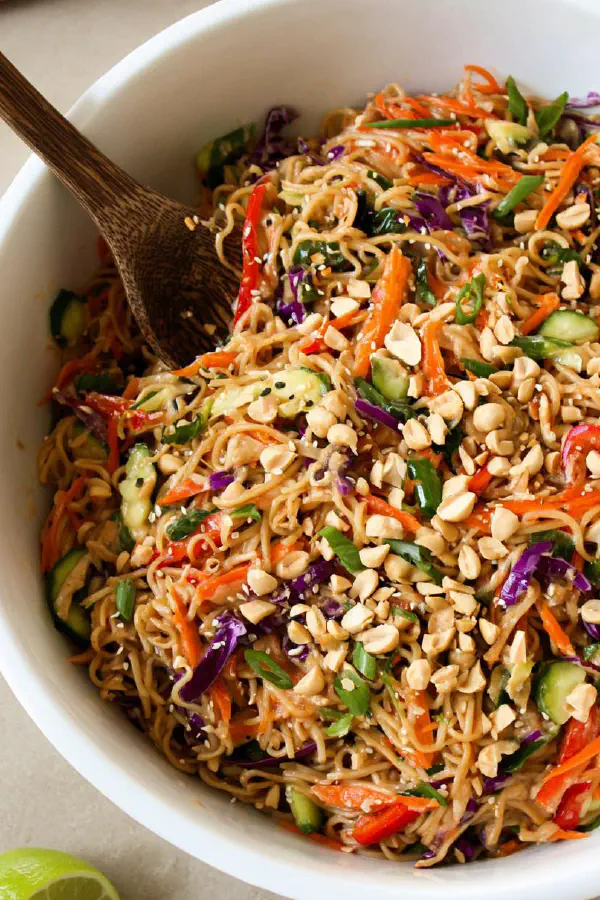
Cold noodle salad tossed with a nutty peanut dressing. Noodles cooked al dente, rinsed cold to stop cooking and keep texture. Dressing balanced with soy sauce, lime juice, brown sugar, and creamy peanut butter. Ginger and garlic add bite; crushed red pepper lifts heat. Garnished with crunchy peanuts, scallions, and sesame seeds for texture contrast. Quick assembly, chill before serving to let flavors meld. Substitutions advised for allergies or missing pantry staples. Ideal as a make-ahead dish for hot days or as a side to grilled proteins.
"
Prep:
15 min
Cook:
15 min
Total:
30 min
Serves:
6 servings
make-ahead
gluten-free
vegetarian
Introduction
Cold noodles need attention; don’t just boil and dump. Overcooked noodles turn gluey, losing bite and interest. Flash-rinsing with cold water shocks starch, halting cooking, cooling down fast; texture sharpens. Toss sesame oil right away — prevents that tangled sticky trap. Dressing should be balanced — salty, sweet, sour, heat — peanut and almond butter rich, but you need that acidity sharp. Fresh ginger and garlic punch through richness. Red pepper flakes bring bite, don’t skip unless you want a dull paste. Veggies add crunch, color, freshness — raw, not cooked. Crucial to chill but not freeze, so flavors meld, textures hold. Garnishes finish with crunch and brightness. Noodle salads are no place for sloppiness — every step counts. Plan ahead; these hold day-ahead with some tweaks. Simple, fast, fresh. Work smarter, not harder.
Ingredients
About the ingredients
Switching peanut butter for almond or cashew butter can change flavor profile—choose what you have or prefer. Tamari is gluten-free soy sauce, good for extra depth and avoiding wheat. Use fresh ginger—not powdered—for lift. Brown sugar balances acidity; honey or maple syrup works but adjust quantity to taste. Toasting sesame oil brings deep aroma; if unavailable, use neutral oil but add sesame seeds to compensate. Cashews offer a less oily crunch alternative to peanuts. Vegetables can shift based on season; red bell pepper, snap peas, or shredded kale work. Always prep veggies uniformly to ensure even bite-size and coated evenly. Noodles: rice vermicelli preferred for lightness but thin spaghetti works; cooking times differ accordingly.
Method
Technique Tips
Boil noodles in plenty of salted water—starch released during cooking is eaten, so flavor your boiling water slightly. Stir immediately to avoid clumping. Testing doneness by chewing is best; look for tender but slightly resistant texture. Drain and rinse cold until water runs clear—no heat remains. Coat lightly with toasted sesame oil immediately after draining; this seizes the starch surface and keeps noodles loose. Dressing: mix ingredients gradually; adjusting thickness critical so it coats noodles without clumping. Toss salad in a big bowl to avoid tearing noodles and vegetables. Let chill uncovered or lightly covered; too much condensation turns salad soggy. Re-toss prior to serving, adjust acidity and salt. Garnishes added last minute keep crunch fresh. Avoid letting salad sit unrefrigerated more than 2 hours. If nuts go soft, toast briefly in dry pan to revive crunch before serving.
Chef's Notes
- 💡 Use rice vermicelli for best texture; don't overcook. Watch the clock—6-8 mins usually. Cold rinse necessary; stop cooking process. Coat with sesame oil right away to keep strands separate. If they stick, they lose charm. If you use spaghetti, time alters slightly.
- 💡 Adjust dressing texture; should coat but not drown. Add water if too thick. Add more nut butter if thin. Balance key—soy for salt, lime for zing. Fresh ginger to lift flavors. Red pepper flakes add punch; don't skip. Test and adjust. Always, always taste.
- 💡 For crunch, add seasonal veggies—snap peas, bell peppers. Uniform cuts matter; helps with bite-sized pieces and dressing coverage. Keeps salad visually appealing too. Don't swamp with too many kinds; keep it simple. Avoid sogginess, chill lightly covered.
- 💡 Prep ahead for busy days; easier when ready to serve. If nuts soft, toast briefly to revive crispness. Enhance acidity or salt at the last minute with lime or tamari. Not too much dressing absorbed on day of serving.
- 💡 Store leftovers—max one day. Noodles absorb dressing as they sit. Refrigerate without dressing if possible. Refresh with drizzle of oil and squeeze of lime before serving; re-toss well. Avoid complaints about gummy noodles—plan ahead.
Kitchen Wisdom
How do I fix gummy noodles?
Rinse under cold water immediately after cooking. Coat lightly with oil. If already gummy, re-toss with lime juice or olive oil to separate.
Can I use another nut butter?
Yes, cashew works well. Almond too, but alters taste. Try sunbutter for nut-free option, but different flavor profile. Adjust measurements based on thickness.
Any veggie substitutes?
Absolutely, use seasonal veggies, think shredded kale or zucchini noodles. Just keep sizes consistent for dressing coverage. Always raw, no cooking involved.
What if I need to store it?
Consider doing it in separate containers. Keep dressing apart till ready. If mixed, salad can absorb too much and not remain fresh.