Featured Recipe
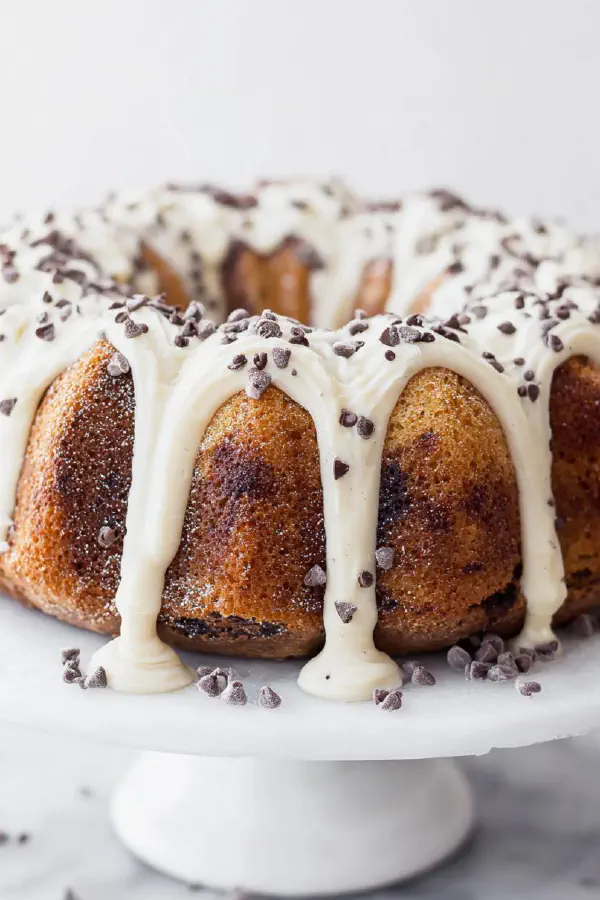
Chocolate Chip Swirl Bundt Cake
By Kate
"
Dense yet tender bundt, chocolate chips folded in for pockets of sweetness. Sour cream and pudding mix keep crumb moist without fuss. Simple syrup brushed in for subtle sweetness and moisture lock. Vanilla bean glaze finishes it off, light but flavorful. A solid crowd-pleaser that carries well and holds shape. Uses cake flour for softer texture; baking powder lifts without bitterness. Shortening in the pan means clean release every time. Alternate wet and dry ingredients to avoid over mixing; signals matter here. Chocolate chips dusted with flour to stop sinking. Fork holes for syrup absorption, won’t drown the crumb.
"
Prep:
25 min
Cook:
50 min
Total:
Serves:
12 servings
chocolate
cake
baking
dessert
bundt
Introduction
Clogged measuring cups, gummy cake edges, chocolate chips sinking to the bottom. Avoid those. Cake flour’s your friend here—softens crumb like a pillow. Pudding mix adds moisture without extra steps. Buttermilk swap brings subtle tang that cuts sugar heaviness. Coating the pan with shortening and flour prevents chunk removal disasters; trust me you want clean releases. Alternating dry and wet ingredients prevents gluten overdevelopment—sorely overlooked step that makes crumb tough. Chocolate chips tossed with flour hold their place, no sinking. Baking low and slow. Oven temp matters more than time, watch cake edges and cracks instead of clock. A touch of vanilla bean paste upgrades flavor beyond regular vanilla extract. Simple syrup—not just cake wetting—locks moisture to last days. Vanilla glaze finished with a spoonful of butter mellows powdered sugar’s bite. Step-wise, patient, watch and listen for cues. Avoid over mixing, over baking, under greasing. Cake keeps well, and reheats like a charm. Useful kitchen hacks embedded. No fluff. Just structure and flavor that lasts.
Ingredients
About the ingredients
Cake flour delivers a softer crumb than all-purpose. If unavailable, sift all-purpose twice and add 1 tablespoon cornstarch per cup as substitute. Pudding mix in vanilla, but swap banana flavor out if preferred—vanilla adds neutrality, almond alternative adds depth. Baking powder freshness makes or breaks lift; test your powder with warm water if unsure—bubbles should appear in seconds. Use room temperature butter slightly softened, not melted—too soft loses aeration. Buttermilk for tang; if none, use whole milk plus a teaspoon of lemon juice per half cup to simulate acidity. Flour-coat chips to avoid sinking; uncoated chips create uneven distribution in crumb. Shortening over butter in pan prevents cake sticking better . Simple syrup balances sweetness and builds moisture; vanilla bean paste is preferred for glaze and syrup over extract—it has specks and stronger aroma, but extract works in pinch. Powdered sugar clumps if not sifted first—use sieve or whisk well before mixing.
Method
Technique Tips
Grease and flour pan method: shortening sticks better than butter; conventional spray often fails in bundts because of crevices. Sifting flour after buttering helps thin, even coat avoiding clumps that burn. Cream butter and sugar until pale yellow and fluffy; timing varies with mixer power — visual best indicator. Add eggs slowly; disappearance of yolk signals enough mixing, else risk dairy proteins stripping out moisture. Alternate mixing to protect gluten formation; mixing low speed after each addition helps. Folding chocolate chips at last keeps batter light. Baking lower temp slows crust formation allowing even rise; edges and top cracks act as doneness cues. Use toothpick for testing; no wet batter means done. Cooling in pan for 15 minutes lets cake shrink from edges to prevent breakage on removal. Simple syrup made warm, brushed via holes pierces crumb for deep moisture; multiple brushes needed. Inverting cake while still a little warm prevents cracking. Glaze—melted butter adds silkiness; whisk smooth not thick. Let set before slicing for clean cuts. Refrigerate leftovers. If chips sink regardless, try mini size or chill batter before baking.
Chef's Notes
- 💡 For a really tender crumb, cake flour helps. If you don't have it, sift all-purpose twice; add cornstarch too. Texture matters. Watch when mixing; overmixing leads to dense cake, may ruin it. Use a stand mixer but take it low and slow with eggs. Alternating wet and dry keeps gluten in check.
- 💡 Flouring chocolate chips before adding keeps them from sinking. Gets messy if you skip it. Toss chips in cake flour right before incorporation. Avoid clumping. Simple syrup enhances moisture, not just sweetness. Brush over cake multiple times using fork holes.
- 💡 Check for doneness by watching edges separate cleanly from pan. Small cracks indicate readiness too. Use a skewer to check—moist crumbs are okay, no batter. Experiment with different glazes—frozen or fresh fruits for easy contrast in flavor. Vanilla bean paste amplifies taste.
- 💡 Cooling times also matter. Let cake sit for 15 minutes, then gently release. A knife might help, but don’t force. Celebrate patience. Patience pays off; syrup absorption is better with time. Refrigerate leftovers but expect flavors to deepen next day.
- 💡 Last tip: wrap well if storing; never leave exposed. Room temperature enhances flavor. Think about chilling batter before baking if chips always sink—keeps them suspended. Still, sliding into hot oven matters more than timing, watch that.
- 💡
- 💡 faq
- 💡 q: Can I use regular flour instead? a: Sure, sift and add cornstarch. It'll work but texture changes. Softness may suffer, also not as tender.
- 💡 q: What if my cake sticks? a: If it sticks, let it cool longer in the pan. Maybe uneven greasing. Next time, coat more thoroughly with shortening.
- 💡 q: How do I store leftovers? a: Airtight container. Refrigerator does well. Keep it cool, that helps. Avoid drafty places. If too dry, brush with syrup.
- 💡 q: What can I substitute for sour cream? a: Use greek yogurt; similar tang, texture holds up. Milk with lemon juice is another option.