Featured Recipe
Chocolate Pudding Dump Cake
By Kate
"
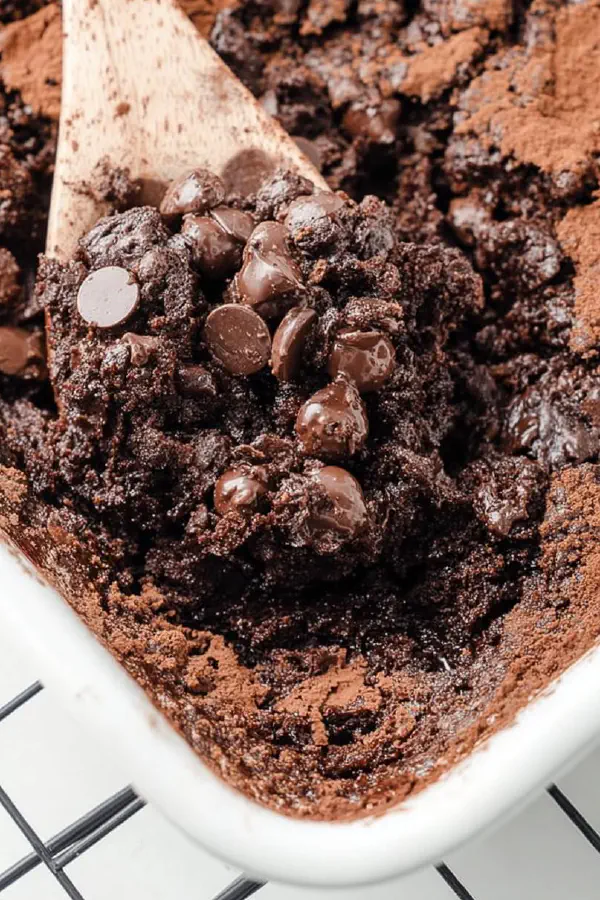
A quick, layered chocolate dump cake that relies on boxed cake mix and instant pudding. Butter and milk blend to moisten the dry layers. Chocolate chips scatter atop to melt into pockets of gooey richness. Baked in a 9x13 pan until bubbling and crusty edges form. Requires no mixer or complicated steps. Uses pantry staples. Easy to tweak with different cake mixes or switch milk for coffee to deepen flavor. Watch for bubbling along edges and a crust that springs back with a gentle press as doneness cues. Room for improvisation but fundamentals stay firm.
"
Prep:
7 min
Cook:
40 min
Total:
47 min
Serves:
12 servings
dessert
chocolate
easy baking
comfort food
Introduction
Chocolate cake mixes are cheats that don’t have to taste like shortcuts. Mix that box with pudding? Instant upgrade. Butter and milk—not hot—make a batter that’s part liquid, part dry, assembling the layers. Chocolate chips melt all bubbly on top, inviting you to dig in right out of the oven. Focus on hearing the sides bubble, smelling the chocolate-rich steam hit the air, watching that top crust shift from matte to shiny with baked gloss. The real trick? Resisting opening the oven too much and counting on tactile clues for timing. No fancy gadgets, just knowing when it’s right. Swap your milk if you want deeper flavor, fold in nuts or even espresso. Cook times flex, trust visual cues and springy touch. Not a precise science, more an intuitive bake.
Ingredients
In The Same Category · Sweet Treats
Explore all →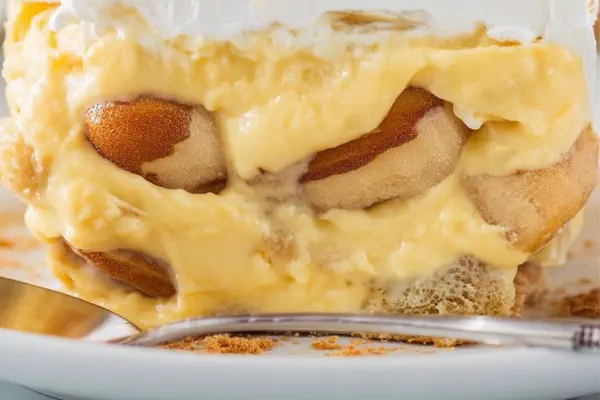
Layered Banana Pudding
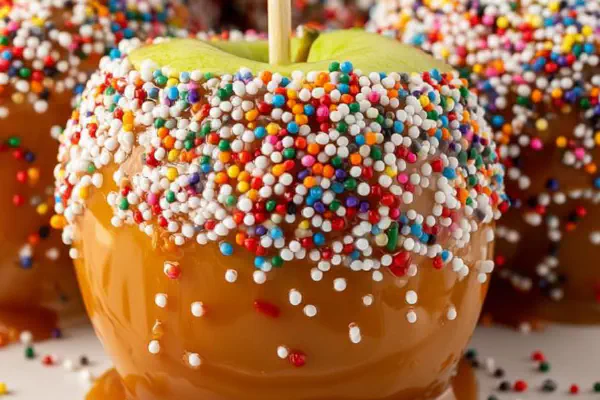
Salted Caramel Apple Twist
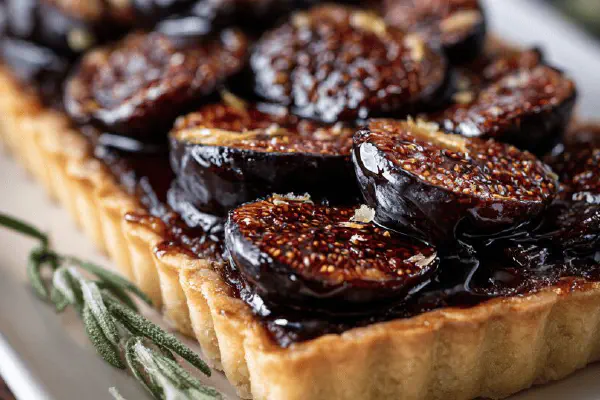
Fig Porto Frangipane Tart
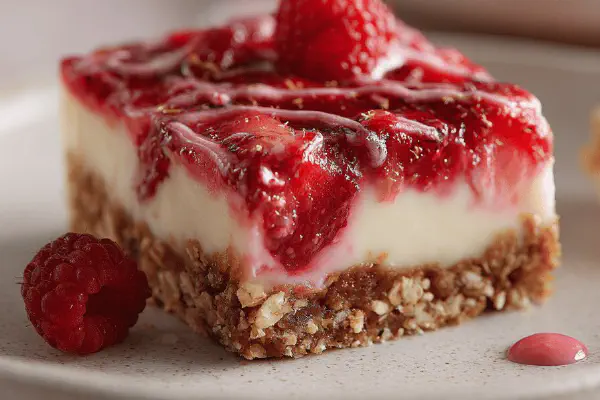
Yogurt Fruit Squares
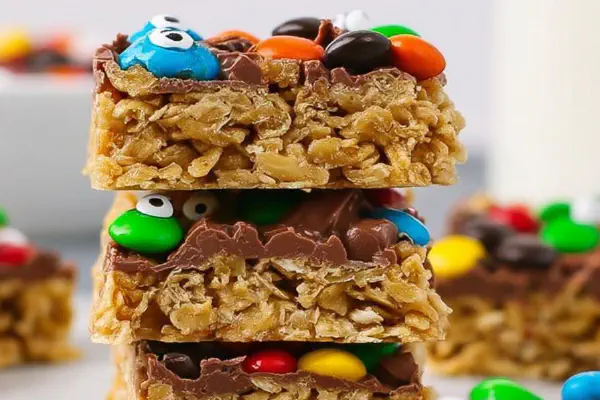
No-Bake Peanut Monster Bars
Air Fryer Walnut Banana Bread
Spiced Peach Upside Cake
Peanut Butter Crunch Bars
No Bake Berry Cream Pie

Chocolate Pound Cake Twist
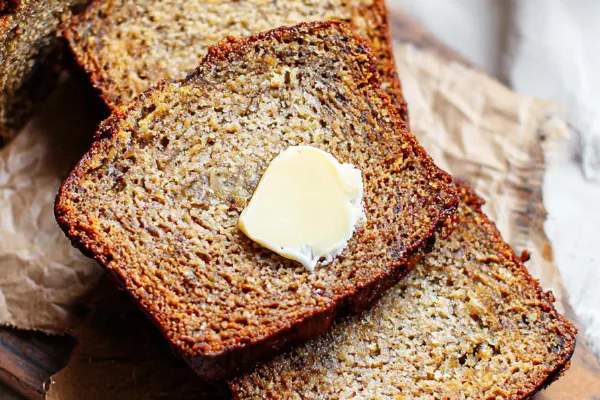
Moist Banana Miso Loaf
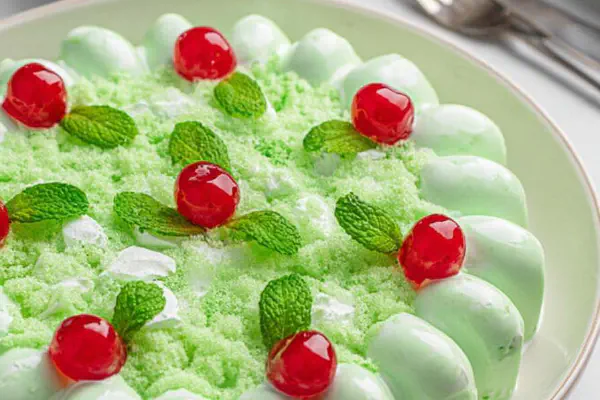
Pear Citrus Gelatin Salad
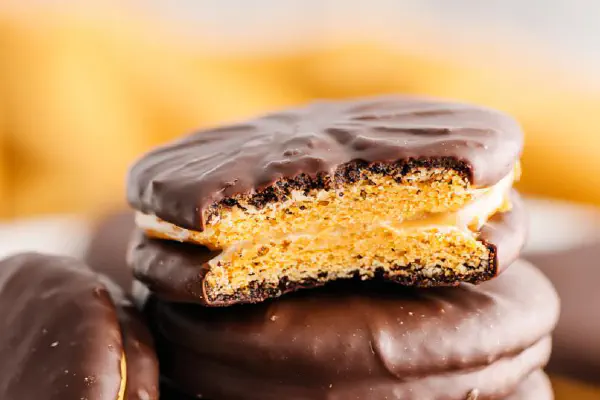
Chocolate Peanut Butter Crisps
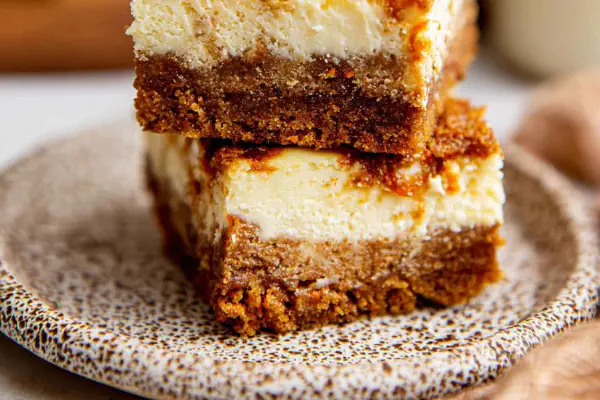
Spiced Carrot Cheesecake Bars
Maple Tart with Whipped Cream
Pistachio Loaf Cake
Confetti Sheet Cake Remix
Dairy-Free Maple Cream Candy
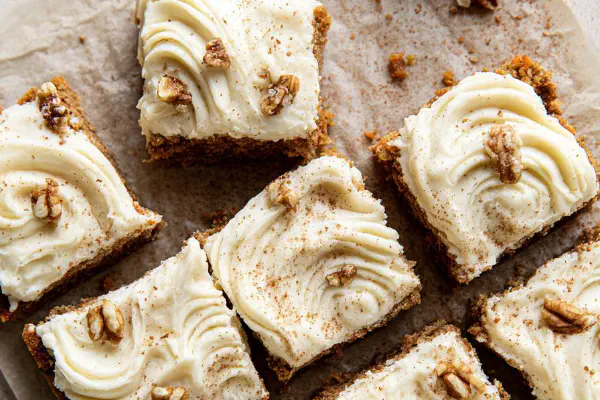
Spiced Carrot Cake Bars
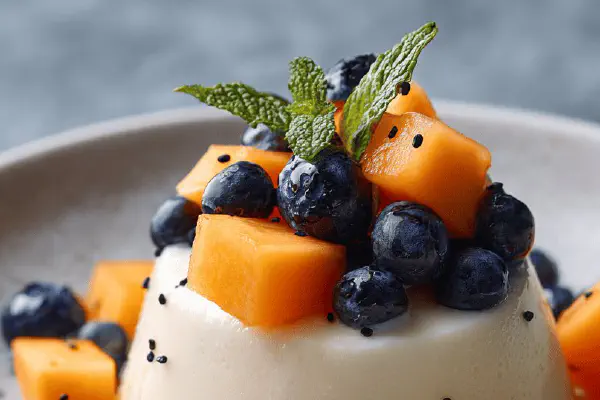
Coconut Tapioca with Berries
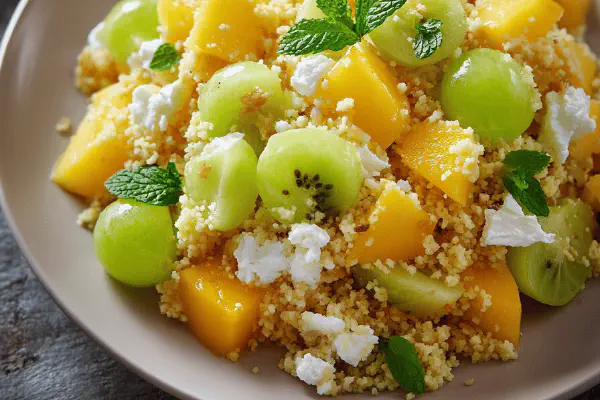
Couscous Fruit Salad Remix
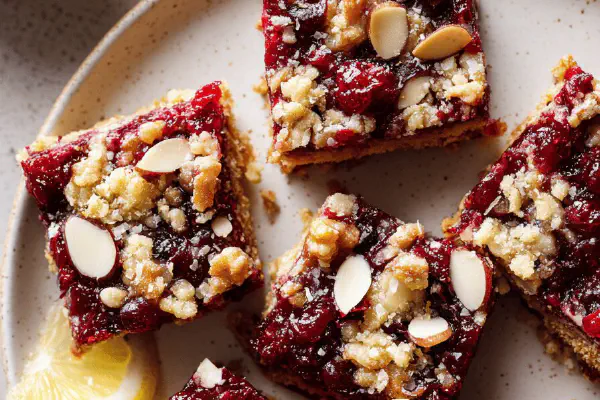
Cranberry Almond Bars Refined
Coconut Cream Pie Remix
Flourless PB Chocolate Chip Cookies
Zesty Lemon Thumbprint Cookies
Drunken Panettone Twist

Citrus-Spiced Strawberry Pie
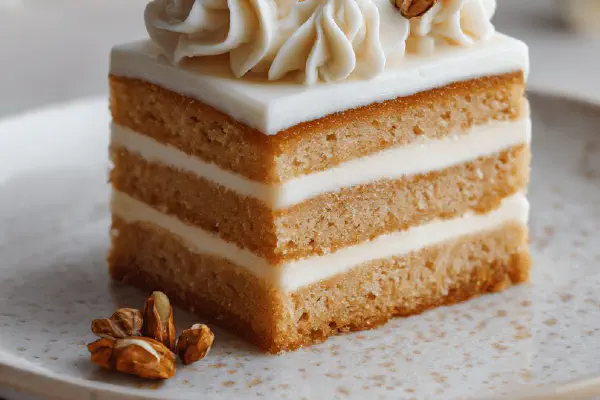
Maple Butter Layer Cake

Molasses Ginger Galettes
About the ingredients
Go for a quality Devil’s Food mix—cheap mixes taste artificial and dry. Instant pudding mix works best if fresh; stale pudding powder can give off stale aromas and clump weirdly. Butter needs to be softened but not melted to blend smoothly with milk; hot fat causes curdling which fractures the liquid layer, uneven bake. Milk is best whole or half-and-half; skim thins the batter and changes texture. Consider swapping milk for cooled espresso or brew to boost chocolate depth but be aware of added bitterness; adjust sugar accordingly. Chocolate chips or chunks matter—chips keep structure, chunks create gooey pockets but risk sinking if too heavy. Nonstick spray aids clean release but buttering pan with parchment also works, especially if nonstick spray is low quality or absent.
Method
Technique Tips
Preheat oven before you start layering—temperature stability matters for crust development. Spraying the pan liberally prevents sticking on the bottom edges where fruit or sugar tends to caramelize. Do not stir dry ingredients together; layering dry cake mix under pudding powder retains layering that helps create distinct spongy vs dense textures. When combining milk and butter, whisk gently until uniform but don’t aerate too much; over-whisking introduces air, leading to a brittle cake crust. Pouring the mix evenly is crucial—spotty coverage leads to uneven rise. Lightly swirling batter encourages some blending without homogenizing—tries a knife tip technique or gentle circle motion. Bake uncovered; moisture is needed to escape for crust formation. Don’t rely strictly on time—watch for bubbling edges and crust elasticity. Allow resting time after baking for residual heat to finish setting and to avoid collapsing the top crust.
Chef's Notes
- 💡 Layering dry ingredients right; don't mix. Cake mix first for structure, pudding on top for gooeyness. Keeps textures distinct—light spongy and dense pockets.
- 💡 Milk needs room temp. Cold or hot butter ruins blend. Softened helps incorporate evenly without clumping. Whisk gently; too much air dries out cake.
- 💡 Chocolate chips or chunks? Chips keep structure; chunks melt for gooey spots. Dusting chips with flour helps them stay afloat in the batter.
- 💡 Check for visual cues as you bake. Bubbly edges are a must; crust springs back to light pressure. Don't stab too soon with toothpick that ruins crust.
- 💡 Resting time matters. Cool for 10-15 minutes for crust to settle. Serve warm, contrast with cold whipped cream or ice cream. Layer textures, temperatures.
Kitchen Wisdom
Why is my cake dry?
Likely uneven mixing. Pour milk-butter mix evenly. Stir carefully to avoid air pockets.
My chocolate chips sank!
Try half chips, half chunks. Dust them with a tiny bit of flour. Stopping sinking issue.
What if my cake is still gooey?
Check baking time; bubbles should signal readiness. Try different oven racks next time.
How do I store leftovers?
Cover well. Refrigerate for up to 3 days. Room temp if you’ll eat it soon. Reheat gently. Moisture loss.
You’ll Love These Too
Explore all →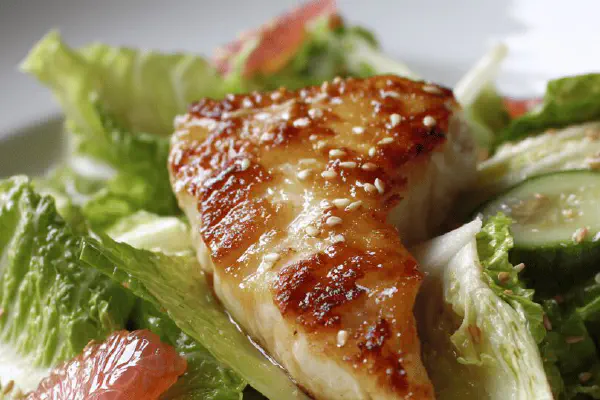
Citrus Tilapia Salad
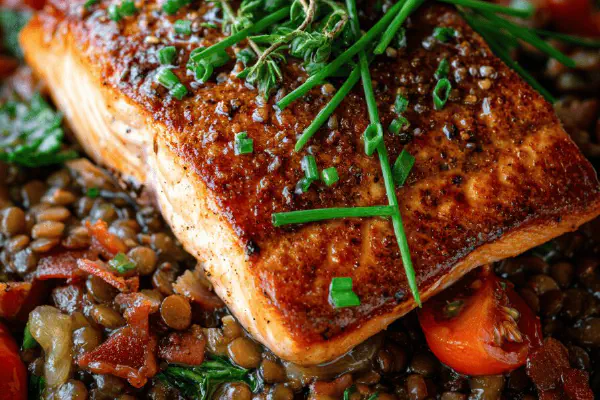
Balsamic Salmon with Lentils
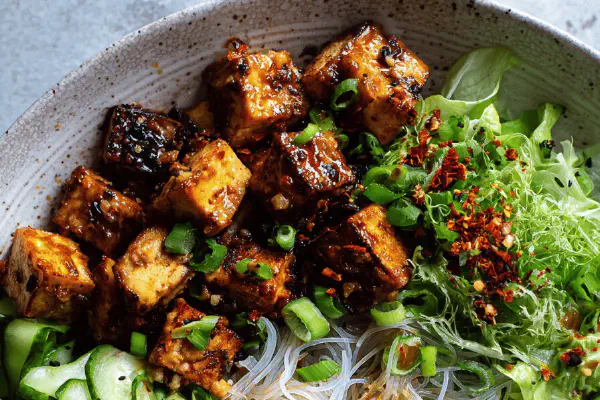
Silken Tofu Peanut Bowls
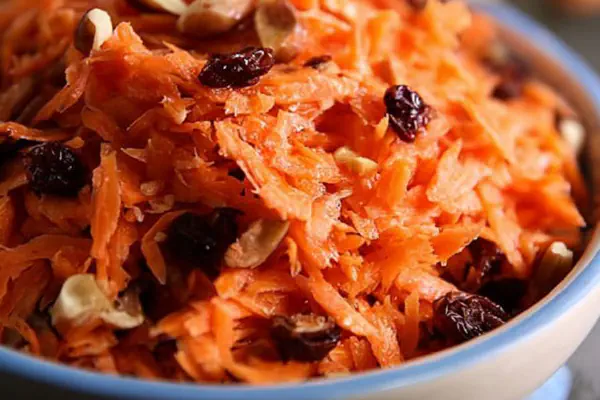
Carrot Cranberry Salad Remix
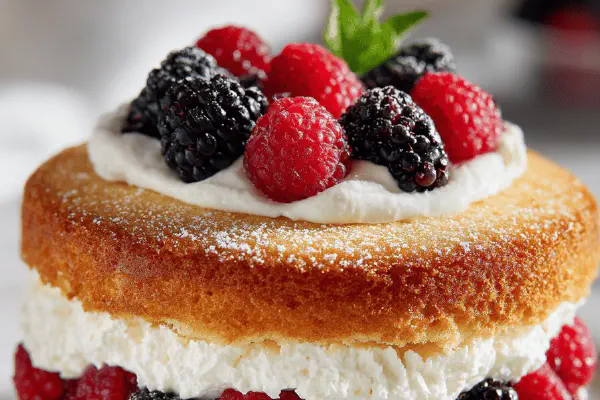
Raspberry Whoopie Pies Twist
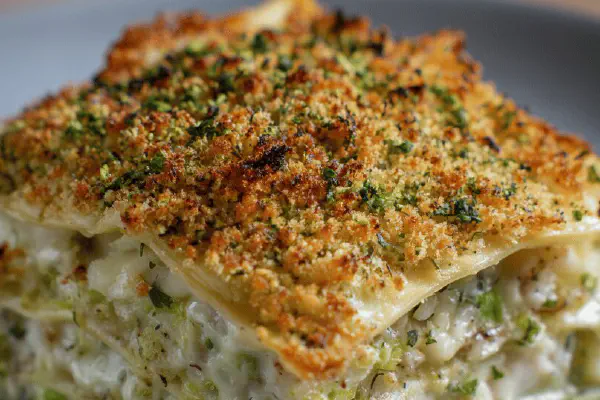
Pea Fish Lasagne Twist
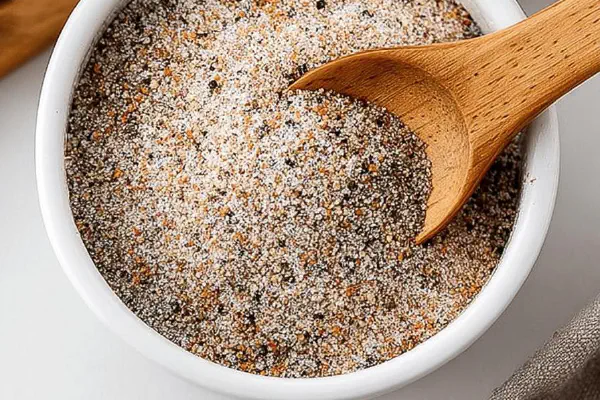
Steakhouse Bold Rub
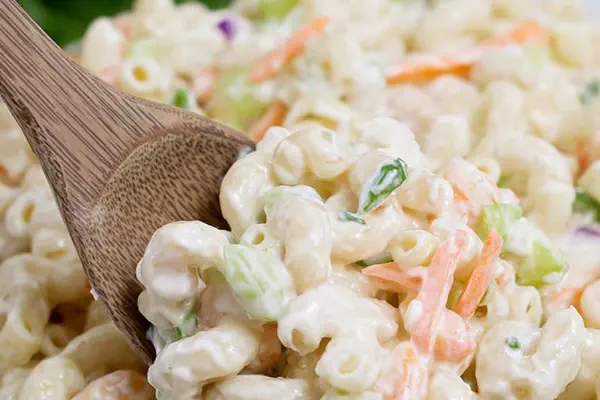
Chunky Macaroni Salad
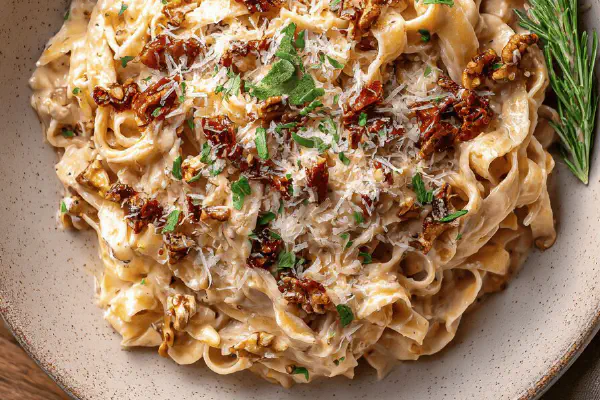
Walnut Cream Tagliatelle Remix
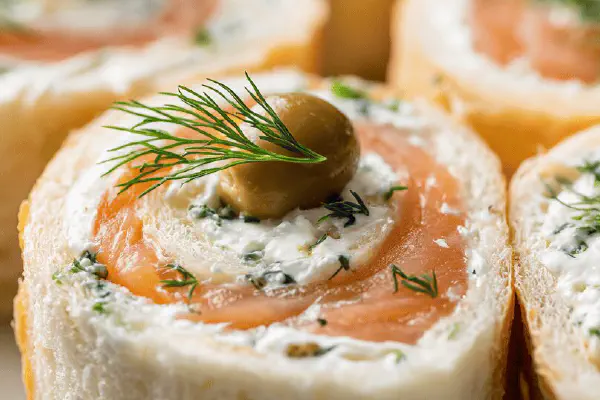
Smoked Salmon Pinwheel Rolls
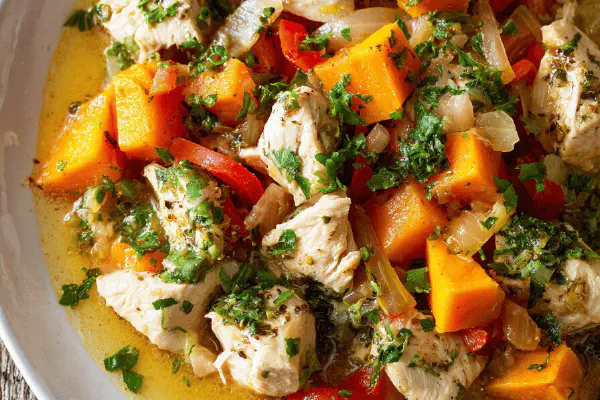
Turkey Stew with Sweet Potatoes and Peppers
Spicy Butter Buffalo Sauce
Rustic Niçoise Salad
Prosciutto Tart Snack
Spiced Carrot Cake Bars
Low Carb Eggplant Parm Zoodles
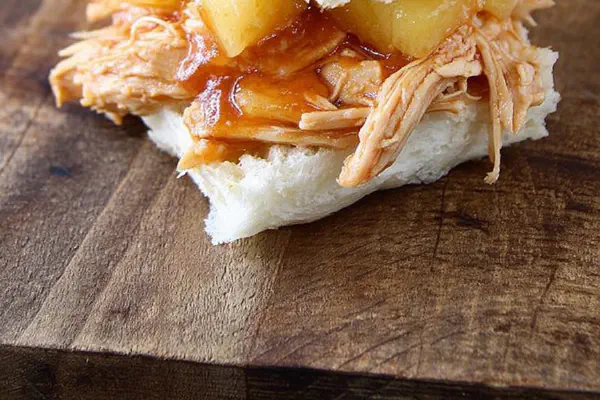
Slow Cooker Pineapple Chicken Sliders
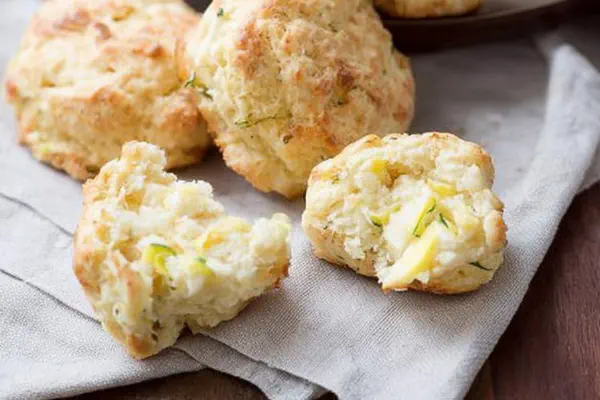
Cheesy Yellow Squash Biscuits
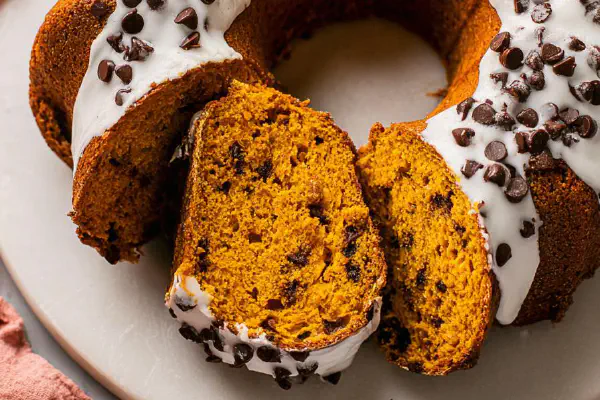
Pumpkin Choc Chip Bundt
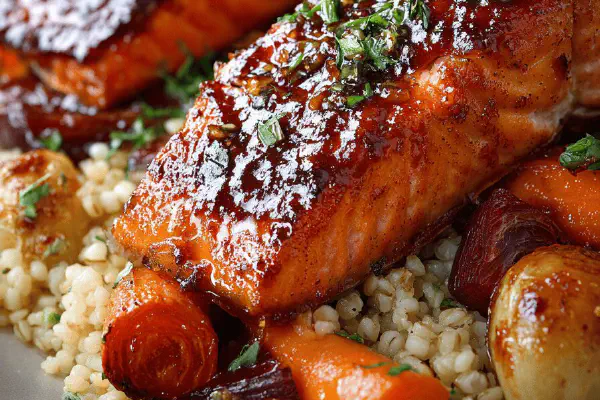
Beer Maple Glazed Salmon
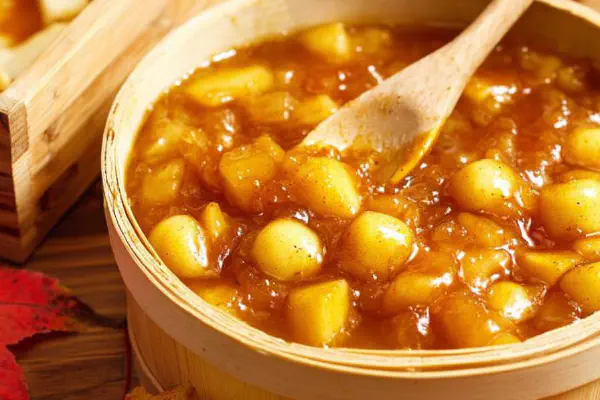
Rustic Apple Pie Fill
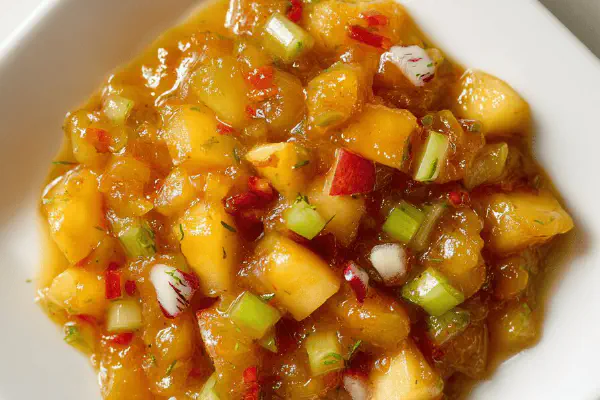
Fruity Sea Buckthorn Chutney
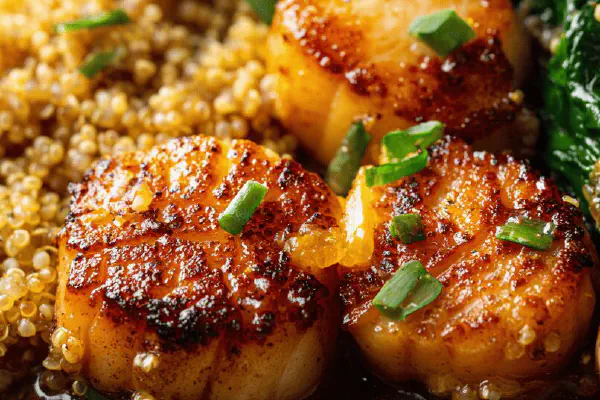
Giant Scallops Lemon Ginger
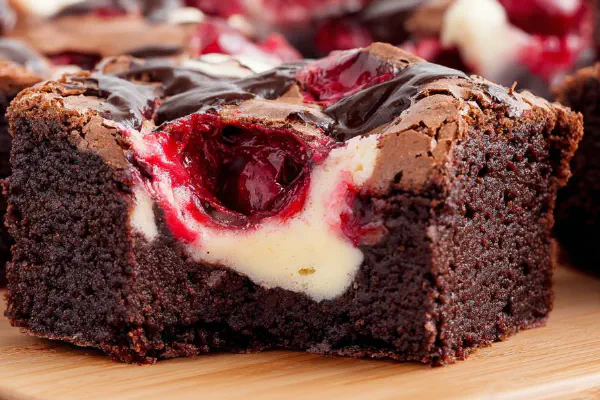
Cherry Cheesecake Brownies Twist
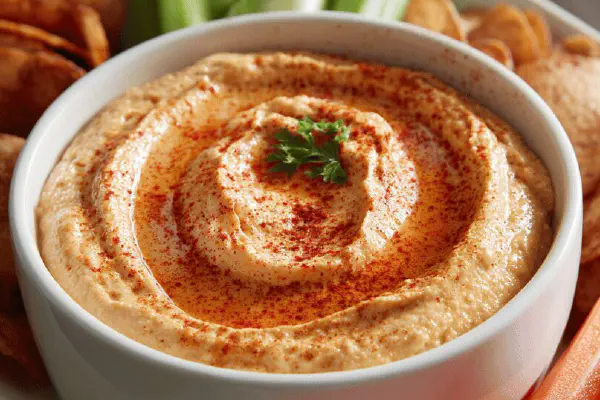
Spicy Creamy Orange Dip
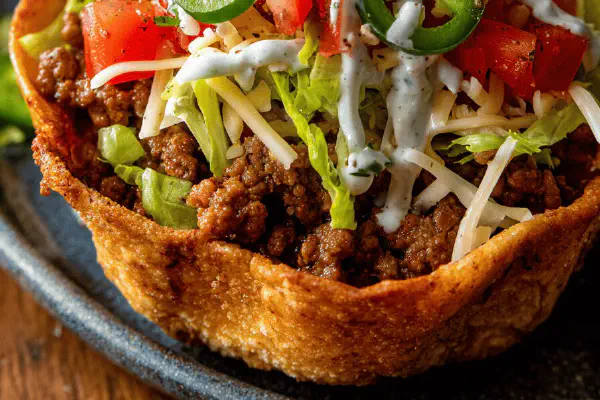
Spiced Beef Tortilla Salad
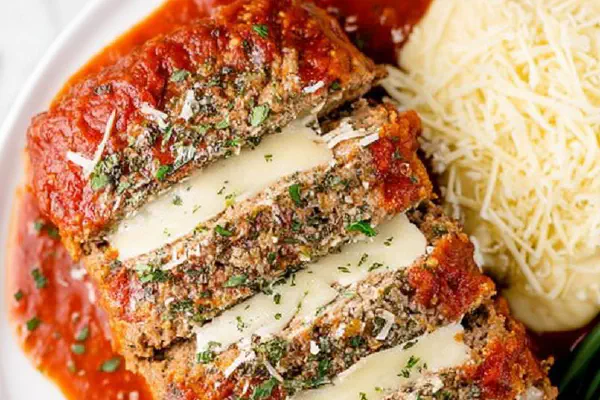
Italian Style Meatloaf Twist
Creamy Banana Shake

Rosy Cider Chicken