Featured Recipe
Chunky Cherry Jam Twist
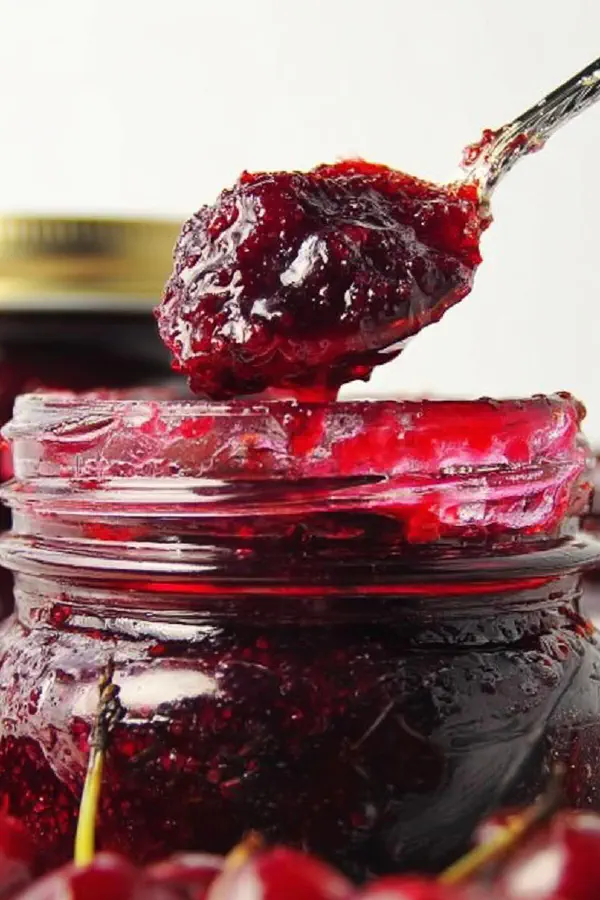
By Kate
"
Pit and roughly chop fresh cherries along with juice. Add fresh lime juice, a split vanilla bean, powdered fruit pectin, and a reduced sugar amount initially. Heat aggressively to a full rolling boil never stopping when stirring. Add brown sugar and honey mixture next, return to boil for exactly 65 seconds with constant stirring. Cool if not canning. For canning, prep jars by boiling then cooling upside down. Fill hot jars, clean rims, seal tightly, and boil water bath for 12 minutes. Cool undisturbed until lids pop. Store unopened jars up to 18 months, open jars refrigerate max one month.
"
Prep:
12 min
Cook:
32 min
Total:
44 min
Serves:
4 servings
jam
canning
cherry
summer
preserves
Introduction
Pitting fresh cherries is tedious but crucial. Big pot needed — something wide helps evaporation. Chopping releases juice, lets pectin bind properly. Lime juice sharper than lemon, lifts fruit flavor differently, less acidic, worth swapping if you want subtle twist. Vanilla bean seeds pop tiny black specs that elevate aroma and taste. Pectin is the backbone here. Use powdered fruit pectin designed for boiling jams, or low-methoxyl type if reducing sugar further. Initial sugar jumpstarts gel, but hold back most sugar for later slow boil with honey and brown sugar for deeper flavor and darker color. Boil must be vigorous not coaxed — this is basic jam science. Timing is approximate — watch bubble size and density. Don’t fight scalding by increasing stirring force, keep it gentle or fruit chunks will break down. Removing vanilla pods important to avoid harsh residues. If skipping canning, chill fast to avoid mold. Proper sterilization, jar warming, and water bath timing critical if preserving. Skip air bubbles under lids, wipe rims dry. Popping lid means success. Store dark, cool, no sunlight. Opened product fridge only, use quick. Cinnamon optional — warms spice profile. Honey slows crystallization, reduces perceived sweetness, use grade B or wildflower if possible. Patience with jar prep, shortcuts cause jams to spoil. Keep fire moderate, pots heavy. This jam won’t be a shiny pectin slab, it’s chunky, rustic, fragile, satisfying.
Ingredients
About the ingredients
Cherries are the centerpiece — fresh, ripe, but firm. Overripe leads to mushy jam. Pit and chop roughly; texture matters. If frozen cherries only, thaw completely and drain excess liquid to avoid watering down. Lime juice can fully replace lemon; it adds brightness without harsh acids. Vanilla bean seeds far superior to extract here — whole bean preferred but extract can be backup. Pectin is variable in brands; adjust sugar if you use low-sugar pectin. Sugar here is split into initial and later additions to control gel timing and sweetness profile. Brown sugar adds molasses note; honey deepens flavor and softens sweetness curve. Optional cinnamon adds warm undertone, add at step two to allow infusion but not overpower. If allergic to honey or not available, maple syrup works but do not overreplace to keep boiling points steady. Jars must be sterilized if canning — avoid dishwasher only cleaning unless followed by boiling water bath. New lids essential to seal properly; reusing lids leads to spoilage.
Method
Jam preparation
- Rough chop cherries leaving some larger pieces for texture. Collect all juice released into a wide, heavy-bottomed pot. Add lime juice and scrape vanilla seeds along with pods into pot. Sprinkle pectin and initial sugar over mixture. Stir well to combine everything slowly.
- Bring pot over high heat. Stir gently but frequently to avoid scorching but watch closely. Wait for a full rolling boil at surface that doesn’t stop when stirred. Boil just enough to use the pectin activation but not too long here or jam can get past stage.
- Add brown sugar and honey mixture all at once. Stir gently to avoid splashes and maintain heat. Return pot immediately to full boil. This boil must be firm — no bubbles stop when stirring. Once rolling boil is steady again, begin timing exactly 1 minute and 5 seconds. Stir continuously so fruit doesn’t stick or burn on bottom.
- After timing, remove pot from heat. Remove vanilla bean pods to avoid bitter flavors if jam will be stored long-term.
- If skipping canning, cool slightly before ladling into clean jars or containers. Let come to room temp then seal and chill. Use within one month.
- Before finishing cooling, fill canner to cover jars with 1 inch of water. Bring water to steady boil over high heat.
- Submerge emptied, open jars into boiling water for at least 2 minutes to sterilize and warm glass. Use jar lifter with heavy gloves to avoid burns. Flip heated jars upside down on a clean towel. This also drains excess water.
- Once jam is off heat, set jars upright. Using a funnel and ladle, fill jars leaving 1/4 inch headspace. Wipe rims clean with damp cloth then dry completely with paper towel. Moisture here prevents seal.
- Put new seals on lids, screw rings on tightly but don’t over-tighten—allow air to escape during processing.
- Lower filled jars gently into boiling canning water. Water should still cover them by at least 1 inch.
- Process jars for 12 minutes. Start timing when water returns to full boil. Stir water occasionally to keep temp even, no thermometer needed if managed carefully.
- Remove jars with lifter. Place upright on dry towel or rack. Do not disturb while cooling — lids must pop down tightly. Check lids after 12 hours; pressing center should be firm with no clicks.
- Store sealed jars in a cool dark place up to 18 months. After opening refrigerate and consume within 1 month.
Canning instructions
Technique Tips
Jam making hinges on thermal and tactile cues. Starting with chopped cherries allows quicker juice extraction and even cooking. Adding pectin and a small initial sugar portion lets pectin hydrate before boiling. Achieving full rolling boil critical — bubbles furious and constant. Stir gently or chunks break down. Sugar added later must be dissolved quickly; returning to rolling boil triggers gel formation. Start exact timing there, continuous stirring prevents scorching and uneven texture. One minute five seconds enough; longer results in harder gel and potential flavor loss. Removing vanilla pods after cooking avoids bitter notes. Cooling a jam too slow risks microbial growth, so if not canning, transfer to warm jars right away. Canning needs jar sterilization and warming first, prevents cracking jars and poor seals. Use lifters, gloves for safety with hot glass. Filling jars leaving 1/4 inch headspace allows expansion during processing. Wiping rims dry prevents seal failure. Tight but not over-tight lids allow air to push out. Water bath timing must include time to re-boil after submerging jars. Stir water occasionally to maintain even temp, no thermometer required if practiced. Undisturbed cooling essential — lids must pop and stay firm or jam will spoil. Store sealed jars cool and dark, opened jams refrigerated and used within a month to avoid mold. Common mistakes include rushing boiling steps, undercooking pectin, wet rims, or improper jar sealing. Practice patience and respect the process.
Chef's Notes
- 💡 Use ripe cherries, not overripe. They break down too much, leading to mush. Pit, chop, leave some chunks. Texture counts big.
- 💡 Boil aggressively. Full rolling boil, bubbles everywhere. Gentle stirring, avoid scorching. Vigorous heat helps pectin set. Don't rush that process.
- 💡 Follow jar prep closely. Sterilize with boiling. Heat jars to avoid breakage. Careful with lids, don’t overtighten. Loose enough to vent, seal right.
- 💡 Watch timing of boiling. One minute and five seconds is key. Too long, jam hardens, flavor may fade.
- 💡 Optional cinnamon gives warmth. Add early while cooking. Infuse flavor, don’t overpower cherries. Balance is crucial. Substitutions like maple syrup work.
Kitchen Wisdom
Can I use frozen cherries?
Yes, thaw completely, drain excess juice. Too much liquid leads to watery jam. Fresh is better for flavor.
How can I tell if the jam is ready?
Timed boil is one sign. Check for bubbles. Watch for thickness, pours slowly off the spoon.
What if my jam doesn’t set?
Check on pectin used. Not all brands same. If too runny, you may need more pectin next time.
How do I store opened jars?
Refrigerate immediately. Use within a month. Check for mold before consuming. If unsure, discard.