Featured Recipe
Chunky Peanut Bars
By Kate
"
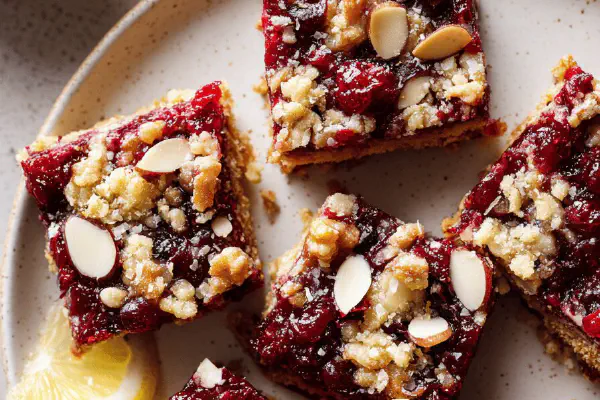
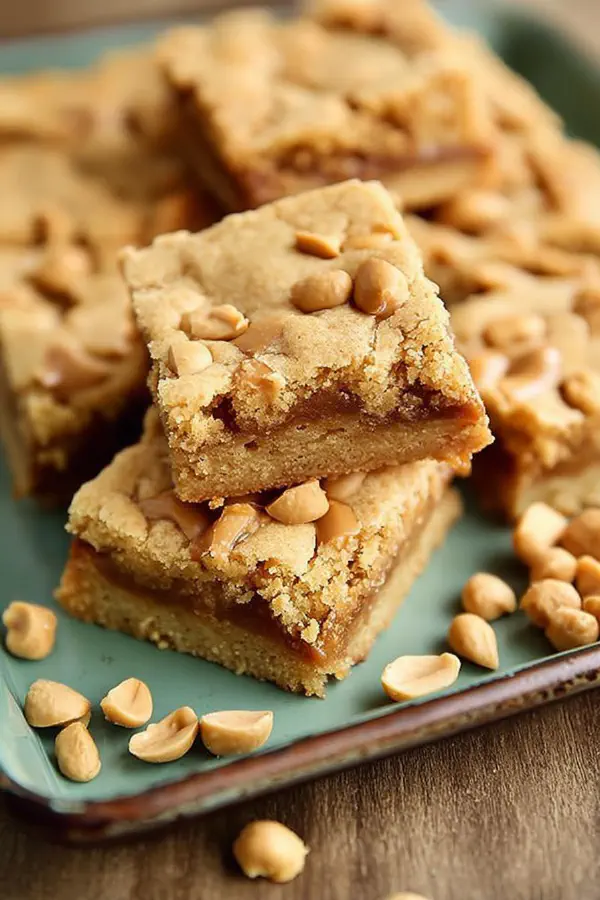
Dense bars loaded with peanut butter and bits of crunch. Uses a lower oven temp to get chewy edges, a slightly under-set center. Butter swapped half for coconut oil adds subtle tropical aroma. Brown sugar cut slightly to avoid excess sweetness; molasses replaces half for deeper flavor. Flour replaced with oat flour for texture twist. Extra salt added to lift peanut notes. Peanuts swapped for roasted almonds; peanut butter chips replaced with dark chocolate chunks for contrast. Bake longer at 305F but watch for the telltale jiggle in the center; edges firm up first. Sprinkle almonds and choc chips on top for toasty aroma and melty pockets.
"
Prep:
15 min
Cook:
45 min
Total:
60 min
Serves:
12 servings
dessert
baking
snacks
treats
Introduction
Low and slow heat. Cooler than usual for cookie bars but that’s the secret to chewy edges without burning. Coconut oil melts unique notes into the usual butter-peanut mix; brown sugar cut down so bars aren’t cloying but still deep and rich. Oat flour gives a gritty, hearty texture that’s not cakey or sand. Peanuts traded for almonds because if you’re going nuts, might as well get some unexpected crunch and flavor. Ditch peanut butter chips—dark chocolate chunks melt more luxuriously, sharp bitterness cutting sugar’s overload. Look for that center jiggle, not liquid or rock hard; bar edges should brown and firm first. Let cool fully. Patience here = bars holding shape, not crumbling into sad crumbs.
Ingredients
About the ingredients
Butter can be half replaced with coconut oil for unique aroma and moisture balance. If no coconut oil, just butter works fine. Use creamy peanut butter to blend into batter uniformly — chunky peanut butter throws off texture. Granulated sugar and brown sugar split control sweetness and moisture; subbing half brown sugar for molasses-rich dark brown sugar adds depth. Oat flour adds chewiness; if unavailable, use all purpose but reduce slightly by one to two tablespoons. Salt is essential to bring out peanut butter’s nuttiness — don’t skip or reduce. Roasted almonds provide crunch and flavor complexity instead of peanuts; raw nuts will give too little crunch and sogginess risk. Chocolate chunks rather than peanut butter chips for melt and bittersweet contrast. Vanilla adds aroma, balance. Nonstick spray or butter/flour combo helps release bars cleanly without breakage.
Method
Technique Tips
Start by preheating oven to 305F, oil pan well. Mixing fats and sugars first allows sugar to begin dissolving in warm fat, helping with chewy texture. Eggs fold in good after sugar-fat mixture looks uniform — don’t beat eggs separately; avoid aerating batter too much to keep dense chew. Flour should be folded gently to avoid gluten development that toughens bars. Adding salt later ensures flavor control. Folding nuts and chocolate at end prevents chips melting too early. Batter should be thick, yet spreadable — use a spatula to push into edges firmly. Sprinkled nuts/chocolate top toast during baking, contributing crunch, aroma. Bake time flexible; rely on texture — edges golden and firm, center gently trembling when nudged; creates that chewy, fudgy middle and crisp edge contrast. Cooling fully on rack sets bars firmly; cutting too soon ruins shape. Leftovers stay fresh hermetically sealed; reheating brings back fresh-baked warmth. Practical kitchen tip: if yours bake unevenly, rotate pan halfway through.
Chef's Notes
- 💡 Check your butter. Melted but not hot — keeps batter consistent. If you skip coconut oil, ensure your butter’s fully melted to avoid spots. Mixing warm fat with sugars equals chew, mix well. Stir until smooth before adding eggs. Watch batter — too much air makes bars rise, then collapse into crumbs.
- 💡 Oat flour can be tricky. If no oat flour on hand, regular all-purpose can work. But reduce it slightly, maybe one or two tablespoons. Sifting helps with texture here. Mixing flour into butter mix should be quick. Overmixing develops gluten, makes them tough. Keep it thick yet blended.
- 💡 Jiggle in the center. It’s key. If it moves but isn’t liquid, it’s ready. Too jiggly? It needs more time in the oven. Watch edges—they brown first. Tap the pan gently to check for a slight bounce. If it’s flat and wobbly, give it another few minutes. No one likes dry edges.
- 💡 Chilling time matters. After taking bars out, let them cool. Patience prevents crumbling. Cut after they’ve fully cooled. Otherwise, they’ll just fall apart into a sad pile. Airtight storage for leftovers crucial. Keeps fresh for days. Microwaving slightly can revive that fresh-baked feel.
- 💡 Consider swapping half the peanut butter. Cashew butter, almond butter work for subtle shifts in flavor. Avoid chunky peanut butter; creamy ensures even blending. Keep salted options in mind. If roasted almonds aren’t on hand, peanuts work, but adjust salt carefully. Helps maintain texture without too much crunch.
Kitchen Wisdom
Why do my bars fall apart after cutting?
Let bars cool fully before cutting. Cutting early leads to crumbling. Wait. Use a sharp knife for clean slices.
What if my bars are too gooey?
Baking time needs adjusting. Tap pan, if wobbly, back in oven. Look for firm edges. Don't overbake; balance is key.
Can I change the nuts?
Sure thing. Replace roasted almonds with peanuts or walnuts. Adjust salt if using unsalted varieties. Keeps flavor bold and balance stays.
How to store leftovers?
Airtight container at room temp or fridge works. Each way keeps them fresh. Avoid moisture. For freezing, wrap well. Thaw when ready.