Featured Recipe
Coconut Cream Pie Remix
By Kate
"
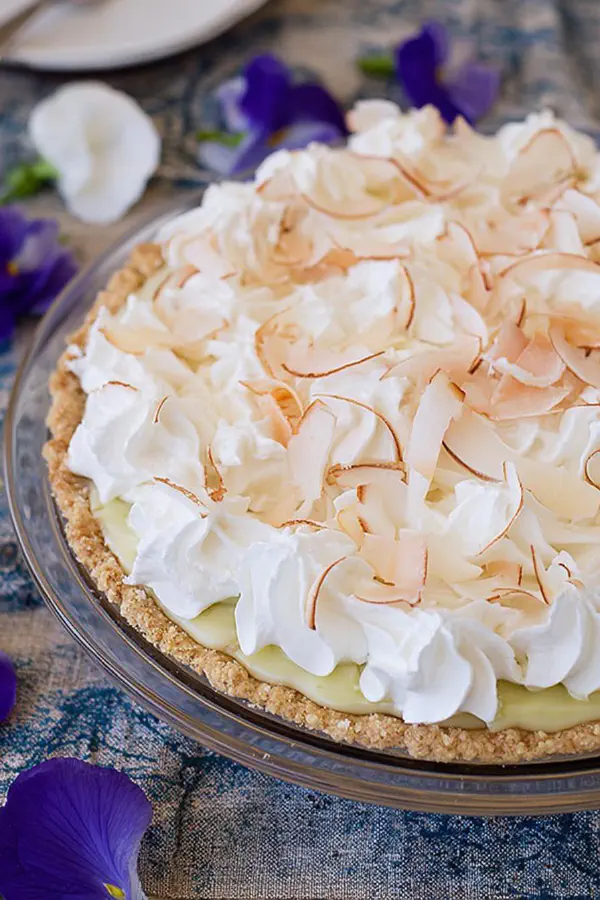
Baked crust chilling while rich, custard thickens on stovetop. Egg yolks temper sugar, cornstarch thickens with milk blend including coconut milk and cream. Heat brings glossy shine, then careful blending with egg mix keeps custard smooth. Boil bubbles, whisk fast to stop scalding. Butter afloat followed by toasted coconut—fresh, crunchy texture. Chill sets filling. Whipping cream sweetened, piped neat swirls crowned with toasted coconut bits. Broil coconut quick, watch closely or burn ruins the nutty aroma. Substitute evaporated milk for heavy cream for lighter texture or almond milk for subtle nutty overtone.
"
Prep:
35 min
Cook:
20 min
Total:
55 min
Serves:
12 servings
desserts
coconut
American cuisine
baking
Introduction
Creamy, fluffy coconut custard forced over baked buttery shell. Mixing wet with dry carefully or risk grainy egg scramble. Cornstarch is your thickening friend but watch the boil—custard flips in seconds from shiny ribbon to gritty mess. Touch: temper egg mix by adding warm milk tablespoon by spoonful. Whisk, whisk, whisk. Burnt milk? Toss and start over. Coconut milk adds richness, tropical depth; canned full fat is non-negotiable unless dairy-free shift planned. Whip the cream not too tight—soft peaks welcome here. Toast coconut browns it fast; watch or toss entire batch. Slice cold for neat servings. Kitchen smells of toasted coconut spreading warm invite once pie out of fridge.
Ingredients
About the ingredients
Use full-fat canned coconut milk for body and custard richness. Evaporated milk works as a cream substitute to slightly lighten fat content. Granulated sugar sweetens custard but powdered sugar in whipped cream dusts smooth sweetness without grit. Egg yolks essential for thick custard structure—no replacements. Cornstarch smooth thickener; don’t skip or substitute with flour (wheat taste, uneven thickening). Shredded coconut provides chew and contrast. Butter added off heat gives silky mouthfeel and gloss, replaced partially with coconut oil for subtle coconut taste but can alter texture — caution required. Frosted powdered sugar helps stabilize whipped cream, can add cream of tartar as stabilizer alternative. Plastic wrap on custard surface prevents that annoying skin formation—do not skip.
Method
Custard and Pie Crust
- Preheat oven, bake pie crust per package but shave a few minutes off original timing; remove when edges golden but still somewhat pale. Cool crust completely before filling or sogginess sets in.
- In medium bowl whisk egg yolks and granulated sugar by hand until pale, slightly thickened – granules dissolve partially; creates base for custard smoothness.
- Heavy saucepan now: combine cornstarch and salt dry. Slowly add whole milk, heavy cream, and coconut milk – whisk thoroughly to dissolve lumps before heat.
- Place on medium heat, stir constantly with whisk. When mixture begins to steam, and just at first bubble pop, lower heat slightly. Let simmer 50 to 60 seconds – expect thickening, shiny, custardy glossiness. Remove one-third (about 1/3 cup).
- Slowly pour reserved milk into egg yolk mixture stirring constantly to temper eggs; prevents scrambled lumps. Once integrated, pour egg combo back to saucepan gradually while whisking nonstop.
- Return to medium heat, heat to brisk boil, watch custard bubble up and crackle around edges like mini firework pops, boil exactly 80 to 90 seconds. Important: whisk continuously or custard will scorch and grain.
- Off heat, stir in butter lumps to melt smoothly, add coconut and vanilla extracts, plus 1 cup shredded coconut for texture and bite.
- Pour thick custard into cooled pie shell; cover surface tightly with plastic wrap pressed onto custard to prevent skin formation. Refrigerate at least 4 hours or overnight for proper set.
- Chill mixing bowl and beaters. Combine cold heavy cream, powdered sugar, vanilla. Whip at medium-high speed until stiff peaks. Avoid overwhipping which turns grainy.
- Use piping bag with large star tip to swirl dollops over pie surface; neat decorative presentation.
- Set oven to broil on low rack. Spread reserved 1/3 cup shredded coconut in thin, even layer on baking sheet.
- Broil 2 to 3 minutes but watch continuously. When edges turn golden brown, remove immediately to cool. Burns fast; burnt coconut tastes bitter and ruins dessert.
- Scatter toasted coconut over whipped cream topping.
- Serve chilled.
- Whole milk substitution: 2% milk can be used but custard will be less rich and thick; compensate by adding extra cornstarch by 1 teaspoon.
- Replace coconut extract with rum or almond extract for subtle flavor change but do not skip vanilla—important for depth.
- If batter sweets feels too sharp, add pinch of salt to egg yolk-sugar mix to balance flavor.
- If custard shows lumps, use fine mesh sieve to strain into crust; fiddly but yields smoother texture.
- Leftover coconut milk can replace heavy cream for dairy-free version but custard won't thicken the same—add extra cornstarch if needed.
- If pie crust bubbles during blind bake, prick with fork before baking or use pie weights.
- Keep stirring when heating custard—lumps or burnt flavor happen fast and can ruin entire filling.
- For faster serving chill minimum 3 hours but always check custard firmness with gentle press of finger on plastic wrap.
Whipped Cream
Toasted Coconut
Notes and Tweaks
Technique Tips
Bake crust carefully to avoid soggy bottom; cool fully before filling. Mixing egg yolks with sugar by hand flags any gritty sugar; dissolve as much as possible before heat. Tempering eggs stops scramble and lumps. Consistent whisking during heat stops scorching and ensures thickening. Boil timing critical; too short and custard is loose, too long and grit forms. Butter added off heat ensures melting without curdling. Custard coverage with plastic wrap stops film skin. Whipped cream must form stiff peaks but avoid overwhipping to stop butter formation. Toast coconut at low broil, watching constantly; burns instantly. Cool toasted coconut before topping; warm shreds wilt cream. Chill custard several hours minimum to firm properly. Test set by gentle touch on plastic wrap. Always slice cold for clean pieces.
Chef's Notes
- 💡 Chill pie crust well, ensure no sogginess. Cool it out completely. Avoid rushing. Wet crust ruins texture. Baking time matters.
- 💡 Whisk egg yolks until pale. Key signal is sugar dissolving somewhat. Important to prevent lumps in custard. Watch for slight thickening.
- 💡 Stir custard base nonstop over heat. That ensures no burning. Custard thickens quickly, pay attention. Watch steam, that hints boiling.
- 💡 When broiling coconut, keep eyes peeled. Burns fast, bitter taste ruins dish. Golden edges are your cue for perfect toasting.
- 💡 Filling sets better overnight, better flavor too. If short on time, 4 hours works. Custard should hold sturdy when touched, gently.
Kitchen Wisdom
How to temper egg yolks?
Gradually add warm milk to mix. Avoid big clumps of cooked egg. Continuous whisking, that's crucial.
What if custard is lumpy?
Use fine mesh sieve to strain. It catches any bits. Simple fix but tedious. Don't skip this step.
How to store leftovers?
Cover with plastic wrap tight. Refrigerate for up to three days. Don't freeze this pie, moisture ruins it.
Can I use low-fat milk?
Yes but custard will be less rich. Add more cornstarch, one teaspoon extra. Adjust if needed, always.