Featured Recipe
Cornstarch Slurry Twist
By Kate
"
Mix potato starch with cold broth and a touch of soy sauce. Gradually introduce slurry into simmering stew or sauce, stirring steadily until you see thickening. Wait for gloss and slight gelation, not just cloudiness. Use arrowroot or tapioca starch as alternatives. Avoid adding all at once to prevent lumps. Adjust thickness by small increments, patience pays. Slurry always goes last, never raw powder straight to heat.
"
Prep:
4 min
Cook:
3 min
Total:
7 min
Serves:
1 serving
thickening
sauces
pan-Asian fusion
Introduction
Thickening liquids using starch—the ultimate cheat in sauces and stews but often botched. Slurry done wrong means gritty lumps, gluey misfires, or flat flavor. Potato starch replaces cornstarch here. Why? Higher tolerance to heat, less chances for it to break down, plus subtle silkier texture. Arrowroot counts as a good back-up, tapioca powder shines in tropical dishes. Always cold liquid to starch. That’s key. Heat kills the starch’s swelling ability, so no mixing with hot until ready. Slow incorporation, staring at bubbling tells you when it’s working. No thickening evidence? Underheat or starch breaking down—adjust fire or starch choice. Real kitchens need options, visual cues, and a feel for timing. Thickness doesn’t come on command, it reveals itself. Not magic, just science in slow motion.
Ingredients
About the ingredients
Potato starch shines here, ideal for its clean taste and heat stability. Arrowroot powder comes next but less forgiving with long boiling. Tapioca flour adds chewiness if you want body beyond gloss. Eco-friendly swaps: oat flour works as alternative but creates opacity and slightly gritty texture, use sparingly. Water is default for slurry base, but cold broth adds nuanced aroma without interfering. Soy sauce twist introduces umami, great in Asian or rich meat sauces, but optional depending on saltiness. Keep starch ratios moderate; too much, and sauce develops a gluey mouthfeel. Trust your eye and hands more than timing. Lumps form when starch meets hot surface directly—whisk cold thoroughly. No shortcuts or dump-and-stir here.
Method
Mixing Slurry
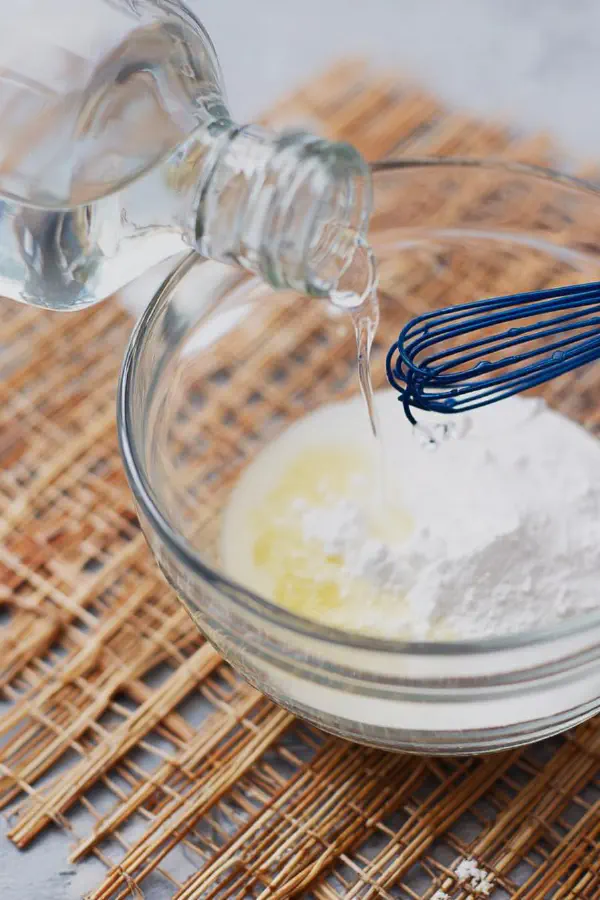
- Combine starch with cold liquid, adding soy sauce last. Whisk vigorously until lump-free slurry forms. Using broth adds flavor dimension—better than plain water.
- Bring sauce or broth to gentle simmer. Gradually pour slurry in while whisking or stirring briskly. Listen for soft bubbling, watch as liquid thickens and gains sheen. Stop adding when sauce coats spoon, clings but doesn’t gel hard.
- Wait a few minutes after initial addition—it thickens as it cooks, not instantly. If too thin, add remaining slurry in small doses, stirring well each time. Too thick? Thin with small amounts of broth or water while stirring.
Adding to Hot Liquid
Adjusting Thickness
Technique Tips
Mix starch thoroughly with liquid cold to avoid premature gel formation. Whisking aggressively breaks lumps early before heat sets starch. Heat your liquid to a gentle simmer, not roaring boil, to preserve sauce clarity and prevent starch breakdown. Add slurry slowly, whisking constantly to spread starch evenly; dumping causes clumps. After slurry addition, stirring frequency can reduce to low, just enough to prevent sticking and watch thickening visually—thickens as it heats, once thick, hold temp briefly to finish gelatinization. Too thick? Thin gently with more hot broth. Key errors: adding starch neat into hot liquid, ignoring wait time after adding slurry, or overheating stirring to destroy starch. Patience. Look for liquid to cling to spoon edges, sheen to sauce surface. Feel weight on spoon, slightly resistant but not pasty or stretchy.
Chef's Notes
- 💡 Start with cold broth; swirl in starch until smooth. Avoid lumping. Heat kills starch. Gentle simmer crucial, let starch fully activate.
- 💡 Listen for bubbling; visual cues are key. When sauce coats spoon, you've hit the mark. Check texture, stop adding when thick enough.
- 💡 Adjust thickness slowly. Too thin? Add starch slurry bit by bit, stir well each time. Those layers take time to show. Don’t rush.
- 💡 Powder in hot? No. Mix cold first, whisk it good. Patience pays off. Starch thickens as it heats, don’t expect instant results.
- 💡 Storage tip—keep slurry covered in fridge, use within 24 hours. Heat gently to re-thicken. If it’s thickened too much, dilute with warm broth.
Kitchen Wisdom
How to avoid lumps?
Cold mix first, whisk thoroughly. Add slowly to simmering sauce. Watch heat; high temp can ruin texture.
What if it’s too thick?
Thin with broth or water. Just a little at a time while stirring; over-adjusting can wreck sauce.
Can I use cornstarch instead?
Yes but adjust cooking times. Cornstarch less stable, more susceptible to breaking down under heat.
How to store leftovers?
Refrigerate in airtight container. Use within a day or two. Reheat slowly; may need thinning again.