Featured Recipe
Creamy Cashew Milk
By Kate
"
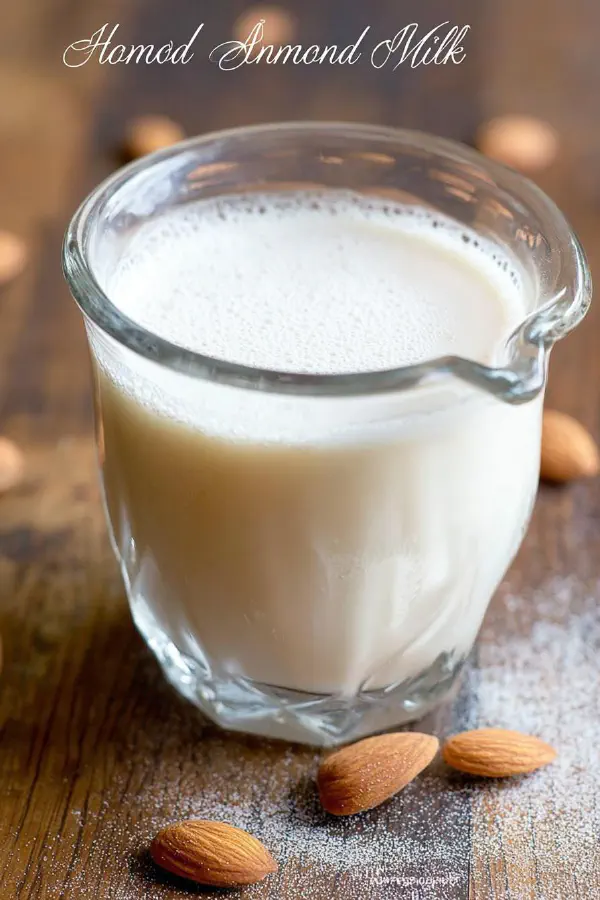
Cashews soaked in water become silky when blended. Blend with filtered water, softened figs for sweetness, and a pinch of sea salt to balance flavors. Strain through cloth for a clean finish, then add cinnamon and vanilla for depth. Store cold, lasts 4 days. Nutty aroma, slightly sweet, creamy mouthfeel.
"
Prep:
Cook:
25 min
Total:
Serves:
6 servings
vegan
dairy-free
nut milk
homemade
Introduction
Cashew milk, silky and versatile, comes down to soaking and blending treatment. No chopping or peeling required, skimp on time, lose smoothness. Figs replace dates as natural sweeteners without overt sugar clout – softer, more mellow sweetness. Cinnamon lifts notes, salt cuts dullness. Texture expected to coat lips lightly, not thin watery streams. Use fresh filtered water; tap water can dull flavor. Store cold, give a swirl to re-mix suspended cream. Perfect for cereals, coffee, or sipping straight. Homemade nut milk demands handling pulp wisely — don’t toss it. The trick is in balance – soak long enough, blend just right, strain thoroughly. No shortcuts here. Keep blender sharp and clean. End with flavors that suit your palate, no rigid rules.
Ingredients
About the ingredients
Cashews, softer than almonds, blend into creamy liquid quicker; soaking shortens blending time and prevents graininess. Figs soften easily, carry subtle sugars, but can swap to prunes or soaked apricots if figs unavailable. Sea salt enhances nuttiness, cuts blandness; omit if on sodium-restricted diet. Vanilla is about depth; pure extract always better than synthetic. Cinnamon optional but recommended for warmth and spice. Water quality impacts final flavor – filtered or spring water best. Too hard or chlorinated tap water dulls brightness. Measure nuts and water precisely, but adjust water volumes after first batch according to desired milk thickness. Dry pulp left over can dry in low oven or dehydrator to powder for use in baking or smoothie booster.
Method
Prepare Ingredients
- Rinse cashews, cover with 3-4 cups cool filtered water in a bowl. Refrigerate and soak for about 7 hours or overnight. Don’t skimp — soft nuts grind finer and yield richer milk. Skin removal optional on cashews; usually skins are thin and slip off with soaking, but can be left on for extra texture. Pat dry lightly before blending to avoid too diluted milk.
- Drain soaked cashews, toss into blender. Add 3 cups filtered water – adjust based on whether you want thinner or creamier milk. Figs should be tender; if still firm, soak 5-10 more mins. Add figs and sea salt to blender. Start blender on low speed, ramp up to high. Watch the mixture turn from coarse particles to glossy, white liquid – about 1-2 minutes. Texture should resemble fresh cream, no chunks.
- Position a nut milk bag or double-layer cheesecloth over a large bowl. Pour blended mix slowly, let gravity do some work first. Then squeeze bag firmly to extract every last drop. The pulp left is moist and can be saved for baking or smoothies — moist but not mushy, sign you didn’t overblend or under/over absorb water.
- Return strained milk to blender, add vanilla and cinnamon. Pulse briefly to incorporate. Taste test: adjust cinnamon or salt if needed. The spices brighten the nutty base; vanilla smooths it out. No sweetener unless you want it sweeter, substitute with maple syrup or honey if preferred.
- Pour into airtight container. Store in fridge up to 4 days. Shake before use — natural separation happens. Milk should smell fresh, slightly sweet, nut aroma present. If sour or off, discard. Cashew milk doesn’t last as long as commercial varieties without additives. Use within timeframe for best taste.
- If milk tastes gritty, likely under-blended or pulp strained improperly. Blend longer or use finer cloth. Too thick? Add water gradually and reblend. Too thin? Reduce water next time or add more nuts. Skin left on can make milk bitter; rinse well if skins remain. If blender struggles, soak nuts longer or use hot water in blending step to soften further.
Blend Milk
Strain Milk
Final Touches
Storage
Troubleshooting
Technique Tips
Soaking critical. Soft nuts break down easier, less friction noise in blender; clunks indicate under-soaked or dull blades. Blend low to start, teasing out large chunks, then ramp to high to emulsify fats and fibers into milk. Watch for creamy sheen, a visual cue that fats are well broken down. Straining step easy if passed slowly - rushing creates mess and lost milk. Squeeze bag firmly but evenly for max extraction, pulp should remain damp but not dripping. Adding spices after straining keeps flavor bright, avoids bitter extraction from skins or seeds. Store cold to prevent spoilage. Always sniff milk before use; off aromas signal ferment. If grainy, reblend and strain again or increase soaking next time. To tweak sweetness, add syrup after final blending, never before straining, prevents sticky clogs. Adjust thickness with water volume in blender, not by dilution post-strain.
Chef's Notes
- 💡 Crucial to soak cashews long enough. Soft nuts blend easier, blend fast for creamy texture. Keep blender on low to start, then ramp up to high.
- 💡 Avoid gritty texture. If blending too short, cashews won't break down. Blend longer but don't overdo it. Aim for silky, watch as it turns shiny.
- 💡 Nut milk bags vary; choose one that matches your grind preference. Too fine? Takes long to strain. Coarser might leave bits. Find that balance.
- 💡 Leftover pulp? Don't ditch it. Use in smoothies or baking. Dry and powder it too. Avoid waste; that's savings on ingredients.
- 💡 Check milk smell before use. Off aroma? Discard. Always shake before drinking, natural separation happens with nut milks, re-mix those layers.
Kitchen Wisdom
What if my milk turns out gritty?
Likely under-blended. Blend longer. Use finer strain if necessary. Thin it out next time.
Can I store this milk longer?
Only up to 4 days in fridge. Shake before each use. Sour smell means it’s bad; don’t risk it.
What’s a good substitute for figs?
Try prunes or soaked apricots instead. Sweetness varies, experiment with taste and texture.
How can I adjust the thickness?
Add more water gradually in blending phase. Use less if too thin. It’s all about trial and error.