Featured Recipe
Creamy Potato Mash Twist
By Kate
"
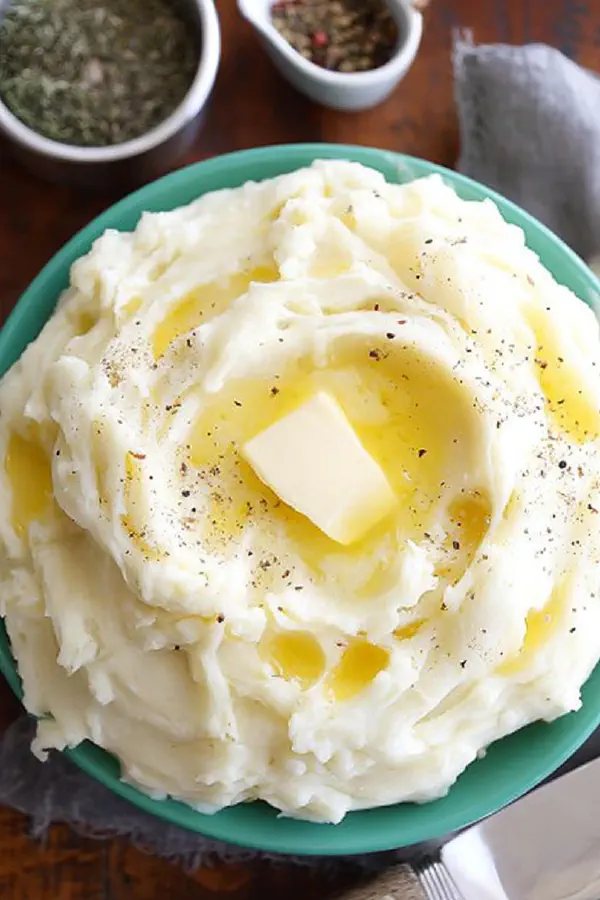
Cubed potatoes steamed until fork-tender, mashed with rich butter, creamy Greek yogurt replaces mayo for tang, and a splash of half-and-half swaps milk for silkiness. Salt added early in cooking locks flavor inside. Mash with a handheld masher or quick pulses with a mixer careful to avoid gluey texture. Final seasoning adjusted last, butter melting on top optional but adds depth. Focus on size uniformity so they cook evenly, visual fork test to catch doneness. Substitutions like sour cream and almond milk suggested for variations or dietary needs. Timing flexible, sensory cues guide progress. A practical method with trusted tweaks and tricks for dependable fluffy mash.
"
Prep:
20 min
Cook:
25 min
Total:
45 min
Serves:
4 servings
mashed potatoes
creamy recipes
American cuisine
Introduction
Peeling, cutting—consistency matters. Cubes inch-sized, no smaller—uniformity means even cooking. Put potatoes in cold salted water—salt early locks seasoning inside during boil. The pot sings softly as it approaches boil; foam rises, starch escaping, caressing the sides. Simmer steady. Fork-test key: poke and pry cubes; tender means done. Drain, but not rushed—let them sit and steam dry in pot; moisture kills mash fluffiness. Butter and Greek yogurt, why yogurt? Less fat than mayo but tangy complexity. Half-and-half replaces plain milk—extra silkiness, no work. Hand masher preferred; mixer pulses manageable but threatens glue if reckless. Finish with salt, pepper, melted butter melting shiny on top. Variations common but technique stays king.
Ingredients
About the ingredients
Yukon Gold preferred for creamy texture, but Russets if you want fluffier mash. Peel is non-negotiable—skin changes mouthfeel and texture. Salt goes in early with water, critical to flavor inside, not just on surface. Substitute mayo with Greek yogurt for less fat and more tang; sour cream also works well. Milk swapped for half-and-half—not overly rich but adds silkiness. Butter is truly the soul here; salted or unsalted adjust salt carefully. Black pepper freshly ground enhances flavor depth. Optional melted butter on serving adds visual appeal and extra richness. These swaps balance health, taste, and traditional mash feel.
Method
Technique Tips
Cold water start prevents uneven cooking—the cubes heat through simultaneously rather than cooking outside too fast. Salted water seasons potatoes from the inside, not just surface salted later. Boiling to steady simmer—rapid boil breaks down potatoes unevenly, stirring prevents sticking and early burning on bottom. Test doneness visually with fork, not just time. Drain thoroughly and return to dry pot; letting potatoes dry off excess steam moisture prevents gluey mash. Mash with hand masher for best texture control; use a mixer cautiously—overworking releases too much starch, gummy paste forms. Add dairy gradually watching consistency. Taste for seasoning last; potatoes need salt after cooking since starch dilutes flavor. Serve immediately—standing mash becomes cold and dense. Use leftovers to make crispy hash browns or croquettes.
Chef's Notes
- 💡 Precision in potato cutting. Cubes 1 inch max. Smaller means uneven cooking; larger means tough centers. Cold salted water prevents gluey texture.
- 💡 Bubbling sounds signal release of starch. Stir sometimes; prevents sticking. Don’t rush boiling; rapid boil harms texture. Steady simmer is key.
- 💡 Drain carefully. Let potatoes sit, steam off extra moisture. Too wet? Gluey mash. Perfect fluffy is from drying a bit. Moisture control essential.
- 💡 Butter and yogurt blend for flavor. Greek yogurt means less fat, more tang. Half-and-half adds silk. Watch consistency while mashing, avoid glue.
- 💡 Adjust seasonings after mashing. Raw potatoes can’t tell seasoning. Taste, balance with salt and pepper. Consider melted butter on top—richness added.
Kitchen Wisdom
How do I avoid gluey mashed potatoes?
Don't overmix. Hand masher preferred. Stop when lumps disappear; use mixer with caution; excess starch releases.
Can I substitute ingredients?
Sure. Sour cream works for yogurt. Almond milk lightens it. Instead of butter, try bacon fat for depth. Adjust salt following replacements.
How should I store leftovers?
Cover tightly in fridge. Reheat in microwave or stovetop. Add a bit of liquid to revive creaminess; mash might dry out.
What's the best way to serve?
Serve immediately. Keep warm and fluffy. For a twist, top with crispy bacon bits or fresh herbs. Appearance matters.