Featured Recipe
Creamy Shrimp Grits
By Kate
"
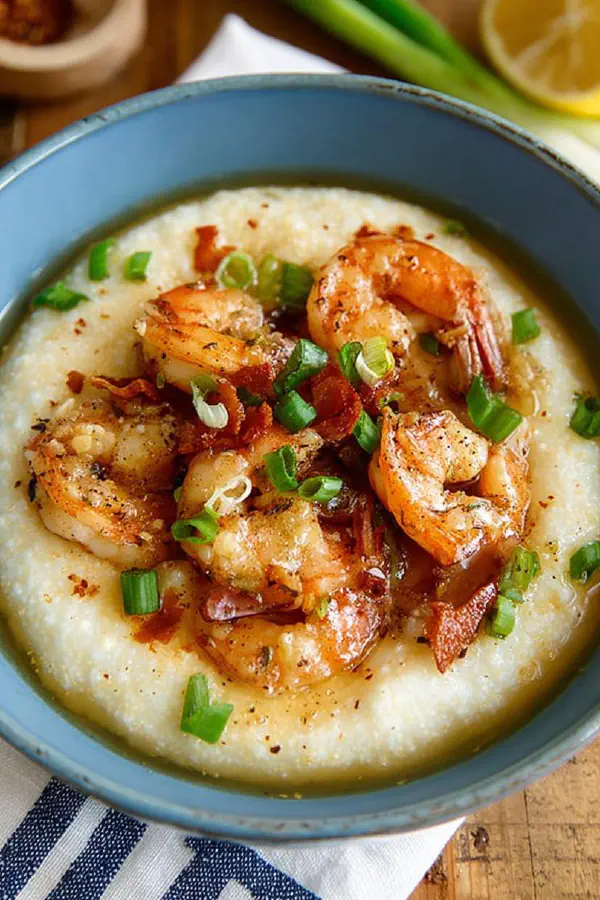
Shrimp and grits revamped with subtle swaps and an added twist. Stone-ground grits cooked slow, enriched with cream cheese and butter chunks for richness. Bacon strips crisped but reserve grease smartly. Swap green onions for mild shallots for a sweeter edge, and cayenne in place of hot sauce for a steadier heat build. Shrimp sautéed just short of done, seafood scent rising. Flour slurry thickens broth into sauce, lemon brightens. The combo hits texture and flavor layers. Timing flexed for tactile cues rather than clocks. Practical advice on grease management plus ingredient subs adjusted for pantry realism.
"
Prep:
12 min
Cook:
28 min
Total:
40 min
Serves:
4 servings
Southern
easy dinner
seafood
Introduction
Shrimp and grits is about layering textures and balancing richness with brightness, not just throwing ingredients together. Start with stone-ground grits because quick-grits lose that nutty creamy bite. Slow simmer lets them soften without turning gluey. Cream cheese and butter chunks melted in at the end build that luscious heat-retentive body. Swap green onions for shallots here—they mellow, carrying a rounder allium flavor that withstands the pan longer. Managing bacon fat is a tightrope; too much and you drown the dish, too little and shrimp stick or dry out. Shrimp cook fast hinting at the ocean, but caution—overcook and it’s rubber on the plate. Thickening the broth with flour slurry preserves a velvety sauce without heaviness. Lemon juice wakes every dimension up, cayenne provides a slow burn so hot sauce isn’t mandatory. Listen to the sizzles, aromas soften, colors shift to know exact moments; don’t just watch seconds tick. This approach keeps texture, flavor, and seasoning sharp.
Ingredients
About the ingredients
Use stone-ground grits for an authentic texture; quick cooking grits will be gummy. Cream cheese and butter chunks melt smoother when added last–pre-chopped; helps temperature control and avoids curdling or graininess. Shallots replace green onions here for sweetness but sliced thin to cook fast. Bacon fat is crucial; reserve most for later use or freezing, don’t pour down the drain. Shrimp fresh or thawed works but pat dry thoroughly–dry shrimp sears better and avoids steaming. Low-sodium broth lets you control salt across the dish; vegetable broth works fine if you want lighter flavor. Cayenne pepper’s slow burn beats hot sauce’s sharp vinegary punch here but start small; heat builds in the sauce. If dairy-free, swap cream cheese and butter for coconut milk or vegan butter–expect flavor adjustment but keep creaminess. Flour slurry is the best quick thickener, whisked thoroughly to avoid lumps. Fresh lemon juice brightens; bottled lacks punch.
Method
Make the Grits
- Boil 4 cups water in large pot; add 1 tsp salt. Gradually whisk in stone-ground grits to avoid clumps. Lower heat to low, cover loosely. Stir often, scraping sides and bottom; cook 25-30 minutes until tender but not mush. Test texture with a spoon–should be creamy but with slight bite.
- Add chunks of cream cheese and butter to hot grits. Stir until fully melted; this creates a silky mouthfeel and balances the grits’ earthiness. Keep covered on low heat while prepping shrimp.
- Fry bacon strips in large skillet over medium. Cook until crisp but not burnt; remove with slotted spoon to paper towels. Leave about 2 tablespoons of bacon grease in pan; drain or save the rest for another use. Bacon fat is flavor backbone but too much makes sauce greasy.
- Add sliced shallots to hot bacon grease. Sauté gently 4-5 minutes until softened and lightly browned–releasing sweet aroma. Toss in minced garlic, stir 1 minute until fragrant but not scorched. Garlic burns easily, adjust heat as needed.
- Season shrimp with salt and pepper. Add to skillet, tossing in bacon fat, adding a tablespoon extra butter if dry. Cook shrimp over medium-high until edges turn opaque and inner flesh still slightly translucent–about 2.5 to 3 minutes. Overcooked shrimp turn rubbery and lose sweetness.
- Transfer shrimp to plate with bacon. Stir flour into broth, whisk vigorously; ensures no lumps. Pour slurry into skillet, deglazing browned bits off bottom. Reduce heat to simmer; stir until sauce thickens up to coating consistency–about 4 to 6 minutes. Sauce should cling to spoon but remain pourable.
- Add lemon juice and cayenne pepper—start with less, adjust after tasting. Return shrimp to skillet. Warm through, stir gently to coat without breaking shrimp apart. Check seasoning, add salt and pepper incrementally.
- Spoon creamy grits into shallow bowls. Ladle shrimp and sauce over top. Scatter crispy bacon pieces and extra sliced shallots if desired. Serve immediately to preserve contrast of textures and temperature.
- If grits clump or thicken too much, stir in splash of warm water or broth to loosen. For a dairy-free option, swap cream cheese and butter with full-fat coconut milk or vegan butter—the flavor profile shifts but texture holds.
- Don’t rush bacon fat management. Too much leftover grease will make sauce greasy; too little and shrimp stick or dry out. Skillet temperature control is key for garlic and shrimp transitions–watch closely, smell cues help here.
- Should shrimp seem close to overcooked but sauce needs more time, remove shrimp and keep warm; add back just before serving.
Cook the Bacon and Aromatics
Cook the Shrimp and Sauce
Assemble and Serve
Tips
Technique Tips
Heat water to a rolling boil before adding salt ensures proper seasoning absorption. Slowly whisk in grits so no clumps form—vigilant stirring early sets you up for no lumps. Low heat and loose cover prevent grits from boiling over or sticking hard. Frequent stirring on sides and bottom prevents scorching and lumps, scrape with rubber spatula. The butter and cream cheese chunks added last prevent overcooking dairy. For bacon, medium heat lets fat render slowly; high heat risks burnt fat flavor. Remove bacon early enough before it goes brittle or scorched. Keep 2 tablespoons grease but remove excess because it spoils sauce texture. Sauté shallots low and slow until translucent and fragrant; garlic goes last and fast to prevent bitter burn—smell cues matter. Season shrimp upfront; salt pulls out moisture so don’t overseason. Medium-high heat promotes sear but shrimp must stay tender inside; look for opaque edges and pink color. Leaving inner slightly translucent ensures no rubbery bites. Remove shrimp to regain control of sauce cooking without overcooking seafood while thickening broth. Whisk flour and broth to avoid grainy lumps; adding slurry to hot fat deglazes pan, capturing all flavor bits. Simmer and stir so sauce thickens to coating state but is not gelatinous. Balance acidity with lemon and heat with cayenne gradually. Return shrimp last, warm through gently. Assemble plating swiftly; contrast between creamy grits and crisp bacon with fresh shallots is critical. Timing varies; prioritize sight, touch, and smell over precise clocks. Backup plan: loosen grits with broth if stiff, add butter or bacon fat if dry shrimp. Avoid garlic bitterness by stirring and adjusting heat pronto.
Chef's Notes
- 💡 Start with water boiling hot; adds flavor. Whisk grits slowly. No lumps, no mess. Stir often. Cream cheese last–prevent graininess.
- 💡 Bacon–medium heat; slow render. Crisp not burnt. Drain excess grease but keep some. Too much will drown flavors.
- 💡 Season shrimp before cooking–salt pulls moisture. Medium-high heat gives good sear but avoid rubbery. Look for opaque edges.
- 💡 Thickening sauce with flour slurry? Whisk well, no lumps. Deglazing captures flavor bits. Simmer until clingy but pourable.
- 💡 Worried about clumpy grits? Add warm broth or water. Adjusting texture is key. Be ready with alternatives for dryness.
Kitchen Wisdom
Why do grits get gummy?
Quick grits do that. Use stone-ground instead. They stay creamy, nutty. Texture holds with slow cook.
What if my shrimp overcooks?
Take them out fast! Finish sauce; add shrimp back last minute. Keep warm.
Can I store leftovers?
Yes; refrigerate in airtight. Grits can thicken. Add water to revive when reheating.
Dairy-free options?
Swap cream cheese with coconut milk. Use vegan butter. Adjust flavors. Expect some changes.