Featured Recipe
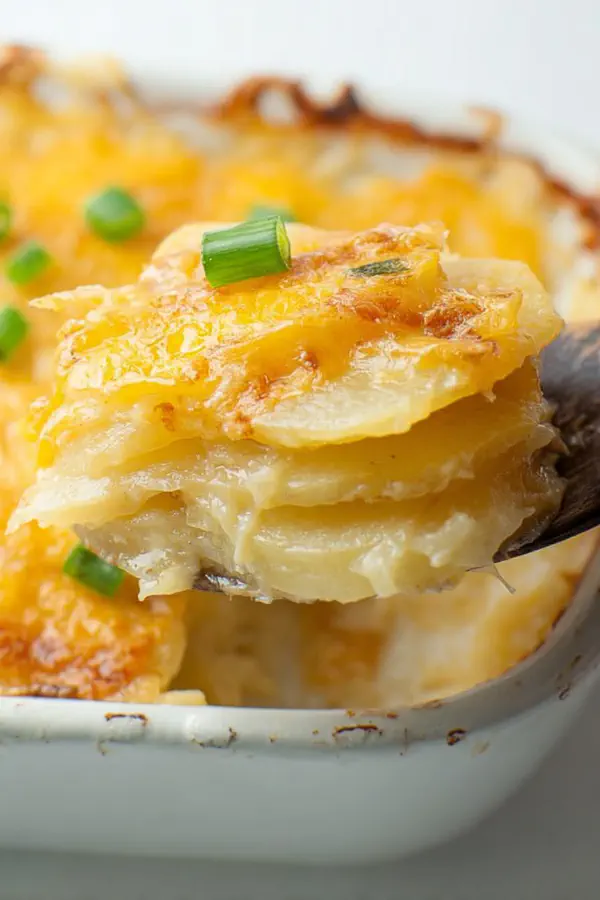
Creamy Twice-Cheese Potatoes
By Kate
"
Layers of thinly sliced potatoes baked in a thickened milk sauce enriched with two kinds of cheese. Uses a classic white sauce base modified slightly for texture and flavor. Bay leaf adds subtle aromatic depth. Finished with a crunchy melted cheese crust. Great for feeding a crowd or meal prepping. Can substitute gouda for cheddar for a smoky note. Important to slice potatoes uniformly for even cooking and use a sharp knife or mandoline. Baking covered then uncovered controls moisture, ensuring creamy softness inside while crisping top. Deal with browning by soaking sliced potatoes in cold water. Watch for bubbling sauce and soft potatoes as doneness clues.
"
Prep:
25 min
Cook:
Total:
Serves:
10 servings
casserole
comfort food
cheesy
Introduction
Start slicing potatoes thin enough to barely fit under your finger nail thickness don’t rush or uneven slices cause variable cooking times and mushy edges versus raw centers. White sauce or béchamel is fundamental here it needs patience whisking while pouring milk slowly otherwise lumps ruin texture. That bay leaf is silent but adds subtle aroma subtly lifting the whole dish don’t skip it but remove right before layering. Gouda swapped with cheddar adds a nuttier deeper profile enhancing without overpowering. Soak slices to prevent ugly oxidization and ‘off’ flavors from browning potatoes but dry well or you risk watery sauce and soggy bake. Cover then uncover bake locks moisture inside. Listen for bubbling signals sauce cooking through potatoes. Wait until tender both visually (fork slides easily) and tactile (poke around edges for resistance) before removing foil for crisping. Cheese melting on top should smell nutty and golden with tiny burnt edges, that’s the signal to stop. Resting is critical don’t skip it lets sauce thicken and flavors marry while allowing clean slices. Work methodically, trust senses.
Ingredients
About the ingredients
Russet potatoes best for starch that thickens sauce and holds shape don’t substitute waxy or fingerlings unless you want a looser sauce. Butter and flour roux forms base of sauce - never skip cooking flour enough or sauce tastes raw floury. Flour quantity slightly increased for thicker sauce - too little and potatoes swim, too much can server a gluey paste. Whole milk preferred over low fat for creaminess but half and half can work if cut back flour accordingly. Bay leaf whole for aroma but discreet, remove completely. Cheese carefully chosen - sharp gouda offers creamier melt than cheddar but use a blend for complexity. Reserve some cheese for grated topping to get nicely browned crust. Onion and garlic powder add gentle background dimension without overpowering the dairy richness. Salt crucial to pull forward all flavors but adjust to taste. Cooking spray prevents sticking and tearing of fragile potatoes when serving. Scallions or bacon optional finish but add savory crunch and color contrast.
Method
Technique Tips
Butter roux step non-negotiable. Maintain medium heat so roux cooks through but no color develops – brown roux changes flavor profile completely. Slowly whisking milk is patience test but lumps ruin mouthfeel. Simmer rather than boil – boiling dairy causes skin and curdle risk. Cheese must be at room temp or warm to integrate smoothly avoid cold cheese lumps. Slicing potatoes uniform is kitchen efficiency saving guesswork on cooking time and avoiding patchy textures. Soaking potatoes optional but recommended to remove surface starch and prevent browning - dry on towel well. Layering potato slices like shingles covers well and prevents dry edges or uneven cooking. Cover tightly traps steam moisture – prevents drying and helps soft centers. Watch bubbling sauce edges - sign of heat penetration. Remove foil carefully as steam is extremely hot. Adding cheese topping last creates no-melt cheese so retains bite and crunch when browned. Resting step overlooked often but essential for clean slices and flavor melding. Use fork or skewer penetration test not timer alone for doneness. Oven temps tweaked up/down 5 degrees to match personal appliances. If top browns too fast, loosely tent with foil during last phase. A dull knife dulls slices causing ragged edges and inconsistent cooking.
Chef's Notes
- 💡 Slice potatoes carefully, thin like a fingernail. Uniformity is key. Avoid inconsistency causing uneven cooking, mush spots. Patience in slicing pays off.
- 💡 Watch the cheese sauce while you mix. Whisk in milk steadily. Prevent lumps. Low heat matters. Don't let it scorch yet still needs to simmer.
- 💡 If sauce runs thin, use less milk next time. Cook it longer. Keep leftovers? Store them correctly. Airtight containers, refrigerate.
- 💡 Drain soaked potatoes well. Soggy base ruins texture. This step matters. Soaking prevents browning but can dilute sauce if not dried.
- 💡 Need it gluten-free? Substitute with cornstarch for thickening. Adjust proportions carefully. Experiment with cheese blends, smoky variations can add to flavor.
Kitchen Wisdom
Why are my potatoes mushy?
Overcooking or uneven slicing can lead to mush. Check for fork-tender without collapse. Thin slices help.
Sauce texture not right?
Sauce should thicken, but if too runny, avoid over-mixing cheese. Or reduce milk next attempt.
Can I freeze leftovers?
Yes, but texture may change. Seal well. Use within one month. Thaw in fridge before reheating.
What if top burns?
Too high heat can scorch. Lower temp toward end, or loosely cover with foil. Prevents burning, keeps moisture.