Featured Recipe
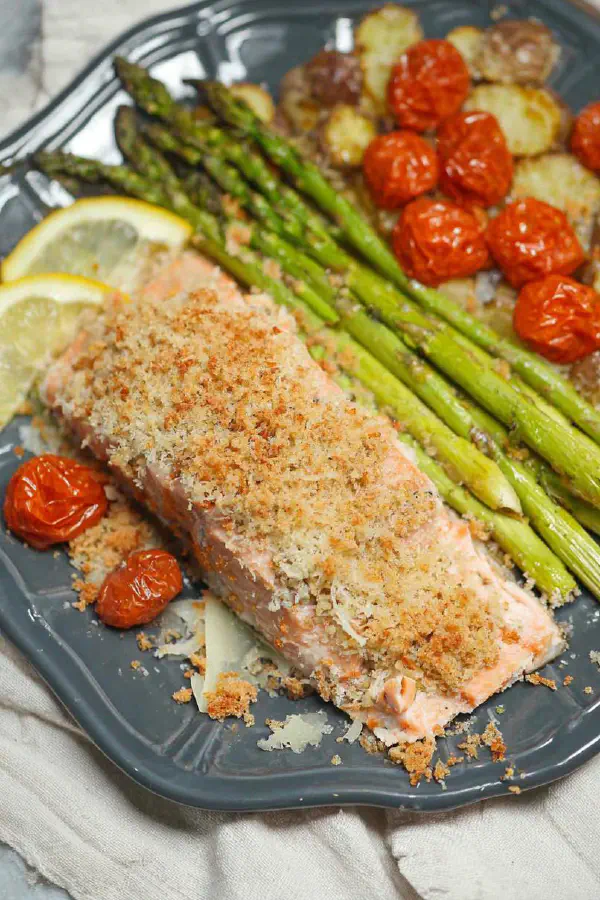
Crispy Panko Walnut Salmon
By Kate
"
Salmon baked on lemon slices with cherry tomatoes and asparagus. Crunchy panko and walnut topping. Asiago cheese on veggies. Watch for white protein strands as the fish cooks. Foil trick if crumbs brown too fast. Simple, quick sheet pan meal with subtle changes for texture and flavor balance.
"
Prep:
8 min
Cook:
20 min
Total:
28 min
Serves:
4 servings
salmon
baked
quick meal
seafood
sheet pan
Introduction
Salmon with a crunchy panko walnut crust. Bright lemon slices under the fish stop it from sticking and add subtle citrus without bitterness. Cherry tomatoes burst as they roast, asparagus stays crisp-tender with sharp asiago on top. Watch the baking temps and times closely — too long dries fish, too short leaves it raw. The little white streaks on salmon are clues, not mistakes. It’s a quick 20-minute sheet pan meal with good textural contrasts and straightforward prep. Walnut panko gives that rustic crunch, swapping out breadcrumbs for nutty depth. Asiago swaps out parmesan for a slightly sharper twist. Simple swaps keep it fresh, avoid monotony. Trust the feel of the fish over strict timing. Crisped nuggets on top, moist interior underneath — that’s the goal.
Ingredients
In The Same Category · Fresh Catch
Explore all →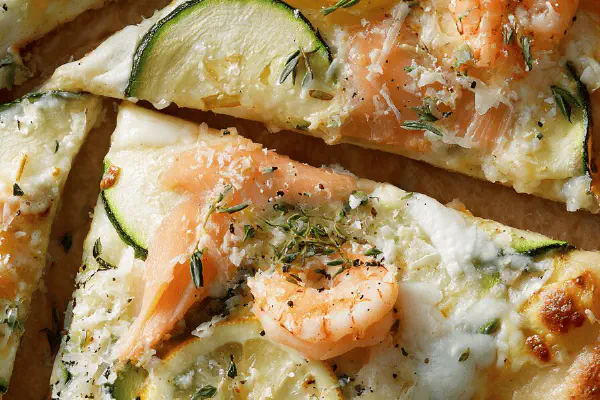
White pizza zucchini trout shrimp
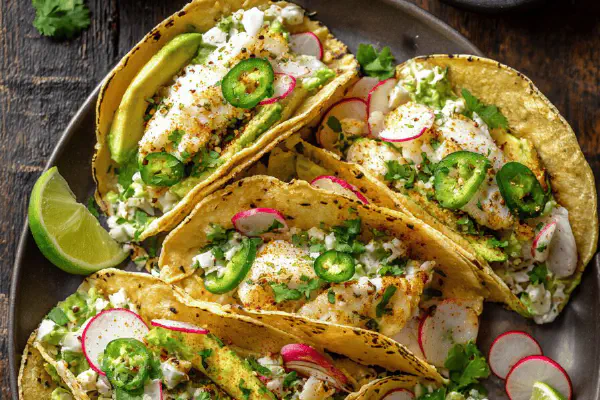
Spicy Fish Tacos Twist
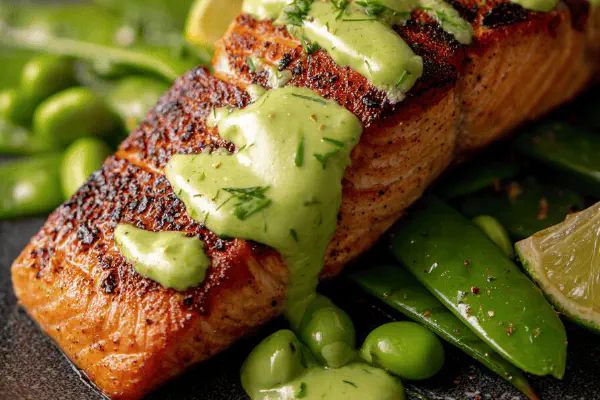
Cajun-Spiced Salmon Veggies
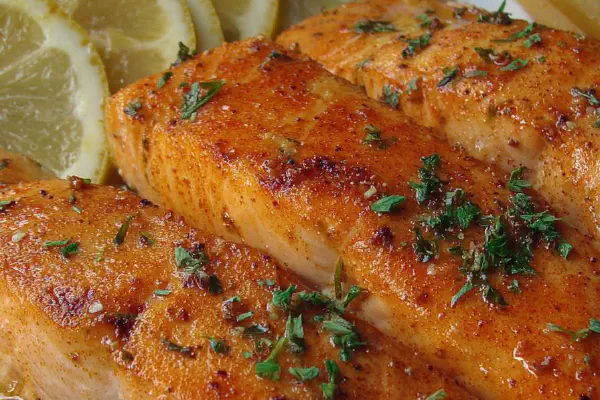
Ancho Citrus Salmon Twist

Sicilian Style Walleye Clams

Fish Fajitas Remix

Pecan Bok Choy Fish
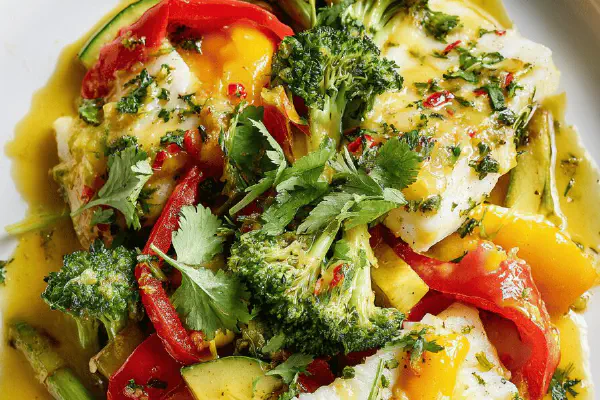
Fish Packets with Curry Dressing
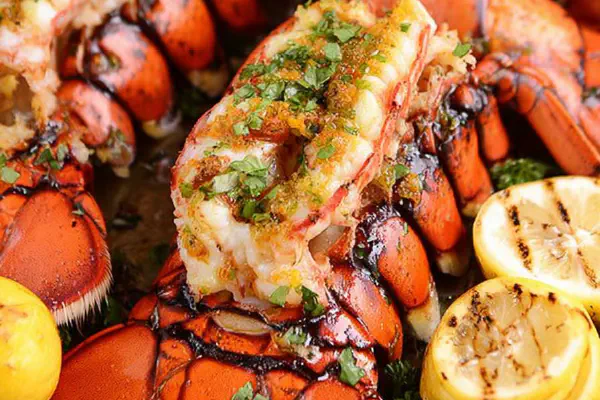
Charred Lobster Tails

Lobster Asparagus Salad
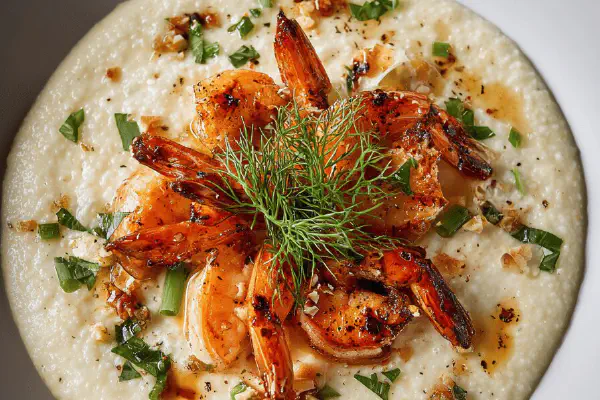
Shrimp with White Chocolate Cauliflower Purée
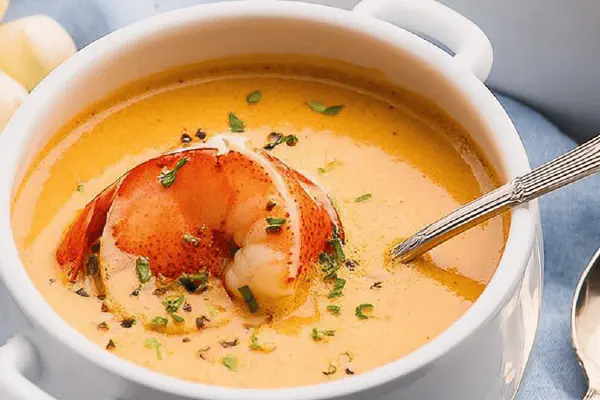
Lobster Bisque Reworked
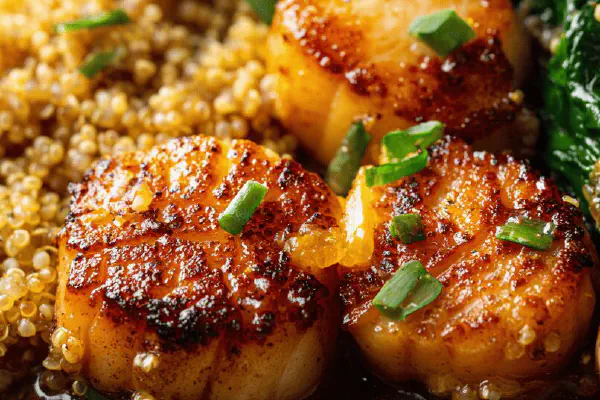
Giant Scallops Lemon Ginger
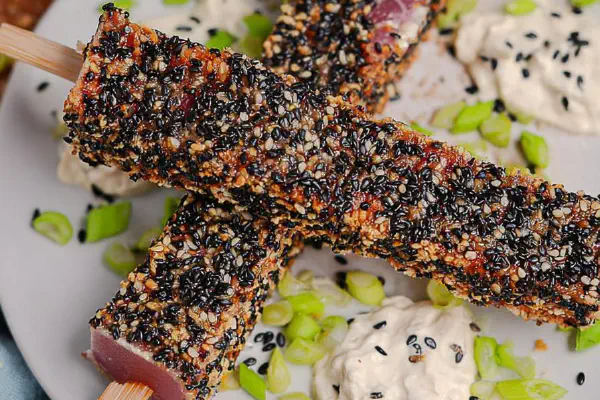
Sesame Crusted Tuna Twist
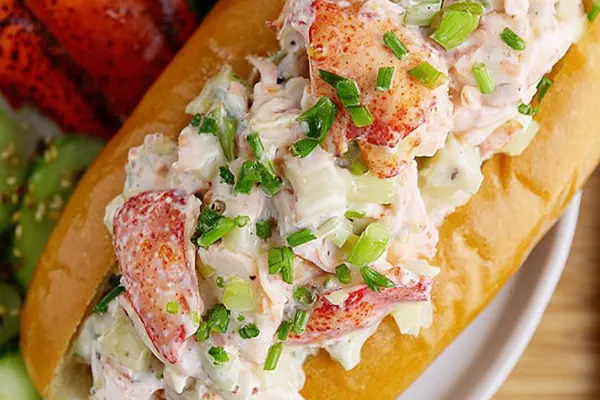
Chilled Lobster Roll Remix
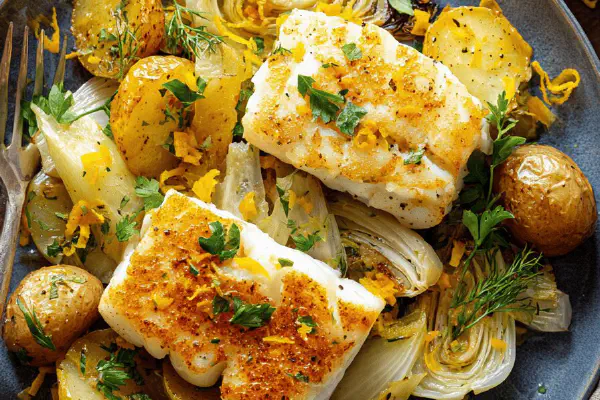
Cod Orange Fennel Leek
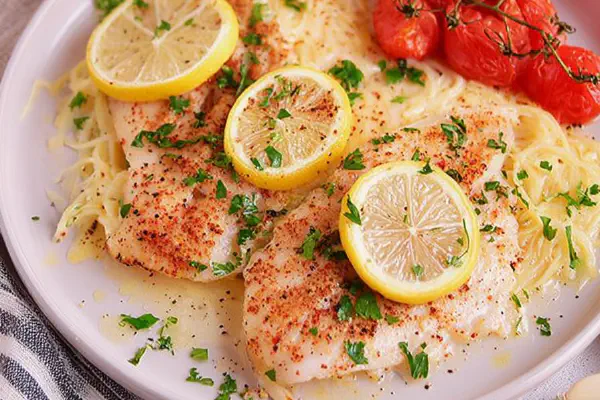
Baked Citrus Tilapia
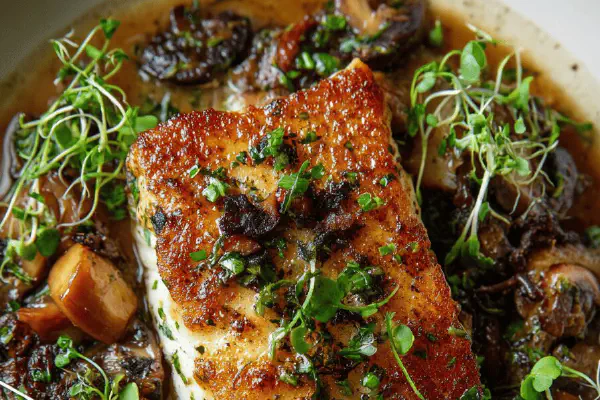
Golden Perch with Caramelized Onion Mushroom Sauce
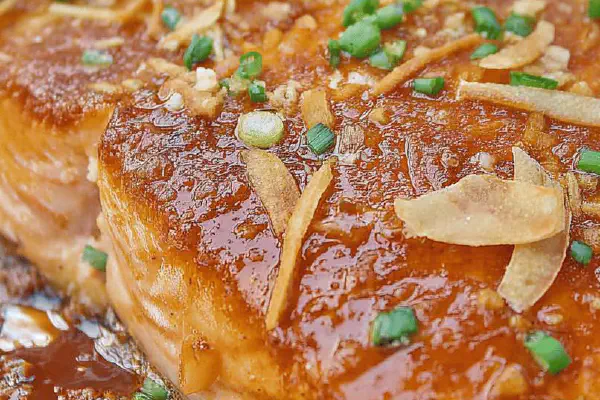
Sweet-Spice Glazed Salmon
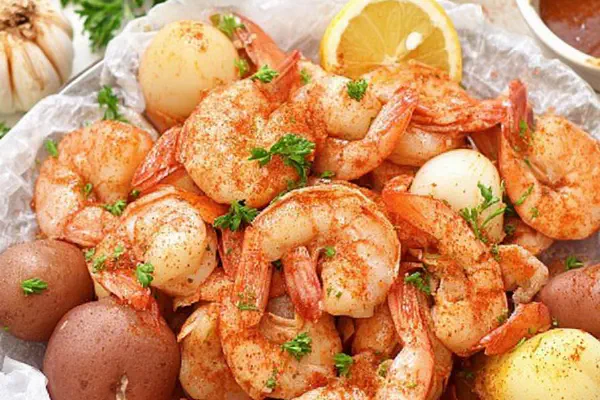
Brew-Steamed Shrimp and Potatoes
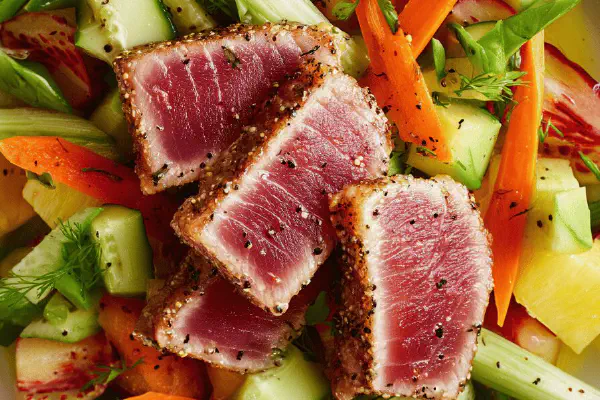
Sweet and Tangy Tuna Salad
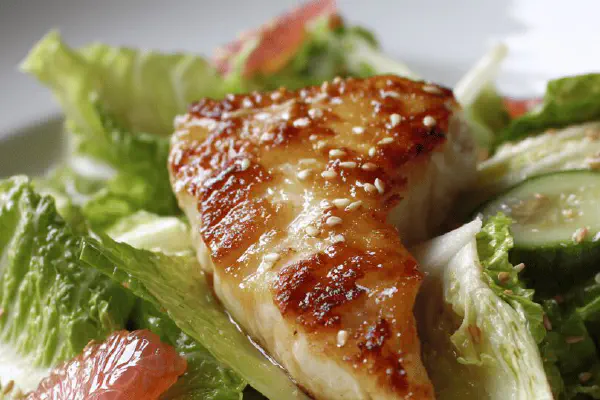
Citrus Tilapia Salad
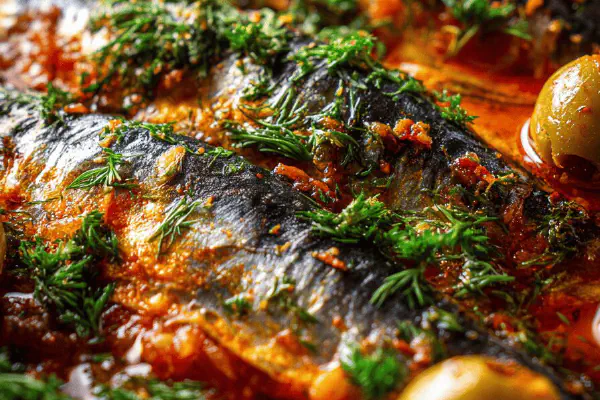
Sardines in Spicy Tomato
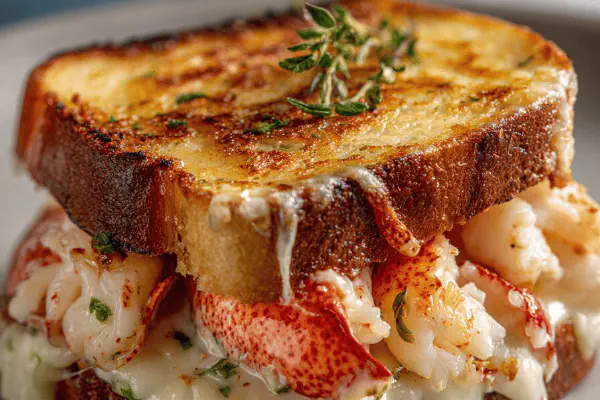
Lobster Croque-Monsieur Twist
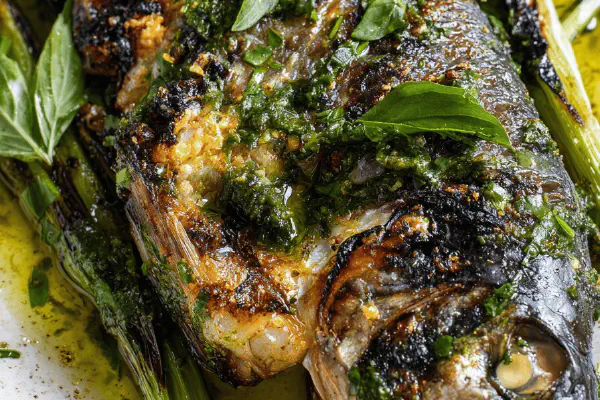
Grilled Whole Trout Twist
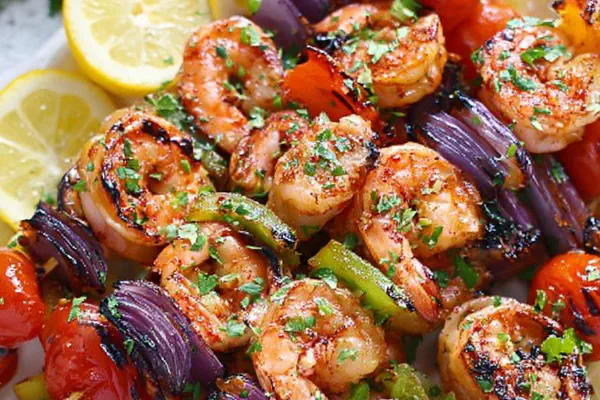
Garlic Shrimp Skewers Twist
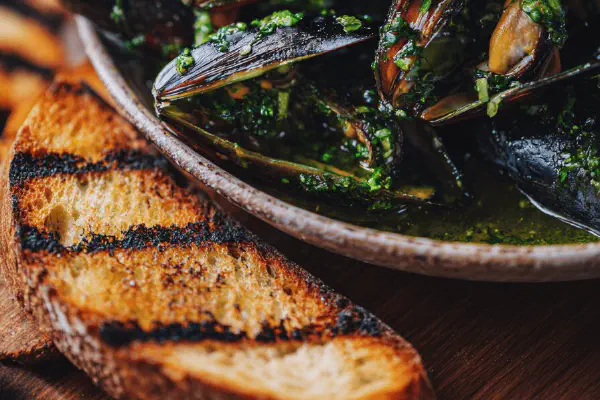
Grilled Mussels Salsa Verde Twist
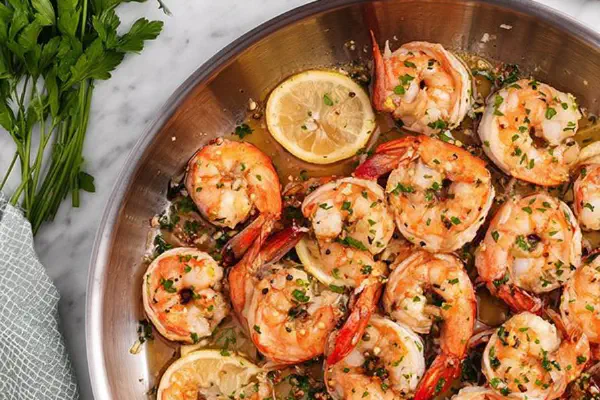
Zesty Garlic Butter Shrimp
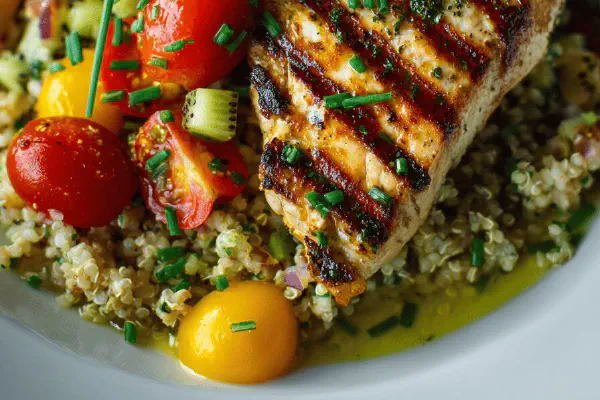
Grilled Swordfish Kiwi Salsa
About the ingredients
Lemon slices act like a buffer, preventing fish from sticking directly to the pan and infusing subtle citrus essence that keeps the salmon bright. Salmon fillets without skin reduce prep, though keep skin if you like for enhanced flavor and moistness — add 5 extra minutes cooking with skin side down initially. Cherry tomatoes pop and release juice, creating a light roasting steam that mingles with the asparagus. Use fresh, firm asparagus — fresh trimming prevents fibrous toughness. Panko breadcrumbs give an open crumb for crispiness but mix with toasted walnuts to avoid dryness and introduce a nutty flavor dimension; walnuts toast quickly in a dry skillet to bring out oils and crunch without burning. Asiago cheese is a good switch for parmesan, melting well but delivering a sharper, nuttier profile. Olive oil and minced garlic on the veggies are simple but key for caramelization and flavor. Fine sea salt and freshly cracked black pepper season everything evenly and subtly. Thyme used as garnish works well for fragrance post-bake but is flexible — rosemary or dill swap in depending on preference.
Method
Technique Tips
The 425 F temp is deliberate. Higher heat gets the panko topping golden and crisp in under 20 minutes, locking moisture in underneath. Too low and the crust sogs; too high and it burns. Lay lemons in a single layer — overlapping traps juice and may create steaming instead of roasting. Keep salmon pieces evenly spaced so heat circulates uniformly. Tossing veggies in oil and garlic prior to roasting ensures they caramelize and don’t dry out or toughen. The walnut-panko mixture benefits from toasting walnuts separately to prevent bitterness or raw texture. Patting the topping firmly prevents it from falling off during cooking or serving. Asiago cheese on asparagus melts just enough to add richness. Watch for white albumin strands on the salmon — that’s coagulated protein pushing to surface. A little is fine, but once thick white patches appear, fish is on edge of overcooking. The foil tent technique saves the crust from burning before fish is done — loosely tent, don’t seal tightly. Check for doneness by flaking center gently with fork — salmon should separate easily but not be mushy or dry. Rest fish briefly before serving to let juices redistribute; this also cools it slightly and firms the topping. Garnish with thyme after plating — heat wilts fresh herbs quickly if added prior.
Chef's Notes
- 💡 Watch salmon closely as it cooks. Look for those white strands of protein, they signal it's getting close. Don’t wait too long or it dries out.
- 💡 If topping browns too fast, use foil. Needs to be loose to avoid steaming. Keeps crust crispy. Place it lightly on top, no tight seals.
- 💡 Walnuts bring crunch. Toast them before mixing. Just a few minutes in a dry pan. You need the aroma. Raw won’t give that rich depth.
- 💡 Think about veggie cuts. Asparagus should be even, ensures all cook the same. Cherry tomatoes pop when roasted, releasing juices. Adds moisture.
- 💡 Use a silicone mat or parchment if salmon sticks. Skinless helps but it can still grab. No skin? Just space pieces well for heat circulation.
Kitchen Wisdom
Why cook time varies?
Thickness changes timing. Thinner fillets cook faster, thickness means longer. 3/4 inch ideally 18-20 mins. Use a fork.
Can I use frozen salmon?
Yes but increase cook time. Thaw first totally for even cooking. Otherwise, may cook unevenly, getting dry.
What's the best way to store leftovers?
Refrigerate in airtight container. Use within two days. Reheat gently in oven. Avoid microwaving.
What other veggies work?
Bell peppers, zucchini can swap in. Just be mindful of cook times. They may finish faster or slower.
You’ll Love These Too
Explore all →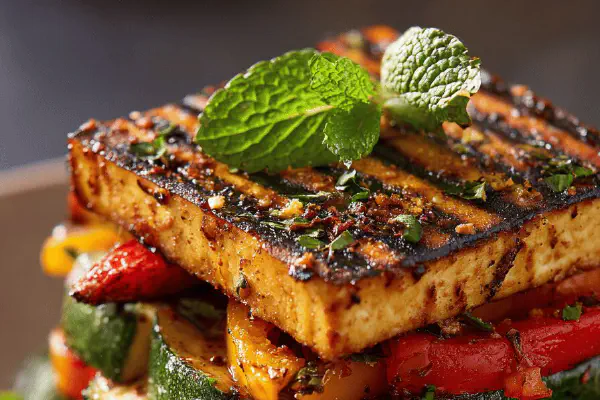
Mediterranean Tofu Veg Stack
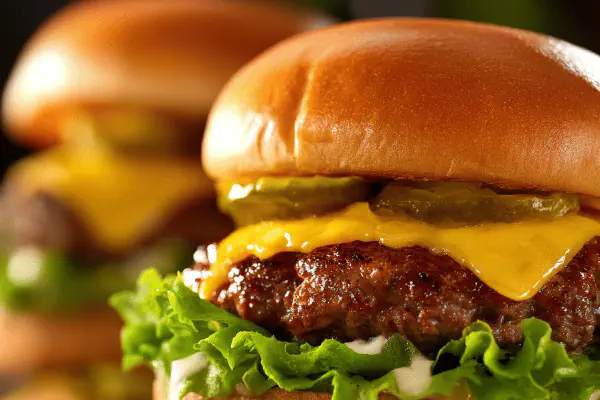
American-Style Double Burgers
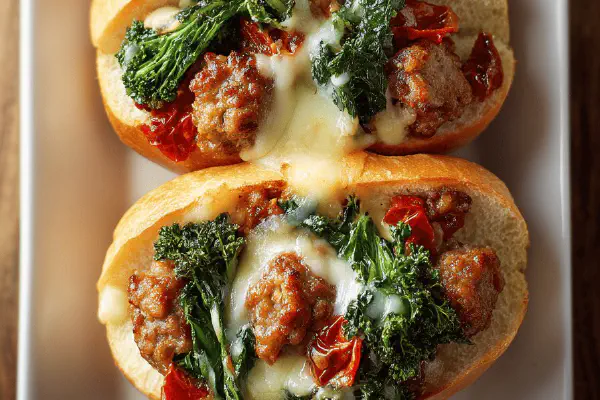
Sausage Rapini Subs

Strawberry White Choc Cookies
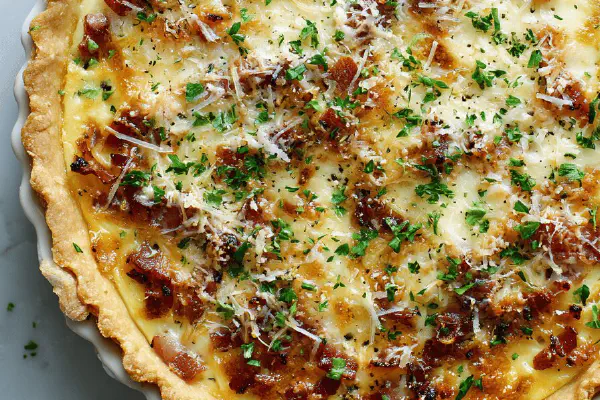
Alsatian Flambé Tart Twist
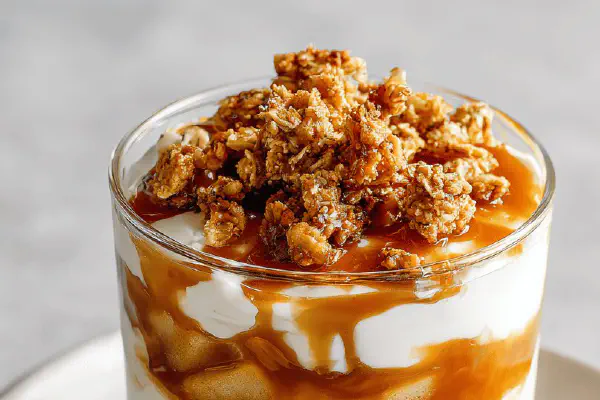
Apple Maple Parfait Twist
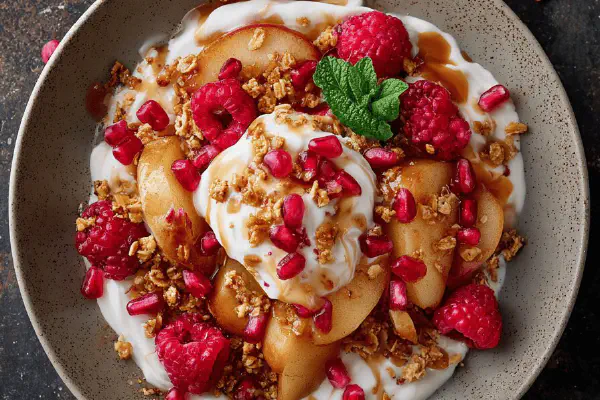
Baked Caramelized Apples Twist

Almond Paris-Brest Twist
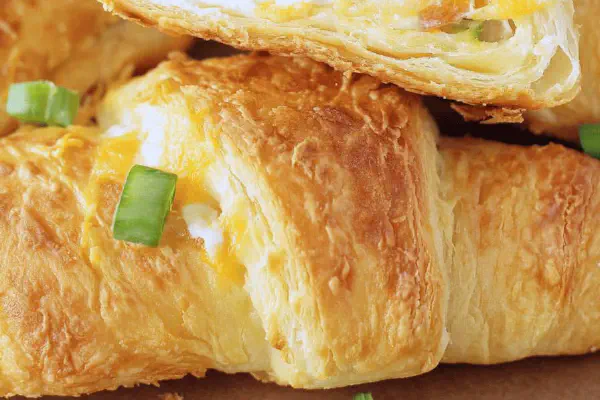
Spiced Jalapeño Roll-Ups
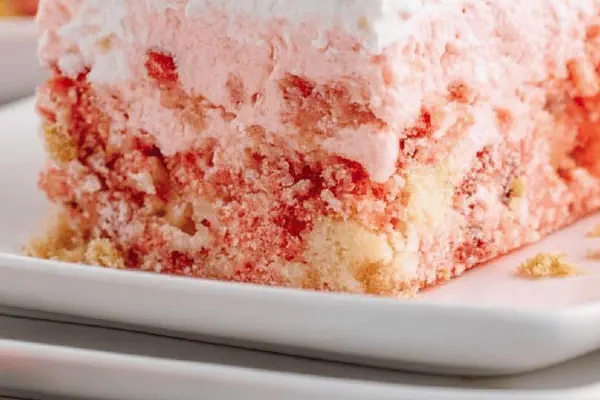
Strawberry Crunch Cake Remix
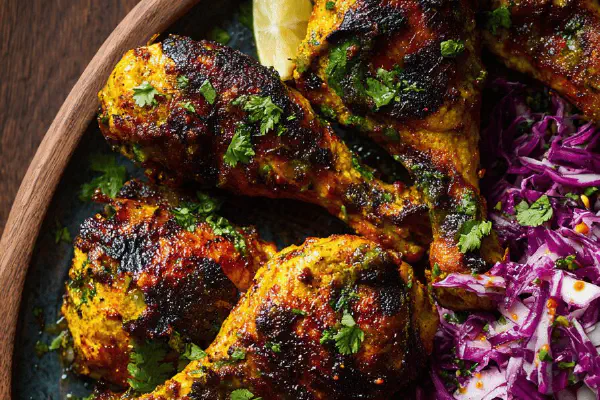
Indian Spiced Chicken Drumsticks
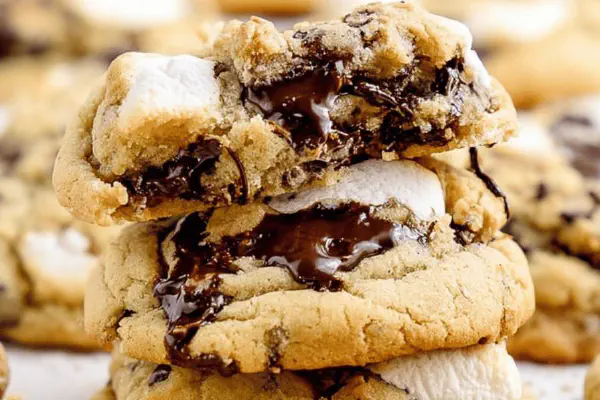
Chocolate Marshmallow Cookies
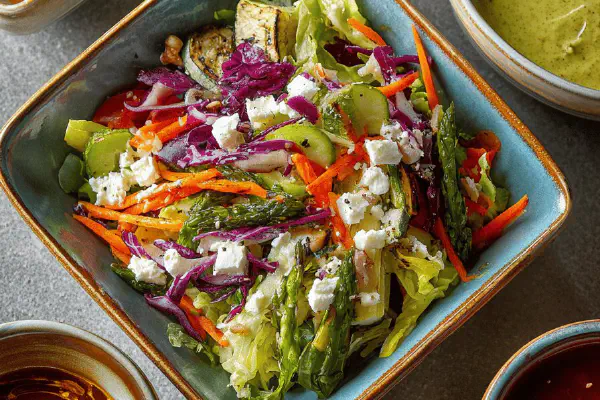
Rustic Vinaigrettes Mixup
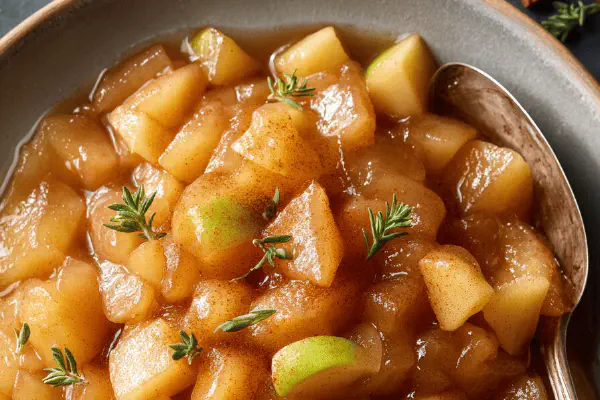
Autocuiseur Apple Compote
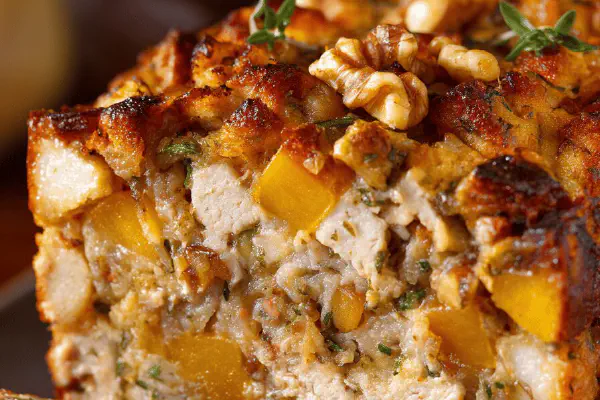
Apple & Butternut Stuffing
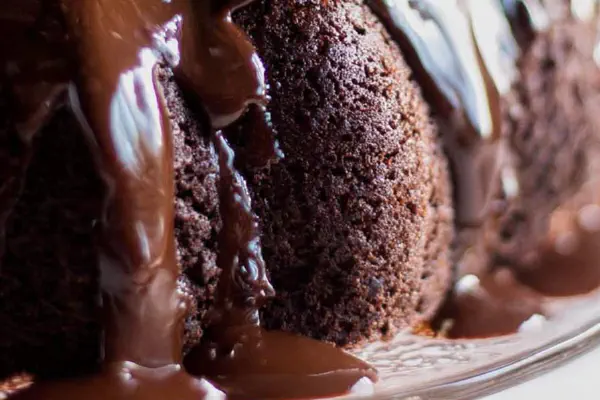
Red Wine Fudge Cake
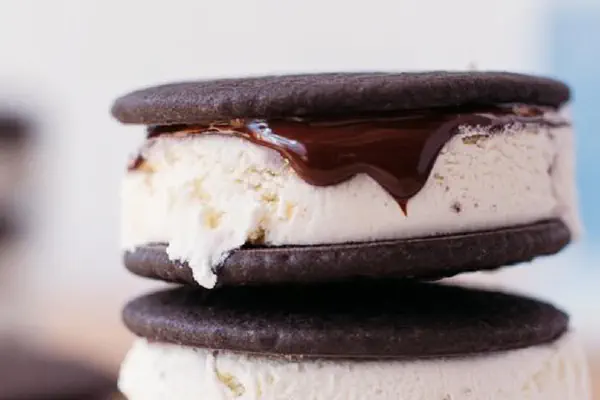
Chocolate Ice Cream Sandwiches
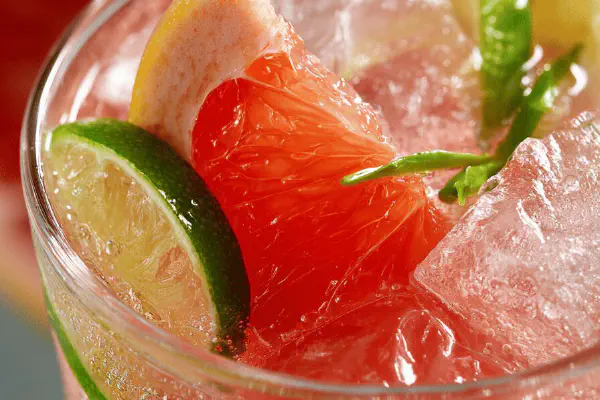
Grapefruit Ginger Tonic
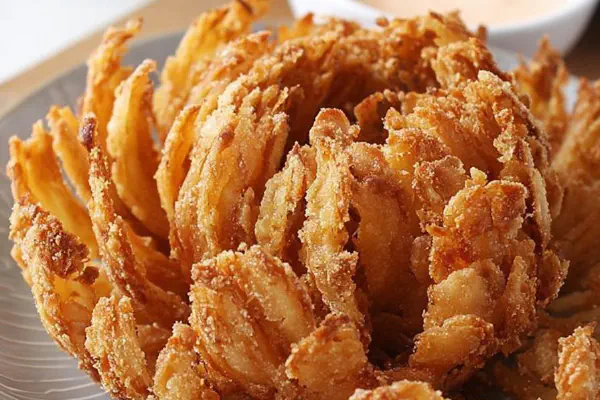
Spicy Blooming Onion
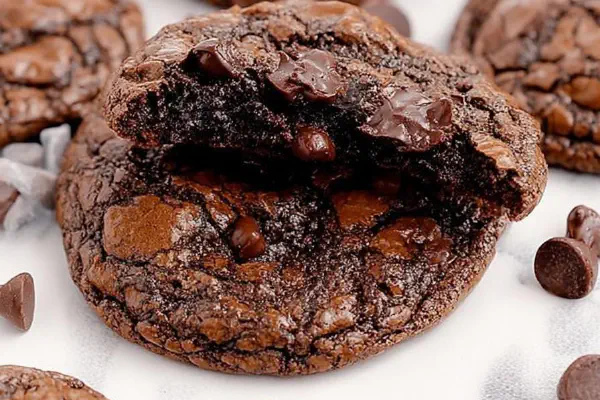
Brownie Cookie Mashup
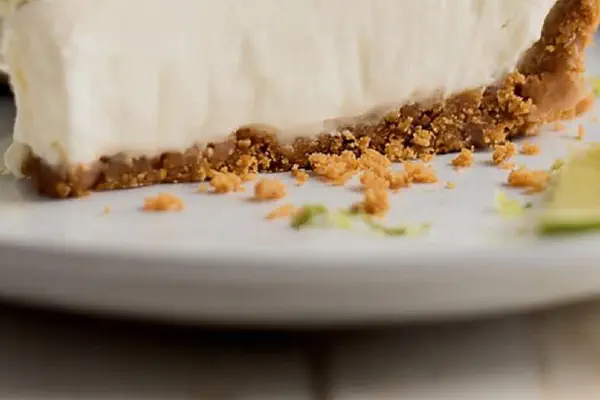
Zesty Lime Cream Pie
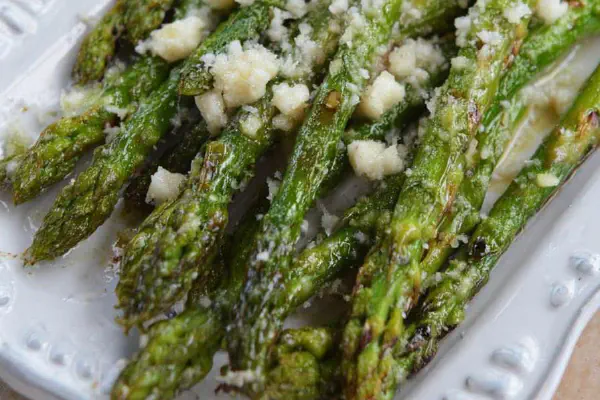
Garlic Parmesan Broiled Broccolini
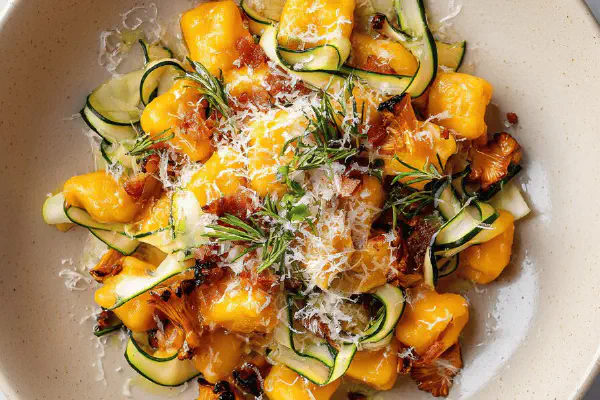
Butternut Gnocchi with Chanterelles

Stuffed Bell Peppers Remix
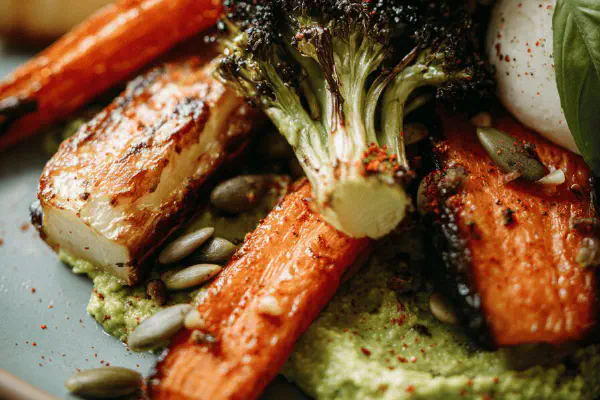
Roasted Veg and Sunflower Salad

Savory Spiced Hot Dogs
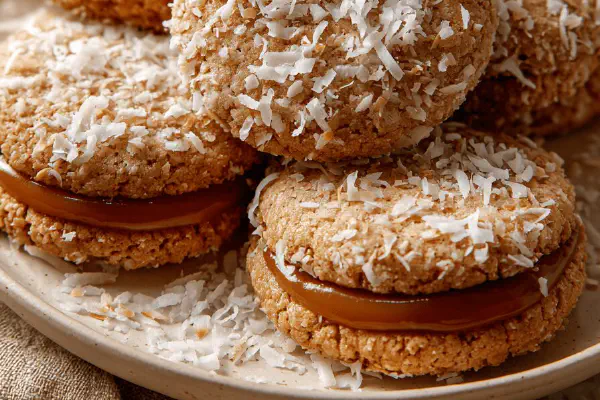
Soft Dulce de Leche Sandwiches
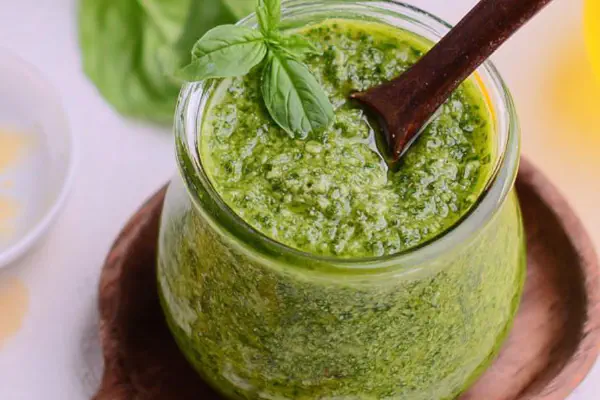
Herb Nut Pesto Twist
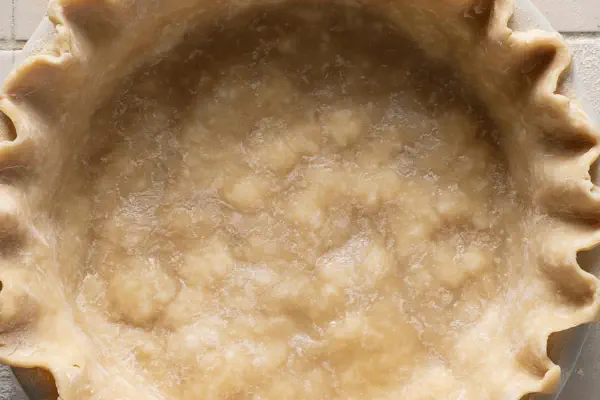
Flaky Butter-Shortening Crust