Featured Recipe
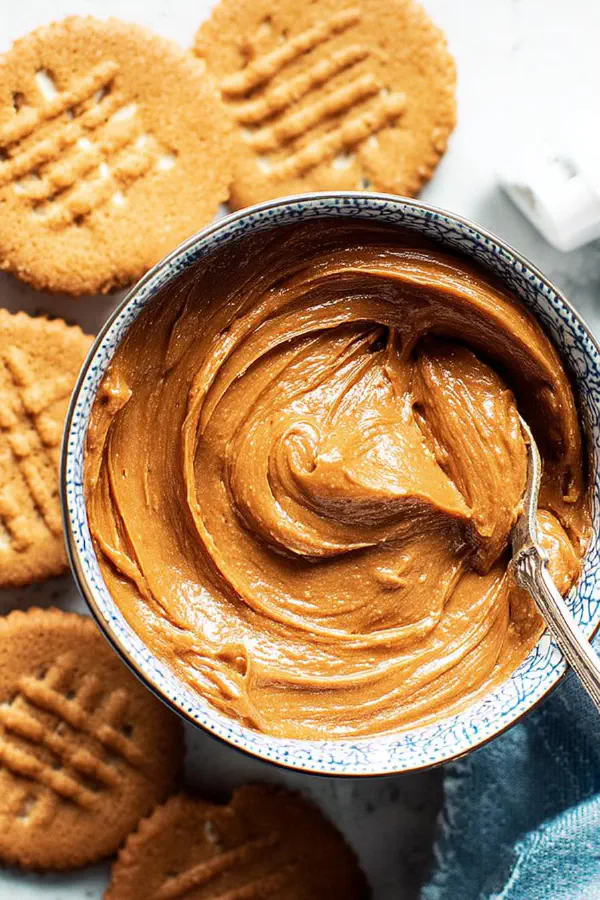
Crunchy Cookie Butter Spread
By Kate
"
Blend crushed cookies with a mix of oils and dairy to get a nutty, spreadable cookie butter. Use less liquid for thicker texture, more for creamy smoothness. Swap store-bought cookies with homemade shortbread or speculoos for flavor variation. Add toasted nuts for crunch and depth. Watch texture—too much milling makes pasty mess. Chill for firmer spread or keep room temp for easy scooping. Simple, quick—takes a handful of minutes. Use a sturdy blender or food processor. Results adaptable to cookie crumb size, moisture in milk substitute, and added spices. Store covered in fridge. Eats like dessert, spreads like nut butter. Does not stay fresh forever. Use within a week or freeze small portions.
"
Prep:
6 min
Cook:
0 min
Total:
6 min
Serves:
16 servings
dessert
sweets
spreads
quick recipes
Introduction
That crackle of crisp cookie crumbs hitting the blade. The hum of the processor turning gritty into buttery. How much to pour in? Milk’s the wildcard. Not too little, or crumbles stay dry; too much and it’s wet slurry. Coconut oil melts smoothly, coats crumbs, tames dryness. Cinnamon smells back there, subtle, not shouty. Nut pieces tossed in last add toothsome texture—no pasty monotony. Storing? Refrigerate if you want firmness, but I like it spreadable—soft enough to dollop on warm toast, scoop with a spoon. Made a batch with gingersnaps—aroma filled the room, warm spice lifted. Freshly ground spice can replace cinnamon, or a splash of vanilla extract brightens. No fancy gear needed. Small pulses. Watch the texture. Stop before overprocessing turns buttery into oily mush.
Ingredients
In The Same Category · Creamy Spreads
Explore all →
Honey Cinnamon Butter Twist
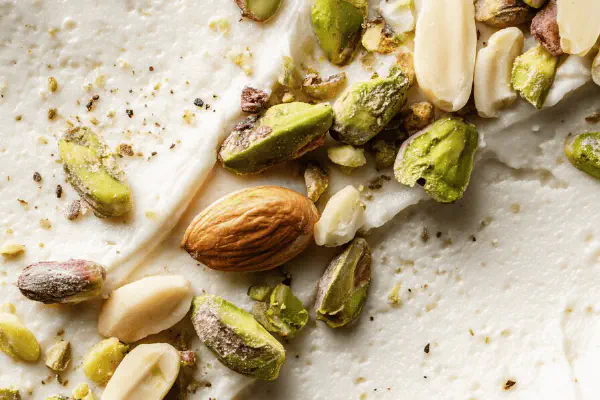
Pistachio White Chocolate Spread
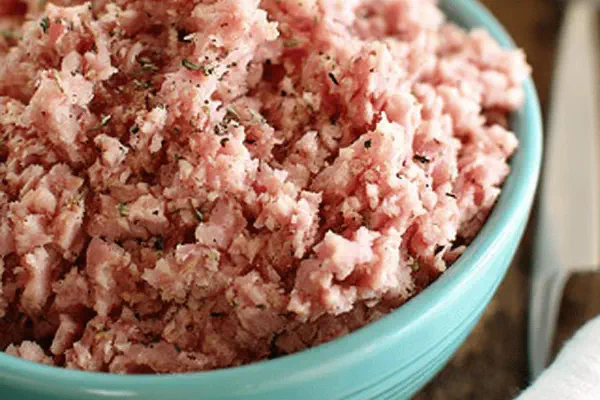
Spiced Ground Ham Spread
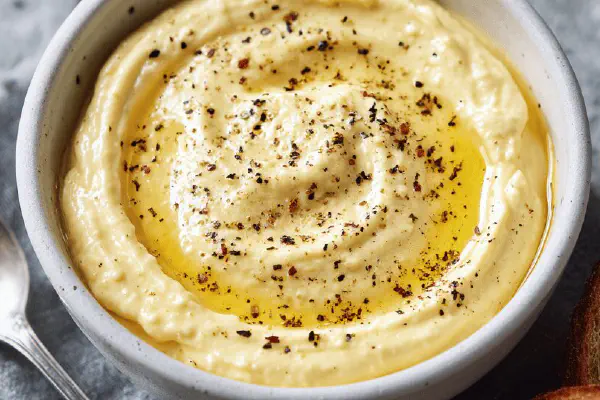
Mustard-Infused Aioli
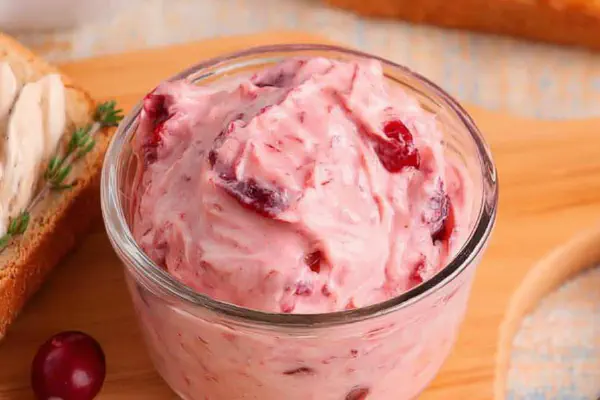
Tangy Cranberry Aioli

Blue Cheese Dip Remix

Greek Yogurt Smoked Salmon Dip
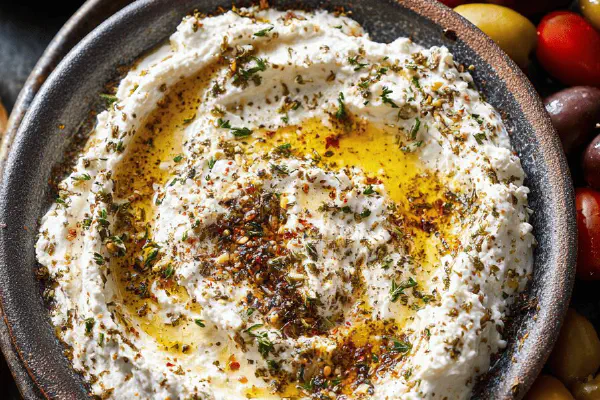
Labneh with Za'atar Twist
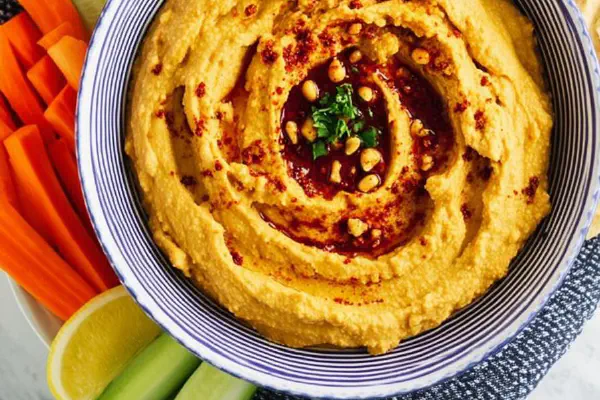
Smoky Avocado Hummus
Creamy Garlic Herb Dip
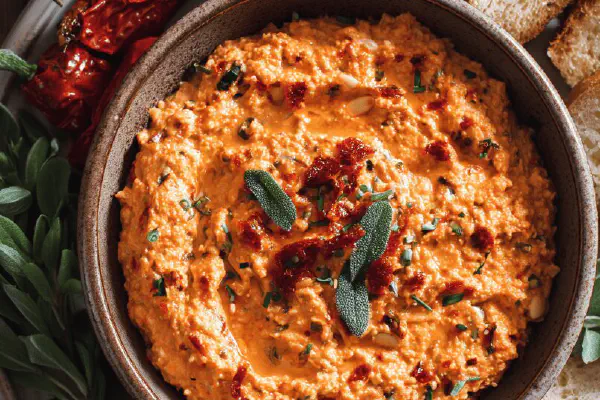
Roasted Red Pepper & Sun-Dried Tomato Dip
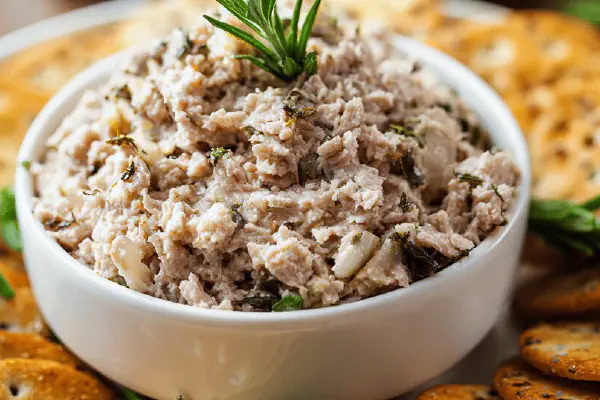
Rustic Pork Cretons
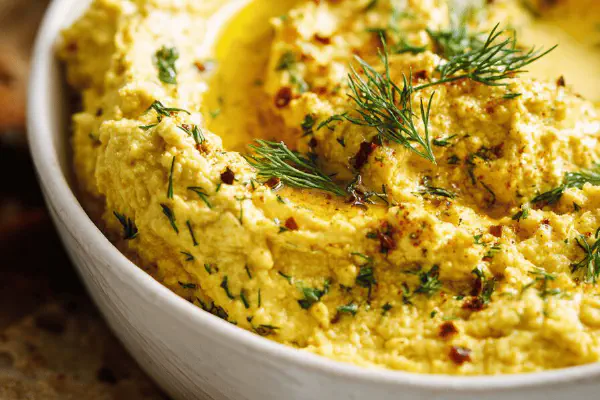
Vegan Cashew Herb Dip
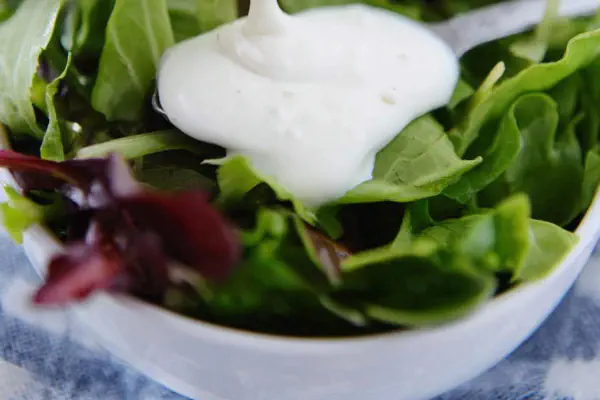
Tangy Blue Cheese Dressing

Chocolate Chip Cheeseball Remix
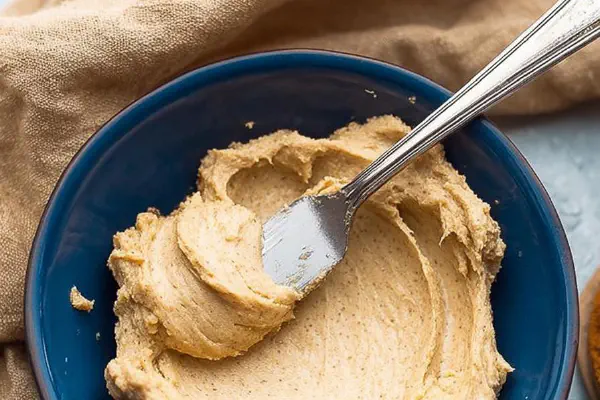
Spiced Honey Butter

Smoked Trout Dill Dip
No-mustard Mayonnaise Remix
Toasted Sesame Sauce Remix
Tangy Fry Aioli
Ranch Avocado Mash

Savory Pork-Veal Cretons
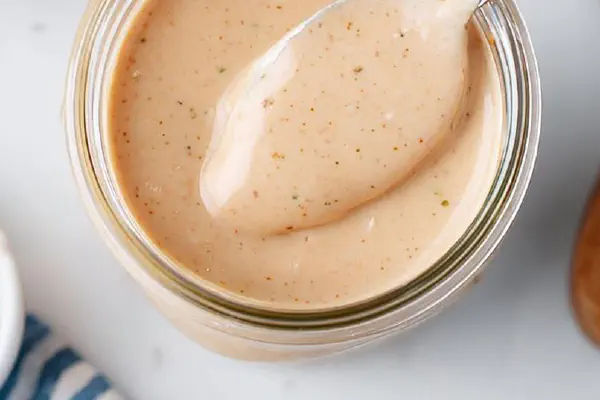
Tangy Bloom Onion Dip
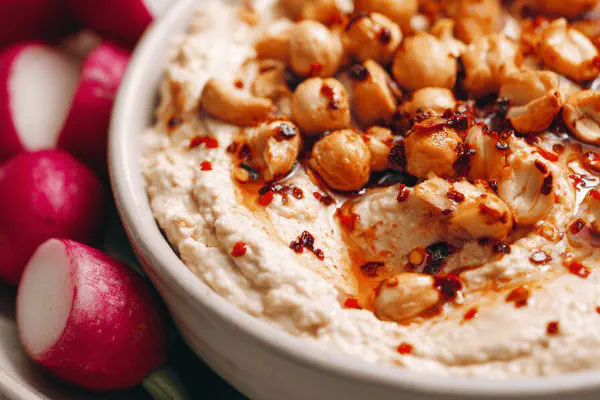
Cashew-Miso Tofu Dip
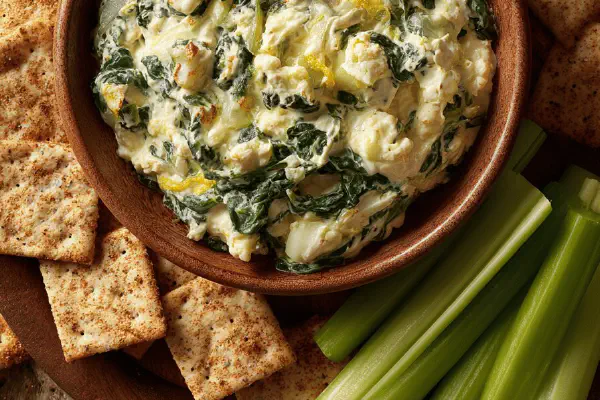
Warm Broccoli Cheddar Dip
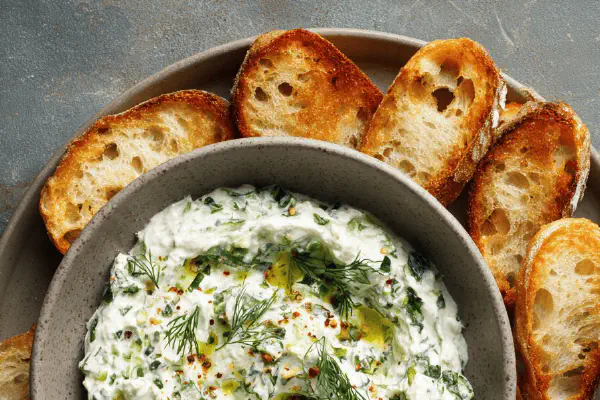
Herbed Yogurt Cucumber Dip
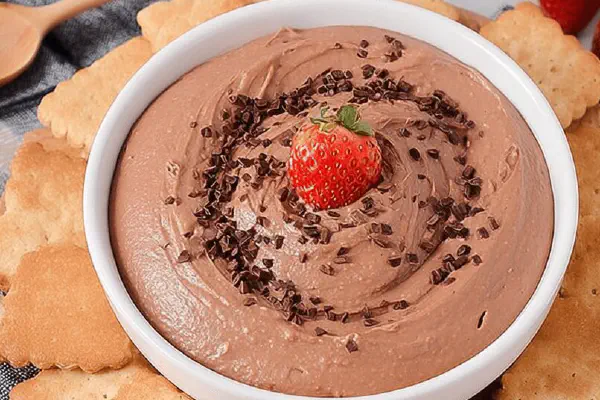
Velvety Hazelnut Cream Dip
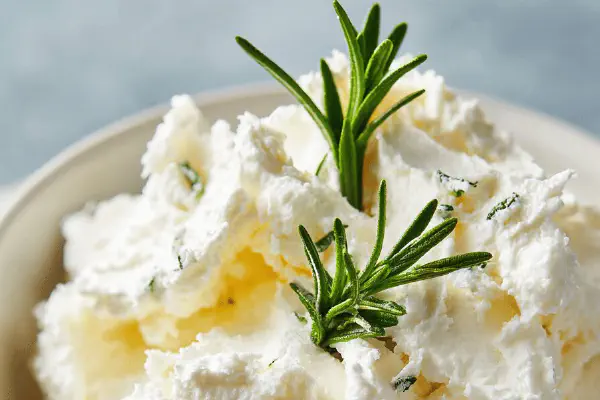
Ricotta Style Cream Cheese
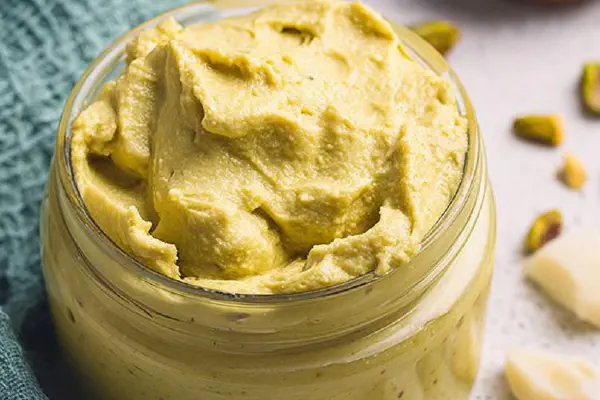
Pistachio White Cream
About the ingredients
Cookies need to be dry, brittle, not chewy. Digestive biscuits, gingersnaps, or shortbread all lend different profiles—choose wisely based on flavor. Coconut oil is preferred for richness and a neutral coconut scent; vegetable or canola oil are fine substitutes but lose that subtle aroma. Whole milk adds creaminess and aids emulsification but can be swapped with almond or oat milk if dairy-free; be wary of thin plant-based milks making spread runny. Brown sugar adds molasses notes and moisture—adjust for sweetness. Ground cinnamon is simple but flexible; try cardamom or nutmeg for twists. Nuts optional but improve texture contrast—always toast them; raw nuts lack punch. Salt isn’t optional—to balance sweet and bring out nuanced flavors.
Method
Blend Base
- Dump cookie crumbs, brown sugar, cinnamon, salt in a food processor bowl. Pulse a few times until mixed and crumbly but no large bits remain.
- Add melted coconut oil. Turn processor on and blend slowly. Watch texture carefully—should become pasty but not oily. Scrape sides once or twice.
- Pour milk slowly while running blender on medium speed. Stop as soon as paste starts to look creamy and moves easily. Too much milk makes liquidy mess. Feel spread between finger gaps for texture.
- If using nuts, toss them in and pulse just once or twice to distribute but keep pieces intact.
- Taste test. Add pinch more salt or cinnamon if it needs brightness.
- Transfer cookie butter to airtight container. Smooth top with spatula. Use right away if you want spreadable softness.
- Refrigerate to firm it up or freeze small jars for longer storage. Room temp leftovers soften over time, may separate oil—stir gently before serving.
Adjust Consistency
Add Crunch and Final Touch
Storing and Serving
Technique Tips
Start by crushing cookies finely—no powder, slightly gritty. Using food processor rather than blender allows better control; pulse in stages. Adding oil early helps coat crumbs and bind fat-soluble flavors. Milk goes in slow—add more only if mixture resists coming together. Texture judges doneness: thick, spreadable, cohesive, not gloppy or runny. Toss in nuts last to avoid powdering them down into paste. Scrape bowl edges between blends to homogenize mixture completely and avoid pockets of dryness or clumps. Immediate use means softer spread; refrigerate if spreading on bread could tear it otherwise. Let spread sit for a few minutes at room temp if cold, or warm slightly to loosen. Leftover oil separation is normal—stir before serving. Keep airtight, use a week or freeze in small batches to prevent spoilage.
Chef's Notes
- 💡 Always crush cookies finely but keep some texture. No need for powdery mess. Try food processor for control. Pulse in stages.
- 💡 Different oils change results—coconut oil gives richness. Mild vegetable oils work, but lose flavor. Don’t skip oil—it binds flavors.
- 💡 Milk makes a difference; too much makes slurry. Go slow. Pour while blending. Check texture—should be pasty, not runny. Adjust slowly.
- 💡 Toasty nuts add crunch. Use walnuts or pecans. Toss in at end. Don't overprocess. Keep nuts intact for texture contrasts.
- 💡 Storage needs thought. Firm when refrigerated. Room temp spreads smoother. Always stir before serving—oil separation is normal.
Kitchen Wisdom
What if spread is too thick?
Add milk slowly. Blend until creamy. Don’t rush. Texture matters. Stir if mixture resists.
Can I use other cookies?
Sure. Gingersnaps work great too. Try others. Different flavors change everything.
Why does oil separate?
Normal. Stir before using. Room temp makes it worse. Cold makes it firm, less oily.
How to keep it fresh?
Airtight container works. Use within a week. Freeze for longer storage. Small jars better.
You’ll Love These Too
Explore all →
One-Pot Basil Chicken Skillet

Québec Color Cake Remix

Creamy Soft Scramble

Crunchy Panko Chicken
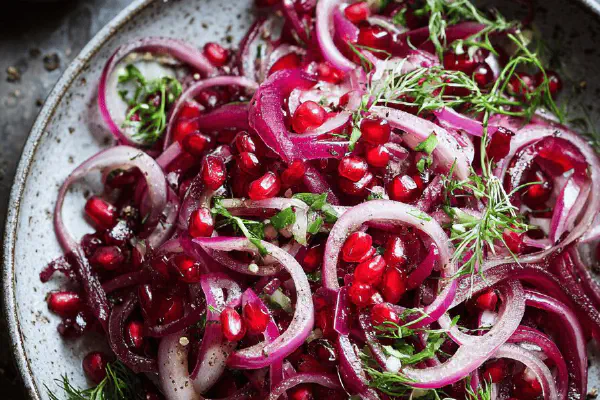
Quick Pickled Red Onion Pomegranate
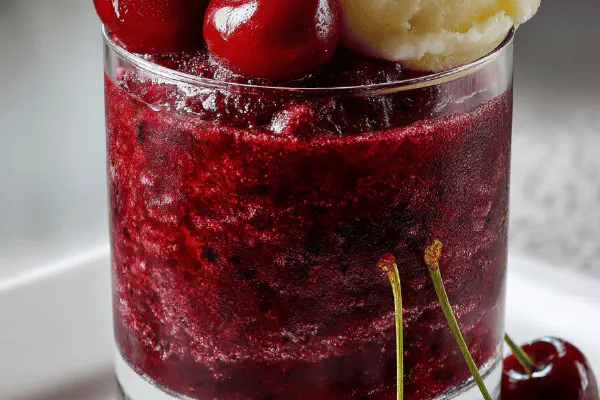
Cherry Citrus Slush
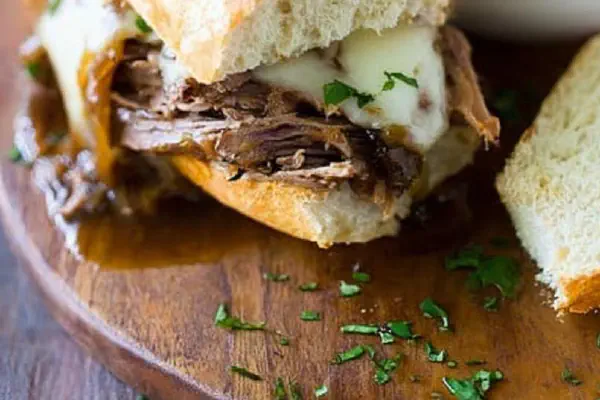
Slow Cooker French Dip
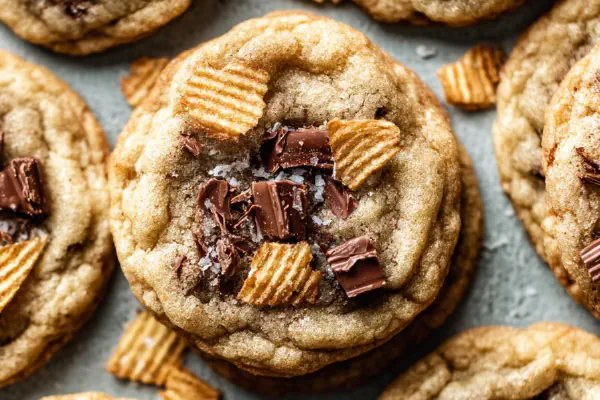
Chocolate Potato Chip Cookies
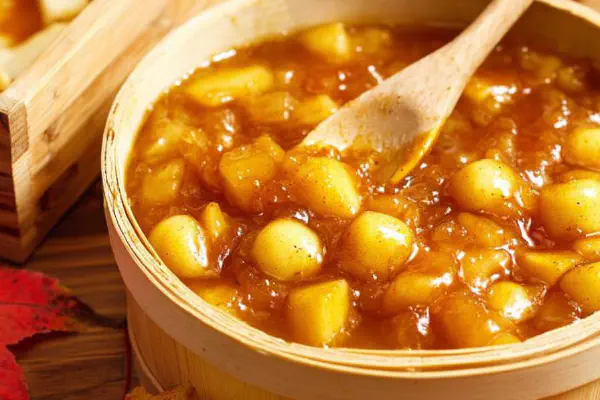
Rustic Apple Pie Fill
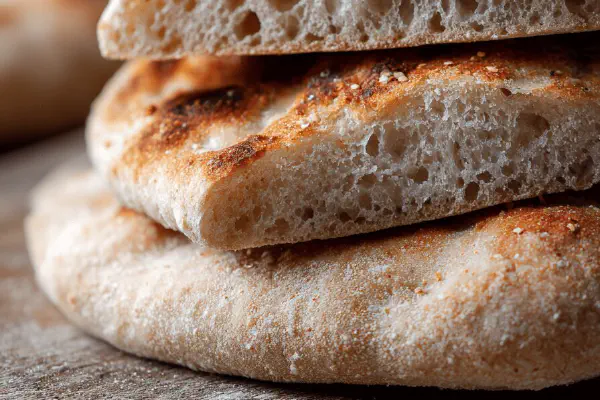
Homemade Rustic Pizza Dough

Cadbury-Stuffed Cupcakes
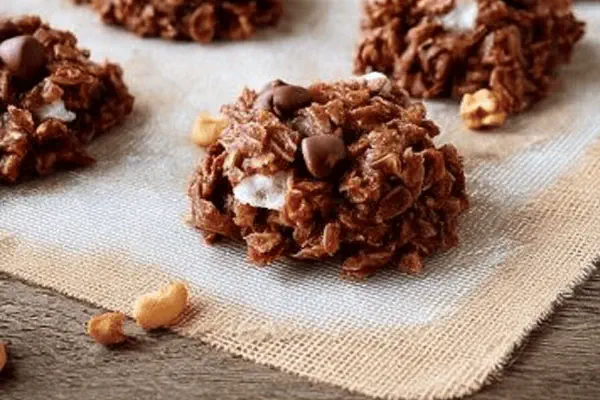
Twisted No Bake Cookies

Pork Mango Pepper Salad
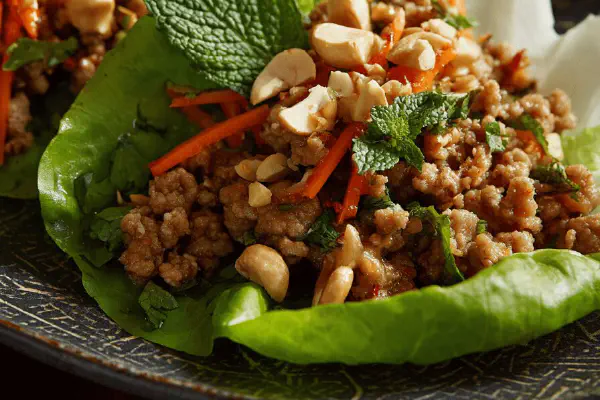
Pork Lettuce Wraps Twist

Curried Lentil Cauliflower Shrimp Soup
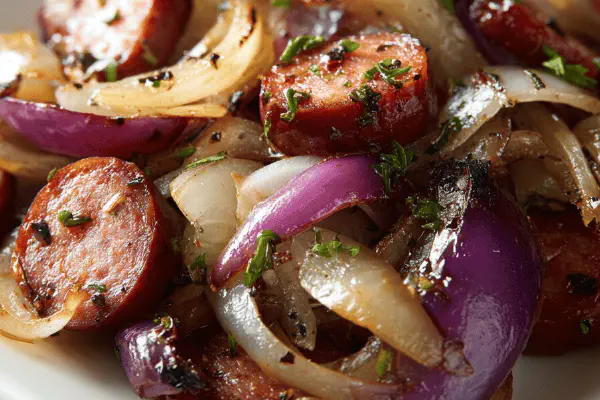
Sautéed Onions and Spicy Sausage
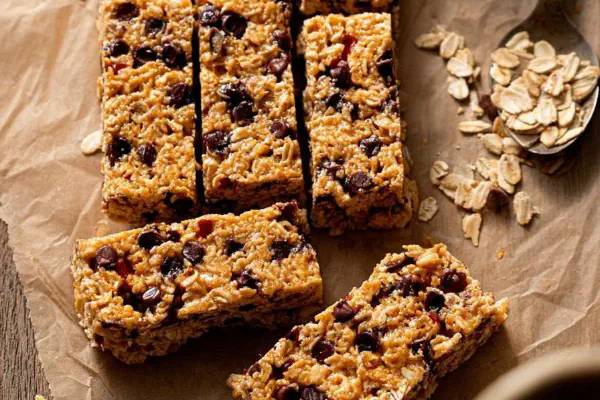
Sticky Crunch Granola Bars
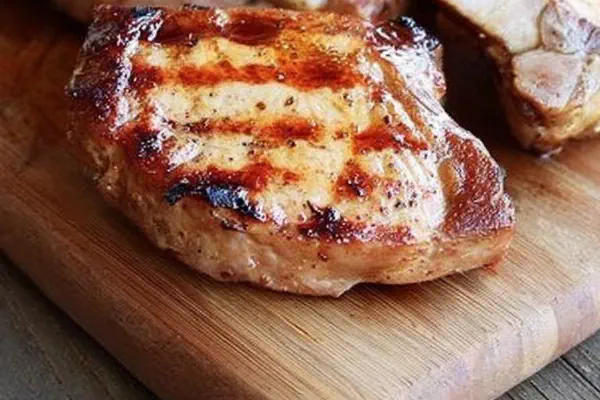
Ginger Tea Brined Pork Chops
Sesame-free Lemon Garlic Hummus
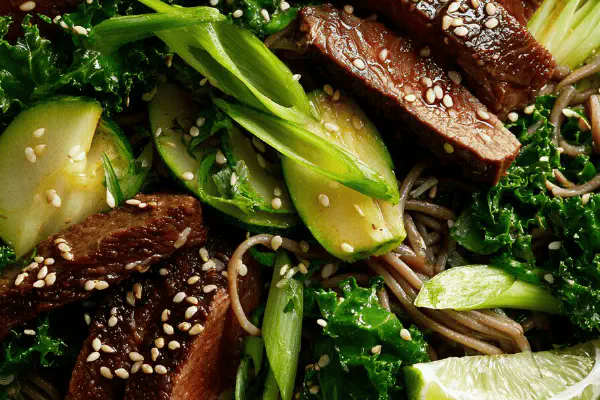
Soba Noodle Beef Salad Air Fryer

Mint Lime Margarita Twist
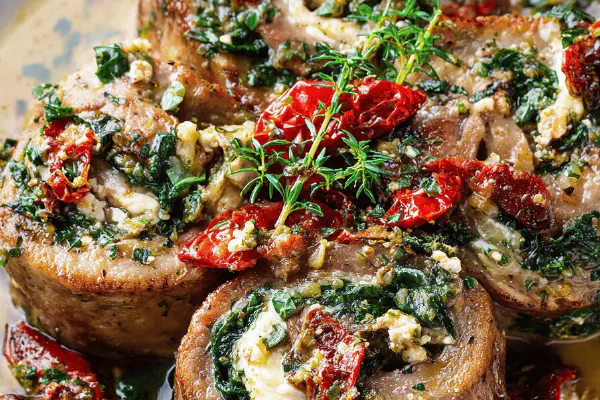
Veal Rolls with Spinach Artichoke
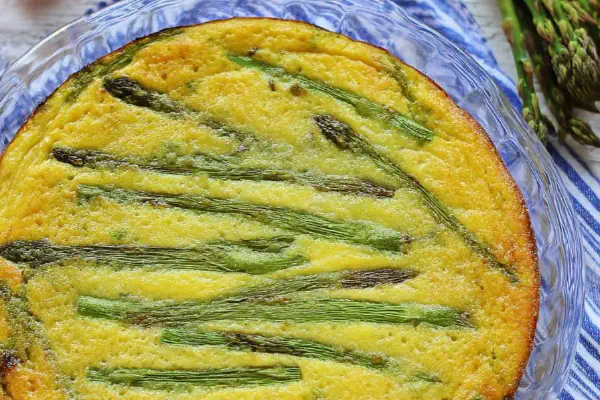
Swiss Asparagus Quiche Twist

Almond Praline Choux Pastries
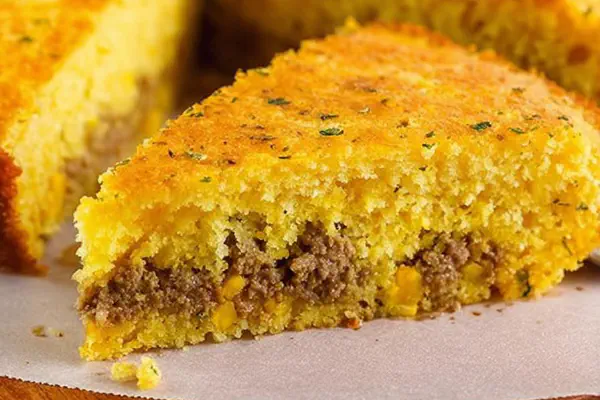
Hearty Tex-Mex Cornbread

Spiced Eggnog Pudding Remix

Beer Battered Cheese Curds

Slow Cooker Beef Debris Po-Boys

Buttermilk Pancakes Remix