Featured Recipe
Festive Layered Dunkaroo Dip
By Kate
"
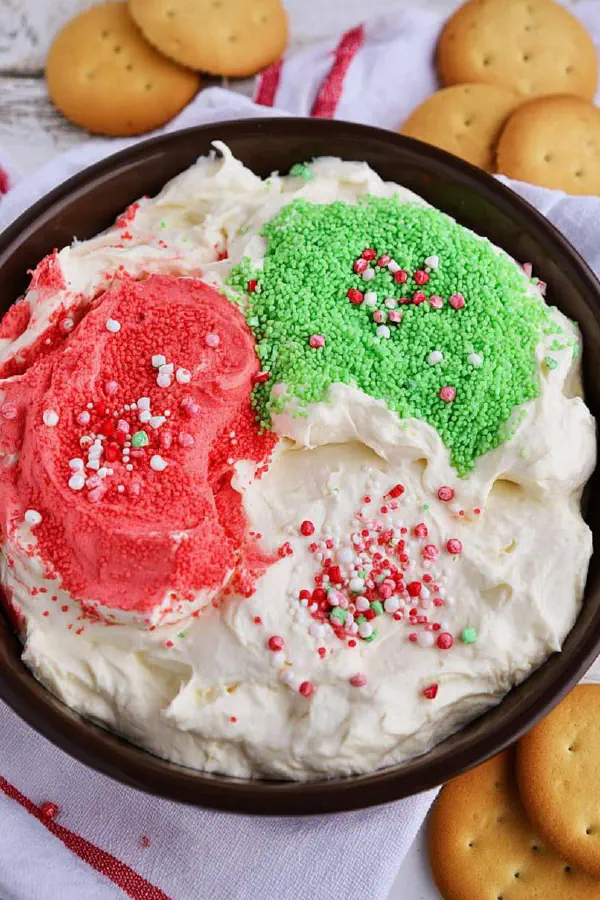
White cake mix base whipped with strained Greek yogurt and whipped cream. Divided, tinted with gel colors. Red, green, plus natural coconut cream white layer set in a pinwheel pattern. Sprinkles scattered on top. Nilla wafer or vanilla shortbread favored for dipping. Quick no-bake setup, chilling recommended to firm layers but not mandatory. Versatile for swaps: cake mix choices, cream substitutes, and tweaks for texture. Easy crowd-pleaser. Careful with over-mixing or watery yogurt—texture suffers. Color balance key for bright, festive look. Ideal for holiday parties or casual gatherings.
"
Prep:
15 min
Cook:
0 min
Total:
15 min
Serves:
12 servings
holiday
party food
no bake
Introduction
Whipped, mixed, colored, and swirled. No heat required, but finesse needed. White cake mix anchors a fluffy dip. Greek yogurt brings sharpness, balancing sweetness; sour cream works if yogurt not at hand—dairy substituents impact texture and tang. Whipped topping lightens mix, but coconut cream makes an unexpected alternative for an added layer of flavor and subtle richness. Divide and conquer with colors—red, green, white—each a holiday nod but easy to swap or omit based on stash and preference. Pinwheel presentation turns simple blending into eye-candy. Served with crisp vanilla cookies that double as utensils and flavor bridges. Messy mixing makes tastier final product, but control lumps and moisture. Chill for firmness if needed, but serve promptly. Keeps guest grabbing fingers clean-ish and happy.
Ingredients
In The Same Category · Festive Foods
Explore all →
About the ingredients
White cake mix forms the sweet flour base; quality varies so taste and consistency can shift. Use well-strained, thick Greek yogurt for balance—too wet ruins dip’s body. Whipped topping adds volume and creamy mouthfeel, substitute stabilized non-dairy if allergies hit. Coconut cream replacement boosts flavor but adjust whipped topping down to accommodate added fat and moisture. Gel colors provide concentrated hues without diluting mix; powdered colors risk clumping. Sprinkles add texture and festivity but choose non-melting types to keep dip visually crisp. Cookies should be dry and sturdy to hold up under dip weight, no flimsy wafers or soggy companions. Room temp cookies dip better—avoid fridge chill that dulls crunch.
Method
Technique Tips
Folding and mixing truly affect texture and finished look. Lumps in dry cake mix mean powdery bites; overmixing makes dip loose and runny—it needs body to cling to cookies. Portion division must be even; colors show best against each other with balanced masses. Adjust gel colors by tiny increments, better darker than too pale. Pinwheel layering requires patience and steady spooning to keep colors separate and maintain visual order. Stir coconut cream gently into white base for texture contrast but avoid deflating. Sprinkle topping just before serving to maintain texture; earlier sprinkles absorb moisture and dull brightness. Serve immediately or chill briefly for firmer dip. Watch texture changes—too cold means thick scoop, too warm means runny mess. Rinse stained bowls quickly to avoid stubborn color marks. Efficient cleanup saves kitchen sanity.
Chef's Notes
- 💡 Mix cake mix with Greek yogurt and whipped topping carefully—aim for no lumps. Overmixing leads to runny consistency, not what you want. Gentle folding keeps dip thick but spreadable. Always check texture. Quick folding preserves volume.
- 💡 Color division is crucial—when tinting, don’t overdo gel colors. They stain—work swiftly. Apply red and green gradually. Leave third batch white with coconut cream. Fold gently, merge without breaking airiness. That contrast makes the dip pop.
- 💡 Layer in a spiral—start from the center, then wind outward. Spoon colors side by side—but patience is key. Maintain clear division. Use a scoop for even layering. Topshould only have sprinkles added before serving. They will absorb moisture if added too early.
- 💡 Keep dippers crisp—store cookies airtight, at room temp. Flimsy cookies crumble under dip. Nilla Wafers or sturdy shortbread work best. Avoid chilling cookies too much, they lose crunch. Better texture leads to a better dipping experience.
- 💡 If dip softens too much, chill briefly, just 10-15 minutes. Don’t go overboard; firm dip still needs to be scoopable. Too cold equals thick, too warm leads to mess. Texture can dictate serving method.
Kitchen Wisdom
How to avoid runny dip?
Use strained Greek yogurt. Too much liquid ruins. Overmixing also risks a loose dip. Ensure every ingredient is at correct texture before combining.
Any easy swaps for cream?
Yes, use coconut whipped topping instead of regular. Sour cream can replace Greek yogurt if needed. Just remember, textures change mix dynamics.
What's the best way to store leftovers?
Store covered in fridge—use airtight container. Discoloration may occur after a couple days, but can still be used. Stir gently before serving again.
How long to prep?
Prep takes about 15 minutes. Just don’t rush mixing or layering. Crowd control matters too. Best served fresh, but can chill for better holding.
You’ll Love These Too
Explore all →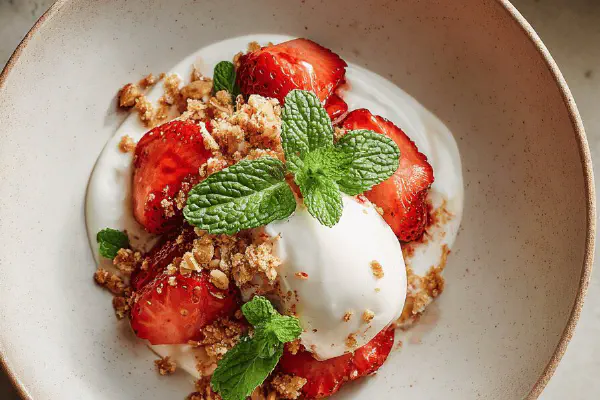
Roasted Strawberry Eton Mess
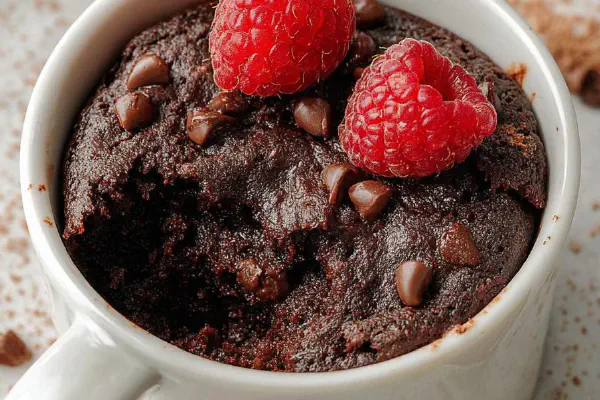
Espresso Chocolate Mug Cake
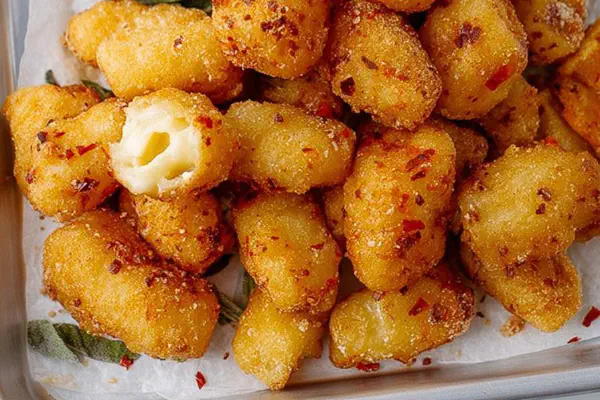
Beer Battered Cheese Curds
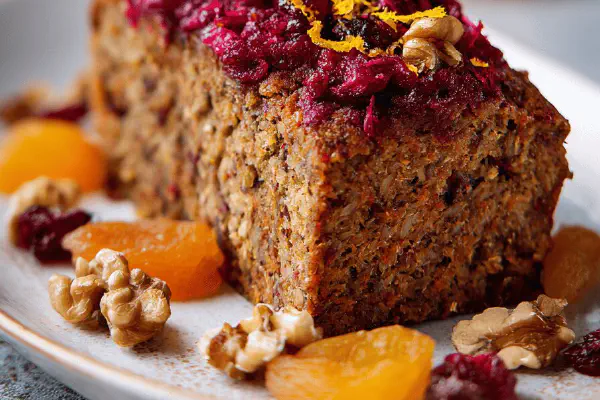
Spiced Beet Cake with Orange Zest
Egg Salmon Fish Roe Sandwiches
Twisted Peppers Mix
Vanilla Almond Cake GF
Cheesy Biscuit Chicken Pot Pie
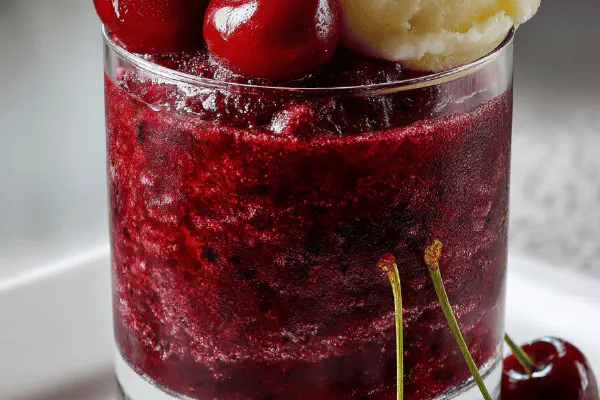
Cherry Citrus Slush

Spiced Butternut Squash Soup
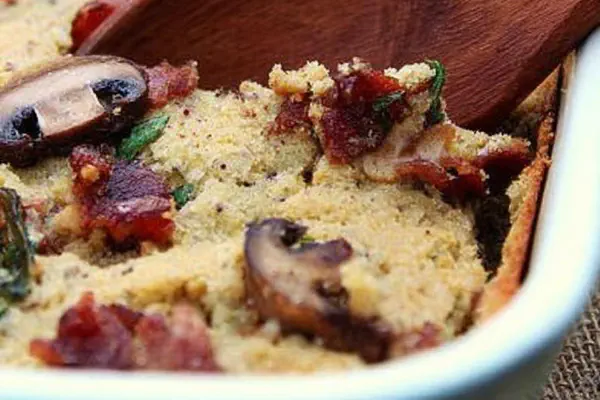
Bacon Mushroom Cornbread Dressing
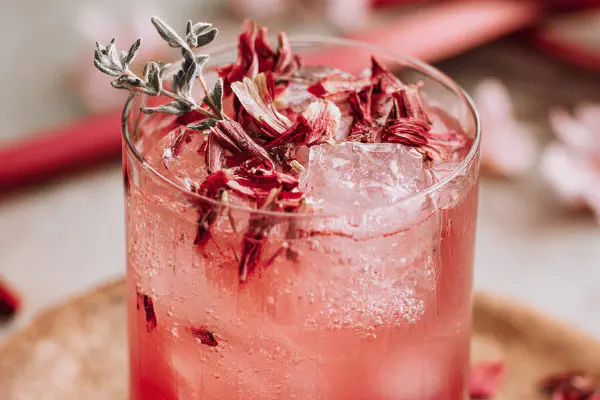
Rhubarb Hibiscus Spritz
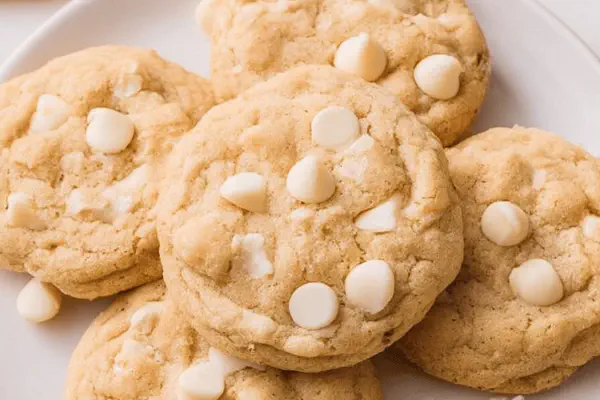
Blondie White Choc Cookies
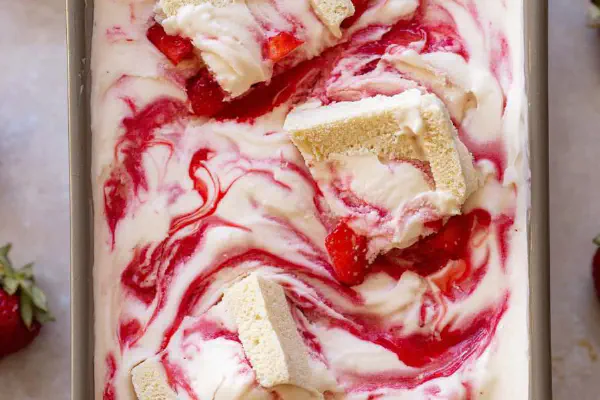
Strawberry Cheesecake Swirl Ice Cream
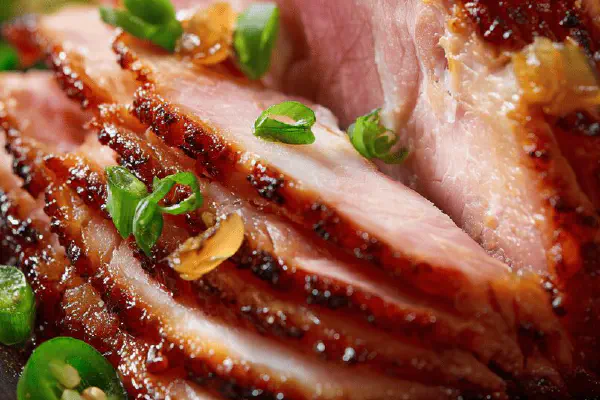
Braised Maple Ginger Ham
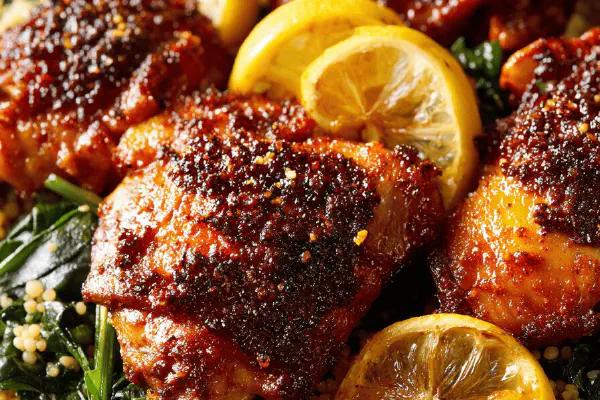
Lemon Paprika Chicken Thighs
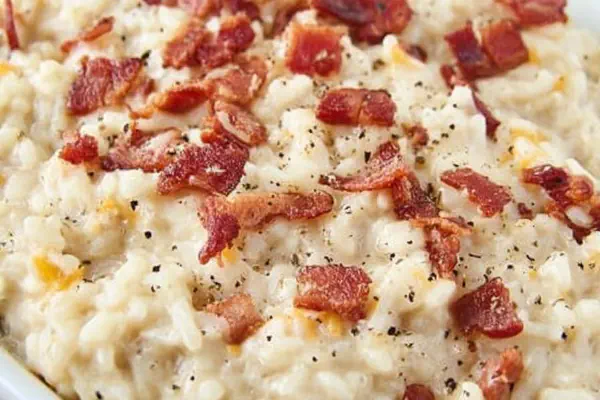
Creamy Bacon Cheese Rice
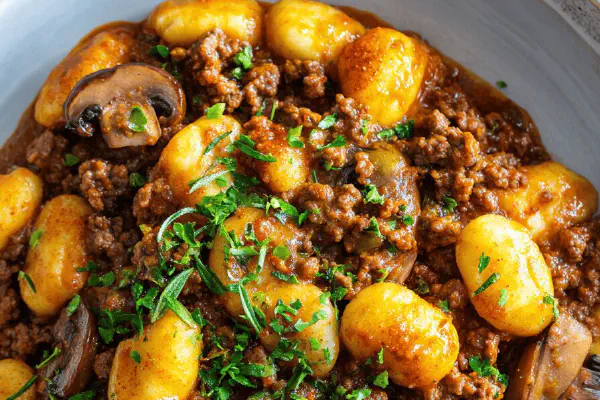
Beef Gnocchi with Rosemary
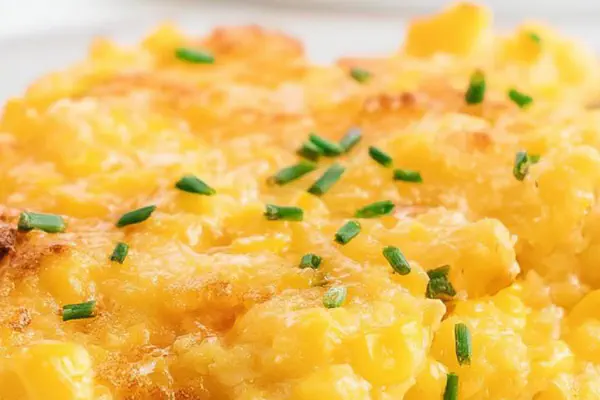
Cheesy Corn Bake
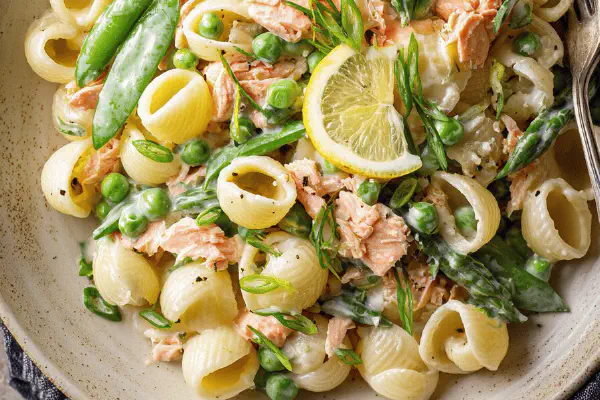
Salmon Pea Shell Pasta
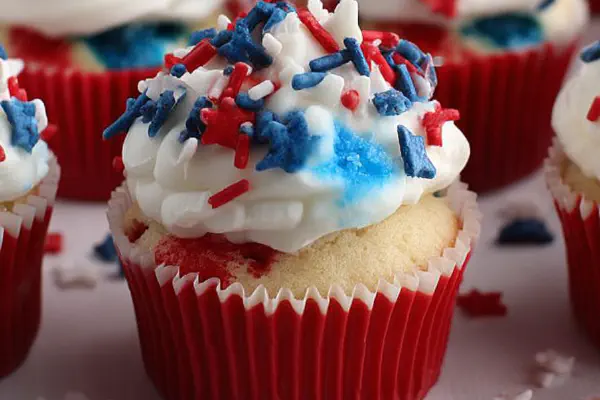
Festive Mini Cupcakes
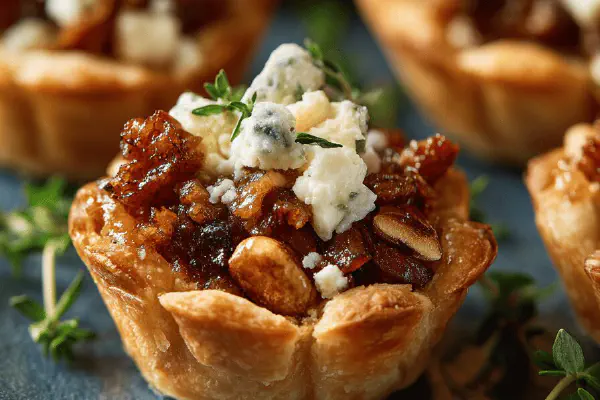
Bacon Date Blue Bites
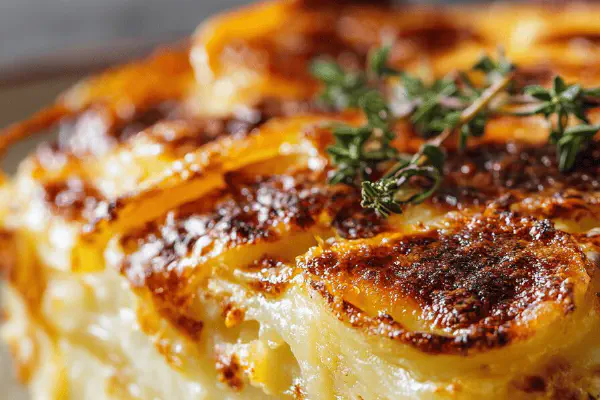
Potato Gratin with Onion Melt
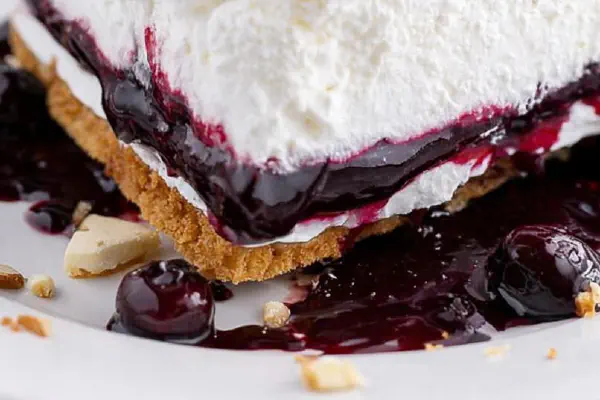
Blueberry Cream Crunch
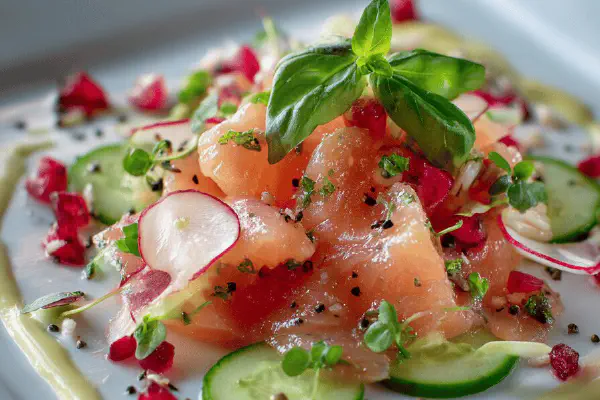
Trout Crudo with Cranberry and Puffed Rice

Chicken And Andouille Gumbo

Peach Crumble Bars
Caribbean Spice Blend Remix
Zesty Herb Couscous