Featured Recipe
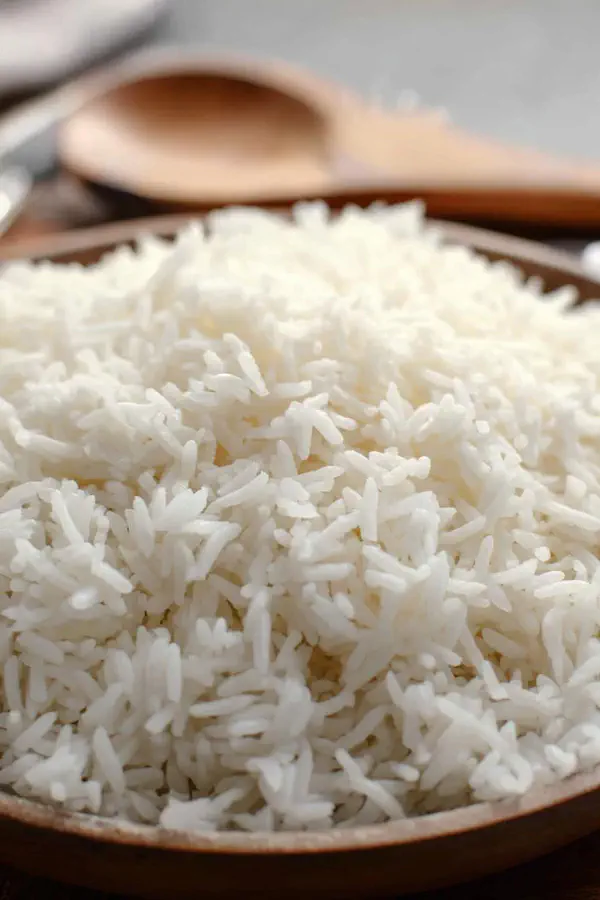
Fluffy Long-Grain Rice
By Kate
"
Rinse rice under cold water to remove starch preventing clumping. Measure about 1 cup rice with roughly 1 ¾ cups cold liquid for firmer texture. Salt adds dimension; swap butter with a splash of coconut oil for subtle aroma and richness. Bring to brisk boil then reduce to low with lid locked tight. Steam thickens. Watch surface for tiny bubbles, not rolling boil. Simmer 15-22 minutes based on heat and pan thickness. Rest covered off heat at least 7 minutes. Fluff with fork, not spoon, to avoid mashing grains. Adapt water slightly for softer or firmer. Use broth if no stock. Cloudy pot means too much water or stirring early. Let steam do work. No poking.
"
Prep:
8 min
Cook:
22 min
Total:
37 min
Serves:
4 servings
rice
grains
American cuisine
Introduction
Rice not just fillers or background noise. You want grains loose, separate—not mashed into paste. Simple ingredients but technique matters. Rinsing rice clears excess starch—think powdery dust on surface that turns into glue. Skip rinse? Expect sticky. Count water carefully. Too much and you’re swamp city. Too little? Hard clumps inside. Timing flexible—visual clues better. Lid stays on to trap steam, that’s your internal oven. Off heat resting restores moisture and finishes cooking gently. Stir early and it’s glue town again. Fat choice changes character—coconut oil brings a subtle tropical scent and silkiness over regular butter. Small tweaks, big differences. Watch bubbles at boil start—they speak volume about temperature control. Patience plus respect to water and heat. Results? Rice behaves like pros do in busy kitchens.
Ingredients
In The Same Category · Perfect Sides
Explore all →
Warm Potato Yellow Bean Salad
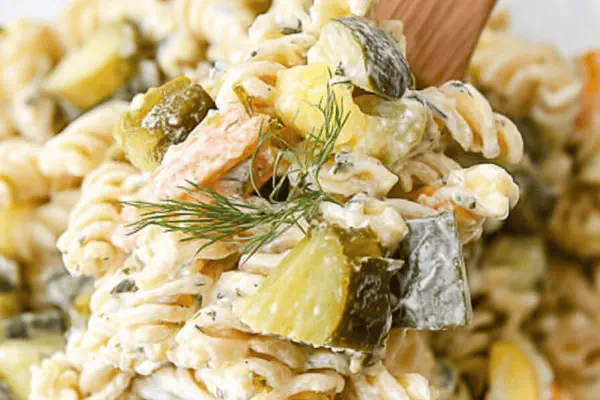
Pickle Pasta Salad Remix
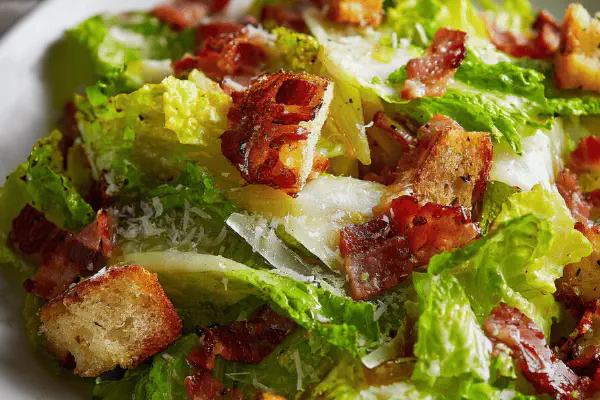
Iceberg Caesar Salad Remix
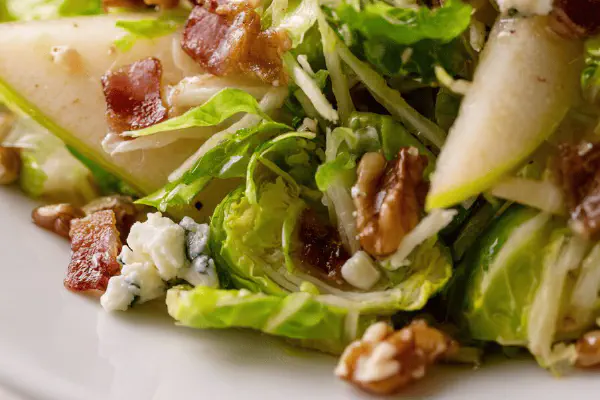
Brussels Sprout Salad with Maple Bacon Dressing
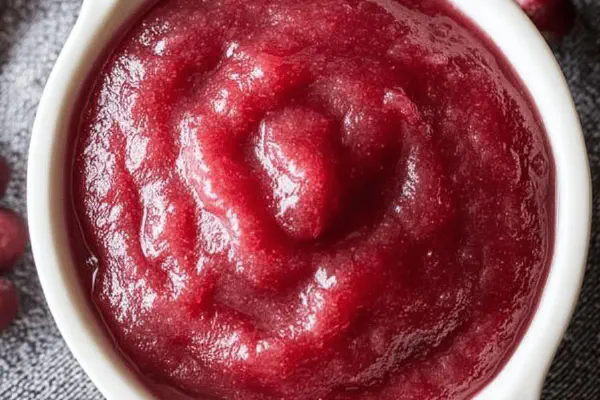
Spiced Cranberry-Apple Sauce
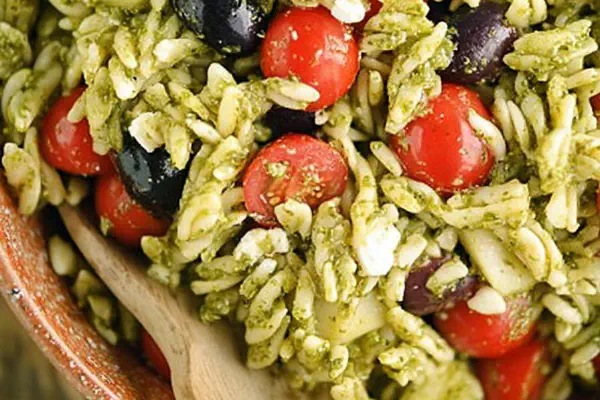
Herbed Orzo Salad

Slow Cooker Bacon Cheddar Cornbread
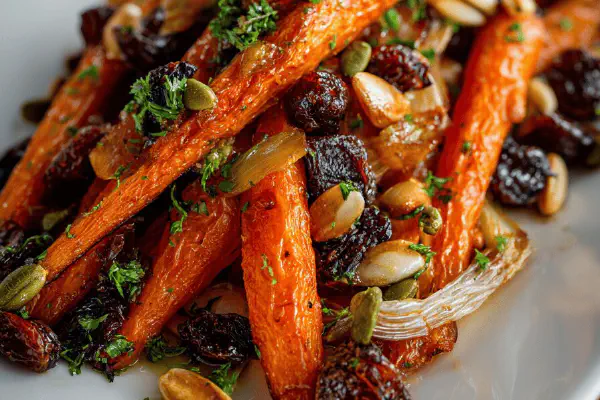
Roasted Carrots with Dried Fruits
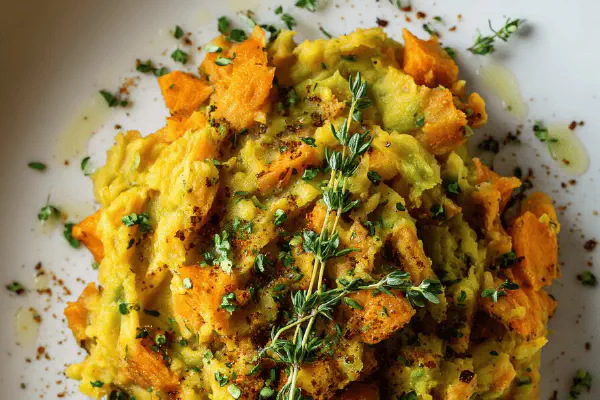
Olive Oil Potato Mash
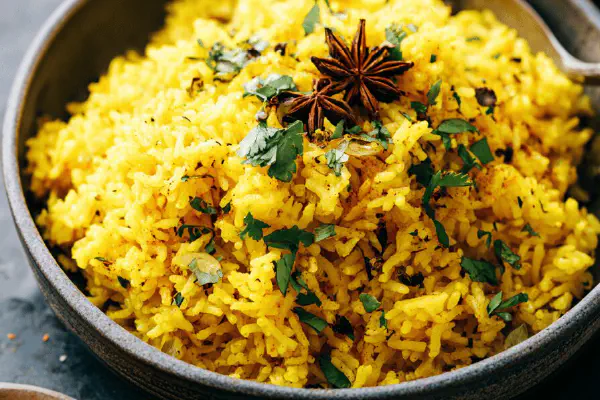
Golden Turmeric Rice
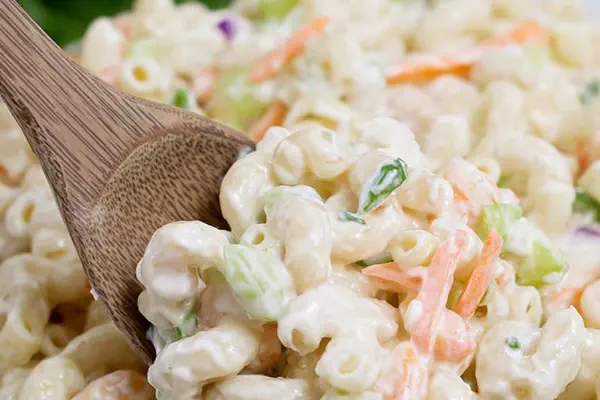
Chunky Macaroni Salad
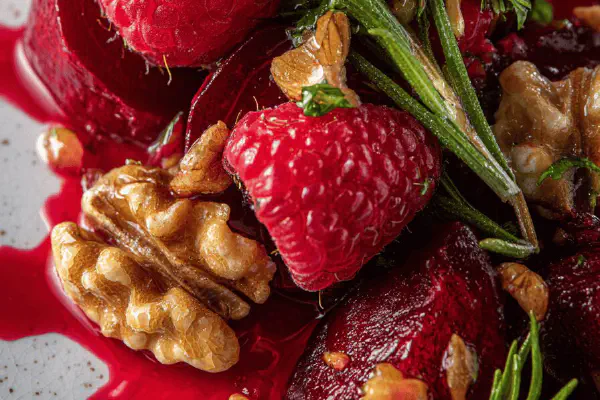
Beets Pickled with Raspberry Twist
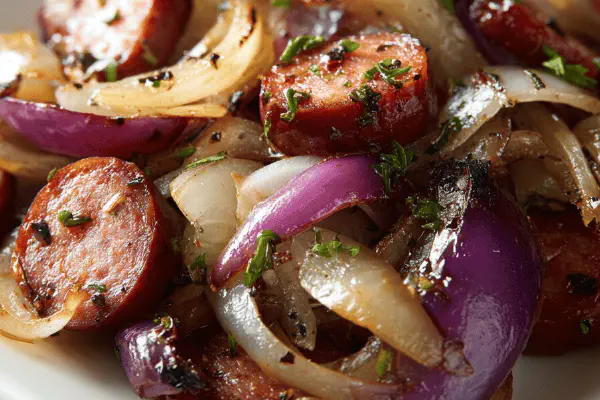
Sautéed Onions and Spicy Sausage
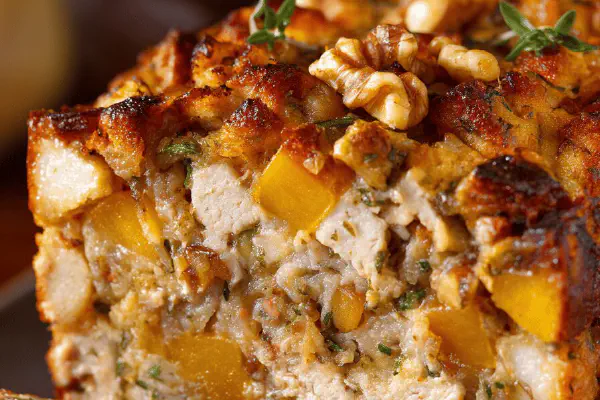
Apple & Butternut Stuffing
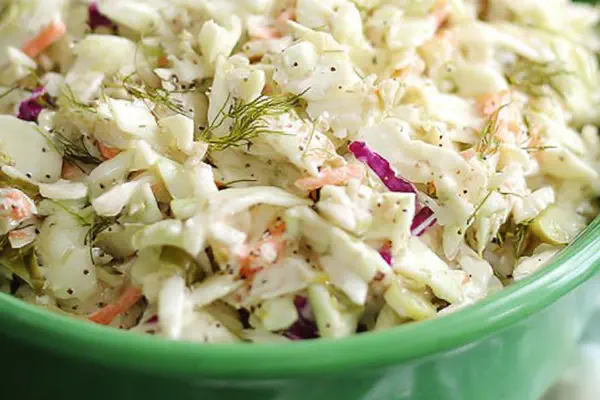
Tangy Herb Slaw
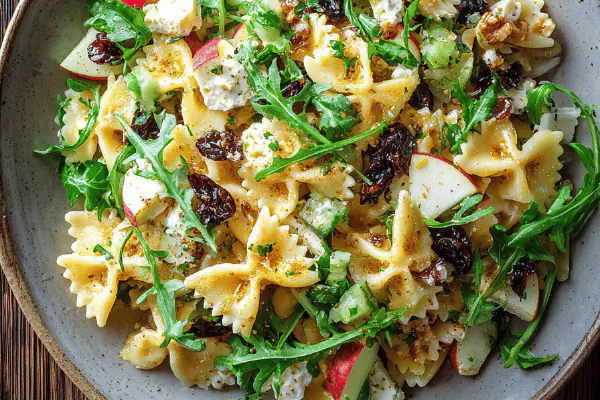
Bowtie Pasta Salad with Apples and Feta
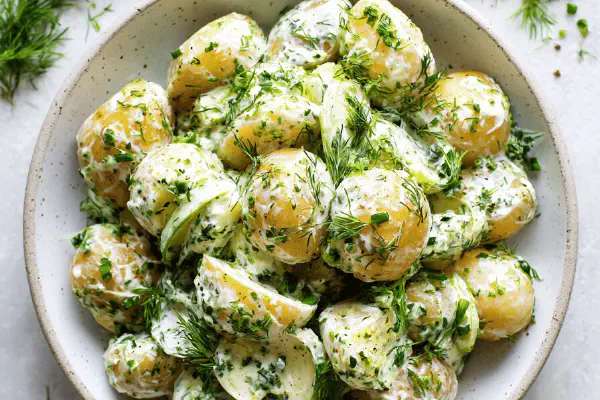
Herbed Creamy Potato Salad
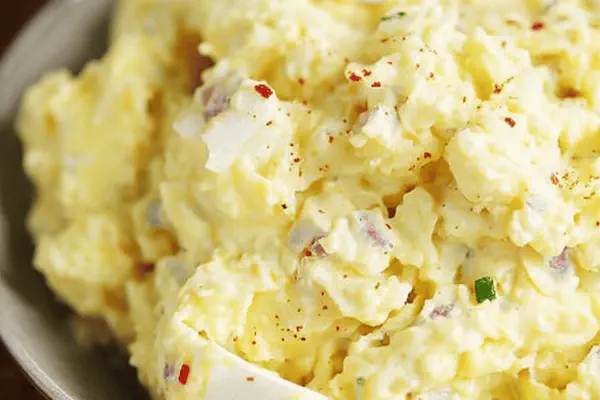
Chunky Tangy Potato Salad

Twisted Citrus Ambrosia
Cheddar Bacon Ranch Biscuits
Tangy Vinegar Slaw

Cranberry Pineapple Mold

Creamy Herb Corn Bake
Smoky Maple Bacon Beans
Amish Style Macaroni Salad
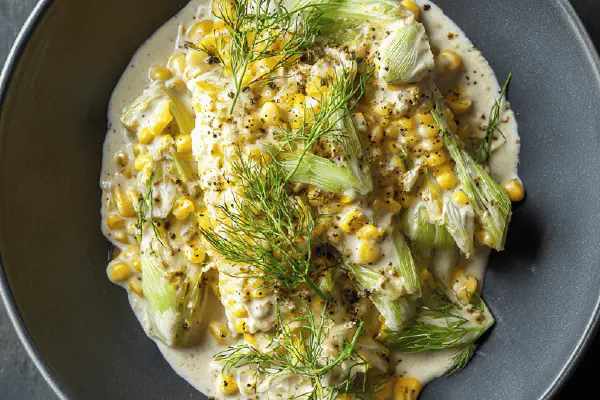
Creamy Garlic Fennel Corn

Cabbage Chorizo Slaw Remix
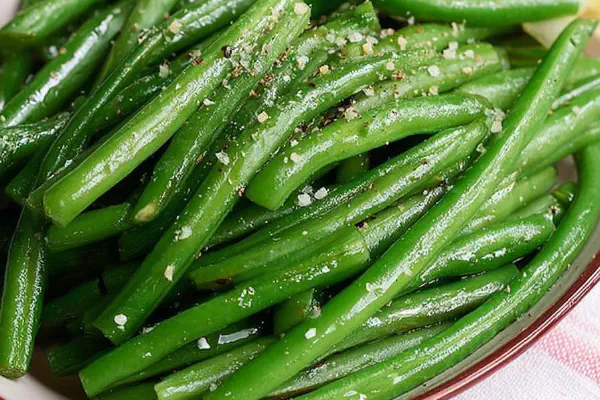
Steamed Snap Beans Twist
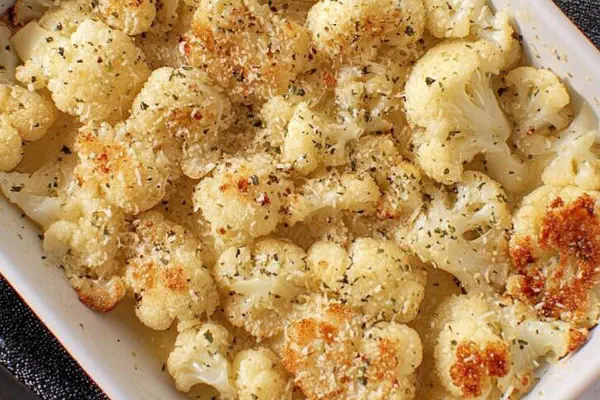
Cheesy Garlic Roasted Cauliflower
About the ingredients
Long-grain white rice is your base, but rinse well until water clears to avoid pasty clumps. Swap water for chicken broth or vegetable stock to layer flavor without extra steps. Coconut oil or butter aren’t just for richness—they help grains stay separate with subtle gloss. Salt enhances, but adjust to taste depending on stock or diet. If rice is old or dried out, increase liquid fraction by 10%. Use heavy-bottom pan to resist hot spots and burning. Stainless steel pans heat evenly but watch bottom; non-stick can be forgiving for beginners needing control on low heat. Avoid measuring liberally—precise water ratio is critical. Use fine mesh strainer for quick, thorough rinse without losing grains. Fat can be omitted if watching calories, but it also stabilizes surface starches preventing clumps.
Method
Rinse and Prep
- Place dry rice in fine mesh strainer. Rinse under cold running water stirring gently with fingers for about 90 seconds until water runs mostly clear. This washes away surface starch which causes gummy texture later.
- Transfer rice to medium-heavy saucepan. Add water or broth and salt along with chosen fat. Stir once just to combine everything evenly dispersed.
- Set pan over high heat. Watch closely for rapid boil with bubbles aggressively breaking surface. Noise level increases. Once raging boil hits, immediately turn heat down low so surface barely shivers, not roiling. Cover tightly with lid. Steam trapped inside cooks evenly.
- Leave undisturbed for 15-22 minutes. Pan thickness and heat variability make exact time float. No lid lifting or stirring during this phase—breaks seal and lets steam escape.
- After simmering, remove from burner but keep lid on. Rest rice for 7 minutes—time for trapped steam to finish cooking and plump individual grains without drying out.
- Peel back lid carefully with a quick tilt to avoid hot steam burns. Gently separate grains using fork by light teasing motions. Avoid smashing or mixing vigorously, preserves fluffy texture and separates grains.
- If rice's too sticky next time, lower water by ¼ cup or rinse longer. Too dry or undercooked add 2-3 tablespoons water and cover again for a few minutes. Use broth or coconut milk for extra flavor dimension when butter feels ordinary. Avoid stirring mid-cook to keep textures distinct.
Combine Ingredients
Heat and Simmer
Simmer Time
Rest off Heat
Fluff and Serve
Common Fixes and Tweaks
Technique Tips
Visual and tactile signs beat clocks. Rapid boil means high heat, almost audible bubbling. Lower heat to quiet simmer; small bubbles jitter just under lid not violently exploding. Keep lid sealed—steam is cooking agent, escape means dry, uneven rice. No poking or stirring mid-simmer; breaks steam seal, risks mush. Cook time range depends on pan thickness and stove calibration. Rest after heat turns off crucial for moisture absorption, don’t skip. Fluff rice with fork using gentle motion to separate grains and release trapped steam—avoid mashing. If rice too wet, leave lid off a minute to dry excess moisture. For firmer rice, trim 10-15% liquid next batch. Leftover rice reheats best with splash of water in microwave or skillet to renew moisture and softness. Don’t rush process—risks gummy or crunchy middles. Seasoning early helps rice absorb salt uniformly.
Chef's Notes
- 💡 Rinse rice well under cold water; removes excess starch. Can take about 90 seconds. Clear water is key. A fine mesh strainer is vital here.
- 💡 Water ratio is crucial; adjust slightly for preferred texture. Use 1 cup rice to 1 ¾ cups water for firmer. Less water? It's much firmer. Too much? Sticky.
- 💡 Watch closely while bringing to a boil. Rapid boil means heat is right. Noise increases. Quiet boil means it's just right; surface jittering, bubbles small.
- 💡 No stirring mid-simmer; breaks steam seal. Lid stays on. Lift it, steam escapes. Rice dries out. Trust the process.
- 💡 Rest off heat for optimal results. Keeps cooking gently with residual steam. Don’t skip this stage. Fluffing with a fork is best; avoids mashing.
Kitchen Wisdom
How to fix sticky rice?
Less water next time; experiment. Rinse longer next time. Sometimes it’s old rice that’s a problem. Adjust accordingly.
What to do if rice is undercooked?
Add 2-3 tablespoons water; cover again. Cook some more. Could be stove heat or pan thickness.
Best way to store cooked rice?
Store in an airtight container; refrigerate, for a few days. Reheat with a splash of water in the microwave.
Can I use broth?
Yes, swap for added flavor. Chicken or vegetable broth works great. Changes taste, richness. Experiment with spices too.
You’ll Love These Too
Explore all →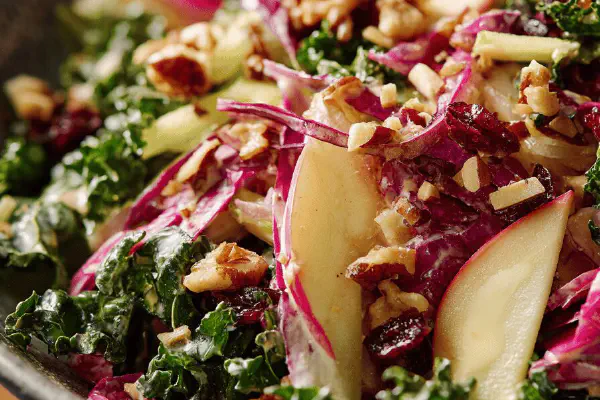
Kale Celery Waldorf Salad

Pistachio Raspberry Mousse Tart
Herbed Seafood Pizza

Raspberry Mint Iced Tea
Spicy Butter Buffalo Sauce

Sun-dried Caprese Burger
Orange Chili BBQ Marinade
Twisted Hashbrown Bake
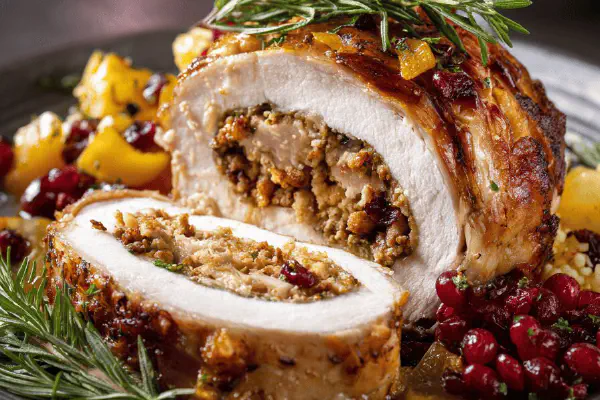
Holiday Turkey Roast

Citrus Honey Rice
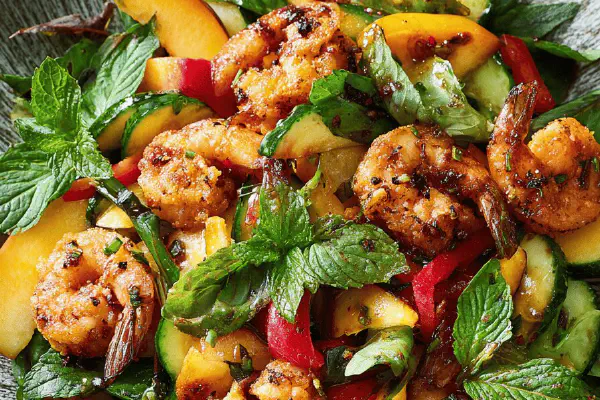
Grilled Pepper Peach Shrimp Salad

Homemade Chicken Vol-au-Vent
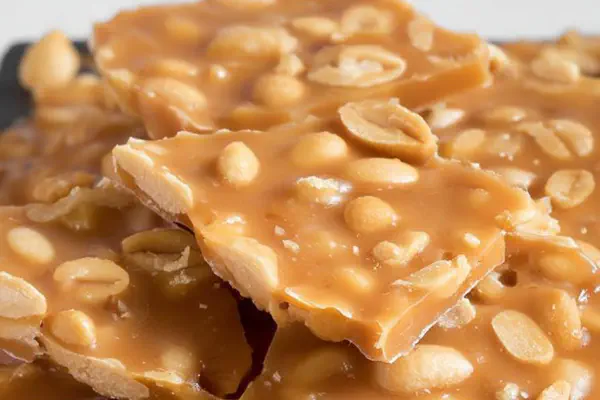
Nutty Caramel Brittle
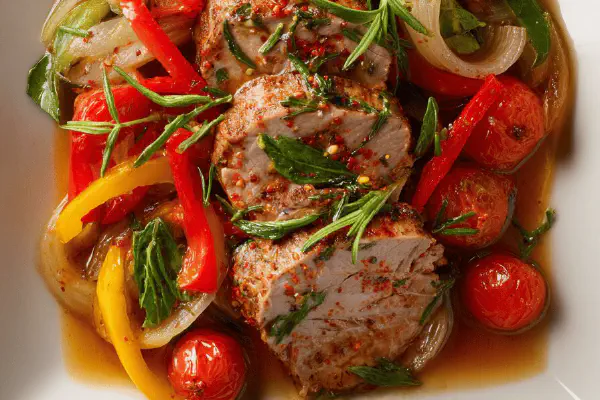
Veal Roast with Peppers and Sage
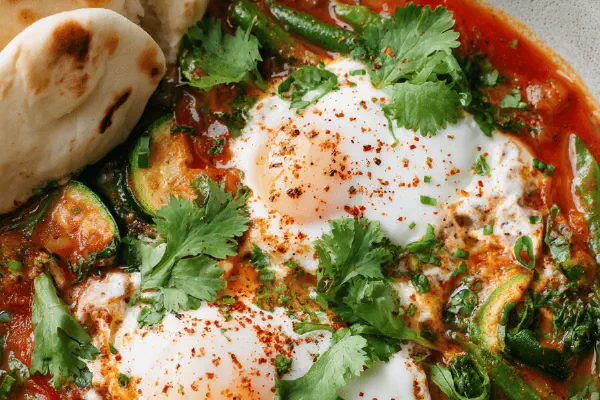
Poached Eggs Indian Tomato Sauce
Cabbage Chorizo Slaw Remix

Tangy Nectarine Sorbet

Pink Raspberry Grapefruitade
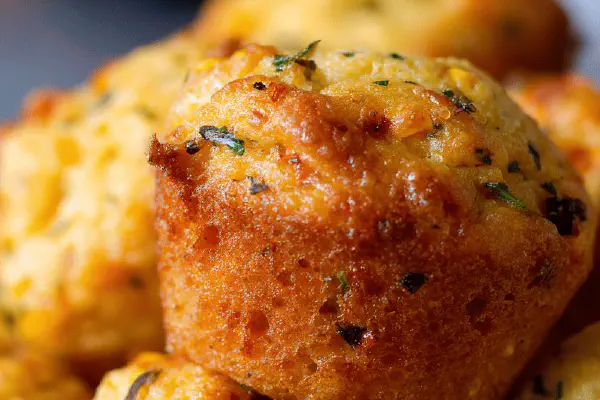
Corn Muffin Variation

Tres Leches Raspberry Cake Twist
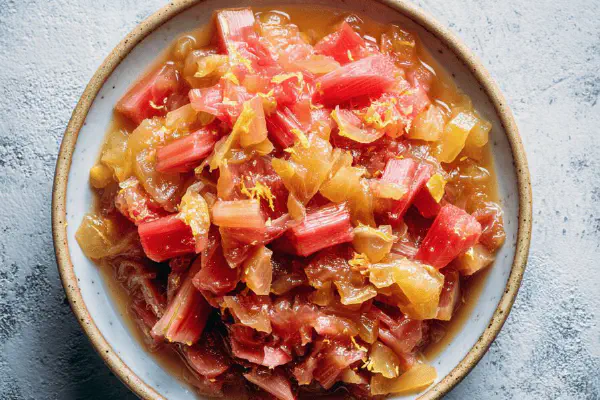
Rhubarb Ginger Compote
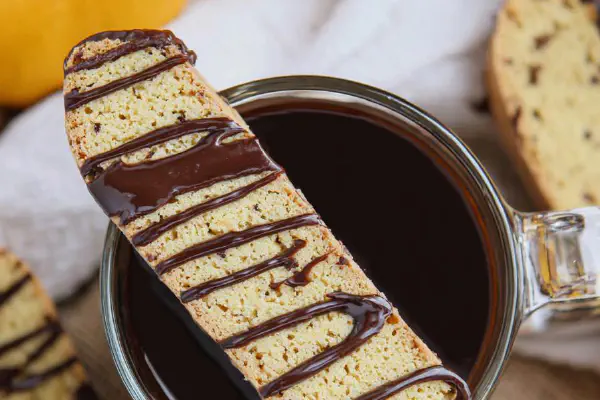
Vanilla Mocha Biscotti Remix

Twisty Turtle Brownies

Trio Citrus Vodka Infusion

Spicy Pickled Jalapeños

Frozen Tropical Rum Mix
One-Pot Basil Chicken Skillet

Twice-Dipped Fried Chicken
No-Bake Holiday Bars