Featured Recipe
Funnel Cake Pops
By Kate
"
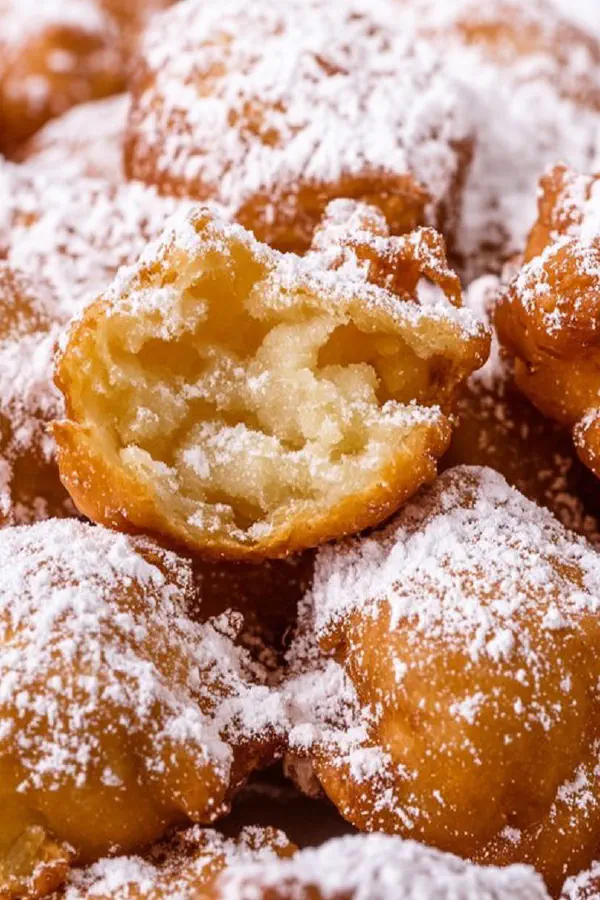
Fried dough balls with a tender crumb, dusted with powdered sugar. Made by deep-frying a batter that puffs and browns quickly at 370°F. Uses a combination of all-purpose and rice flours for a lighter texture. Nutmeg swapped for cinnamon; vanilla extract replaced with almond extract for a twist. Oil heated carefully and monitored with a thermometer to avoid under- or over-cooking. Each bite crunchy outside, soft inside. A seasoned cook’s guide to spotting golden edges and knowing when to flip. Total time about 47 minutes, yields roughly 25 bites.
"
Prep:
18 min
Cook:
29 min
Total:
47 min
Serves:
25 servings
frying
desserts
American cuisine
carnival food
Introduction
Deep frying with precision—key to crispy-on-the-outside, tender-on-the-inside funnel cake bites. Oil temp must ride that sweet spot around 370°F; too hot, outsides scorch while insides stay raw. Too low, they absorb oil, soggy and heavy. Batter needs balance: rice flour lightens the texture; cinnamon swaps nutmeg for something warmer; almond instead of vanilla gives a subtle nutty note. Don’t overmix; lumps won’t hurt—actually prevents toughness. Ladle gently; batter balls puff immediately as they hit the hot oil, sizzle and crackle. Watch for golden color—it’s your readiness signal. Flip quickly, no fiddling. Drain well, paper towels essential. Dust sugar freshly for sweet dusting that melts slightly on warm bites. Serve immediately or reheat crisply in oven. Tried and tested techniques, no fluff. Ever wonder why funnel cakes so greasy sometimes? Oil temp and batch size. Managing both is kitchen gold.
Ingredients
In The Same Category · Sweet Treats
Explore all →
No Bake Citrus Swirl Cheesecake
Québec Color Cake Remix
Poached Raisins Twist
Crunchy Apple Layered Dessert
Rich Fudge Brownies with Mocha Glaze
Layered Banana Pudding
Spiced Layer Cake With Dulce Frosting
Tres Leches Raspberry Cake Twist
Sheet Pan Holiday Cookies
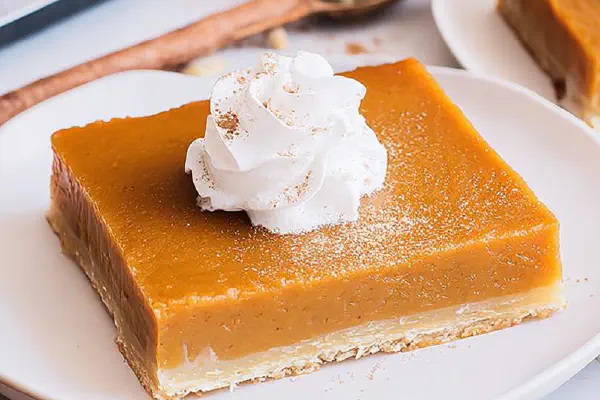
Rustic Pumpkin Slab Pie
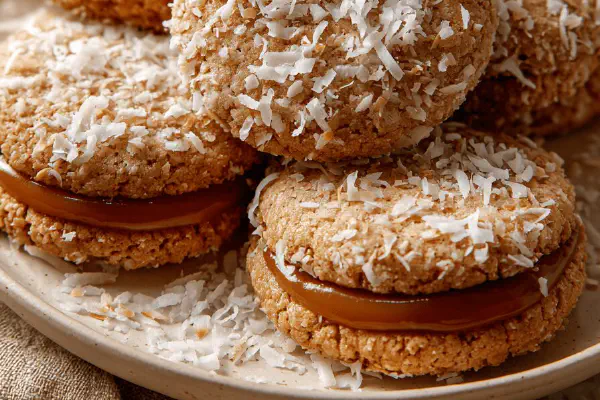
Soft Dulce de Leche Sandwiches
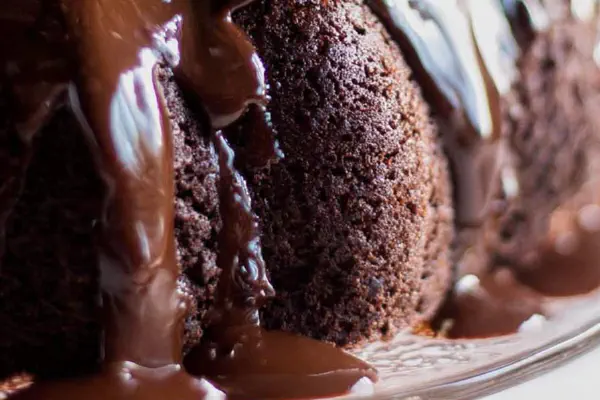
Red Wine Fudge Cake
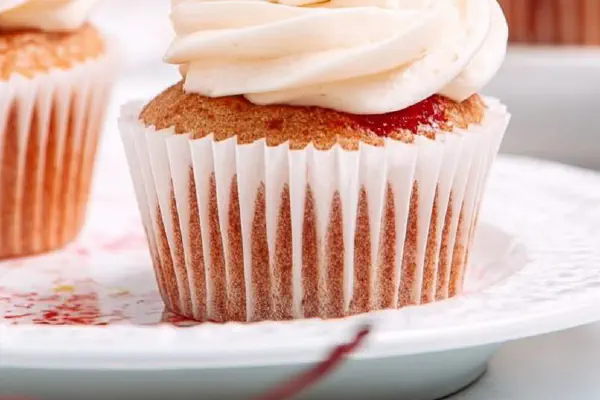
Cherry Almond Cupcakes
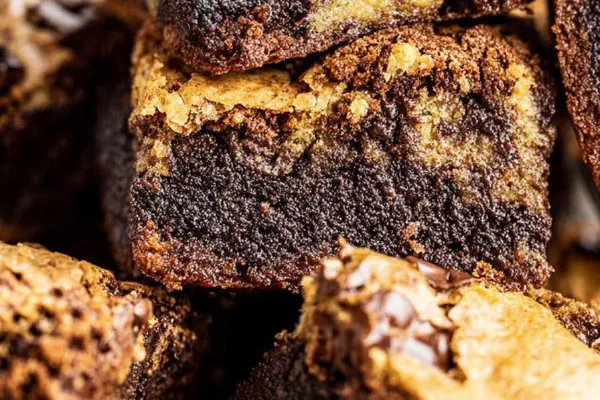
Brownie Cookie Brookies
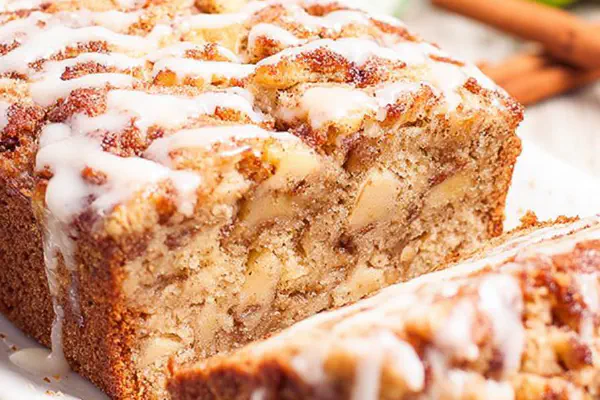
Chunky Apple Bread Twist
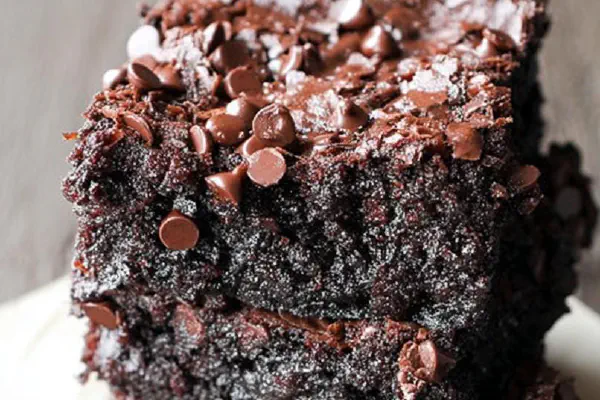
Condensed Milk Chip Brownies
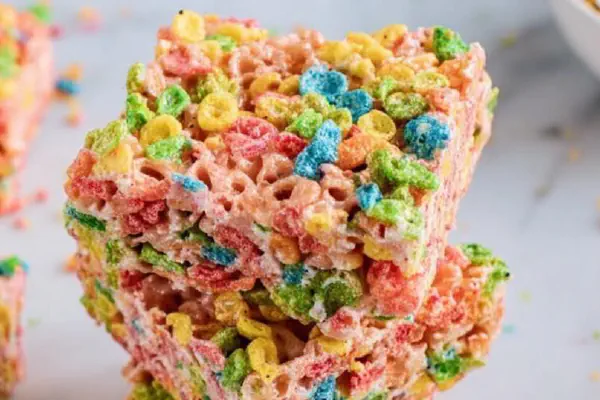
Twisted Fruity Pebble Treats
Frozen Strawberry Puff Pastry
Ricotta Strawberry Raspberry Cake
No Churn Swirled Ice Cream
Crockpot Sticky Toffee Pudding
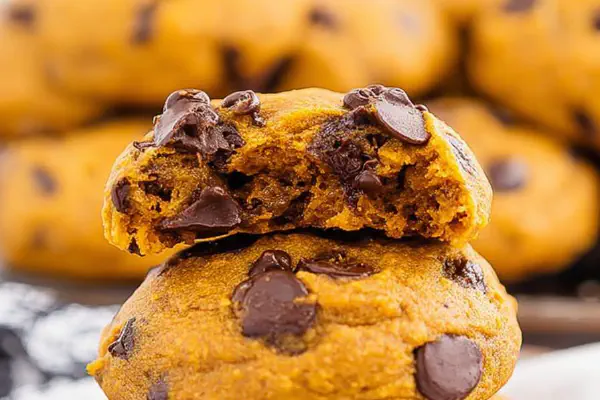
Pumpkin Choc Chip Cookies
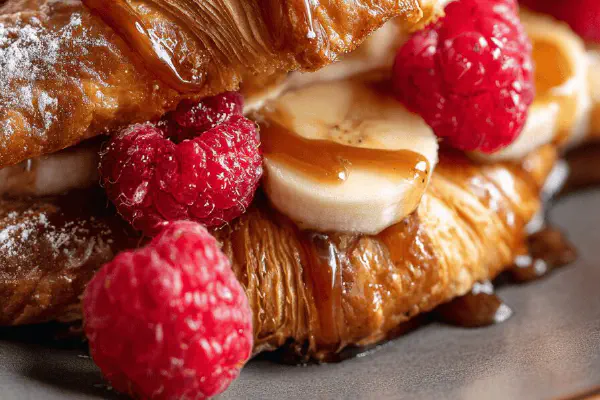
Golden Croissants with Rum Caramel
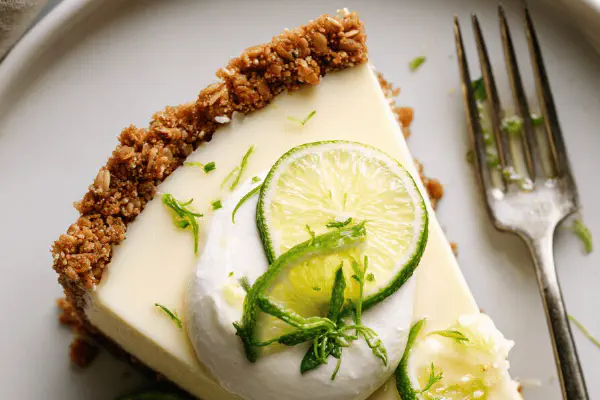
Classic Cheesecake Remix
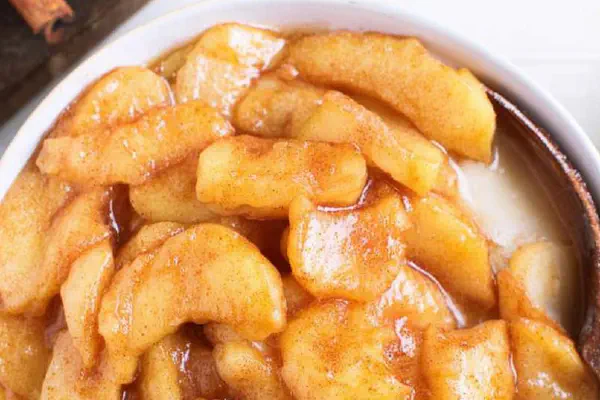
Skillet Cinnamon Pears

Drunken Panettone Twist
Pineapple Frozen Cream
Hummingbird Cake Twist
Twisted Sweet Potato Pie
About the ingredients
Switching half the flour for rice flour creates lighter, less doughy bites—less gluten, more crunch. Cinnamon stands in for nutmeg; similar warmth but a hint sweeter and more familiar. Almond extract replaces vanilla for subtle but distinct aroma. Melted butter can be swapped with clarified butter or even browned butter for nuttier background, but keep it cool to avoid cooking eggs when mixing. Oil: shortening or high smoke point vegetable oil essential. Avoid olive or low smoke oils; will burn and give off-flavors. Keep oil depth around 3 inches to ensure even cooking and prevent temperature drops when frying multiple pieces. Cold batter? Let sit 5 minutes; flour hydrates better, puffs more reliably. Extra sugar helps caramelize for browner, tastier exterior.
Method
Technique Tips
Heat oil slowly, bring up temp gradually with thermometer monitoring—reliable over guesswork. Medium heat usually best; too hot means burnt outside, raw inside. Add batter by spoonfuls, not pouring or pouring too much—it messes with oil temp and ball shape. Batter sizzles immediately; you want that noise. Fry until bottoms golden brown, flipping quickly with slotted spoon to minimize oil splash. Potato-chip color cue—medium amber, not pale or dark brown. Drain on paper towels, never stacked; steam ruins crisp edges. Toss sugar only after bites have cooled slightly but still warm—melts sugar lightly, sticks better. If you see bubbles inside batter puff not expanding, oil temp too low. Don’t overcrowd pan; warm oil temp is your critical control point. For crispier bites, add one tablespoon cornmeal to dry mix, but use sparingly or gritty texture emerges. Final test? Bite surface should snap lightly, interior soft and slightly springy.
Chef's Notes
- 💡 Oil temp is key. Heat to 370°F. Too hot? Burnt outsides. Too cool? Soggy bites. Use thermometer; don’t rush it.
- 💡 Batter mix should stay lumpy—good sign. Overmix? Tough texture. Fold gently, let ingredients blend without fuss.
- 💡 Drop batter slowly into oil, ladle works. Too much at once? Oil temp dips. Shape matters. Small tasks lead to even cooking.
- 💡 Keep batches small while frying. Big batch? Oil cools. Monitor sizzle; sound signals readiness. Keep the crunch!
- 💡 Dust lightly with powdered sugar right after frying. Warm bites help sugar stick better. Serve crispy, fresh, never make ahead.
Kitchen Wisdom
What if batter is too thick?
Add a little milk. Thin out cautiously. Too runny? Will fall apart in oil, tough fix.
How can I reheat leftovers?
Oven at 350°F for 5 minutes. Avoid microwave—warm but soggy instead.
Why do funnel cakes get greasy?
Low oil temp? Absorbs too much oil. High temp? Scorched outsides, raw inside.
Can I substitute the flours?
Rice flour for lighter texture. All-purpose is crucial for structure. Don't swap all; mix wisely.
You’ll Love These Too
Explore all →
Grilled Mussels Salsa Verde Twist
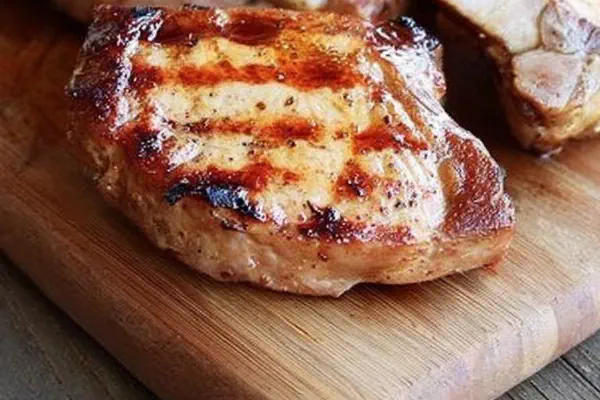
Ginger Tea Brined Pork Chops
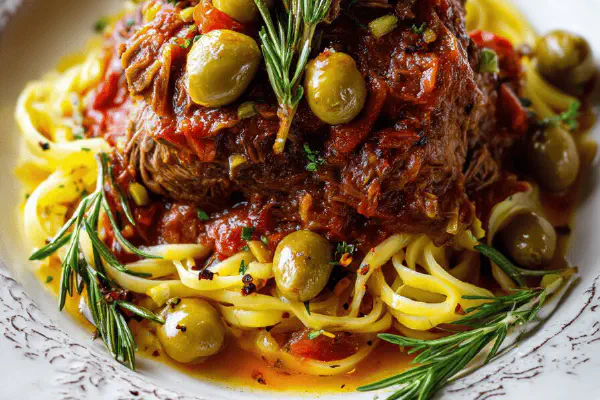
Linguines Lamb Ragout
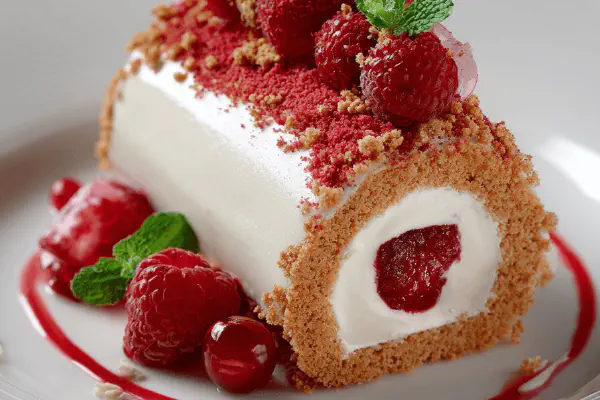
Raspberry White Chocolate Log
Twisted Sweet Potato Pie
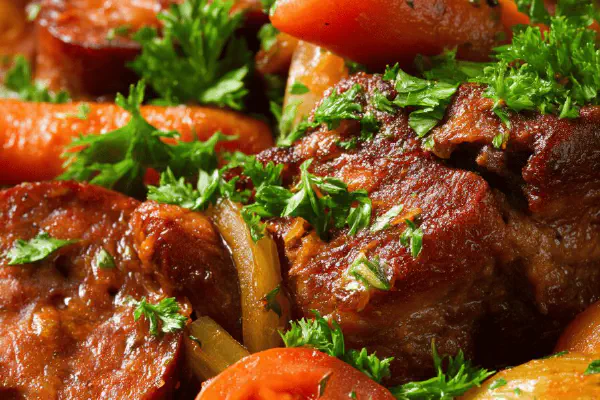
Slow-Braised Pork Shoulder Casserole
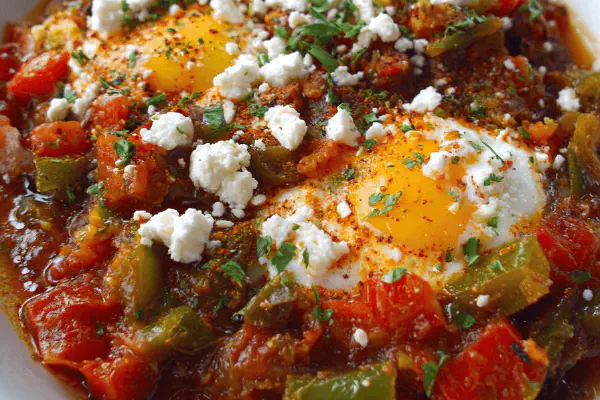
Hearty Veggie Egg Ragout
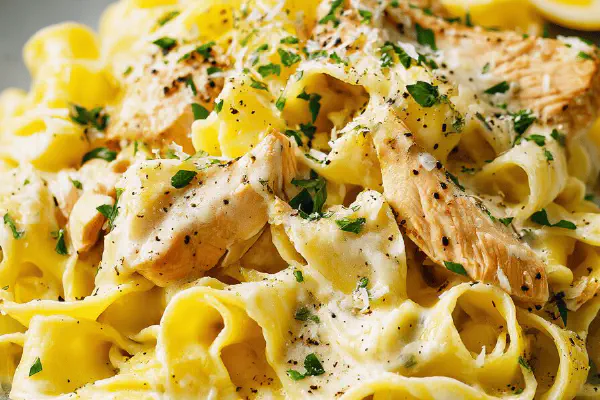
Chicken Fettuccine Twist
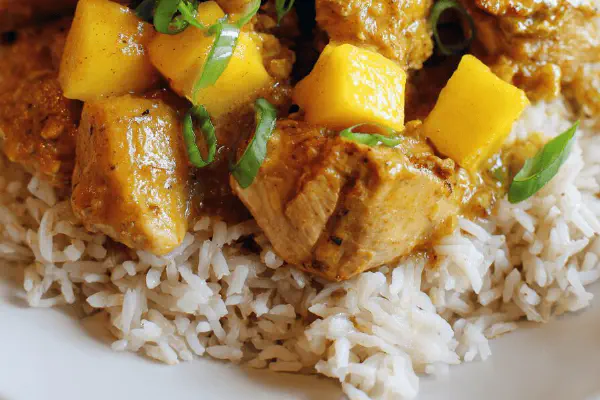
Mango Chicken Boudreault Style
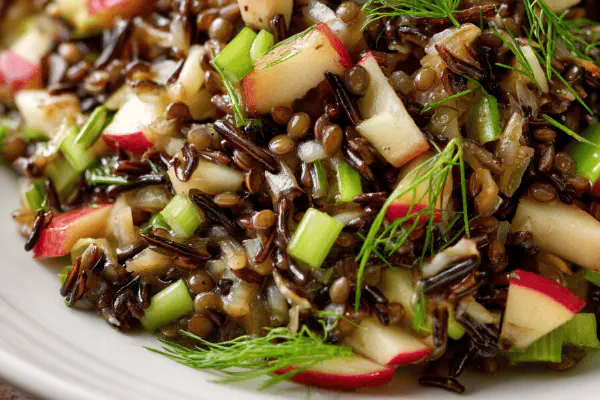
Wild Rice Apple Fennel Salad
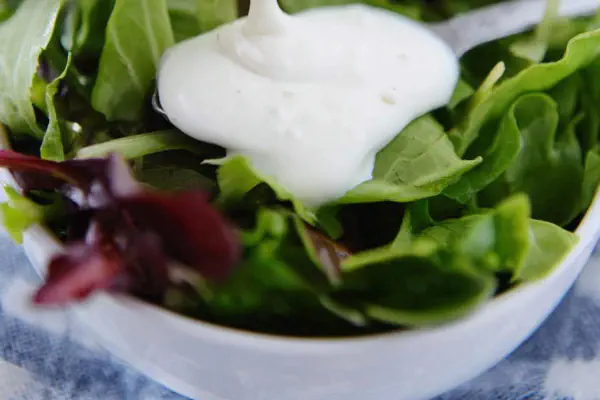
Tangy Blue Cheese Dressing

Air Fryer Crispy Chicken Burgers
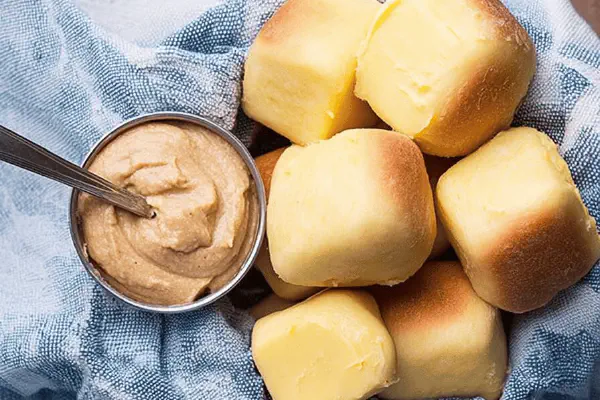
Honey Butter Rolls

Peanut Banana Shake Remix
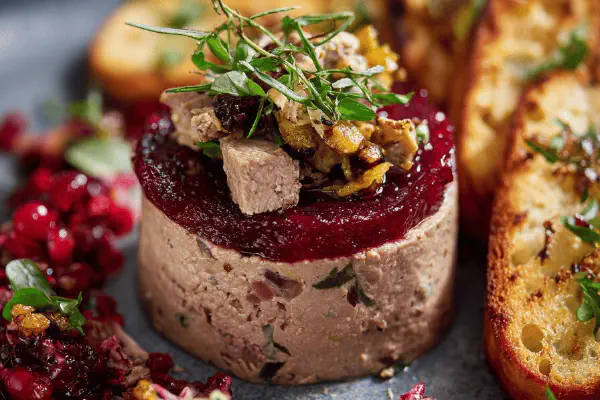
Chicken Liver Mousse Terrine
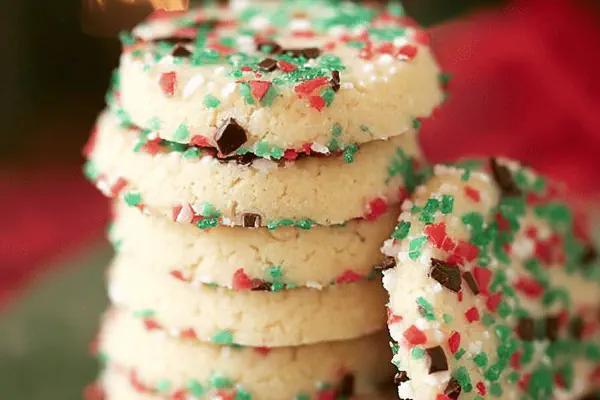
Almond Slice and Bake Cookies
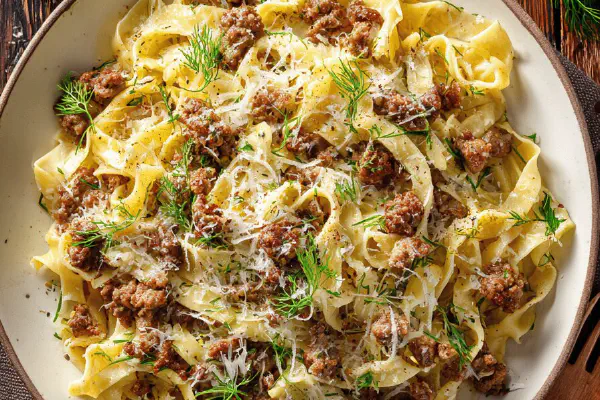
Egg Noodles with Spiced Lamb
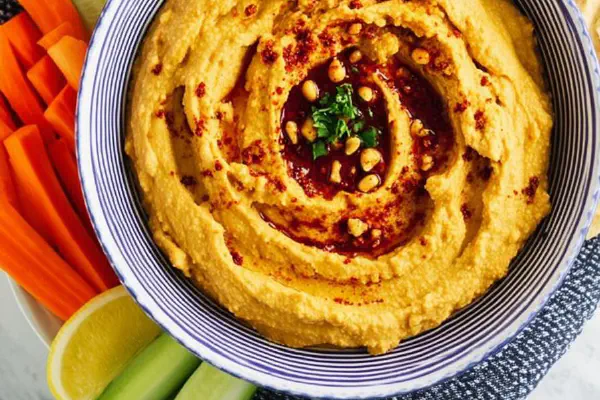
Smoky Avocado Hummus
Twisted Bananas Foster Shake
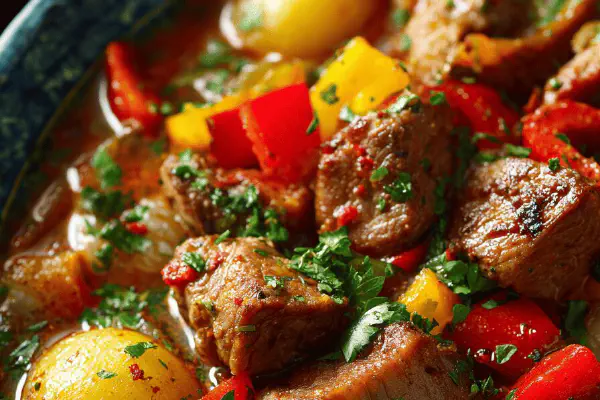
Veal Stew Espelette Twist
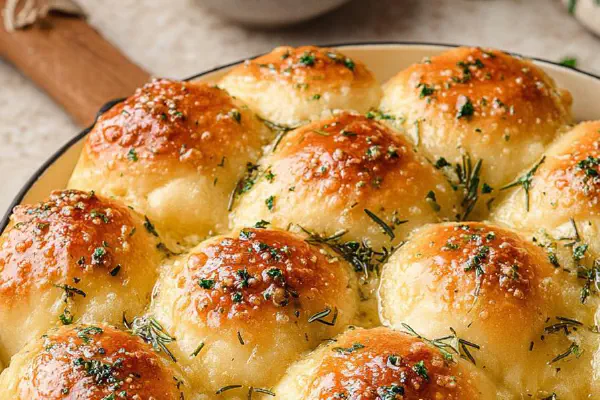
Garlic Rosemary Pull-Apart Rolls
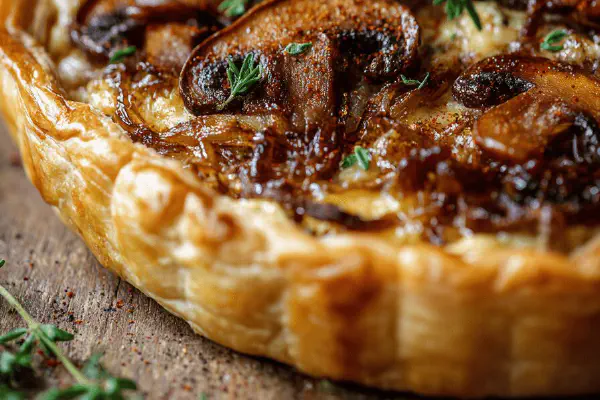
Mushroom Tart Twist
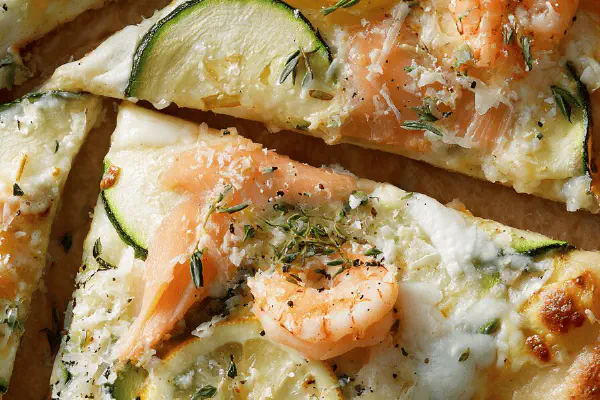
White pizza zucchini trout shrimp
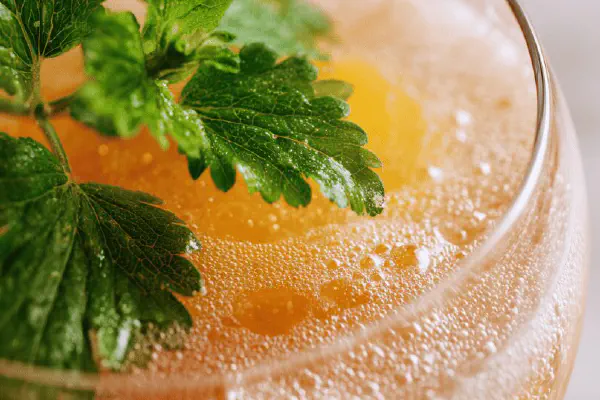
Peach-Verveine Kir
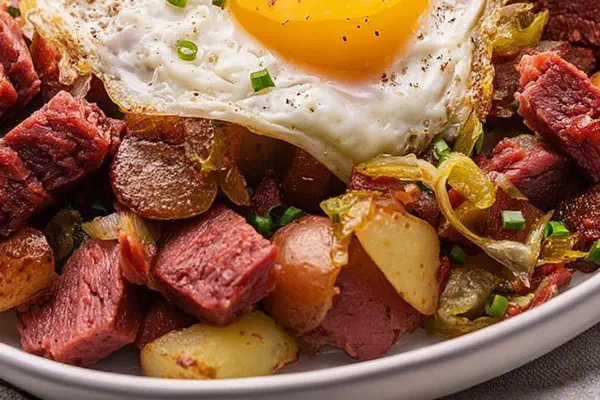
Twisted Corned Beef Hash
Gender Reveal Cupcakes
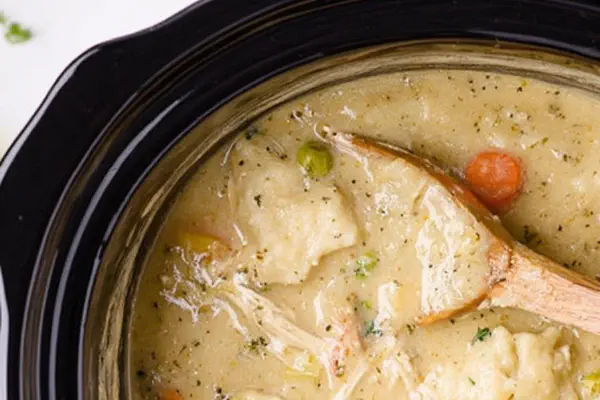
Slow Cooker Chicken Dumplings
Olive Herb Cheese Bread
Grilled Swordfish Kiwi Salsa