Featured Recipe
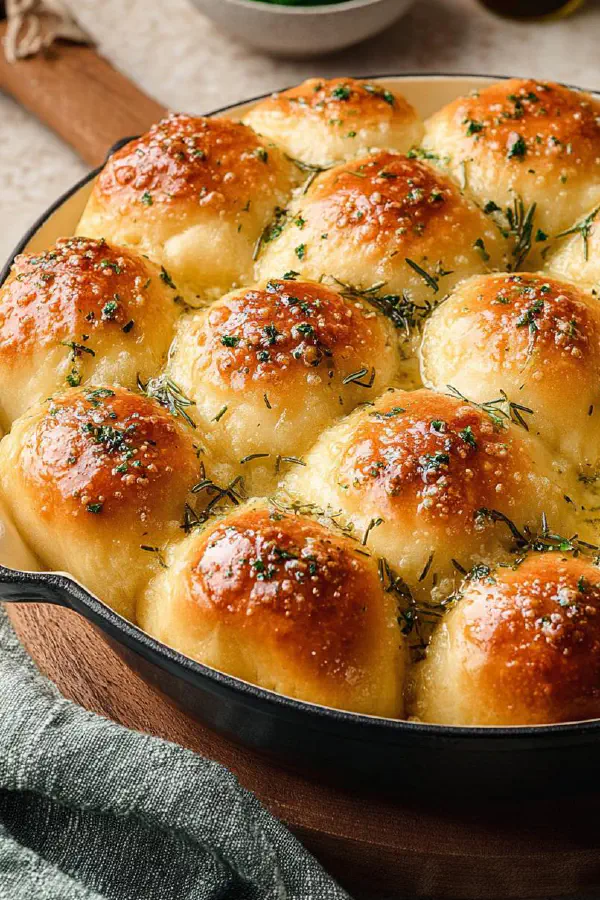
Garlic Rosemary Pull-Apart Rolls
By Kate
"
Yeast activated in warm milk with honey instead of sugar. Dough enriched with olive oil replacing butter, plus egg and herbs. Kneaded until tacky but not sticky, proofed twice. Rolled into balls, proofed till puffed, then baked at moderate heat. Finished brushed with herb-garlic butter, flaky salt. Adapted timings and ingredient swaps suit busy cooks. Classic savory combo with a subtle twist on fats and sweetener to keep the dough moist yet sturdy. Uses sensory cues over clocks, focusing on texture and rise rather than strict timing. Reliable method for fluffy, pull-apart bread infused with fresh garlic and rosemary.
"
Prep:
20 min
Cook:
25 min
Total:
1h 50min
Serves:
14 rolls
bread
rolls
yeast
savory
herbs
Introduction
Start with yeast and honey. Not sugar — honey feeds better, keeps dough moist and tender. Warm milk, just under body temp, wakes yeast without kill-off. Wait for foam. No foam — think freshness. Introduce olive oil for fat, replaces butter’s richness with silky crumb and subtle flavor shift. Egg adds color and structure. Rosemary and garlic powder folded in for punchy aromatics. Bread flour builds strong gluten base but don’t rush adding it. Knead tactile cues — should slightly stick but pull away neat. Ditch remote timers in favor of risen dough — doubling size, springy poke test. Shaping balls done fast but precise to trap gas for airy rolls. Proof twice for layered flavor and texture. Bake golden, sniff for roasted garlic and rosemary hits. Brush hot with herb oil, flaky salt finish — an easy trick for intense flavor pop. No frills, just bread that speaks when you touch it, smell it, break it apart. Pay attention, the dough talks.
Ingredients
In The Same Category · Homemade Breads
Explore all →
Basic Vegan Pizza Dough
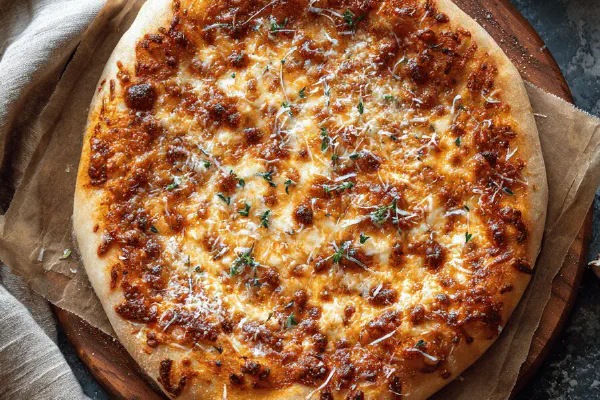
Rustic Pizza Dough
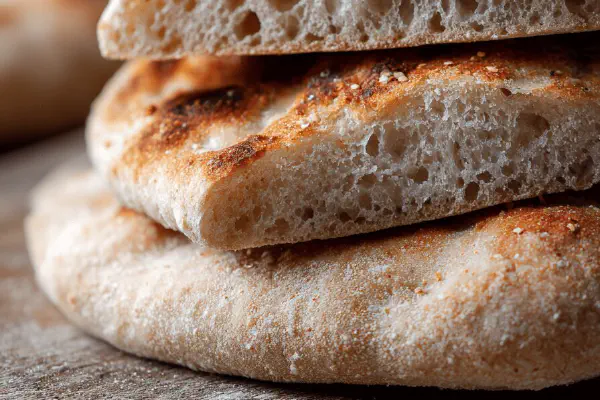
Homemade Rustic Pizza Dough
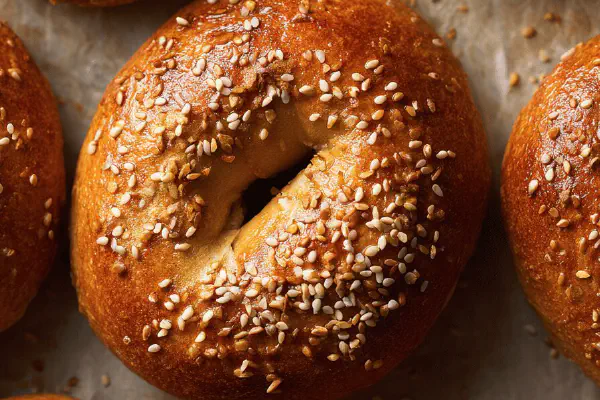
Sesame Bagels with Molasses Twist
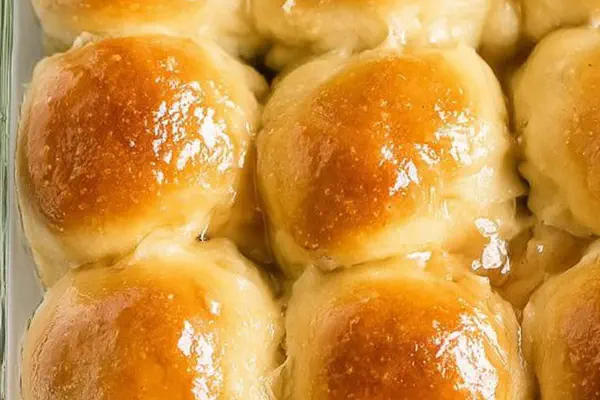
Buttery Dinner Rolls Twist
Spiced Apple-Zucchini Loaf
Lazy Skillet Creamed Cornbread
Twisted Kouglof
Keto Cloud Bread Twist
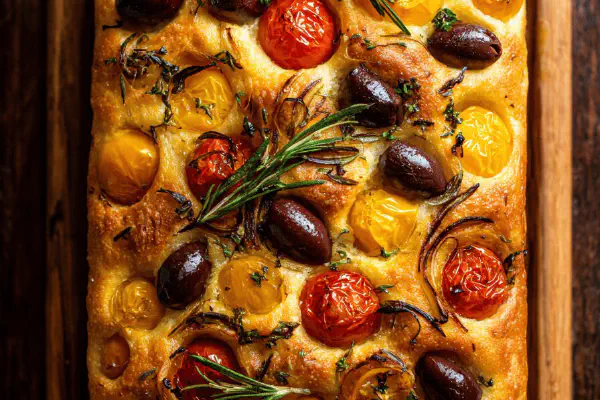
Cherry Tomato Focaccia
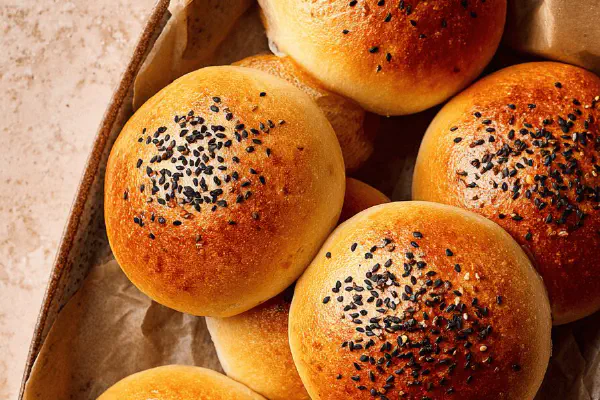
Homemade Burger Buns
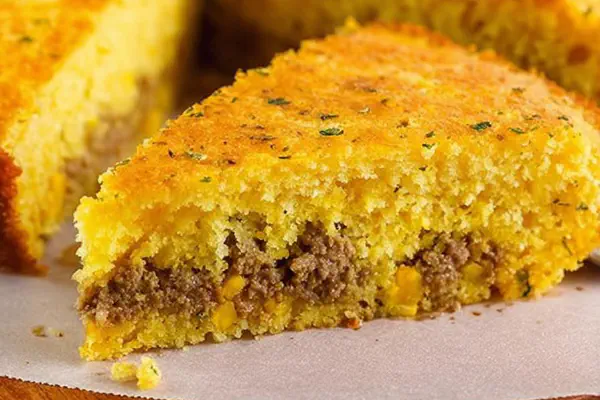
Hearty Tex-Mex Cornbread
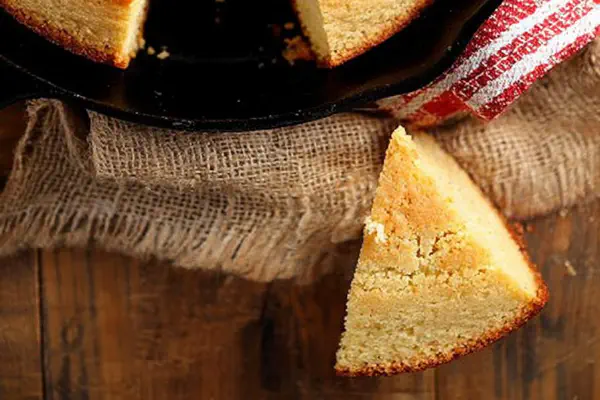
Twisted Iron-Crust Cornbread
No-Yeast Potato Bread
Rustic French Baguettes
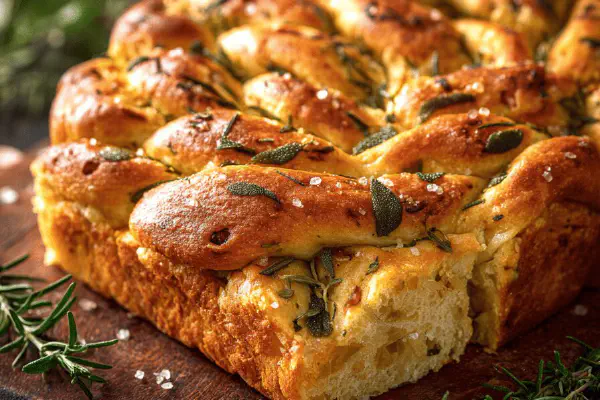
Rosemary Garlic Focaccia Twist
About the ingredients
Swapping honey for sugar softens crumb while avoiding excessive sweetness. Olive oil in place of butter yields lighter texture and keeps rolls moist longer. Don’t skip fresh rosemary; dry loses punch. Flour amount varies depending on humidity and flour brand — always adjust by feel not weight. If dough feels too sticky, add tiny bits of flour gradually. Under-flouring causes dense bread, but too much makes rolls tough. Egg supplies richness and browning but can be swapped with flax egg for vegan option, expect denser crumb with lesser rise. Use fresh parsley in finishing butter for brightness. If flaky sea salt missing, coarse kosher salt works but adds stronger salt bursts — sprinkle cautiously.
Method
Technique Tips
Activate yeast in warm milk plus honey. Temperature crucial here — overheated milk kills yeast, underheated slows rise. Don’t rush foam stage — lack of froth means inactive yeast, no rise later. Incorporate fats and seasonings after activation to avoid inhibiting yeast activity. Adding flour in increments ensures better control of dough tackiness. Knead until dough is elastic but still slightly sticky to keep rolls feather-light. Two rises create layered crumb texture — cutting corners here leads to dense bread. Dough should double in warm spot away from drafts; slug rises slower or irregular. Shape rolls with gentle motion to trap air pockets, avoid excessive compression that inhibits rise. Proof second time just until brood puffs, surface shiny — not deflated or shrinking. Egg wash adds sheen and color, brush gently to avoid stickiness. Baking done when tops golden brown, hollow tap sound from bottom confirms doneness without cutting into rolls. Brushing with herb oil immediately after baking locks in aroma and elevates flavor. Flaky salt last step for contrast. Reheat wrapped to retain softness.
Chef's Notes
- 💡 Watch for foam after mixing yeast with warm milk and honey. No foam means dead yeast. Start again, avoid dense rolls. Warm milk optimal.
- 💡 Knead dough to soft but tacky consistency. Too sticky, add flour slowly. Don’t over-flour. That leads to tough rolls. Avoid complex decisions.
- 💡 Second proofing is crucial. Rolls should puff but not double in size. Watch surface sheen. Gently poke – it should spring back slowly.
- 💡 Egg wash makes tops shiny and golden. Brush light, avoid sticky dough once baked. Use fine-tuned technique. Too much can dampen texture.
- 💡 Use fresh rosemary for robust impact. Dry lacks depth. Olive oil instead of butter enhances moisture, avoiding overly rich rolls. No substitutes here.
Kitchen Wisdom
How do I know the rolls are done?
Tap bottoms; hollow sound confirms doneness. Golden tops signal right time. Aromas fill kitchen.
What if my dough doesn't rise?
Check yeast freshness first. Not warm enough? Fix temp, try again. Always monitor rise cues, no rush.
Can I store leftovers?
Wrap tightly, room temp for a few days. Reheat at low temp; they soften well. Freeze for longer life, thaw before reheating.
Substitutions for egg?
Flax egg works but results in denser texture. Use 1 tablespoon ground flax mixed with 3 tablespoons water. Let sit before adding.
You’ll Love These Too
Explore all →
Honey Nut Snack Mix

Peach Vodka Jello Shots
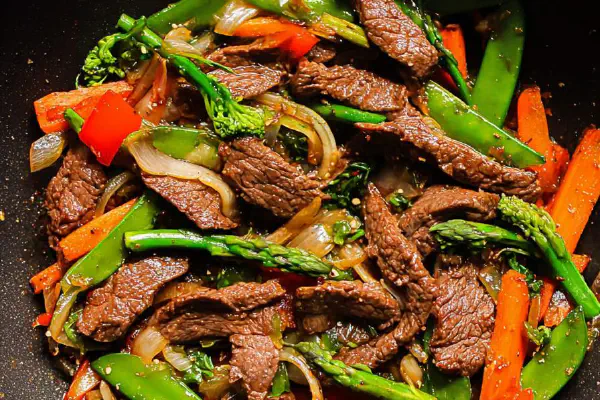
Tender Beef Veggie Stir Fry

Spiced Bloody Beer Twist
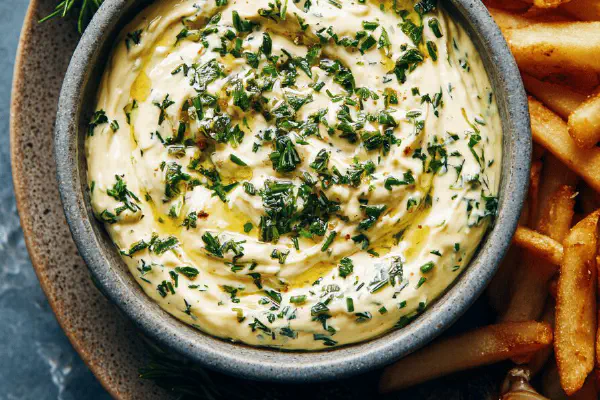
Garlic Herb Aioli
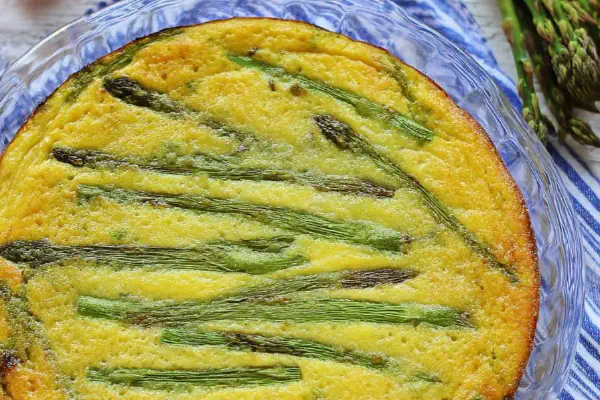
Swiss Asparagus Quiche Twist
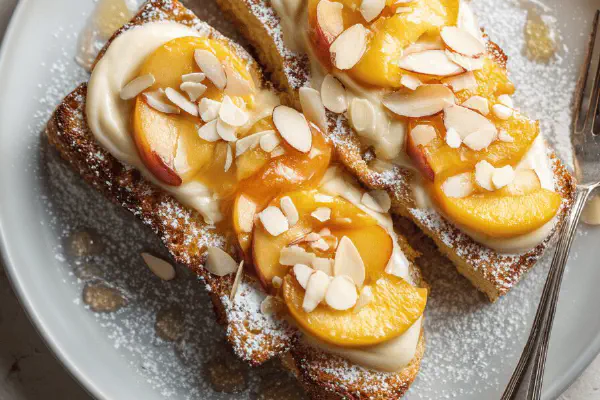
Peach Almond Bostocks

Vibrant Easter Egg Dyeing
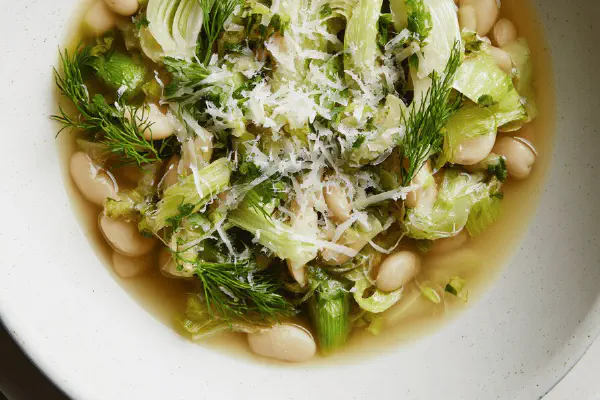
White Minestrone Twist
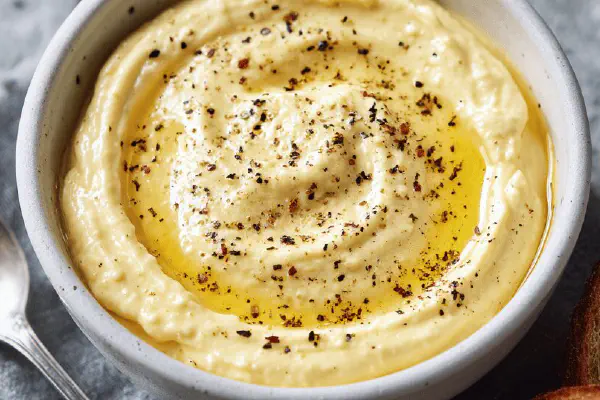
Mustard-Infused Aioli
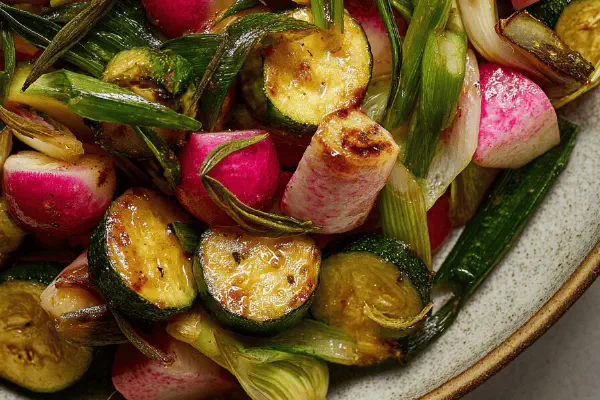
Radish Courgette Sauté
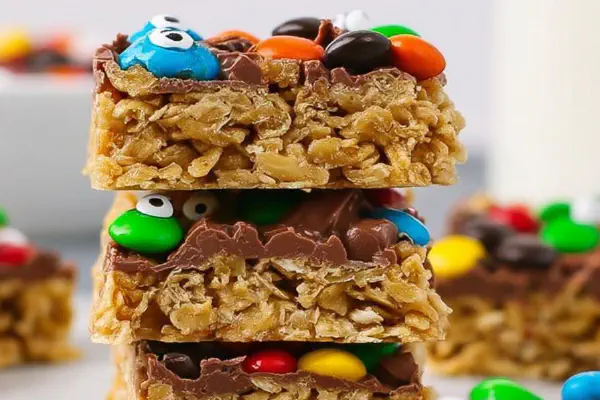
No-Bake Peanut Monster Bars
Spiced Layer Cake With Dulce Frosting
Banana Peanut Butter Cheesecake
Savory Meatball Subs
Galette Royale Twist
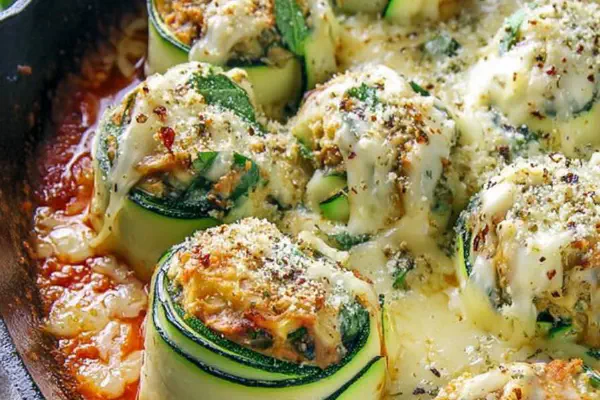
Zucchini Roll Lasagna
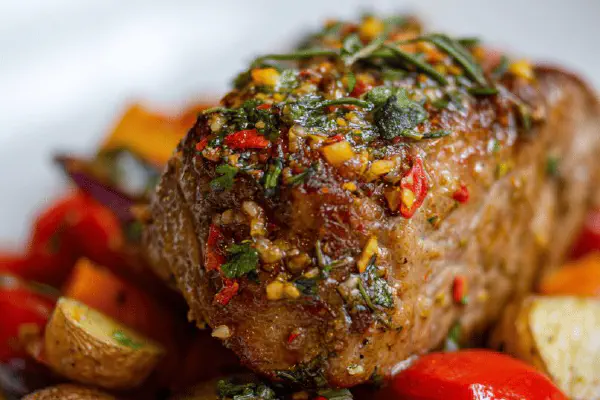
Veal Roast with Peppers Sage Lemon
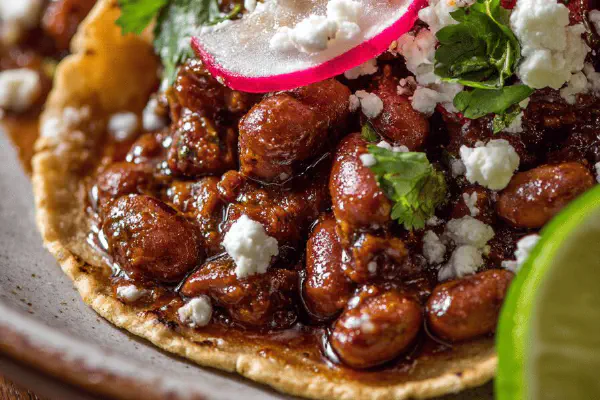
Smoky Red Bean Tacos
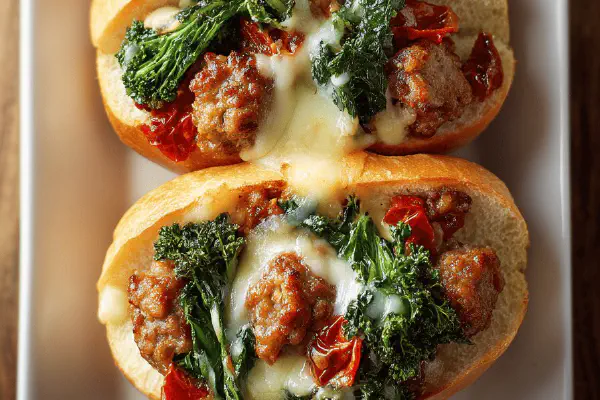
Sausage Rapini Subs
Keto Cloud Bread Twist
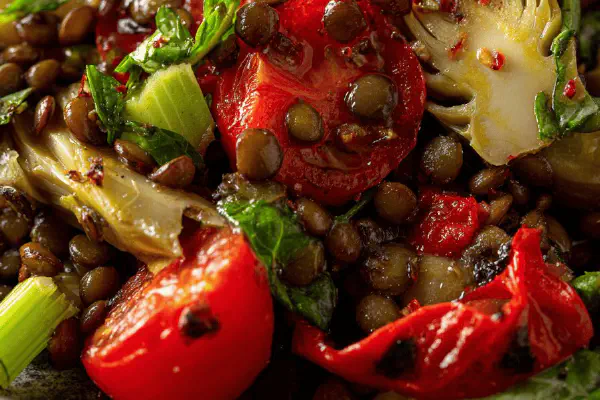
Lentil Veggie Salad Twist
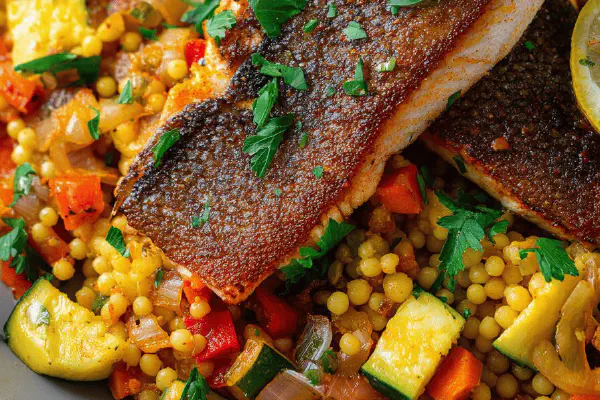
Pan-Seared Trout with Spiced Vegetable Couscous
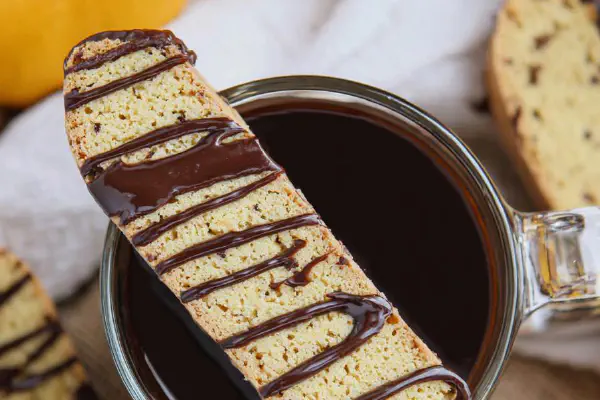
Vanilla Mocha Biscotti Remix
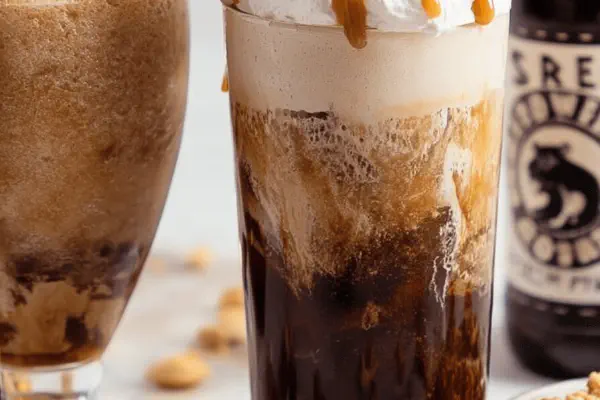
Spiked Nutty Cream Float
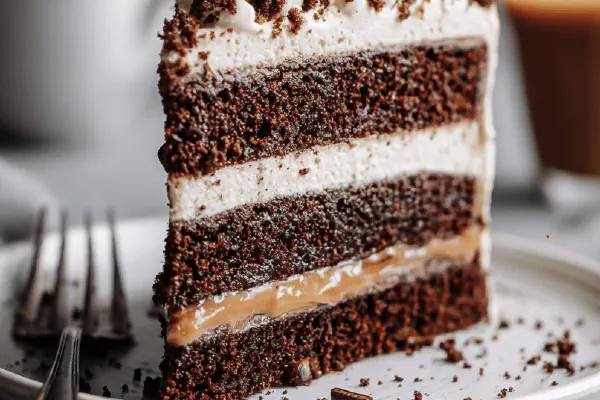
Chocolate Caramel Buttercream Cake
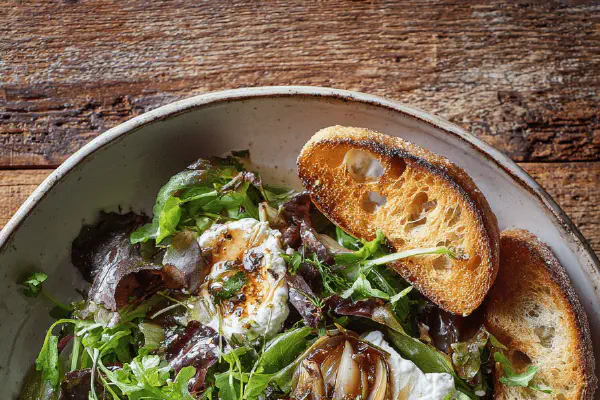
Onion Goat Cheese Salad
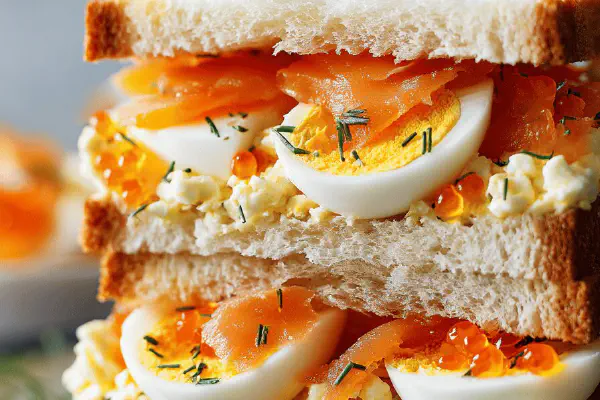
Egg Salmon Fish Roe Sandwiches
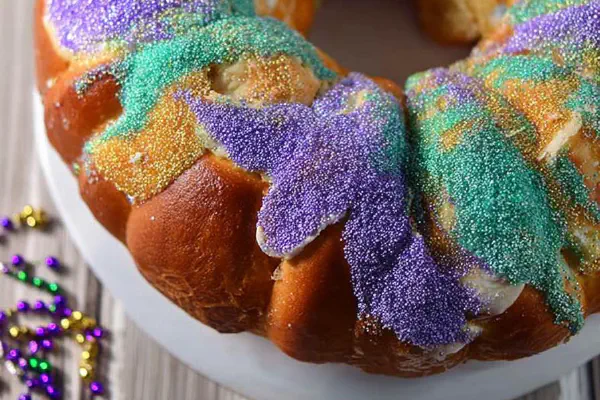
Twisted Nutmeg King Cake