Featured Recipe
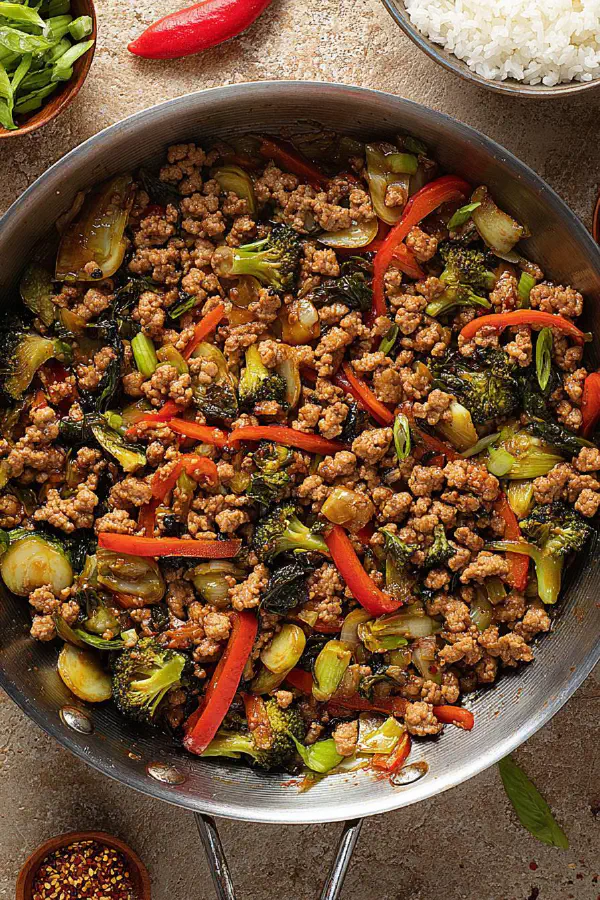
Ground Pork Stir Fry with Broccoli
By Kate
"
Ground pork cooked with aromatics and crisp-tender broccoli tossed in a tangy soy-ginger sauce thickened with cornstarch. Balanced seasoning, a hint of white pepper heat, and a touch of vinegar for brightness. Simple, quick, and endlessly adaptable for weeknight dinners. Swapped shallots for green onions and white pepper for black pepper. Added mushrooms for earthiness. Sauce tweaked with less sugar and a splash of rice vinegar. Visual cues guide through each stage. Crisp vegetables with charred spots. Meat browned but juicy. Sauce thickened until glossy and clingy. Perfect over rice or noodles.
"
Prep:
7 min
Cook:
14 min
Total:
21 min
Serves:
4 servings
dinner
Asian
stir fry
weeknight meals
Introduction
Starting with ground pork, simple but often mishandled. Too much stirring, meat steams instead of browns—loses flavor. Broccoli needs character, not mush. Half the time it’s soggy and dull green. Mushrooms bring body, earthiness missing in a plain stir-fry. Sauce? Less sugar, a punch of vinegar; stops things getting cloying. Whisk cornstarch slurry till no lumps—busy hands, busy mind. Heat control crucial: aromatics hit hot but not burning, pork sizzles with that crust. Veggies charred not boiled. Watch colors, hear sizzle, smell ginger mingle. Kitchen basics pushing quick midweek meals out of dull territory. No frills, no guesswork, just what works under pressure.
Ingredients
In The Same Category · Hearty Mains
Explore all →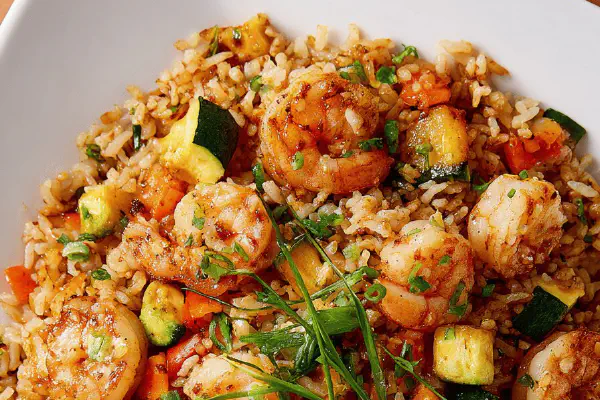
Shrimp Fried Rice Sheet Pan
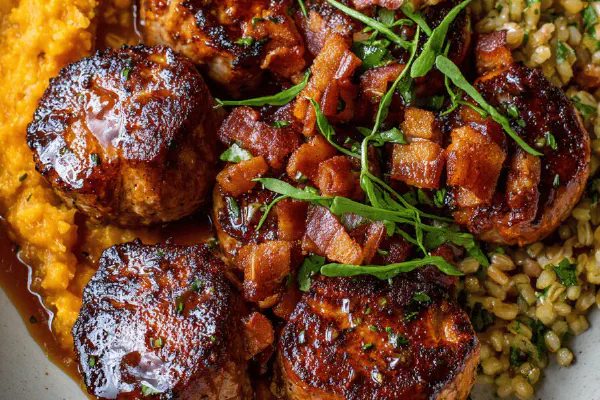
Maple-Glazed Pork Medallions

Green Bean Tot Casserole
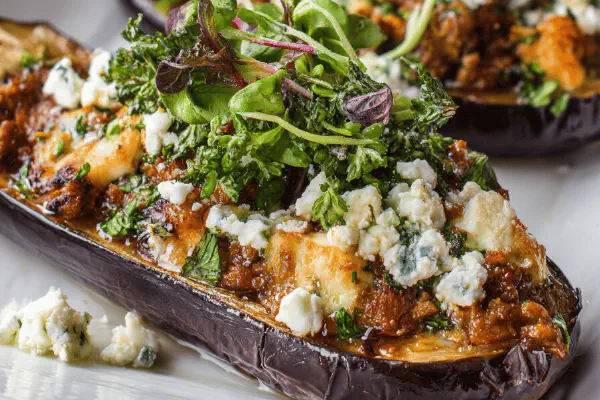
Lamb-Stuffed Eggplants Twist
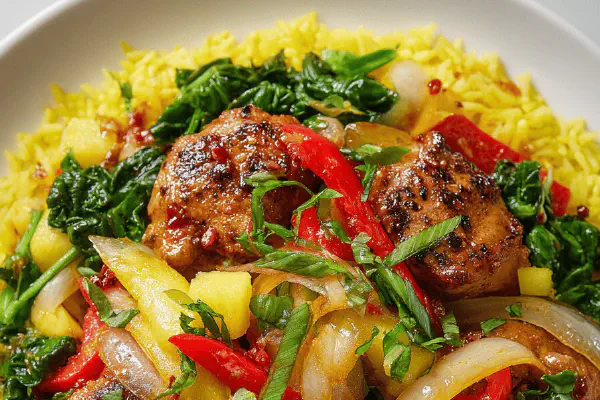
Chicken Papaya Stir-Fry
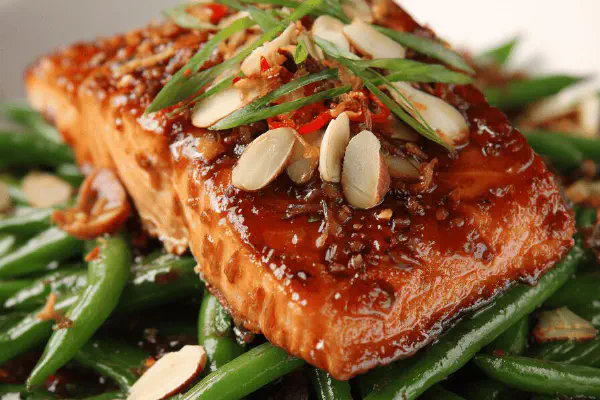
Salmon Teriyaki Twist

Crunchy Panko Chicken
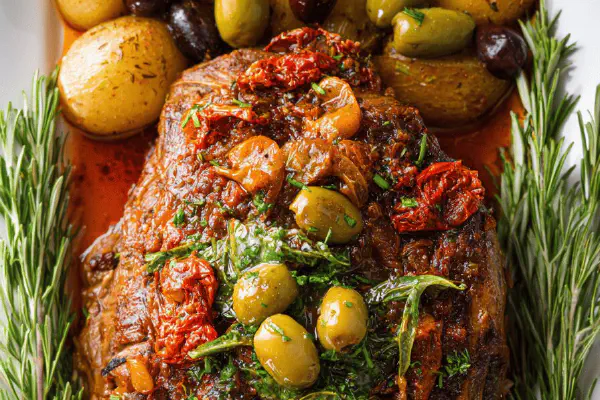
Greek-Style Veal Roast

American-Style Double Burgers
Roast Turkey Breast Twist
Veal Rolls with Spinach Artichoke
Chicken pot with fall greens
Smoky Chicken Tamales
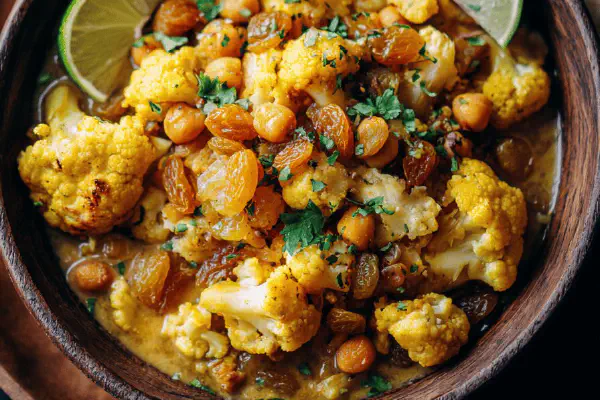
Cauliflower Chickpea Curry
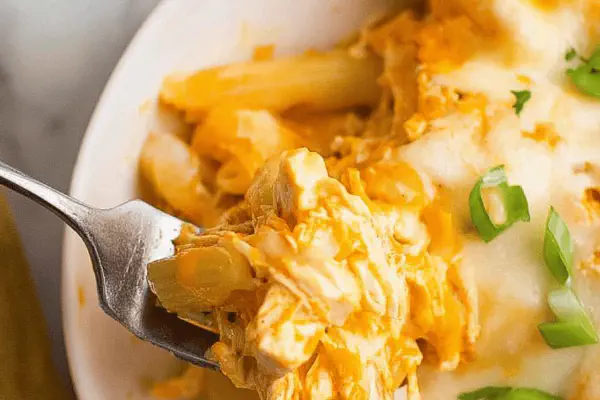
Buffalo Chicken Pasta Bake
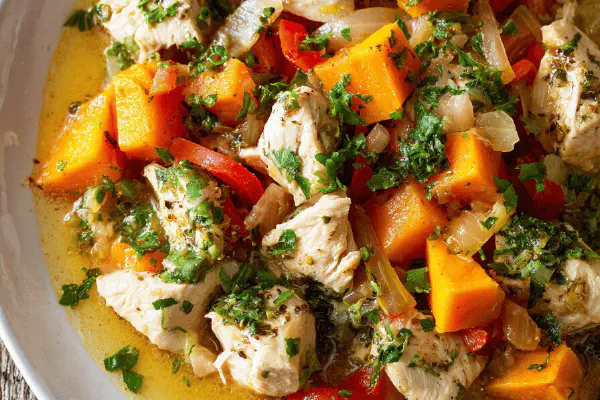
Turkey Stew with Sweet Potatoes and Peppers
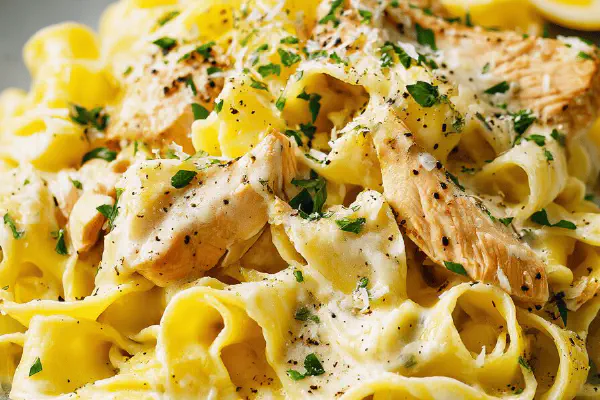
Chicken Fettuccine Twist
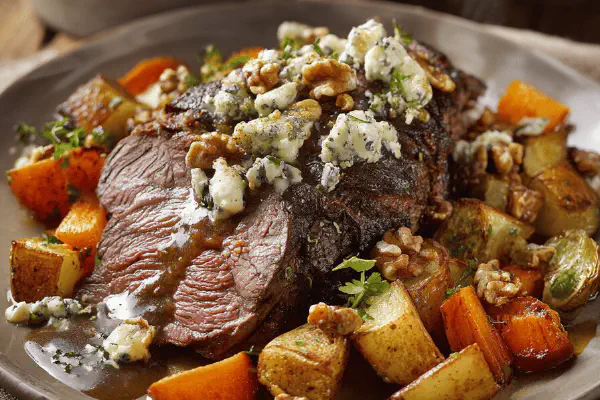
Roast Beef Ribeye Madeira Sauce
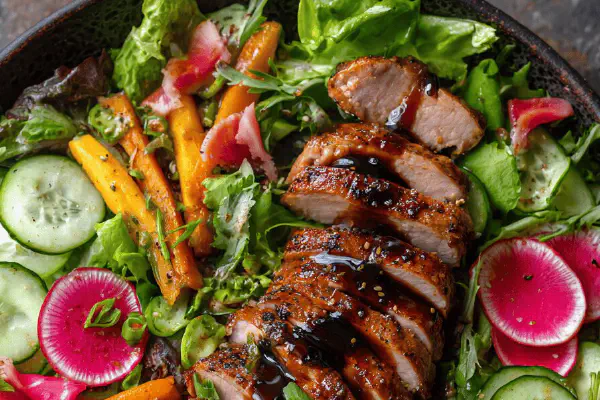
Glazed Pork Salad

Rustic Creole Sloppy Joes
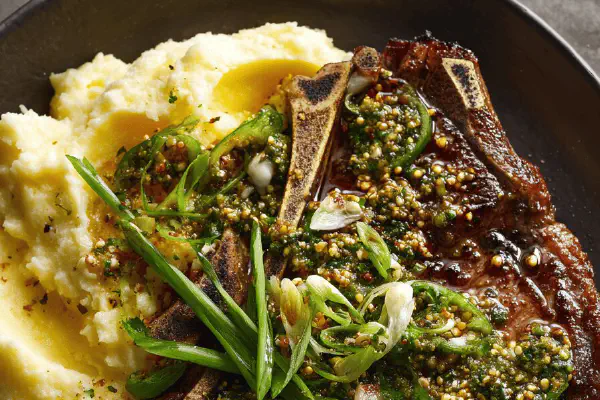
Spiced Marinated T-Bones
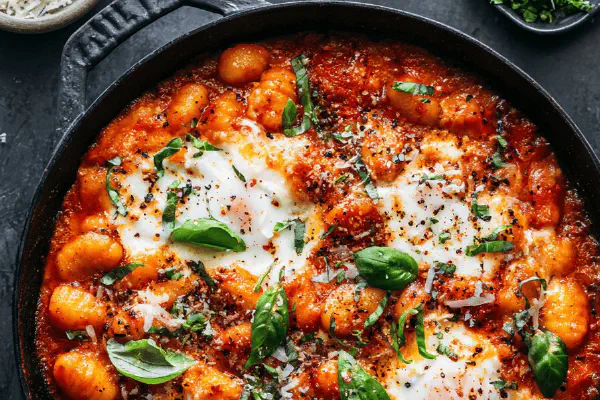
One-Pan Tomato Gnocchi
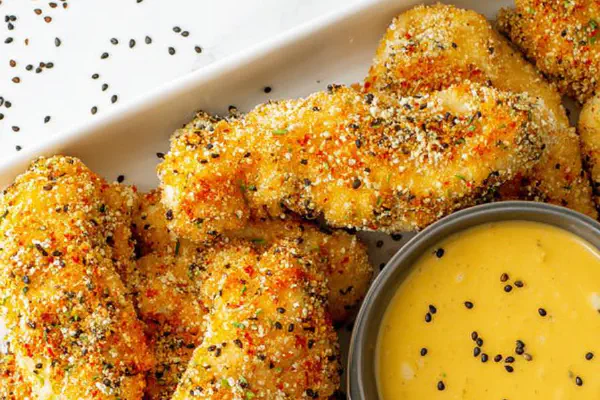
Crunchy Herb Chicken Strips
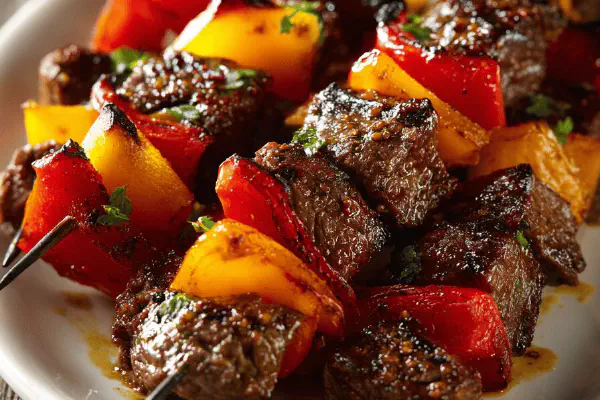
Spiced Beef Skewers
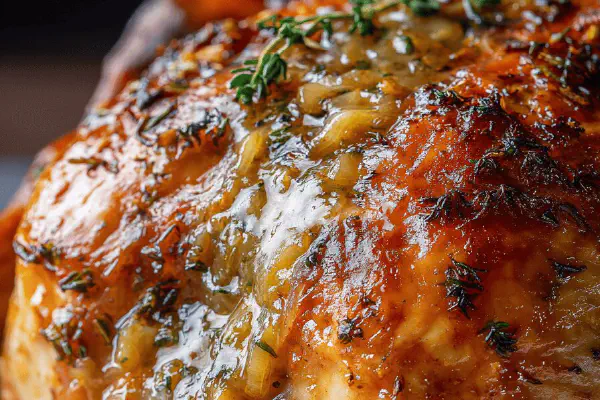
Onion Soup Turkey Roast
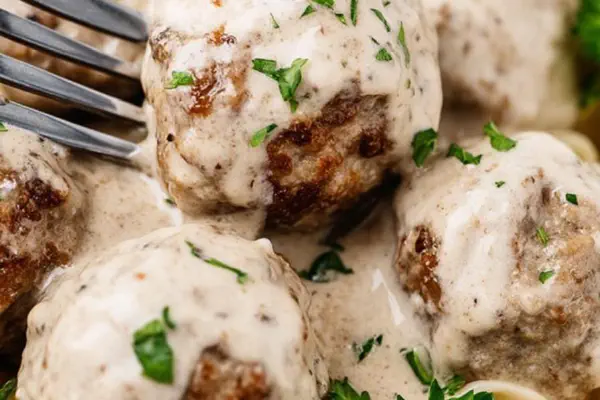
Slow Cooker Swedish Meatballs
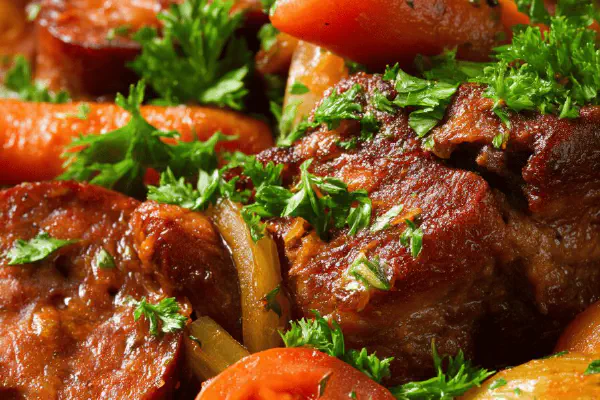
Slow-Braised Pork Shoulder Casserole
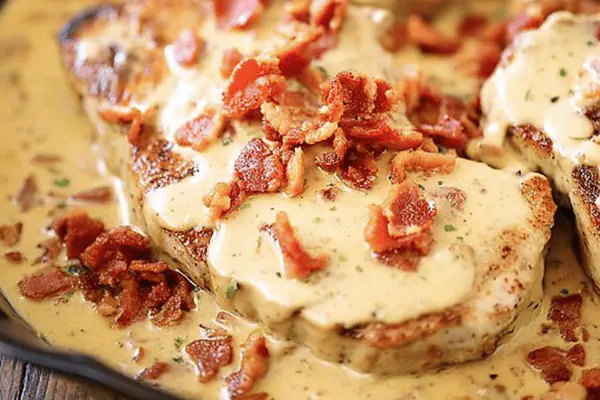
Pork Chops with Creamy Bacon Sauce
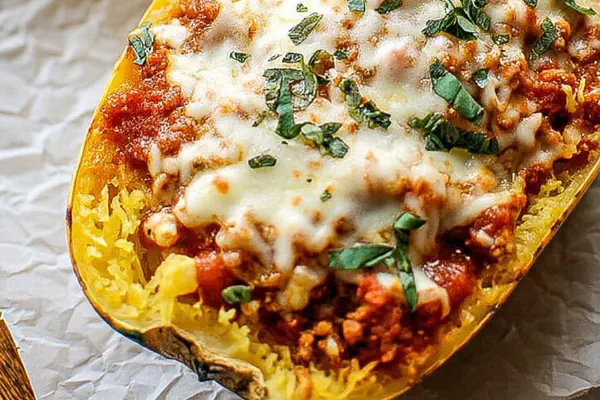
Turkey Spaghetti Squash Boats
About the ingredients
Ground pork stands in as affordable and flavor-packed protein—sub with ground chicken or turkey for leaner option but expect less fat for browning. Mushrooms—shiitake or cremini preferred for depth; button mushrooms work but lighter flavor. Switch shallots for green onions—you get fresh crunch and layered onion taste instead of a soft texture. White pepper swapped for black for sharper bite. Use rice vinegar for brightness; sub with apple cider vinegar if rice not on hand. Cornstarch key for sauce thickness—don’t skip or sauce will stay thin and watery. Oil split into two adds control—avoids greasy veggies while ensuring aromatics don’t stick or burn.
Method
Sauce
- Mix soy sauce, oyster sauce, sesame oil, sugar, vinegar, cornstarch, and water in a bowl. Whisk until cornstarch disappears. Set aside.
- Heat 1 tbsp oil over medium heat. Toss in minced garlic, grated ginger, and white parts of green onions. Sizzle for 40-50 seconds until fragrant. Watch garlic closely to avoid scorch—if it browns, discard and start fresh.
- Turn heat to medium-high. Add ground pork, season with half salt and black pepper. Break apart with wooden spoon, push meat around so it browns evenly. No stirring constantly. Let brown crust form on some pieces—that’s flavor, don’t rush. Cook 8-9 minutes until no pink remains. Remove pork to plate.
- Add mushrooms first to the same pan, cook 2 minutes until moisture reduces. Then add broccoli. Season with remaining salt. Stir-fry without oil first to get charred edges and vibrant green color, about 3 minutes. Drizzle remaining oil now, toss to coat. Cook another 2-3 minutes until crisp-tender but not mushy. Test broccoli with fork; should be firm with slight bite.
- Return pork to pan. Pour sauce over meat and vegetables. Lower heat to medium. Stir continuously until sauce bubbles and thickens, about 3-4 minutes. Sauce should be shiny, cling to food. If sauce too thin, simmer longer; too thick, stir in splash of water.
- Splash over steamed rice or ramen noodles. Garnish with green onion tops and toasted sesame seeds if on hand. Eat immediately while hot, sauce and meat still juicy.
Aromatics
Pork
Veggies
Combine
Serve
Technique Tips
Sauce needs initial whisk—don’t add cornstarch powder dry or you’ll get clumps. Start aromatics on medium, garlic burns fast—browned garlic tastes bitter, ruins dish. Pork cooks best on medium-high, don’t constantly stir or break too fine; clusters caramelize better. Remove pork to pan to prevent proceeding cooking or rubbery texture. Veggies first cook dry to char—push edges into pan, resist adding oil immediately or lose that texture. Add oil after initial cooking; salt draws water out so add after some color forms. Sauce thickens when simmering (not boiling hard), stir regularly; too hot breaks cornstarch gel. Adjust viscosity with water little by little if too thick. Timing flexible depending on pan and burner. Serve fresh; leftovers reheat losing crunch but still tasty.
Chef's Notes
- 💡 Monitor and control heat carefully when cooking aromatics. Medium heat allows garlic and ginger to sizzle without burning. Key—avoid browned garlic, too bitter for dish.
- 💡 When cooking pork, don’t break it too small. Aim for chunks that can develop a crust. Crust builds flavor; not stirring lots allows browning. Remove quickly if overcooked.
- 💡 For veggies, first cook mushrooms dry in the pan. Get some char before adding broccoli. Charred edges boost flavor. Salt after browning lets moisture escape.
- 💡 Sauce consistency is critical. Whisk cornstarch well before adding. Too thick? Add water—little by little to avoid loose texture. Simmer not boil for best results.
- 💡 If using leftovers, consider reheating in pan quickly. Avoid microwave. Keep veggies crisp; add touch of water to regain moisture. Fresh greens taste better warm.
Kitchen Wisdom
What if my sauce doesn't thicken?
Check cornstarch mixing well. Too high heat can disrupt; lower and simmer gently. Add more cornstarch slurry if needed.
Can I substitute pork?
Use ground chicken or turkey if aiming for lean. Note—less fat means less browning flavor. Adjust cooking time accordingly.
My broccoli turned mushy. Why?
Likely overcooked. While stir-frying, keep it firm. Test firmness with fork; slight bite needed. Charred not boiled.
How do I store leftovers?
Refrigerate promptly. Use airtight container for some days. Reheat on stovetop for best texture. Watch out for soginess.
You’ll Love These Too
Explore all →
Tropical Lime Cooler
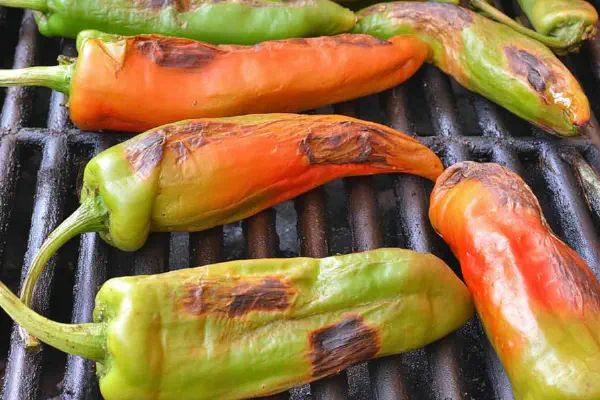
Roasted Hatch Chile Twist
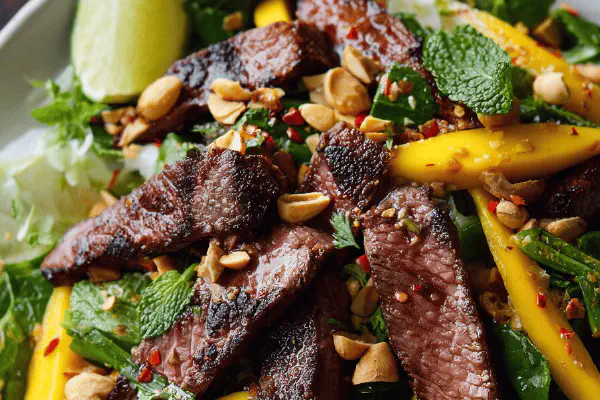
Grilled Beef Mango Salad
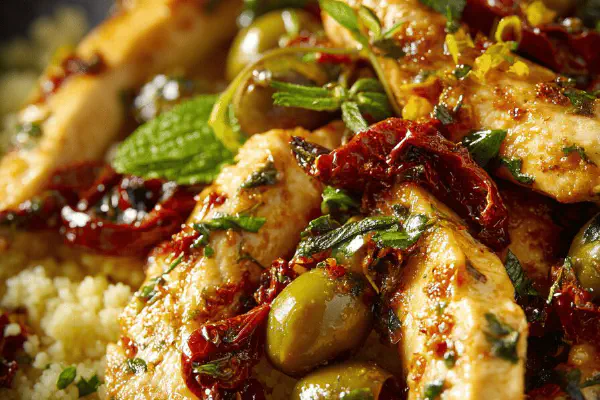
Greek Chicken Stir-fry Twist

Savory Chicken Cheesesteak

Venetian Twist Spritz

Cherry Cheese Pockets
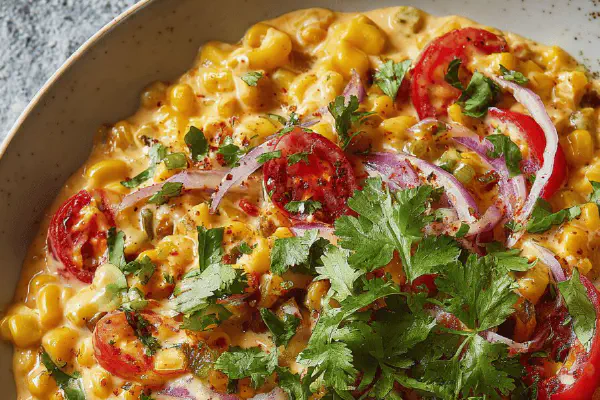
Tex-Mex Creamed Corn Twist
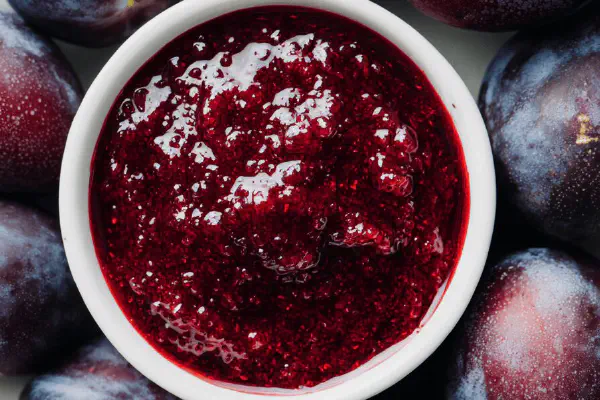
Rustic Plum Jam
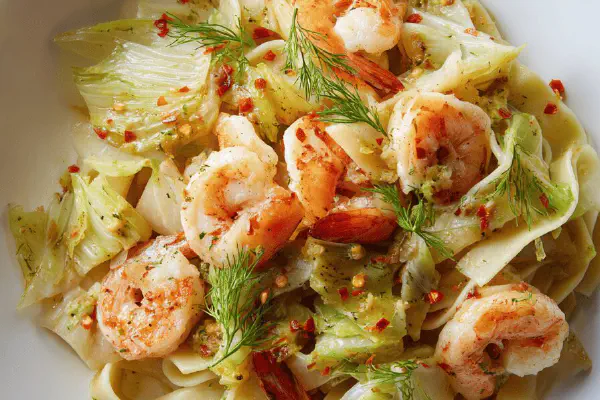
Shrimp Fennel Tagliatelle

Chocolate Religieuses Twist
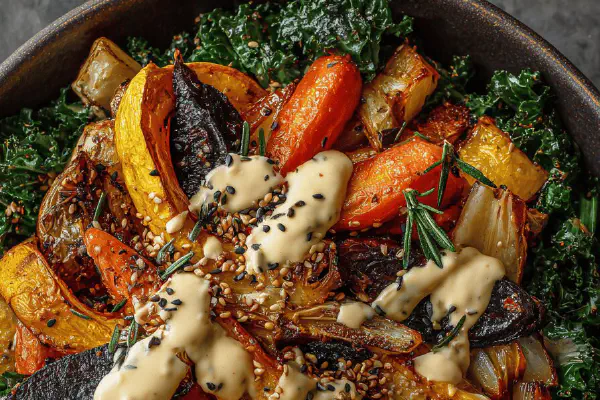
Sesame Rosemary Roasted Veggies
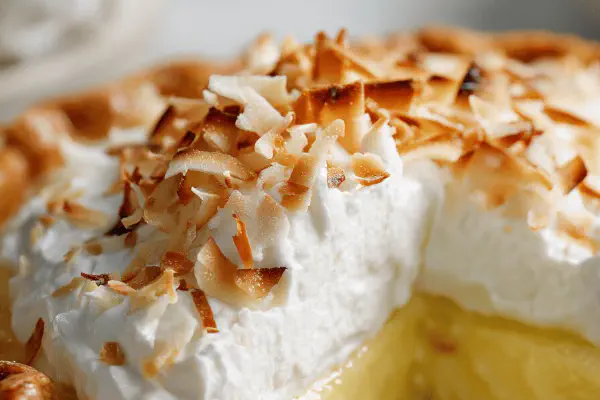
Coconut Cream Pie Twist

Mint Oreo Brownies Reboot

Holiday Candy Blondie Bars
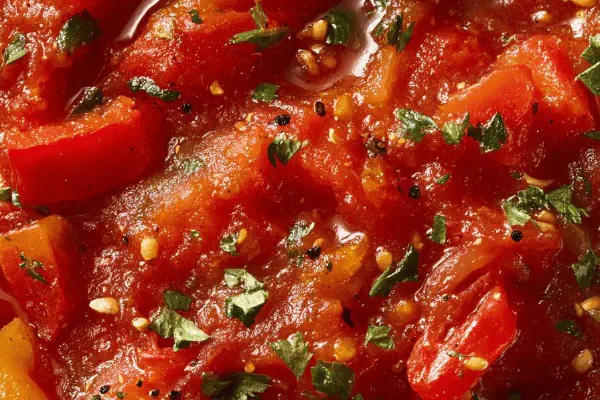
Chunky Tomato Sauce Twist
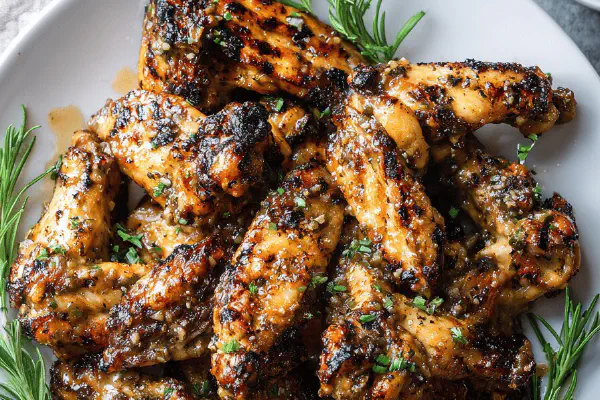
Maple Horseradish Chicken Wings

Hearty Crockpot Potato Chowder
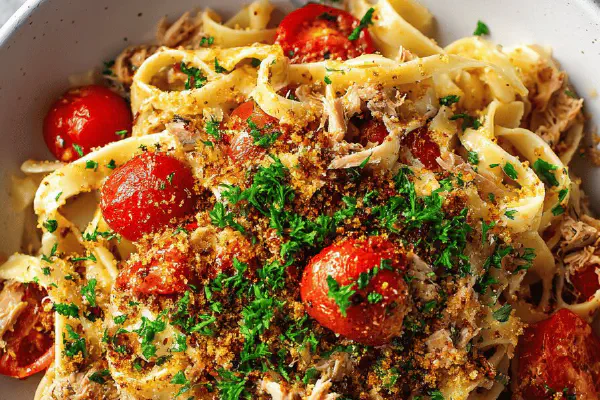
Anchovy Tuna Fettuccine Twist
Lamb-Stuffed Eggplants Twist
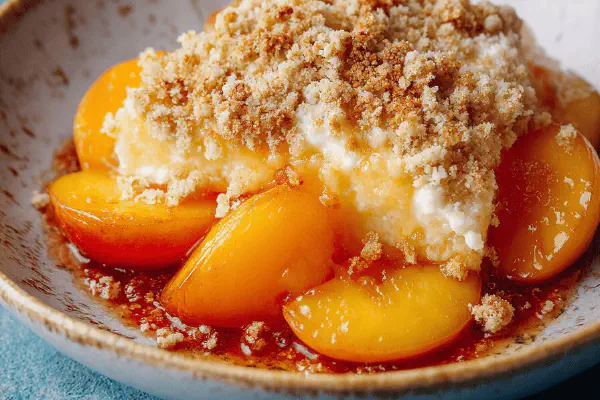
Nectarine Apricot Pouding-Croustade

Raspberry Citrus Fizz
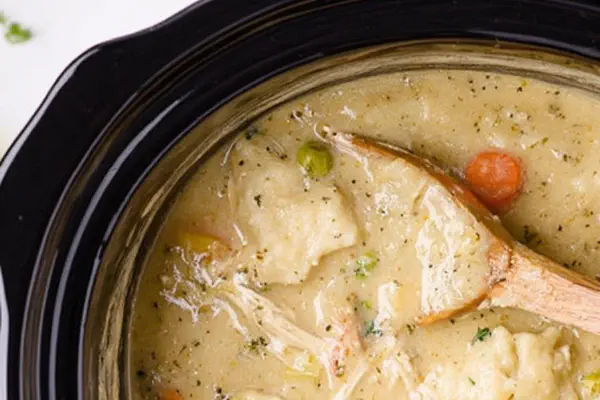
Slow Cooker Chicken Dumplings
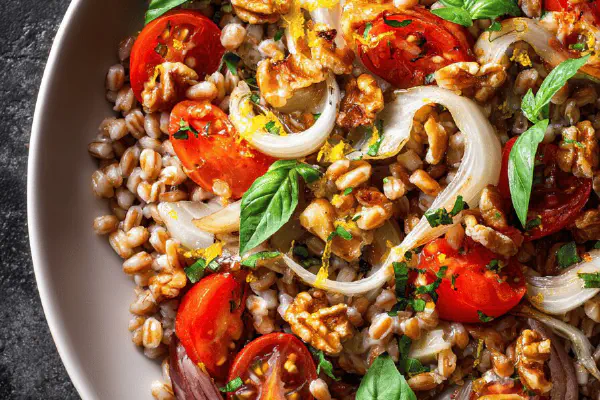
Barley Salad with Fennel & Cherry Tomatoes

Iced Rhubarb Cake
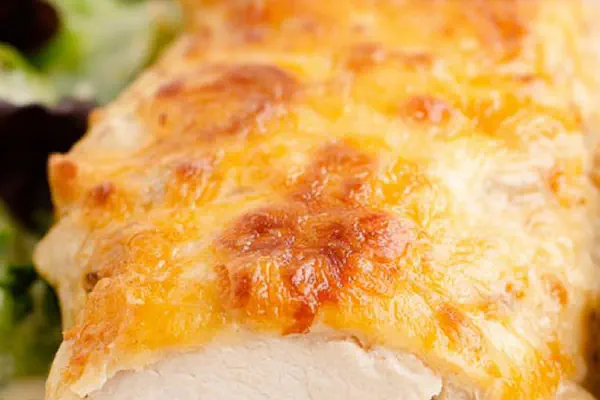
Garlic Cream Cheese Chicken
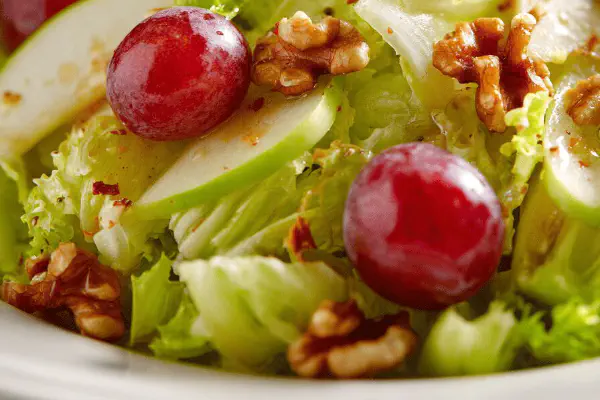
Green Apple Celery Salad

Coriander-Ginger Chutney

Banana Peanut Butter Cheesecake