Featured Recipe
Hearty Braised Beef Stew
By Kate
"
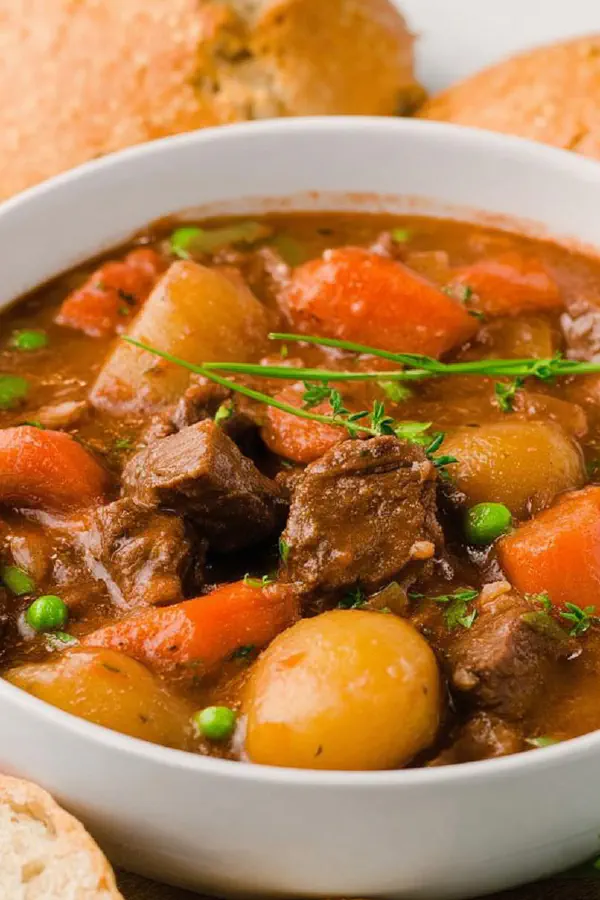
Chunks of beef dusted with seasoned flour then seared until a deep crust forms, locking in flavor. Vegetables sautéed until they start to caramelize, adding layers without boiling out sweetness. Braised slowly in beef broth infused with tomato paste, fresh rosemary, and bay leaf for herbaceous depth. Potatoes added midway to soften into tender bites. Peas stirred in last, keeping their snap and bright green edge. Thickened with cornstarch slurry to just cling, not glue. Rich, savory, with bold aromatics. A stew built on texture contrasts, robust beef flavor, and kitchen-tested steps that avoid mushy veggies or bland broth. Perfect for long, slow cooking and hungry gatherings.
"
Prep:
25 min
Cook:
1h 35min
Total:
2h
Serves:
7 servings
stew
beef
comfort food
American cuisine
slow cooking
Introduction
Brown meat pieces until crust forms; that crust matter. That’s what builds stew’s backbone, not some late addition glue. Flour seasoned firm up that crust, paprika adds subtle smoky warmth, black pepper sharpens. And watch the oil—they fry, not steam meat. Too crowded and steam wins, you end with boiled beef chunks. Veggies first sautéed till edges turn amber, releasing sugars—the aroma shifts, smells like kitchen fire and sweetness marrying. Tomato paste needs a patina before adding liquid, darkens, flavors deepen. Broth and wine hit the pot, scrape up every last stuck bit, don’t let that flavor die in the pan. Low steady simmer crushes time over heat here, tenderizing beef without shredding it into forgettable mush. Rushing this phase ruins texture. Cornstarch slurry or arrowroot makes sauce cling without starch glue mistakes. Frozen green beans swapped for peas to keep crunch and color, added late not too early—rules of greens in thick sauces. A stew for those who want more than just meat and mush.
Ingredients
In The Same Category · Hearty Mains
Explore all →
Sweet Potato Chicken Pie
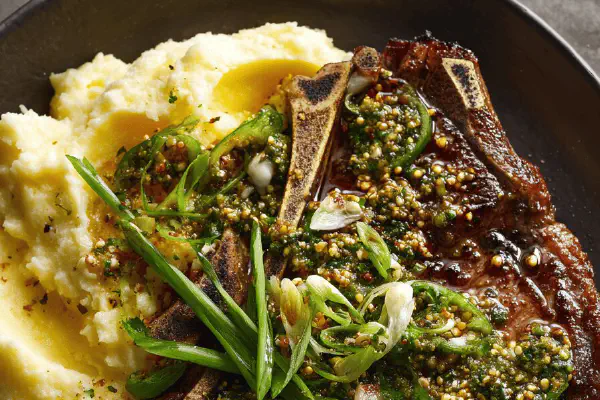
Spiced Marinated T-Bones
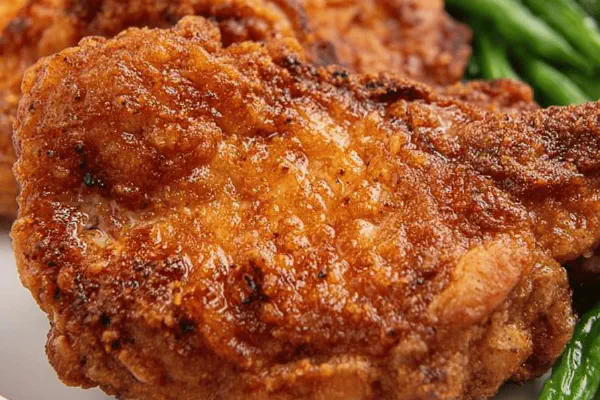
Crispy Fried Pork Chops
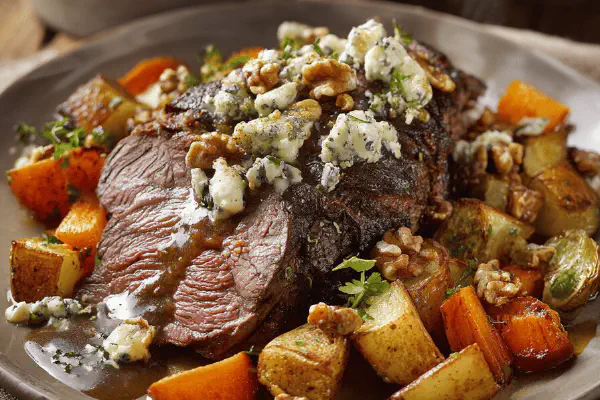
Roast Beef Ribeye Madeira Sauce
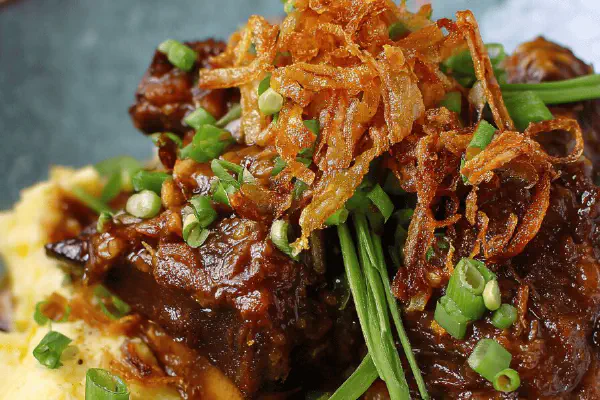
Slow-Cooked Beef Ribs and Creamy Potato Smash

Slow Braised Beef Birria Tacos
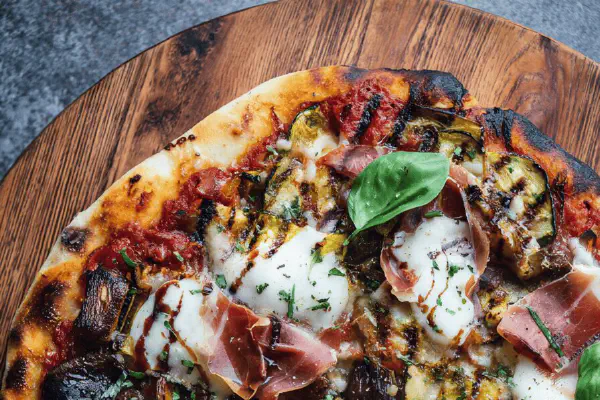
Grilled Veg & Prosciutto Pizza
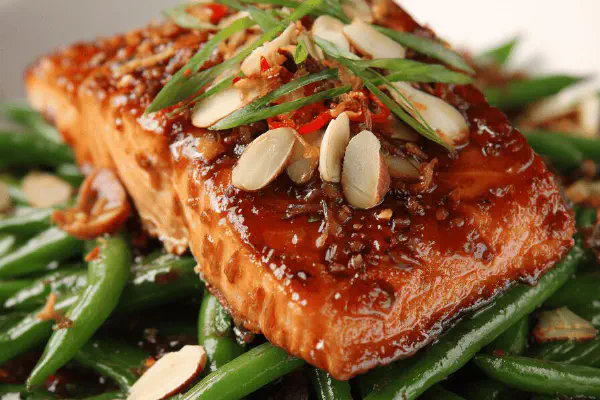
Salmon Teriyaki Twist
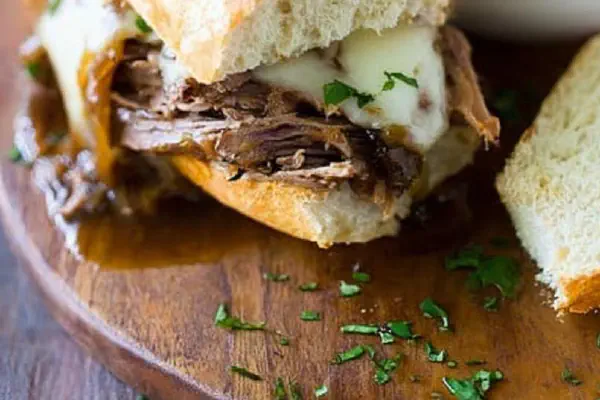
Slow Cooker French Dip
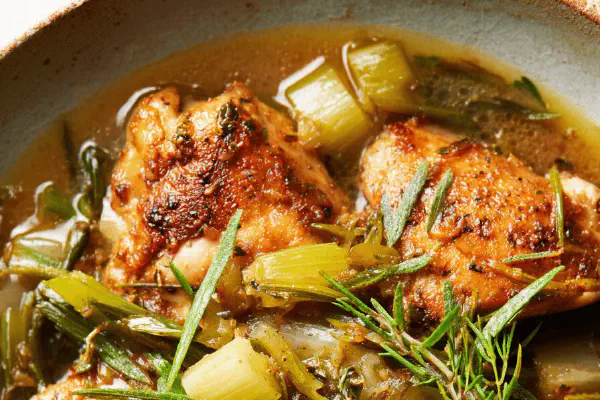
Celery Chicken Pressure Cook
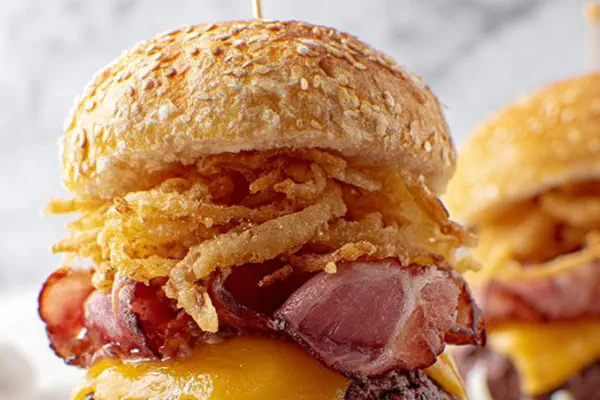
Stacked Smokehouse Burger
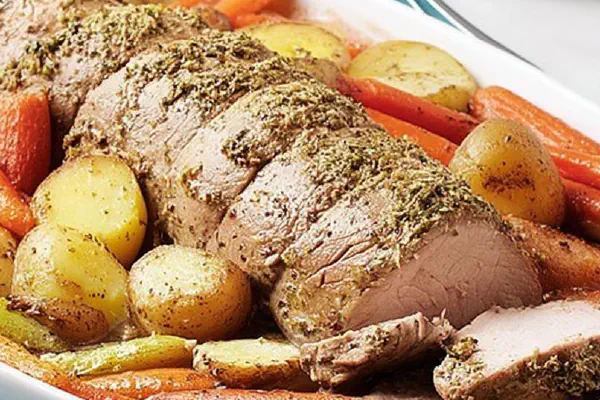
One-Pan Garlic Herb Pork
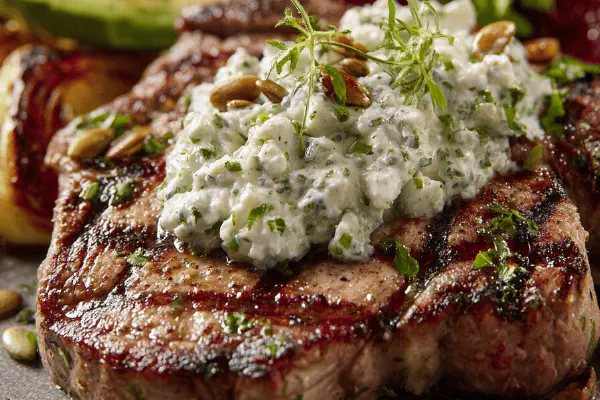
Grilled Veal with Beet Avocado Salad
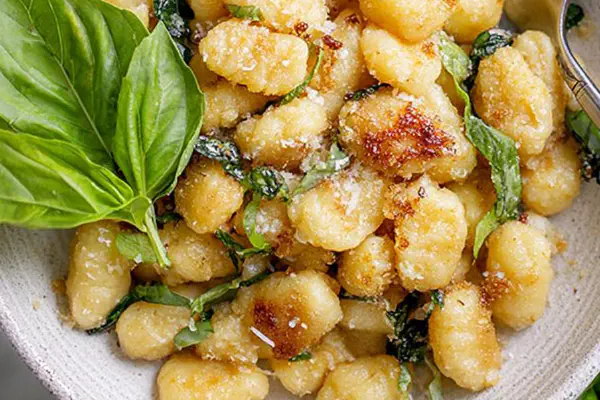
Spinach Pan-Fried Gnocchi Twist
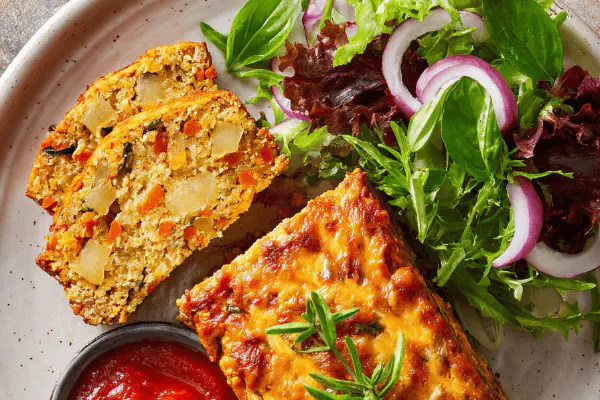
Cheesy Veggie Legume Loaf
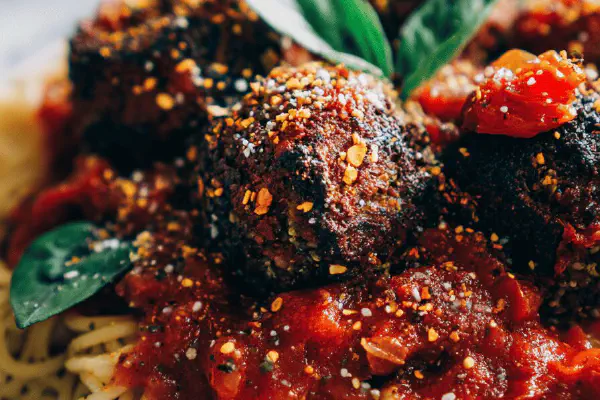
Eggplant Meatball Spaghetti
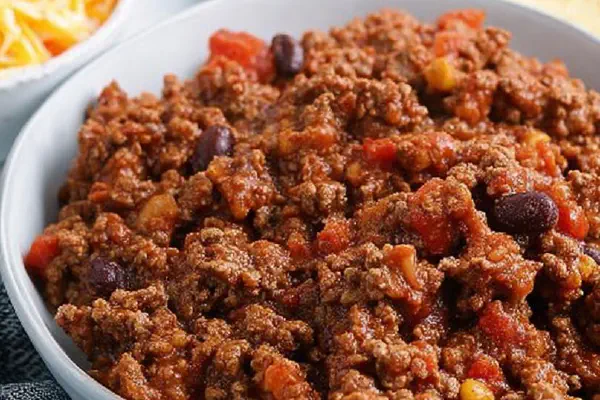
Slow Cooker Spiced Beef

Chicken And Andouille Gumbo

Buffalo Chicken Cauliflower Bake
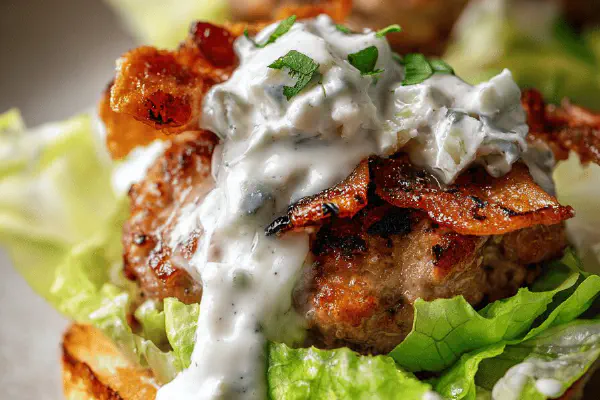
Pork Smash Burgers Twist
Caramelized Cauliflower Gnocchi
Garlic Parmesan Chicken Twist

Maple Pineapple Ham
Veal Roast with Peppers and Sage
Hibachi Grill Mix-Up
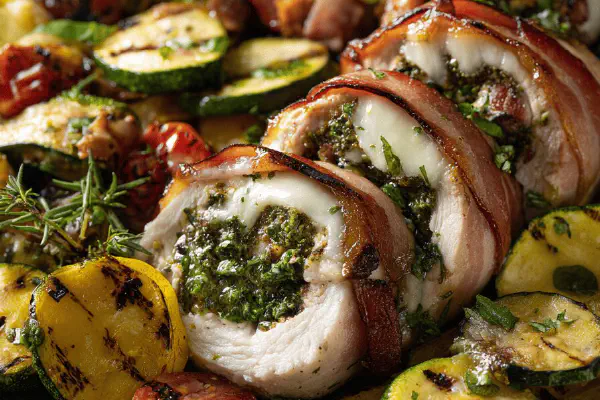
Chicken Roulades Sundried Tomato Parmesan
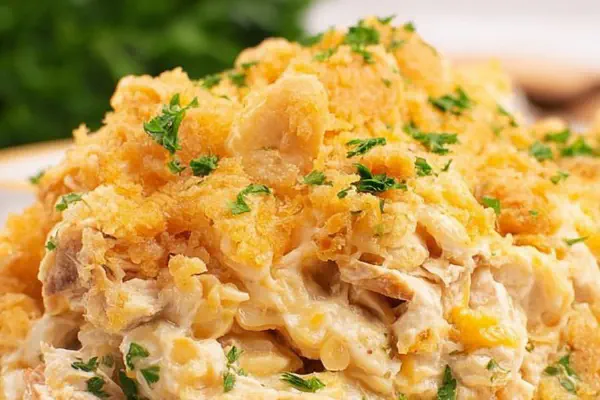
Million Dollar Chicken Bake
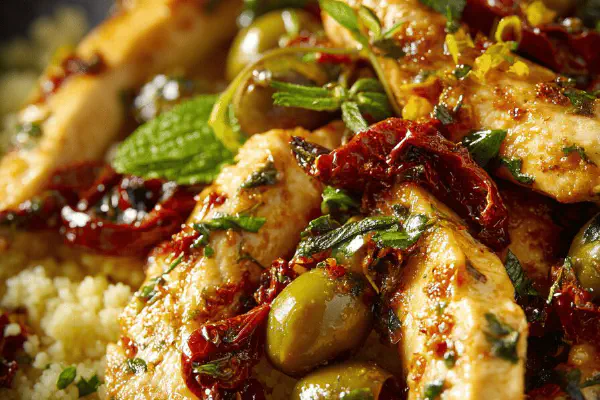
Greek Chicken Stir-fry Twist
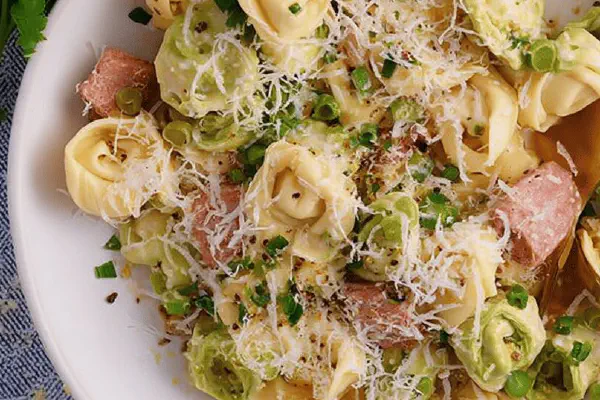
Creamy Tortellini Ham
About the ingredients
Flour seasoned with paprika and pepper forms a simple but effective coating; don’t skip this step or risk bland meat. Grapeseed oil withstands heat better than olive, keep butter for flavor. Beef chuck with ample marbling breaks down into tender bites but avoid cheap cuts that turn stringy. Tomato paste here isn’t just tang, it lifts umami. Red wine swapped in for part broth adds complexity but not a showstopper if skipped. Yukon gold potatoes hold shape better than russet and absorb flavors instead of falling apart. Green beans swapped with peas to offer a fresher bite, frozen handy but fresh works. Herb choice flexible; rosemary for pine notes but thyme works too. Cornstarch slurry ensures a velvety finish; mix cold water to avoid lumps. Adjust seasoning last—not earlier; salt concentrates during long cook.
Method
Technique Tips
Patience with browning pays dividends—surface dryness on meat required before frying or you’re steaming. Work in batches. After meat’s out, listen for a sizzle on veg, don’t rush caramelization—soft and gently colored, not burnt. Tomato paste needs a pre-cook to raw off flavors, don’t dump it in and pour broth immediately. When liquids hit, scrape pan thoroughly; that fond is magic. Simmer steady—bubble count low. Stir only occasionally to avoid breaking meat chunks. Thickness reliable by cornstarch slurry; stir slowly to dodge clumps. Lid off while thickening to let sauce concentrate. Add green beans frozen last minutes then just till bright green and tender yet crisp. Remove bay leaf before serving, bitter if left in too long. Taste often, adjust seasonings in final stage. Rest before serving; sauce thickens and flavors marry further.
Chef's Notes
- 💡 Use a heavy pot; heat's key. Get oil hot, shimmering. Avoid steaming by leaving space. Cook meat in batches. Brown well. Don't skip this. Better texture from crust.
- 💡 Want sweet veggies? Look for amber edges. Sauté gently. Don't rush or burn. Aromas evolve when caramelizing. Key to depth in flavor.
- 💡 Tomato paste can’t just sit. Cook briefly before adding broth. Enhances depth. Scrape up fond bits for more flavor when you’re adding liquid.
- 💡 Cornstarch for thickening? Mix with cold water. Avoid clumps; slow drizzle in while stirring. Leave lid off to concentrate sauce. Aim for stickiness.
- 💡 Don’t overcook green beans; those last minutes. Drop in frozen. Keep that bright green crunch. Avoid mushy. Watch color; that's freshness.
Kitchen Wisdom
Why is browning crucial?
Crust adds depth. Locks flavor. Makes stew richer. Rushing leads to bland meat. Listen for sizzle. Watch steam.
Can I use different veggies?
Yes; carrots, potatoes are solid choices. Don't overstuff with greens; balance needed. Texture matters; think crunch vs mush.
What if meat's tough?
Cook longer on low. Should break apart, fork tender. Don't rush. Vigorous boil ruins it. Adjust seasoning at end.
How to store leftovers?
Leave in pot; cool down first. Use airtight containers. Freeze for longer storage. But eat within a few days for best results.
You’ll Love These Too
Explore all →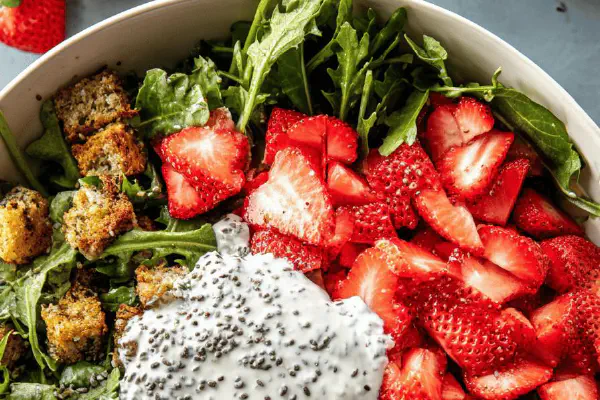
Strawberry Poppyseed Salad
Grilled Veg & Prosciutto Pizza
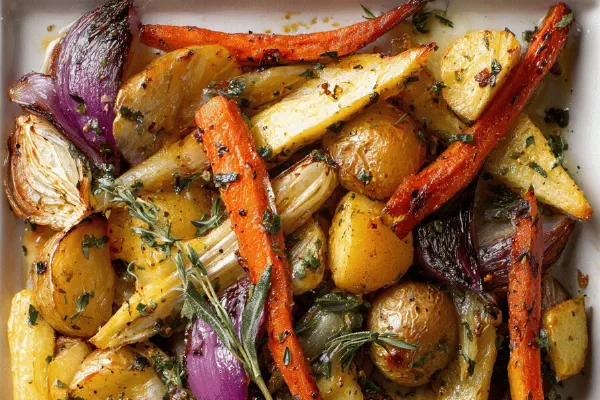
Roasted Root Medley

Coconut Tres Leches Poke Cake
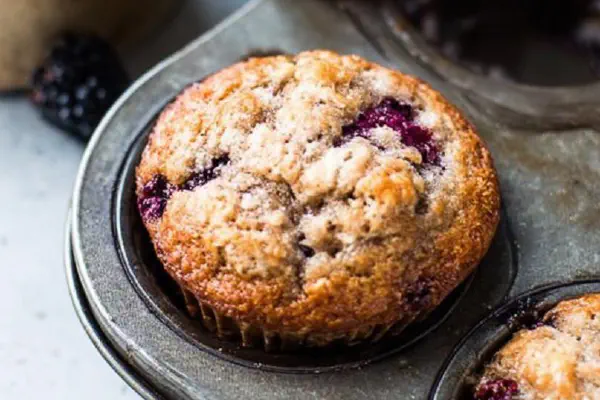
Blackberry Yogurt Muffins
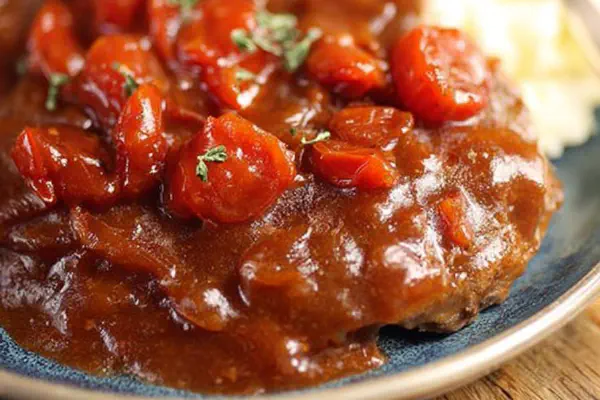
Braised Swiss Steak
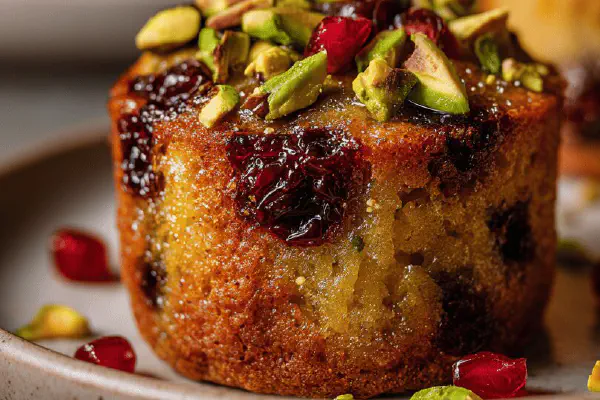
Berry Pineapple Financiers

Peppermint Candy Cookies
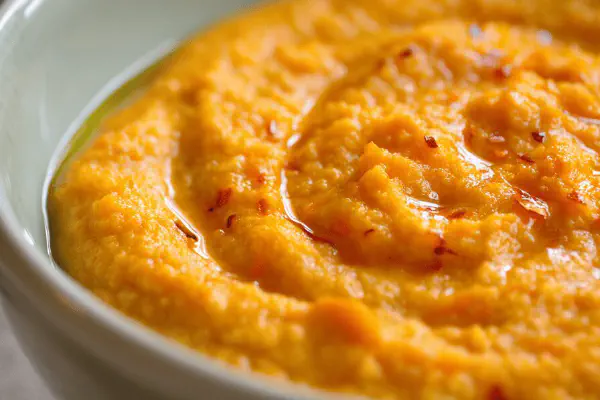
White Bean Puree Baby
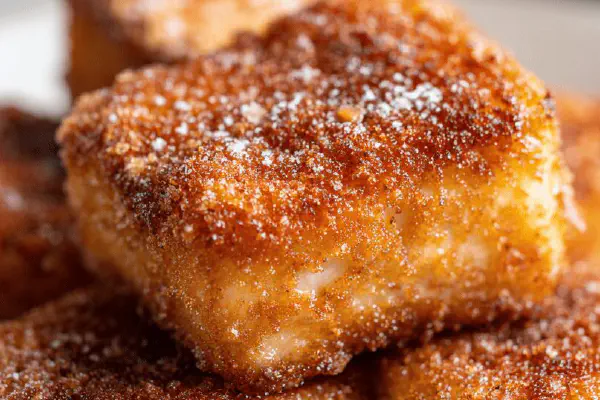
Fried Custard Squares
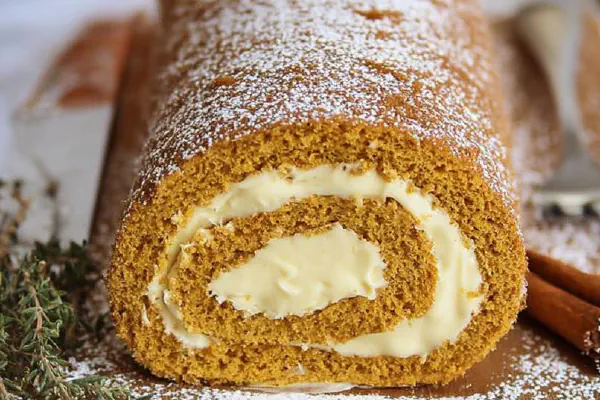
Spiced Pumpkin Jelly Roll

Sablé Tart Crust with Lemon Zest
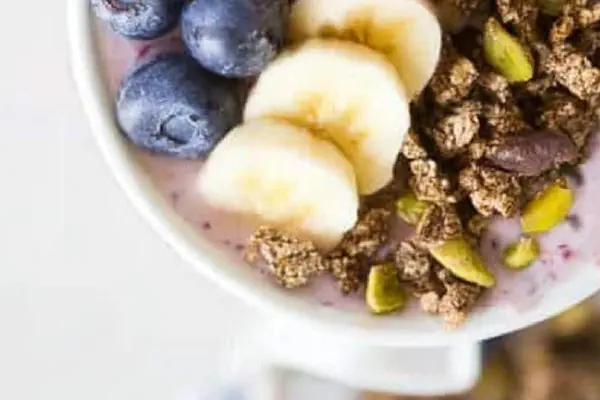
Banana Berry Smoothie Bowl
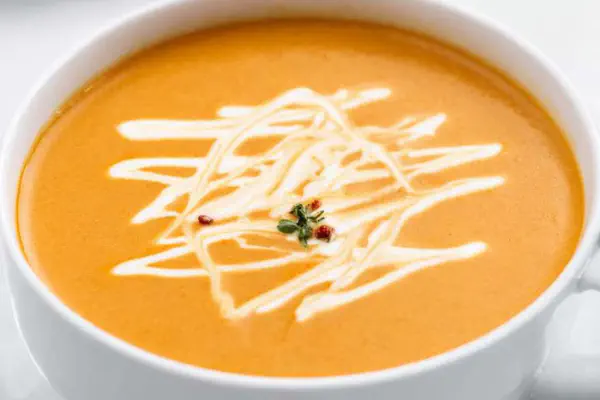
Spiced Butternut Squash Soup

No Bake Citrus Swirl Cheesecake
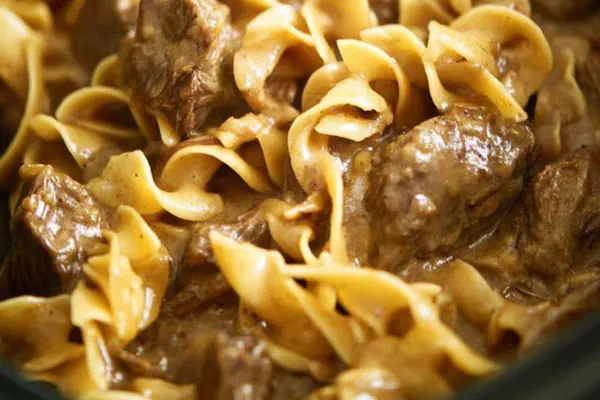
Slow Cooker Beef Stroganoff
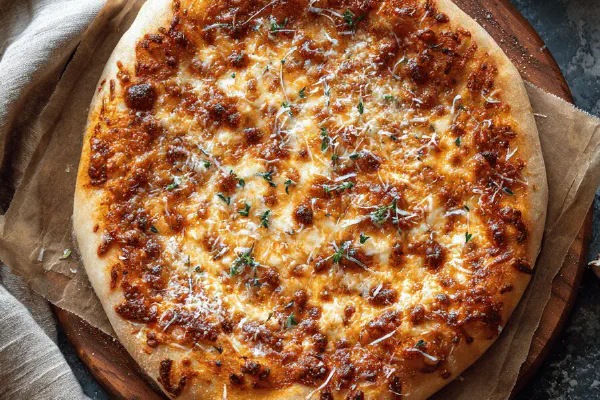
Rustic Pizza Dough

Chocolate Cake Remix

Strawberry Melon Tres Leches

Cheddar Bacon Ranch Biscuits
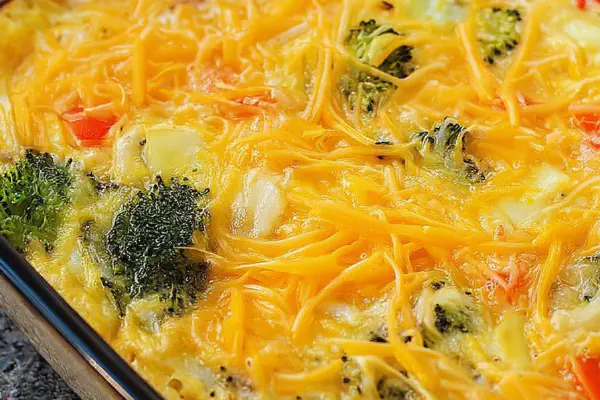
Cheesy Veggie Breakfast Bake

Cabbage Chorizo Slaw Remix

Almond Spiced Hot Chocolate
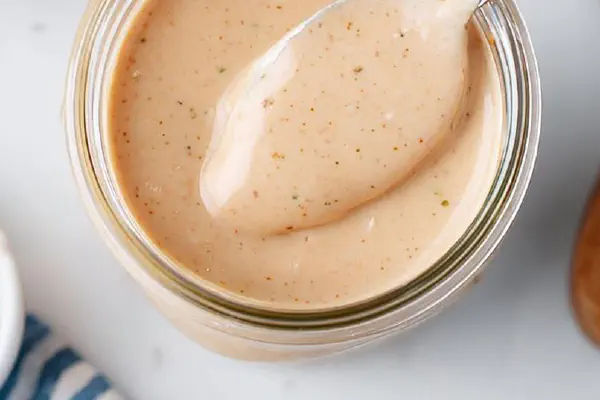
Tangy Bloom Onion Dip
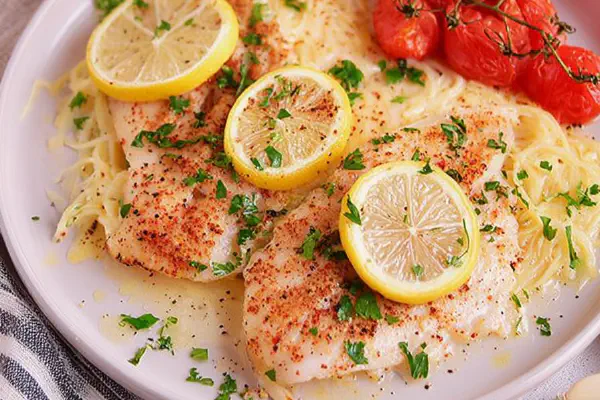
Baked Citrus Tilapia
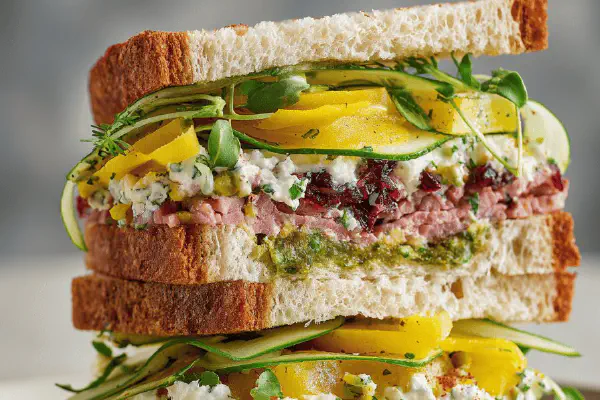
Layered Ham Rocket Sandwich
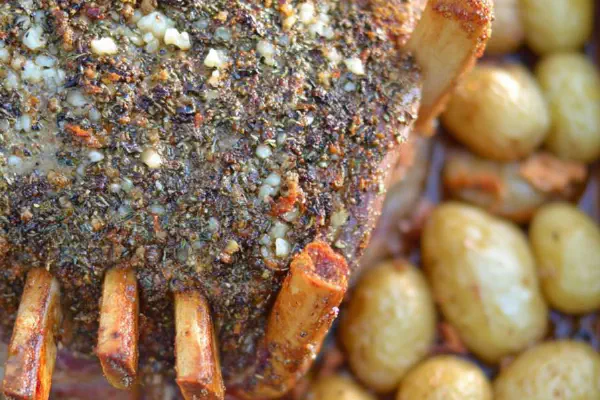
Spiced Crown Pork Roast

Crunchy Cereal Chocolate Bites
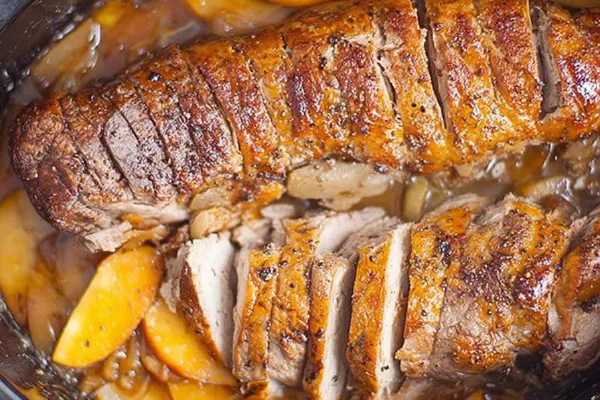
Slow Apple Pork Tenderloin