Featured Recipe
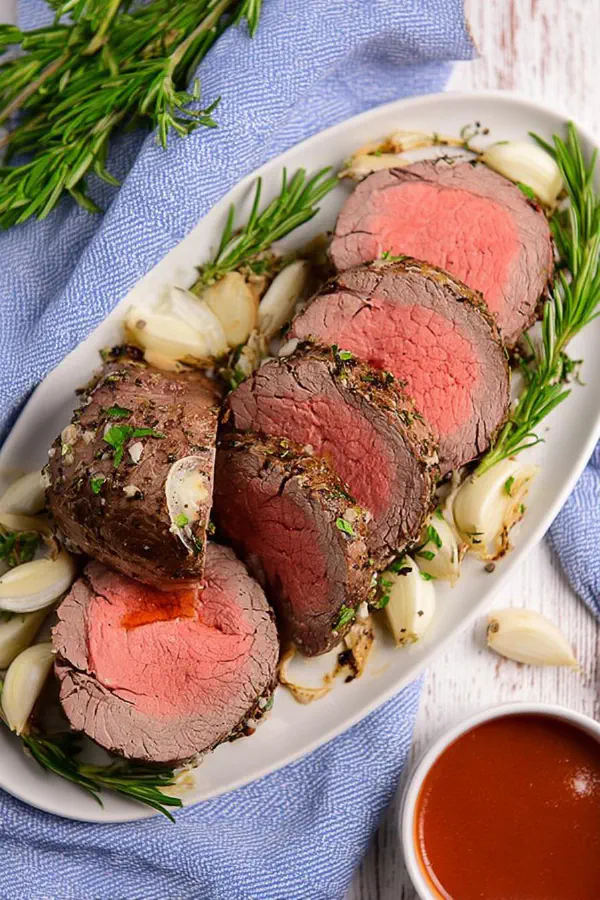
Herb Garlic Beef Tenderloin
By Kate
"
Trim and tie the beef to even thickness. Season with salt and pepper. Mash butter with garlic, mustard, rosemary, and thyme. Brown roast on all sides in hot skillet until edges crust. Place sliced onions and fresh herbs around roast. Roast initially at high heat, then reduce oven temp. Compound butter melts slowly, coating meat for layers of flavor. Rest tented to redistribute juices. Slice thick and serve with softened onions. Substitutions for mustard and herbs included. Timing based on feel and color, not clock. A practical guide to balance crust and juicy interior.
"
Prep:
35 min
Cook:
35 min
Total:
70 min
Serves:
6 servings
beef
dinner
special occasion
American steakhouse
roasting
Introduction
Beef tenderloin. Smaller muscle, delicate, lean. Needs taming to get even cook. Otherwise dry edges, raw center. Trimming and tying – simple step that pays off big time. Salt sits a half hour to coax out moisture, then pulls back in to season deeply, crust forms better. Garlic butter mixed with mustard and herbs, better than plain; adds complexity. Browning in hot cast iron, crust crackles loud enough to make you focus. Toss sliced onions around—caramelizing in fat released from meat. Oven start hot to blast flavor, then cool down to finish inside gently. Checking temperature beats guessing. Resting lets flesh relax – no dry bites. Slice thick. Serve right away. No fluff, just muscle. Substitutions so no surprises if missing ingredients. Tips on skillet choice, oil use, broiler fix for stuck sear. Real talk for real cooks.
Ingredients
In The Same Category · Hearty Mains
Explore all →
Rustic Creole Sloppy Joes
Sous Vide Duck with Roasted Potatoes
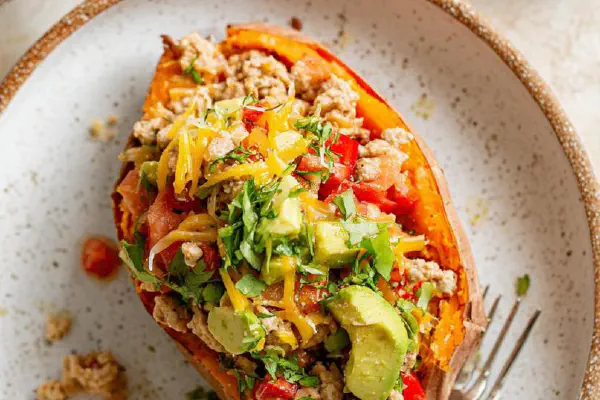
Avocado Turkey Sweet Potato
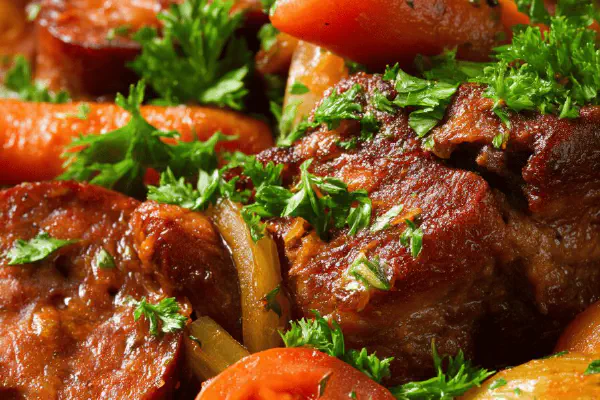
Slow-Braised Pork Shoulder Casserole
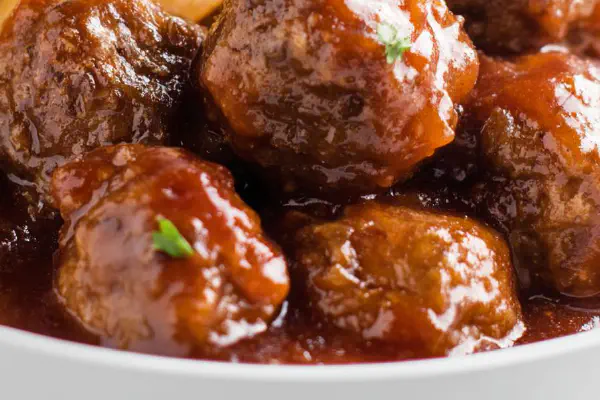
Sweet Sour Meatballs Twist
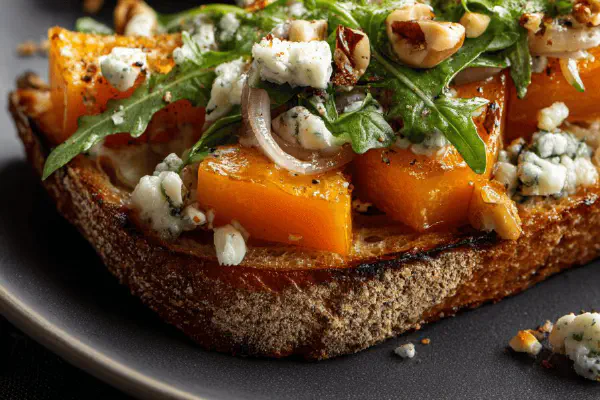
Butternut Tartines Agrodolce
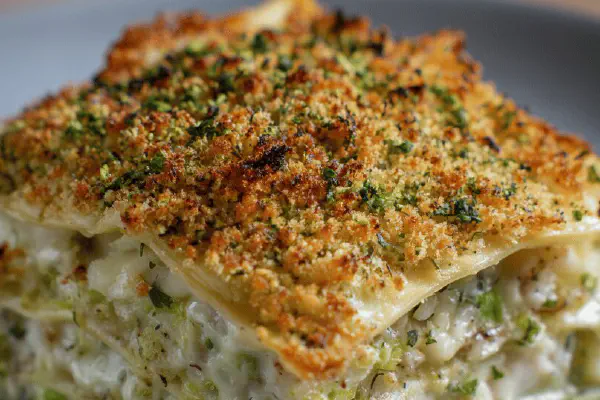
Pea Fish Lasagne Twist

Stuffed Cabbage Three Cheeses
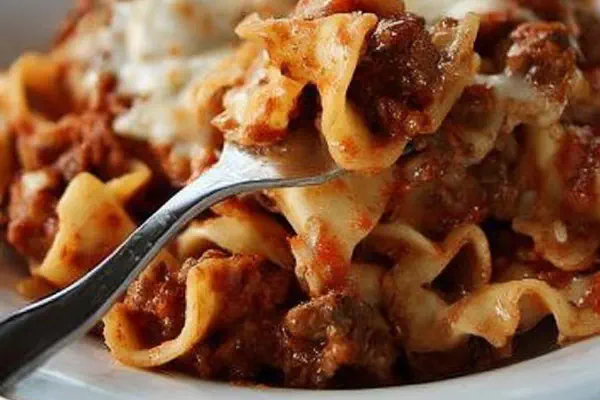
Creamy Beef Lasagna Bake
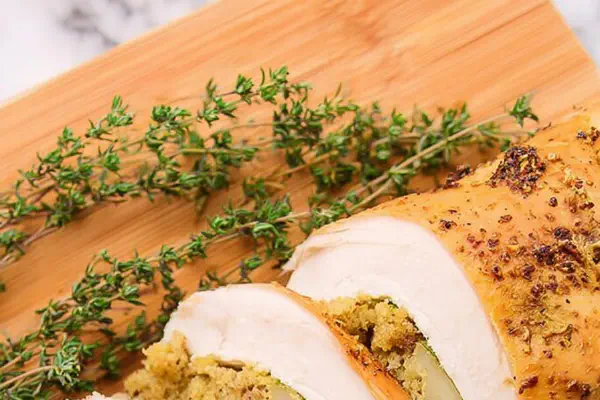
Stuffed Turkey Roulade
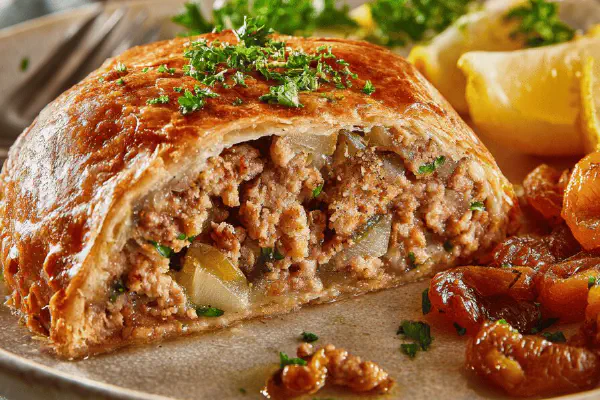
Rustic Pork Pâté
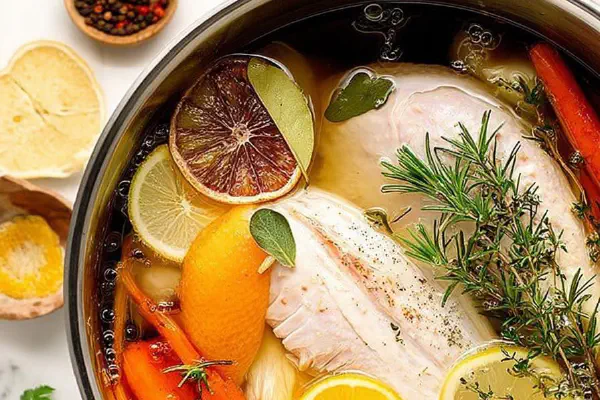
Basic Turkey Brine Twist
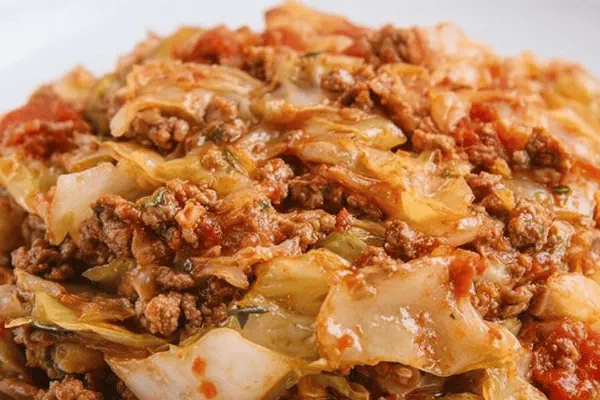
Hearty Cabbage Roll Bake
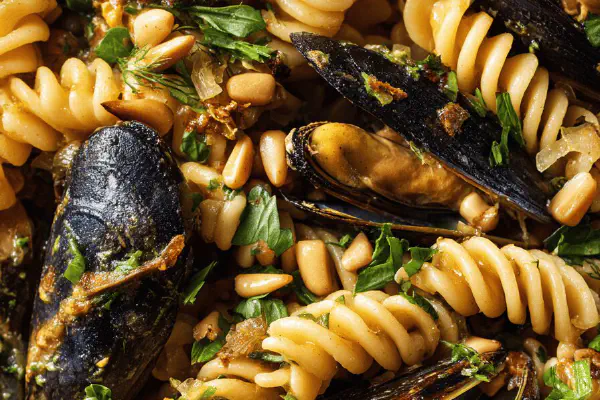
Curried Mussels Fusilli
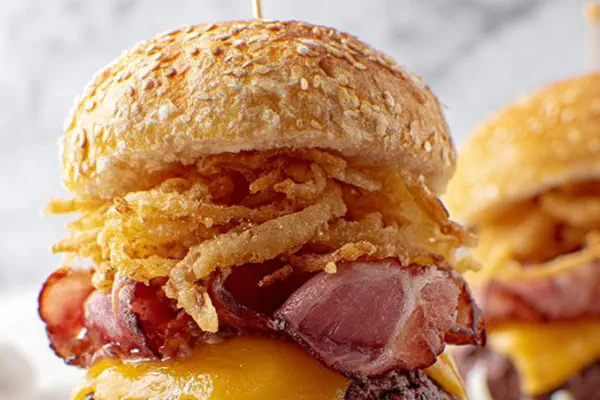
Stacked Smokehouse Burger
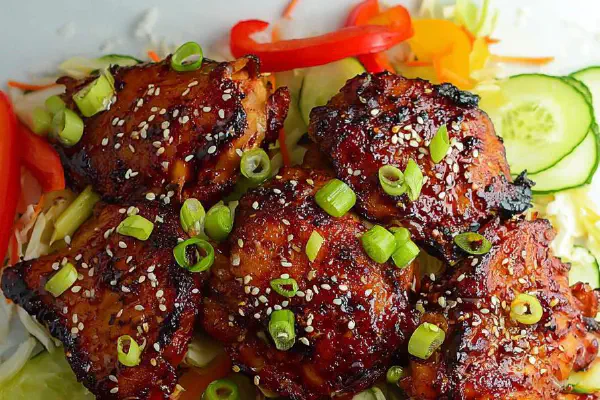
Spicy Korean Grilled Chicken
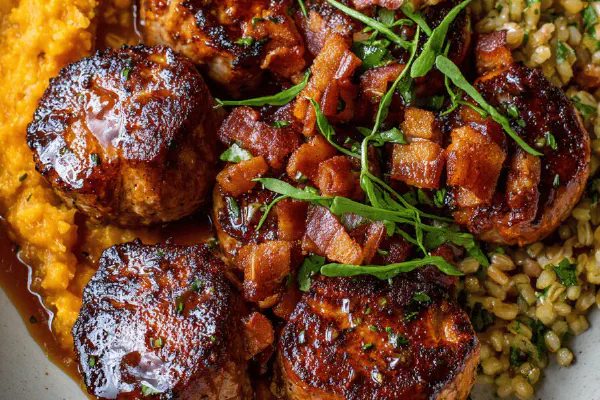
Maple-Glazed Pork Medallions
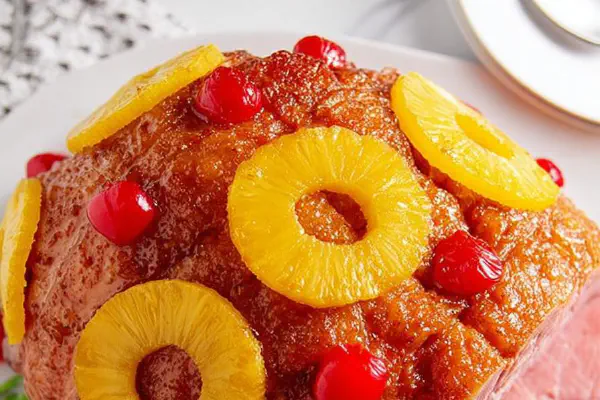
Maple Pineapple Ham
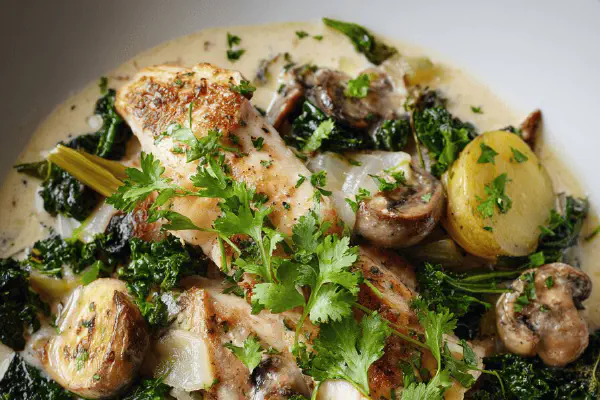
Sole Potato Casserole
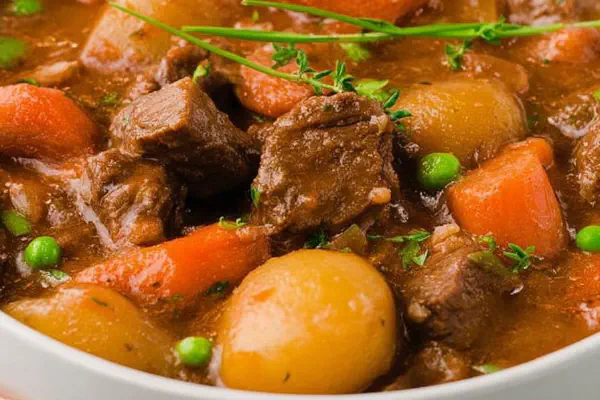
Hearty Braised Beef Stew
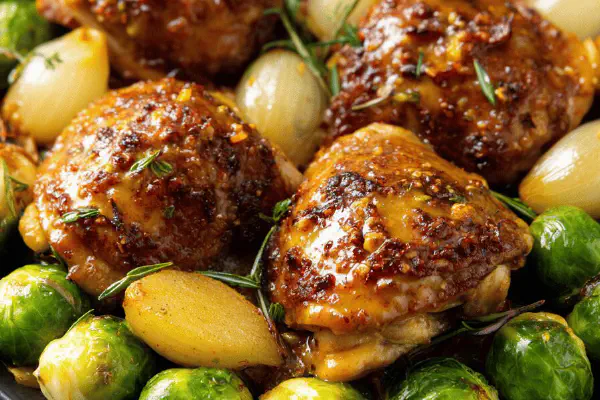
Honey Mustard Chicken Thighs
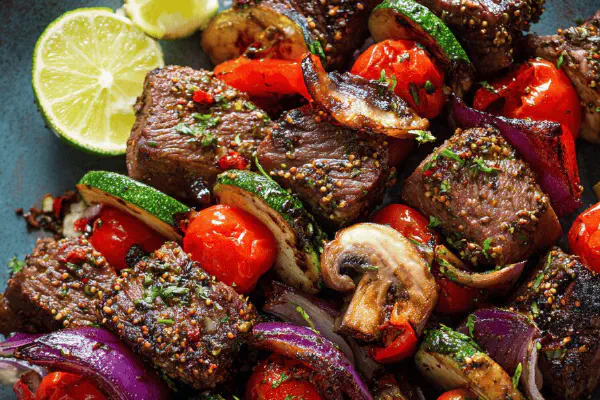
Mediterranean Beef Skewers
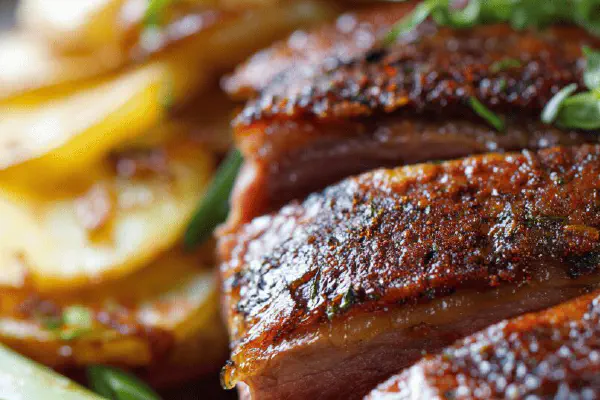
Duck Breasts with Leeks and Roasted Onions
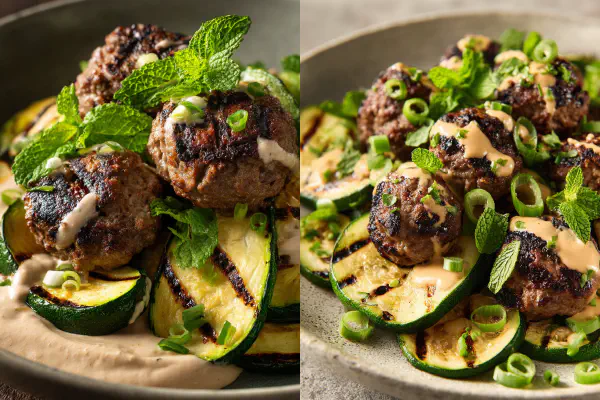
Beef Zucchini Meatballs Tahini
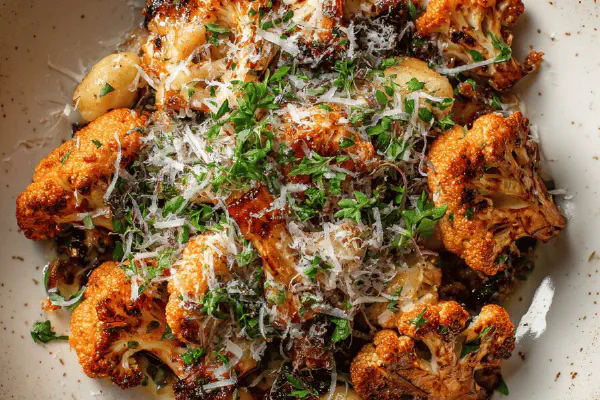
Caramelized Cauliflower Gnocchi
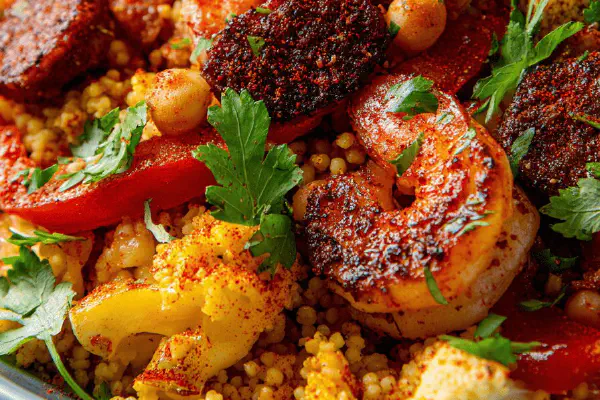
Shrimp and Spiced Sausage Couscous
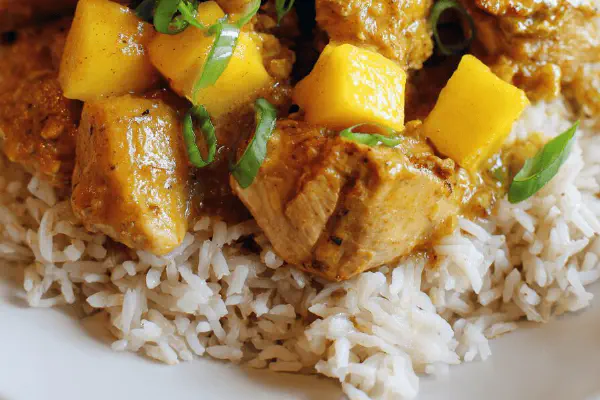
Mango Chicken Boudreault Style
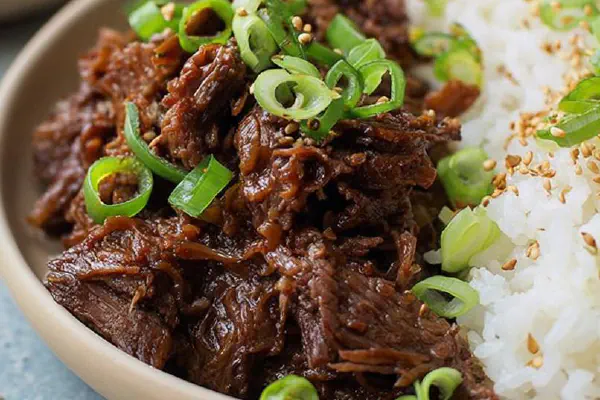
Instant Pot Korean BBQ Beef
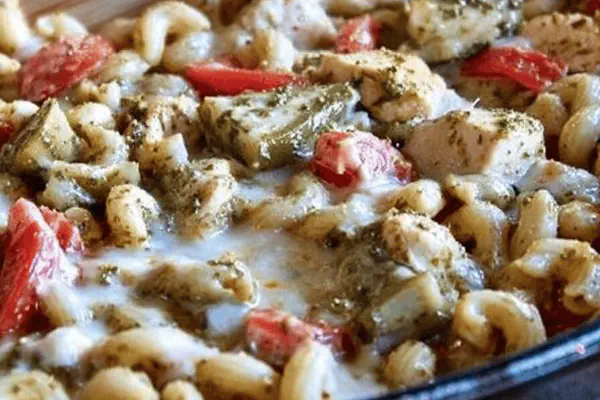
One-Pot Basil Chicken Skillet
About the ingredients
Butter is the base for flavor, softened to mix easily but still hold shape when dolloped. Garlic fresh, minced finely so it roasts gently without burning. Mustard brings acidity and heat; Dijon preferred but whole grain or horseradish can swap in for punch. Rosemary and thyme fresh are best; dry herbs lose aromatic oils and risk bitterness. If unavailable, tarragon adds anise notes, sage earthiness. Onions add sweetness and moisture around roast, their slices soak up dripping fat. Olive oil introduced only if cast iron is absent to prevent sticking and tearing crust. Salt and fresh cracked pepper fundamental, must be generous. Tying roast ensures even thickness, prevents uneven cooking and curling – skip it and cross fingers for luck.
Method
Technique Tips
Tying uniform thickness is key for even cook times. Salt meat at least 25 minutes to dry brine—slow process that seasons deeper and helps create crust. Compound butter combines fat, flavor, and aromatics; mustard cuts through fat and balances garlic bite. Searing on cast iron locks juices, creates those brown bits crucial for flavor – hot pan preheated until shimmering or slight smoke. Browning only 1.5–2.5 min per side to avoid overcooking edges. Onions act as natural basting bed in oven, absorb flavors. High oven temp blast accelerates Maillard reaction inside roast; lowering temp slows cooking to avoid toughening meat. Butter applied in stages melts gradually over roast surface, building layers of flavor and moisture. Thermometer indispensable; color unreliable in thick loins. Resting lets muscle fibers relax and soak juices back in — no juice running out when slicing. Slice against grain for tenderness. Common mistake: skipping rest, rushing sear, uneven thickness, not using thermometer, or burning butter atop roast because oven too hot.
Chef's Notes
- 💡 Use timely seasons. Salt plays critical role. Generous at least 30 minutes before cooking. Essential for crust development. Faster crust—less juicy center risk.
- 💡 Tie the roast with twine. Ensures even thickness. Without it, thicker ends burn. Center raw. Thick cuts means uneven cooking, tough edges.
- 💡 Keep pan hot. Sear quickly on all sides. Look for crust forming, about 2 minutes each side. Perfect time for browning; listen for sizzling.
- 💡 Roast at high heat, then reduce. Start 430F to jumpstart browning inside. Lower to 345F to finish cooking gently. Prevents toughness.
- 💡 Use thermometer for doneness. Reliable measure. Visual cues can mislead. Aim for 120F for rare, catch before it rises too much. Resting time crucial.
Kitchen Wisdom
How to fix dry edges on beef?
Thinly slice roast, pan sauté quickly in remaining herb butter. Adds moisture back into meat better than sauce.
What to do if roast too large?
Increase time by 5 to 10 minutes based on weight. Check temp frequently. Don’t just guess.
Best substitute for Dijon mustard?
Use horseradish for punch or whole grain mustard for texture. Both add kick you need in recipe.
Can leftovers be saved?
Yes, cold sliced beef makes great sandwiches or salads. Use sturdy bread. Keep in fridge in airtight container.
You’ll Love These Too
Explore all →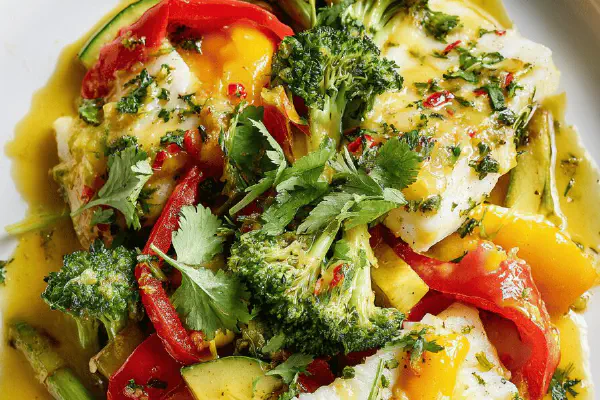
Fish Packets with Curry Dressing
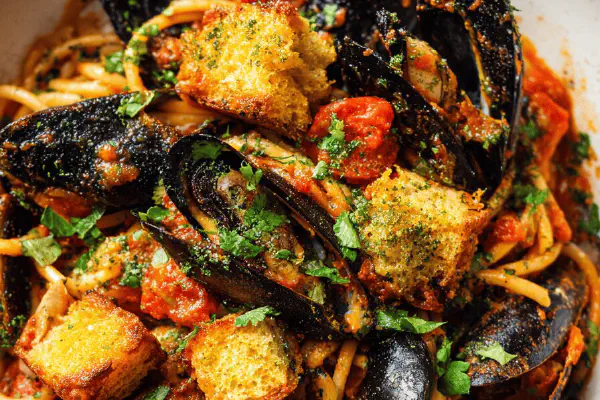
Bucatini Tomato Clams Twist
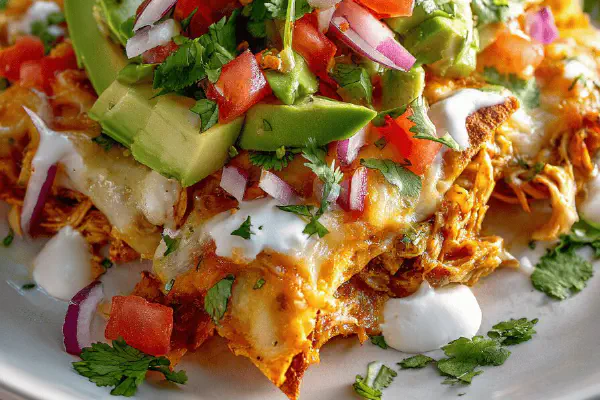
Turkey Chilaquiles Twist

Orange Cardamom Cupcakes
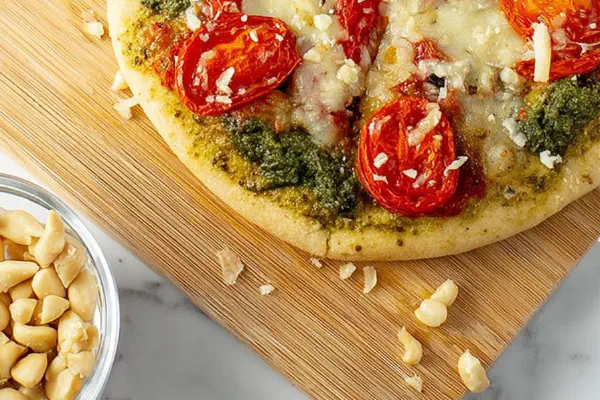
Spinach Tomato Pesto Pizza
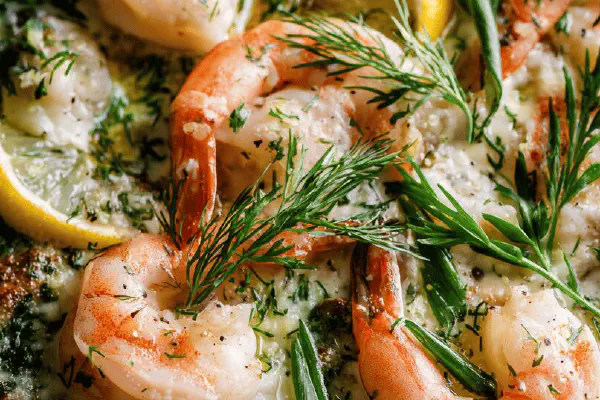
Herbed Seafood Pizza
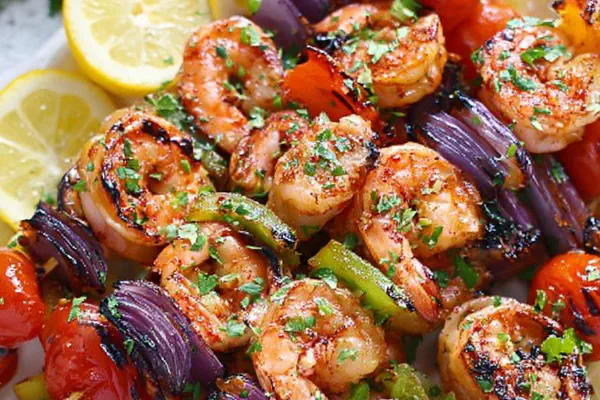
Garlic Shrimp Skewers Twist
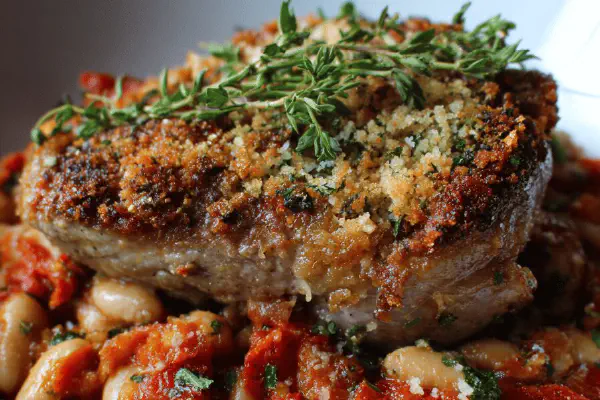
Hearty Cassoulet Redux
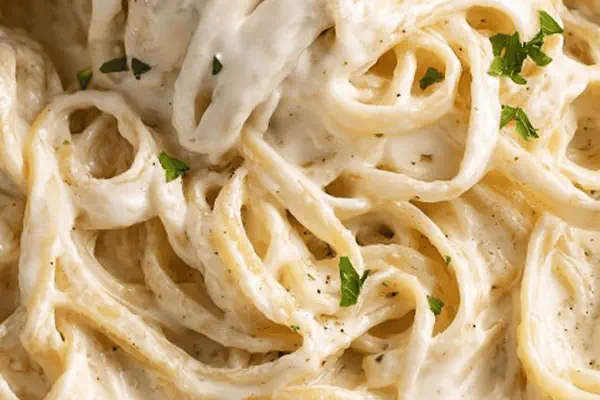
Copycat Olive Garden Alfredo
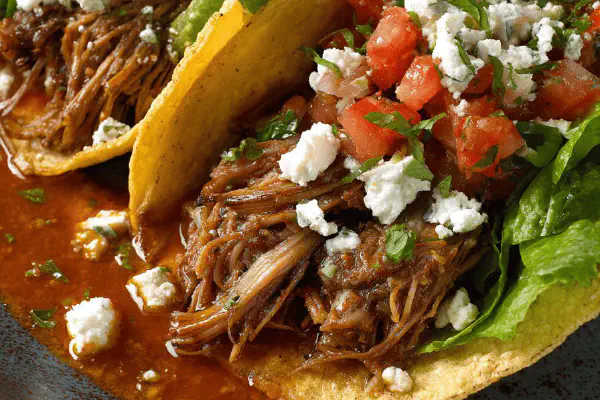
Braised Pork Tacos Twist
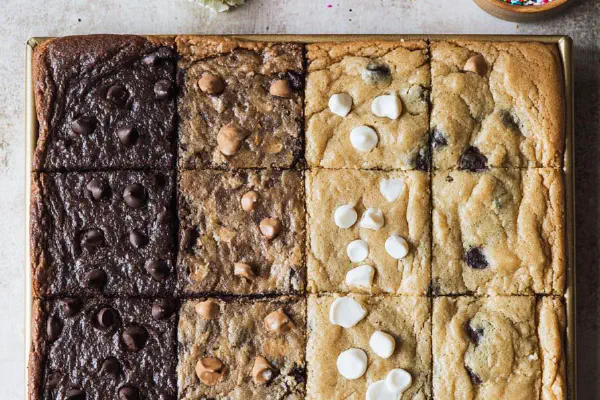
Sheet Pan Mix Cookies

Mexican Mini Bites
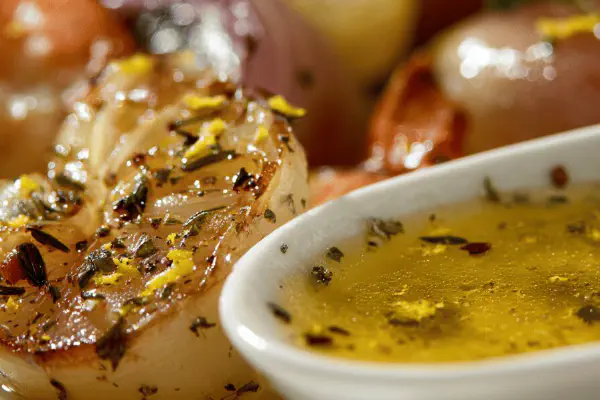
Twisted Beurre Blanc
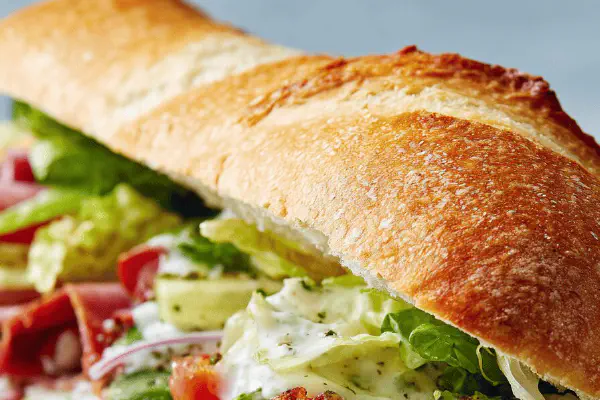
Italian-style subs
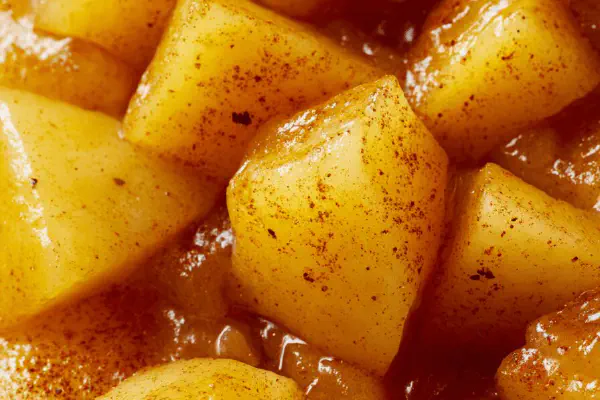
Baked Apple Compote Variation
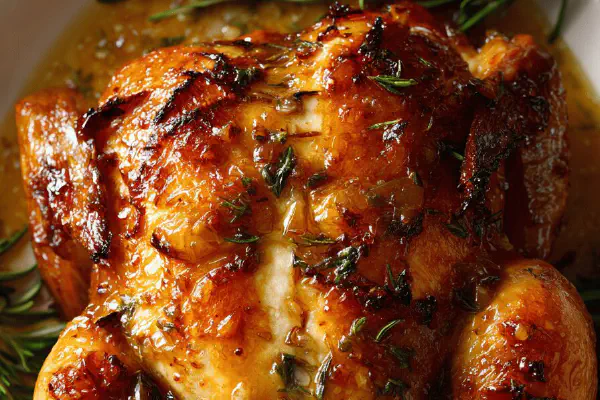
Roast Chicken with Apricot Glaze
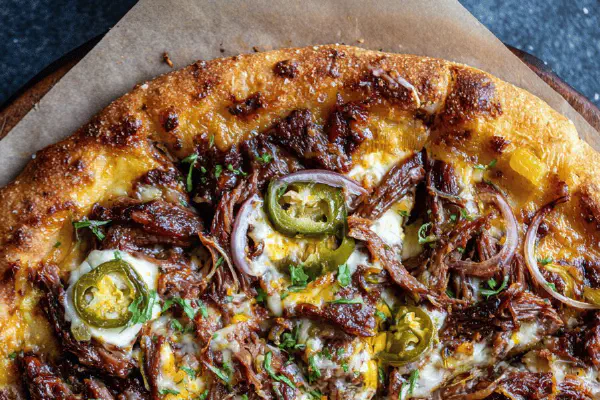
Smoked Meat BBQ Pizza

Cherry Rum Soda Jello Shots
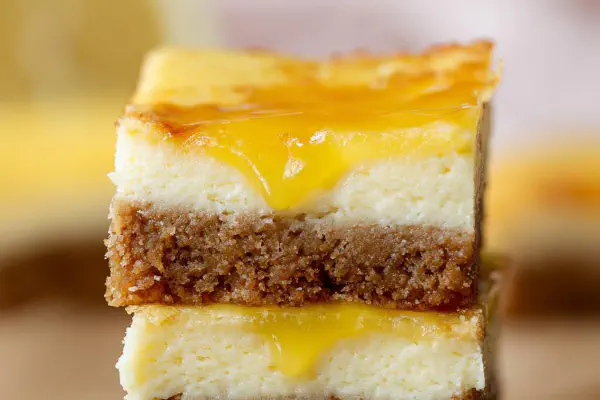
Lemon Cream Cheese Bars

Chickpea Tuna Salad Twist
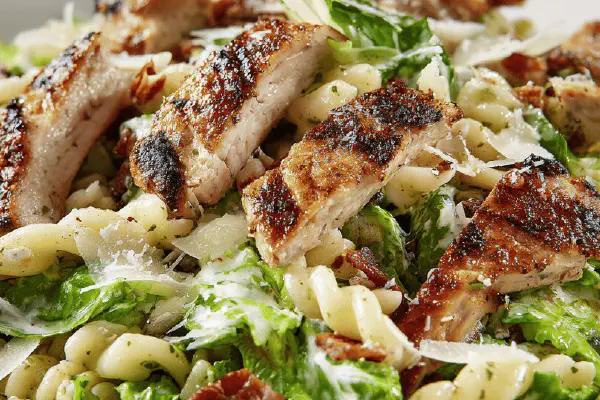
Chicken Pasta Salad Caesar Twist
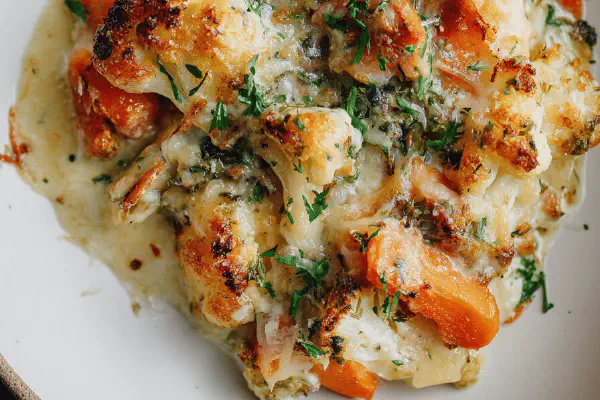
Twist Cauliflower Gratin
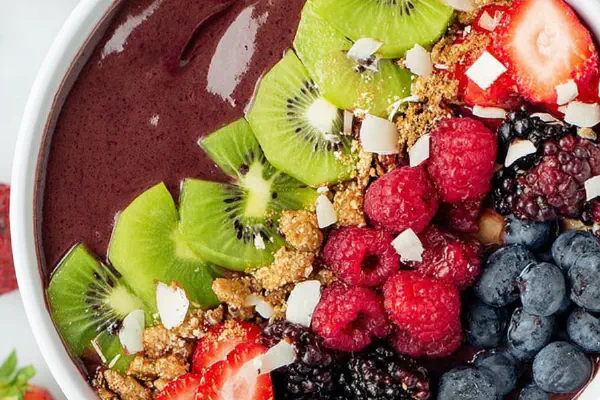
Beet Berry Acai Bowl
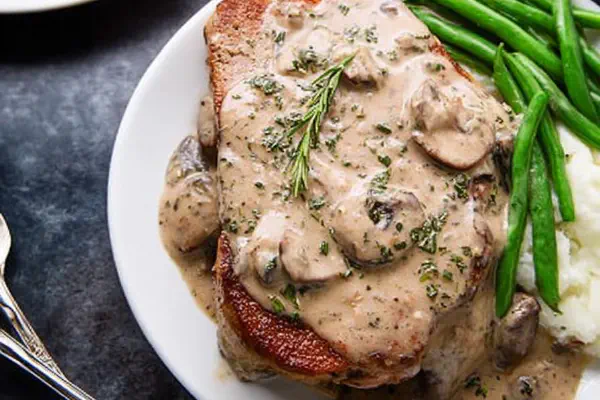
Creamy Slow Cooker Pork Chops
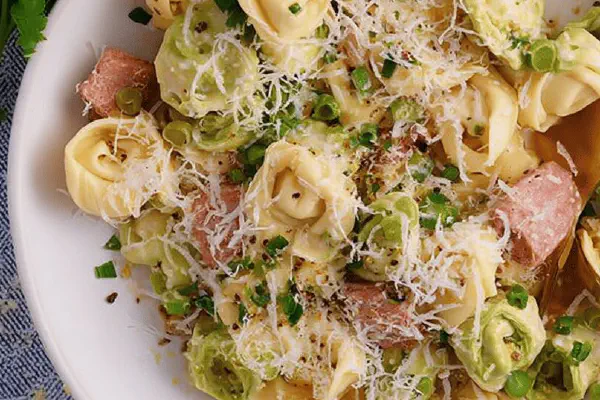
Creamy Tortellini Ham

Pistachio Raspberry Mousse Tart

Witch Hat Cupcake Cones
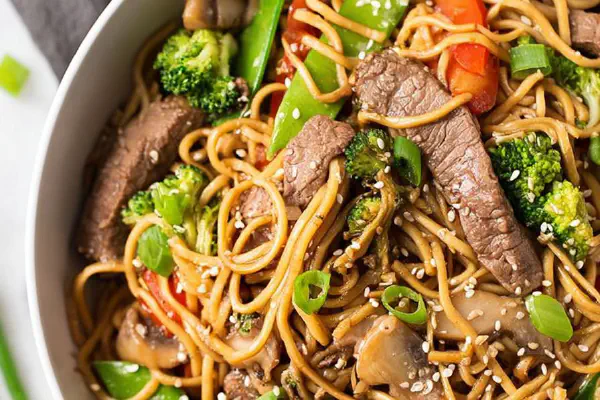
Beef Lo Mein Remix
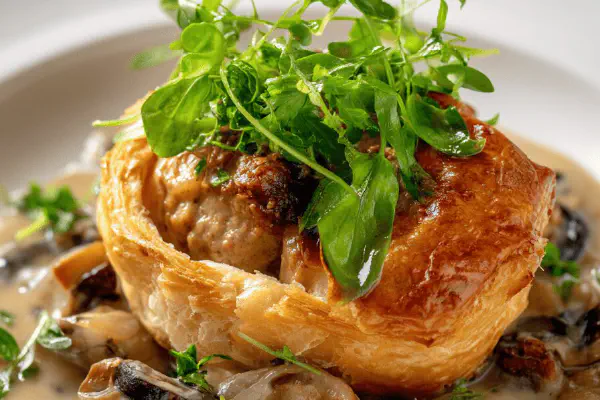
Veal Sweetbreads with Mushrooms