Featured Recipe
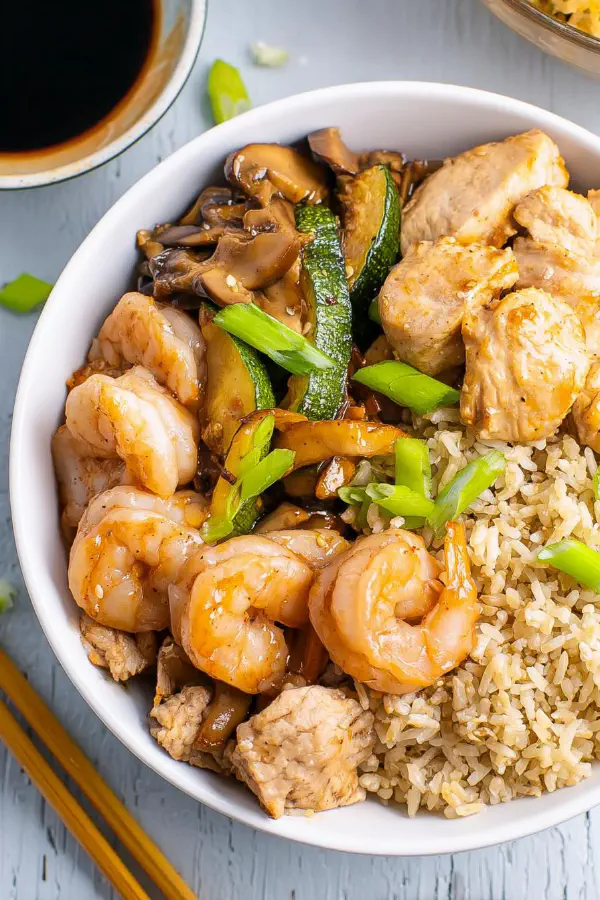
Hibachi Grill Mix-Up
By Kate
"
A hibachi grill approach focusing on chicken, seafood, and vegetables cooked on a hot griddle. Uses high heat and finishing fats for coat and flavor. Switches up oils and key aromatics. Cook times vary with visible browning cues rather than strict clocks. Emphasis on layering flavors in the center before tossing. Lemon juice added at the end for brightness. Practical substitutions offered to cover ingredient gaps or flavor tweaks.
"
Prep:
25 min
Cook:
18 min
Total:
43 min
Serves:
6 servings
Japanese American
grilling
healthy
Introduction
Hit the griddle hot. Loud sizzles mean flavors lock in right away. Forget timing clocks. Look, listen, smell your way through. When chicken’s got golden crust, flip. Beef, sear fast on all sides if rare is your goal. Seafood doesn’t wait - it’s ready the second flesh turns opaque and springy. Veggies start soft but need browned edges - char is flavor. Toss everything in melting butter and salty soy derivatives. Lemon juice finally wakes the whole thing up. Replace oils with what you have, balancing smoke points. No steam, just dry heat. Crisp edges beat soggy. Layer steps for best efficiency. Quick but no shortcuts. A little patience, attention, that’s the trick.
Ingredients
For the Grilled Chicken
- 1 1/2 pounds chicken thighs, trimmed, patted dry (substitute chicken breast but watch for dryness)
- 3 tablespoons avocado oil (vegetable oil alternative, high smoke point)
- 2 tablespoons butter
- 1 1/2 tablespoons low-sodium tamari (can swap soy sauce for gluten-free option)
- 1 teaspoon toasted sesame oil
- 1 teaspoon minced fresh ginger
- 2 cloves garlic, minced
- Fresh lemon juice, to finish
- Salt and coarse black pepper, to taste
- 1 pound mixed seafood (shrimp, scallops, chunks of firm-fleshed fish like cod or halibut)
- 2 tablespoons grapeseed oil (neutral flavor, high smoke point)
- 2 tablespoons ghee (replace butter for nuttier flavor)
- 1 tablespoon coconut aminos (alternative to soy, adds subtle sweetness)
- Fresh lemon juice, to finish
- 1 medium zucchini, cut in 1/2-inch slices
- 1 medium onion, cut into thick wedges
- 1 1/2 cups cremini mushrooms, halved
- 3 tablespoons peanut oil (high smoke point, adds subtle nuttiness)
- 2 tablespoons clarified butter
- 1 tablespoon soy sauce
- Fresh lemon juice, to finish
For the Hibachi Seafood
For the Grilled Vegetables
In The Same Category · Hearty Mains
Explore all →
Spicy Honey Smash Burgers
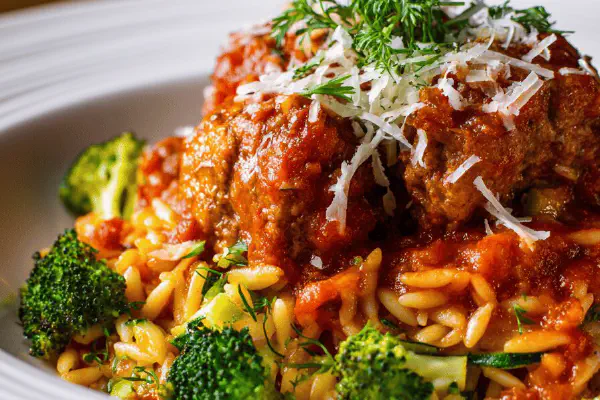
Sausage Zucchini Orzo Bake
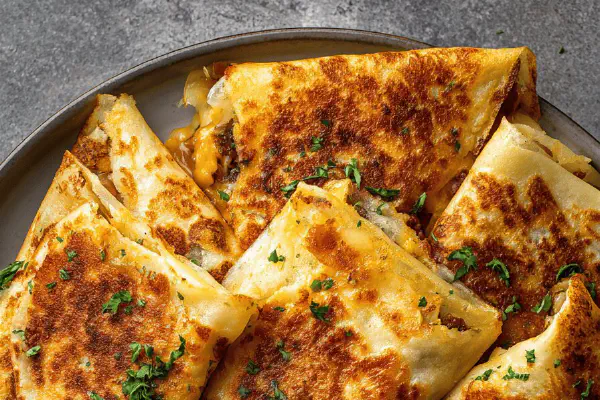
Savory Crepes Burritos
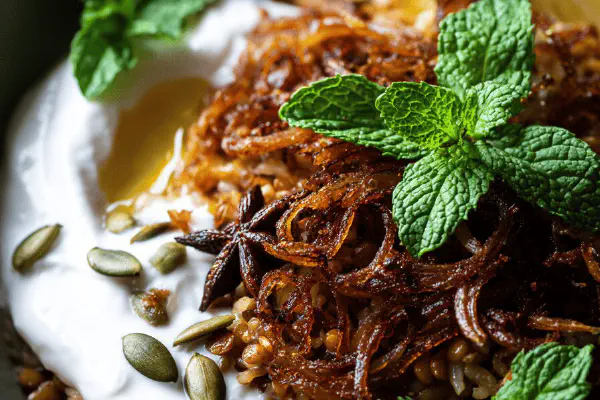
Brown Rice Lentil Bowl
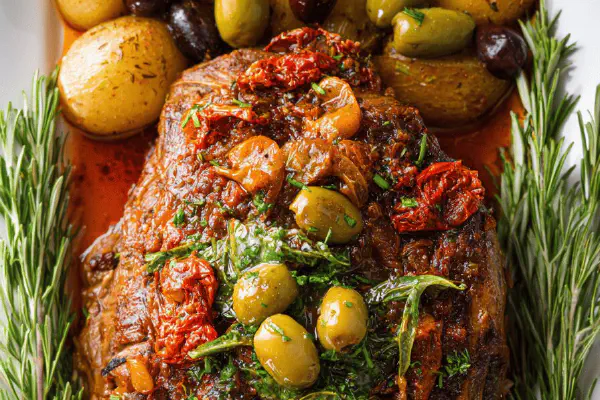
Greek-Style Veal Roast

Teriyaki Steak Bites Twist
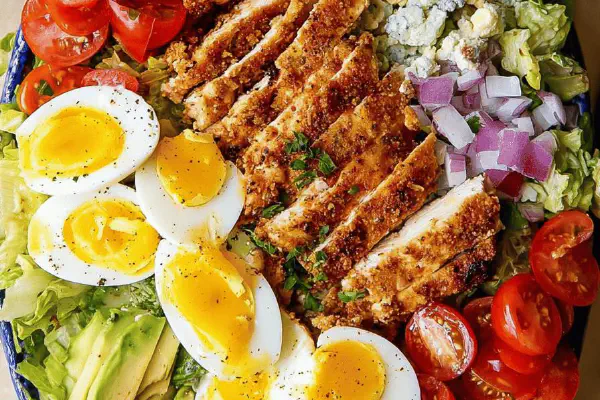
Crunchy Chicken Cobb Salad
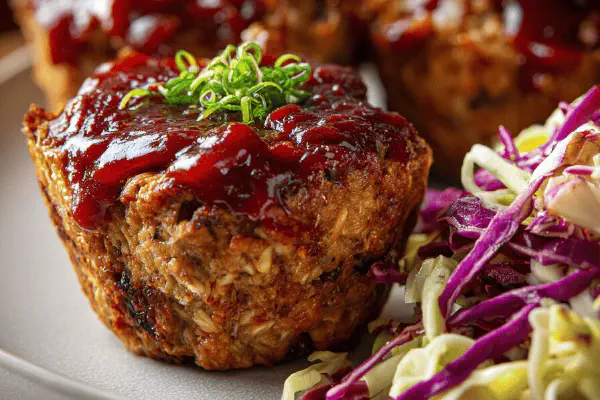
Tofu-Veal Meat Pockets BBQ

Rustic Creole Sloppy Joes
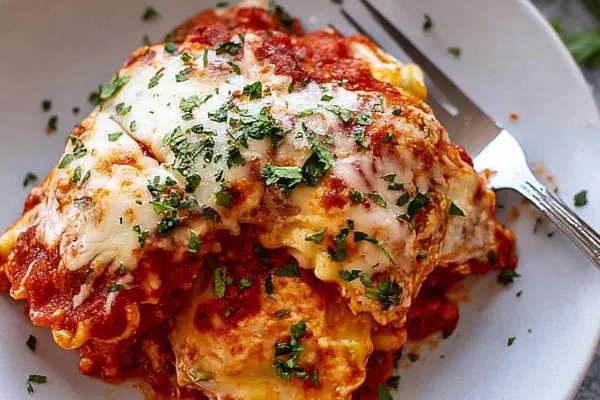
Turkey Ravioli Bake
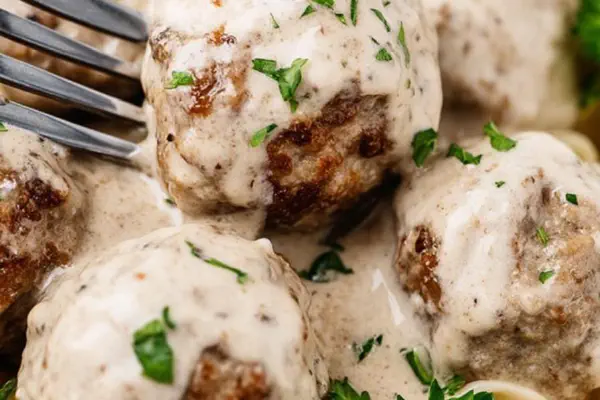
Slow Cooker Swedish Meatballs
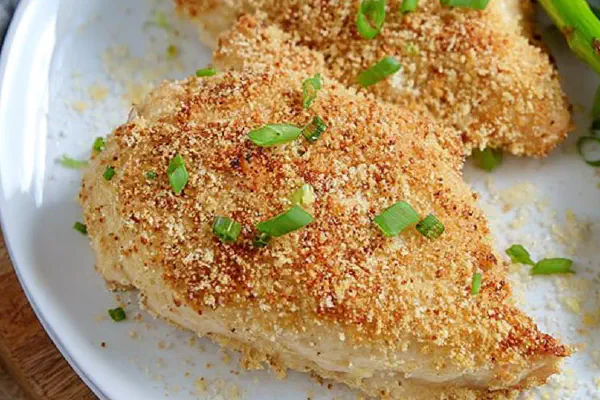
Garlic Parmesan Chicken Twist

Crunchy Asparagus Tuna Salad
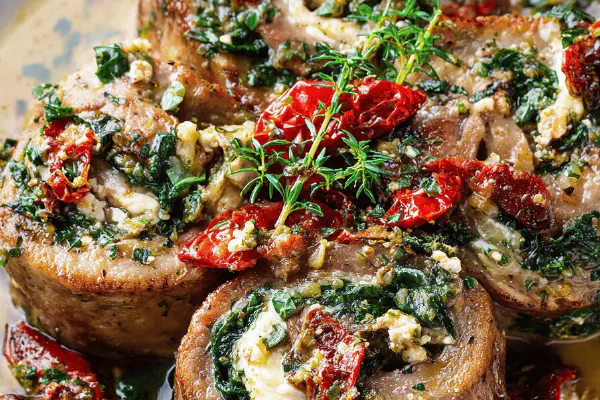
Veal Rolls with Spinach Artichoke
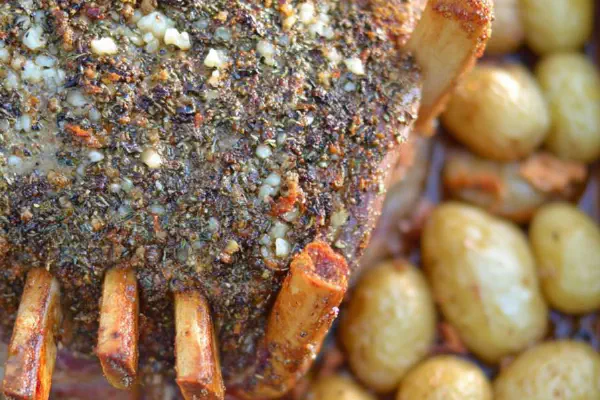
Spiced Crown Pork Roast
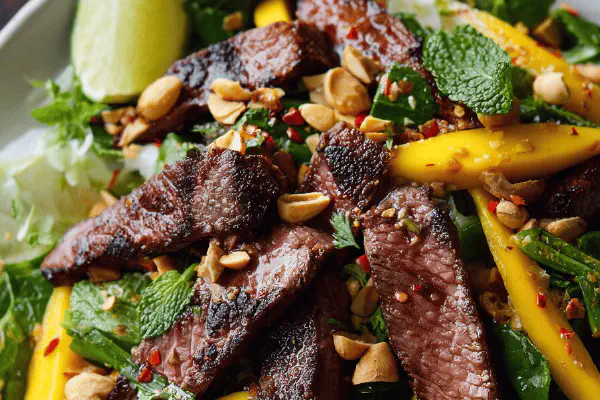
Grilled Beef Mango Salad
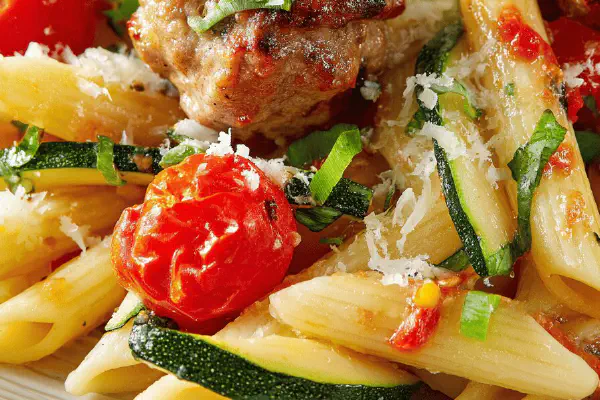
Penne with Italian Sausage and Tomatoes
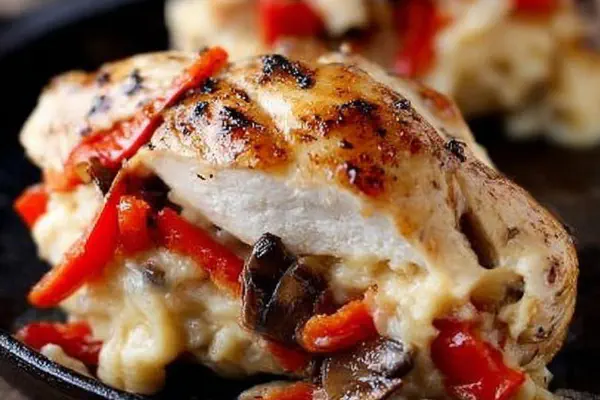
Cheesy Stuffed Chicken Reworked
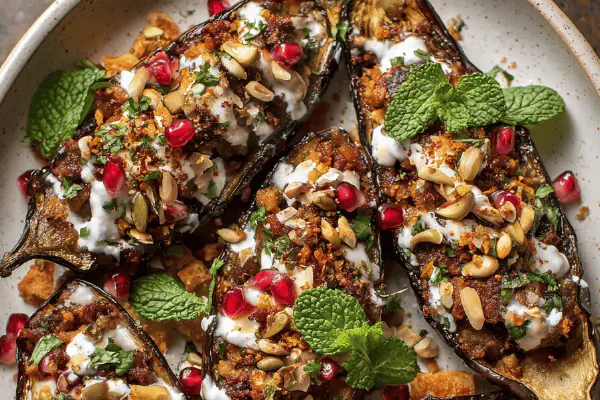
Damascus Lamb-Stuffed Aubergines
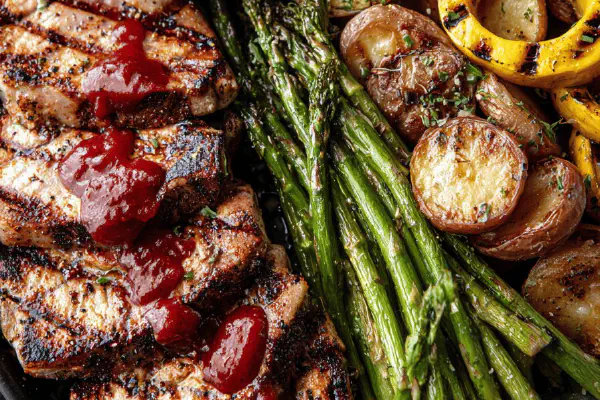
Pork Chops with Fruity Ketchup
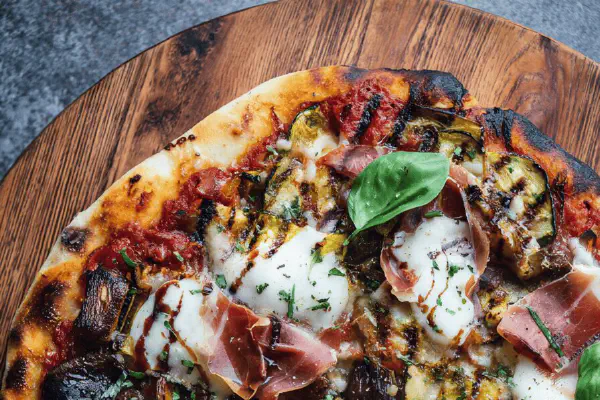
Grilled Veg & Prosciutto Pizza
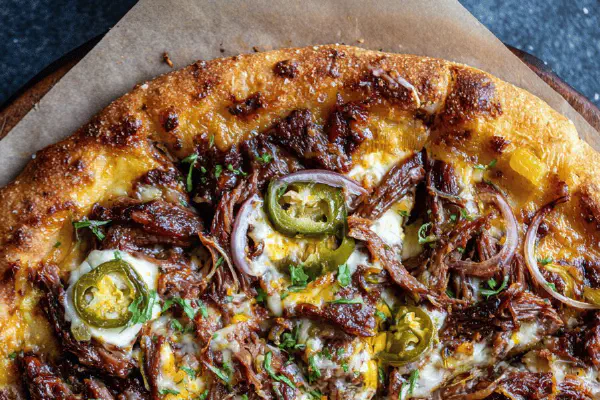
Smoked Meat BBQ Pizza
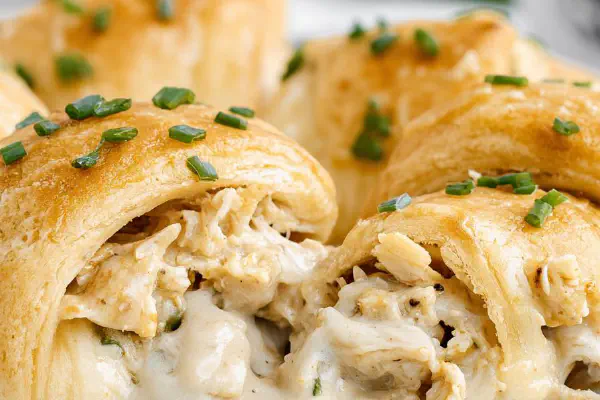
Chicken Crescent Pockets
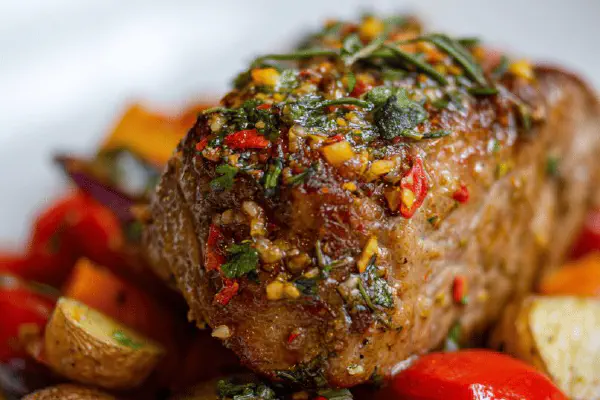
Veal Roast with Peppers Sage Lemon

Duck with Pomegranate Glaze
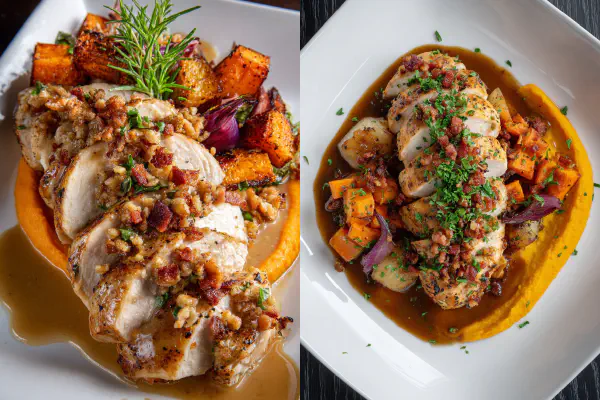
Roast Turkey Breast with Apples and Squash
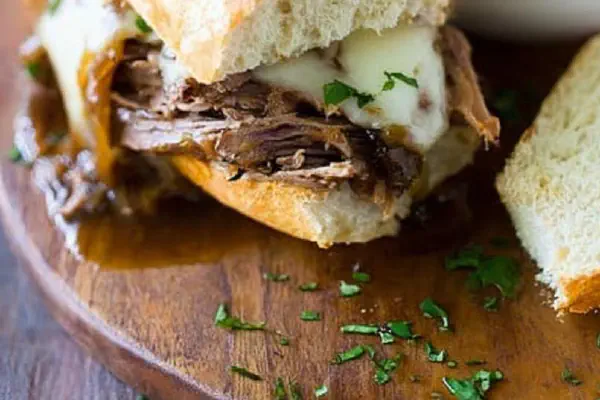
Slow Cooker French Dip
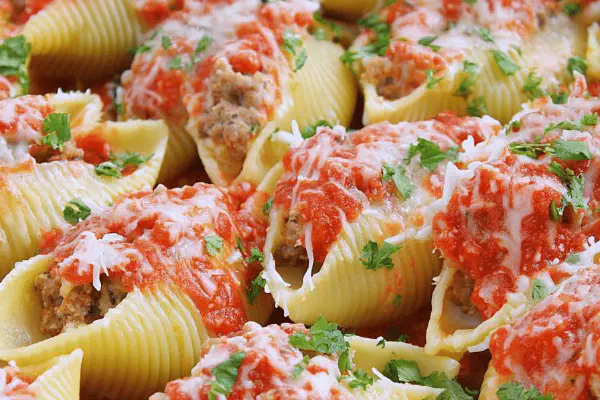
Sausage Pepper Shells
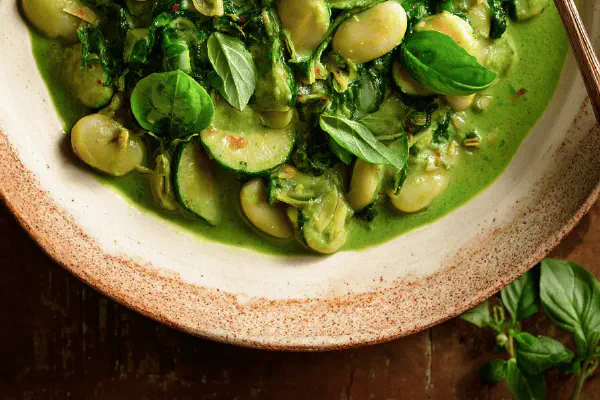
Lima Beans Green Coconut Sauce
About the ingredients
Chicken thighs have more flavor and moisture than breast; if breasts used, trim thin and watch cooking to avoid toughness. Vegetable oils with high smoke points are best — avocado, grapeseed, peanut are solid choices; cooking spray or olive oil may burn fast. Butter vs clarified butter or ghee affects flavor and smoke point — clarified butter avoids burning. Soy sauce adds salt and umami; alternatives like tamari or coconut aminos exist for gluten-free or sweeter profiles. Fresh ginger and garlic give signature aroma but can be swapped for powdered if needed, adjusting quantities slightly stronger. Lemon juice always finishes for brightness. Vegetables should be cut uniformly for even cooking; denser choices take longer on griddle than softer ones. Mushrooms add moisture, so add them late to avoid sogginess from early steam.
Method
Chicken Steps
- Preheat griddle to around 340–355°F. Let it get loud and shimmering before oil goes in. Add avocado oil. No smoking yet but close.
- Lay chicken thighs flat in a single layer. They should sizzle aggressively on contact. Don’t overcrowd or steaming happens. Brown 3-5 minutes one side, depending on thickness. Look for golden browns, some crisp edges. Flip, more sizzle.
- Cook other side 3-4 minutes until surface springy. Test by pressing with spatula. If juices run clear, ready. If beef used, sear on all sides in 1-2 minutes each, keep pink inside if desired.
- Pile chicken back into a mound in the center of griddle. Drag a small crater in middle.
- Add butter, tamari, sesame oil, ginger, and garlic right into crater. Butter melts, aromas bloom fast. Toss meat quickly with spatula or tongs until every piece glistens and smells pungent yet balanced.
- Hit with fresh lemon juice finsih. Stir salt and coarse cracked pepper to taste. Lemon juice brightens, cuts richness and oily feeling.
- Heat griddle to 345–350°F. Use grapeseed oil, heats quick. Oil shimmers thinly spread.
- Add seafood pieces in single layer. Hear the pop and crackle. Sear 3-6 minutes total, depending on thickness. Flip halfway. Look for opaque flesh on surface but avoid dry white crust.
- Immediately pile seafood center, make small well.
- Drop in ghee and coconut aminos. Toss gently using spatula scraping bottom. Should smell sweet, buttery with ocean hints but no bitterness or rubberiness.
- Spritz lemon juice at last moment, toss once more, serve.
- Preheat griddle again 345–355°F. Peanut oil spread thin, no pooling.
- Add zucchini and onion first. They hit hot surface, sizzle and start to soften, caramelize edges. Let them brown evenly by flipping every 2 minutes. Usually 5-7 minutes total.
- Mushrooms added last, give 3-5 minutes more. They shrink, release moisture, odors shift from earthy to rich umami.
- Bring veggies to center, toss with clarified butter and soy sauce. Butter adds silkiness, soy gives salty depth. Don’t overload soy or it steals brightness.
- Lemon juice for last touch. Enhances freshness and counteracts fat heaviness.
- Serve immediately to keep crisp-tender texture intact.
Seafood Steps
Vegetable Steps
Technique Tips
Use griddle temperature more than stopwatch. Fish for visual cues — chicken browning golden, seafood turning opaque, vegetables developing caramel spots. Avoid overcrowding; it steams, ruins texture. Make small wells for flavor fats in center to coat evenly and efficiently. Toss fast after butter addition to prevent burning. When adding garlic and ginger, keep heat moderate to avoid bitterness. Lemon juice must be last step or it evaporates and loses punch. Rest meats briefly off heat if unsure of doneness. Mistakes are usually rushed flips or low heat that traps moisture instead of browning. Layer ingredients by density and cooking time — veggies last because they release liquid. Prep all ingredients before heating griddle - no stopping mid-cook. Efficiency ensures everything hits table hot and fresh.
Chef's Notes
- 💡 Preheat griddle hot. Listen for sizzle. Too low, everything steams. Watch for golden brown edges. Texture matters for flavor.
- 💡 Turn your ingredients into layers. Thicker cuts first, lighter last. Zucchini not too crisp, seafood firm but not rubbery.
- 💡 Butter does great things for flavor. Add it mid-cook, not first. Garlic burns fast. Wait till later; keep it aromatic.
- 💡 Substitutions useful always. No grapeseed? Avocado oil works fine. Coconut aminos nice for soy issues. Modify as needed.
- 💡 Don’t rush flips. Let that sear form. Chicken gets tender; wait for juices. Seafood, sear quickly, avoid dry spots.
Kitchen Wisdom
What if my chicken dries out?
Cook on lower heat if unsure. Let rest after cooking. Juices should run clear but not bleak.
Seafood smell too strong?
Fresh is key. Keep it cool before cooking. If rancid smell, toss it. No second chances.
Vegetables soggy?
Add mushrooms last. Let them sweat. They release moisture. Keep stirring for an even cook.
Storage ideas?
Store leftovers in airtight; could stay for couple days. Reheat in skillet not microwave. Avoid rubbery outcomes.
You’ll Love These Too
Explore all →
Oven-Baked Teriyaki Salmon
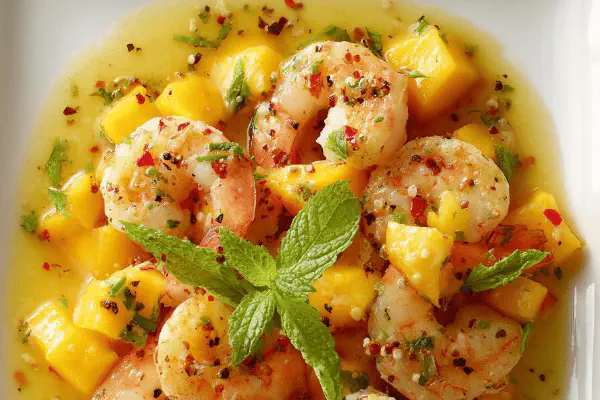
Shrimp Mango Cocktail
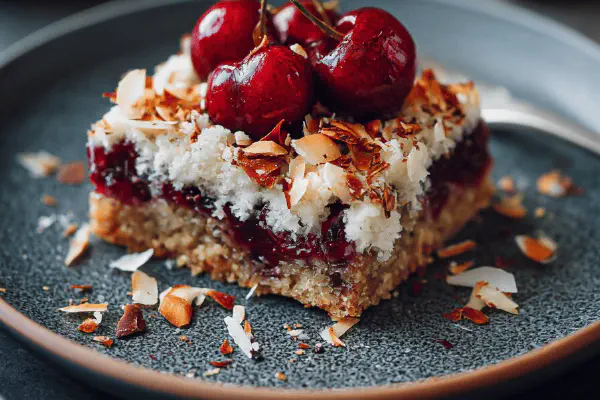
Cherry Almond Squares
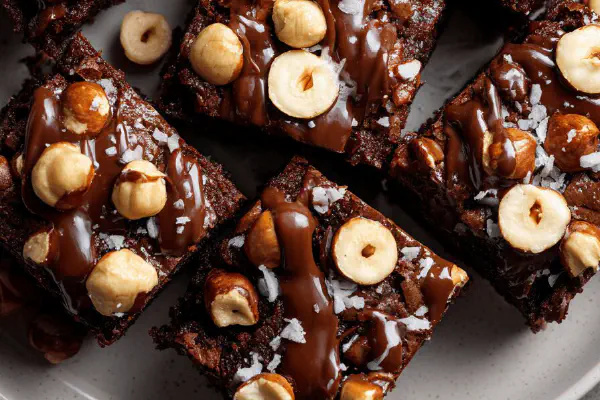
Chunky Chocolate Pecan Brownies

Banana Foster Waffles

Vanilla Reduced Fat Cake with Citrus Twist
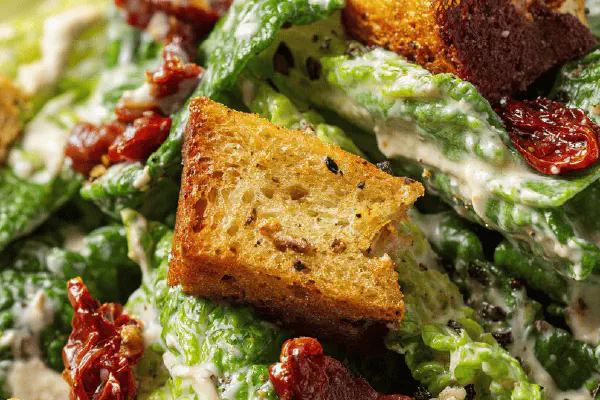
Light Caesar Salad Twist

Zesty Beef Frito Pie
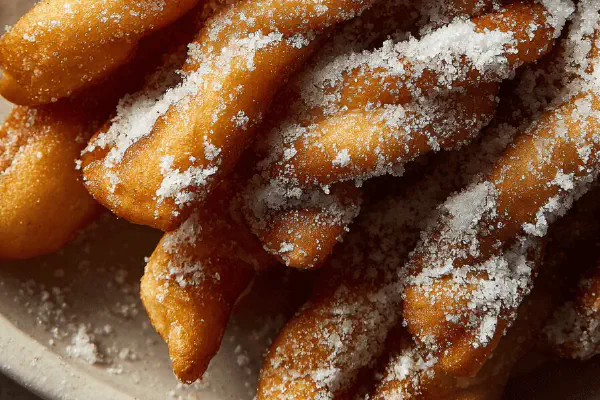
Twisted Nut-Free Beignets
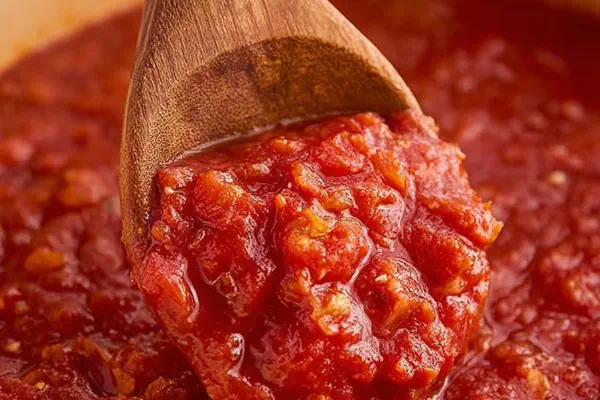
Rustic Garlicky Tomato Sauce
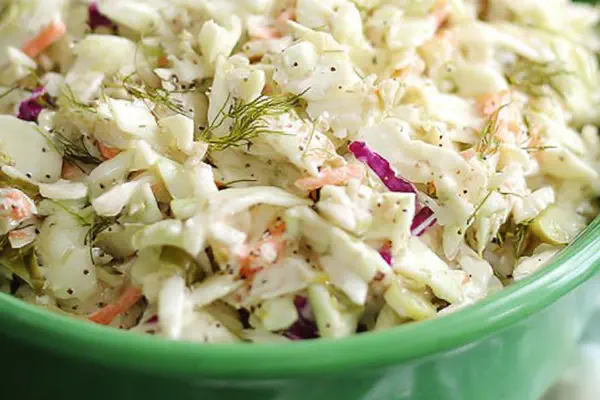
Tangy Herb Slaw
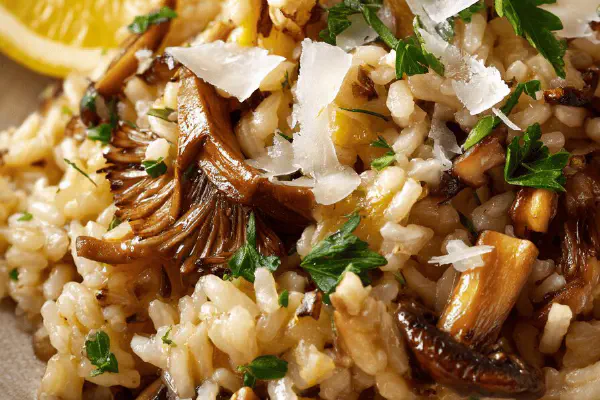
Wild Mushroom Risotto Twist
Herb Avocado Dressing
Beet Chocolate Cake Twist
Savory Pork-Veal Cretons
Stuffed Mini Miches with Twin Dips
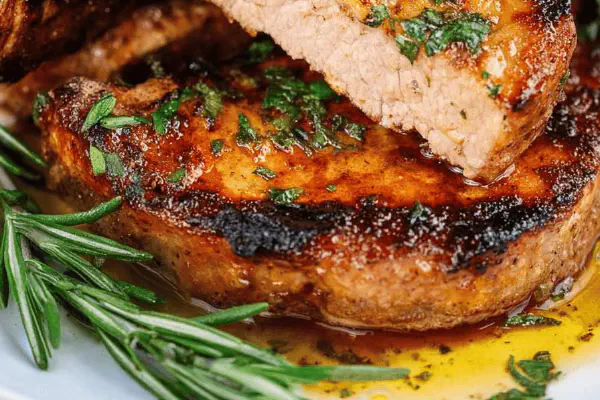
Herb Citrus Brined Pork Chops
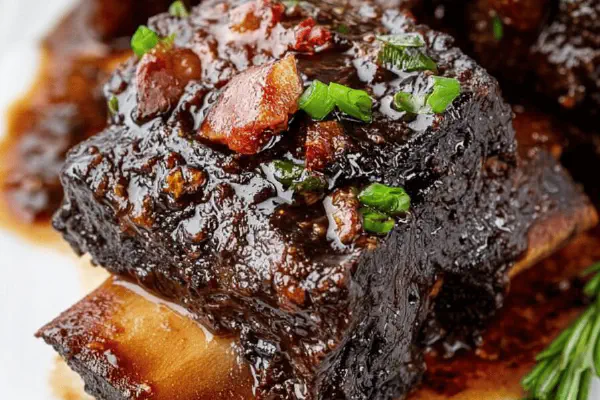
Honey Ginger Braised Ribs
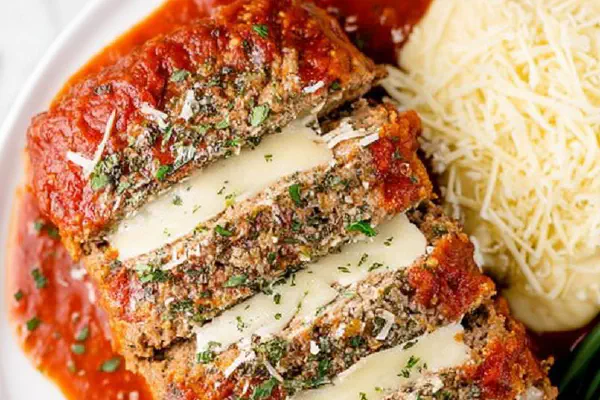
Italian Style Meatloaf Twist

Cookies Cream Bars Remix
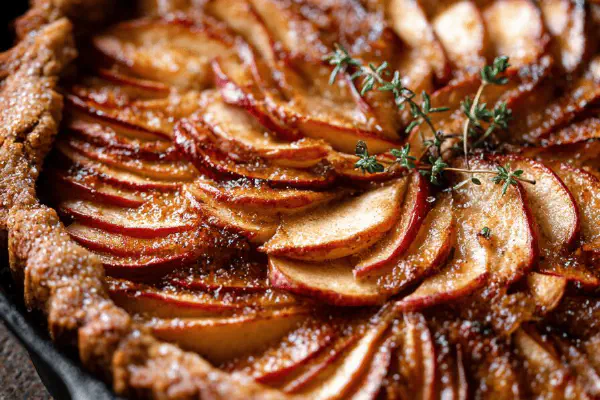
Skillet Apple Tart
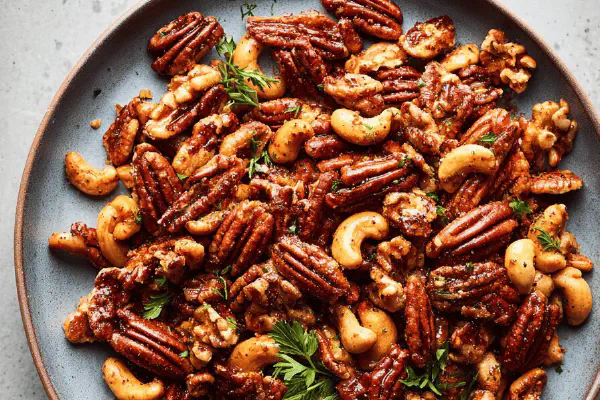
Spiced Nut Mix Twist
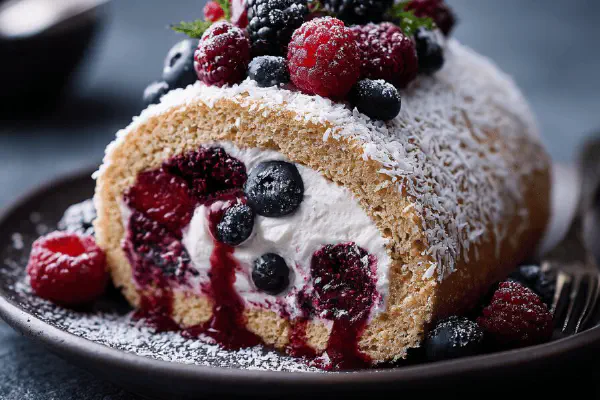
Billets with Berries and Coconut
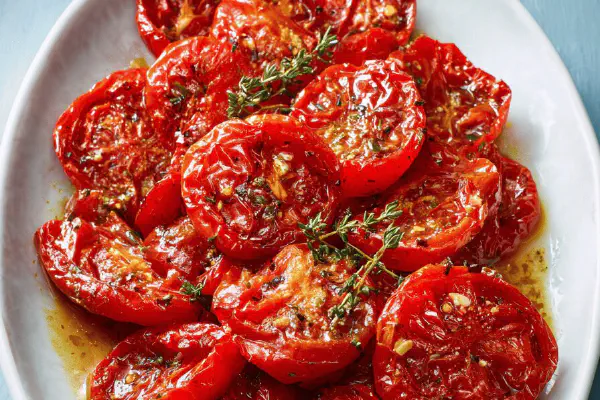
Slow-Roasted Confited Tomatoes
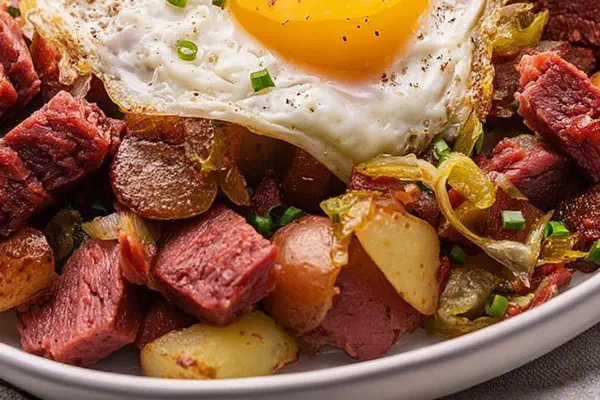
Twisted Corned Beef Hash
Apple Spice Cake Remix

Spiced Pumpkin Waffles
Braised Swiss Steak
Quinoa Spinach Scramble