Featured Recipe
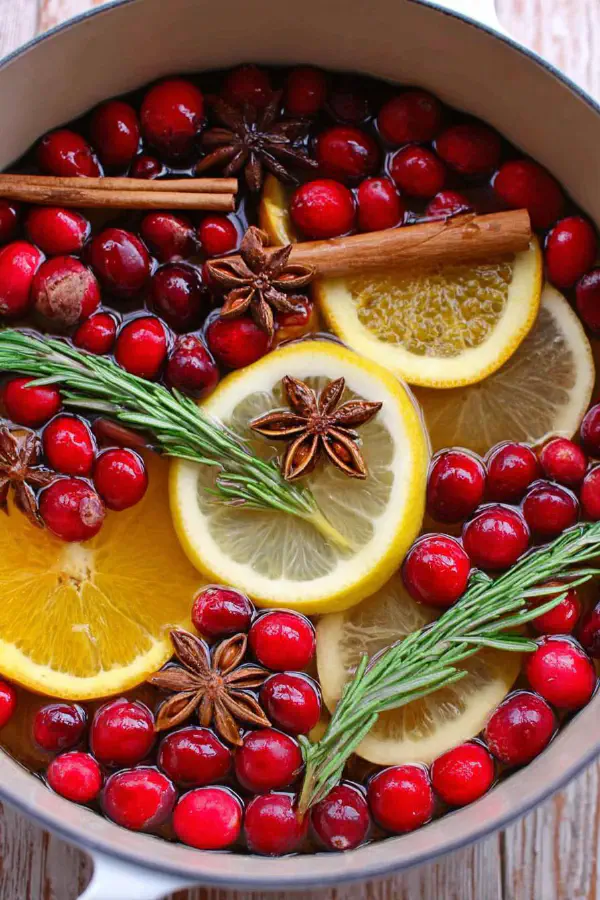
Holiday Stovetop Aromatics
By Kate
"
Simmer fresh herbs, fruit peels, spices, and optional alcohol over low heat to fill the home with warm, seasonal aromas. Combines rosemary, orange zest, cinnamon sticks, star anise, cloves, cranberries, and a splash of dry red wine with substitutions. A simple simmer pot to refresh air and invoke cozy vibes. Adjust ingredients and timing based on scent strength and stovetop heat. Discard when aroma fades or liquid concentrates. Ideal for holiday season or anytime you want a fragrant boost without candles or sprays.
"
Prep:
7 min
Cook:
25 min
Total:
32 min
Serves:
1 large pot
scent
stovetop
holiday
aromatherapy
Introduction
Winter chill creeping in. House feels stale, dry. Instead of candles or sprays, tossing fresh aromatics on stove. Rosemary bruised just right, lemon sliced thin with skin left on for that sharp zing. Cinnamon sticks cracked open to release their essence, star anise pods floating like little brown stars, cloves scattered lazily with a twist of allspice tossing in shadows. Cranberries bobbing, adding subtle tartness in the mix. A splash of dry red wine, optional, rounds out the blend with fruity warmth. Water steaming quietly below simmer point, no rushing here. Sounds of tiny bubbles ticking. Scent spreading quietly across rooms; the gradual buildup of spiced citrus, woody herb, and gentle fruit notes mingled. Forget strict timing. Watch aromas deepen. Refresh water if fading. When it loses life, dump it, clean pot for next round. This method saves messy candles, plastic sprays, and actually fills air with natural smells that tell stories of seasons. You’ll know when it’s right not from clock but from that warm breath of fragrant comfort floating around.
Ingredients
In The Same Category · Festive Foods
Explore all →

About the ingredients
Water quantity balanced to prevent quick evaporation but enough aroma release. Rosemary bruising releases essential oils—skip and scent weakens dramatically. Citrus choice affects sharpness; lemon adds brightness without overwhelming bitterness that thick orange peel can bring. Cinnamon sticks cracked, not pulverized, avoids dust clouding pot and burning. Whole spices like star anise, cloves, and allspice provide layered complexity; grinding would speed up aroma but also risk bitterness and clouding liquid. Cranberries add visual contrast and subtle tart notes; dried berries won’t release same freshness. Red wine optional but recommended for deeper richness—if avoiding alcohol, substitute with unsweetened cranberry juice or apple cider for fruitiness. Using fresh over dried spices or herbs boosts scent longevity. Keep pot heavy-bottomed to reduce burning risk. This mix flexible—experiment with bay leaves or thyme for alternate herb scents, ginger slices for warming bite. Watch peel thickness on citrus for best aroma without harshness.
Method
Technique Tips
Start with cold water; hot water leads to unpredictable extraction and quicker evaporation. Add ingredients in order to maximize aroma release—herbs first to bruise, citrus slices intact to prevent bitterness, then spices and fruit to balance scent. Maintain just below simmer; vigorous boil burns delicate oils and evaporates fragrance too fast. Bubbles should gently break surface, not roll aggressively. Stir sporadically to avoid spices sticking and scorching which creates off-putting smells. Timing based on smell strength—not minutes. When aroma floods air yet liquid remains sufficient, stop. Decreasing liquid volume is cue to add water or end simmer. Avoid reheating old batch repeatedly to prevent bitter burnt aroma. Safe disposal means cool and strain solids if necessary. Lid left off or cracked for alcohol fumes to escape when wine used—prevents sharp smell dominating. Adjust spices quantity down if scent too strong, or add more citrus peel for brightness. Flexibility and sensory observation trump rigid timing here.
Chef's Notes
- 💡 Start with cold water; hot water burns oils faster. Keep bubbling light—big bubbles mean gone too far. Stir to mix. Avoid baking soda—strange taste.
- 💡 Don't skip bruising rosemary. Release essential oils for richer fragrance. Watch the citrus peel; thick can taste bitter. Thin allows freshness.
- 💡 Adjust spice quantity. Too strong? Dial back cloves, add more lemon. Keep a watch for steam. That's a good sign, not boiling over.
- 💡 If cranberries burst early, too much heat. Too many bubbles? Reduce heat. More richness? Add wine but let fumes escape. Leave lid slightly open.
- 💡 Whenever scent fades, refresh water. Avoid boiling dry—ruins everything. Lose focus on the clock. Smell is key. Trust your nose. When it’s rich—stop.
Kitchen Wisdom
How to keep scent strong?
Increase water for boost, check spices, maybe add some fresh herbs for strength. Don't overcook; watch bubbling.
What if aromas fade?
Add a bit of water, stir. Citrus losing zest? Get fresh peel. Heat too high, ruin delicate oils fast.
Can I use dried spices instead?
Yes but fresh gives longer lasting scent. Ground spices? Risk bitterness. Whole pieces stay balanced.
Storage for leftovers?
Strain solids—compost. Liquid? Cover and cool. Store max three days. Heat gently if needed. Or just refresh entirely.
You’ll Love These Too
Explore all →
Fried Corn Ears Twist
Soba Noodle Beef Salad Air Fryer
Red Fruit Salad Twist

Tex-Mex Pork Ribs Remixed
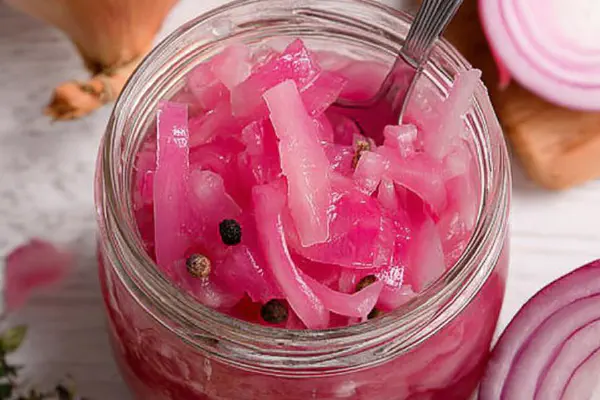
Quick Pickled Red Onions
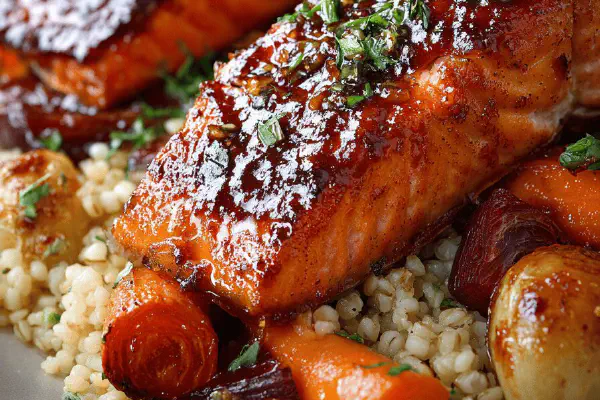
Beer Maple Glazed Salmon
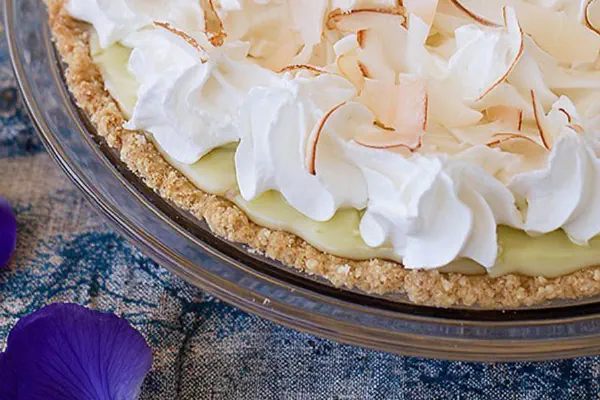
Coconut Cream Pie Remix
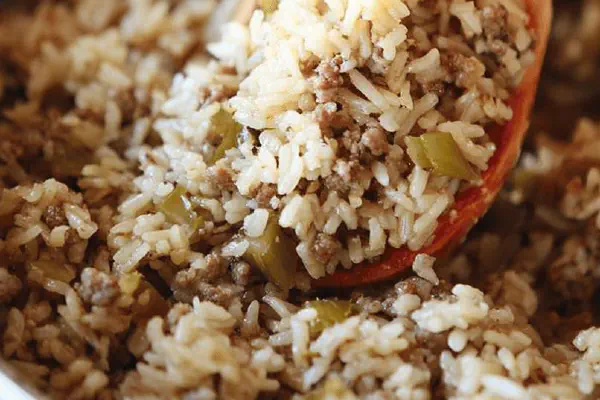
Hearty Spiced Dirty Rice
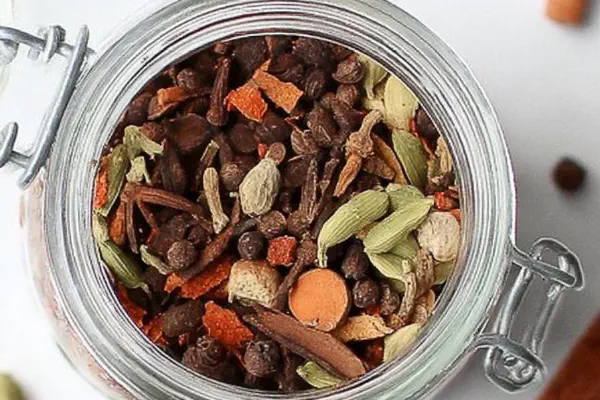
Smoky Pickling Spice Mix

Shrimp Spinach Lasagna

Vanilla Pudding Cupcakes
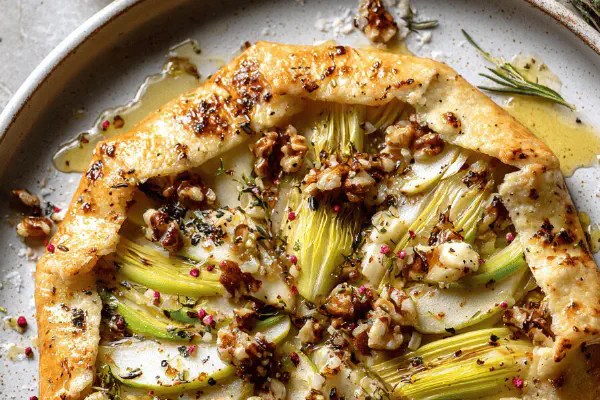
Leek Apple Camembert Galette
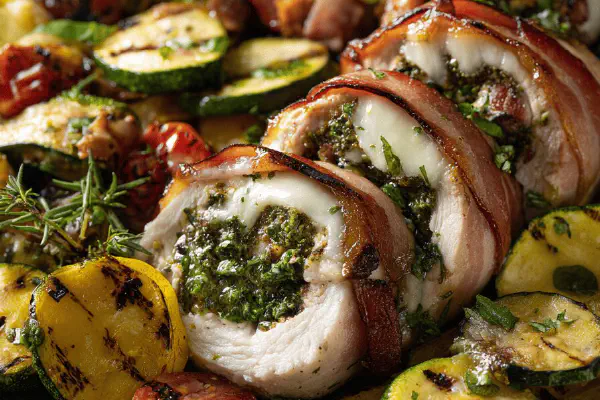
Chicken Roulades Sundried Tomato Parmesan
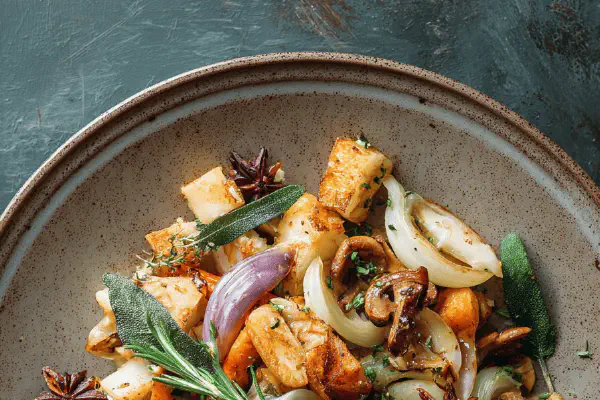
Brown Butter Herb Infusion

Chocolate Chip Swirl Bundt Cake

Hearty Cabbage Roll Bake

Turkey Chilaquiles Twist

Tangy Teriyaki Meatballs
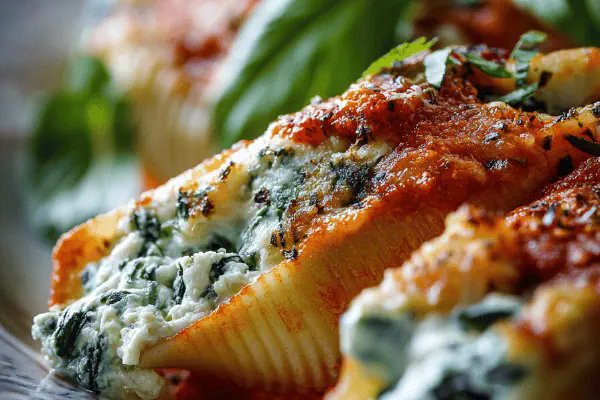
Stuffed Shells with Spinach Ricotta

Savory Meatball Subs
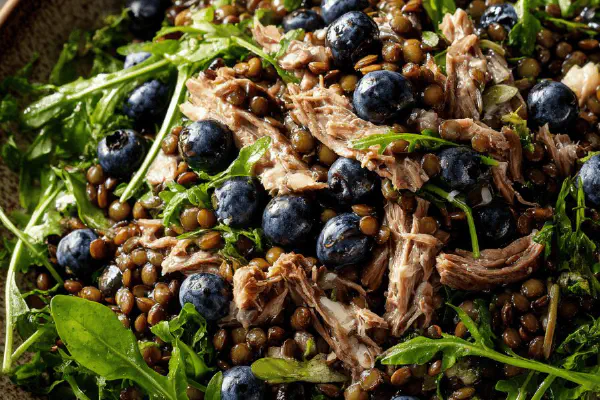
Lentil Salad Duck Blueberry

Rustic Pizza Dough
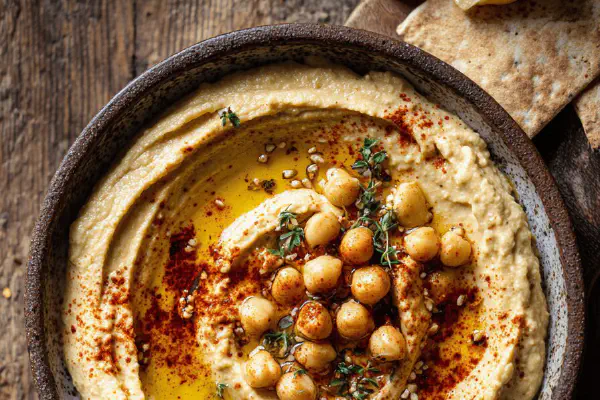
Sesame-free Lemon Garlic Hummus
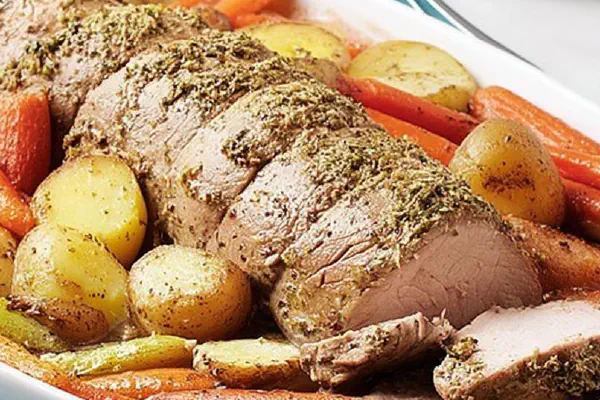
One-Pan Garlic Herb Pork

Grilled Veg & Prosciutto Pizza
Fridge Cleanout Puree

Spicy Shrimp Pizza Twist
Chicken Fricassee Twist
Creamy Twice-Cheese Potatoes