Featured Recipe
Honey Mustard Chicken Twist
By Kate
"
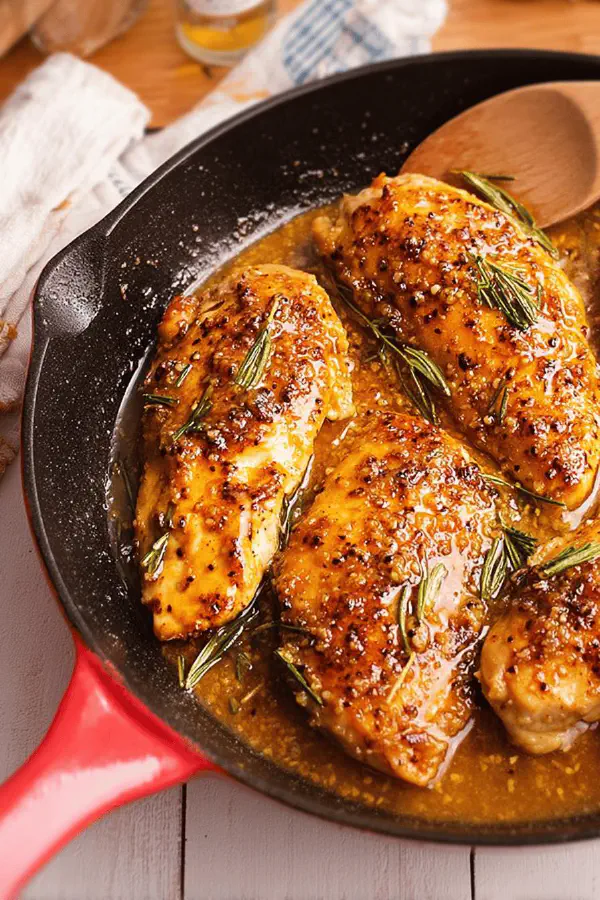
Chicken breasts coated in a honey mustard glaze baked till tender, with swapped vinegar and mustard types plus a hint of smoked paprika. Searing locks juices, rosemary imparts aroma. Focus on tactile cues—firmness, bubbling sauce, and color shifts—as oven timer is a guide. Substitutions work well here: apple cider vinegar for zing, whole grain mustard swapped for spicy brown. Olive oil can be swapped for avocado oil for higher smoke point. Resting meat locks juices, avoiding dryness. Easy skillet to oven workflow; no fuss cleanup. Balanced seasoning offset by sweet and acidic notes—watch that sauce caramelize but not burn.
"
Prep:
6 min
Cook:
35 min
Total:
41 min
Serves:
4 servings
chicken
dinner
easy recipes
American cuisine
Introduction
Don’t rush this. High heat sear first, then gentle oven roast to finish. Quick honey mustard glaze with tang and slight heat from spicy brown mustard—not your usual sweet-only profile. Apple cider vinegar replaces white vinegar for subtle fruitiness. Watch that sauce bubble develop around chicken; visual cue that glaze has caramelized. Rosemary infuses aroma while baking, fresh sprigs release oils over time. No thick heavy sauce required. This is about balance—crispy edges from sear, tender flesh underneath. Simple pantry staples, a skillet, and a bit of patience. Avoid soggy chicken by patting dry and not crowding skillet. You’re learning to read the meat, the sauce bubbles, the color change—not blind timing. Stay sharp.
Ingredients
In The Same Category · Hearty Mains
Explore all →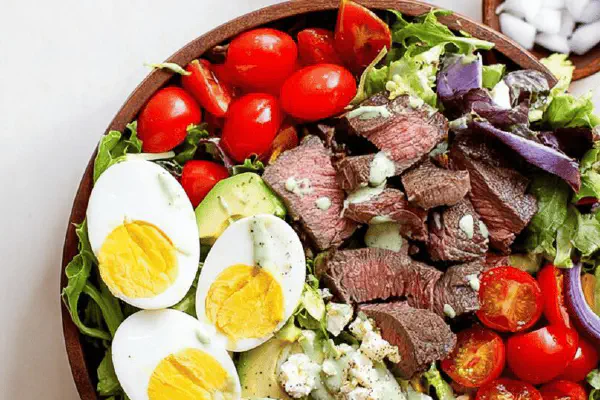
Flank Steak Cobb Salad with Avocado Dressing
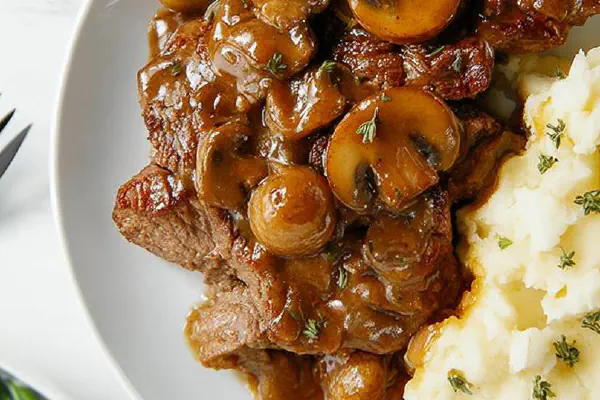
Stovetop Cube Steaks with Mushroom Sauce
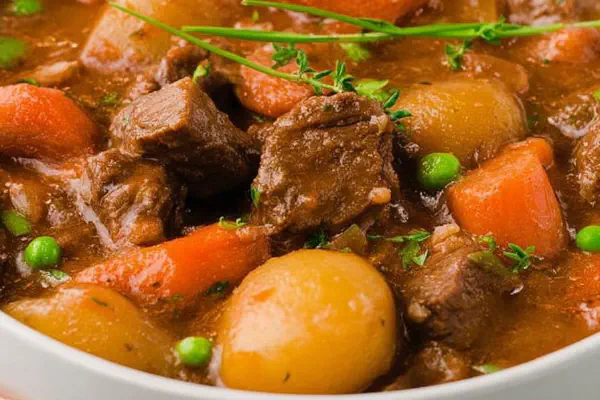
Hearty Braised Beef Stew
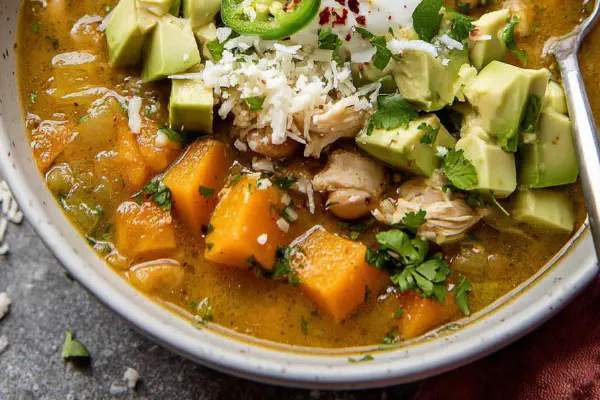
Slow Cooker White Chicken Chili
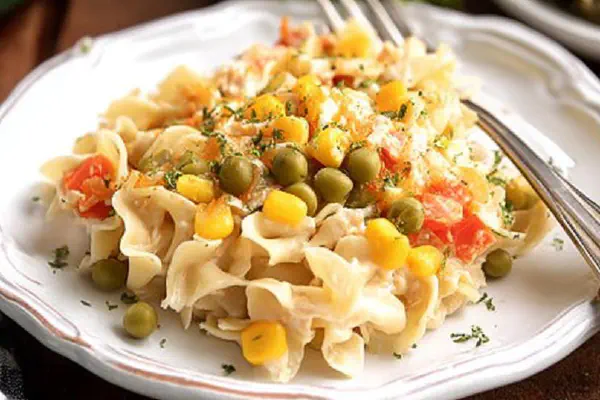
Creamy Chicken Noodle Bake
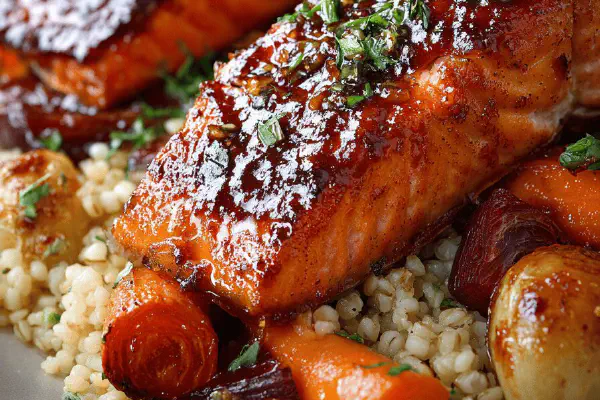
Beer Maple Glazed Salmon

Smothered Chicken Twist
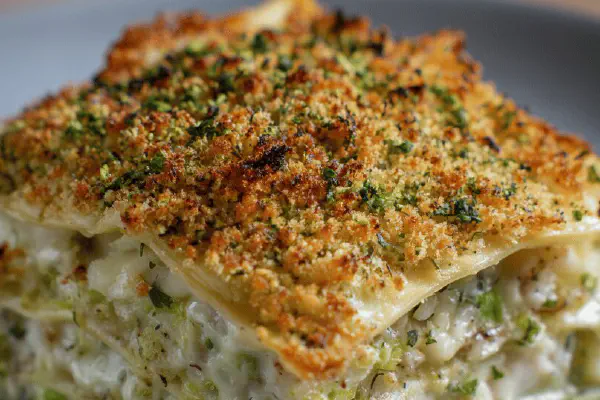
Pea Fish Lasagne Twist
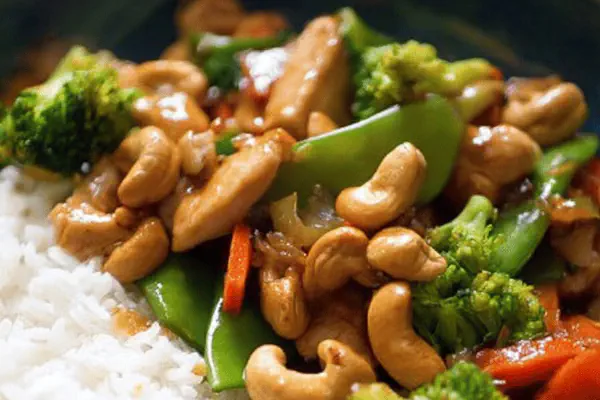
Cashew Chicken Stir-Fry Remix
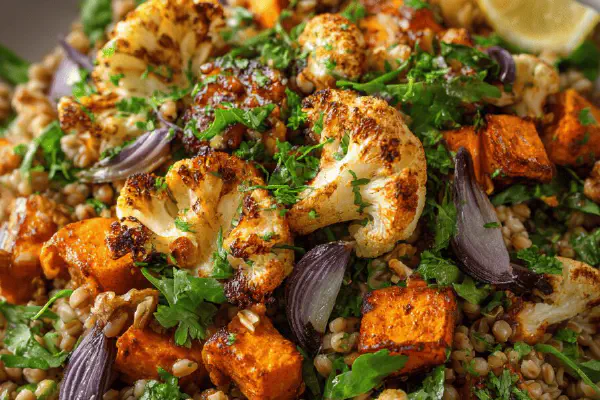
Barley Cauliflower Sweet Potato Salad
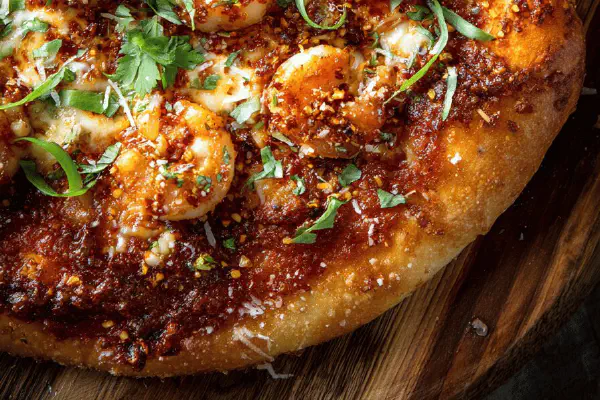
Spicy Shrimp Pizza Twist
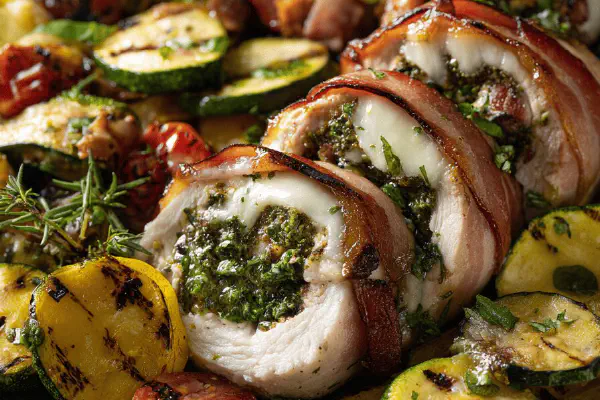
Chicken Roulades Sundried Tomato Parmesan
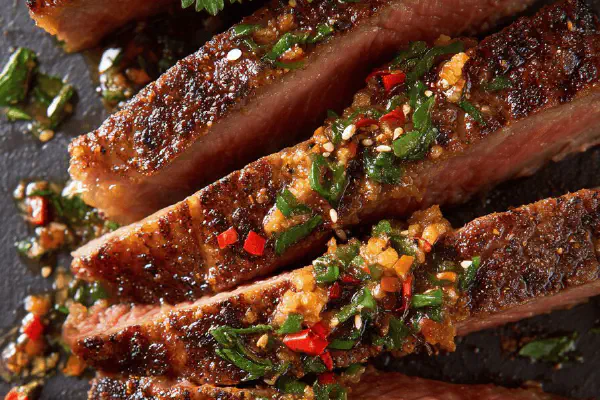
Spiced Beef Steaks
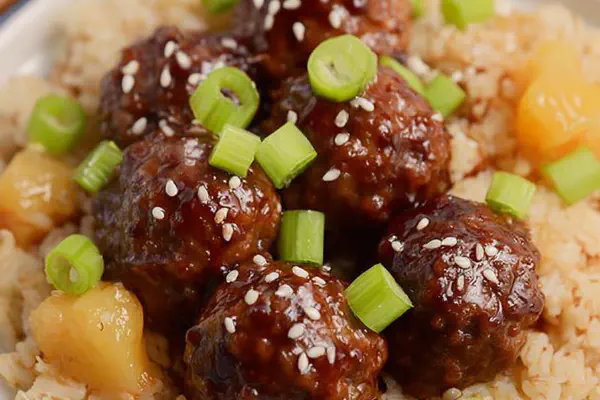
Tangy Teriyaki Meatballs
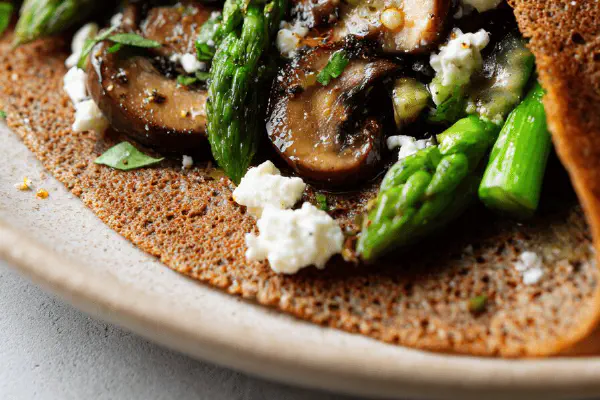
Buckwheat Crepes with Asparagus
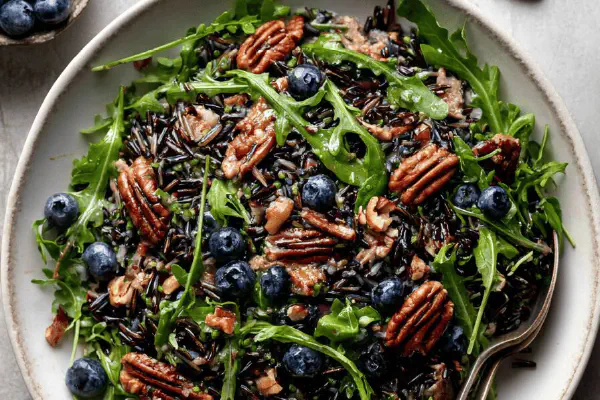
Wild Rice Duck Salad
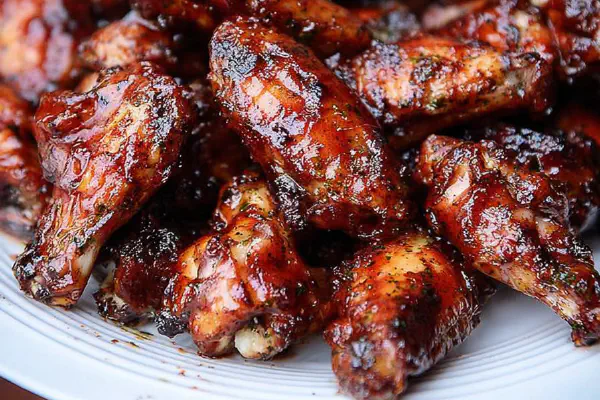
Spiced Smoked Hickory Wings
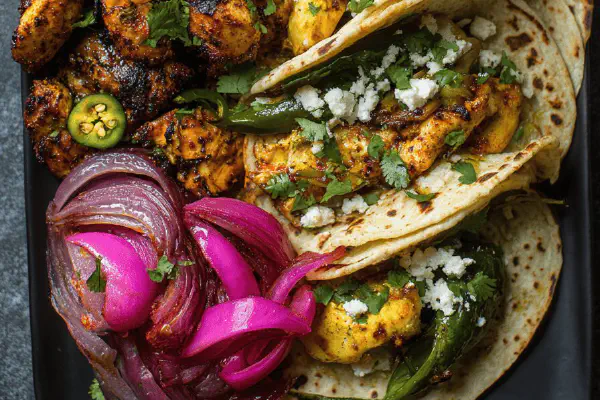
Oven Chicken Fajitas Twist
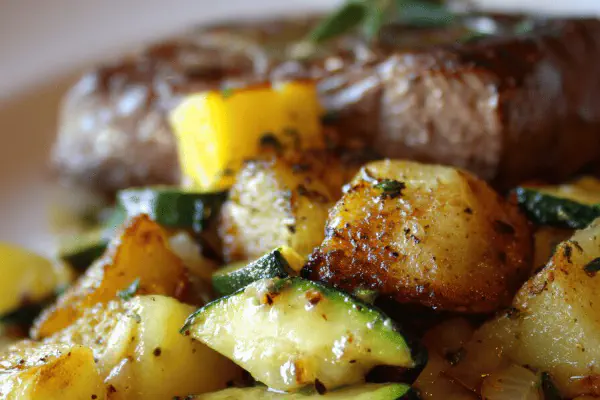
Beef Steak with Crispy Potato Zucchini
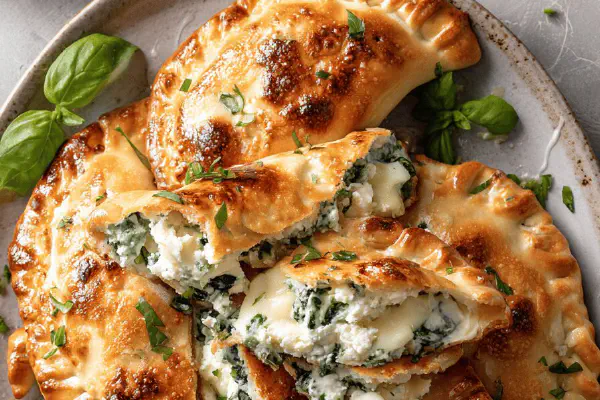
Ricotta Spinach Calzones
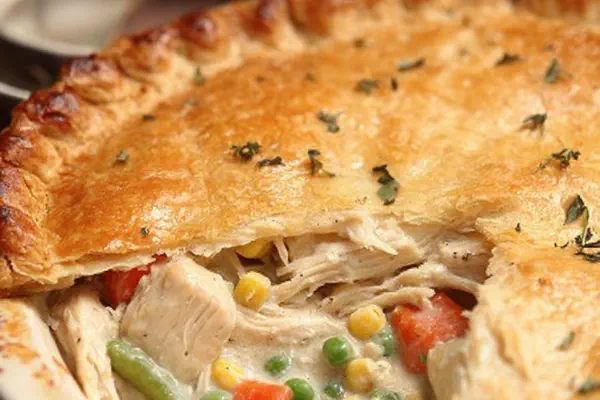
Creamy Chicken Pot Pie
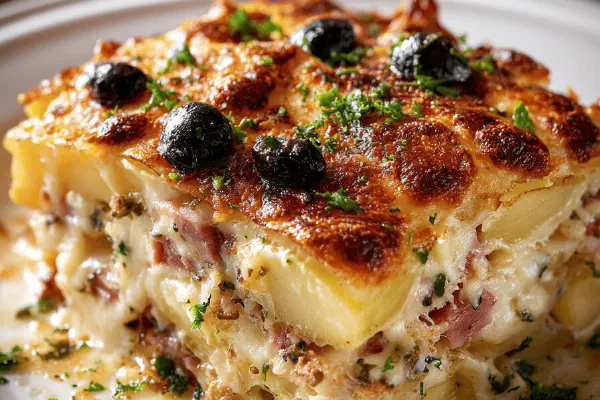
Potato Ham Au Gratin
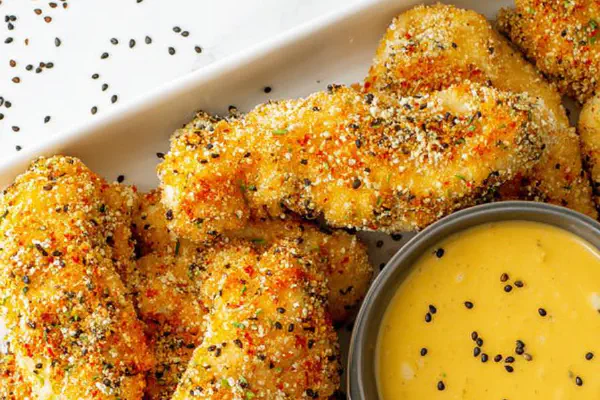
Crunchy Herb Chicken Strips
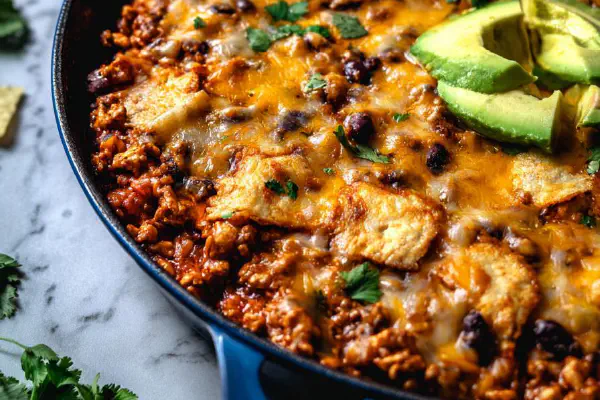
Turkey Taco Skillet Twist
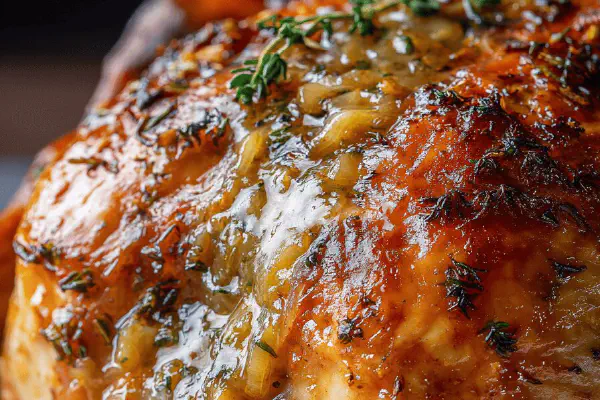
Onion Soup Turkey Roast
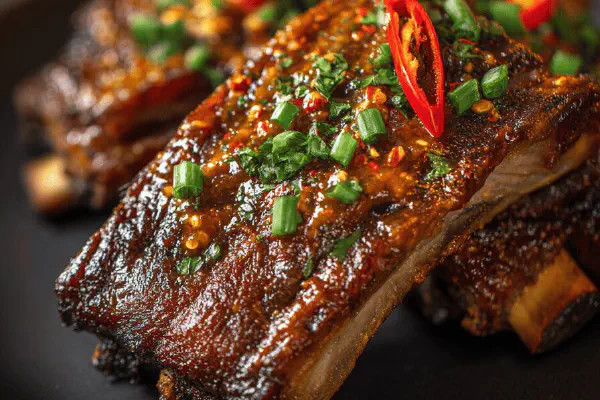
Tex-Mex Pork Ribs Remixed
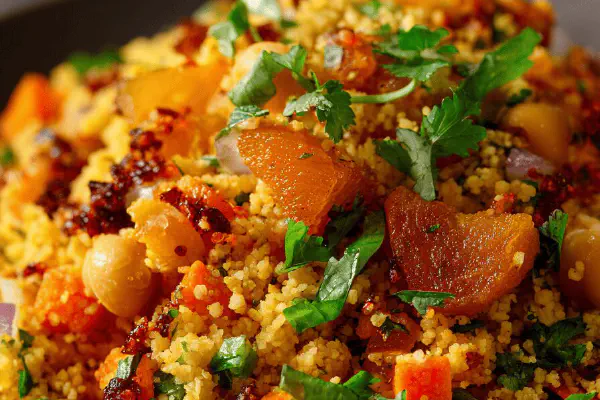
Couscous with Apricots Veggie

Shrimp Creole Remix
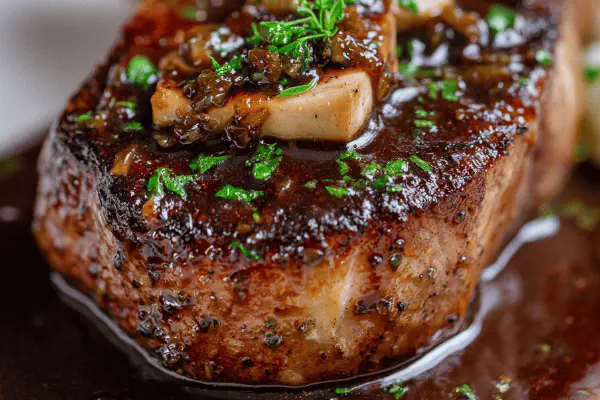
Twist Bordelaise Sauce
About the ingredients
Use boneless chicken breasts, patted dry — moisture ruins sear. Substituting avocado oil for olive oil provides higher smoke point, important to avoid burnt oil flavor at sear stage. Swapping apple cider vinegar adds mild fruity acidity unlike sharp white vinegar. Using spicy brown mustard instead of whole grain provides texture and more pungent heat; Dijon balances with smoothness. Smoked paprika replaces plain paprika, adds smoky aroma that elevates the simple spice mix. Garlic salt and onion powder are base seasonings, adjust salt levels with garlic salt carefully—too much and the dish can become overly salty. Fresh garlic essential for pungent background flavor. Fresh rosemary preferred but if using dried, add halfway through bake to prevent bitterness. Soy sauce deepens umami; tamari is good gluten-free sub.
Method
Technique Tips
Start cold oven sauce assembly after sear. This stops overcooking sauce ingredients prematurely. Watch oil shimmer—not smoke—as key sear start point. Waiting enough to develop that browned crust ensures flavor; under-seared chicken will stew instead of roast. Short sear time ensures cook-through oven finish without drying. Pour evenly distributed sauce rather than spooning on thickly—this promotes even caramelization. Check doneness visually using juices clarity and jiggle test; thermometer is safety but texture feeling is reliable. Resting chicken after bake avoids juices squeezing out on cutting. Sauce bubbling when removed should be thick but loose—can simmer down 1-2 minutes if too thin. Leaving uncovered lets top crisp; tent loosely post bake keeps temps steady while resting. Rosemary sprigs provide aromatic steam and slight herbal bitterness balance; remove before serving.
Chef's Notes
- 💡 Start with dry chicken—important! Moisture means no good sear. Pat well with paper towels; every bit counts. Watch oil shimmer before adding.
- 💡 Searing needs attention. Wait until crust forms, resist urge to move chicken too soon. 1-2 minutes each side; golden color matters here.
- 💡 Sauce too thin? Simmer a few minutes on stovetop; it should thicken but not burn. Look for bubbles, indicates caramelization.
- 💡 Don’t overcrowd skillet. Steaming instead of roasting happens if pan is packed tight. Work in batches if needed; space is your friend.
- 💡 Resting time is crucial. 7-10 minutes lets juices redistribute—cut too soon and everything runs out leaking flavor.
Kitchen Wisdom
What if my chicken is dry?
Check sear. Too hot? It burns. Resting helps. Always. Next time, reduce cooking time if thin.
How can I substitute ingredients?
Use vinegar or mustard types based on taste. No rosemary? Fine; skip or use half dried.
What to do about leftovers?
Store in fridge; keep covered. Reheat gently; dry out happens easily. Check moisture on reheating.
Can I use frozen chicken?
Yes; thaw first. Cook time increases, check juices for clarity—raw shows clear but undercooked.
You’ll Love These Too
Explore all →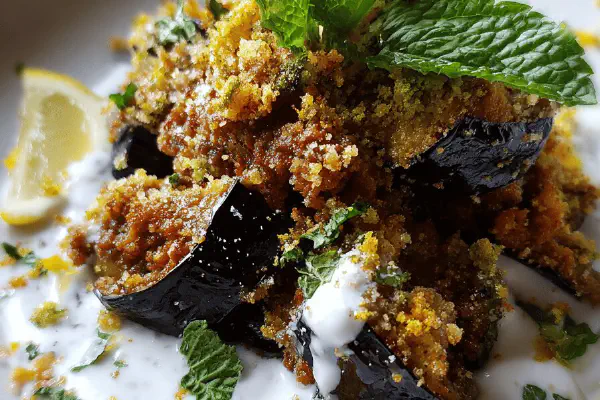
Eggplant Moussaka Remix
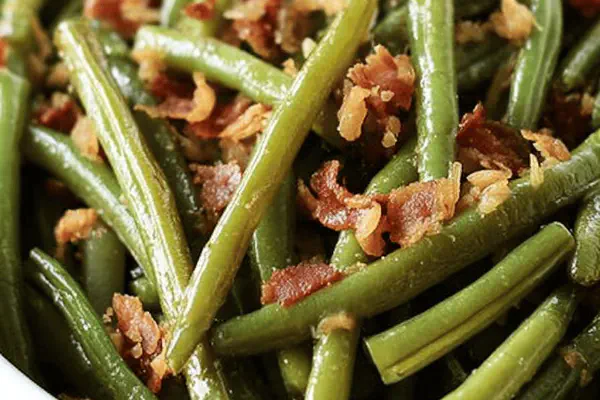
Green Beans with Bacon Twist
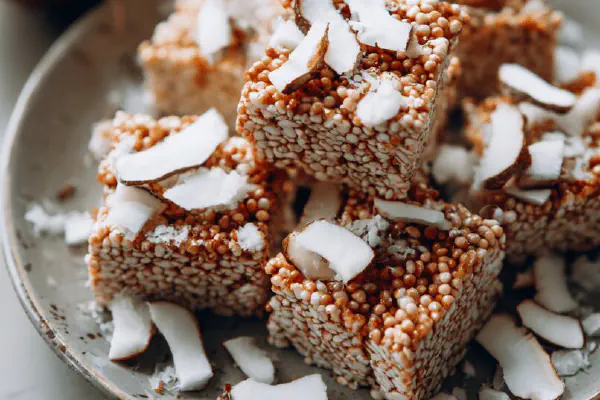
Marshmallow Rice Crispy Bars Twist
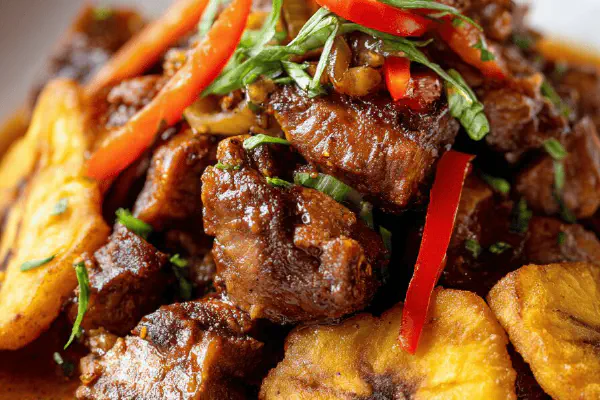
Twisted Griot du Agrikol
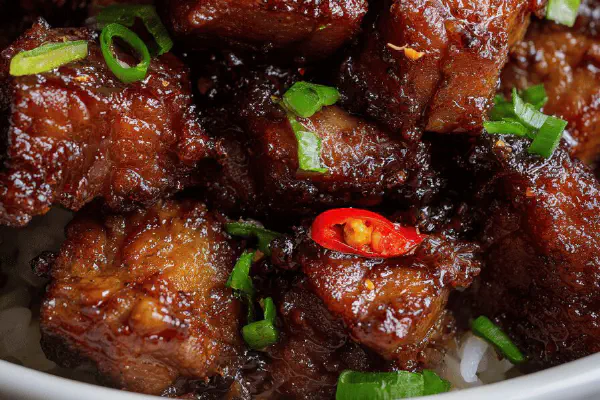
Caramelized Vietnamese Pork
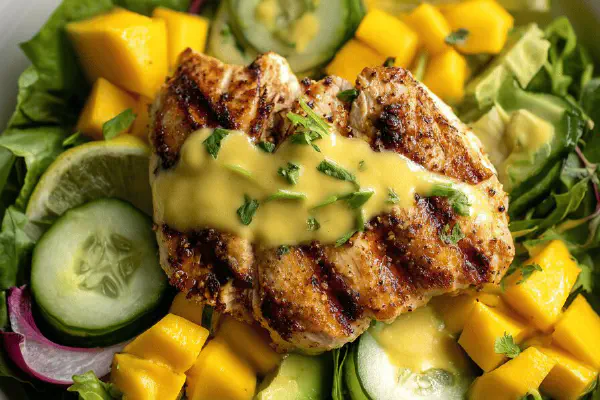
California Chicken Salad Twist
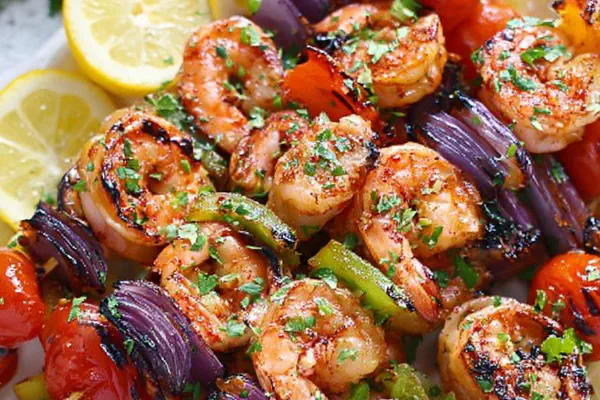
Garlic Shrimp Skewers Twist
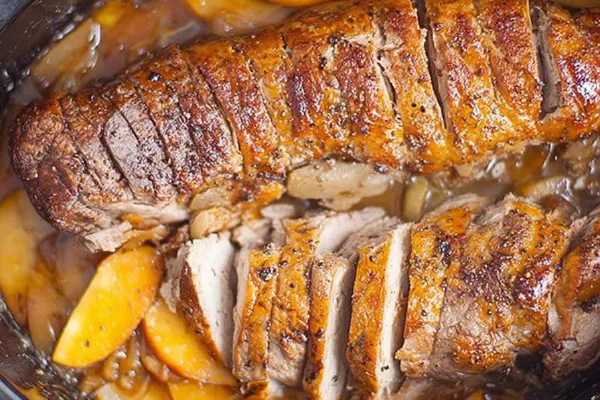
Slow Apple Pork Tenderloin

Twisted Negroni
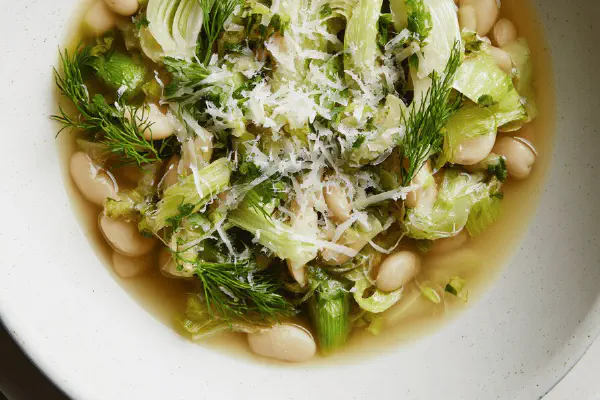
White Minestrone Twist
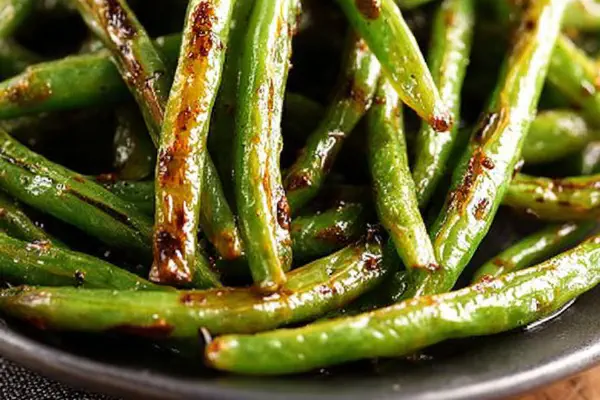
Roasted Spiced Green Beans

Warm Broccoli Blood Orange Salad
Spiced Smoked Hickory Wings
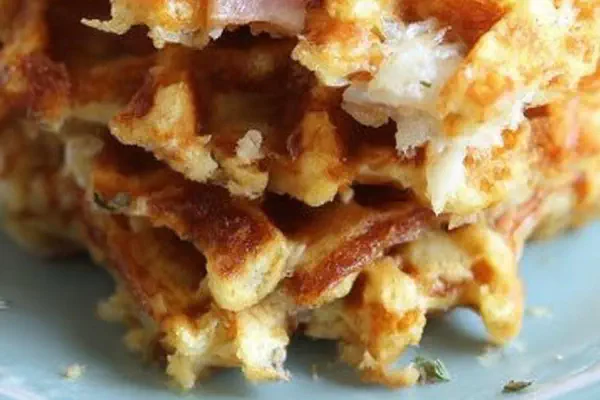
Ham Cheese Waffles Twist

Oreo Poke Cake Remix

Panettone French Toast Twist

Modified Citrus Cooler

Duck with Pomegranate Glaze
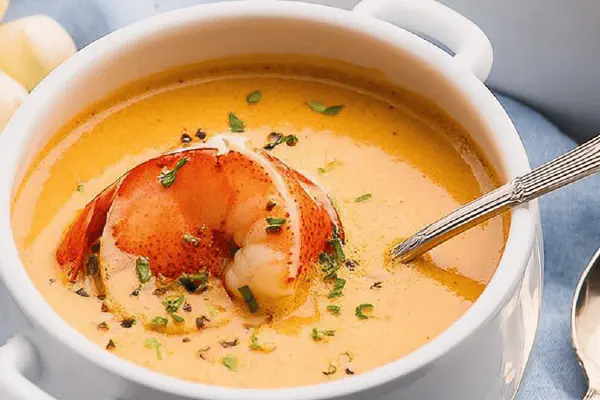
Lobster Bisque Reworked
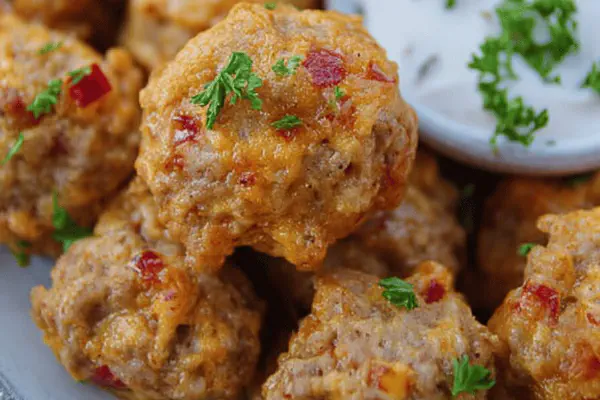
Pimento Cheese Sausage Balls Twist

Single-Serve Chunky Chip Cookie
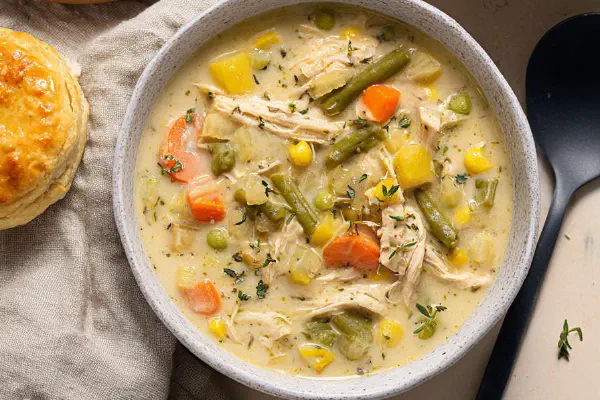
Slow Cooker Chicken Pot Pie Soup Remix
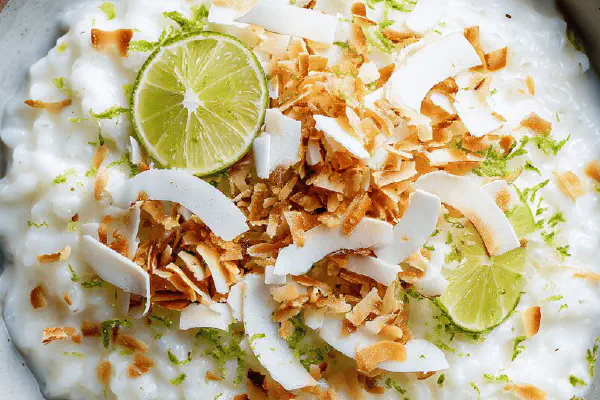
Creamy Coconut Rice Pudding
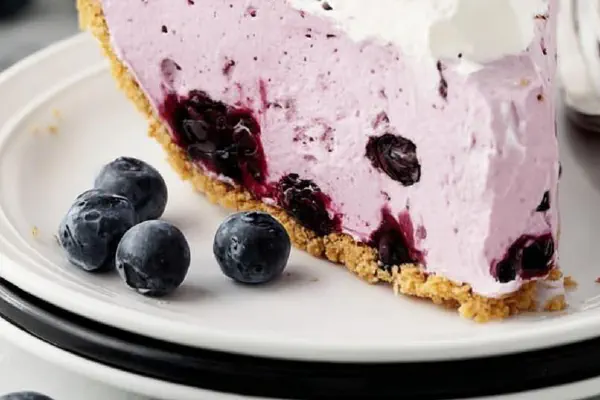
No Bake Berry Cream Pie
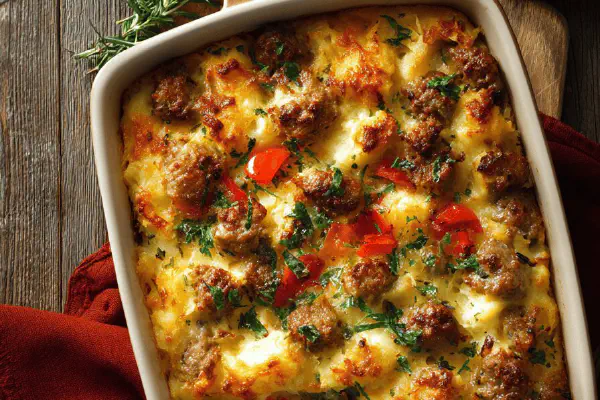
Sausage Shepherds Pie
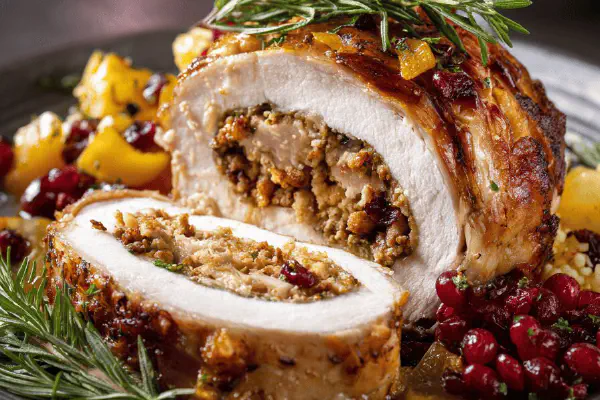
Holiday Turkey Roast
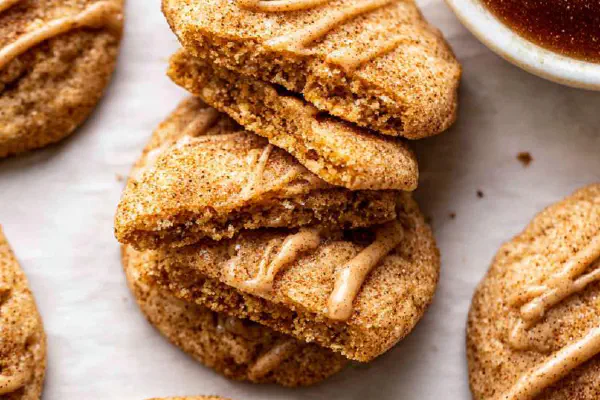
Apple Butter Snickerdoodles
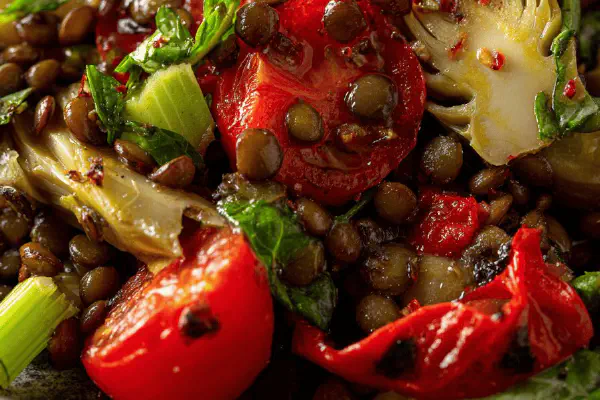
Lentil Veggie Salad Twist

Spiked Eggnog Cookies