Featured Recipe
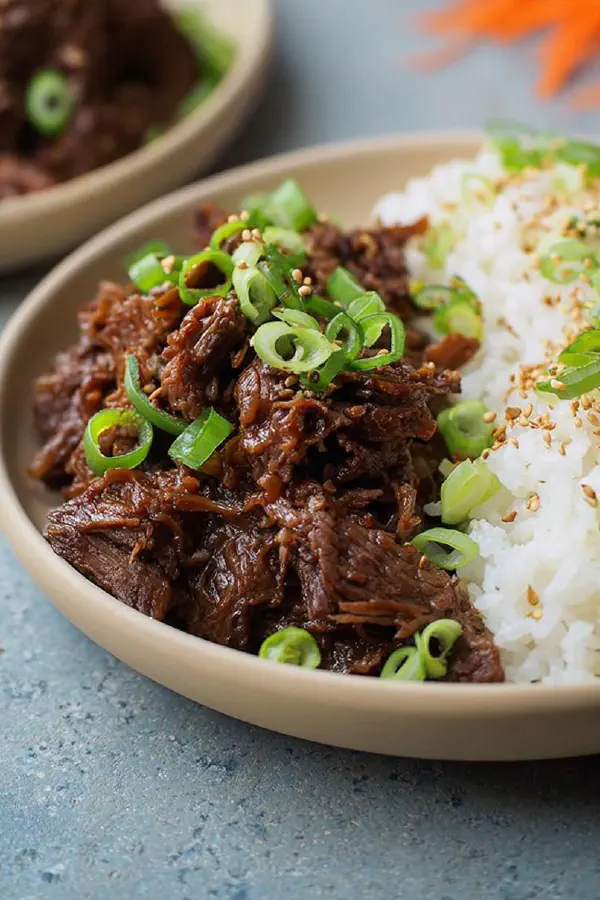
Instant Pot Korean BBQ Beef
By Kate
"
Brown beef chunks in batches to avoid steaming. Pears add natural sweetness and tenderizing enzymes. Swap brown sugar with maple syrup; replace chile sauce with gochujang for more heat and depth. Onion provides aroma and body. Pressure cook for about 55 minutes, allowing natural release before quick release. Strain sauce, thicken with cornstarch slurry, then toss shredded beef back in. Serve with rice or kimchi. Practical tips on browning, batch cooking, and sauce recovery to avoid bitterness or sourness from overcooked bits. A reliable approach to Korean-style beef with a subtle twist.
"
Prep:
20 min
Cook:
35 min
Total:
55 min
Serves:
6 servings
korean cuisine
beef recipes
instant pot cooking
Introduction
Browned meat to lock flavor and texture. Batch cooking matters; avoid that steaming trap when overcrowded. Pear isn’t just sweetness; it works magic as a tenderizer through enzymes breaking down tough fibers. Substituting maple syrup instead of brown sugar refreshes the profile with mild caramel tones and less stickiness. Gochujang ups the heat, a slow-building fire that plays nice with soy’s saltiness. Toss in onions whole for subtle texture contrast. Pressure cooking cuts hours to under an hour but timing is flexible; listen to meat texture, not just clock. Post-cook sauce must be strained—no gritty surprises here. Thicken carefully, coat beef fibers, not drown. Serve plain rice or kimchi sidekick to balance richness and heat. Kitchen notes: don’t skip browning or you lose layers of flavor. Have patience in adjusting seasoning after shredding; beef absorbs fast. This is about precision, not shortcuts.
Ingredients
In The Same Category · Hearty Mains
Explore all →
Slow Cooker Instant Oven Shredded Chicken
Sole Potato Casserole
Rustic Vegan Gluten-Free Pâté

Chicken Fettuccine Twist

Beef Enchiladas Remix

Stuffed Chicken Rolls with Sun-Dried Ricotta
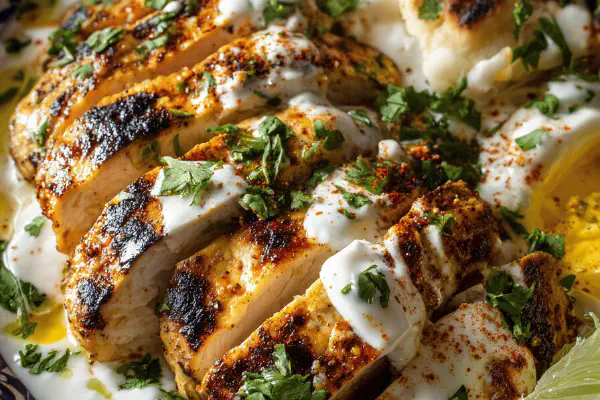
Shish Taouk Chicken Twist
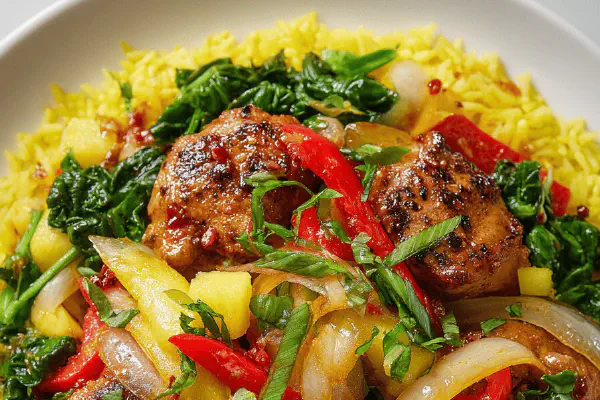
Chicken Papaya Stir-Fry
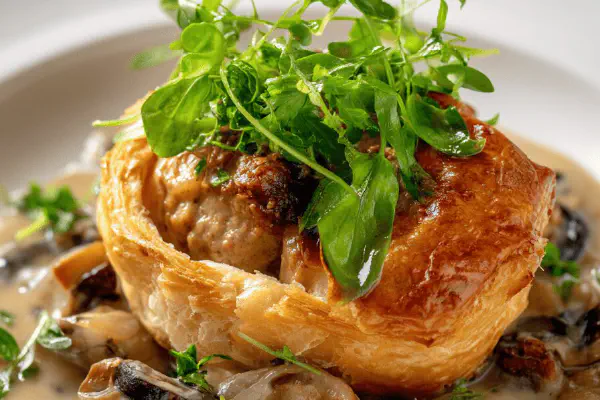
Veal Sweetbreads with Mushrooms
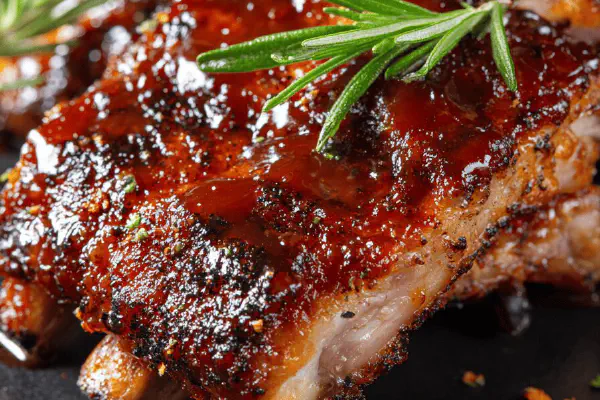
Pressure Cooker BBQ Ribs Twist
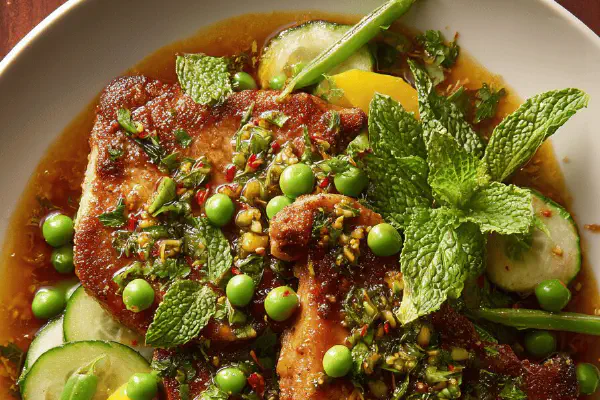
Pork Chops Sweet-Sour Sauce
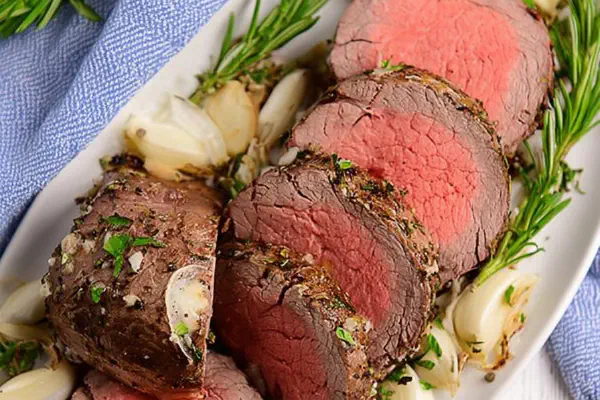
Herb Garlic Beef Tenderloin
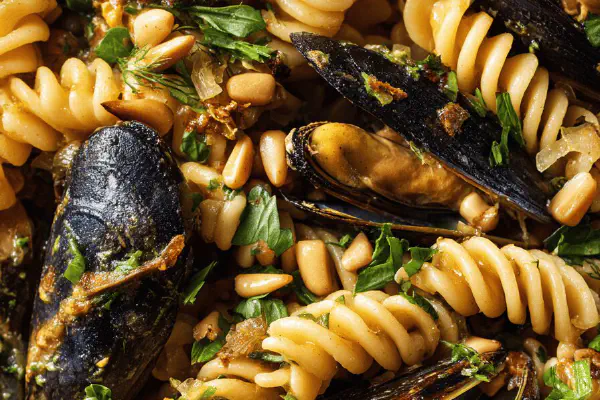
Curried Mussels Fusilli
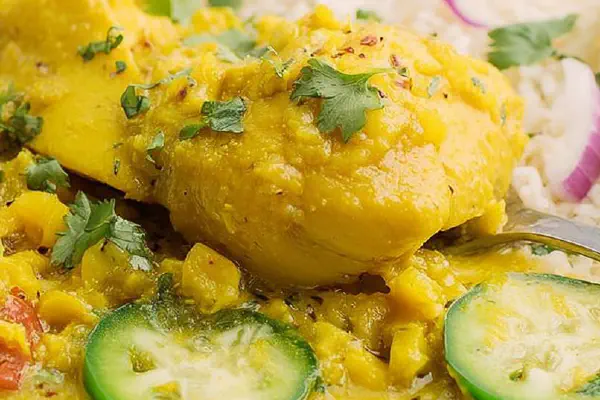
Zesty Chicken Curry Twist

Creamy Shrimp Alfredo Remix
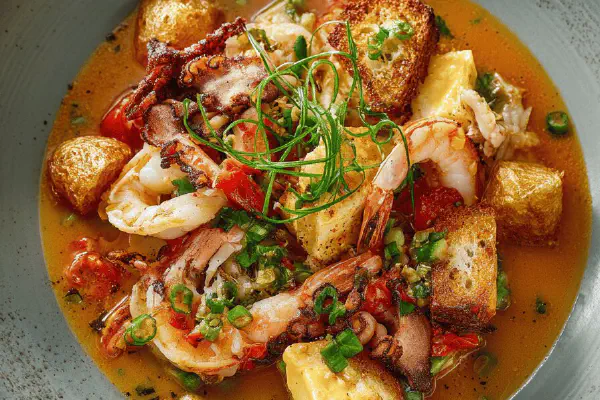
Rustic Bouillabaisse Variation
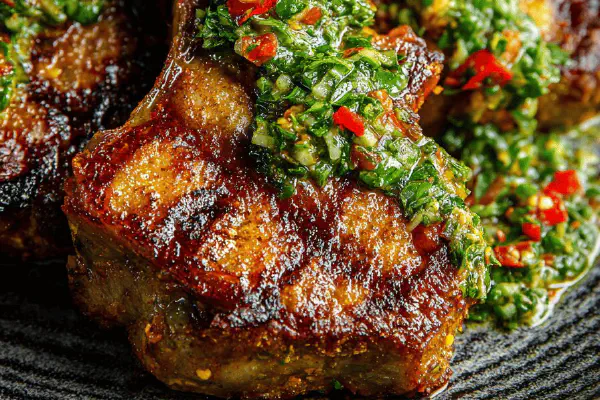
Lamb Chops with Mint Gremolata

Sausage Pepper Shells
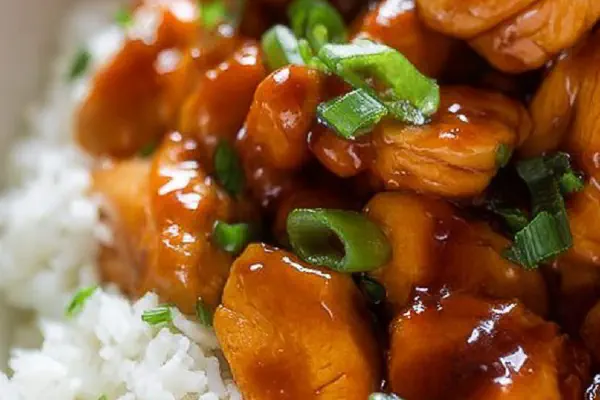
Spicy Honey Chicken Remix
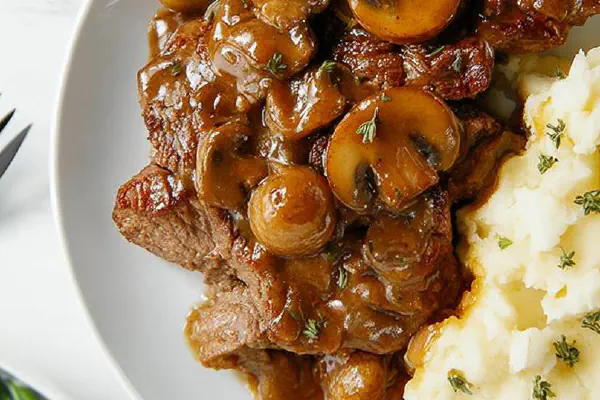
Stovetop Cube Steaks with Mushroom Sauce
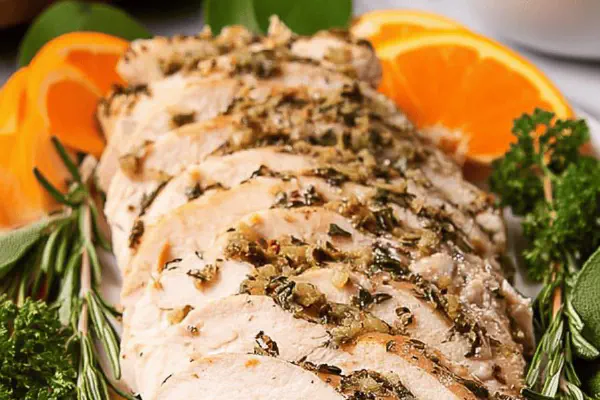
Roast Turkey Breast Twist
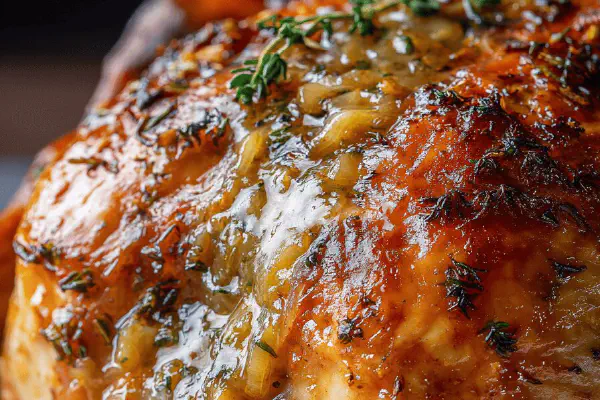
Onion Soup Turkey Roast
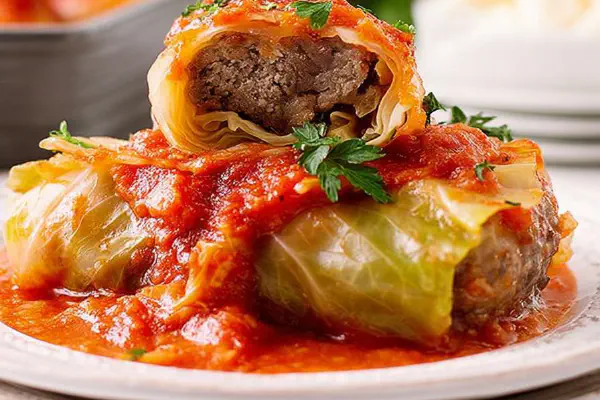
Twisted Cabbage Rolls

Mango Chicken Boudreault Style
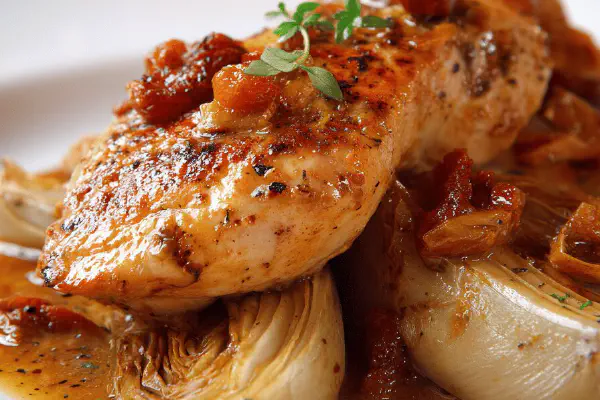
Beer Chicken with Apricots

Chicken And Andouille Gumbo
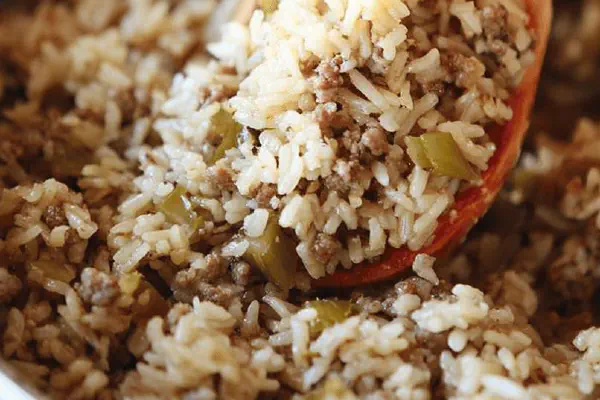
Hearty Spiced Dirty Rice
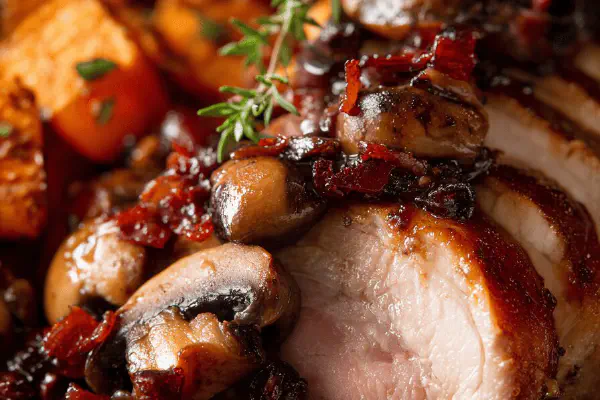
Pork Rack Squash with Mushroom-Cranberry Sauce

Slow Cooker Chicken Gravy Mixup
About the ingredients
Lean chuck roast cut to uniform chunks for even cooking. Salt and pepper seasoning straightforward, no extras; complexity comes from sauce. Pear is key tenderizer, Asian pear preferred but Bosc or ripe apple provide workable substitutes. Maple syrup substitutes brown sugar for nuanced sweetness without granulated texture. Gochujang introduces fermented chili depth, replaceable by sriracha if unavailable but flavor shifts toward sharper heat. Yellow onion adds sweet onion aroma and texture but sliced thick enough to strain out easily when overcooked to pulp. Fresh grated ginger keeps brightness. Cornstarch slurry essential thickener to bind sauce without clumping. Water to loosen sauce for pressure cooking; too little = burn risk, too much = faded flavors. Oil with high smoke point like canola or vegetable prevents burning during saute. Avoid olive oil for searing—it smokes early, dulls meat browning.
Method
Browning beef
- Set Instant Pot to saute on medium-high. Wait till oil shimmers but not smoking. Toss beef chunks with salt and pepper evenly. Brown beef in batches to prevent crowding—crowded meat steams, no browning. Do about half the meat at once. Brown edges deep mahogany, about 3 minutes per side. Listen for steady sizzle; if noise softens, oil too cool. Set browned beef aside on plate.
- In medium bowl, whisk grated pear, soy sauce, maple syrup, gochujang, and grated ginger until smooth. Toss sliced onion in for aroma and texture. Pour the mix over browned beef inside pot. Add one cup water. Use spatula to scrape any browned bits off pot bottom; those carry flavor, essential to avoid burn warnings later.
- Lock lid, seal valve. Program manual high pressure for 55 minutes. You want meat fall-apart tender. Natural pressure release 15 minutes to keep juices locked. Then quick release any remaining pressure. Open lid carefully; hot steam aroma will hit. Beef should be shreddable with fork pressure, not rubbery or stringy.
- Remove meat with slotted spoon to bowl. Use two forks to finely shred—muscle fibers will give way with slight pull. Next strain sauce through fine mesh; discard onion and pear solids that overcooked into pulp. Return clear sauce to pot on 'keep warm'. Whisk cornstarch with cold water until no lumps. Slowly stir slurry into simmering sauce, stirring constant until sauce thickens enough to coat spoon lightly. Fold shredded beef into sauce, toss evenly so fibers soak up glaze.
- Plate over steamed rice or alongside fermented kimchi to cut sweetness. If no pear, try finely grated apple but expect less tenderizing. Dark soy sauce works if low sodium is unavailable, just reduce added salt. Overcrowding meat at browning stage leads to pale, dry beef—worth the extra step and patience. Straining sauce eliminates gritty texture, keeps final mouthfeel velvet smooth.
- Cleanup notes: soak strainer immediately after for easy removal of fibrous bits. If sauce is too thin, a second cornstarch slurry can be added but do gradually to avoid gumminess.
- Variation thought: add sliced mushrooms with onions for extra umami. For fresher heat, sprinkle minced fresh chiles after shredding beef. Keep a cone filter or cheesecloth handy if your strainer is loose.
Prepare sauce and combine
Pressure cooking
Shred and thicken
To serve and tips
Technique Tips
Saute function at medium-high heat to brown meat properly. Watch oil temperature—peaks at light shimmer, not smoking. Brown beef pieces in batches, ideally no more than half crowd the pan to avoid steaming and pale meat. Simple salt and black pepper seasoning to taste only, avoids overwhelming the sauce’s complexity. Once sauce ingredients mixed, pour over browned meat along with water to prevent burn warning from thick sauce settling. Pressure cook on high for about 55 minutes—check doneness by meat shredding, not time alone. Natural pressure release important for better juice retention and texture. Straining sauce after cooking removes fibrous solids that texture deteriorates mouthfeel. Prepare cornstarch slurry by mixing slurry cold water first then stir in slowly to hot sauce to prevent lumps. Toss shredded beef with thickened sauce to fully coat fibers for tender bite. Serving with rice or kimchi balances sweet, salty, hot sauce layers. Practical tips: scrape pot base before closing lid, prevents burn errors. Use two forks for shredding rather than knives to preserve juicy strands. Adjust seasoning after shredding, meat absorbs sauce seasoning quickly.
Chef's Notes
- 💡 Brown beef for flavor. Pat dry for better browning. Don’t Cram. Half batches. Steaming ruins texture. Look for deep color, not softness. Listen to sizzle.
- 💡 Use Asian pear; magic for tenderness. If absent? Bosc pear works. Ripe apple, too but differs. Maple instead of brown sugar; for gentle sweetness avoiding grit.
- 💡 Watch consistency when adding cornstarch slurry. Mix cold; gradually into simmering sauce. Not clumpy. Too much, sauce can be gummy. Spread evenly on shredded beef.
- 💡 Common mistake: overcrowding the pot while browning meat. Sounds like it’s burning, but it’s steaming. Less pressure means better taste. Not worth the time saved.
- 💡 Final texture check: should shred easily. No fork needed for force. If beef's too tough? Extra time or check pressure sealing. Adjust liquid during cooking.
Kitchen Wisdom
Can I use a different cut of beef?
Yes, like brisket or sirloin. But cooking time varies. Tougher cuts need longer. Leaner cuts will dry out fast.
What if the sauce is too thin?
Add more cornstarch slurry; stir slowly. Allow to thicken after adding to avoid clumps. Reduce fire for control.
How long can I store leftovers?
Refrigerate for 3-4 days. Freeze in portions for up to 3 months. Reheat gently off frozen, simmer with a splash of water.
How to adjust spice level?
Use less gochujang or find a milder substitute. Add fresh chilies at serving for fire. Consider heat tolerances; be clear.
You’ll Love These Too
Explore all →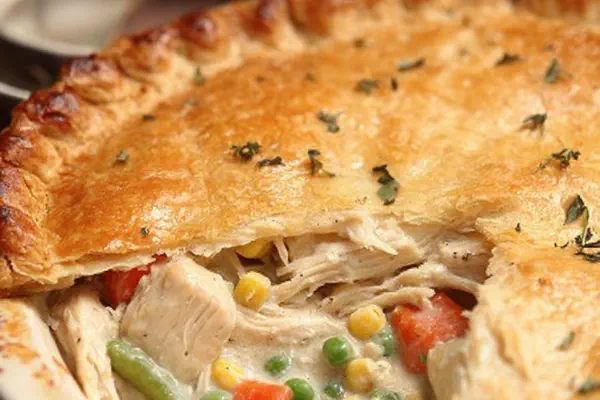
Creamy Chicken Pot Pie

Lavender Wild Blueberry Ice Cream

Freezer Pecan Cookies

Tomato Spinach Frittata Twist
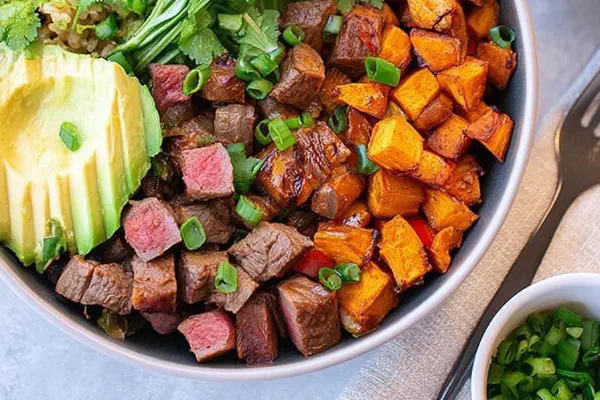
Spiced Steak Sweet Bowl
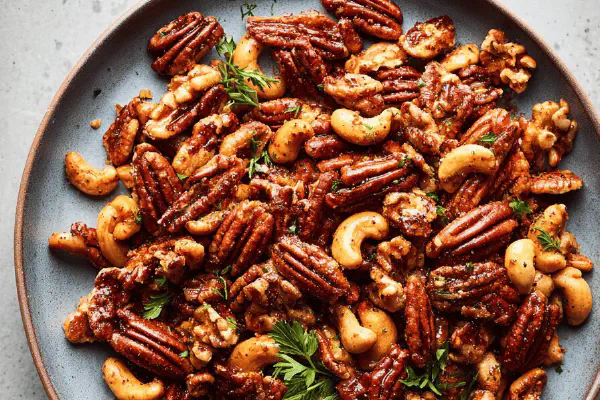
Spiced Nut Mix Twist

Prosciutto Tart Snack

Orange Coconut Mokas

Oysters Coconut Lemongrass

Chunky Buckeye Bites
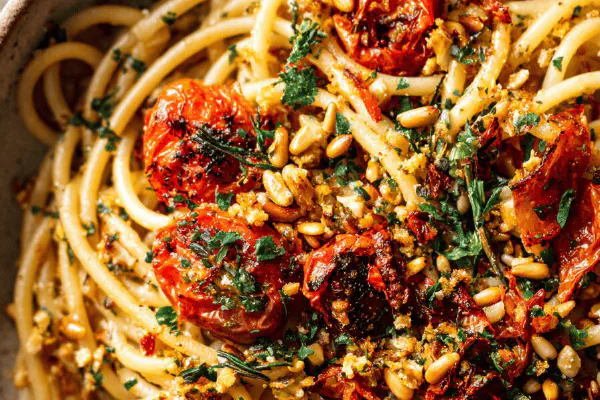
Cherry Tomato Pasta Gremolata
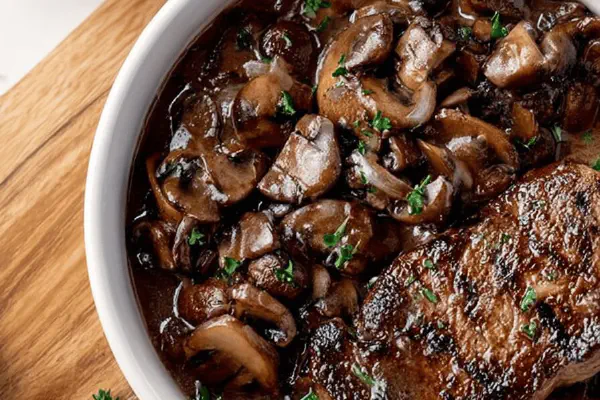
Red Wine Mushroom Sauce
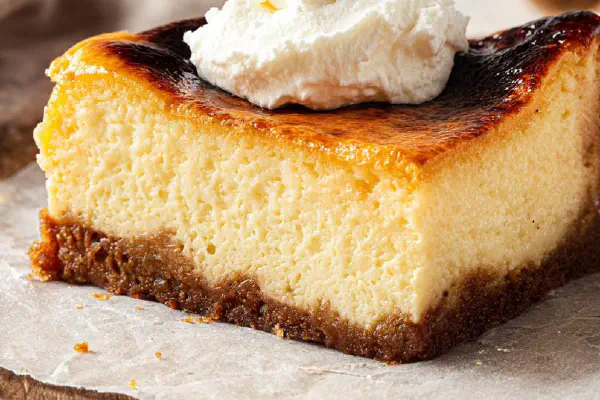
Basque Cheesecake Bars Twist
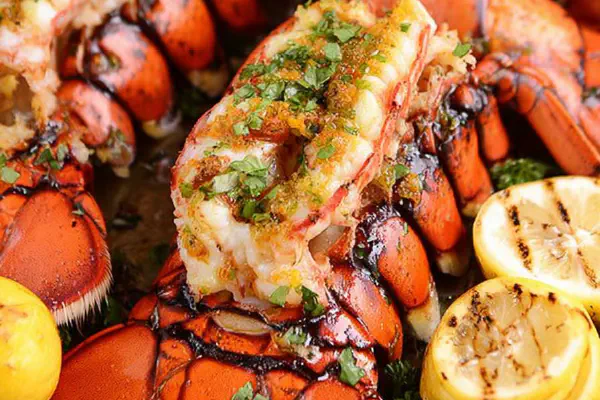
Charred Lobster Tails
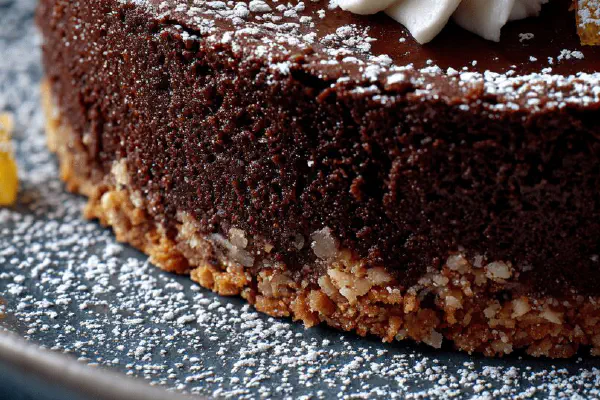
Choco-Orange Truffle Cake

Winter Citrus Kale Salad

Thai Chicken Shrimp Soup
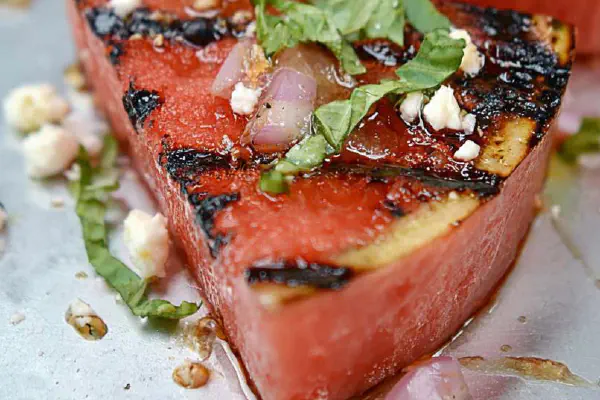
Charred Watermelon Slices
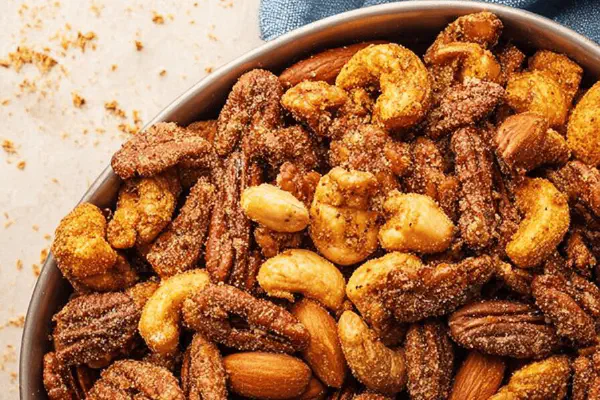
Smoky Spiced Nuts
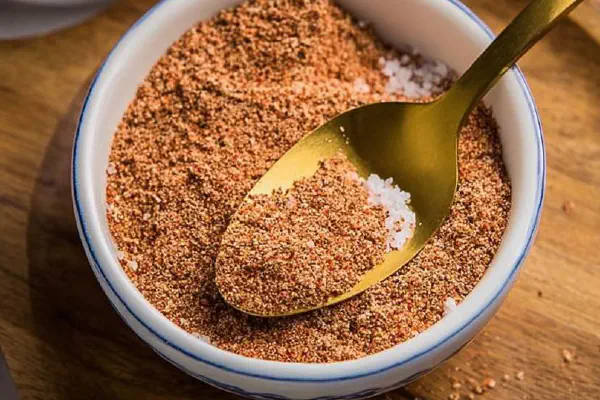
Smoky Citrus Turkey Rub

Savory Ranch Bacon Dip
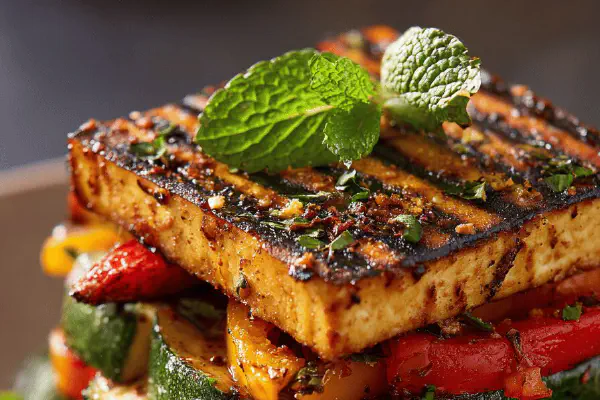
Mediterranean Tofu Veg Stack
Rustic Bouillabaisse Variation
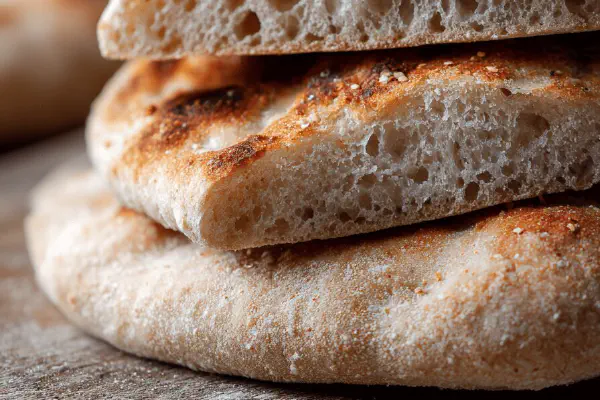
Homemade Rustic Pizza Dough

Spiced Rum Eggnog Crème Brûlée

Million Dollar Chicken Bake
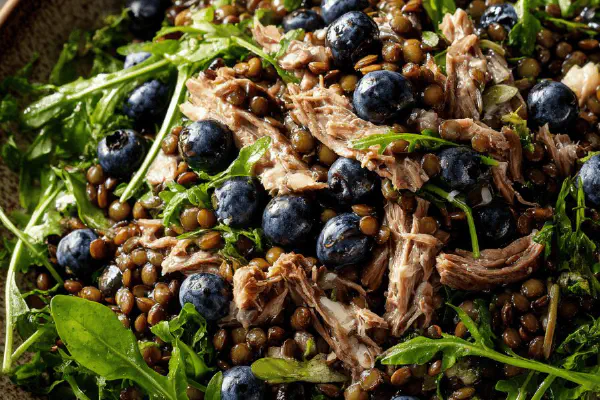
Lentil Salad Duck Blueberry

Air Fryer Apple Hand Pies

Smoked Trout Dill Dip