Featured Recipe
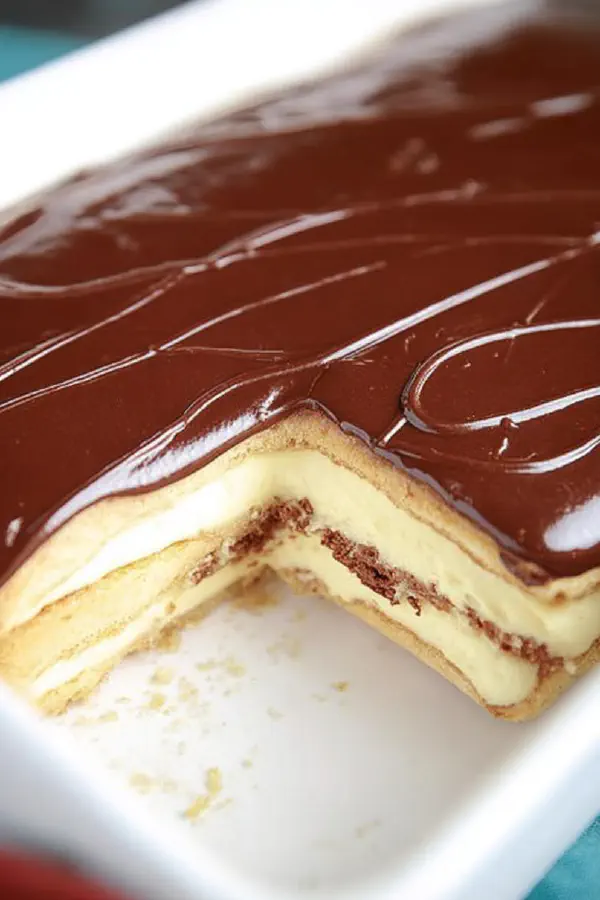
Layered Chocolate Eclair
By Kate
"
Classic layered dessert with pudding folded into whipped topping, stacked between graham crackers, topped with melted chocolate fudge icing. Adapted with altered ingredient amounts and swapped vanilla pudding for chocolate instant pudding mix. Uses coconut whipped cream instead of traditional topping. Layers assembled in 9×13 dish, icing melted gently and poured over top. Chilled until fully set. Approach focuses on textural contrasts, timing cues, and handling delicate cracker layers without sogginess.
"
Prep:
25 min
Cook:
0 min
Total:
Serves:
12 servings
dessert
no-bake
chocolate
layered
Introduction
Instant pudding base thickens fast, catch it early or risk rock-hard clumps. Fold whip with care; it’s about rhythm and touch, not brute force. Crackers break unevenly; keep calm and score edges for less mess. Chocolate icing—too hot melts everything, too cold won’t spread properly. The fridge is your ally here but don’t treat it like a vault; timing matters for softness and slicing. Espresso powder in pudding? Adds depth without bitterness — worth the gamble. Cinnamon lifts dull chocolate notes, subtle but present. Get used to judging doneness by feel and look; the seconds aren’t just numbers but cues. Kitchen smells: cocoa rich, cinnamon warmth, a light sea breeze from coconut whip. This dessert’s texture talks loudest—crisp, creamy, and fudge-slick on top. Preparation is about layering attention, not just ingredients.
Ingredients
About the ingredients
Instant pudding powder is your foundation. Chocolate version brings complexity; vanilla can be swapped if desired but adjust flavorings. Use cold milk to activate instant thickening properly — warm milk causes lumps. Coconut whipped cream impacts mouthfeel dramatically, richer than standard whipped topping; chill it well for optimal folding. Graham crackers provide brittle contrast — don’t soak too long or the dessert becomes mushy. Breaking crackers neatly comes with the right tool and a light tap. Fudge topping is easily replaced with homemade ganache, just mind cooling temperature for pouring. Adding espresso powder elevates chocolate notes to adult flavor territory, omit if kids involved. Cinnamon is optional but gives a gentle aromatic layer. Keep backups of graham crackers for breakage mishaps; better to have extra than scramble last minute.
Method
Technique Tips
Pudding preparation is quick but must be watched closely. Set if surface holds gentle poke but not rubbery. Folding whipped topping slowly retains airiness, which keeps the texture light; aggressive mixing leads to dense, flat mixture. Layering needs speed; pudding starts to set in bowl and stiff layers won’t settle well between crackers. Break crackers so they fill edges flush; prevents air gaps and unstable layers. The icing step is sensitive — microwave in short intervals, stir constantly. Too hot shatters the dry cracker layer under, too cold leaves uneven finish. Pour gently; nail a thin, glossy chocolate cap. Cover right after pouring so no skin forms or fridge odors infuse. Chill timing guides final texture, minimum 3 hours for flavors to marry, but overnight is best. Allow dessert to come off chilling cold briefly before service for easier slicing. Keep knife hot and wipe clean between cuts for neat squares. Common pitfalls: rushed folding, overheating icing, or letting crackers sit too long before pudding layers. Timing and temperature are the pillars of success here.
Chef's Notes
- 💡 Whisk pudding powder into cold milk. Fast whisking is vital. No lumps! Thick like soft peaks. Add optional espresso or cinnamon early. Keep checking texture.
- 💡 Folding whipped topping into pudding needs care. Use a spatula. Up and over motion preserves air. Don't stir hard. Watch temperature — too cold can seize.
- 💡 Layering turns delicate with graham crackers. Break edges with a gentle tap. No pressure, no cracking. Watch for overlapping. Keep layers even, avoid gaps.
- 💡 Microwave fudge topping mindfully. Use 20-second bursts. Stir often for smooth pouring — too hot will break cracker layers. Too cold? Messy spread.
- 💡 Chilling matters. Cover tightly to lock moisture; don’t let odors invade. At least 3-4 hours of rest, overnight improves texture. Ten minutes before slicing, let it sit out.
Kitchen Wisdom
What can I do if my pudding mixture becomes too stiff?
Add a splash of milk; mix gently. Take care to avoid clumps. Don't rush.
Can I use a different milk?
Yes, almond or oat milk works. Adjust time; different absorption rates. Experiment a bit.
What should I do if the buttercream topping is too hot?
Let it cool briefly. If melted, pour carefully. A too thin layer won't adhere well.
How do I store the eclair if there's leftover?
Cover well. Refrigerate; it lasts 3-4 days. Don’t freeze; texture changes.