Featured Recipe
Layered Melon Stack
By Kate
"
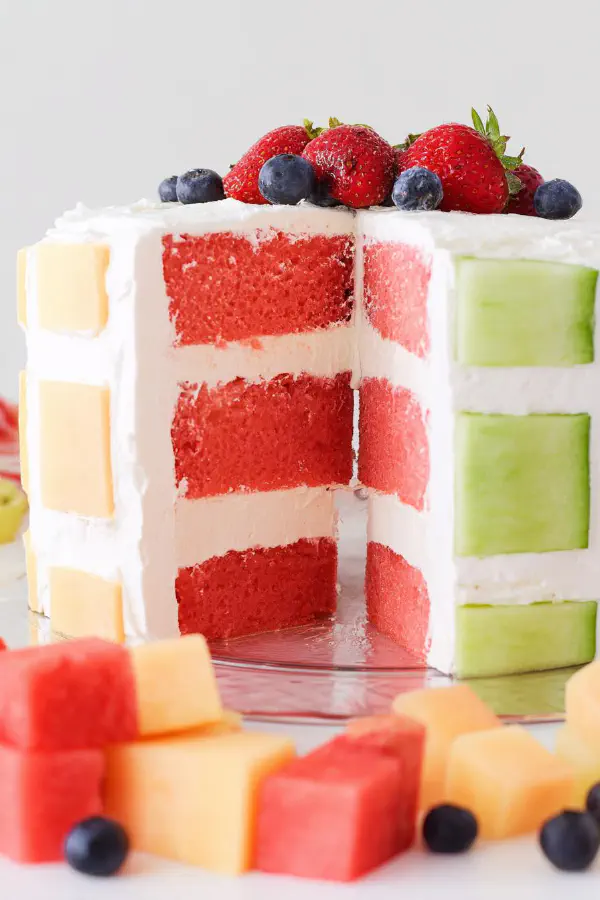
Stacked melons turned alternative cake. Watermelon base, cantaloupe middle, honeydew top. Whipped cream slathered between layers, filling the hollowed centers. Fresh melon balls and blueberries garnish the final product. Serves 8. Low carb, rich in fat from cream. Prep focused on stable slicing, matching diameters, and whipped texture. Chill well. Seeding critical for neatness. Substitute heavy cream with coconut cream for dairy-free. Swap blueberries for raspberries or pomegranate seeds for tart pop. Requires precision in cutting and whipping. Visual uniformity defines success. Tactile cues key to cream peaks and melon integrity.
"
Prep:
35 min
Cook:
0 min
Total:
35 min
Serves:
8 servings
fruit dessert
no-bake
summer recipe
healthy
Introduction
Midway through summer heat, an alternative to dense cakes that demands an eye for precision and steady hands. This melons-only stack—watermelon, cantaloupe, honeydew—layered with whipped cream playing the role of binder and frosting. The juice and texture of each fruit command attention. No baking, no artificial flavors. Just raw, fresh, chilled layers that take patience to assemble. Stability depends on trimming rind, exact thickness, and matching diameters so layers don’t wobble or collapse. The whipped cream plays double duty: cushion and garnish. Melon balls and berries on top for bursts of fresh flavor and texture. A no-flour cake with summer garden vibes. Expect juicy bites, bright colors, and clean, fresh sweetness punctuated by vanilla-scented cream. Chill before serving to unify flavors and firm up the stack.
Ingredients
About the ingredients
Melon selection is key—pick firm, ripe fruits with minimal seed count. Seedless watermelon avoids tricky seeding but any melon with many seeds needs careful removal to prevent soggy or bitter patches inside the stack. Use a sharp large knife for clean slab cuts; blunt knives bruise the melon and cause juice loss. Heavy cream must be cold for optimal whipping volume. Vanilla extract provides subtle aroma; sub almond extract for a nod to nuttiness. Granulated sugar balances melon’s natural sweetness—adjust depending on fruit ripeness. Substitute coconut cream whipped with a bit of powdered sugar for dairy-free. Fresh berries serve a visual and flavor contrast but can be swapped with chopped mint or thin citrus zest strips for a twist. Retain leftover melon for balls or smoothies; no waste.
Method
Technique Tips
Start by stabilizing your cutting board; nothing worse than slipping knife mid-slice. Slice large slabs approximately 1⅝ inches thick for manageable layering. Exact thickness across melon types critical to even stacking and fork-friendly bites. Removing seeded centers prevents unpleasant textures and ensures uniform sweetness across layers. Trimming rind off the edges improves eating experience—no chewing on bitter skin. Whip cream until soft peaks first, then sugar and vanilla added; continue to stiff peaks avoiding overwhipping—graininess ruins “frosting” look. When stacking, spread cream thin but enough to provide a tacky surface so fruit layers hold. Filling the center hole with cream prevents structural failure. Final frosting: smooth cream from center out and down edges. Use melon baller for neat garnishes; rough cuts look amateur. Refrigerate but don’t freeze—too cold dulls cream flavor and texture. Serve chilled but not icy for best mouthfeel.
Chef's Notes
- 💡 Selecting melons is important. Pick ripe, firm fruit without excess seeds. Seedless watermelon smart for layering. A sharp knife helps with even cuts.
- 💡 Thickness of each slab matters. Keep watermelon at 1⅝ inches, cantaloupe a bit thinner. Precise cuts keep layers manageable. Stability depends on uniformity.
- 💡 Removing seeds from cantaloupe and honeydew—vital step. Any leftover pulp leads to sogginess when layered. A round cutter makes it easier.
- 💡 For cream, cold bowl essential. Whip until soft peaks, add sugar, vanilla. Continue lightly to stiff peaks. Overbeat turns it grainy, unpleasant texture.
- 💡 Chilling stacks a key to stability. Refrigerate 15 to 25 minutes. Unifies flavor, firms cream. Avoid freezing; icy texture dulls fruit flavors.
Kitchen Wisdom
What if melons are too ripe?
Choose firm watermelon. Slightly underripe can hold shape. Overripe gets mushy, not stack-friendly.
Can I use other fruits?
Sure. Strawberries, peaches work. Adjust melons for balance. But keep consistency similar for stacking.
How to store leftovers?
Refrigerate any uneaten portions. Cover tightly. Lasts a couple days. Check for any excess moisture.
What can I do with leftover melon?
Make fruit salads or smoothies. Melon balls freshen up any dish. No waste in the kitchen.