Featured Recipe
Lemon Raspberry Cookies
By Kate
"
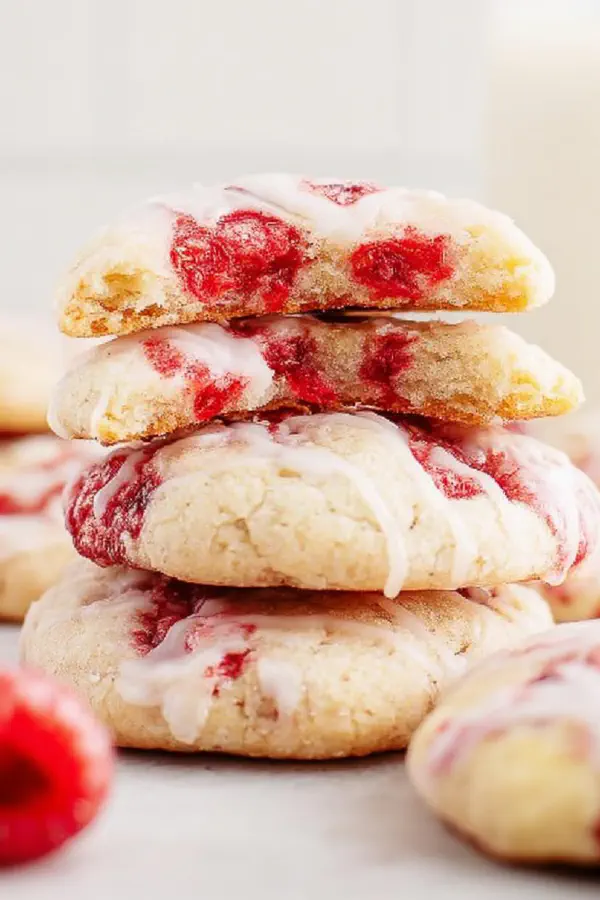
Soft, tart lemon and sweet raspberry cookies baked to a golden edge. Uses frozen raspberries for vivid color bleeding into a tender dough. Lemon zest and juice bring brightness. Vanilla and eggs whipped for fluff helps crumb structure. Flour mix includes cream of tartar, baking soda and powder for balanced lift. Glaze with lemon juice and powdered sugar, thinned to drizzle consistency. Adjust baking time by size; watch edges brown softly and tops puff for doneness. Chill or freeze dough to manage softness and berry bleeding. Substitute frozen with fresh berries but expect less bleed and moisture. Butter and sugar creaming crucial to light crumb. Best eaten same day unless glazed; refrigerate leftovers.
"
Prep:
20 min
Cook:
15 min
Total:
35 min
Serves:
12 servings
cookies
desserts
baking basics
lemon
raspberry
Introduction
Lemon and raspberry. Tart and sweet, bright and soft. Not your average cookie. Frozen raspberries add unpredictability. They bleed, they color dough pinkish-red. A little chaos you want. The butter-sugar mix whipped to airy fluff traps air to keep these from dense, from flat. Eggs add lift, lemon juice and zest punch. Dry mix includes cream of tartar, to balance pH and texture, baking soda and powder for layered rise. Watch edges for golden clues, not clock. Glaze cuts sharp sweet acidity on soft cheeks of cookie. Timing shifts with size, experience tells you when. Baking is sensory; listen, watch, poke gently. Ice cream scoop or tablespoon scoop. Both work. The kitchen smells lemon-lifted, berry sweet. Expect some stickiness where raspberries bleed. Chill dough if too soft. Straight from the fridge to sheet, no delay. A winter or summer cookie, versatile. Frozen in dough works better than fresh, less juice bleeding, less mess. Avoid a wet dough that spreads too thin. Master these steps and you’ve balanced tart, sweet, soft, textured cookies that don’t crumble or burn.
Ingredients
About the ingredients
Butter should be room temperature but not melted. Too soft and dough gets greasy, cookies spread too thin. If butter chunks remain, gently soften in short blasts in microwave, no more than 5 seconds at a time. Sugar granules help aerate crumb, don’t substitute with powdered sugar here. Lemon zest is key for aromatic oils; avoid white pith bitter parts. Juice must be fresh for best zing. Vanilla extract can be swapped with almond extract for different flavor, but adjust quantity down by half. Flour additives like cream of tartar keep cookies tender and help browning control. Baking powder and soda together balance acidity from lemon juice. Frozen raspberries are best; fresh berries add too much moisture and cause spreading. Chop gently to avoid a puree; the bleed creates beautiful marbling. Powdered sugar for glaze must be sifted to prevent clumps; thin with lemon juice or heavy cream to control thickness. Too runny glaze runs off; too thick won’t drizzle well. Adjust as you whisk.
Method
Technique Tips
Start by preheating oven not just for temperature, but for uniform baking environment. Parchment paper critical to avoid sticking and uneven browning. Butter and sugar creaming is the foundation - too fast whipping results in splattered mess, too slow and crumb won’t be light. Eggs added gradually to maintain emulsification, avoid curdling. Mixing dry ingredients separately ensures even distribution of leaveners and salt, which is crucial for uniform rise and flavor balance. Adding dry to wet with low speed prevents gluten overdevelopment; overmixing toughens cookies. Folding raspberries in gently stops over-bleeding and preserves some berry texture. Scoop dough uniformly for even baking; smaller cookies cook through faster but less moist inside. Look for slight edge browning and puffiness; corners harden first. Cool slightly on sheets before moving to rack to prevent breakage. Glazing chilled cookies prevents melting and spreading glaze mess. Whisk glaze to pour consistency slowly; adjust liquid slowly to avoid too thin run-off. Let glaze set for at least 20 minutes at room temp; refrigeration causes glossy, cracked glaze which can detract from texture.
Chef's Notes
- 💡 Use unsalted butter at room temperature; not melted. Ideal consistency when you press it, slight give. Too soft? Chill it a bit. Soft dough spreads too thin.
- 💡 Beat sugar and butter until fluffy—1 or 2 minutes max. Look for pale color, light texture. Key here, this traps air. Creates fluff. Use paddle or whisk.
- 💡 Watch moisture levels. Frozen raspberries good; fresh ones add too much juice. Chop gently; you want chunks. Not puree. Preserve some texture while avoiding bleed.
- 💡 When scooping dough, use a tablespoon for smaller cookies, three tablespoons for larger. Space them out properly, 2 to 3 inches apart based on size chosen.
- 💡 For the glaze, sift powdered sugar first. No clumps! Thin with lemon juice or heavy cream, but adjust carefully, drizzle consistency is what you want.
Kitchen Wisdom
How to prevent sticking?
Always use parchment paper, avoid greasing trays. Crisp bottoms and even baking. Key to great cookie results. Rely on it.
What if dough is too soft?
Chill the dough before scooping. Refrigerate if needed. Soft dough spreads thin. Ideal for structured cookies. Key step.
Storage tips?
Room temp for a day. Refrigerate for several days but airtight container required. Can freeze both unbaked dough and baked cookies.
Why did my cookies spread too much?
Likely too warm dough. Or butter too soft. Creaming too long? Avoid extra mixing. Check your oven temp often.