Featured Recipe
Maple Pineapple Ham
By Kate
"
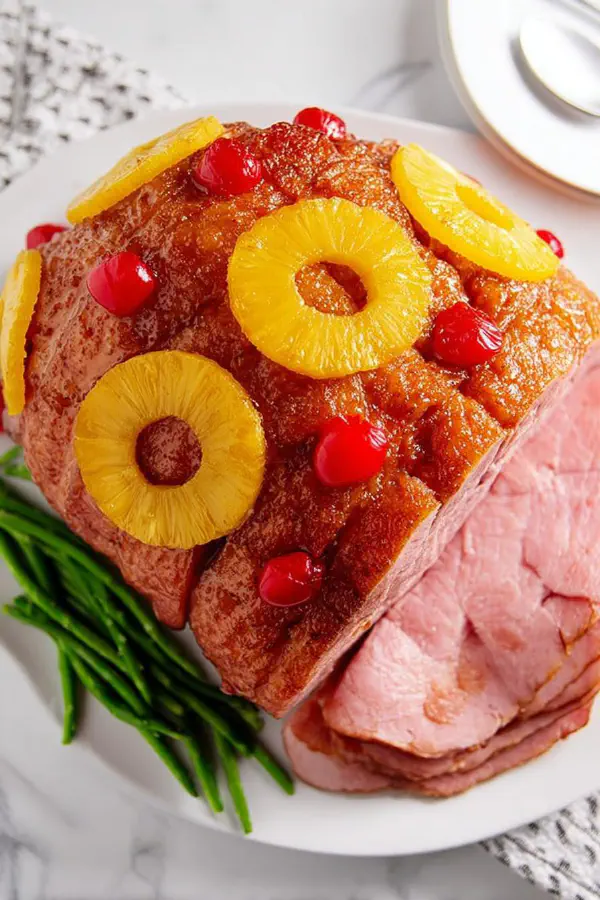
Slow-roasted boneless ham with a sticky glaze made from pineapple juice, maple syrup and brown sugar. Cloves and pineapple rings add aroma and layered sweetness. Basted repeatedly for a deep caramelized crust without drying. Internal 145°F ensures the meat stays juicy but fully cooked. Simple ingredients, subtle shifts in seasoning for balance. Ideal for holiday or weekend feeding a dozen or so.
"
Prep:
25 min
Cook:
2h 35min
Total:
3h
Serves:
12 servings
ham
holiday
roasting
glaze
Introduction
Ham resting on a board, studded with cloves. Sweet caramel scent fills room. Don’t rush glaze—it needs time to meld flavors and coat evenly. Pineapple’s acidity balances maple’s richness. Watch caramel color in oven window; it signals when sugars have set and edges start to darken. Overbaking dries meat; under cooking leaves it gummy. Testing temp with probe is smarter than just time alone. Cherries pop out with bright red contrast to golden pineapple—eye candy and flavor boosters. This isn’t fancy folk fare; it’s weekend cooking reined in by discipline. Don’t skip resting after heat. That silent period is flavor magic, juice retention. Slice, brush glaze, serve. Simplicity with work shows through.
Ingredients
In The Same Category · Hearty Mains
Explore all →
Caprese Chicken Twist
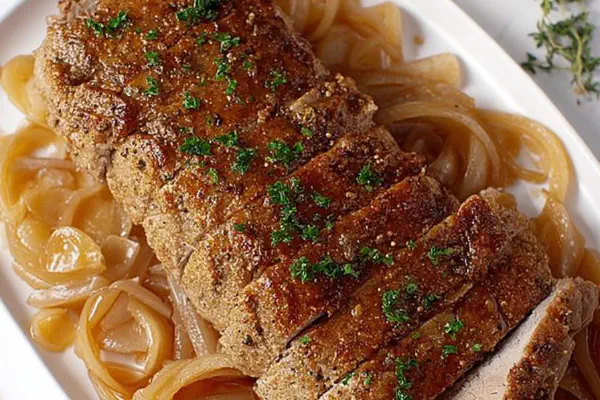
Slow Cooker Pork Roast Twist
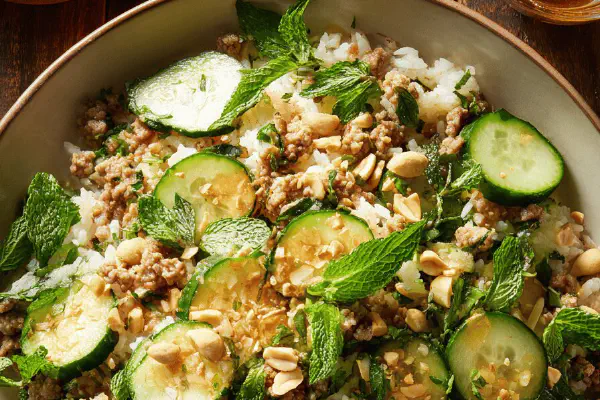
Crunchy Pork Cucumber Rice Salad
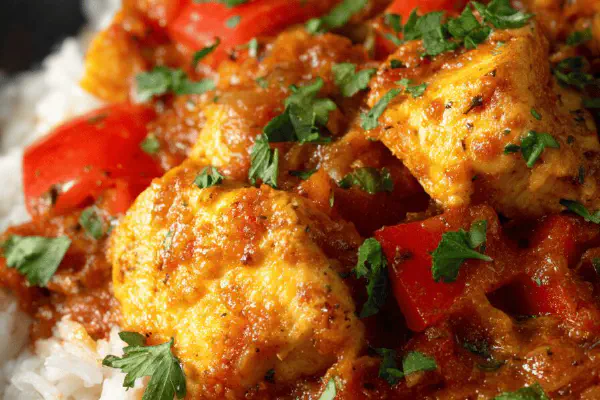
Indian-Spiced Fish Curry
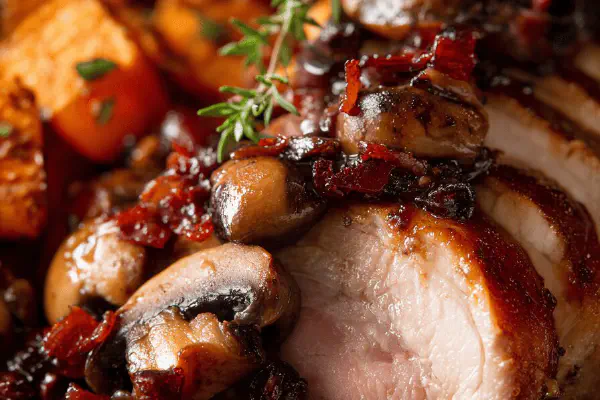
Pork Rack Squash with Mushroom-Cranberry Sauce
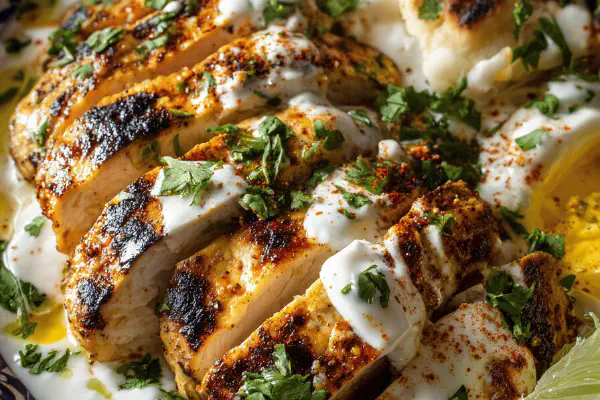
Shish Taouk Chicken Twist
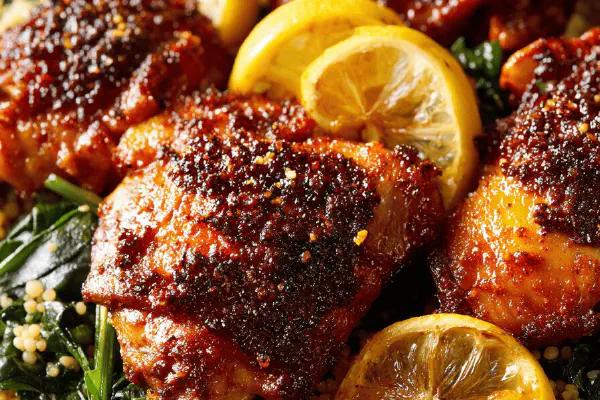
Lemon Paprika Chicken Thighs
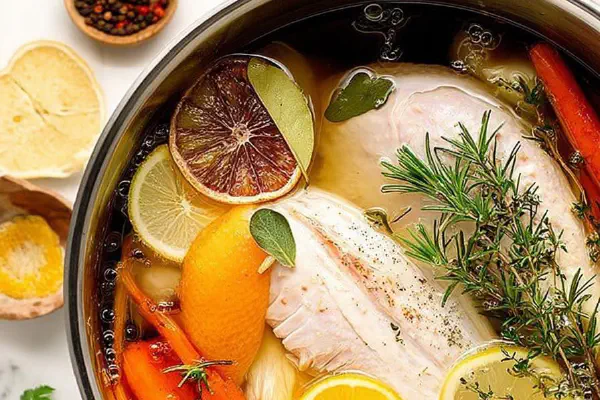
Basic Turkey Brine Twist
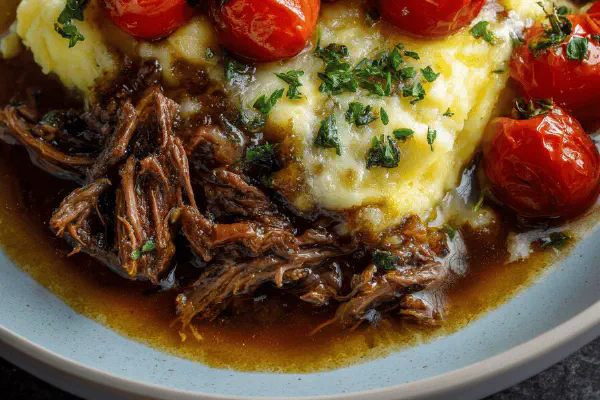
Braised Beef Parmentier with Oka
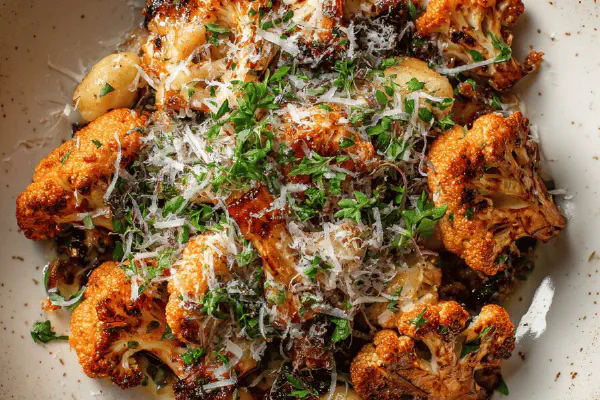
Caramelized Cauliflower Gnocchi

Beef Stroganoff Pressure Cooker
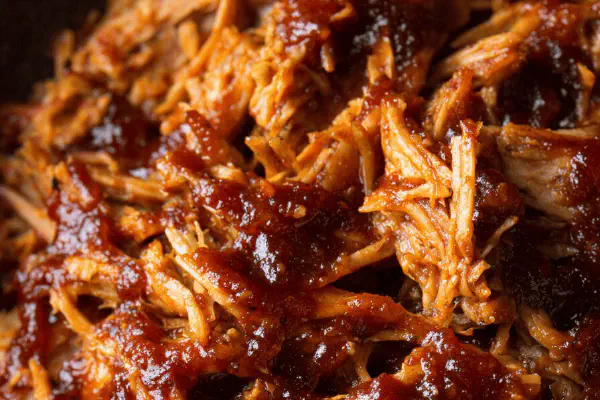
Smoky Slow Cooker Pulled Pork
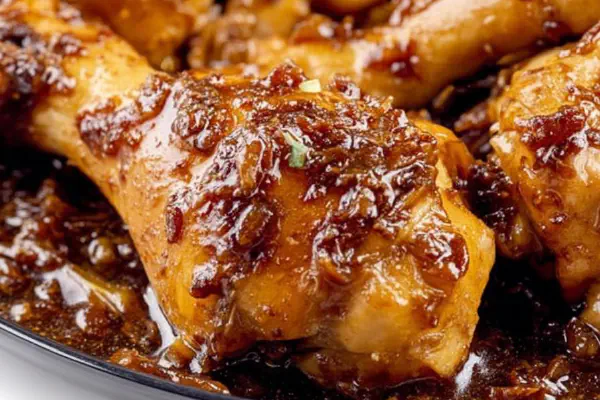
Cola-Glazed Drumsticks
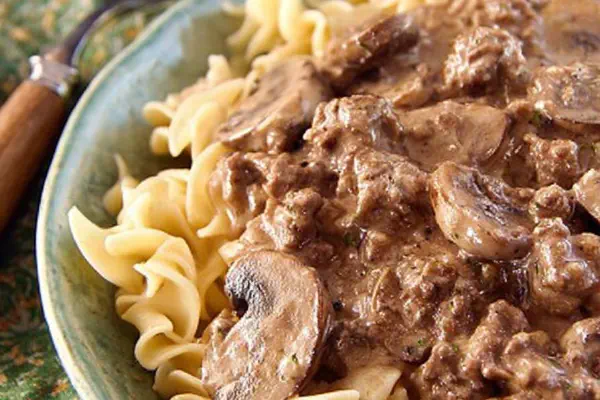
Ground Beef Stroganoff Twist
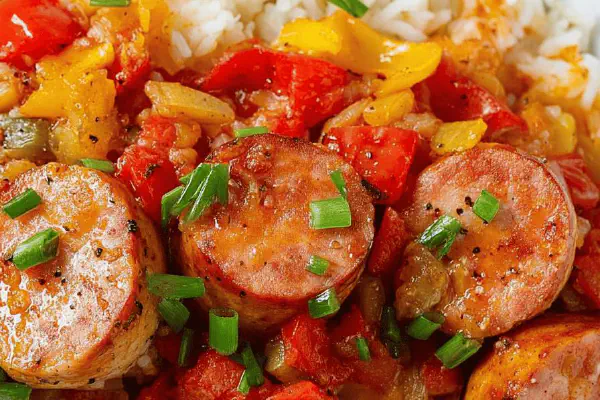
Rustic Creole Drumsticks
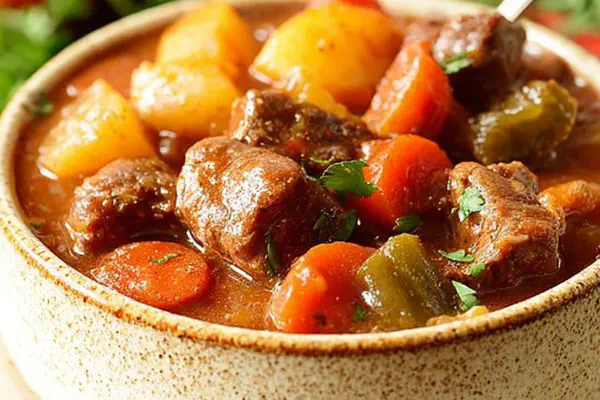
Slow Cooker Creole Beef Stew
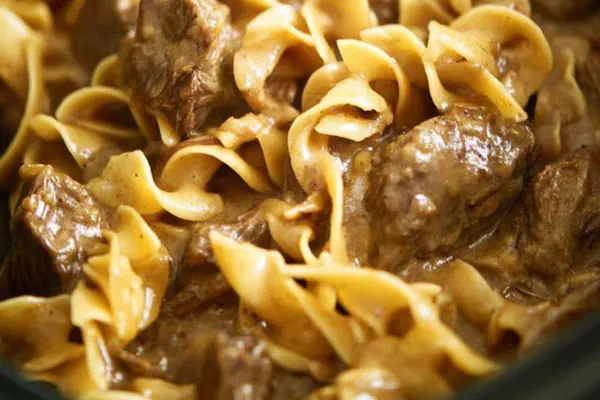
Slow Cooker Beef Stroganoff
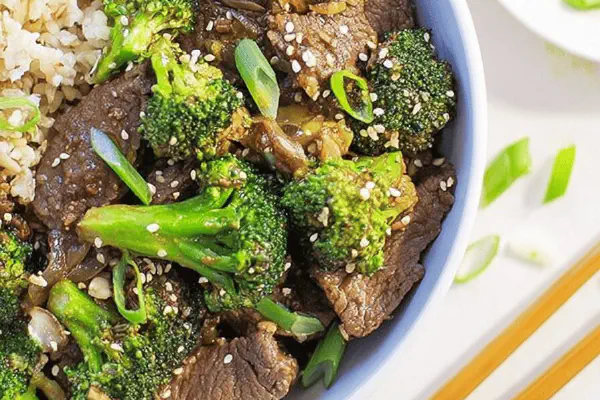
Slow-Cooked Ginger Beef Broccoli
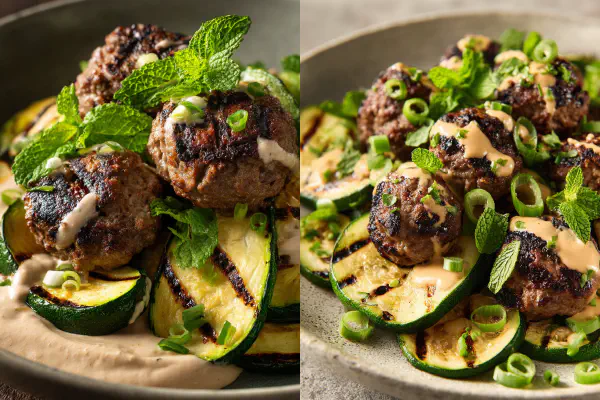
Beef Zucchini Meatballs Tahini
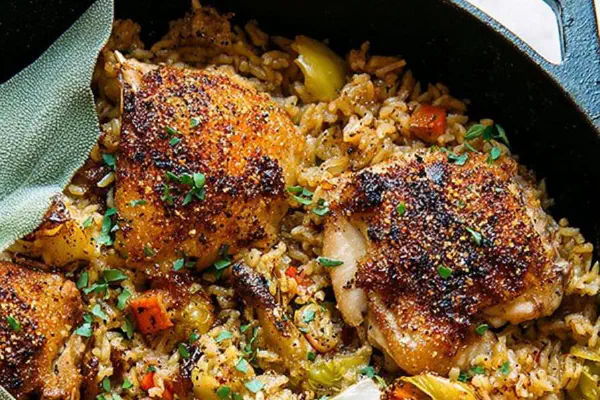
Creamy Chicken Rice Skillet
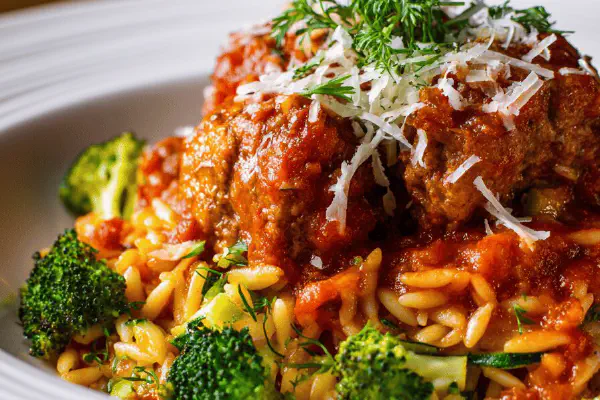
Sausage Zucchini Orzo Bake
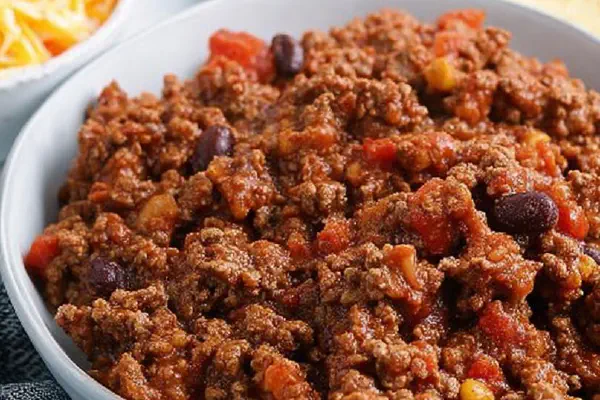
Slow Cooker Spiced Beef
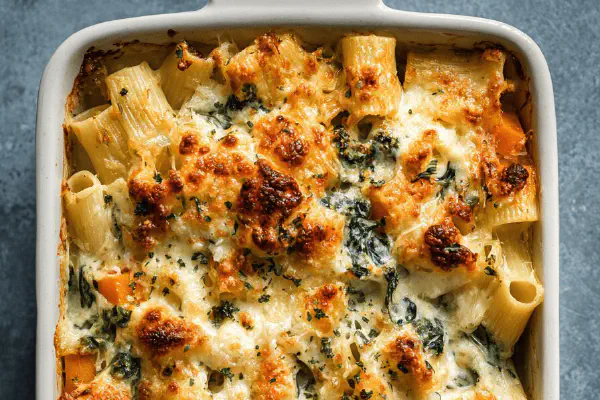
Leek Squash Rigatoni Gratin
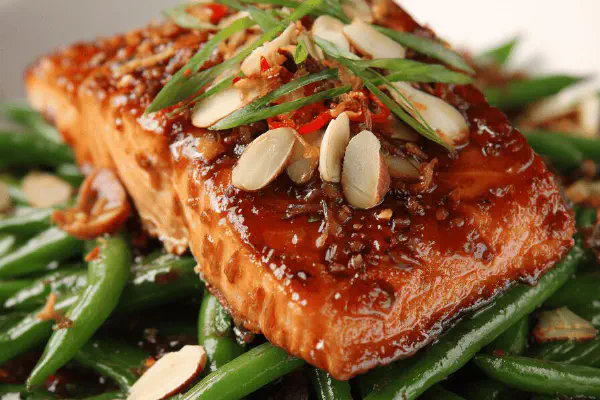
Salmon Teriyaki Twist
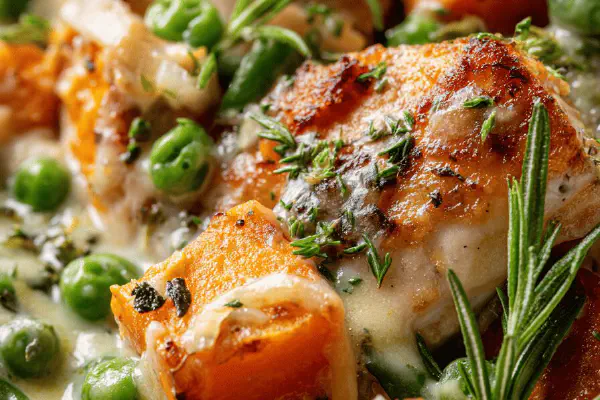
Chicken Fricassee Twist
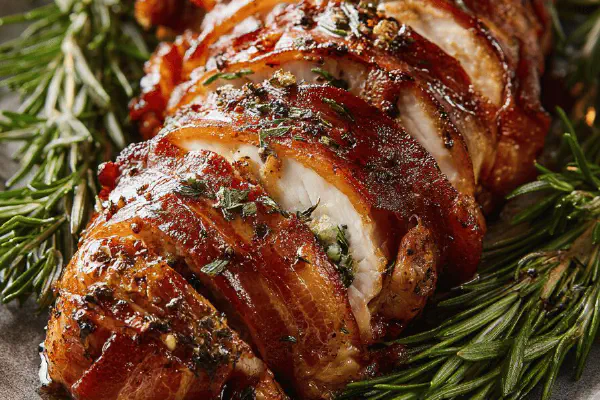
Sous Vide Turkey Bacon Roll
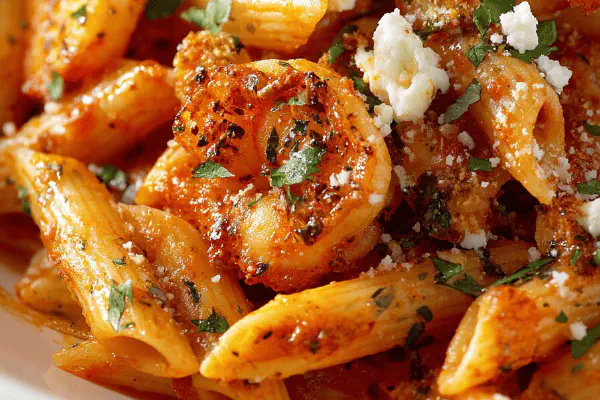
Spicy Shrimp Penne
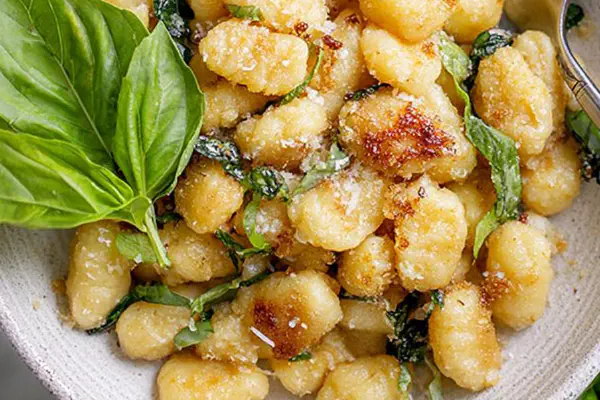
Spinach Pan-Fried Gnocchi Twist
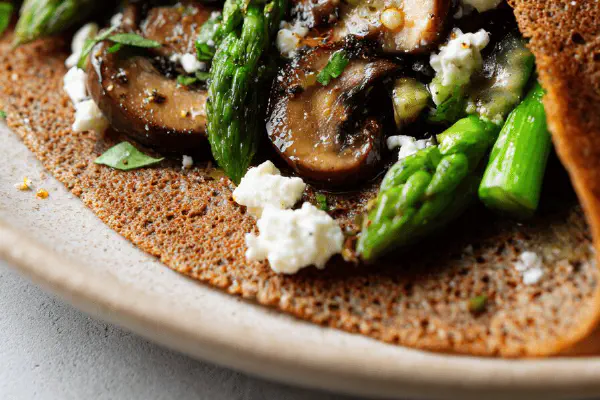
Buckwheat Crepes with Asparagus
About the ingredients
Reserving pineapple juice—don’t toss the canned pineapple liquid. It’s packed with natural sugars and acids that help balance the maple and brown sugar’s sweetness. Dark brown sugar gives moisture and depth, use molasses if you want richer sweetness. Maple syrup is vital for a good crust; cheaper pancake syrup won’t hold up or caramelize properly. Cloves release oils slowly; don’t crowd the ham or it’ll be bitter. Whole grain mustard adds textural grit and tang; use smooth if you prefer less bite but it impacts adhesion of glaze. Maraschino cherries aren’t strictly needed but add color and bursts of flavor—consider dried cherries if fresh not available. Toothpicks keep pineapple in place but remember to remove them before serving or guests choke. Cutting evenly sized pineapple rings ensures even cooking and presentation.
Method
Technique Tips
Starting at 310°F shortens cooking but monitor glaze closely to prevent burning; if glaze starts darkening too much, foil tent to protect without steaming. Poke cloves deep enough to stick but don’t stab too deep or they’ll fall out when flipping or basting. Arranging pineapple/cherries can be done freestyle but keep spacing even—crowding traps steam and makes pineapple mushy. Basting every 20 minutes ensures layered glaze buildup. Use a soft pastry brush for even coverage; cheap brushes shed and cloud pan. Leave uncovered for crisp edges and caramelization, cover only if it threatens to dry out. Don’t rely purely on clock. Thicker hams take longer, thinner less. Use instant-read thermometer for precision. Rest ham covered loosely with foil; juices stay, meat firms mildly. When slicing, firm ham with carving fork for clean cuts. Warm glaze rebrushed on slices lifts appearance and flavor, keeps slices moist. Save drippings for sauce or glaze refire—never waste liquids. Experiment with glaze: add a splash of bourbon or ginger for a twist, but keep basics balanced.
Chef's Notes
- 💡 Start with ham's weight—8-9 pounds adds time. Monitor closely; each ham cooks differently. Adjust basting intervals if needed. Keep an eye on caramelizing.
- 💡 Clove spacing matters. Too close, bitter notes arise. Test flavor for balance; you want warmth, not overbearing. Rotate honey as a sweetener if necessary.
- 💡 Basting is essential. Every 18-22 mins helps build depth. You lose moisture without it. Use the same bowl; don’t waste drippings. Rewarm glaze for shine.
- 💡 If using apple juice, add lemon for brightness. Pineapple juice is key for flavor balance. No juice? Try flavored vinegars. Simple swaps but impactful.
- 💡 Burning glaze? Tent with foil if needed. Protect edges without steaming. Too high heat dries out; also, don’t skip resting. 15 minutes under foil after roasting.
Kitchen Wisdom
Best thermometer placement?
Insert in thickest part, avoid bone. Too close gives false readings. Test intervals to ensure accurate temps.
Can I use fresh pineapple?
Yes, fresh adds acidity but may alter texture. Swap with canned if in doubt; more consistent sweetness.
What if glaze isn't caramelizing?
Increase oven temp slightly for last few mins—stay close. Watch sugars closely; too much can harden.
Storage options for leftovers?
Refrigerate sliced ham; keeps well for a week. Freeze if longer. Use leftovers for sandwiches too.
You’ll Love These Too
Explore all →
Lobster Asparagus Salad
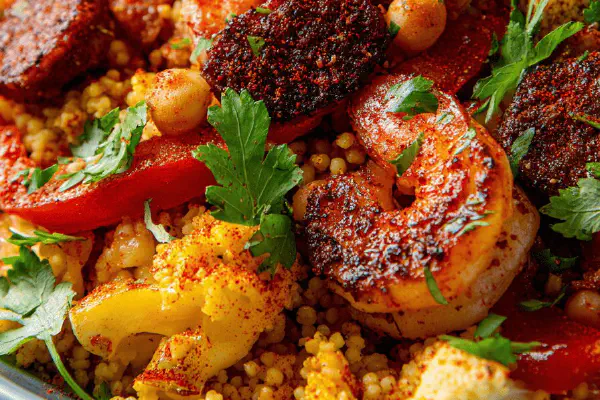
Shrimp and Spiced Sausage Couscous
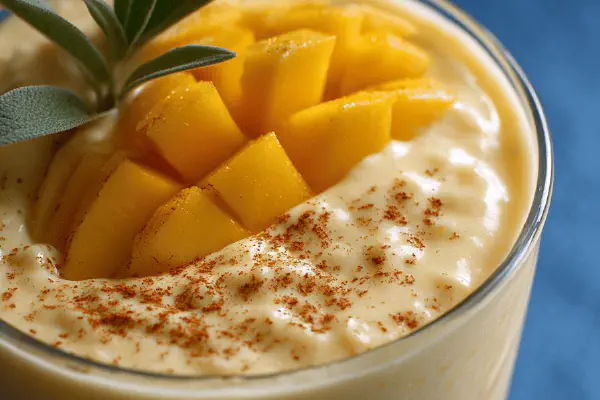
Twist Fruit Shake
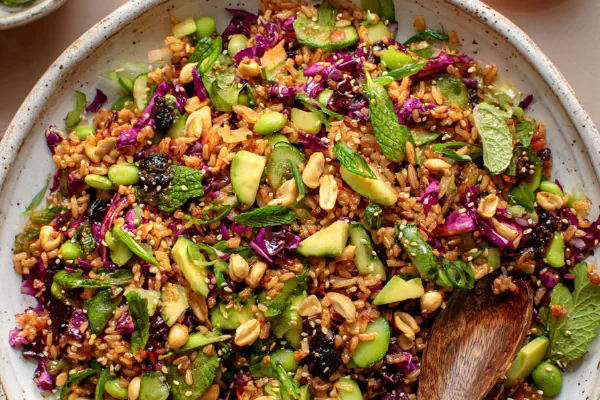
Crunchy Wild Rice Salad

Stuffed Cinnamon Monkey Bread
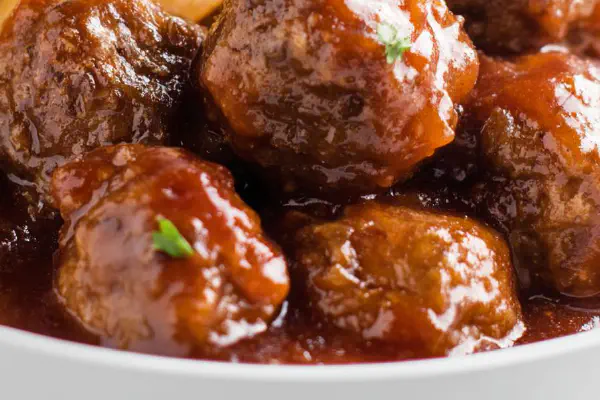
Sweet Sour Meatballs Twist
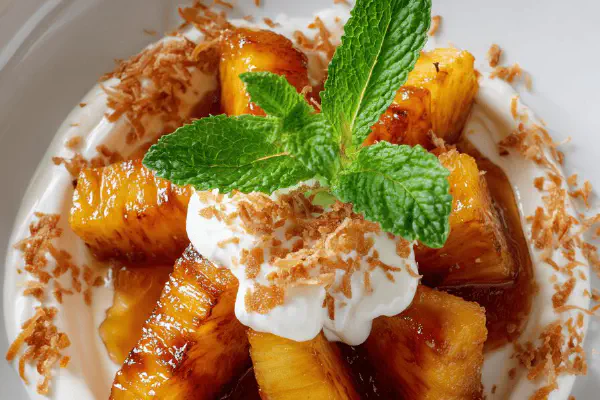
Flamed Pineapple with Rum
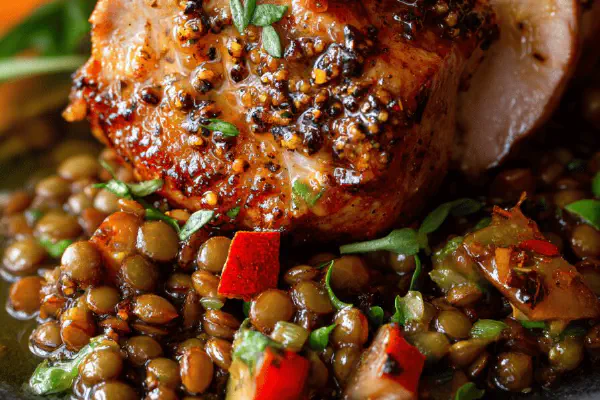
Pork Tenderloin Espelette
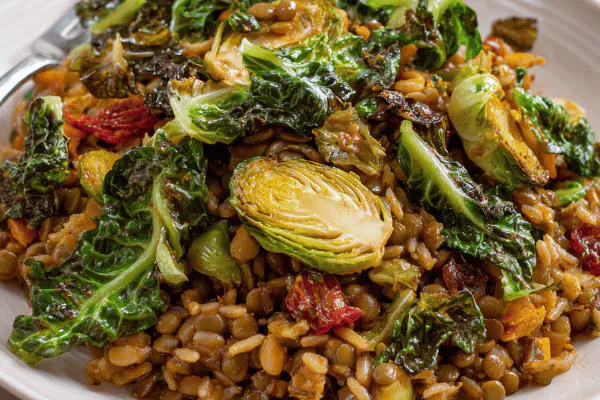
Lentil Rice with Roasted Brussels Leaves
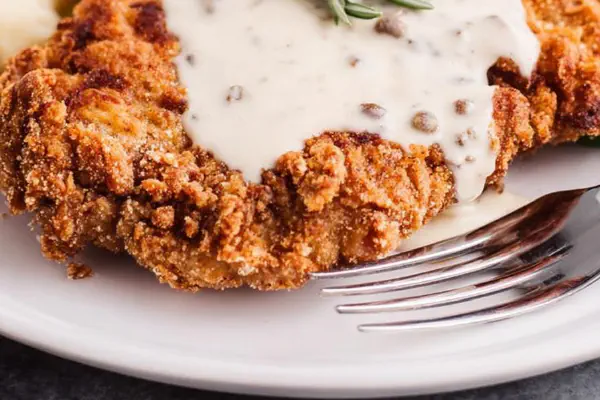
Crispy Oven-Finished Fried Cube Steak
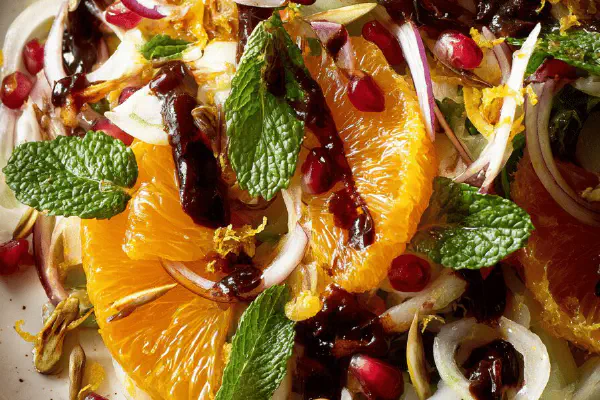
Bitter-Sweet Fennel Orange Salad
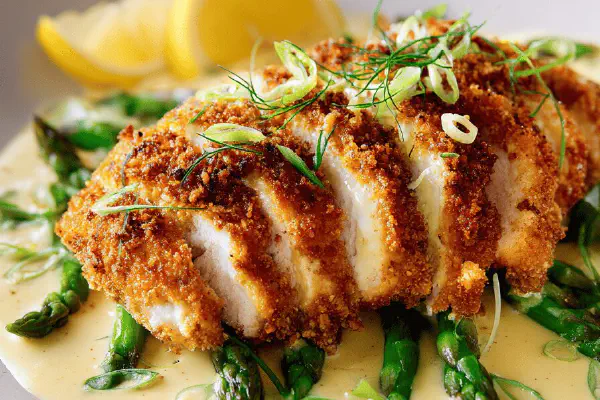
Air Fryer Spiced Chicken Breast
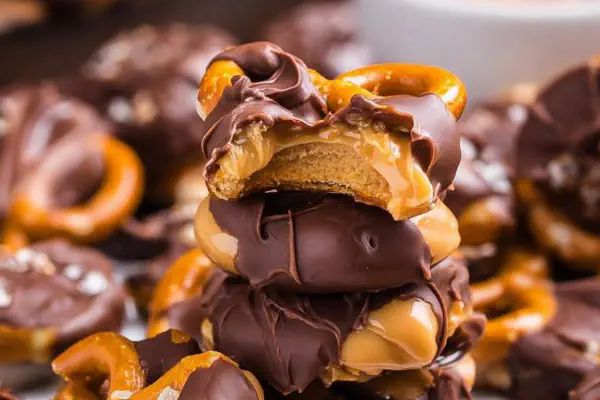
Peanut Butter Pretzel Nuggets
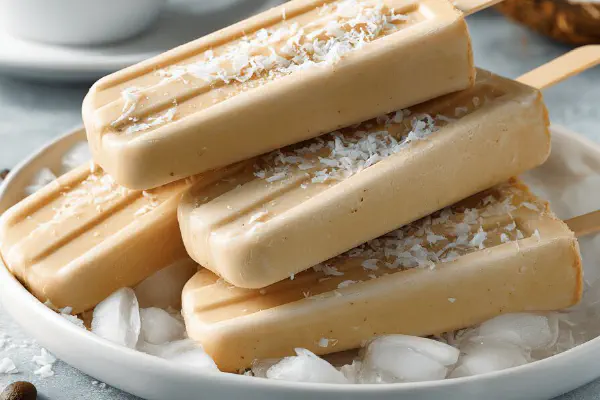
Chilled White Chocolate Coffee
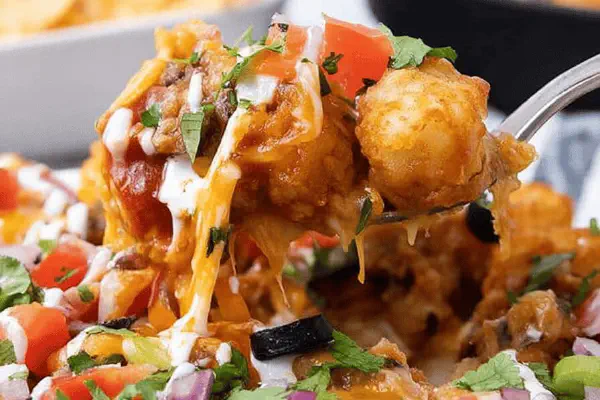
Twisted Tater Tot Nachos
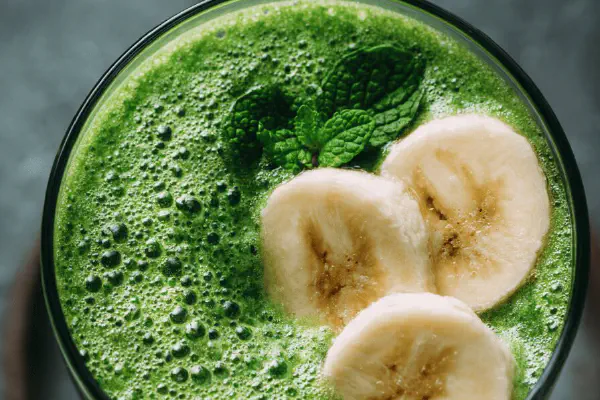
Apple Spinach Smoothie Twist
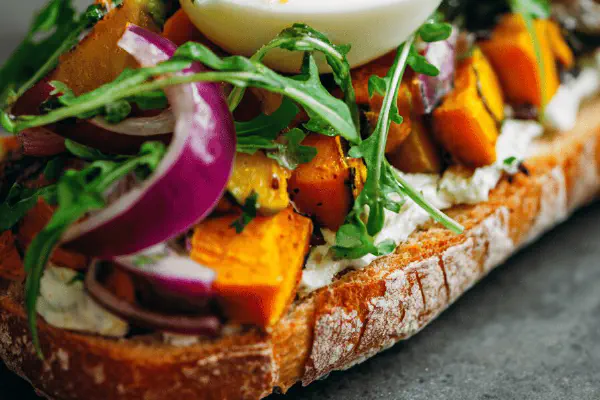
Open Veggie Egg Sandwich
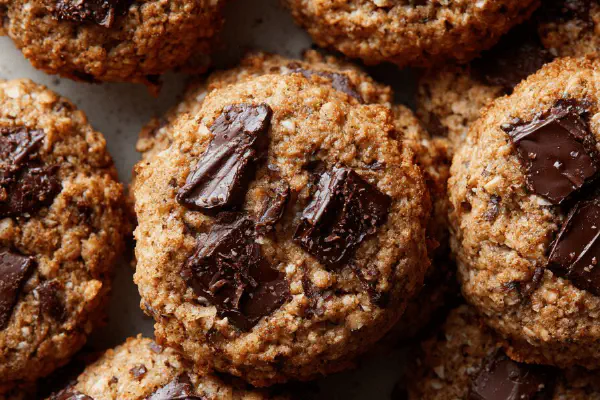
Soft Oat Chocolate Chip Cookies Light
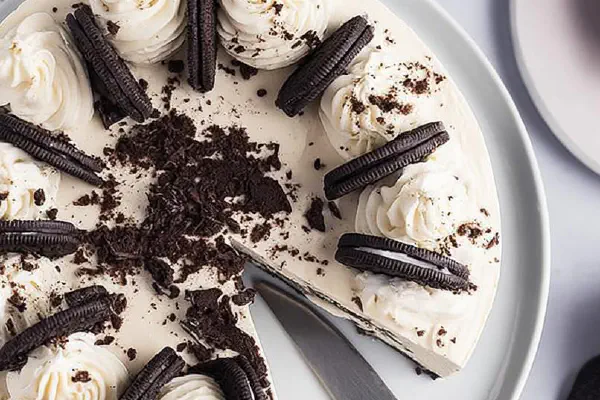
Twist Oreo Cheesecake
Crunchy Lime Veggie Salad

Cauliflower Cream Verrines
Roasted Pumpkin with Cumin and Pepitas
Poached Raisins Twist
Tandoori Spice Mix Remix
Twisted Iron-Crust Cornbread
No Spread Sugar Cookies New
Basque Cheesecake Bars Twist
Lobster Mac Cheese
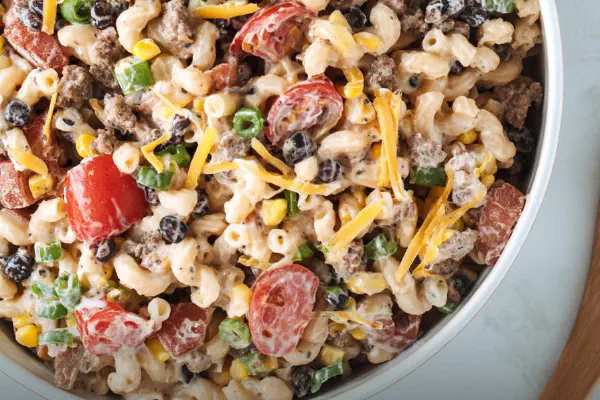
Spiced Cowboy Pasta Salad