Featured Recipe
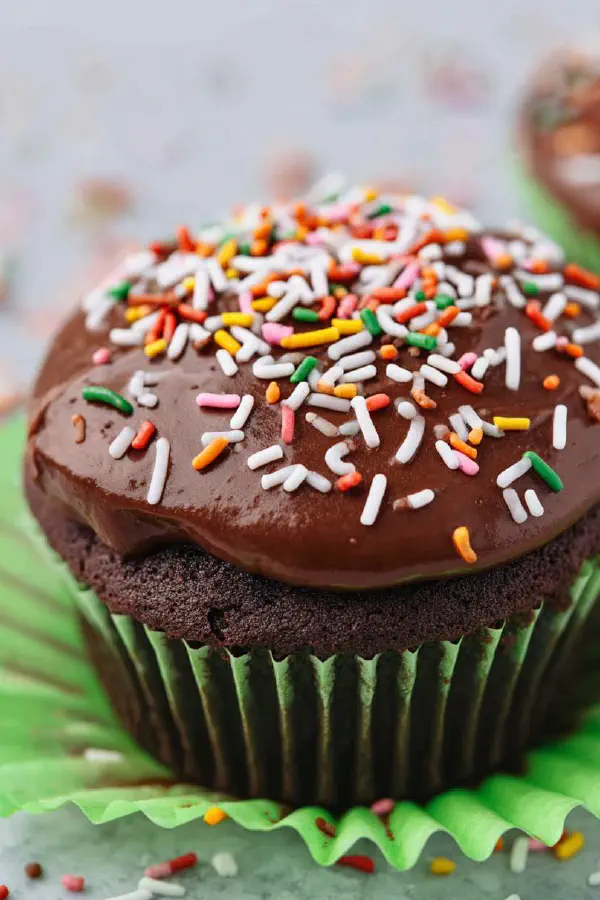
Mini Chocolate Cupcakes Remix
By Kate
"
Small batch chocolate cupcakes, reworked with oat milk and coconut oil. Reduced sugar, added espresso powder for depth. Six portions, batter whipped just right to avoid toughness. Baking at moderate-high temp to get a crackled top and tender crumb. Watch for texture clues, not just time. Swap ingredients on the fly with ease.
"
Prep:
12 min
Cook:
20 min
Total:
32 min
Serves:
6 servings
cupcakes
chocolate
desserts
baking
oat milk
Introduction
Chocolate. Not just sweet, but layered. You want that rich dark note, a crumb that’s light but dense enough to feel substantial. Grab oat milk, not dairy. Coconut oil instead of butter—moisture with a subtle tropical whisper. Sugar down a notch to keep it from overpowering espresso’s bitterness. Espresso powder? A magician’s touch. Rises with baking powder, air trapped in just the right way. Timing.Adjusted.Reasoned. Don’t just watch minutes; touch, smell, and sight. Crackling surface says ‘done’ better than any clock. Don’t risk rubbery mistakes from overmixing or underbaking. Practical, tactile, smart. Small batch keeps it fresh, no waste. Bake them, learn from them, eat them warm or cooled. No fluff, just chocolate honesty.
Ingredients
About the ingredients
Oat milk swaps seamlessly for cow’s milk with a subtle nutty tone and better tolerance for many. Coconut oil is a liquid at warm temps; avoid overmelting to keep batter stable. Espresso powder deepens cocoa flavor without coffee bitterness—optional but recommended. Use natural cocoa powder; Dutch processed will change acidity and texture so adjust baking powder accordingly. Sugar cut prevents oversweet, but tweak to taste. Sea salt is crucial; it accentuates chocolate, don’t skip. Can swap coconut oil with unsalted melted butter or neutral oil like canola if coconut flavor isn’t desired. Egg brings structure and moisture—no good vegan sub here unless you tweak leavening.
Method
Preheat and Prep
- Set oven at 370 degrees for best balance between rise and moist crumb. Line 6 muffin cups with liners. No greasing needed with liners.
- Warm oat milk in microwave for about 25 seconds until steamy but not hot. Stir in melted coconut oil right after microwaving. Let sit 2 minutes to meld flavors and cool slightly.
- Sift together cocoa powder, baking powder, fine sea salt, and instant espresso powder into a bowl. Keeps lumps out and ensures even leavening and bitterness balance.
- Mix sugar, vanilla, and beaten egg into warm milk-oil mix. Expect lumps here. Don’t worry; lumps melt away when dry elements go in.
- Add dry ingredients to wet in one go. Stir with about 50 quick strokes – momentum matter. Overmix leads to dense cakes, undermix yields streaks of fat and uneven baking.
- Divide batter into liners evenly; fill to about 3/4 full. Don’t level—peaks rise. Use an ice cream scoop or two spoons for speed.
- Slide rack to middle oven position. Bake 18 to 22 minutes. Peek at 18 minutes checking surface firmness and cracks forming. Toothpick inserted near center should come out with a few moist crumbs, never wet batter. Tops will feel set, slight bounce when pressed.
- Remove from oven. Cool in pan 5 minutes—handles are hot—then transfer to wire rack. Let cupcakes cool completely to room temperature before frosting to prevent meltdown.
- Use your favorite frosting or whipped cream. Store leftovers refrigerated; bring back to room temp before serving to revive texture.
Wet Ingredients
Dry Mix
Combine Wet
Blend Batter
Fill Cups
Bake
Cool Down
Frost and Finish
Technique Tips
Oven temps vary wildly; trust the surface texture and toothpick test more than time. Cracks on the top mean moisture escapes properly—no soggy insides. Batter should be stirred just enough to combine but not homogenize fat and flour into glue. The lumpy stage while combining egg and milk is normal; lumps melt with folding dry ingredients. Don’t rush filling liners; even distribution means even bake and no burnt edges. Cooling in pan first avoids collapsing cupcake base but don’t leave too long or residual heat ruins bottom texture. Use a bench scraper or spoon to remove cupcakes if liners stick—prevents tearing. Frost only fully cooled cupcakes; hot crumbs turn frosting greasy and drippy. Store leftover cupcakes under airtight containers to keep moisture balanced—refrigerate if frosting has dairy. Bring to room temp for best chewy bite before serving.
Chef's Notes
- 💡 Start with warm oat milk. Not too hot, just steamy. Mix coconut oil in right after. Wait a couple minutes before combining. This time allows flavors to meld.
- 💡 Sift dry ingredients for clear separation. Cocoa and baking powder need to mix evenly. Avoid lumps. Measure accurately; cocoa can pack down.
- 💡 Fill liners more than halfway. The batter rises; don’t be shy. Use an ice cream scoop for quicker filling, less mess. Optional peaks create texture.
- 💡 Check the firmness of tops. Look for slight cracks forming. Soft but set surface indicates readiness. Don’t just count minutes. Visual cues matter.
- 💡 Let cupcakes cool in the pan but not too long. Five minutes max. Then onto the wire rack. Cool completely before frosting to prevent melting.
Kitchen Wisdom
Why are my cupcakes dense?
Likely overmixing. Stir just enough to combine. Too much agitation develops gluten. Keep it light, quick.
Can I use almond milk instead of oat milk?
Yes. Use it but alters flavor slightly. Coconut oil okay but might change texture and moisture.
What if I don't have cocoa powder?
Try carob powder but adjustments may vary. Results might not be same; practice could help with proportions.
How to store leftovers?
Airtight containers are key. Refrigerate if frosted with dairy. Keep at room temp for non-dairy options. Maintain moisture.