Featured Recipe
Moist Banana Miso Loaf
By Kate
"
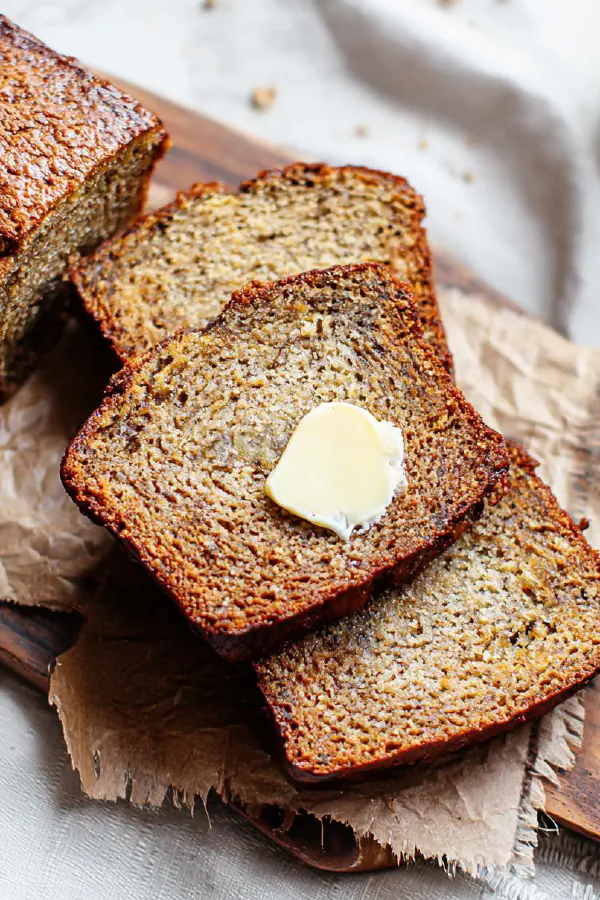
Twist on banana bread with miso paste for umami depth and olive oil replacing butter partially for moist crumb. Cook banana mix till glossy and aromatic before folding dry ingredients gently. Bake till toothpick comes out with few moist crumbs. Uses baking powder and soda for lift. The loaf browns with a crackly crust. Rest at room temp before unmolding to avoid tearing. A subtle balance of sweet, salty, and earthy notes. Works well with all-purpose flour or a blend with whole wheat for nutty tones.
"
Prep:
25 min
Cook:
50 min
Total:
1h 15min
Serves:
8 slices
baking
bread
desserts
American fusion
Introduction
Banana bread that bucks the norm. Miso. Strange, right? Adds saltiness, umami, cuts cloying sweetness. Works magic when tossed with butter and bananas on the stove while whisking away. The aromas from caramelizing sugar mingle with butter melting into that salty paste — rich, complex. You get a dense yet moist crumb without drowning in oil. Olive oil instead of straight butter gives a subtle fruity note and lighter mouthfeel. Buttermilk tang anchors the mellow flavors. Ever see a loaf crack just so? Means it’s rising just right, not rushed. Watch for that aroma, that color. Sounds familiar? Yeah, baking’s about paying attention — not rushing a timer. Expect a crumb that springs back, not dry and crumbly. Let it cool fully — patience pays off here, unlike some impatient, cutting too soon mistakes that ruin texture. The secret’s in gentle folding to keep air bubbles intact and a slight simmer step to integrate flavors before mixing wet and dry. Makes a loaf that holds together without being dense like a brick. Great straight or toasted with butter or cream cheese.
Ingredients
In The Same Category · Sweet Treats
Explore all →
Slow Cooker Cheesecake Twist
Candied Rhubarb Twist

Twisted German Chocolate Cupcakes
No-Bake Butterscotch Crunch
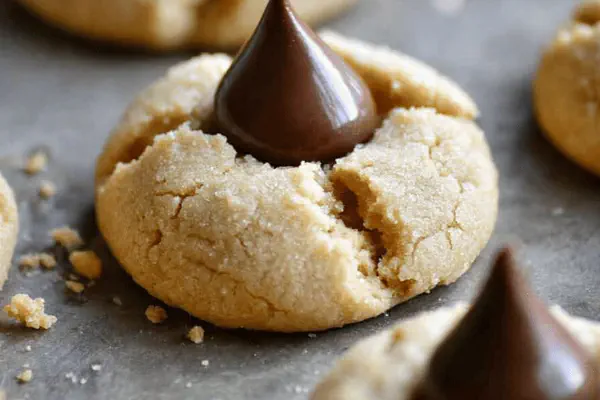
Crunchy Peanut Blossoms
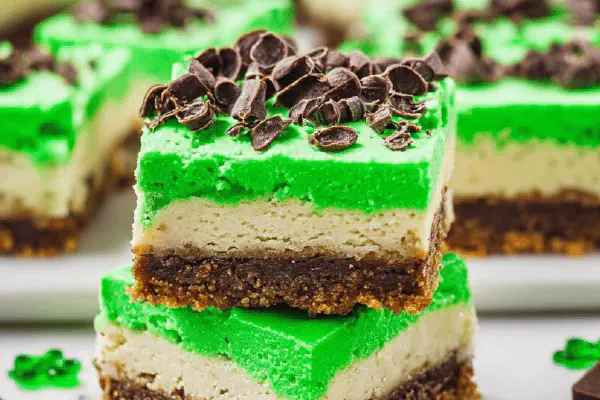
Mint Swirl Cheesecake Bars
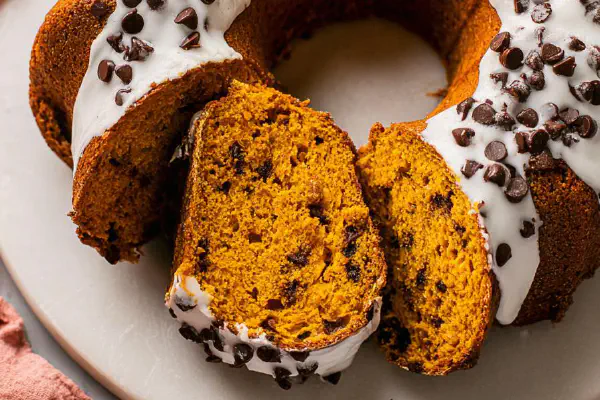
Pumpkin Choc Chip Bundt
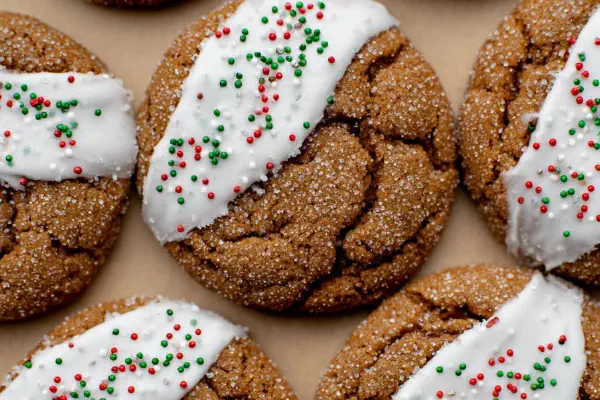
Chewy Spiced Molasses Cookies

Almond Paris-Brest Twist
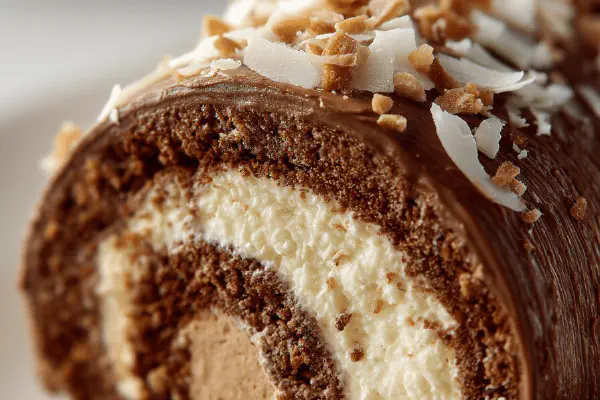
Twisted Red Velvet Log
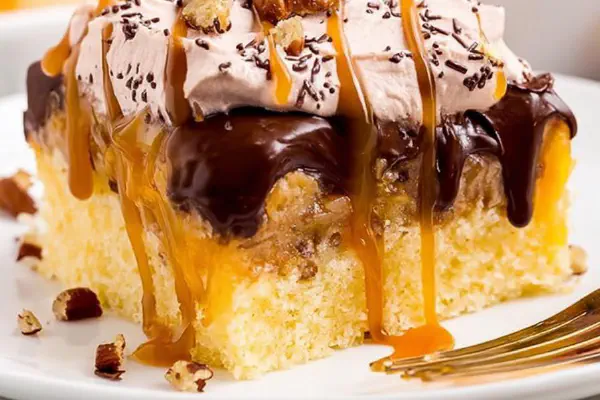
Turtle Poke Cake Twist
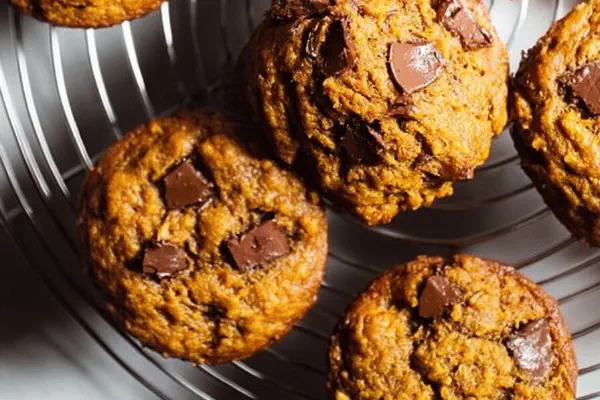
Flourless Pumpkin Muffin Bites
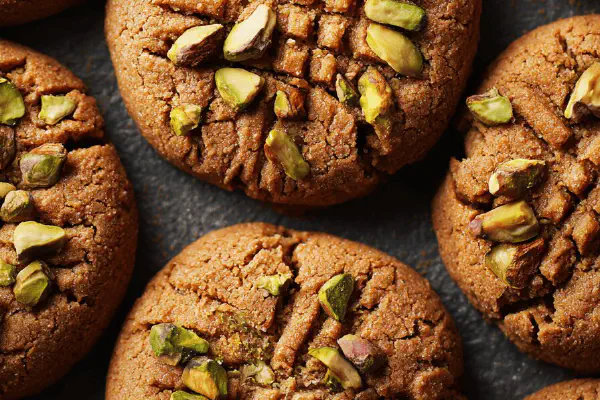
Altered Peanut Cookies
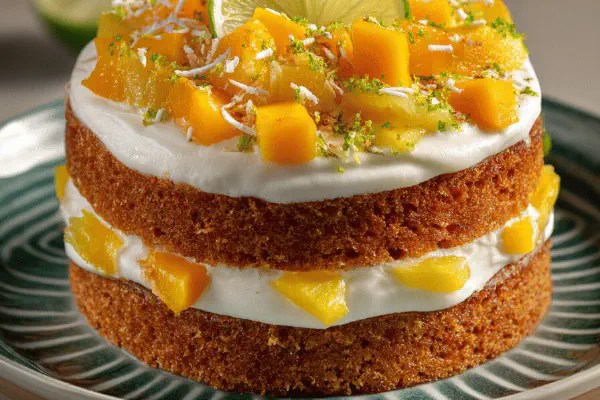
Hummingbird Cake Twist
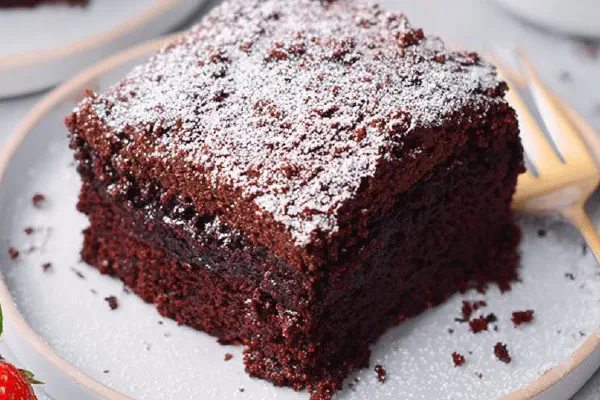
Beet Chocolate Cake Twist
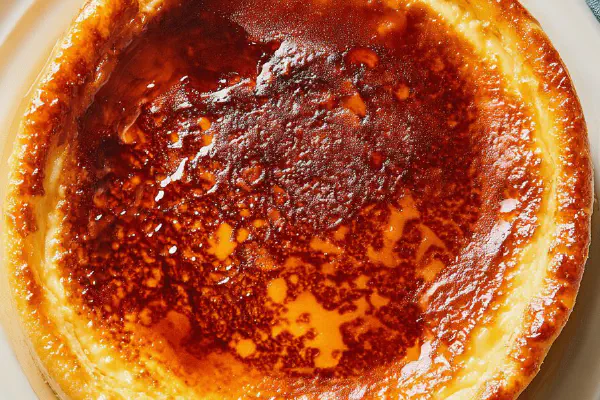
Classic Parisian Flan Revamped
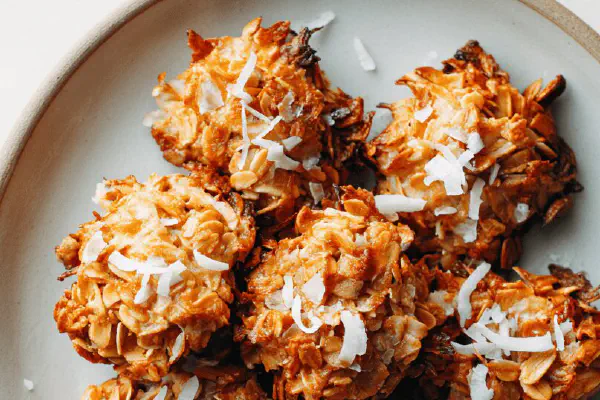
Coconut Oat Clusters
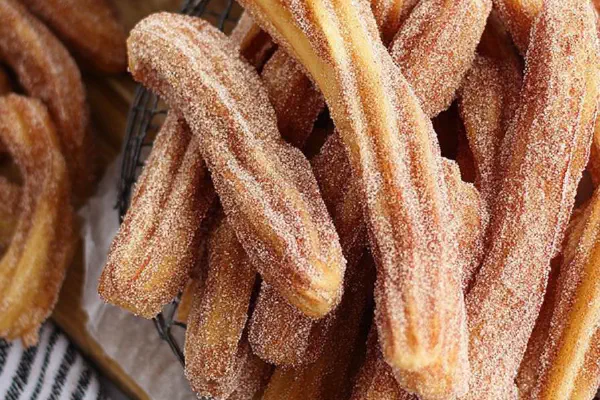
Air Fryer Churros Twist
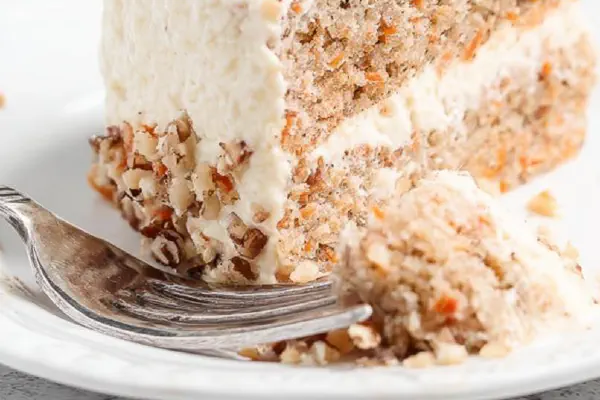
Carrot Cake Cheesecake Hybrid
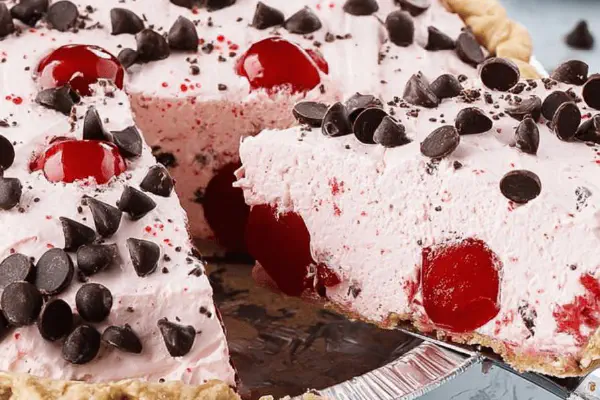
Chocolate Cherry Cream Pie
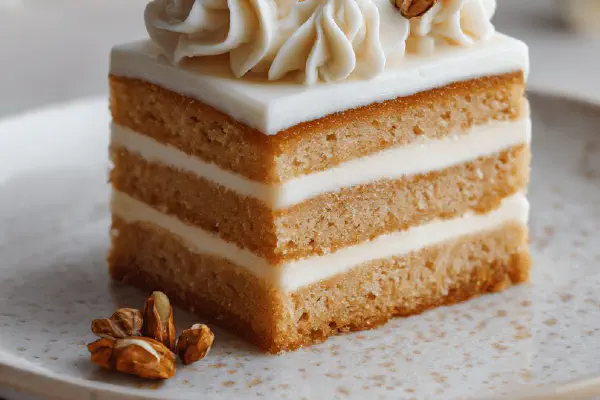
Maple Butter Layer Cake
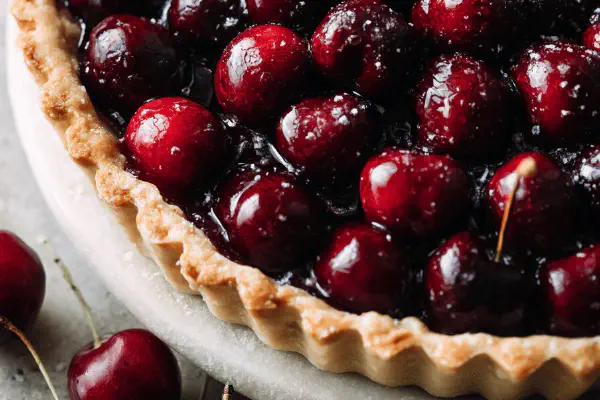
Rustic Morello Cherry Tart

Gluten-Free Strawberry Rhubarb Crisp
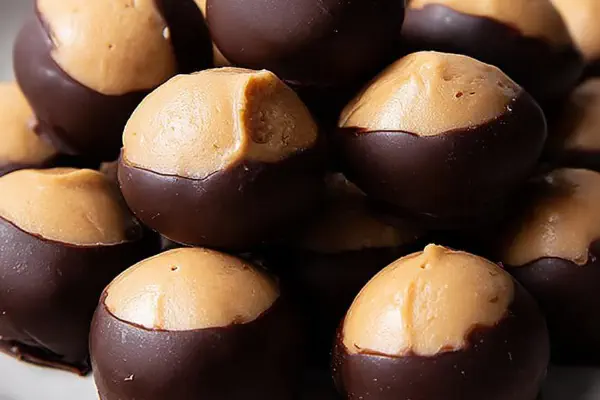
Chunky Buckeye Bites
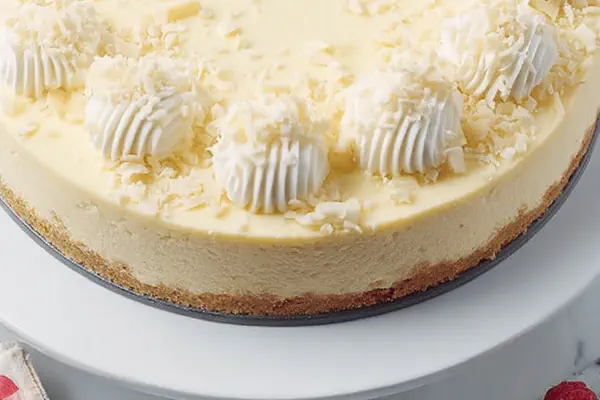
Twist White Chocolate Cheesecake

Gingerbread House Cookies
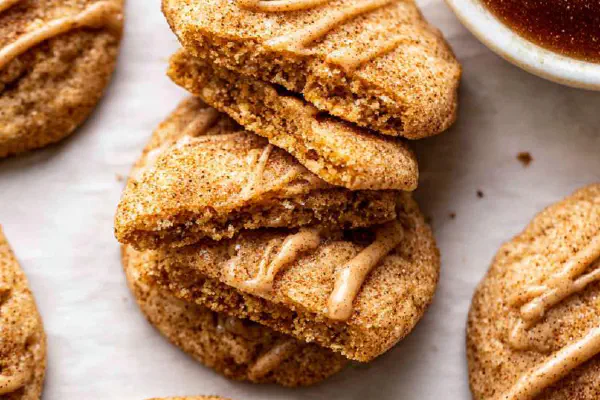
Apple Butter Snickerdoodles
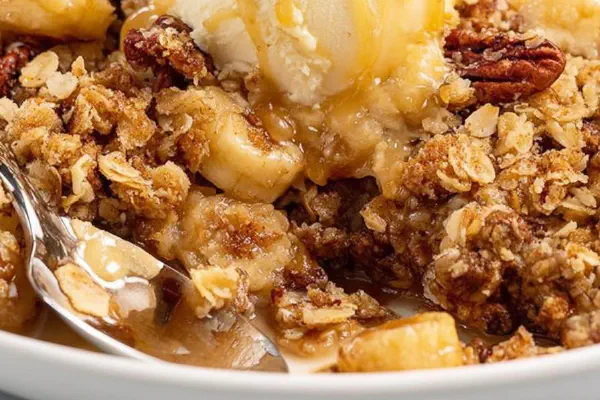
Banana Crisp Bake

Light Yogurt Mousse with Fruit Salad
About the ingredients
Bananas ripe but not mushy make the best flavor and texture. Slightly underripe means less sugar, less flavor. Miso paste, a fermented soybean product, adds salty umami—you can swap with tahini if miso’s not handily available, or soy sauce paste but reduce salt added. Butter melted gently combines richness with bananas; olive oil lightens the texture and adds fruity hints, but coconut oil is a decent sub that adds subtle tropical flavor. Buttermilk adds acidity that reacts with baking soda for lift—it can be replaced with plain yogurt thinned with milk, same acidity level. Flour can be straight AP or 1/4 whole wheat flour for nuttiness and texture complexity; avoid overdoing whole wheat to keep loaf tender. Brown sugar for moisture and molasses notes; granulated sugar to spike sweetness and help rise. Baking powder and soda duo work together to balance acidity and help the crumb rise evenly. Salt sharpens the flavors but use sparingly if you swap miso for soy sauce paste to avoid over-salting.
Method
Technique Tips
Greasing and flouring pan prevents sticking but avoid excess flour; excess leads to crusty edges and visible patches. Cooking banana mixture breaks down flavors and incorporates miso evenly; whisking prevents scorching and clumps. Simmering slightly thickens mix so it won’t thin batter unexpectedly. Let cooling just until warm, hot liquids scramble eggs. Whisk wet ingredients quickly here to avoid curdling. Folding dry into wet gently folds air in which yields lighter crumb, don’t overwork or gluten overdevelops—results in tough bread. Tapping pan deflates large air pockets that can cause uneven crumb or holes. Oven temperature slightly lowered from standard 350 to 345 prioritizes even baking, prevents cracking or dome collapsing. Visual cues better than timers: edges pulling away, golden fissured crust. Toothpick test most reliable for doneness; wet toothpick = needs more bake. Tent foil if crust browns too fast but internal batter needs time. Cooling in pan lets loaf settle lest it crumble; fully cooled bread slices cleanly without gummy texture, patience is key here.
Chef's Notes
- 💡 Bananas should be ripe, avoid mushy. Lightly brown, some spots. Flavor boost, moisture increase. Cook banana mix till glossy, bubbling away; almost caramelized. Watch temp to avoid scorching.
- 💡 When mixing wet ingredients, whisk fast but control heat. Eggs scramble easily. Add warm banana mixture; incorporate fast, but careful. Fold gently to keep air bubbles. Too much mixing means tough bread.
- 💡 Cooling in pan prevents crumbling. If unmolding too soon, loaf tears. Let it set for at least 20-30 minutes. A knife helps release edges. Patience matters; cold bread slices beautifully.
- 💡 Testing doneness? Look for golden crust, edges pulling away. Toothpick comes out with moist crumbs, not wet. A heavy batter needs longer bake. Tent it with foil if browning too fast.
- 💡 Substitutions can alter flavor. Different oils give various notes. Use tahini if miso’s out; soy sauce—reduce added salt. Buttermilk can switch with thick yogurt thinned. Texture shifts with flour type.
Kitchen Wisdom
How to ensure it rises well?
Watch edges pulling away from pan. Golden cracks; that’s good. Baking powder helps; baking soda reacts with acidity. Check temp too.
What if it’s too dense?
Overmixing is often culprit. Gluten develops too much. Fold gently, barely mix dry into wet; lumps okay. Air bubbles create lighter texture.
Can I store leftovers?
Best at room temp. Wrap well; prevents drying. Freezing works, too. Slice before freezing for quick meals. Thaw overnight in fridge.
Adjusting sweetness?
More sugar increases sweetness but can alter texture. Use mix of sugars; brown adds moisture. Less banana? Consider subbing with applesauce for sweetness.
You’ll Love These Too
Explore all →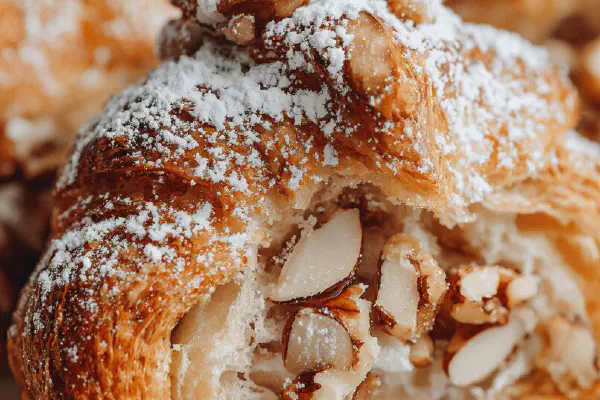
Almond Croissants Twist
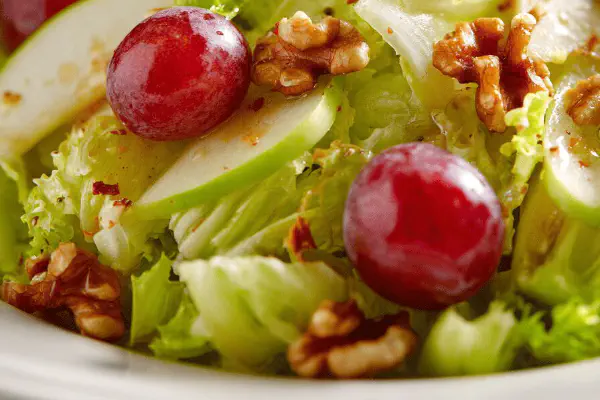
Green Apple Celery Salad
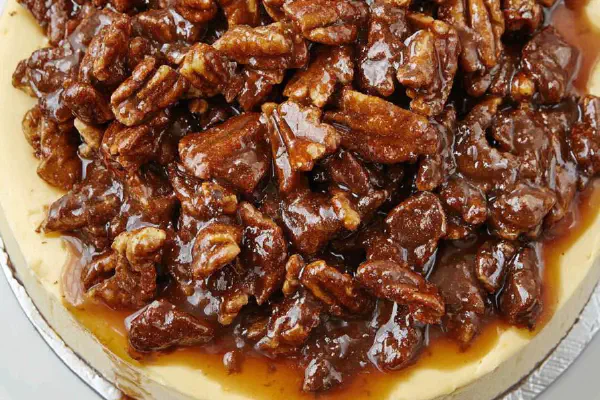
Pecan Pie Cheesecake
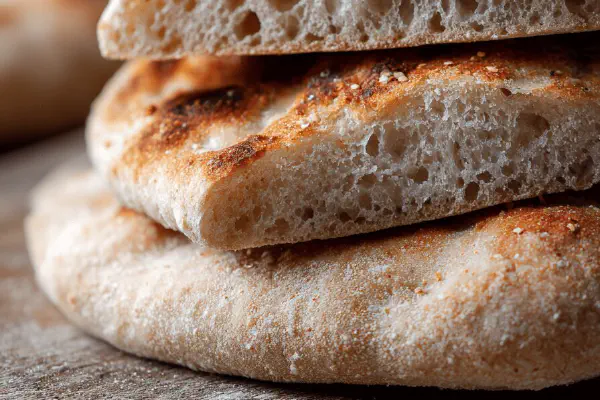
Homemade Rustic Pizza Dough
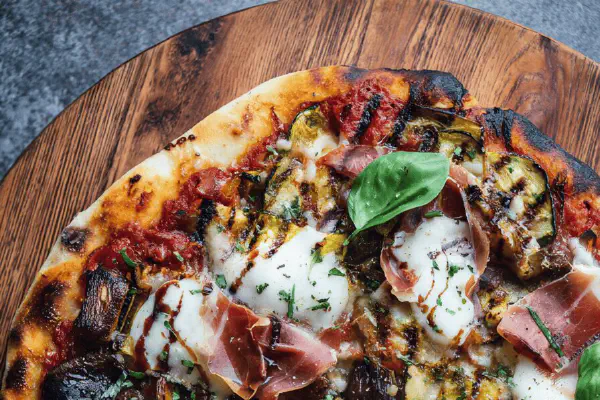
Grilled Veg & Prosciutto Pizza

Spiced Jalapeño Roll-Ups
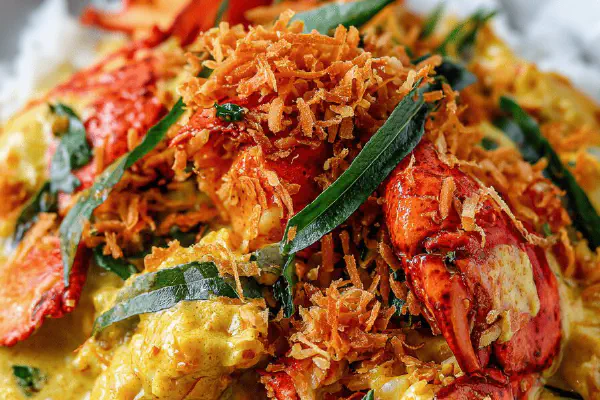
Curried Lobster Coconut
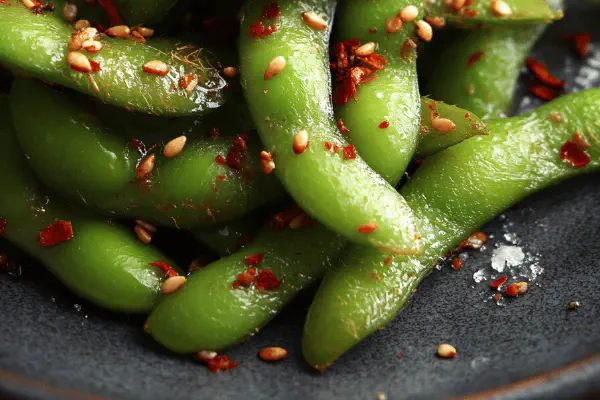
Salted Spicy Edamames
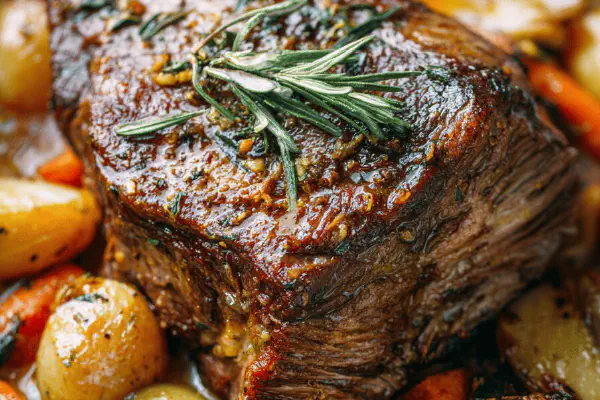
Veal Stew Sweet Potatoes
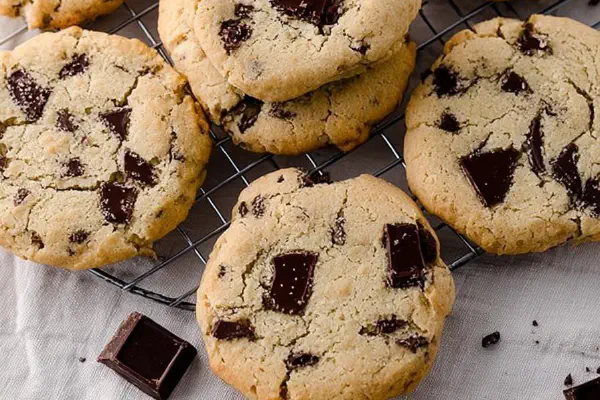
Chunky Chewy Choc Cookies
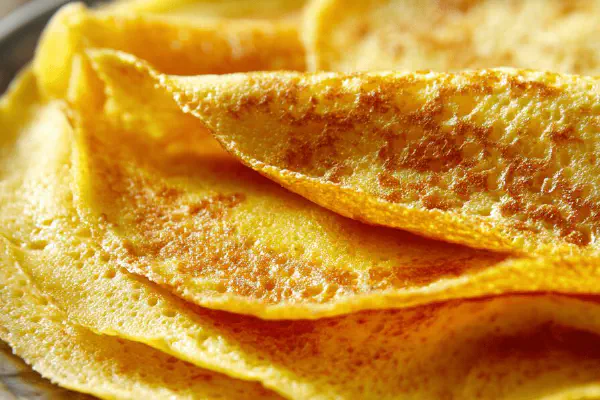
Gluten-Free Corn Crepes

Chunky Pineapple Cream Ice
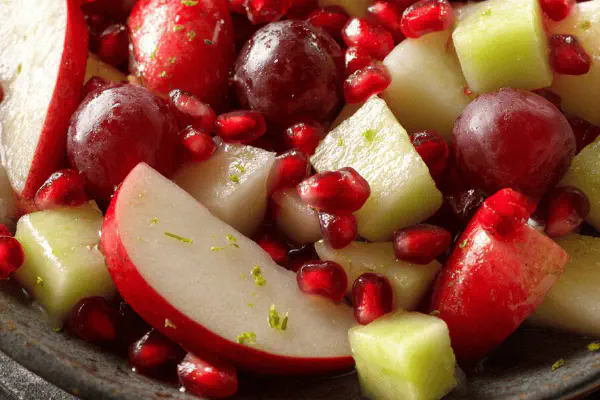
Red Fruit Salad Twist

Twisted Margarita
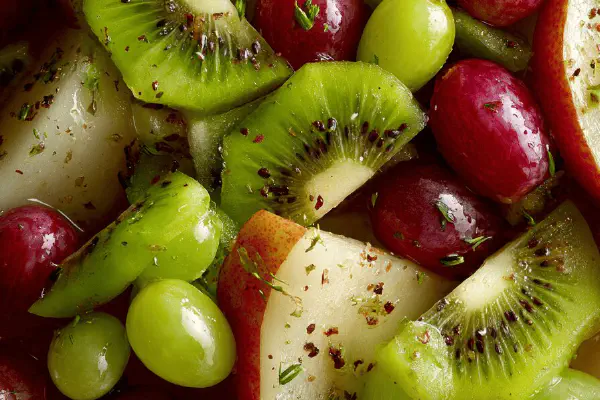
Pear Grape Salad Twist
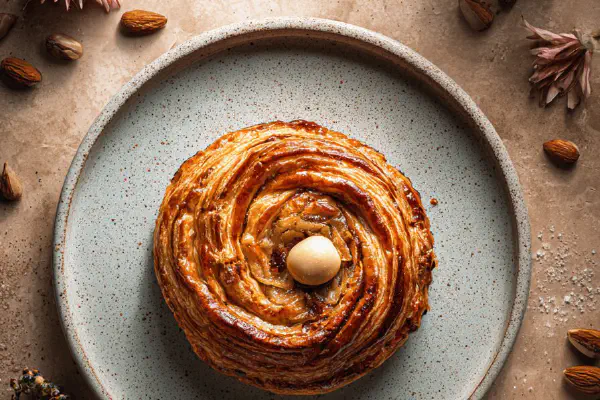
Galette Royale Twist
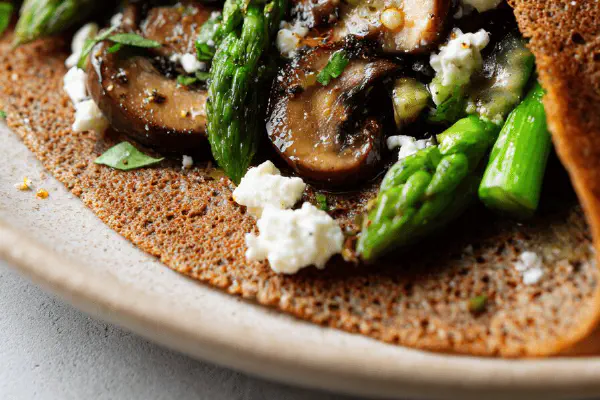
Buckwheat Crepes with Asparagus

Frozen Strawberry Cream Puff Pastry
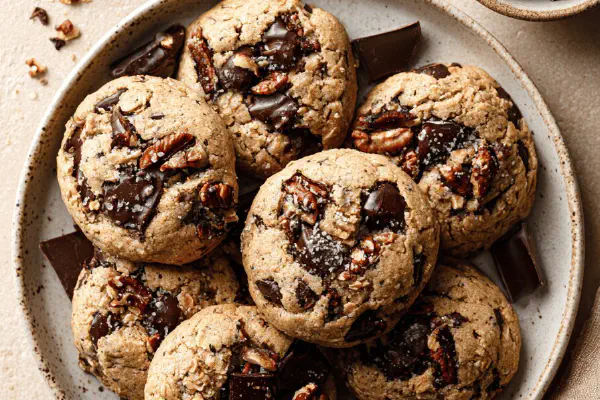
Soft Chocolate Chip Cookies
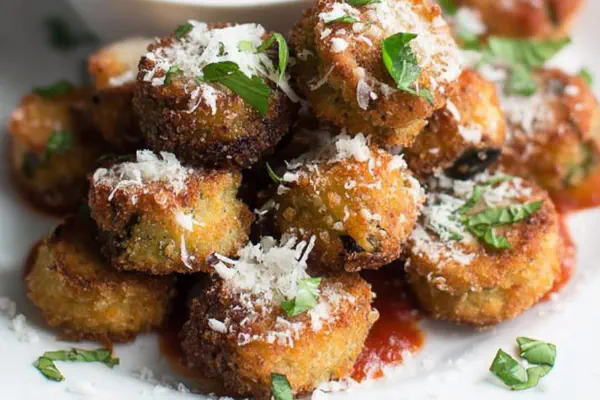
Crispy Eggplant Cubes
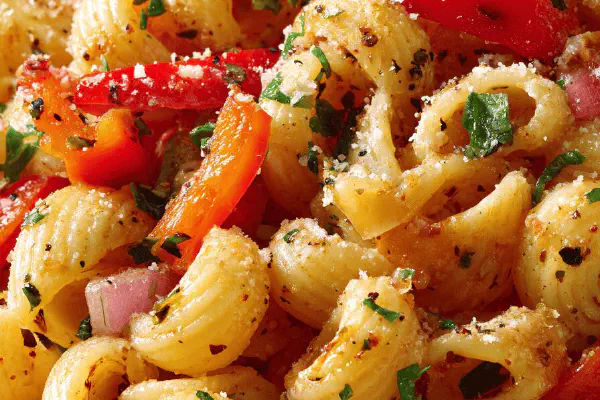
Pasta Salad with Pepperonata Twist
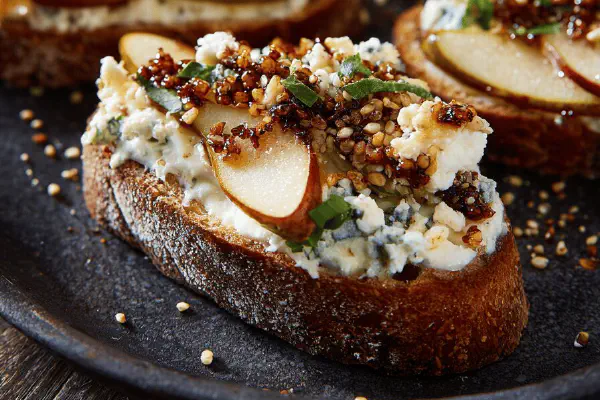
Pear Ricotta Blue Cheese Canapés
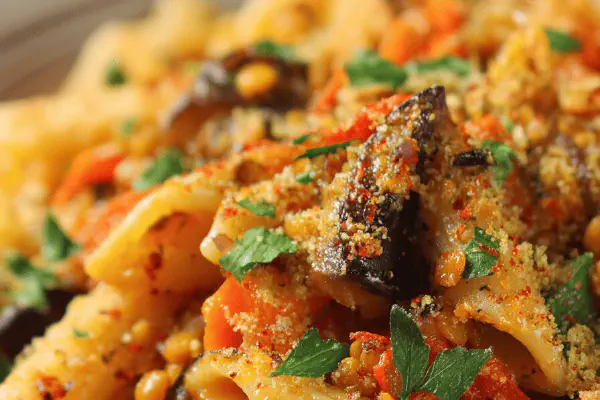
Red Lentil Penne Twist
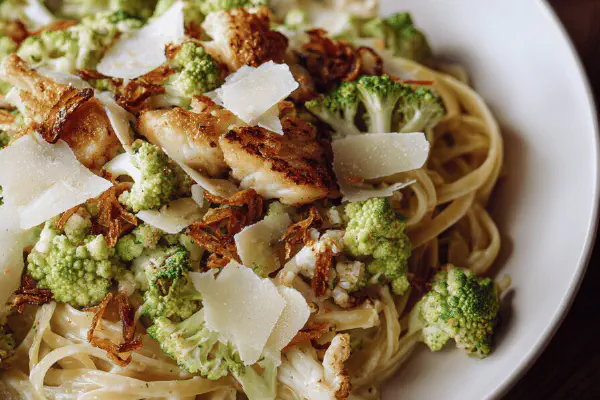
Garlic Cream Linguines Twist
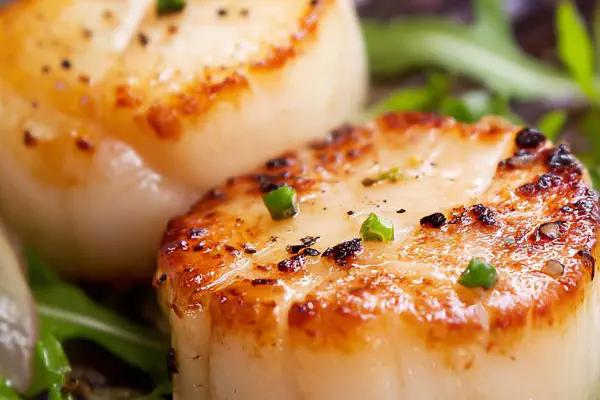
Seared Scallops Twist
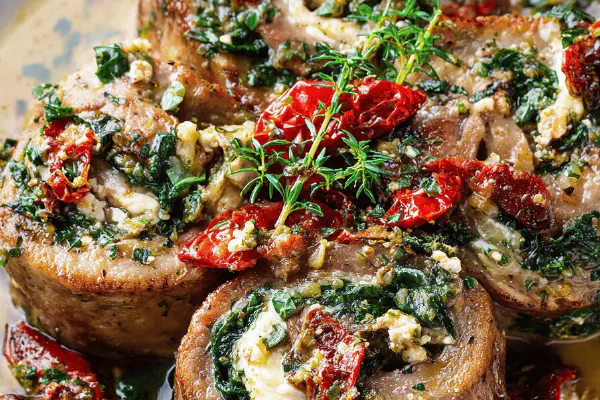
Veal Rolls with Spinach Artichoke
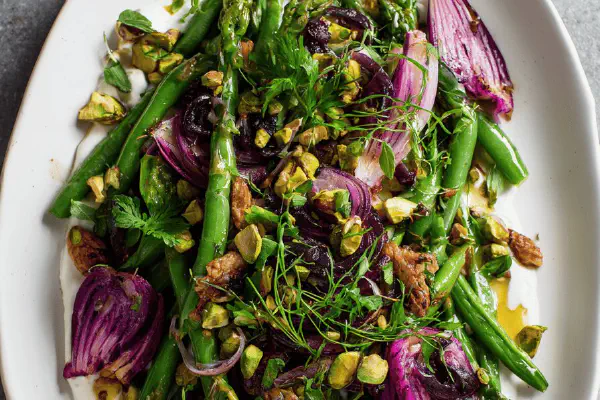
Green Veggie Salad with Roasted Shallots

Scrambled Sausage Breakfast Tacos
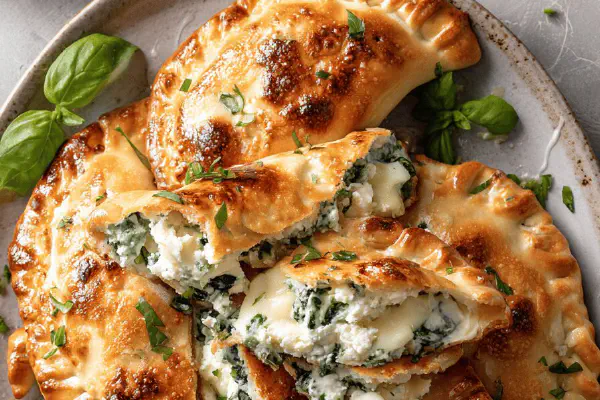
Ricotta Spinach Calzones