Featured Recipe
No Bake Citrus Swirl Cheesecake
By Kate
"
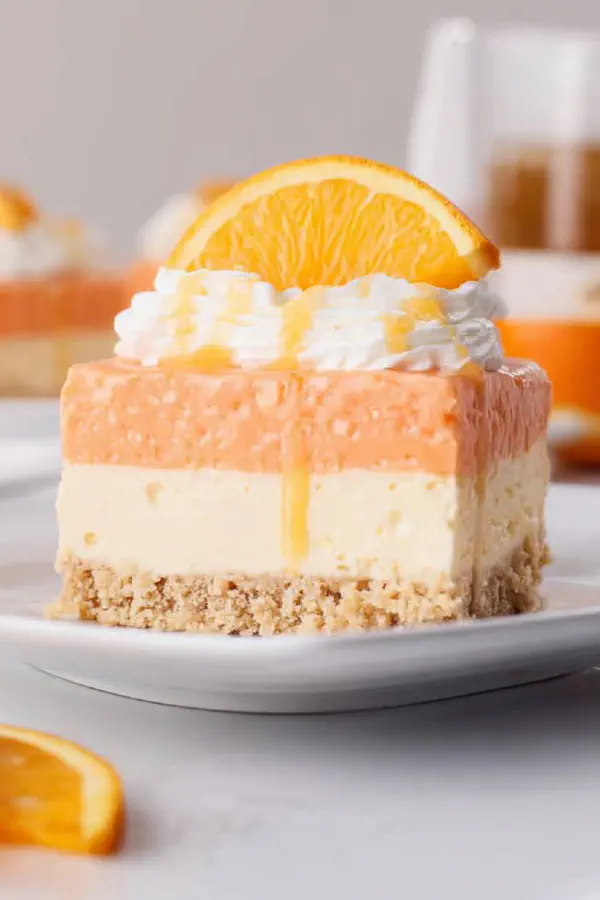
Layered no-bake cheesecake with a zesty twist. Vanilla cookie crust pressed firm, chilled quick to hold shape. Orange gelatin softened then folded into whipped cream for a light, airy tang. Cream cheese beaten till velvety; sugar and vanilla folded in slowly. Two whipped cream bowls split—half whipped into jello, half into cheesecake. Layers built strategically: crust, dense cheesecake, random dollops of orange cream, swirled carefully with fork, topped with remaining cheesecake and creamy orange layer. Chill long enough for structure. Served chilled. Rich, bright, balance of creamy sweetness and citrus pop. Mod adjustments include substituting butter with coconut oil, and orange jello with mango lime for unexpected tropical punch.
"
Prep:
30 min
Cook:
0 min
Total:
Serves:
8 servings
dessert
cheesecake
no bake
citrus
easy recipe
Introduction
Skip long waits. No baking, zero oven fuss, but texture that plays the part. Light fluffy cream and tangy jello melding in layers. Balancing the dense tang of cream cheese with citrus brightness. Though it seems simple, each fold and step commands attention. Overbeat cream, crust fails to hold, gelatin clumps ruin smooth finish. Know the signs: stiff peaks should hold shape but not crumble. Gelatin mixture should flow with a glance, no chunks or fuzzies. Press the crust firmly or risk crumble mishaps when slicing. Cool everything, patience pays off here. Layering smooth spread followed by swirling creates the visual stake. Refrigerate, don’t rush—structure builds slowly. Planning ahead required or no show at table. Substitute coconut oil for butter to boost aroma with tropical notes. Mango lime jello for fresh bite rather than standard orange. Citrus zest not just aroma, essential snap of flavor. Whipped cream divided for folding consistency across layers ensures softness and lightness throughout. Jelly mixture folds gently to preserve air bubbles. Patience with cooling gelatin stops broken texture downstream. Sharp knife needed at release; smudge marks or cracks means off chilling time or mix technique.
Ingredients
About the ingredients
Vanilla wafers: crush finely, almost powder texture but avoid turning greasy from overhandling. Coconut oil stands as buttery substitute, melts quick and imparts subtle flavor twist. Fresh grated zest crucial for aromatic lift; dried zest will flatten overall brightness. Heavy cream must be cold for whipping stability; warm cream won’t reach stiff peaks. Clear vanilla extract preferred here for color but pure vanilla extract works if clear unavailable—expect deeper tone. Mango lime gelatin chosen for sharper citrus punch and bright vivid look but you can revert to orange gelatin standard—expect sweeter, mellow flavor. Cream cheese softened at room temp for quicker mixing, no lumps or grit. Sugar split between crust and cheesecake layer to adjust sweetness balance. Powdered sugar in whipped cream helps stabilize peaks, granulated sugar insufficient here. Dividing whipped cream ensures light texture in both cheesecake and jello layers, maintaining aeration and creaminess.
Method
Crust
- Spray pan liberally; crushed wafers, sugar, and melted coconut oil mix in bowl. Texture resembles wet sand, pack firmly to edges and bottom. Freeze at least 20 minutes; freezes better with firm press.
- Cold heavy cream joins ½ tsp vanilla and powdered sugar; whip stiff peaks using whisk or mixer. Divide whipped cream equally into two bowls.
- Mix mango lime gelatin in boiling water with zest. Stir till shiny clear no granules. Cool room temp, no jiggly stage—wait till room temp but still liquid. Fold half whipped cream gently; reserve ½ cup separately for swirl.
- Cream cheese beaten till light and fluffy, about 1-1½ minutes. Lower speed, add sugar and vanilla, mix till smooth without lumps. Scrape bowl edges meticulously to avoid grit. Fold half whipped cream, reserve ¾ cup for swirling.
- Crust out of freezer, spread cheesecake layer evenly but leave reserved ¾ cup off to side. Dollop ½ cup orange cream randomly over cheesecake; fork swirl gently but thoroughly to distribute. Top with reserved cheesecake swirl, spread remaining orange cream evenly last.
- Chill minimum 6 hours or overnight. Knife test around pan edge before removing to avoid breakage.
- Butter swap coconut oil adds slight tropical aroma, blends better in melting. Mango lime jello replaces classic orange for vibrant color, sharper citrus. Use fresh zest for optimized flavor aroma; dried takes away bite.
- If cream breaks, chill bowl/mixer attachments. Overwhipping cream causes buttering, too soft means no structure. When swirling, avoid overmixing to keep visual contrast intact.
- If gelatin sets too fast, warm bowl slightly or temper gelatin. Crack in firm layers required, too soft crust means underpressing or too much oil.
- Using room temp cream cheese paramount. Cold lumps ruin texture.
- Chilling tip: cover cake with plastic wrap to avoid fridge odors, allowing cake to solidify evenly without skin or cracks.
Whipped Cream Prep
Gelatin Layer
Cheesecake Mixture
Assembly
Substitutions & Tips
Technique Tips
Spraying springform pan ensures cake releases cleanly, especially with moist gelatin mixtures. Press crust firmly but don’t overpack—too hard a crust becomes concrete-like. Freezing crust solidifies fats early, prevents sogginess when wet fillings added. Whipping cream to stiff peaks: watch carefully, soft peaks indicate underwhipping, grainy texture means overwhipping. Mix gelatin fully in boiling water until totally dissolved; undissolved bits can create gritty mouthfeel. Cooled to room temp gelatin ensures folding won’t melt cream, preserving airy texture. Beating cream cheese smooth before sugar addition prevents gritty clumps. Folding whipped cream in stages avoids deflating mixture. Dolloping and swirling: use fork gently, crosshatch movements create marbled visual without blending layers too much; stop once streaks visible. Refrigerate adequately; shorter chills risk watery halves and poor slice. Knife run at pan edges: sharp blade warmed under hot water then dried cuts cheesecake without smearing or cracking. Cover cake loosely to prevent drying out during refrigeration. Expect some seepage from gelatin, pat clean swiftly. Best slices served cold, reheating ruins texture, so slice right before serving. Timing flexible but chilling minimum critical for set, even if jelly looks solid sooner.
Chef's Notes
- 💡 Crush vanilla wafers till fine. Too much pressure? Greasy mix. Use food processor. Press crust firmly. But not too hard. Crust needs to hold shape.
- 💡 Heavy cream must be cold. Cold means stiff peaks. Slightly warm won't whip. Whipping time precise too. Mix to desired peaks. Watch closely.
- 💡 Gelatin must dissolve. Boiling water essential for clarity. Stir till shiny, no granules. Room temp before folding in cream. Warm causes melting.
- 💡 Cream cheese should be room temp. Cold leads to lumps. Beat until fluffy then add sugar. Scrape bowl edges to keep texture smooth. Avoid grit.
- 💡 Swirling technique matters. When dolloping orange cream, fork gently. Crosshatch movements create marbling. Don’t overmix—contrast is key in layers.
Kitchen Wisdom
What to do if cream breaks?
Chill mixer, bowl ahead. Overwhipping leads to butter. Too soft? Not enough body. Re-chill for structure.
How to handle leftover cheesecake?
Store in airtight container or cover with wrap. Best kept cold. Reheat ruins it—serve chilled.
What if gelatin sets too quickly?
Warm bowl slightly to loosen. Temper gelatin if needed. Slow down the cooling process. Manage carefully.
Can I alter the fruit flavor?
Yes. Use different gelatins, but expect flavor shifts. Lemon or lime? Adjust sweetness in cream too.