Featured Recipe
No-Yeast Potato Bread
By Kate
"
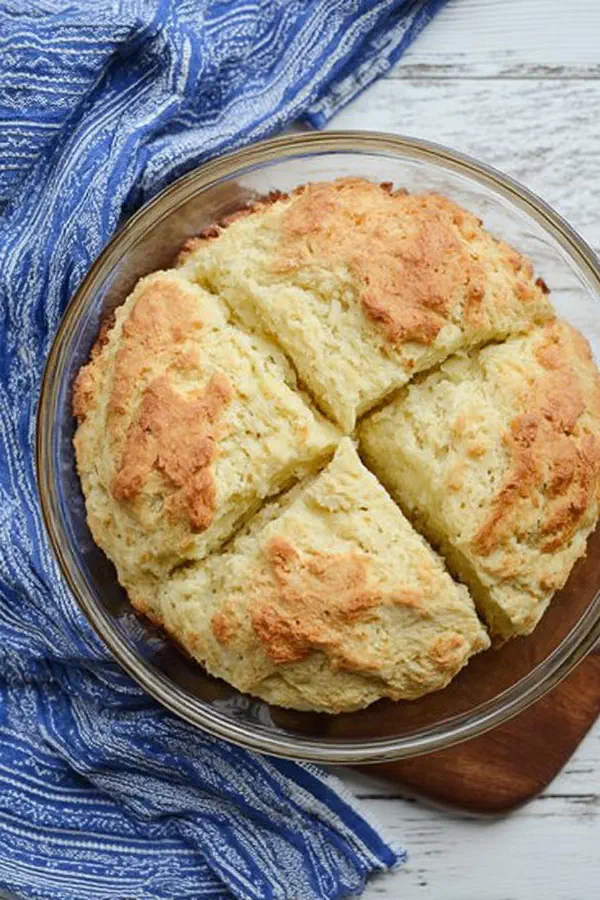
A dense, moist bread merging mashed potatoes with basic pantry staples. No rising needed. Uses baking powder for lift. Cooked in a cast iron or similar vessel to get a crackly crust. A quick bread option when yeast isn’t on hand but comfort bread is wanted. Can swap vegetables oils or milks, adjust hydration slightly for stiffer or wetter dough. Score the top for controlled expansion. Baking times vary depending on pan and oven heat spots. Crowded kitchens or colder dough slows baking. The aroma is faintly buttery with a subtle tang from the potatoes. Crust crackles under knife when done. Keep wrapped and slice after cooling almost full to avoid gummy interior. Tastes good warm or toasted later.
"
Prep:
15 min
Cook:
55 min
Total:
70 min
Serves:
10 servings
potato bread
no yeast
quick baking
comfort food
cast iron
Introduction
Start with cold mashed potatoes—day-old leftovers work better. The starch helps keep crumb soft after baking. No yeast means no waiting. Baking powder’s your lift agent; it activates fast and won’t produce air bubbles like yeast. This bread crust is crunchy enough to make that salty crunch for butter or jam, without a chewy unfamiliar yeast bite. Work fast mixing, avoid overblending batter. Overdeveloped gluten means dense, rubbery slices. Pat dough flat, score the top deeply for expansion control. This triggers look, direction for steam escaping, prevents runaway cracks along edges. Cast iron or heavy pan gives even browning and crisp base crust you want, but glass or ceramic works okay. Big X scores—more than cosmetic—they guide dough rising inside. Watch pan position in oven; if it browns too fast, shield with foil. Timing flexible; look and sound for doneness, not just time. Cool nearly fully before slicing. Slice too soon—crumb stays gummy, elastic, unpleasant.
Ingredients
In The Same Category · Homemade Breads
Explore all →
Spiced Apple-Zucchini Loaf
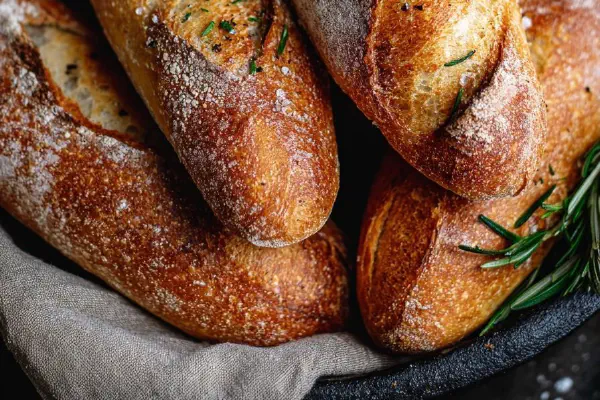
Rustic French Baguettes
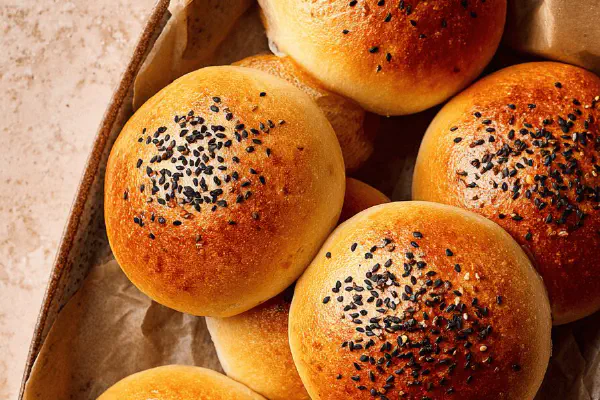
Homemade Burger Buns
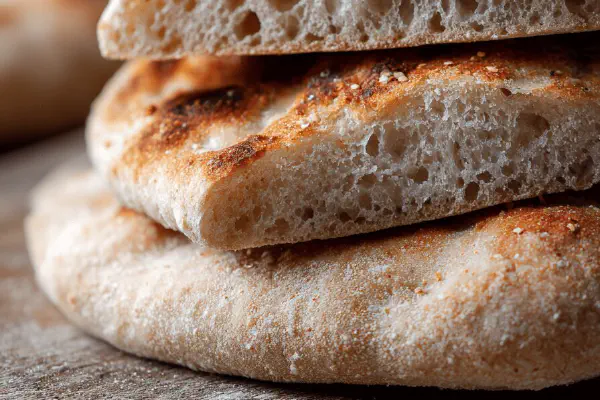
Homemade Rustic Pizza Dough
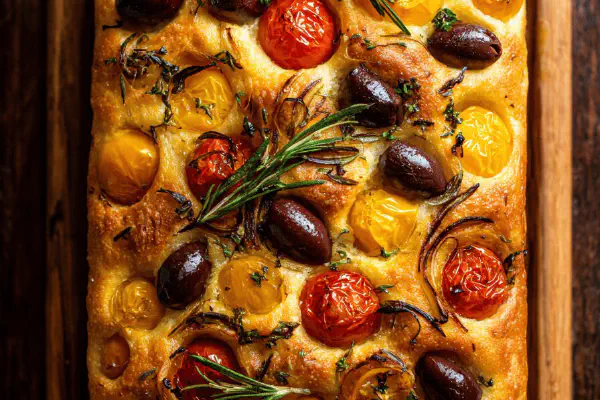
Cherry Tomato Focaccia
Twisted Iron-Crust Cornbread
Basic Vegan Pizza Dough
Honey Butter Rolls
Rustic Pizza Dough
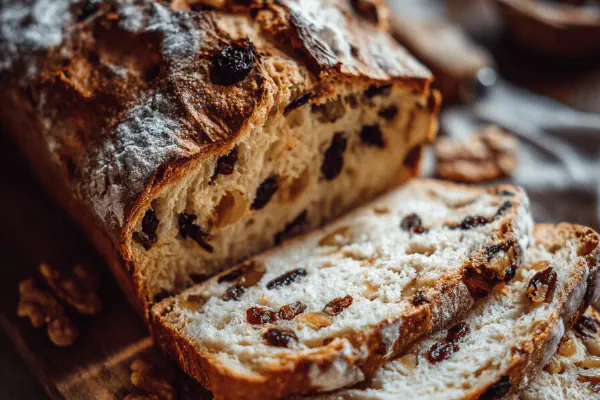
Twisted Kouglof
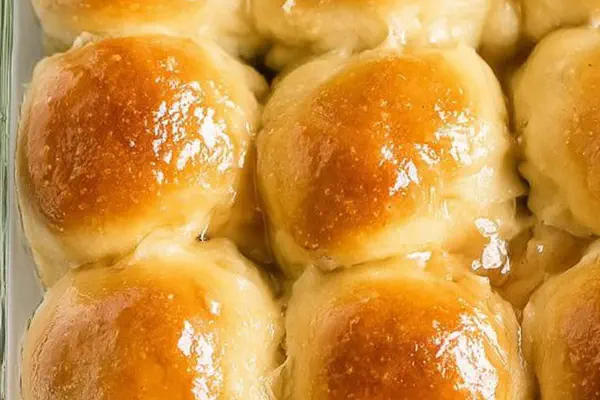
Buttery Dinner Rolls Twist
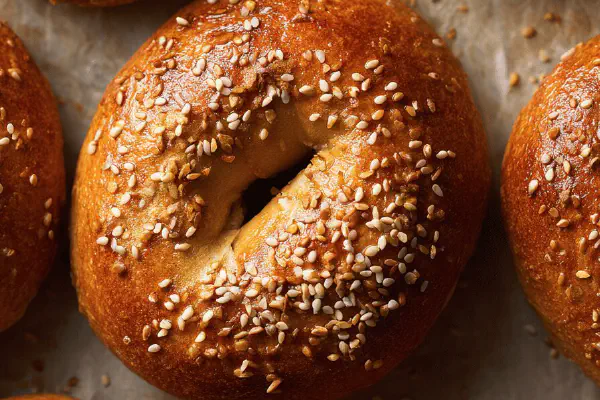
Sesame Bagels with Molasses Twist
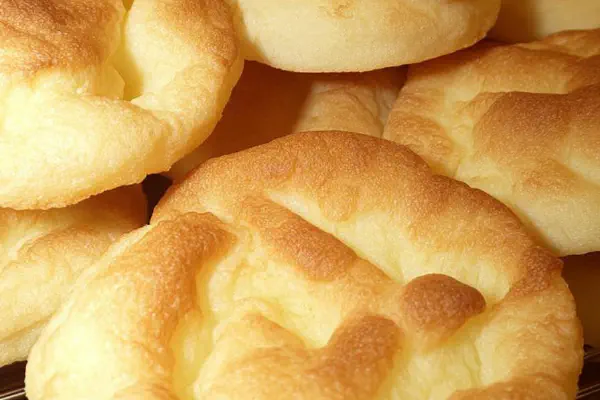
Keto Cloud Bread Twist
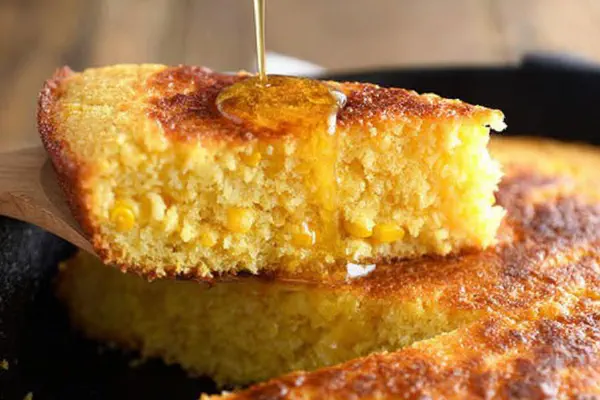
Lazy Skillet Creamed Cornbread
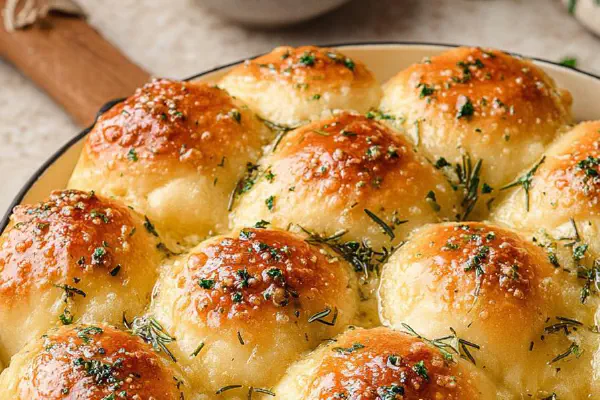
Garlic Rosemary Pull-Apart Rolls
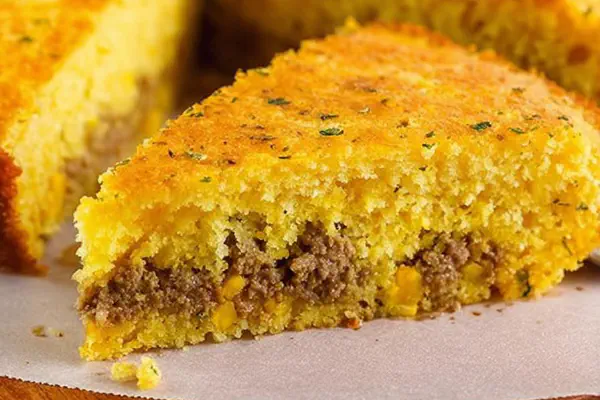
Hearty Tex-Mex Cornbread
About the ingredients
Mashed potatoes need to be cooled, no skins—starchy effect helps texture. Use leftover mashed potatoes for moisture balance. Egg size matters—large eggs standard; smaller eggs may change dough consistency. Milk type flexible, whole milk recommended for richness; try oat or soy milk for dairy-free, but consistency may need adjustment. Avocado oil offers neutral flavor and healthy fats; light olive oil or melted butter works if you want added flavor. Flour choice affects crumb; stick with all-purpose for moderate gluten. Baking powder key to rise—check freshness for best reaction. Fine sea salt preferred for even seasoning. Sugar optional for slight fermentation flavor and crust color—coconut sugar adds mild caramel notes and less refined sweetness. Don’t swap baking powder for baking soda without acid; no yeast means no acid to activate soda. The balance of wet and dry custody prevents gummy or chalky bread. Adjust flour slightly if dough feels overly floppy or dry, but expect some tackiness.
Method
Technique Tips
Grease vessel thoroughly to prevent sticking; cast iron preferred for heat retention and crust formation. Preheat oven fully to avoid sluggish rise and crust development. Combine mashed potatoes and eggs first to evenly distribute moisture. Mixing beyond cohesion breaks starch granules, making bread dense—stop when dough just holds. Fold in dry ingredients gently; vigorous stirring develops gluten, results in chewy loaf, not tender. Score top in an X deeply but don’t compress dough; this offers expansion space and controlled steam vents, producing clean crust cracks instead of bursting. A light spray on dough surface promotes browning and crisp skin; skip, risk dough drying unevenly. Bake on lower rack for bottom crust development. Tent with foil if crust colors too quickly—better to hold warmth inside without burning. Hollow tap signals done crust. Cool in pan before turning out to prevent collapsing crumb structure. Let it go fully cool for slicing to let crumb set; premature slicing crushes the crumb, yields gummy, doughy feel. Wrap bread airtight once cooled to keep moisture balance. Toasting leftover slices reactivates crust crunch and revives aroma.
Chef's Notes
- 💡 Use cold, leftover mashed potatoes for moisture. Flour around 2 cups, adjust slightly for dough consistency. Cool potatoes blend better without lumps. Consider different oils based on flavor preference. Oat or whole milk, both work—adjust hydration for thickness.
- 💡 Watch kneading time. About 45 seconds should suffice. Overmixing toughens—big no. Spread dough lightly in the pan. Pat gently without compressing; it needs room to expand. Scoring helps guide the dough. A deep X allows steam to escape.
- 💡 Bake in the lower-middle rack for best base crust. Watch crust browning; shield with foil if needed. Hollow sound when tapped means done. Let it cool on a wire rack for about 20 minutes. Cool before slicing. Avoid gummy texture.
- 💡 Wrap cooled bread tight at room temp. Best within 3 days. Stale? Toasting brings back crust. Slicing too soon crushes crumb structure. If dough feels floppy or hard, adjust flour—sticky but not wet dough is ideal. Adapt hydration for humidity.
Kitchen Wisdom
What if my bread doesn't rise?
Check baking powder freshness. If too old, no lift happens. Also, maybe overmixing—keep it airy.
Can I use sweet potatoes?
Yes, sweet potatoes can work. Texture will be denser but still tasty. Adjust sugar depending on sweetness.
How to store it?
Room temp in plastic wrap; keep moisture balanced. Longer shelf-life in fridge. Wrap well—avoid dryness.
What if the crust is too dark?
Lower rack can burn quickly; keep an eye. Shielding with foil helps. Careful position matters.
You’ll Love These Too
Explore all →
Mustard-Infused Aioli
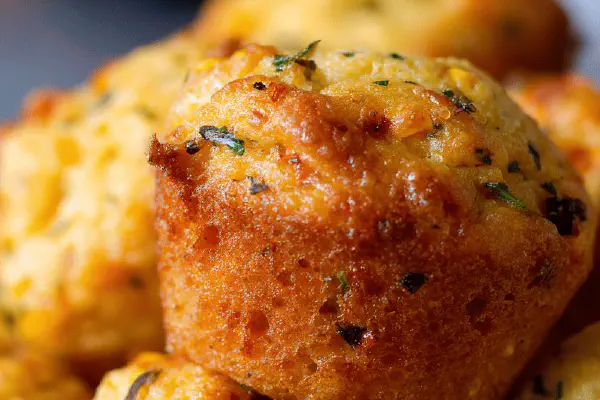
Corn Muffin Variation

Smothered Chicken Twist
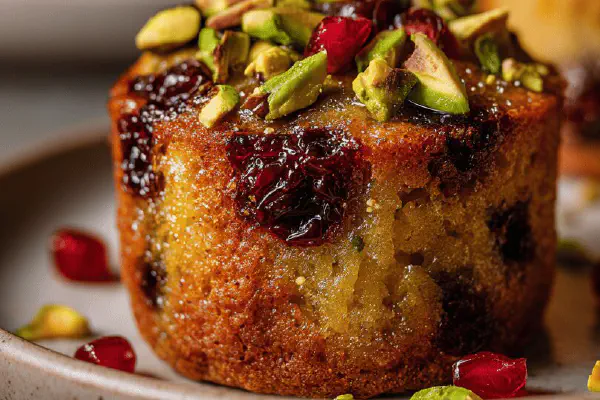
Berry Pineapple Financiers

Slow Cooker Bacon Cheddar Cornbread
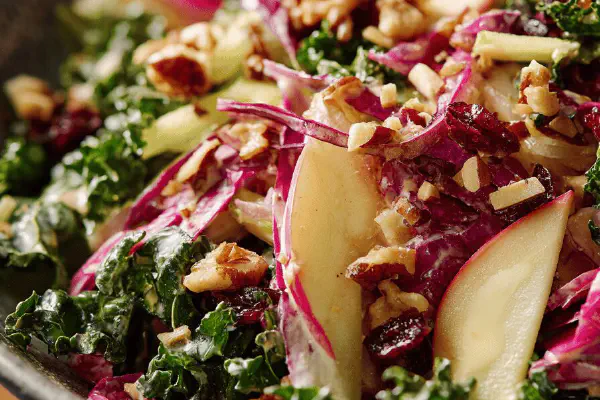
Kale Celery Waldorf Salad
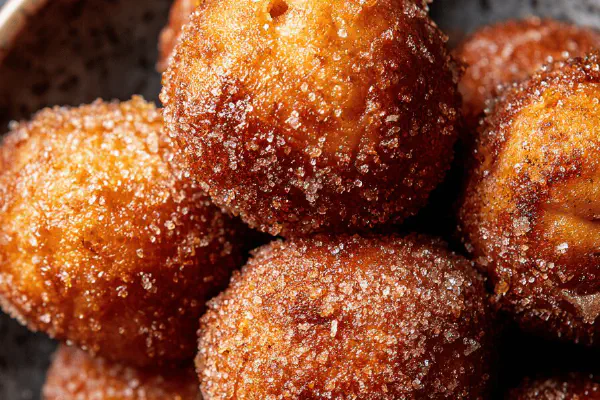
Crunchy Panettone Brioche

Festive Layered Dunkaroo Dip
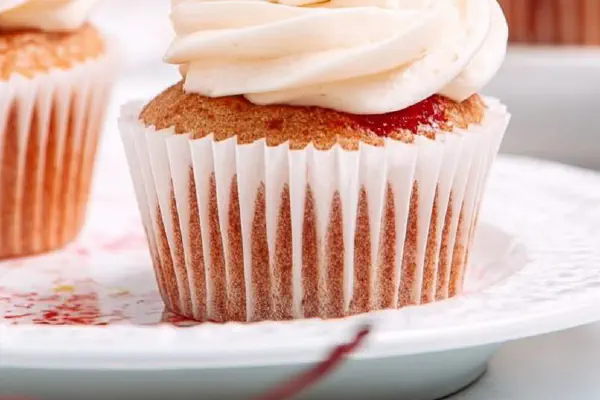
Cherry Almond Cupcakes
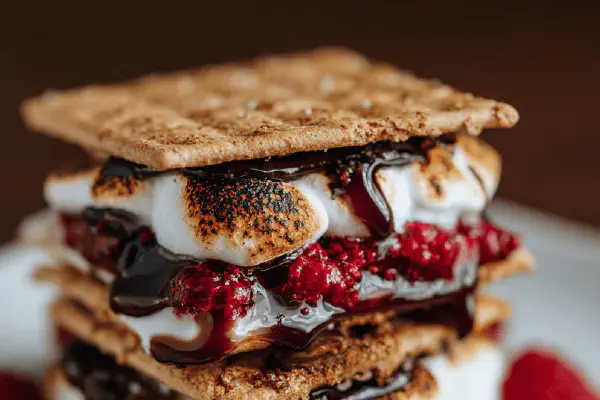
Raspberry Maple S’mores
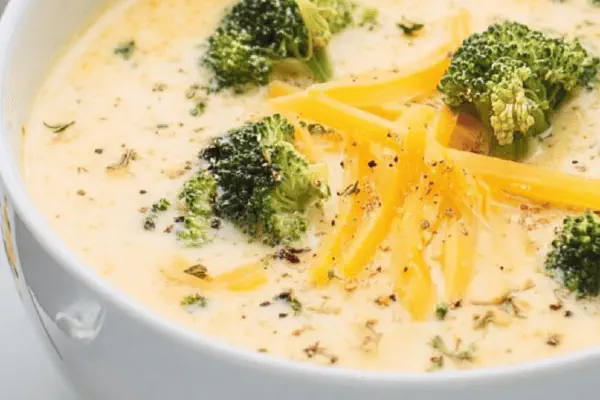
Broccoli Cheese Soup Twist
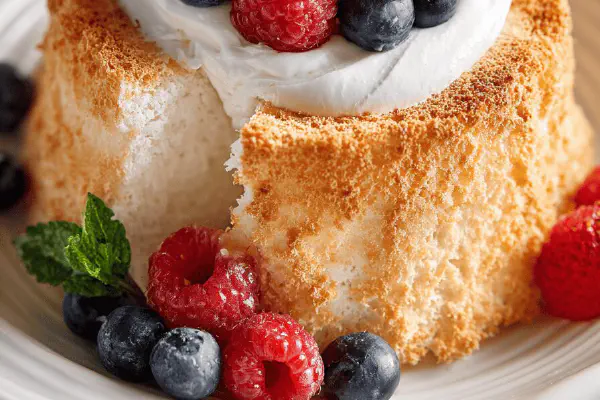
Angel Food Cake Remix
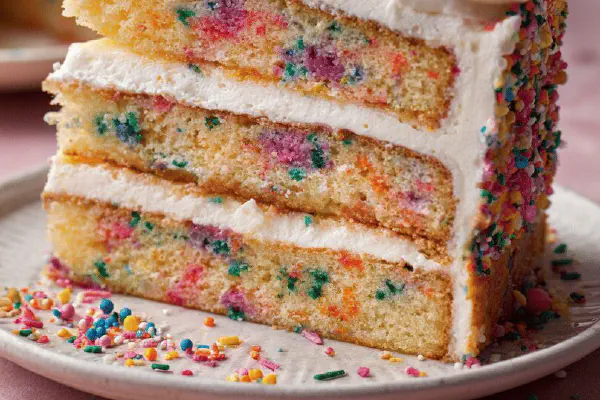
Birthday Confetti Cake
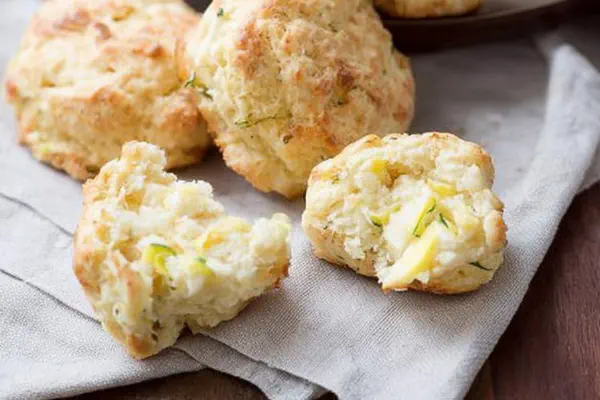
Cheesy Yellow Squash Biscuits
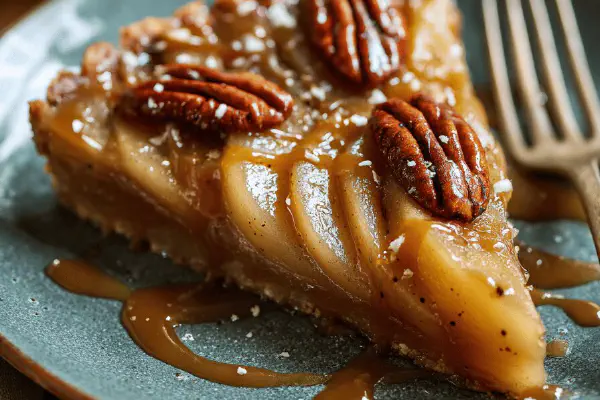
Upside-Down Apple Tart with Salted Caramel Drizzle
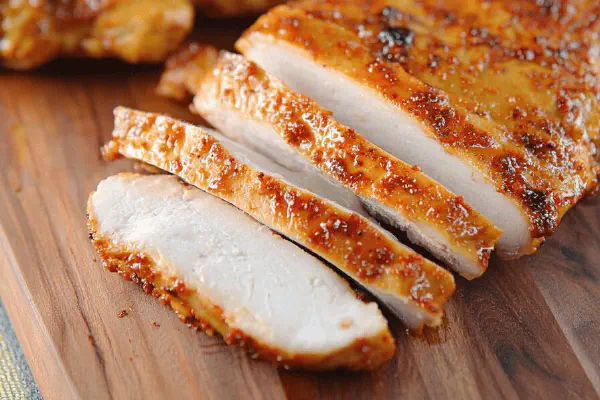
Spiced Honey Grilled Turkey
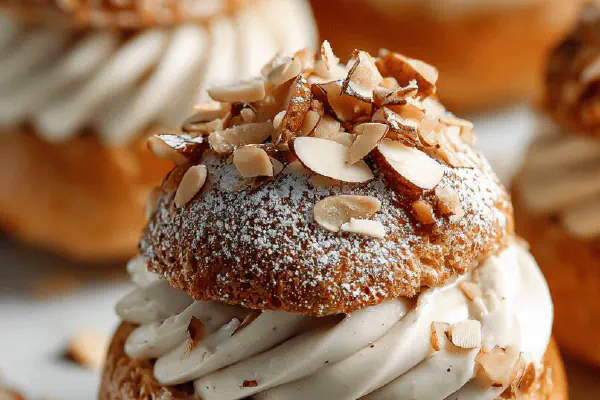
Almond Praline Choux Pastries

Cinnamon Almond Horchata
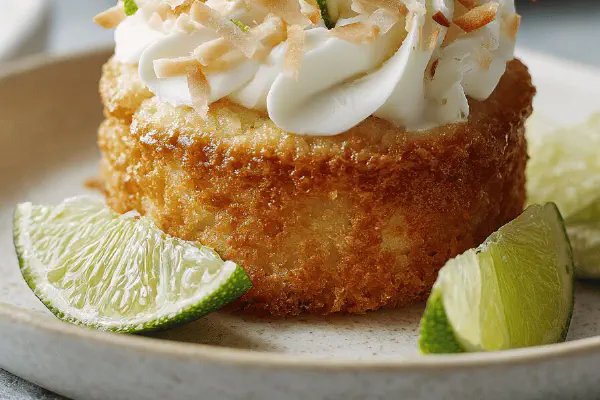
Lime Coconut Mini-Cakes

Cinnamon Whiskey Truffles
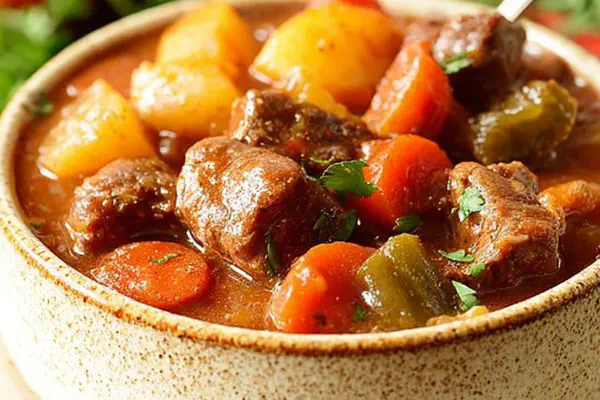
Slow Cooker Creole Beef Stew
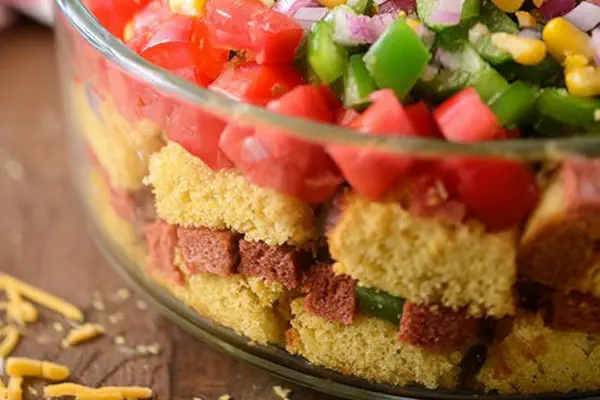
Cornbread Bean Salad
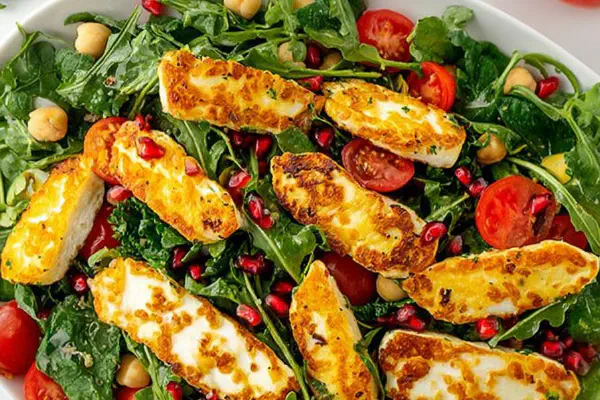
Crispy Halloumi Chickpea Salad
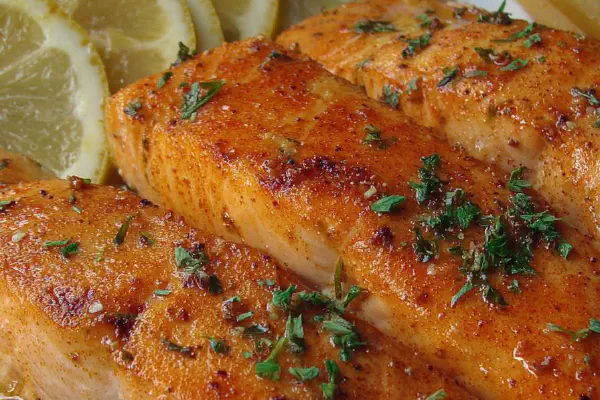
Ancho Citrus Salmon Twist

Candied Rhubarb Twist
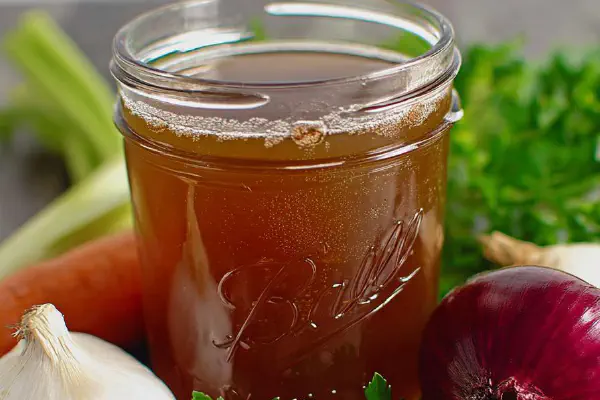
Roasted Beef Bone Broth

Gluten-Free Strawberry Rhubarb Crisp

Savory Cheddar Herb Muffins
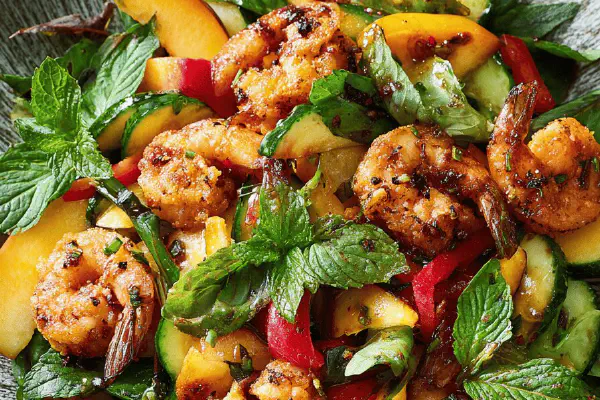
Grilled Pepper Peach Shrimp Salad