Featured Recipe
Nutty Butter Bites

By Kate
"
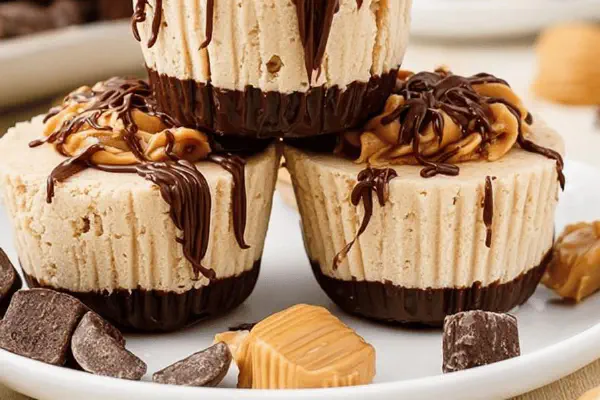
Peanut butter balls with swapped crushed cookies and coconut flakes for crunch. Butter swapped with cream cheese to add moisture and tang. Granulated sugar replaced with brown sugar for richer flavor. Rolled, chilled, dipped in melted dark chocolate with sea salt sprinkle. No mixer needed; hands preferred. Techniques focus on tactile cues to get the right dough consistency. Efficient double-fork dipping avoids mess. Store airtight, fridge for lasting texture. Makes about 45 bites, around 160 calories each.
"
Prep:
40 min
Cook:
5 min
Total:
45 min
Serves:
45 servings
dessert
no-bake
snacks
chocolate
peanut butter
Introduction
Forget mixers for this. Start with room temperature peanut butter, roomy cream cheese—not frozen or cold, messes with texture. The dough here isn’t cake batter; it’s dense and hefty. You don’t want it too airy—lighter textures disintegrate when chocolate coats. The swap from graham to vanilla wafers plus coconut ups the crunch game, adds to chew. Brown sugar instead of white plays in deeper, richer territory. Once mixed, hit that fridge hard but don’t let balls freeze solid—you want firm but forgiving. Chocolate dipping? Two forks. That’s the pro move. Tap, shake, not messy drips all over your counter. Sea salt finish on dark chocolate sets taste to sharp contrast; makes these creamy bombs sing. Store smart. Too cold and chocolate dulls, too warm and balls soften. Room temp is your friend just before serving. You’ll get a hold on tactile cues fast—use those, not timers.
Ingredients
About the ingredients
Cream cheese in place of butter creates moisture and a little tang, makes bite smoother and less oily. Powdered brown sugar also dissolves better here than granulated since no heat is applied, but adds caramel notes. Vanilla wafers crushed instead of graham crackers offer a lighter crunch and subtle vanilla flavor, while unsweetened shredded coconut injects texture without extra sweetness—watch shredded size, finely shredded blends in better. Peanut butter choice matters—go creamy, not natural with separated oil unless you want to stir that in and adjust dryness. Salt is essential; counters sweetness, open your flavor palate. Almond bark is easy for melting but real dark chocolate chips bring better flavor complexity. If melting chocolate, temper gently—too hot, clumps. Keep some extra coconut flakes or candies on hand for decoration or backup coatings. Practical: Keep hands dry when mixing, a little damp can make sugar clump. For gluten-free, crush gluten-free vanilla cookies.
Method
Technique Tips
Avoid the mixer at all costs—too much air incorporated makes dough fragile. Hands give control; you feel dryness or stickiness instantly, can add a pinch more sugar or throw in another crumb or two to firm it up. Roll balls tightly. Loose rolling means cracks later. Temperature matters from the start—don’t skip functional chilling steps for firm centers. Melting chocolate slowly ensures glossy, fluid consistency without burning. Two-fork method allows quick, even coating and taps excess, which prevents pooling chocolate. Don’t rush between batches—chocolate hardens too fast at room temp and cold balls warm fast in warm chocolate, causing crumbling. Salt on wet chocolate bonds better; sprinkle immediately. Store airtight to avoid drying out or chocolate bloom. Let set at room temperature for a better bite not hard crunch. If feeling impatient, slight fridge chill after coating but no more than 15 minutes or surface cracks. Clean workspace beforehand; sticky counters = bigger mess.
Chef's Notes
- 💡 Use room temperature cream cheese, no cold bits. Creamy peanut butter, not natural. Avoid clumps. Test dough firmness for success. Too airy, it'll break.
- 💡 Chill tray ahead. Mix by hand; feel dough consistency direct. Tacky but firm means good. Too sticky; add a pinch more crushed cookies.
- 💡 Roll balls firmly. Loose means cracks down the road. Set on chilled tray. Refrigerate 25 min before dipping. Firm but not frozen—key to handling.
- 💡 Melt chocolate carefully. Microwave short bursts, stir often. Glossy and fluid is what you want. If too cool, won’t coat well. Control temp.
- 💡 Use both forks. Drop, roll, lift quickly. Tap excess off. Place on parchment. Sprinkle sea salt right away. Prevents messy pooling on surface.
Kitchen Wisdom
How do I know when the dough is ready?
No mixer. Tap texture matters. Tacky but not sticky; dense. Test by rolling—it should hold shape.
What if my chocolate hardens too fast?
Keep melted chocolate warm on low heat. If not, gently remelt. Small batches avoid temp drop. Stay alert.
Can I use different types of nuts?
Sure; swap peanut butter for almond or cashew. Texture and flavor will shift. Adjust sweetness based on nut choice.
How long do they keep?
Airtight in fridge for a week. Up to three days at room temp. Monitor chocolate softening. Too cold means chalky.