Featured Recipe
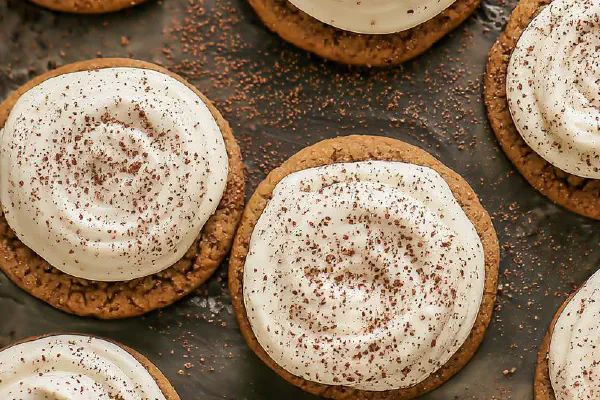
Oatmeal Cream Sandwiches

By Kate
"
A twist on classic oatmeal cookies. Uses coconut oil instead of shortening plus brown rice syrup replacing molasses. Dough chills longer for better shape retention. Oats toasted beforehand to deepen aroma and crunch. Filling swapped veg shortening for cream cheese, giving a tangy, rich bite. Batch yields 24 sandwiches. Watch for edges turning golden as key doneness cue. Filling spreads thick but holds firm when chilled. Hands sticky, glass bottom sprayed avoids dough sticking during presses. Mind dough softness or cookies run too thin and burn fast.
"
Prep:
20 min
Cook:
15 min
Total:
55 min
Serves:
24 sandwiches
cookies
oatmeal
desserts
sandwiches
Introduction
Cookies need structure or they turn into paste. Toasting oats removes that raw, grainy bite most overlook yet nails texture and aroma to next level. Swapping coconut oil for shortening and brown rice syrup for molasses switches the flavor profile subtly–less heavy, more layered brightness under the spices. Egg incorporation step is non-negotiable. Rushing it leads to uneven rise, cracked tops. Dough chill time substantial; don’t skip or you’ll fight spread. Filling? Cream cheese punches sweetness with tang and a bit of firmness—not your run-of-the-mill marshmallow fluff bomb. There is merit in contrast. This combo is worth the fuss. Watch signs–ears crisp, centers giving but steady. Cold glass bottom for flattening avoids sticky fingers and mess making the job faster and cleaner. Once chilled, these sandwiches slice through texture expectations. Simple tweak ingredients, shift steps slightly; that’s kitchen measure for dynamic final product.
Ingredients
About the ingredients
Using coconut oil over traditional shortening keeps edges crisper without sacrificing moisture, plus a subtle nutty undertone. Brown rice syrup is less viscous and sweeter than molasses, resulting in a milder flavor and soft crumb. Toast the oats first. Skipping that risks a heavy, dense mouthfeel. Vanilla beans or paste work better here than extract if you have them—intensifies aroma distinctly. Cream cheese filling stabilizes better than straight marshmallow fluff, especially in warmer climates. Powdered sugar sifted avoids gritty mouthfeel in frosting. Salt balances sweetness throughout, key in dough and filling for depth and brightness. Substitutes: can swap toasted quinoa flakes for oats if gluten is a concern; maple syrup for brown rice syrup but lower the liquid slightly to maintain dough firmness.
Method
Technique Tips
Crucial to beat fats and sugars fully for airy dough that yields chewy edges alongside soft chewy centers. Don’t dump all sugars at once; gradual integration emulsifies better, prevents greasy feel. When adding eggs, slow addition ensures stable batter; rapid dumping causes curdling and uneven crumb. Whisk dry ingredients through a sieve to avoid pockets of baking soda or clumps, which cause uneven rise and bitter spots. Fold oats gently to avoid breaking oats structure, retain chew. Dough chill establishes gluten relaxation and fat firming–don’t shortcut. Flatten with a lightly oiled flat glass bottom; dough sticks and tears easily otherwise. Bake until edges are golden and centers are set but not dry; pull too early and cookies sink, too late and cookies harden. Filling: beat cream cheese and butter extra thoroughly to eliminate lumps. Add sugar gradually to prevent powder clouds in bowl and maximize incorporation. Refrigerate filling if falling too soft for spreading. Sandwich assembly is straightforward but careful with spread thickness–too much filling causes sandwich to slip and collapse. Allow final chilling for flavor melding and perfect sandwich bite texture.
Chef's Notes
- 💡 To toast oats, use a dry skillet. Heat until nutty aroma fills kitchen. Stir often. Texture improves, really enhances chew. Let cool before adding to dough.
- 💡 Beat fats properly. Dough needs lift, aeration. Coconut oil plus butter in large bowl. About 3 and a half minutes on medium speed. Watch for light, fluffy mix.
- 💡 Sugar addition matters. Gradually mix sugars into fats. Otherwise, grainy cookie texture happens. Emulsification key. Add eggs one at a time. Incorporation is essential.
- 💡 Dough chill time can't be skipped. 30 minutes minimum. Helps hold shape during baking. Avoid spreading. Warm dough causes cookies to flatten; leads to burning.
- 💡 Flattening dough balls? Use the bottom of a glass. Spray lightly with oil. Prevents sticking. Aim for about 5/8 inch thick. Too thin, cookies burn. Too thick, underbake.
Kitchen Wisdom
What's a common issue?
If cookies spread too much, check dough chill time. Not cold enough? Or dough was too soft before baking.
Can I change ingredients?
Yes, swap coconut oil for another oil. Butter works too. Rice syrup can be replaced with maple syrup; adjust moisture.
How to store sandwiches?
Airtight container works well in fridge. Can also freeze, just separate layers with parchment paper. But let return to room temp before serving.
Consistency of filling too soft?
Refrigerate filling briefly; firms it up. Can add more powdered sugar if needed. Balance is key for spreading.