Featured Recipe
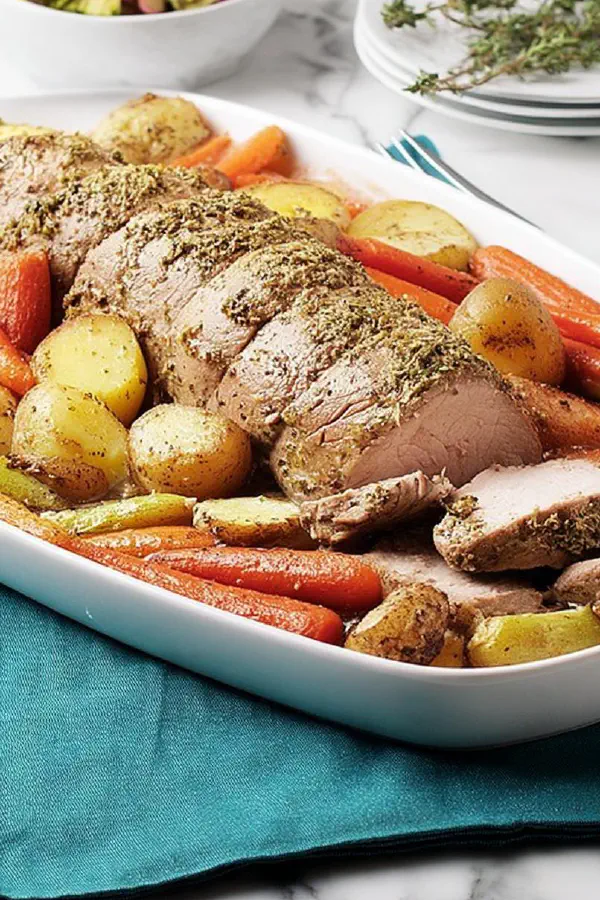
One-Pan Garlic Herb Pork
By Kate
"
Roasted pork tenderloin nestled with tossed carrots, brussels sprouts and fingerling potatoes. Garlic powder, onion powder and Italian herbs build dry rub. Red wine vinegar adds brightness to vegetables. Uses foil boat to catch pork juices for basting. Oven temp drops mid-cook to finish pork without drying. Visual cues key: golden edges and fork-tender veggies, pork thermometer hits 145°F. Resting pork guarantees juiciness. Flexible veggies and herbs for swapping based on season or pantry. Simple, hands-on method focusing on aroma, texture, and timing cues over exact minutes.
"
Prep:
7 min
Cook:
25 min
Total:
32 min
Serves:
4 servings
pork
one-pan
roasting
vegetables
dinner
Introduction
Forget fussy multitasking and clamp-down recipes. Start by heating the oven hotter than you think, creating immediate caramelization. That punchy heat seals pores on the pork and vegetables for deep flavor and texture. The rub is more than seasoning—garlic and onion powders punch, but smoked paprika and thyme twist the earthy notes that Italian seasoning alone can’t touch. Tossing veggies with red wine vinegar wakes their natural sweetness during roasting, balancing the pork’s savory crust. The foil boat isn’t a gimmick but a smart containment strategy—trap those juices, baste effortlessly, keep flavors from mingling too much but still close enough to scent each other. Visual doneness beats timers; you’ll hear the sizzle soften, see golden veg edges crisp, smell that pulled-pork roast aroma just shy of char. Resting the tenderloin wraps up the magic—don’t skip this vital reprieve for juiciness. Practical swaps included for when seasons shift or pantry shelves bare, because life rarely follows the grocery list perfectly. This method toughens your cooking intuition—trust the thermometer, the fork, the sniff test, not just the clock.
Ingredients
About the ingredients
Garlic powder and onion powder offer intense but smooth background flavors without raw garlic’s harshness. Kosher salt preferred for even seasoning, but table salt works if reduced by half because of its density. Using smoked paprika adds subtle heat and smokiness—replace with plain paprika or cayenne for a hotter kick. Italian seasoning is a blend of dried basil, oregano, rosemary, which may be homemade or store-bought; fresh herbs work but add at end to preserve brightness. Red wine vinegar is key to giving veggies a subtle tang that balances roasting sweetness; swap apple cider vinegar or fresh lemon juice but expect flavor shifts. Olive oil ensures even roasting and caramelization; neutral oil like avocado or grapeseed will also do if olive flavor isn’t wanted. Carrots, brussels sprouts, and fingerling potatoes chosen for varied texture and cooking times but can be swapped with similarly dense vegetables like parsnips, green beans, or baby potatoes. Cooking spray is a time-saving shortcut preventing sticking but a light brush of oil on the pan works fine. Keep the foil boat’s edges tall to trap all juices; this makes the difference between flavor-laden roast and dry meat.
Method
Technique Tips
Preheating the oven to 410°F then dropping to 355°F is intentional. The initial hot blast forms crust quickly, locking moisture in pork and intensifies vegetable caramelization. The spice rub should be evenly distributed; uneven application leads to bland patches or overpowering spots. Patting the pork dry is essential to create a surface the dry rub can grip—moisture creates steaming instead of roasting. Foil boat edges high to catch every drop; no more hunting for drippings or making extra gravy. Tossing vegetables in acid brightens flavors and cuts through their natural sweetness—don’t skip the vinegar. Arrangement of vegetables around pork allows air to circulate so everything roasts evenly; overcrowding steams instead of roasts. Checking vegetables halfway prevents burnt edges and identifies if they require spritzing or turning. Resting period lets juices redistribute within pork fibers; slice too soon and juices gush out leaving the meat dry. Using an instant read thermometer is non-negotiable—target 145°F for safe, moist pork. Relying on time alone risks overcooking in home ovens that vary temperature significantly. Spoons juices from foil boat back on pork—flavor bomb and moistener in one move. Substitution options given based on pantry or seasonal availability handy to keep flexibility in weeknight cooking. Slicing against the grain maximizes tenderness in every bite.
Chef's Notes
- 💡 Pat pork dry before seasoning. Helps spices stick. Hot oven helps form crust quickly. That's vital. Don’t skip it. Do it right.
- 💡 Make foil boat tall enough. Keeps juices in place. No drippings wasted. Air circulation good for even cooking. Check every 10 minutes.
- 💡 Keep an eye on veggies. Should caramelize, blister. If not, turn them or spritz with water — small amounts only. Balance flavors.
- 💡 Let pork rest after cooking. About 5 minutes. Juices redistribute inside. Slicing too soon means dry meat. Avoid the mistake. Patience pays off.
- 💡 Get instant-read thermometer for reliable results. Target internal temperature 145°F. Perfectly cooked pork, not overdone meat. Key to success.
Kitchen Wisdom
What’s the best way to swap veggies?
Use seasonal or pantry items. No brussels? Broccoli florets work. Carrots too; try parsnips.
What if pork finishes cooking early?
Keep it warm, loosely covered. Residual heat helps avoid overcooking. Juicy meat is the goal.
Common cooking problem?
If veggies burn, lower oven temp. If not cooked enough, increase temp. Check halfway through.
How to store leftovers?
Refrigerate in airtight container for 3-4 days. Reheat gently, avoids drying out the pork.