Featured Recipe
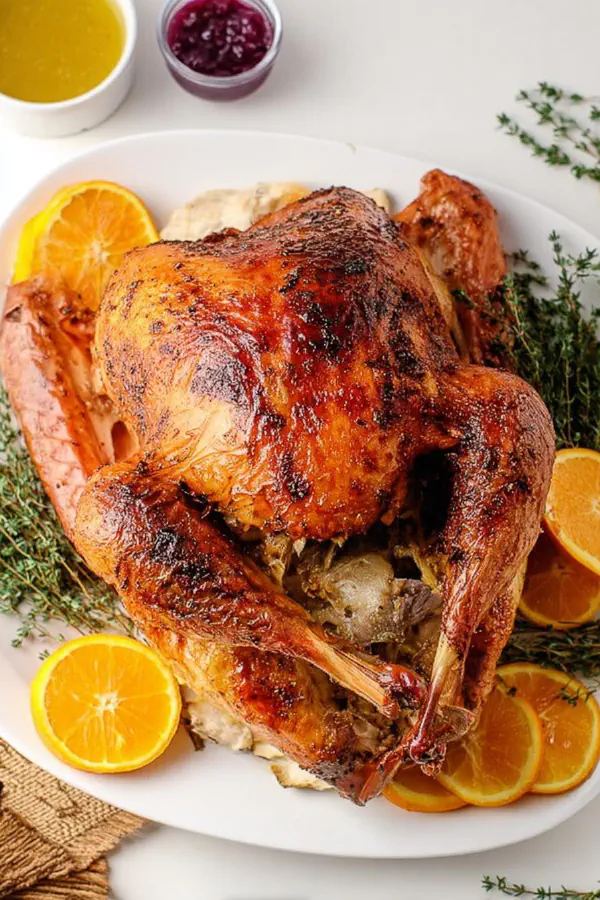
Orange Anise Thyme Turkey
By Kate
"
Roasted whole turkey infused with fresh citrus, star anise, and thyme. Butter rubbed under skin for moisture and flavor, orange juice injected for deep citrus notes. Cavity stuffed with savory aromatics and compound butter. Oven roasted at moderate heat, basting to maintain juiciness, shielded when browning fast. Rested thoroughly before carving. Accompanied by red wine gravy thickened with cornstarch slurry, finished with sautéed shallots and fresh thyme. Substitutions include lemon or grapefruit for oranges, fennel for star anise. Practical tips on skin loosening, pestering dryness, and temperature checks included.
"
Prep:
45 min
Cook:
3h 30min
Total:
4h 15min
Serves:
6 servings
turkey
holiday
roasting
citrus
herbs
Introduction
Roasting a big bird. Not complicated but many wrong turns. Skin tough, breast dry, overcooked legs. Citrus injects brightness, star anise gives subtle licorice note without overpowering. Butter under skin? Crucial for moist meat and crispy skin. Loosen slow, work gently. Cavity herbs infuse from inside while roasting. Resting not optional but essential; meat fibers relax and hold juices snug. Gravy thickened with roux then wine and broth reduction. Thickened by cornstarch slurry for final finish avoids lumps. Cooking times flexible; rely on thermometer and color; look, touch, smell. Experience matters here — nothing replaces practiced hands and patience. Browning is visual cue, aroma confirmations, texture tests. Address problems as they come; fix dryness with basting or loose foil tenting.
Ingredients
In The Same Category · Hearty Mains
Explore all →
Chile Relleno Savory Quiche
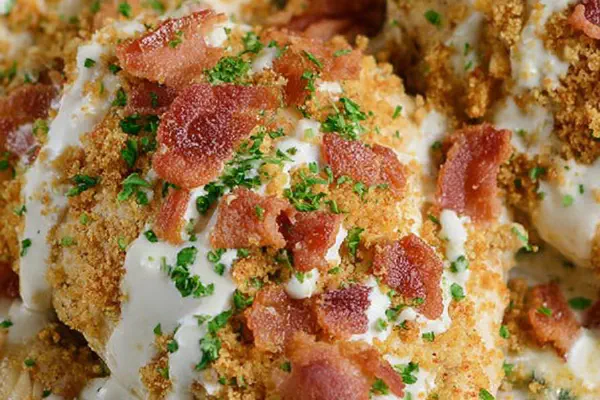
Bacon Ranch Chicken Twist
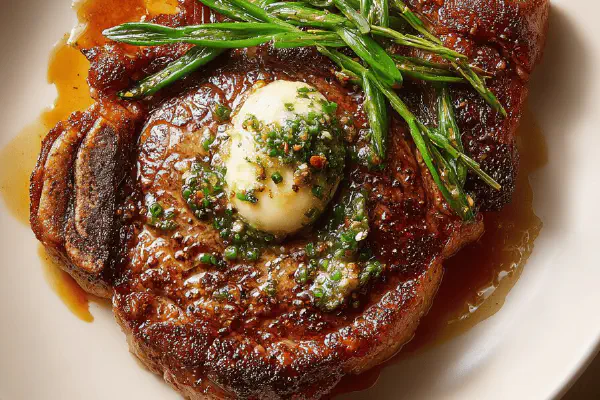
Steak with Jalapeño Miso Butter
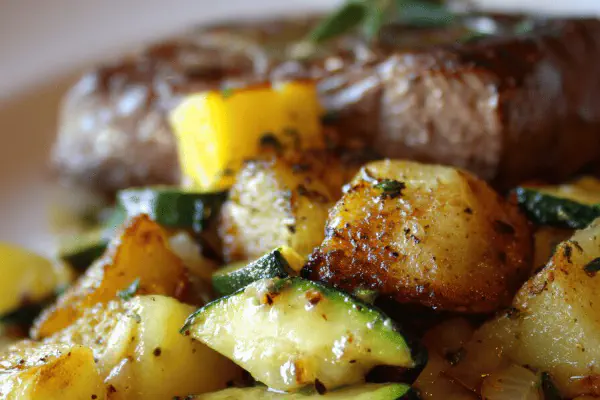
Beef Steak with Crispy Potato Zucchini
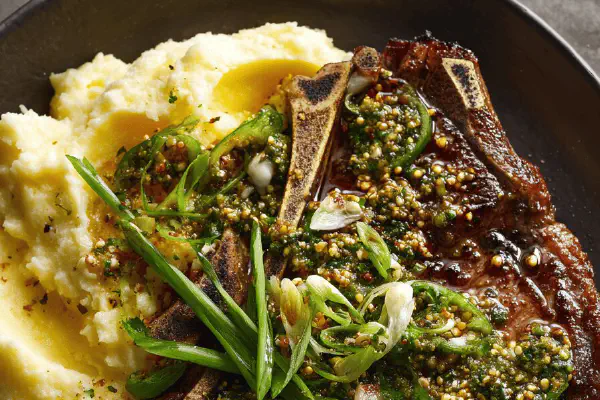
Spiced Marinated T-Bones
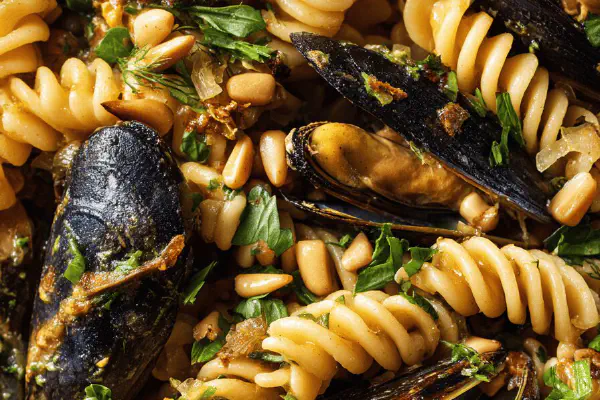
Curried Mussels Fusilli
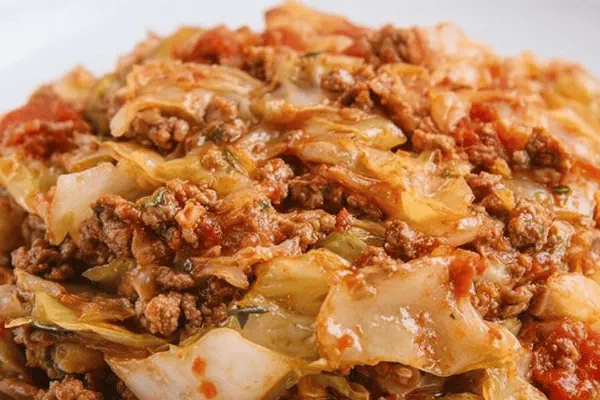
Hearty Cabbage Roll Bake
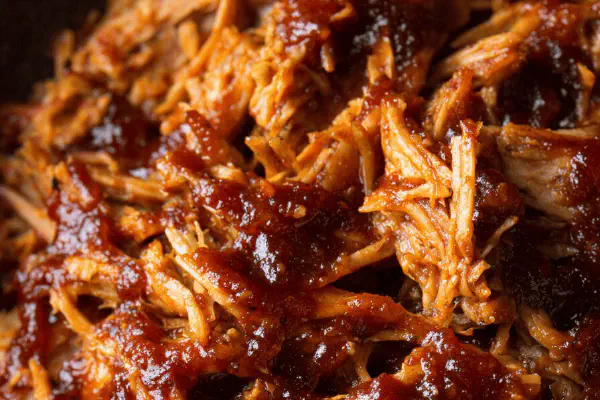
Smoky Slow Cooker Pulled Pork
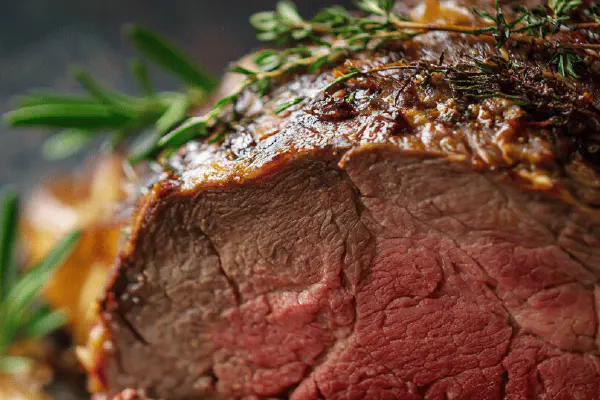
Slow-Roasted Beef Twist
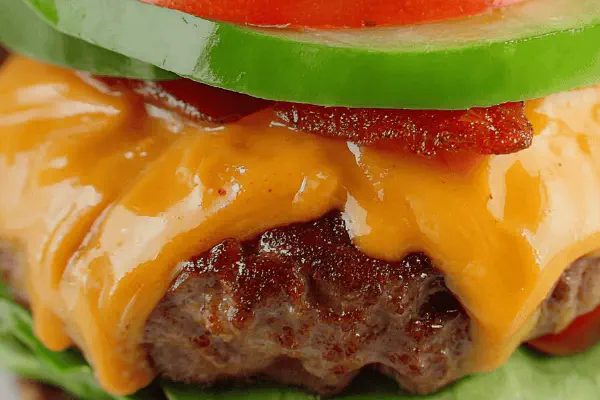
Twice-Cheddar Double Burger
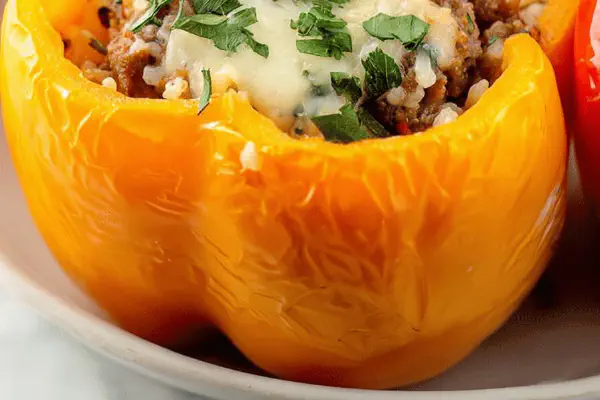
Twisted Stuffed Peppers
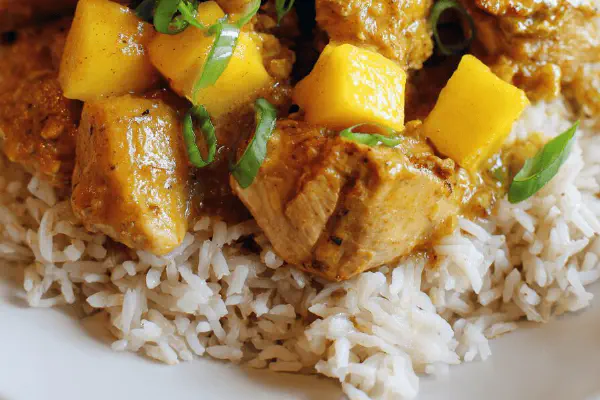
Mango Chicken Boudreault Style
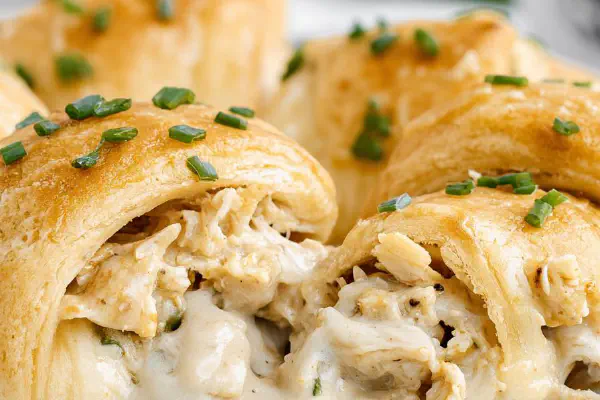
Chicken Crescent Pockets
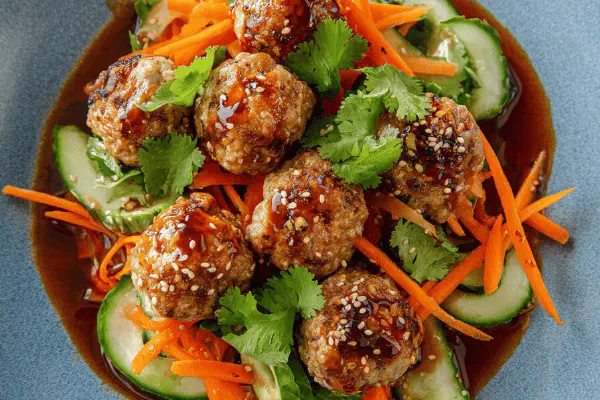
Sesame Pork Meatballs with Cucumber Salad
One-Pot Basil Chicken Skillet
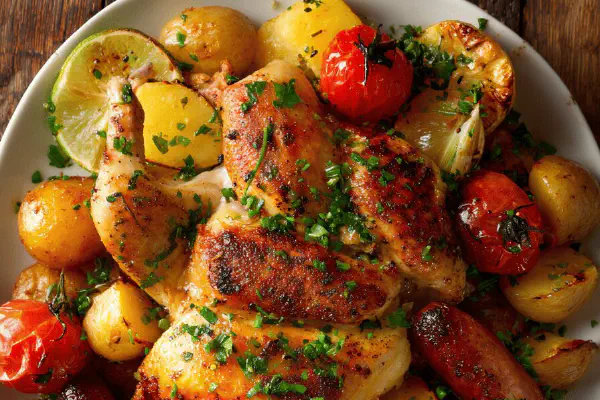
Chicken Chorizo Citrus Roast
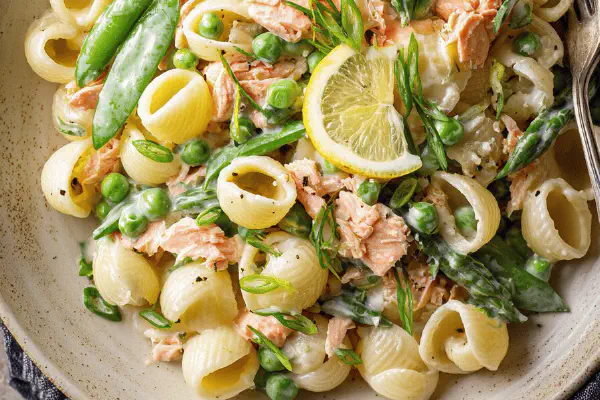
Salmon Pea Shell Pasta
Oven BBQ Chicken Twist
Pork Stew with Yukon Gold
Zesty Baked Chicken Thighs
Cauliflower Chickpea Curry
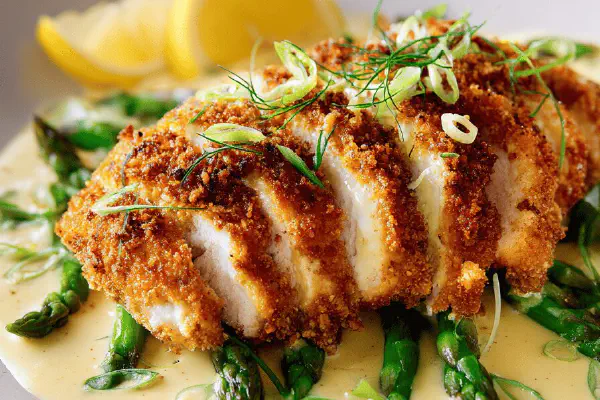
Air Fryer Spiced Chicken Breast
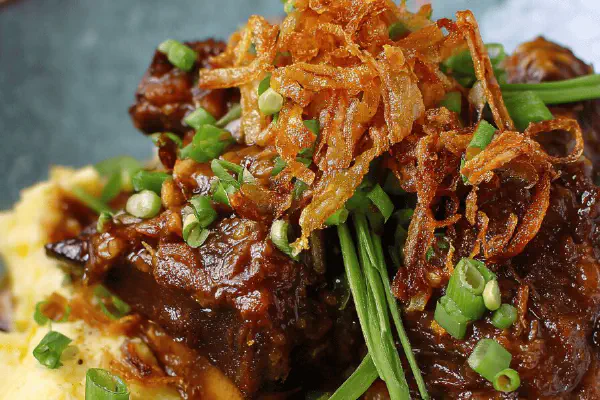
Slow-Cooked Beef Ribs and Creamy Potato Smash
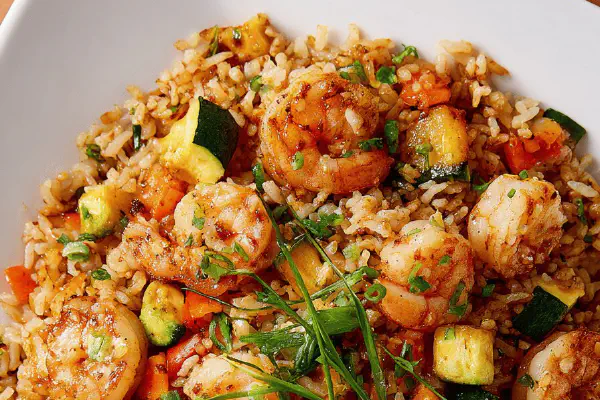
Shrimp Fried Rice Sheet Pan
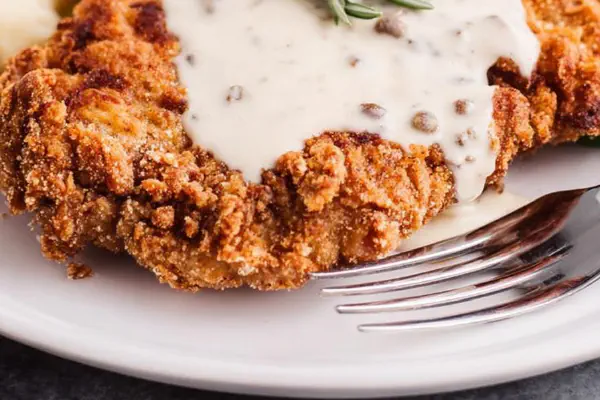
Crispy Oven-Finished Fried Cube Steak
Rabbit Lemon Parmesan
Stuffed Veal Balls with Gruyere
Pork Tenderloin Espelette
French Bread Chicken Pizza
About the ingredients
Substitute lemon or grapefruit zest if oranges unavailable, adjust sugar to balance acidity. Star anise can be swapped with fennel seed crushed lightly, gives milder anise flavor. Butter can be replaced partly with olive oil for less richness but risks less crisp skin. Kosher salt preferred for even seasoning but fine sea salt works; adjust quantity accordingly to avoid oversalting. Red wine choice impacts gravy depth—cabernet sauvignon or pinot noir both fine but avoid overly tannic heavy wines as may turn bitter. Broth low sodium to control salt levels in finished gravy. Garlic should be fresh not powdered for flavor punch. Rest times depend on size of bird; large turkeys need longer to stabilize heat internally.
Method
Technique Tips
Prepping citrus first prevents delay mid-step. Skin loosening—do it slowly to avoid tearing which makes butter slip out. Injecting juices adds moisture deep inside; pump multiple small doses rather than all at once to avoid pockets. Trussing standard for stability, keeps legs close to body to ensure even cooking. Temperature most reliable indicator of doneness; 165°F minimum but can go a bit higher for texture preference. Tent foil loosely after cooking to avoid soggy skin. Constant basting key if orange juice injection skipped; retains surface moisture and flavor. Gravy roux browned lightly or risk raw taste; whisk constantly to prevent lumps. Reduction intensifies flavor but watch heat; burn ruins sauce. Cornstarch slurry quick fix to thicken gravy last minute—slowly add back while stirring to avoid clumps. Let rest after thickening to settle consistency before serving.
Chef's Notes
- 💡 Skin loosening needs patience. Use fingers, gentle but firm. Work slowly to prevent tears. Butter needs to stay put. Even if skin is tight, push through.
- 💡 Garlic fresh is a must. Avoid powder; it lacks punch. Prepping citrus first is key. Zest packs flavor; juice for injections. Keeps flavors bright and vibrant.
- 💡 Basting? Every 30 mins. Consistency matters. Skip premature opening of the oven. Temps drop. Check with thermometer; aim for 165°F but know texture. Some like firmer at higher temps.
- 💡 Tent foil if areas darken too soon. Not all golden-brown is overdone. Watch skin closely. Lustrous and crisp is the goal. Smells should be divine at this point.
- 💡 Resting is crucial. 25 mins minimum after roasting. Loosely cover with foil to keep warmth. Let those juices move back and settle. Teasing the carving knife too early leads to mess.
Kitchen Wisdom
What to do if turkey skin burns?
Tent with foil. Shield but still allow browning. Watch closely. Temp control is vital. Skin can get crispy, just not charred.
How to store leftovers?
Transfer meat to containers. Store in fridge, use within 3-4 days. Or freeze. Slice and separate for easy reheating later.
If gravy is too thin?
Cornstarch slurry fix. One tablespoon mixed with cold water. Stir in slowly to avoid lumps. Let simmer a bit for thickening.
Can I use lemon instead of orange?
Yes, zest works well. Adjust sugar as needed. Bitter notes possible if too much zest added. Balance is vital.
You’ll Love These Too
Explore all →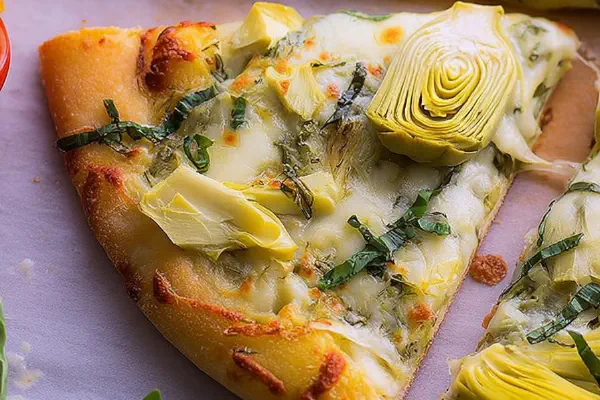
Cheesy Spinach Artichoke Pizza
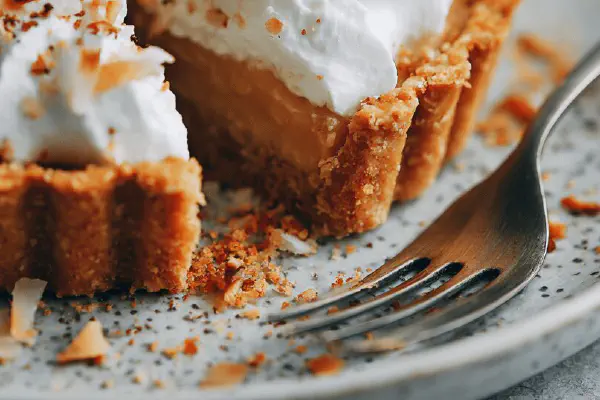
Coconut Cream Tart

Cilantro-Lime Vierge Sauce
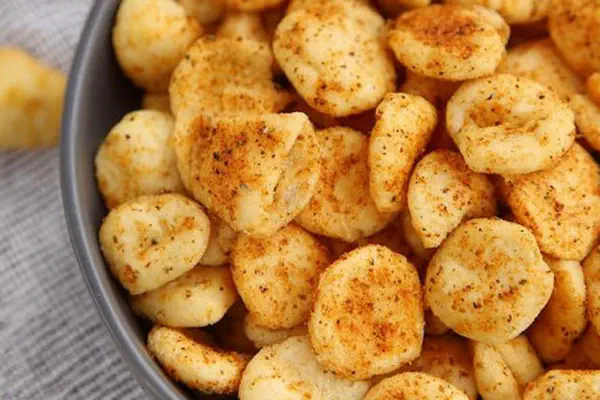
Spiced Herb Oyster Crackers
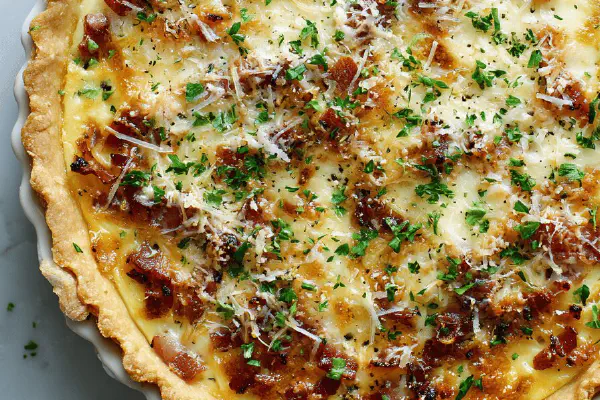
Alsatian Flambé Tart Twist
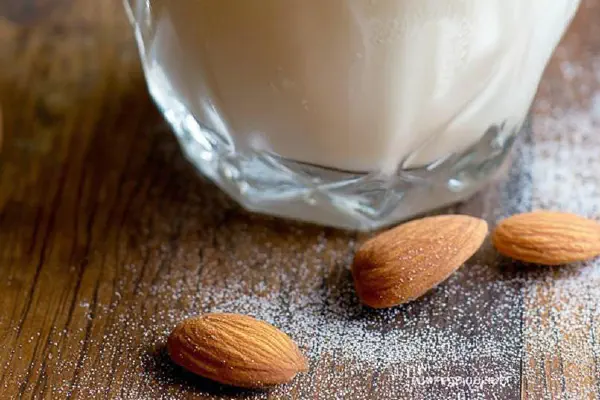
Creamy Cashew Milk
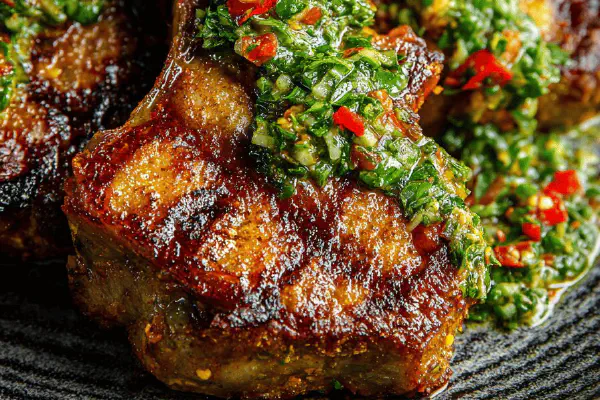
Lamb Chops with Mint Gremolata

Pumpkin Cinnamon Rolls Remix
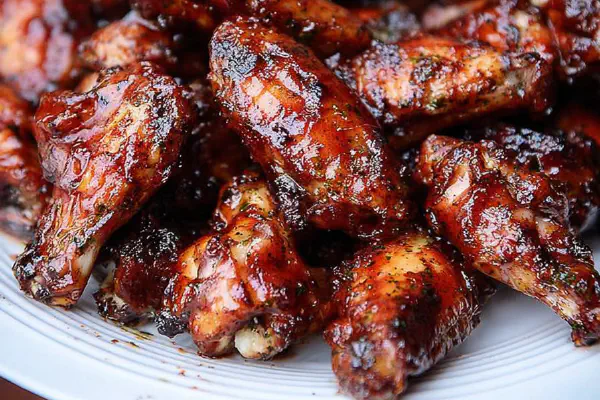
Spiced Smoked Hickory Wings
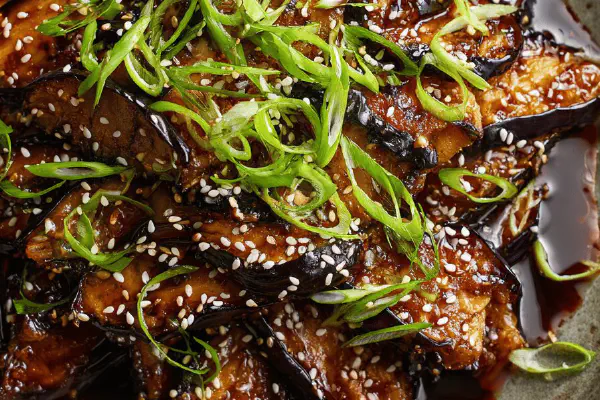
Miso-Glazed Eggplants
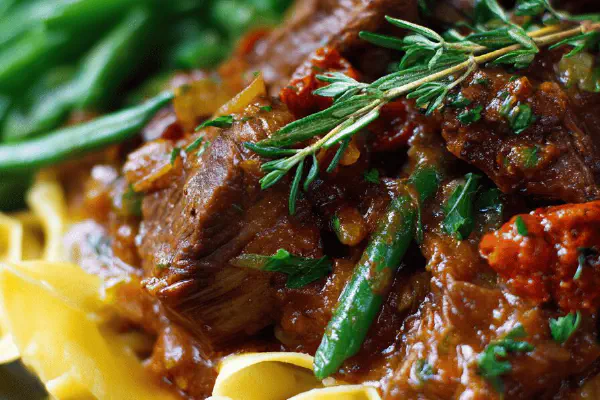
Braised Beer Beef with Chorizo Twist
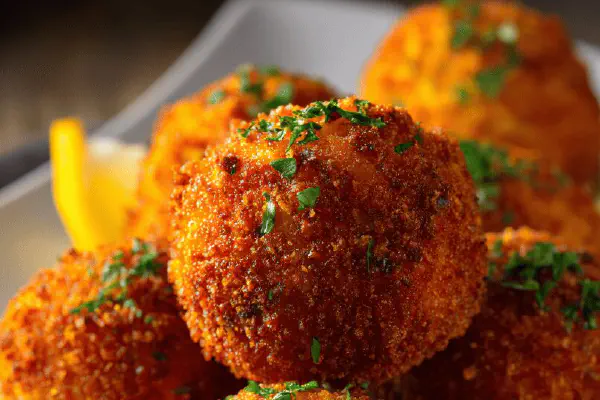
Shrimp Arancini Bites
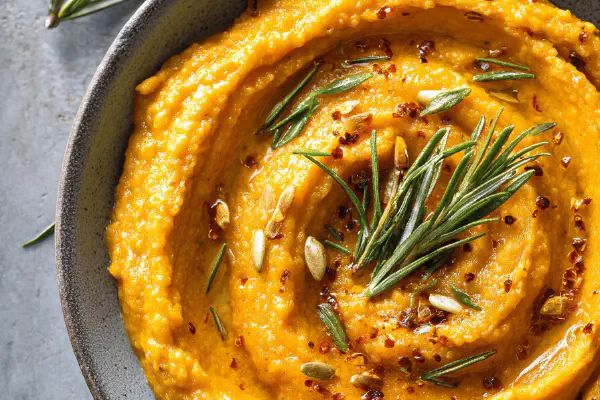
Roasted Pumpkin Purée
Twisted Cake Mix Cookies
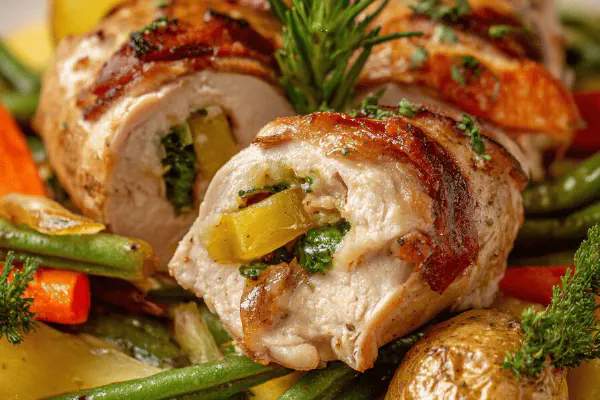
Chicken Roulades Autumn Veg
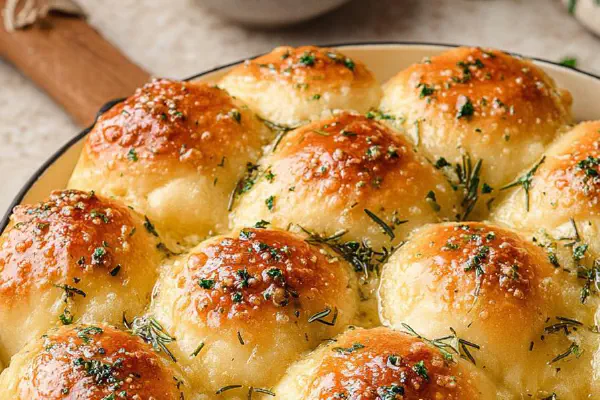
Garlic Rosemary Pull-Apart Rolls
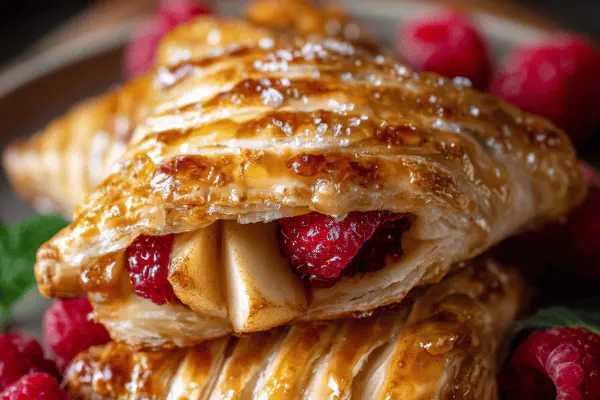
Maple Apple Turnovers

Artichokes in Tomato Vinaigrette
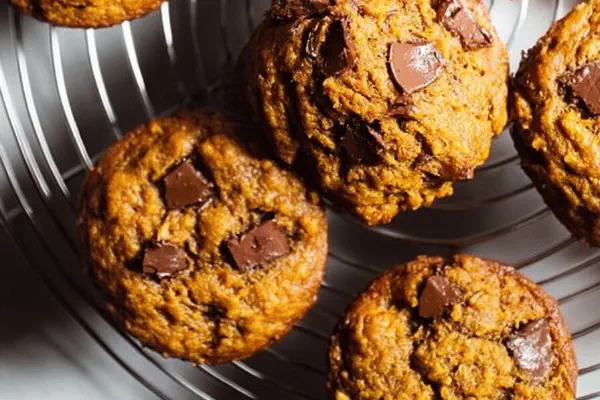
Flourless Pumpkin Muffin Bites
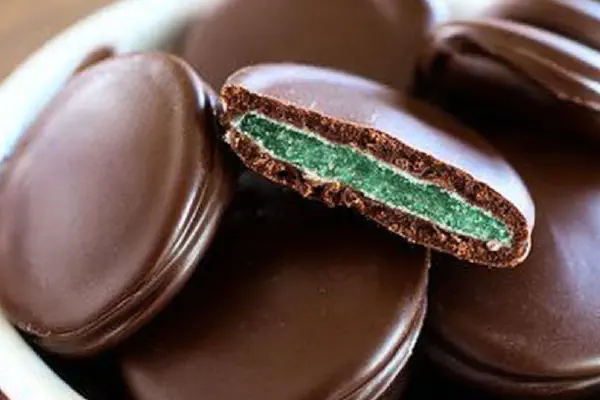
Lean Mint-Coated Dips
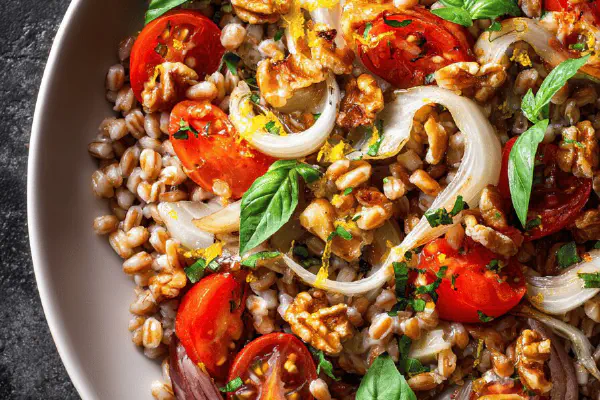
Barley Salad with Fennel & Cherry Tomatoes
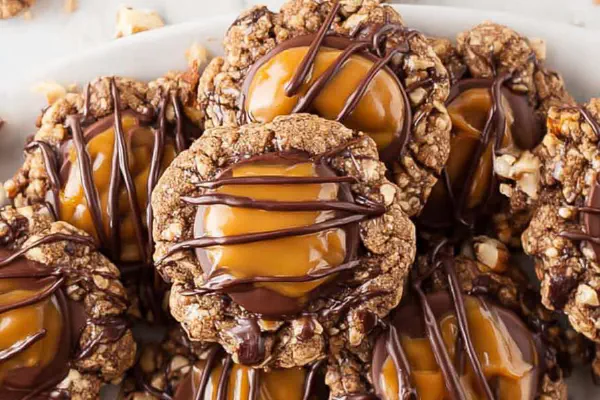
Nutty Caramel Thumbprints
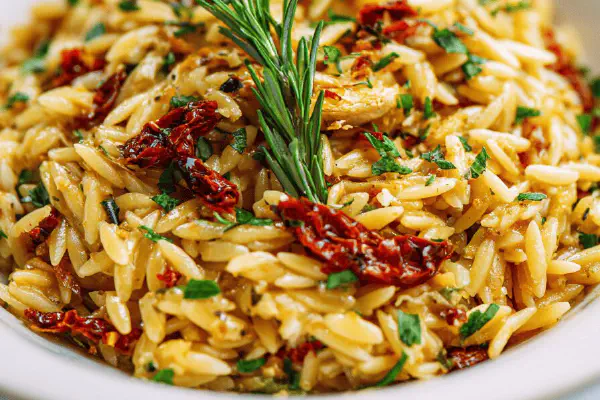
Orzo with sun-dried tomatoes
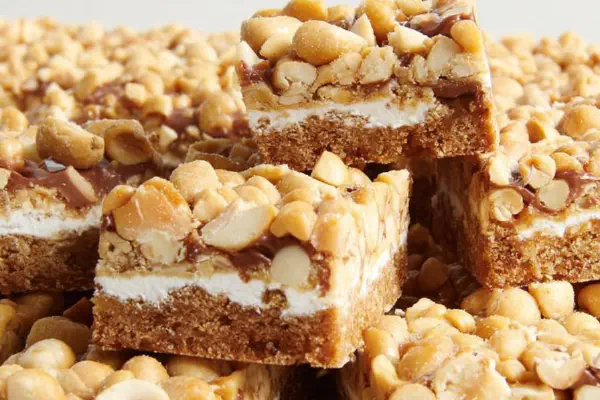
Salted Nut Rice Krispies Bars
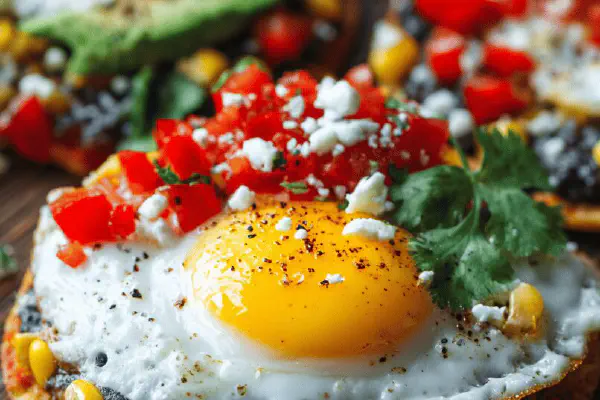
Egg Tostadas with Black Beans
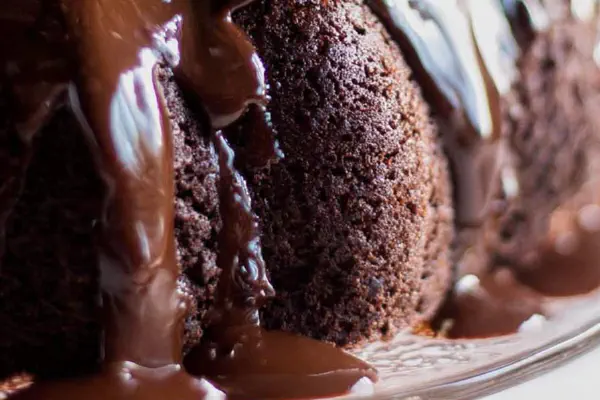
Red Wine Fudge Cake

Coconut Lemongrass Broth
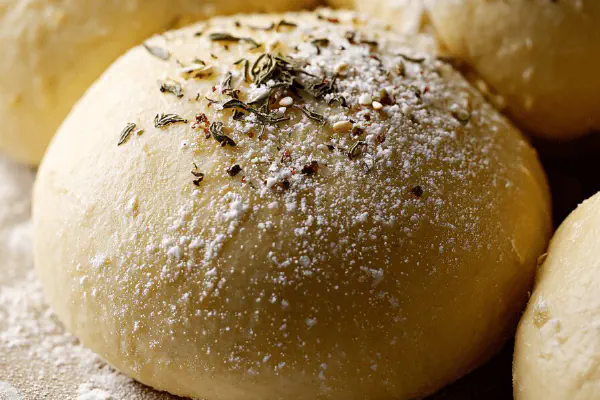
Basic Vegan Pizza Dough
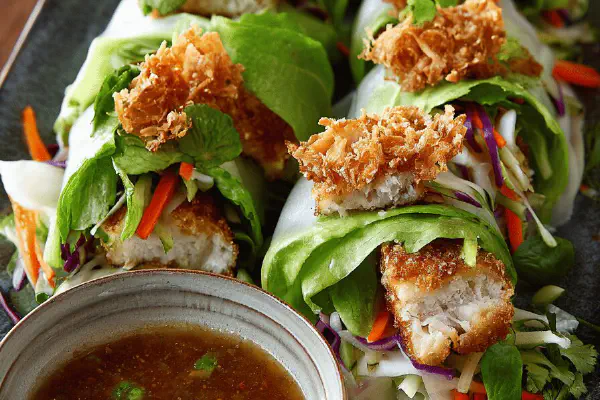
Crunchy Tofu Rolls