Featured Recipe
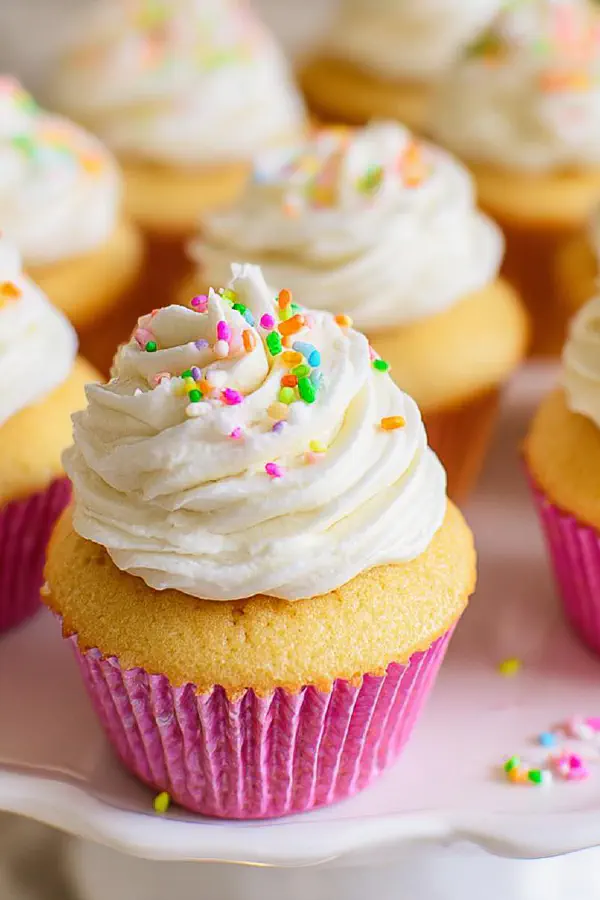
Orange Cardamom Cupcakes
By Kate
"
Light cupcakes whipped with a blend of butter and oil for moistness. Cardamom and orange zest swap in vanilla for a fresh twist. Uses all-purpose flour and fine ground almonds for texture balance. Baking powder and soda react to keep crumb tender but structured. Slightly less sugar to let citrus sing. Milk replaced partly with kefir for tang and lift. Frosting trades powdered sugar for a combo of cream cheese and butter, creamy with a subtle tang. Simple syrup soak keeps cupcakes moist if overbaked. Baking cues rely on dome rise and toothpick dry-test, not strict timers.
"
Prep:
20 min
Cook:
20 min
Total:
40 min
Serves:
12 servings
dessert
baking
cupcakes
citrus
Introduction
Butter, oil, sugar whipped aerate the base. Cards on the table: oil’s that moisture insurance policy for cupcakes—keep crumb tender but not greasy. Flour plus almonds, a tactile balance—almonds snuck in for bits of crunch and nuttiness without heaviness. Baking soda and powder, their roles distinct but team effort crucial: soda nudges browning, powder ensures rise stays steady. Eggs, one by one, folded in for structure. Then splash kefir, a quiet tang and moisture boost you don’t suspect. Zest and cardamom swapped in because vanilla’s done to death and sometimes you want that spark, a scent that hits floral and citrus all at once. Baking time not gospel — watch the dome, the golden edges, the feel of the cupcake’s bounce. Cool thoroughly or frosting melts like bad timing. Frosting flips butter and sugar for cream cheese’s subtle tang; tang needed against buttery sweetness. Simple syrup soak? Lifesaver when cupcake feels past its prime—brushed on and presto, fresh again. Practical. No fluff.
Ingredients
For frosting === 1/2 cup unsalted butter softened
- 4 oz cream cheese softened
- 2 1/2 cups powdered sugar sifted
- 2 teaspoons orange juice fresh
- 1/2 teaspoon vanilla extract
- Orange zest or toasted sliced almonds for garnish
In The Same Category · Sweet Treats
Explore all →
Microwave Brownie Mug Twist

Air Fryer Churros Twist

Peppermint Candy Cookies
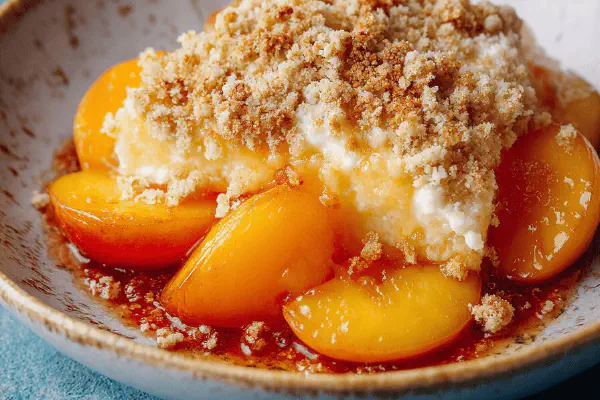
Nectarine Apricot Pouding-Croustade
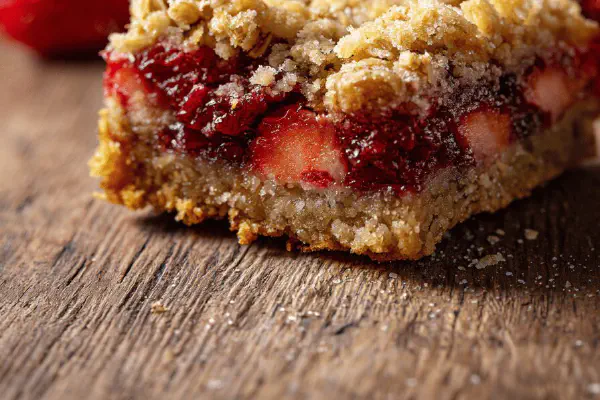
Strawberry Oat Crisps
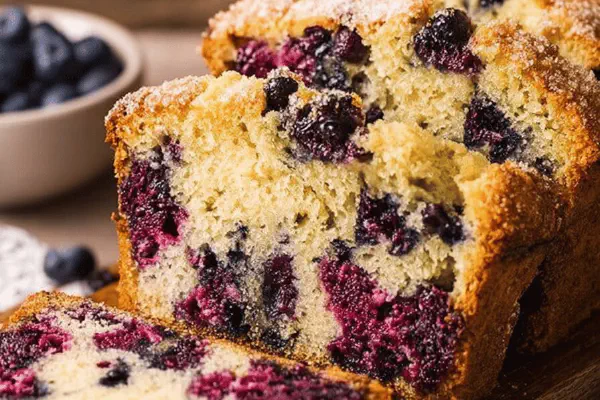
Lemon Blueberry Quick Bread

Golden Croissants with Rum Caramel
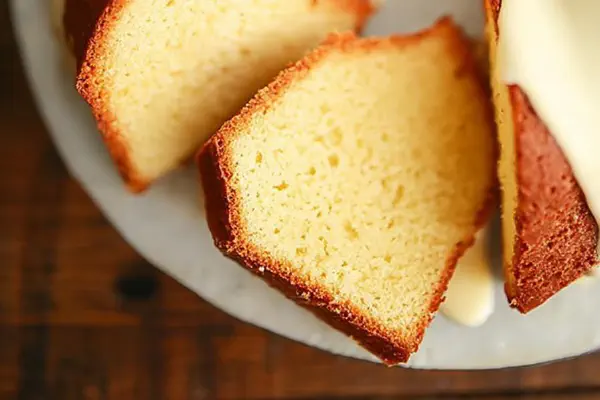
Eggnog Spice Pound Cake
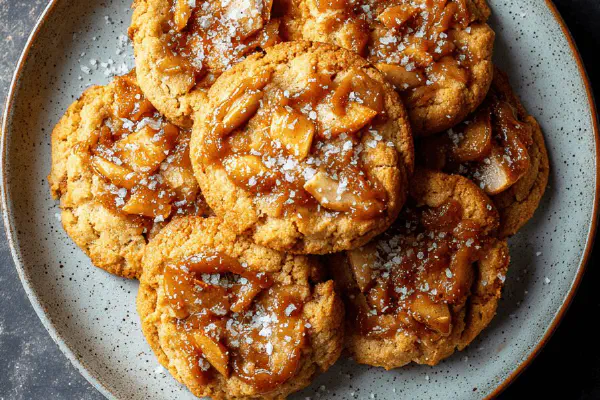
Apple Caramel Cookies Twist
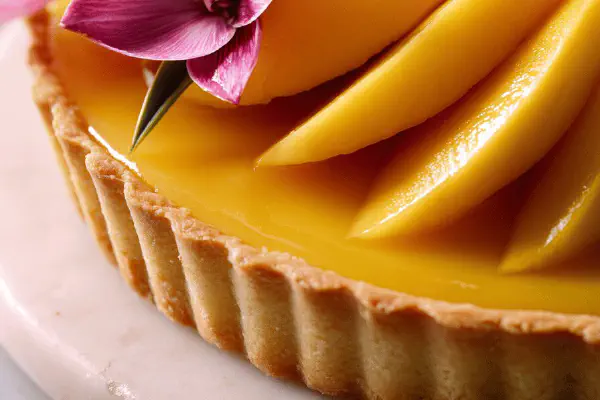
Mango Pitahaya Tart
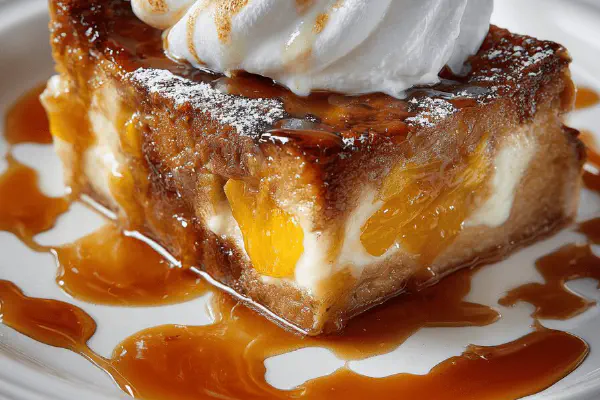
Caramelized Bread Pudding with Spiced Rum Sauce
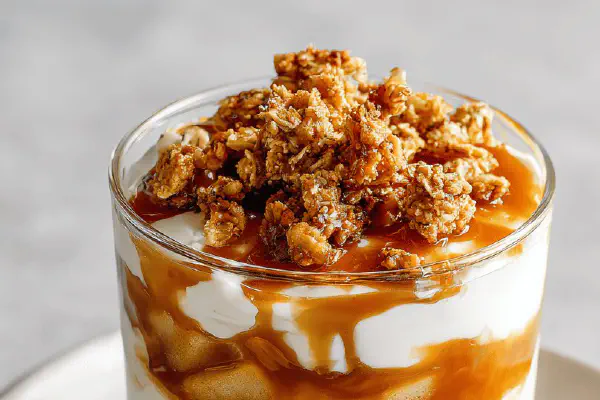
Apple Maple Parfait Twist
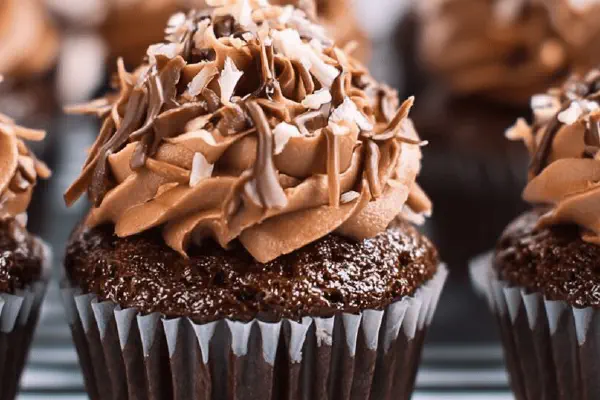
Twisted German Chocolate Cupcakes
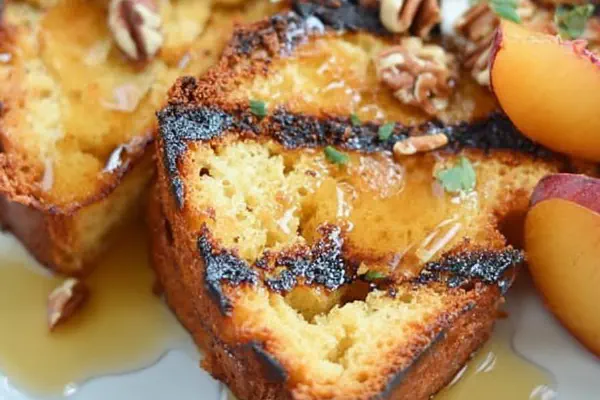
Grilled Pound Cake Twist
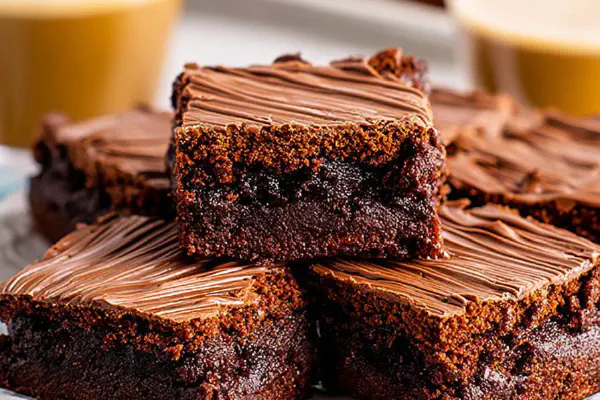
Irish Whiskey Brownie Ganache
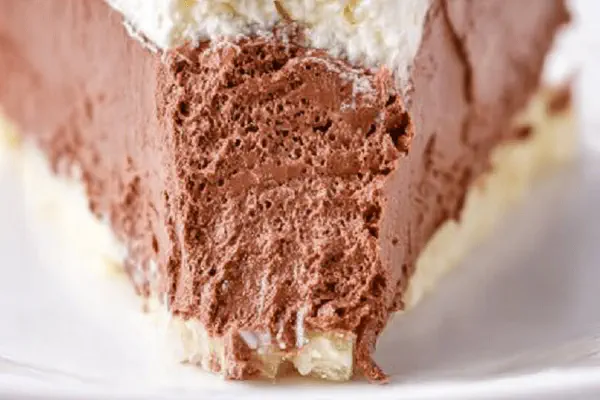
Silky Chocolate Cream Pie
Flamed Pineapple with Rum
Salted Caramel White Chocolate Cookies
Mini fudge squares
Twist Banana Pudding Fluff

Stuffed Cinnamon Monkey Bread
Tiramisu Cookies Twist
Fried Custard Squares
Pistachio Marble Loaf
Cadbury-Stuffed Cupcakes
Chunky Chocolate Pecan Brownies
Caramelized Peaches Maple Chantilly
Chocolate Brioche Buns
Crunchy Hazelnut Cookies
About the ingredients
Softened butter—not melted—is a kitchen catch. Melted butter reconfigures batter too wet, leads to flat cupcakes. Oil balances fat and moisture; sub in any neutral flavor oil: canola, grapeseed. Almond flour swapped in for part all-purpose flour adds texture and flavor, but keep within 50% max; excess almonds make cupcakes dense and crumbly. Kefir or buttermilk for tang and lift; plain milk will work but lose tang. Cardamom powder chosen for aromatic lift; optional if unavailable—sub cinnamon or nutmeg but cardamom brightens differently. Orange zest fresh and finely grated works better than dried—intense aroma and oils. For frosting, cream cheese softened perfect balance; too cold means lumps, too warm means runny. Powdered sugar sifting stops grit in sweet spread. Vanilla extract holds back against orange zest — flavor layers, don’t fight. Garnishes optional but add crunch or pop of color. Sliced toasted almonds or candied zest. Keep liners fitted to avoid spillover and uneven bake.
Method
Cupcakes
- Oven preheated to 345°F. Tin lined with paper liners, set aside. Why 345 instead of 350? Slower rise, less dome cracking. Subtle difference but noticeable in crumb.
- Dry mix straight into a bowl. Whisk all-purpose flour, almonds, baking powder, baking soda, salt. Almonds add tiny nutty pockets, stop crumb from drying. No sifting necessary if flour freshly measured but whisking aerates.
- Butter, oil, sugar whipped with mixer on medium-high. Butter softened, not melted — soft texture but still structure. Oil for moisture; don't skip or cupcakes turn dry and crumbly.
- Beat till mixture looks pale, fluffy, ribbon-like. Stop frequently to scrape the bowl sides. Undermixing means uneven crumb. Overbeating sugar and butter can trap too much air, causing collapse later.
- Eggs added one at a time. Each fully incorporated before next or batter splits. If the batter looks curdled after eggs, add a spoonful of flour — helps bring mixture back together.
- Flavor insertion now. Orange zest and cardamom folded in gently, no mixer. Don't overmix or develop gluten.
- Mix milk and kefir together. Partly replace milk with kefir for subtle tang and lift — substitute with buttermilk if kefir unavailable.
- Reduce mixer speed to low. Add half of dry ingredients and beat just to combine. Slow drizzle in half milk mixture, then repeat with remaining dry, then milk. Avoid overmixing after adding liquids. Batter should be smooth but thick sticky, shiny.
- Divide batter evenly into liners using ice cream scoop for uniform size. Tap pan on counter twice to settle batter, release air bubbles.
- Bake 17 to 22 minutes — watch dome rise and light golden edges. Toothpick test crucial: when inserted, pulls out mostly clean with a few moist crumbs. Avoid waiting till fully dry pokes. Visual and touch cues better than time alone.
- Cool cupcakes in pan for 5 minutes. Then transfer to cooling rack. Frosting cold cakes or frosting melts into disaster.
- Beat butter and cream cheese together at medium speed until creamy and pale. Cream cheese texture keeps frosting tangy with body. Butter alone frosting too sweet sometimes.
- Add powdered sugar in batches with mixer low to avoid clouding. Once combined, add orange juice and vanilla. Gradually increase speed until light and fluffy. If frosting too soft, add more powdered sugar incrementally. Too stiff add teaspoon milk or orange juice, a spoon at a time.
- Frost completely cooled cupcakes with offset spatula or piping bag. Easy to pipe rosettes or simple smears for no fuss. Garnish with extra zest or toasted almonds for crunch and aroma.
- If you spot dry cupcakes after a day, brush lightly with orange-scented simple syrup before frosting — saves stale or overbaked batches.
- Store cupcakes refrigerated in airtight container if cream cheese frosting sits out longer than 4 hours. Bring cupcakes to room temperature before eating for best texture.
Frosting
Technique Tips
Temperature precision matters. 345°F slows rise, prevents cupcake cracks. Don’t skip bowl scraping while creaming or ingredients hide in sides. Eggs added one at a time help smooth batter texture; rushing risks curdled mix. Control mixer speed: high for creaming but low once flour or milk enter—too much agitation develops gluten, tough crumb. Half flour, then liquid, then flour, then liquid prevents batter overhydration and ensures even mix. Ice cream scoop gives uniform cupcake heights, taps expel air bubbles that cause holes. Baking time varied—don’t rely solely on timer—look for golden edges, domed top, and gentle spring back. Toothpick should come out with moist crumbs, stale dry pokes signal overbake. Cooling briefly in pan lets cupcakes set before moving; avoid steaming wrappers. Frosting whipping done in stages: butter/cream cheese mix first then gradual sugar dilation critical for texture. If frosting too runny, more sugar added slowly; too stiff, a small splash milk or citrus juice breaks stiffness. Brush with citrus simple syrup when cupcakes dry for next-day freshness. Refrigerate if frosting has dairy—creamy frost spoils faster than buttercream. Room temp cupcake best bite. Accounting for kitchen variables: altitude, humidity, oven hot spots. Watch cupcake cues, adjust accordingly—practice over perfection.
Chef's Notes
- 💡 Room temperature butter crucial—softened not melted. Overmixing can create dense crumb. Take care while creaming to avoid collapse. Sugar dissolved well during mixing helps aerate and lightens cupcakes—key for rise.
- 💡 Eggs added one at a time—this helps maintain emulsification. Takes longer, but worth it. Curdled batter from rushing? A spoonful flour can bring it back. Simple, effective fix. Also, fridge cold eggs can cause mix to cool down fast.
- 💡 Watch baking times—17 to 22 minutes varies by oven. Dome rises first, then edges turn light golden. Don’t rely solely on the timer. Touch test: gentle spring back, toothpick, check for moist crumbs. Look for cues—that's reliable.
- 💡 Kefir adds tang, helps with moisture. Buttermilk works if kefir isn’t available. Milk Alone? Forget it, texture changes. Almonds give crunch—too many make it dusty. Stick to balance or dense cupcakes. Not what you want.
- 💡 Simple syrup to revive dry cupcakes—brush on lightly. Fresh again, bright citrus taste. Prevents mistakes from overbaking, helps maintain moisture in the frosting too. Store cupcakes right—avoid fridge too long, cream cheese spoils.
Kitchen Wisdom
Why did my cupcakes sink?
Too much air beaten in could cause collapse. Rushed mixing? Resulting texture matters. Curdled? Add flour to save it. High temperatures make sugar collapse.
What if my frosting is too runny?
More powdered sugar works in stages. Gradual mix helps thicken. Add too quick? Messy. Too stiff? A little milk helps; small amounts only.
Can I use margarine instead of butter?
Attend to moisture, texture loss. Depending on margarine, results may vary widely. Stick with unsalted butter, flavor profiles greatly differ as well.
How to store leftover frosting?
Keep tightly sealed, refrigerated. Cream cheese spoiled fast. Butter only easier—but should be room temp before use. Restoring stiff texture helps, use gentle mixing.
You’ll Love These Too
Explore all →
Quick Fridge Pickles
Grilled Romaine Salad Barbecue Style
Rustic Pappardelle Bolognese
Crunchy Garden Salad Twist
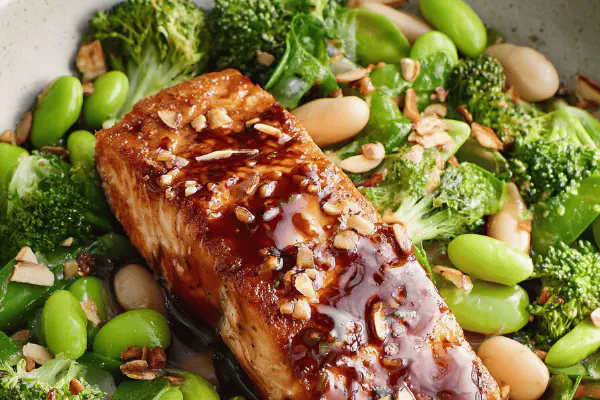
Maple-Glazed Salmon with Warm Bean Broccoli Salad
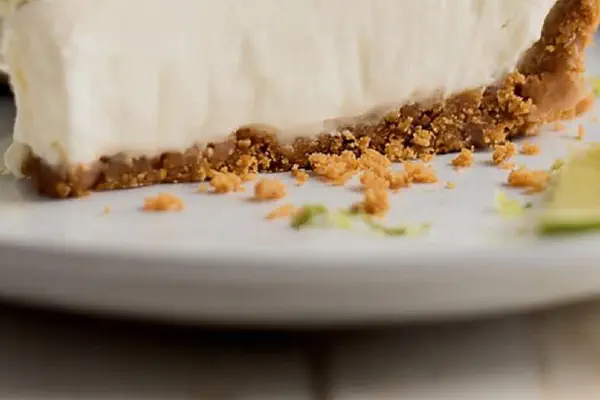
Zesty Lime Cream Pie

Roast Turkey Breast with Apples and Squash
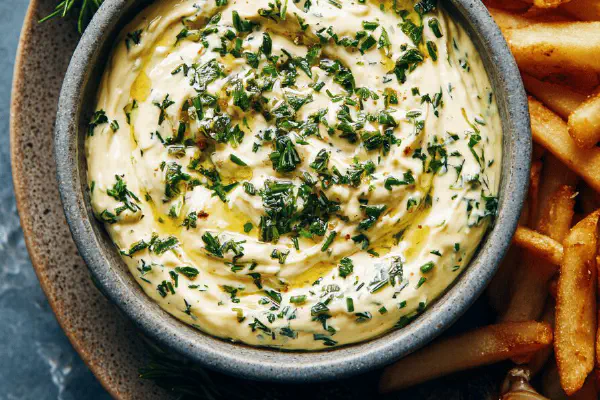
Garlic Herb Aioli

Scrambled Sausage Breakfast Tacos
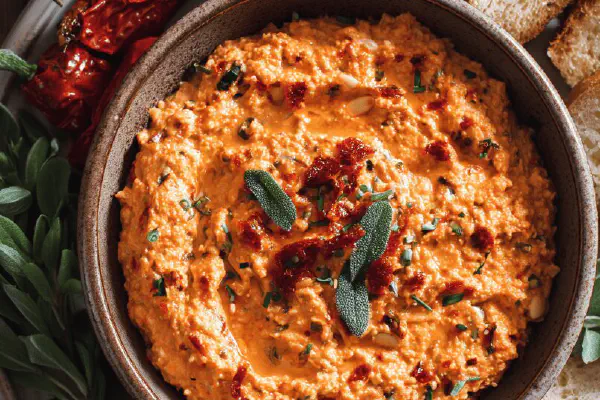
Roasted Red Pepper & Sun-Dried Tomato Dip
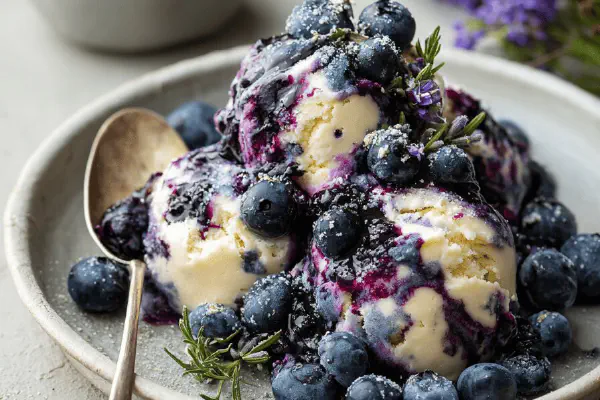
Lavender Wild Blueberry Ice Cream
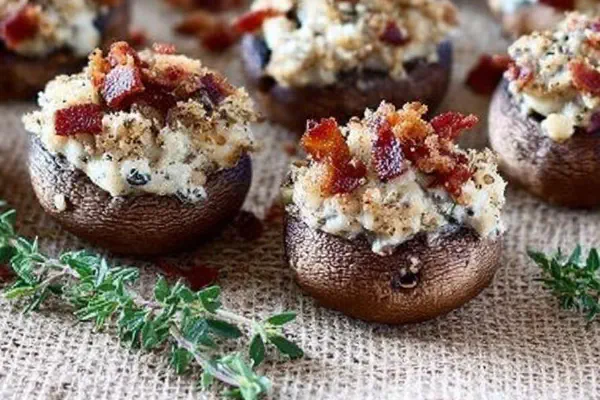
Bacon Cream Cheese Mushrooms

Raspberry Mint Iced Tea

Twisted Bloody Caesar
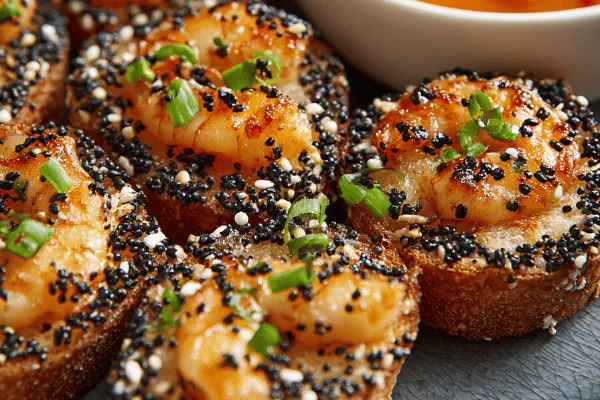
Crunchy shrimp toasts
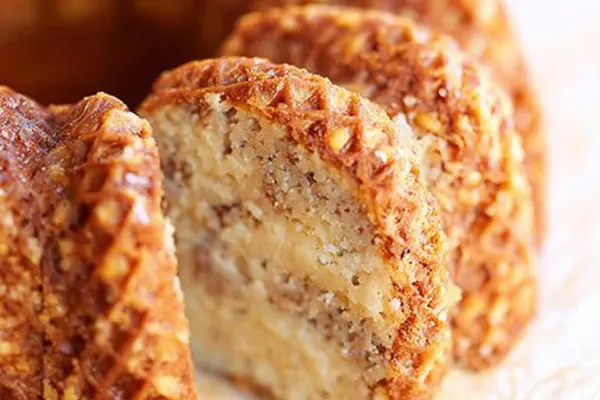
Twisted Vanilla Crunch Cake
Stuffed Cinnamon Monkey Bread

Almond Cream Cheese Pastry
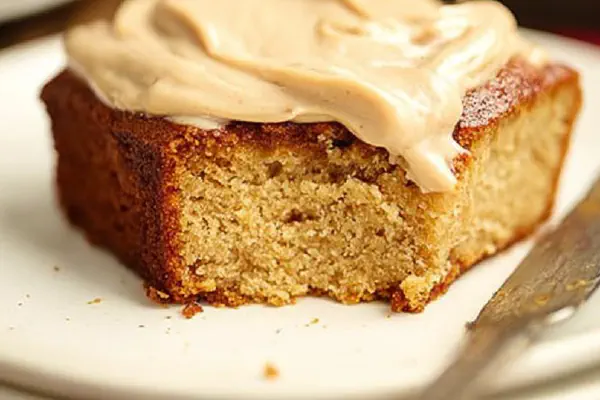
Apple Butter Spice Cake
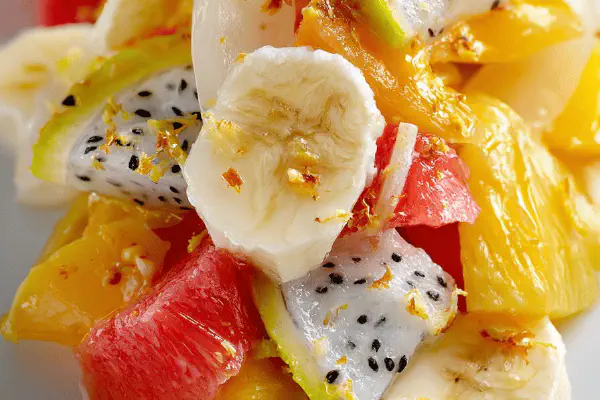
Tropical Yellow Fruit Salad
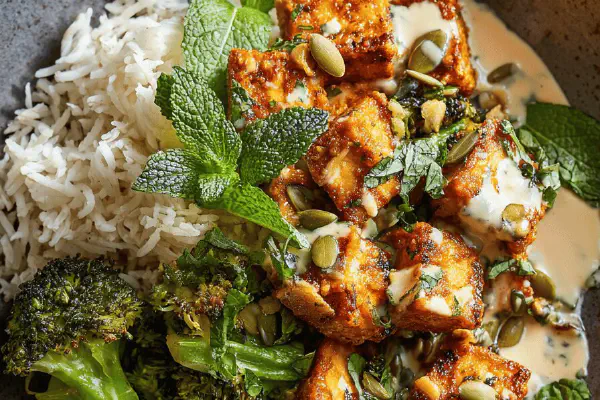
Crispy Air Fryer Tofu Satay
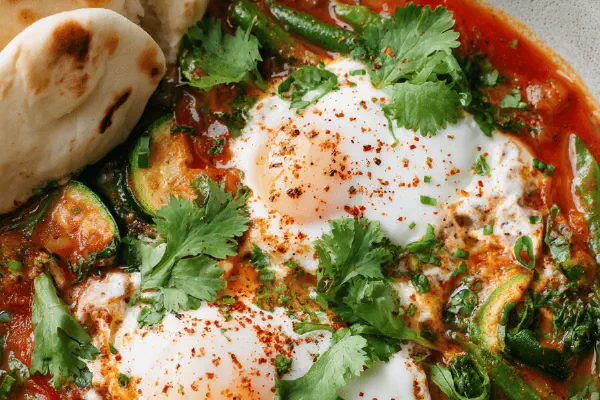
Poached Eggs Indian Tomato Sauce
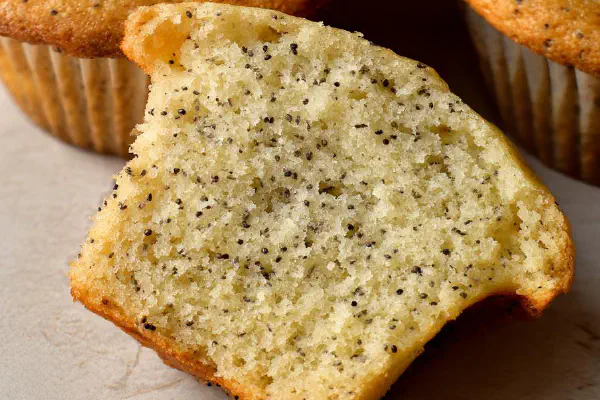
Almond Poppyseed Jumbo Muffins
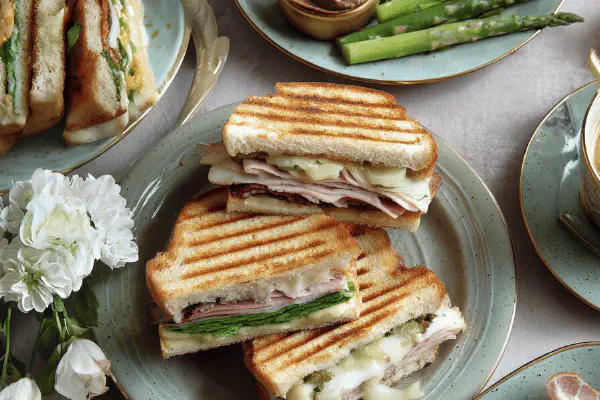
Savory Sweet Grilled Cheese
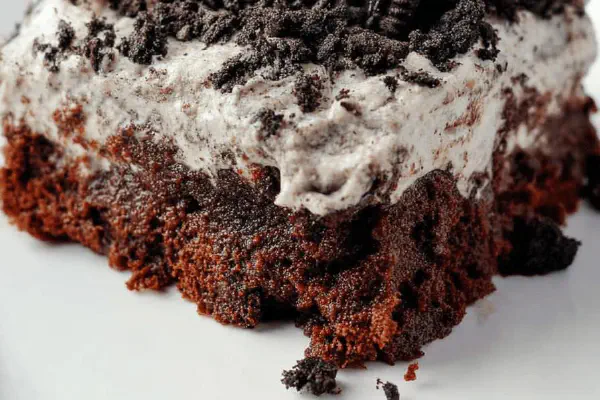
Oreo Poke Cake Remix
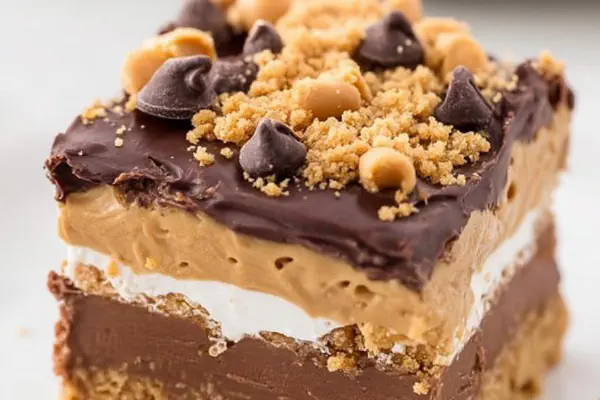
Nutty Dream Bars
Pistachio Marble Loaf
Quick Pickled Red Onions

Curried Lentil Cauliflower Shrimp Soup